Backpacking Tents
NEMO Dagger OSMO vs NEMO Dragonfly OSMO: Which Two-Person Backpacking Tent to Choose
A practical comparison of two freestanding NEMO OSMO two-person shelters, covering packed weight, floor space, vestibules, ventilation, and interior storage.
Introduction
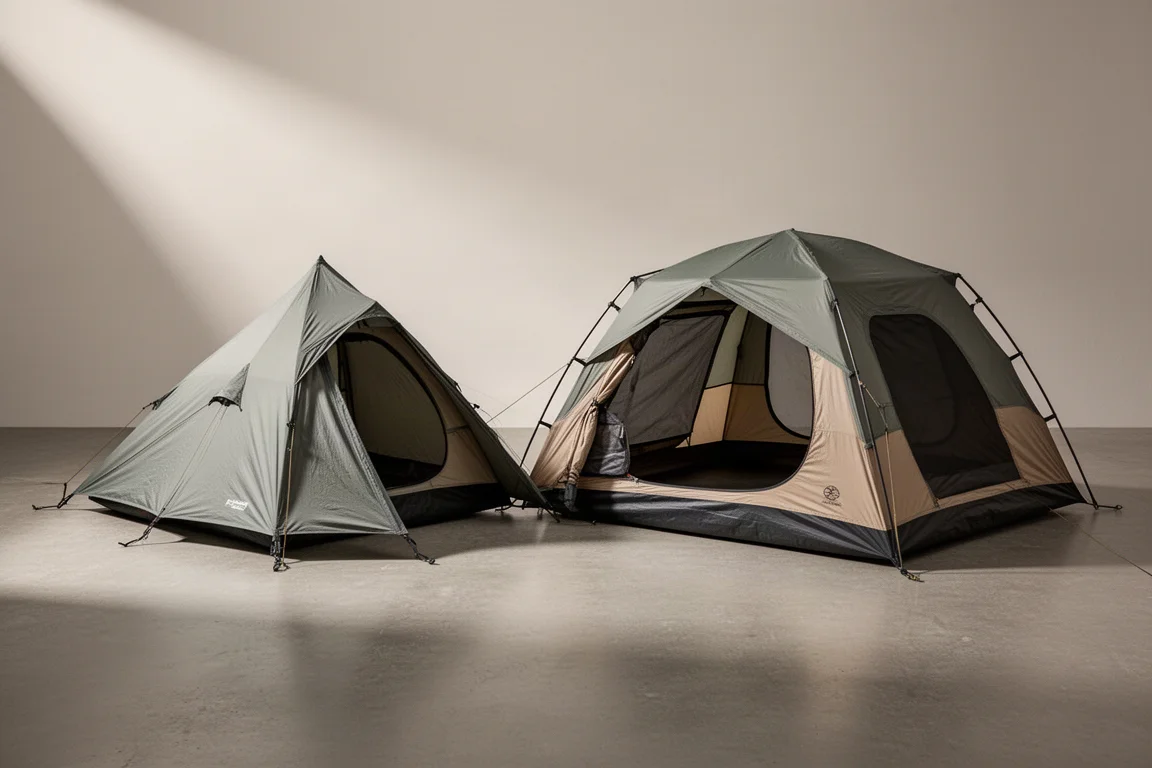
NEMO Equipment offers two freestanding two-person shelters built around the same fabric platform: the Dagger OSMO and the Dragonfly OSMO. On paper they look like close relatives, and in several ways they are. In practice they solve different problems. One is a light, tapered shelter that shines on solo trips and occasional shared nights. The other keeps a full-width floor so two people can genuinely spread out.
This comparison covers the differences that matter in the field: packed weight, usable floor space, storage, vestibules, and ventilation, so you can match the tent to the way you actually camp.
What Both NEMO OSMO Tents Share
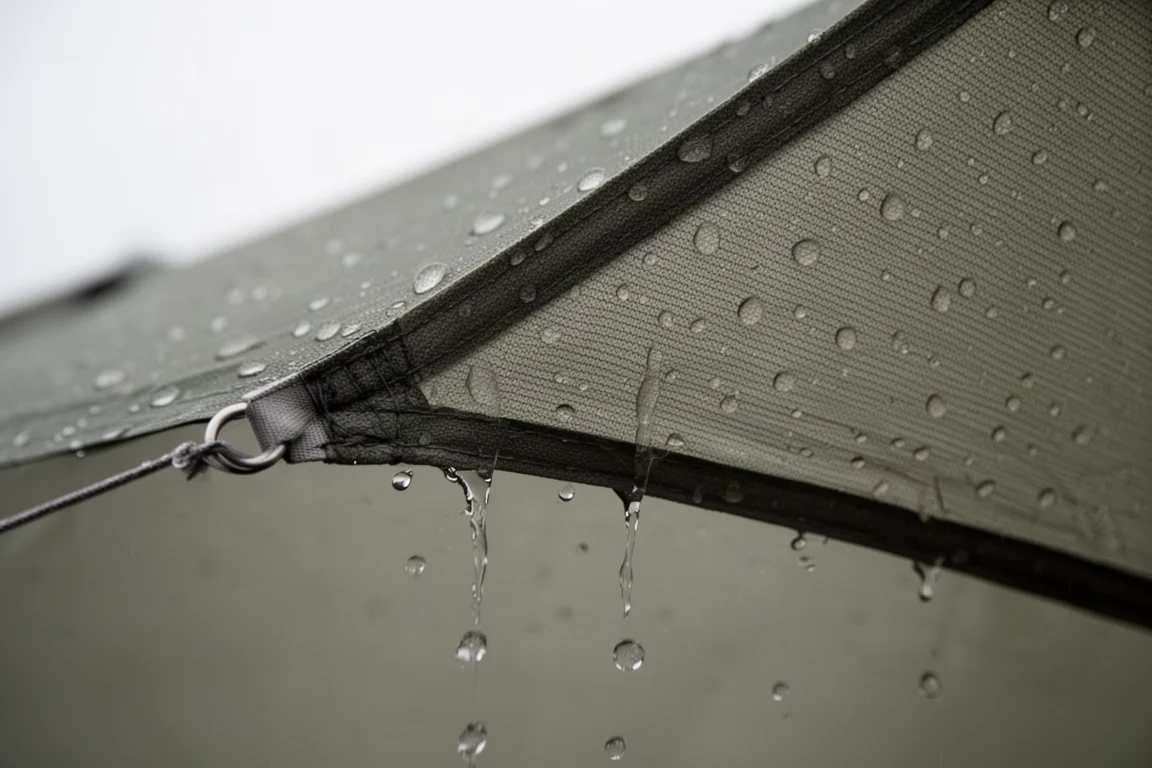
Both tents use OSMO fabric, a polyester and nylon blend that is designed to be strong and to stretch less when it gets wet. That matters most in sustained rain, when a rainfly that sags can end up pressed against the inner tent or against gear stored in the vestibule.
Both are double wall shelters, with an inner tent and an outer rainfly, which helps keep condensation off you and your gear. Neither tent offers much venting beyond a vent at the rainfly zipper, so airflow depends on how you manage the doors and the vents through the night.
Both also share the same mesh approach: black mesh on the top panels so you can leave the rainfly off and look at the sky on clear nights, and a white privacy mesh on the sides that is less see-through.
Because the fabric platform is shared, the real decision comes down to interior volume, packed weight, and how each tent handles weather and storage.
NEMO Dragonfly OSMO: Light and Solo-Friendly
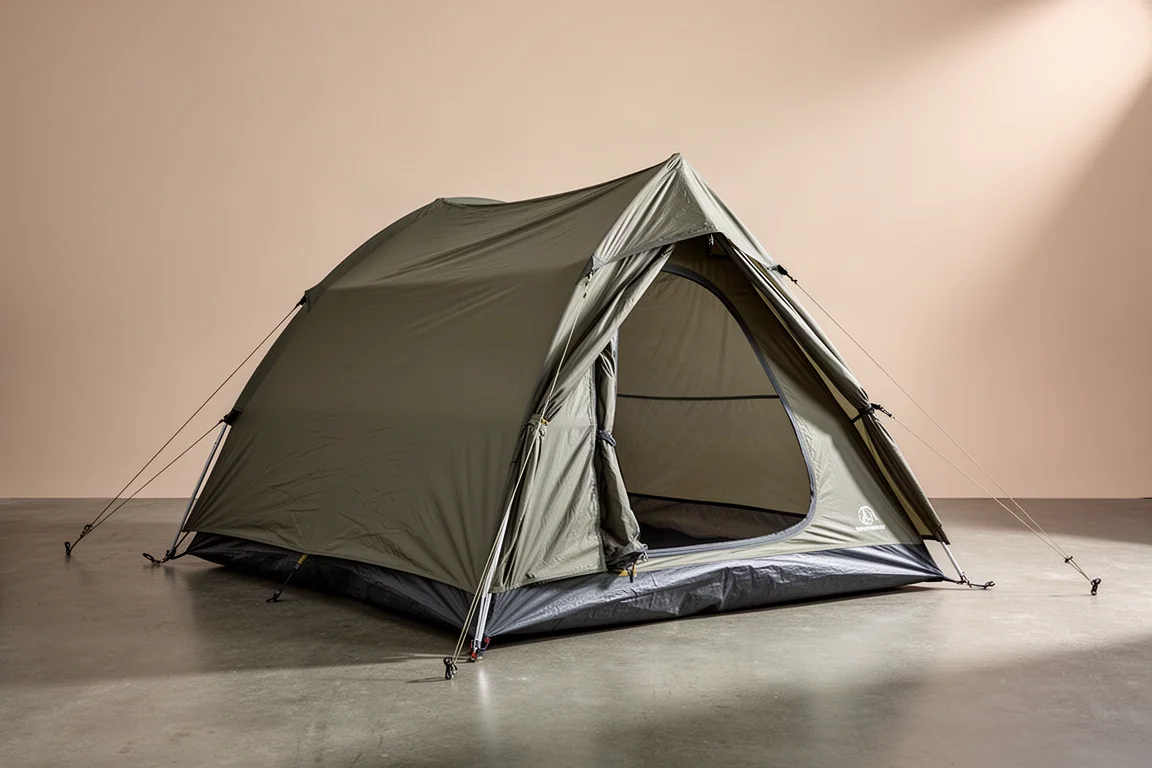
The Dragonfly OSMO is the lighter of the two at 3 lb 2 oz packed. Its floor is tapered, measuring 50 in wide at the head end and 45 in at the foot end, with 41 in of peak height and 88 in of length. Tall campers still fit comfortably, and a wide bridge pole creates fairly vertical walls that make it easy to sit up at the head end.
The taper is the trade-off. Two 25 in wide rectangular sleeping pads do not work effectively in this floor plan. Used solo, the interior feels like a palace, with room to move around and keep gear organized. With two people it is workable but tight, and both occupants standing upright at the same time is not realistic.
NEMO Dagger OSMO: A True Two-Person Shelter
The Dagger OSMO carries more weight at 4 lb 2 oz packed, and it spends that weight on floor area. The floor holds a full 50 in of width across its entire length, so two 25 in wide rectangular pads fit with room left at the ends for gear.
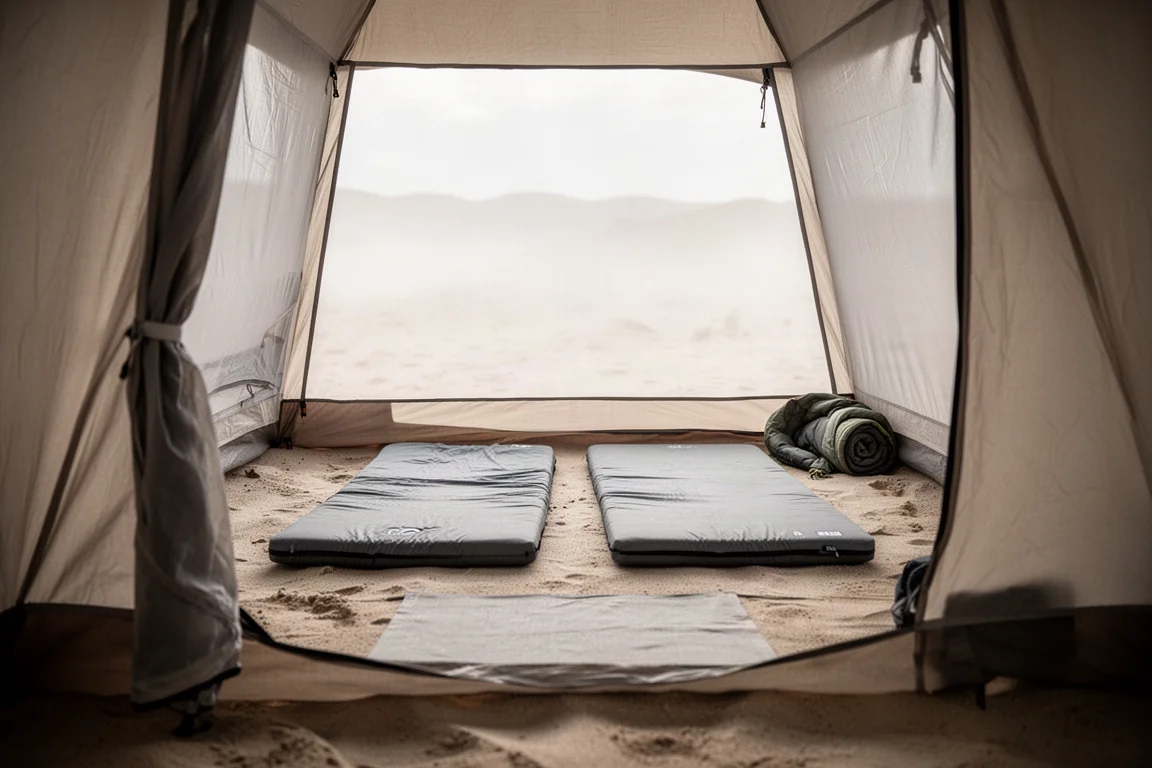
That symmetry also lets you sleep in different orientations depending on your preference, which is a large part of why this model earns the description of a true two-person tent. Split between two people, the Dagger works out to roughly 2 lb of tent per person. It also functions as a roomy solo shelter, and it is the one to reach for when you want the most comfortable place to sit out a storm.
Interior Storage: Where the Two Tents Differ
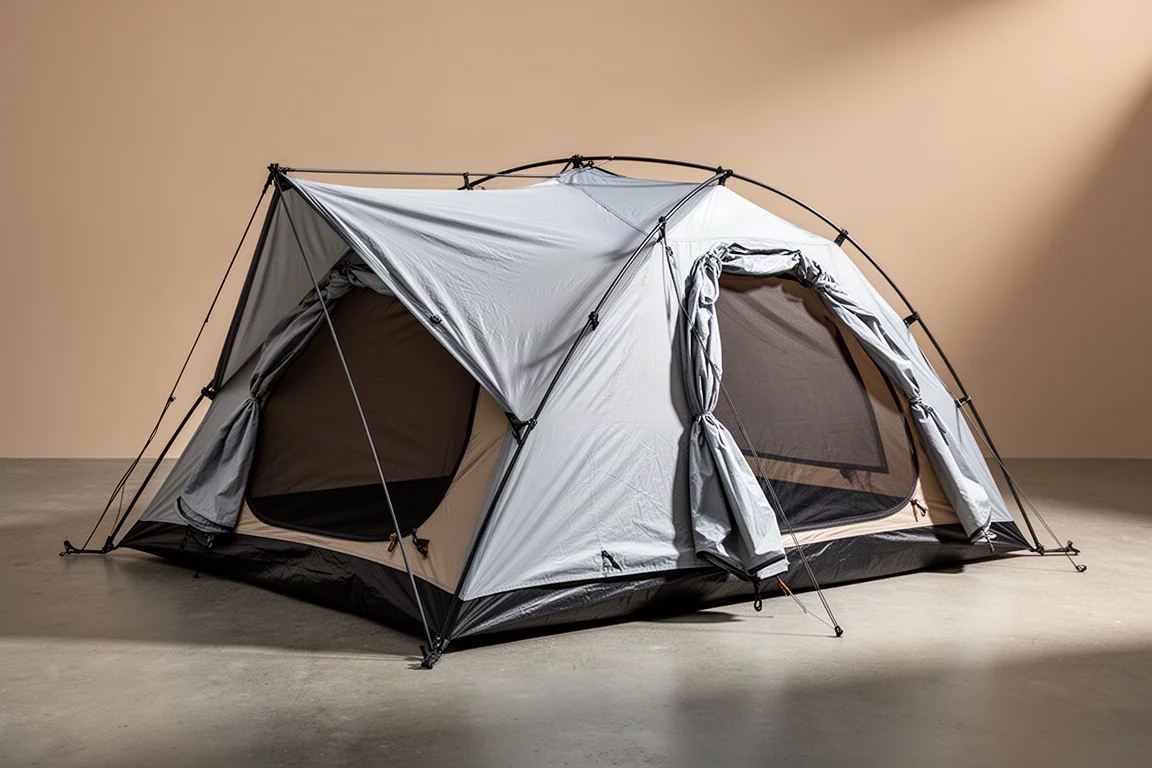
Storage is one of the clearest differences between the two shelters. The Dragonfly includes nightlight pockets for a headlamp, a large pocket at the top of the tent, a pocket at the foot end, and side pockets big enough to hold a phone. There are no pockets low down against the floor, which keeps the sleeping area cleaner. With two people inside, those overhead and foot-end pockets get gear off the floor and out of the vestibules.
The Dagger takes a simpler approach with fewer storage options. There is a nightlight pocket at the head end and small stash pockets at either end for each person’s gear, but no gear loft style storage.
Ventilation, Doors, and Weather Protection
Neither tent is heavily vented. The main option on both is a vent at the rainfly zipper, which you open to move a little air through the shelter. The Dragonfly has an advantage here: a large scooped opening at the head end of the rainfly allows more air to flow through that end of the tent, and with the zipper vents open it is easier to keep air moving overall.
The Dagger’s rainfly provides fuller coverage, so air movement is not as strong, and opening the vents matters more when two people are sleeping inside.
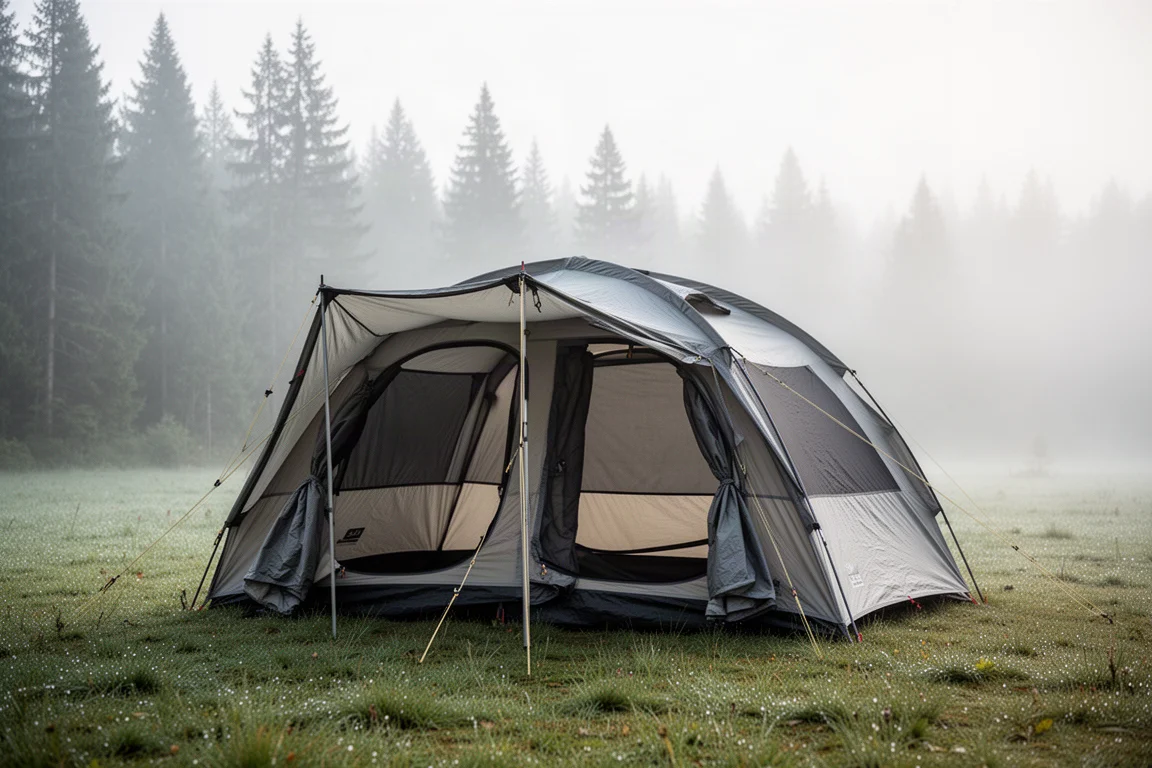
Door design follows two different ideas. The Dagger has a wide, centered opening with an arc shaped rainfly zipper, and the door rolls back on all sides with toggles so you can open the shelter up completely while the rainfly stays in place. That makes it easy to enjoy fair weather and quick to close everything down if rain arrives overnight. The Dagger also includes the Landing Zone, a bathtub floor piece that clips in a triangle between the tent body and the rainfly to give you a clean, dry spot for gear. The catch is that rolling back that side of the door means unclipping it and exposing whatever is stored there.
The Dragonfly uses a D-shaped door with a straight rainfly zipper that rolls back fully. Its rainfly has a trapezoidal shape that pulls the fabric out and away, which reduces the chance of a standing backpack pressing against the fly and picking up condensation. Both tents share the same fast deployment idea: roll the doors open in fair weather, then zip the fly closed quickly when conditions change.
Weight and How the Load Splits
The Dragonfly OSMO is the lighter shelter at 3 lb 2 oz packed, while the Dagger OSMO comes in at 4 lb 2 oz. That difference is roughly a pound, and it buys noticeably more floor space and vestibule room.
If you carry the Dagger with a partner, the 4 lb 2 oz splits into about 2 lb per person, which is a reasonable figure for a two-person shelter with this much interior space. Solo, the Dragonfly’s weight savings are the more obvious benefit, which is exactly why it suits trips where you are the only one sleeping inside.
Which Tent Should You Choose?
The answer comes down to how you actually use the tent.
Choose the Dragonfly OSMO if most of your trips are solo, with occasional nights when a second person joins you. It is just over 3 lb packed, it feels generous for one person, and at $499 it is the lower cost option of the two.
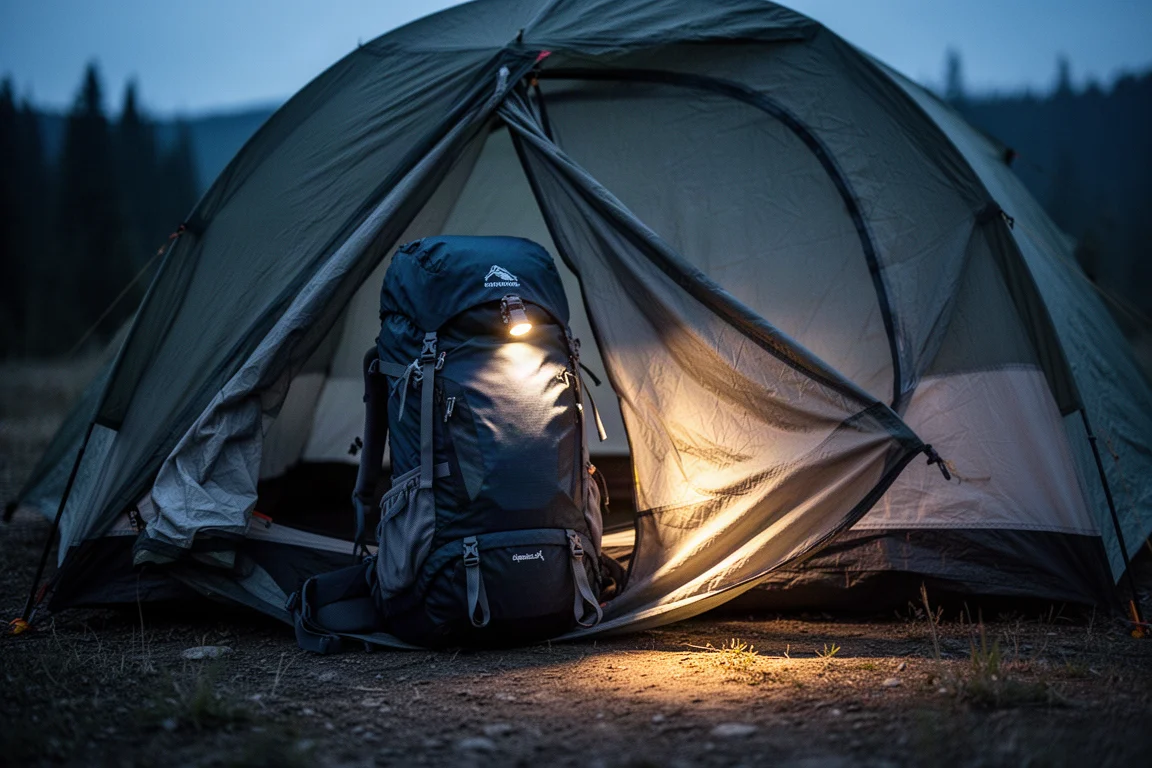
Choose the Dagger OSMO if two people will be sleeping in the tent on most of your trips and solo nights are the exception. The symmetrical 50 in floor, the larger vestibules, and the ability to fit two 25 in wide rectangular pads are what make shared trips comfortable, and the extra weight is easy to justify once it is divided between two packs.
Conclusion
Both shelters share the same strong, low stretch OSMO fabric, the same double wall construction, and the same limited venting approach. The Dragonfly OSMO is the lighter, tapered option that works best as a solo shelter with occasional two-person use. The Dagger OSMO adds about a pound and a full width floor to become a genuinely comfortable two-person tent. Choose based on how often you share the tent, and either one will serve you well in the backcountry.
Further reading
Related Reviews
Backpacking Tents
3F UL Lanchan Pro 1 Review: A 1 lb 8 oz Single-Wall Trekking Pole Tent
A practical look at the 3F UL Lanchan Pro 1, a single-wall trekking pole shelter with a 1 lb 8 oz weight, 20D silnylon fabrics, and a roomy 90 x 31 x 49 inch interior.
Backpacking Tents
3F UL Taiji 2-Person Tent: A Convertible Backpacking Shelter Worth a Closer Look
A practical look at the 3F UL Taiji two-person tent, covering its materials, true two-person interior, fly-first pitching, and the seasonal inner swap that lets one shelter cover more of the year.
Backpacking Tents
3FUL Lanshan Twoerson Pro Review: A Light Trekking Pole Shelter That Struggled in Rain
A two-person trekking pole shelter with a 2026 redesign, pitched with sticks and put through a night of steady rain. Here is what worked, what did not, and what to check before buying.