Backpacking Tents
Naturehike Vik 1 Review: A Lightweight Solo Tent That Keeps Things Simple
A close look at the Naturehike Vik 1, a light and affordable one-person tent with a fast pitch, compact packed size, and a few trade-offs to know before you buy.
Introduction
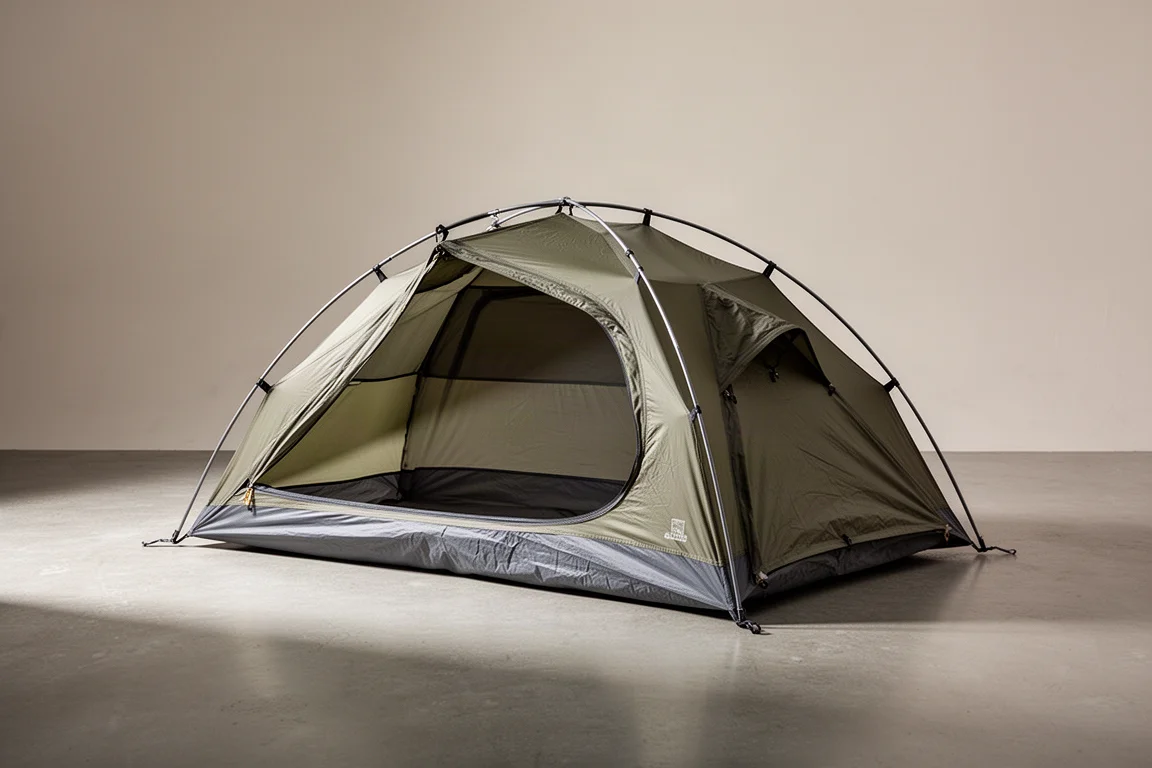
The Naturehike Vik 1 is a solo backpacking tent built around a straightforward idea: keep the weight low, keep the pitch simple, and keep the price approachable. It uses an external pole frame that clips together as one piece, a single door with a small storage vestibule on the opposite side, and a compact footprint sized for one person and a modest amount of kit.
That combination has earned it a following among campers who want a light shelter for summer trips without spending a fortune. It is not a four-season mountain tent, and it does not pretend to be. What it does well is get you out the door quickly, weigh very little in your pack, and stay comfortable through the kinds of conditions most people actually camp in.
This review covers what the tent does well, where it falls short, and who should consider it.
Who This Tent Is For
The Vik 1 is aimed at solo campers and backpackers who value low weight and fast pitching over interior volume. At roughly 1.09 kg without its footprint, it disappears into a pack, and because the optional groundsheet adds only about 0.15 kg, carrying it does not meaningfully change the equation.
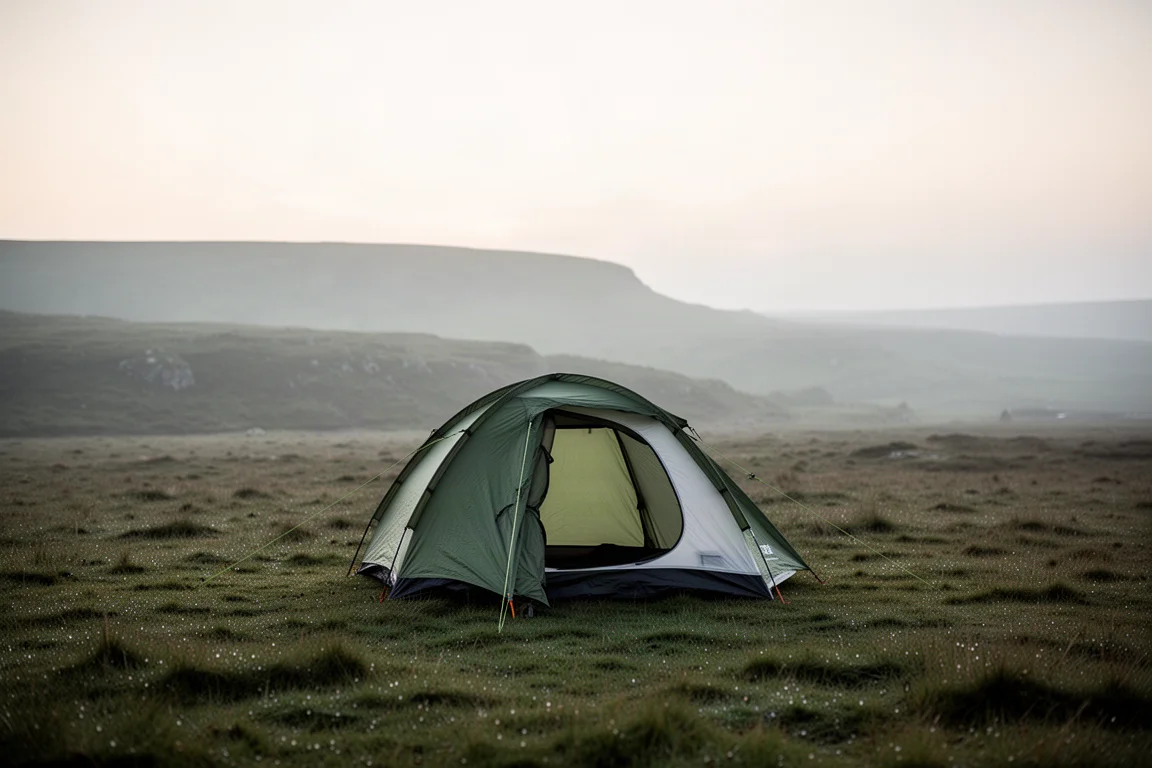
It suits summer and mild-weather trips: moorland walks, lowland camps, and overnighters where the forecast is reasonable. Anyone planning to camp in sustained wind, heavy rain, or sub-zero temperatures should look at a sturdier design. For everyone else, this is a tent that gets used often precisely because it is easy to say yes to.
Main Strengths: Lightweight, Simple, and Quick to Pitch
Weight is the headline. At 1.09 kg without the footprint, the Vik 1 sits comfortably in the lightweight solo category, and the small details support that goal. The included pegs have a spiral profile, feel noticeably light in the hand, and there are nine of them. Even the plastic wrap around the pole set is worth removing if you want to shave a few extra grams.
The other strength is speed. The tent is freestanding once the frame is in place, so you can reposition it before committing to pegs, and the whole structure goes up in a single sequence rather than in fiddly stages. The outer door rolls back and hooks out of the way, and the inner mesh door can be rolled up and secured, so you can sit inside with a view and some airflow.
Pitching the Vik 1: Poles, Clips, and Pegs
Setup is deliberately simple. The pole set is colour coded, with matching loops on the inner tent: orange to orange, grey to grey. The two poles differ in shape, with one end having a smaller V than the other, so the frame only assembles the right way round. Once the pole ends are seated in their loops, the frame threads through the paired straps on the groundsheet and the tent body, then the clips go on.
Those clips are one of the clearer refinements over earlier versions. Instead of pulling a clip over the pole, you push it up and twist it into place, which is faster and easier on cold hands. The crossbar then goes over the top and slots into both ends, adding headroom above the sleeping area.
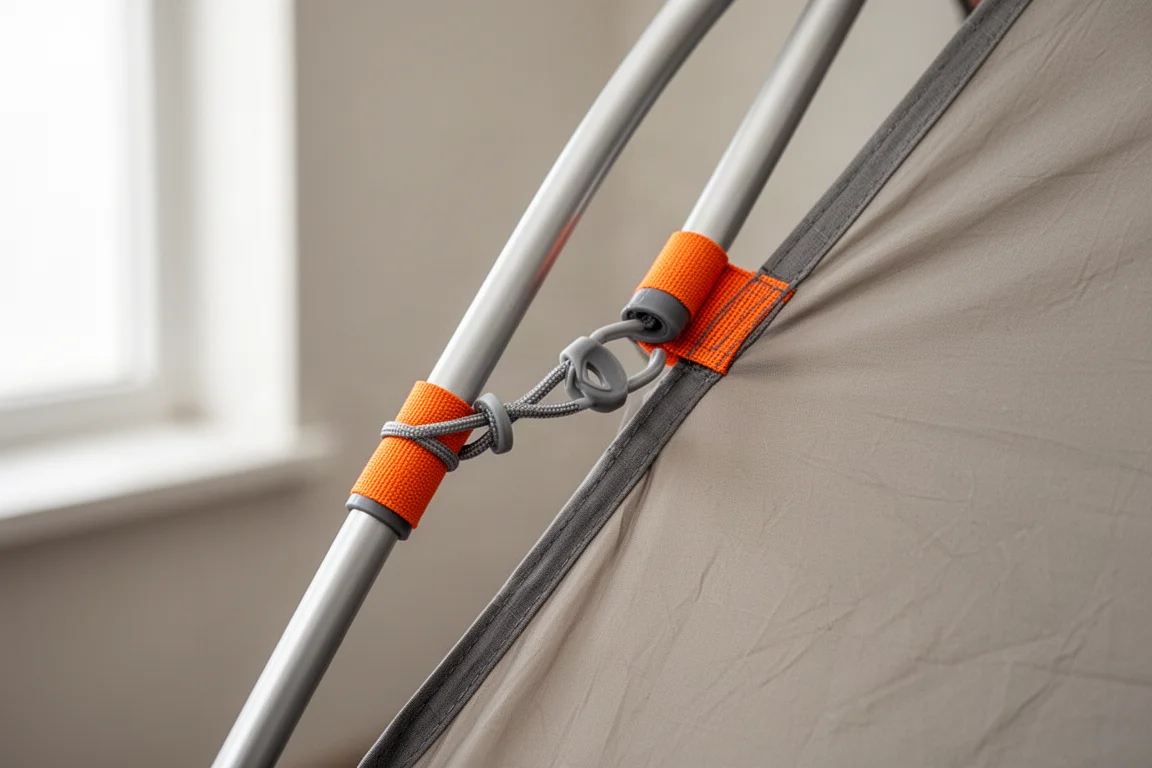
Pegging out comes next. The four corners go in first, pulling the fabric taut, and the door has an adjustment strap so you can fine-tune tension afterwards. The vestibule side pegs out the same way, leaving three pegs for the guy lines. Those guy lines attach to the orange clips at the ends of the frame, and they are worth fitting when wind is likely.
Living With It: Interior Space, Storage, and Ventilation
Inside, the Vik 1 is long and narrow, which is normal for a one-person tent. There is room to sleep with your bedding laid out and a bag pushed up at the head end, and the low profile means you tend to sleep close to a seated position. For one person it works, and the shape keeps the weight down.
Storage is modest but practical. There is a pocket on one side for small items and a smaller pocket for odds and ends, plus a loop at the top for hanging a lamp. On the side opposite the door, a single zip opens onto the storage vestibule, which is a useful place to tuck boots or wet kit so it stays out of the sleeping area.
Ventilation is the area with the most room for improvement. Condensation forms inside overnight, and the window panels do not have much mesh behind them, so moisture that collects there tends to stay put. In practice this is manageable rather than deal-breaking, and the mesh inner door helps on nights when conditions allow you to leave it open.
Doors, Windows, and Small Refinements
The door setup is a single main entry with a mesh inner layer. The outer door can be pegged or hooked back so you can keep the entrance open, and the zip has a magnetic closure that snaps shut behind you, with a second magnet partway along to hold the storm flap over the zip. The newer version also uses a double zip, which allows the door to be opened downward, though the single direction opening is usually all you need.
The windows are held open with a velcro tab on the inside. This is the one part of the design that has been less reliable over time, since the velcro can come apart and let the window drop. The updated tent adds a flap over this area and keeps the fastening on the outside, which is a small but sensible change.
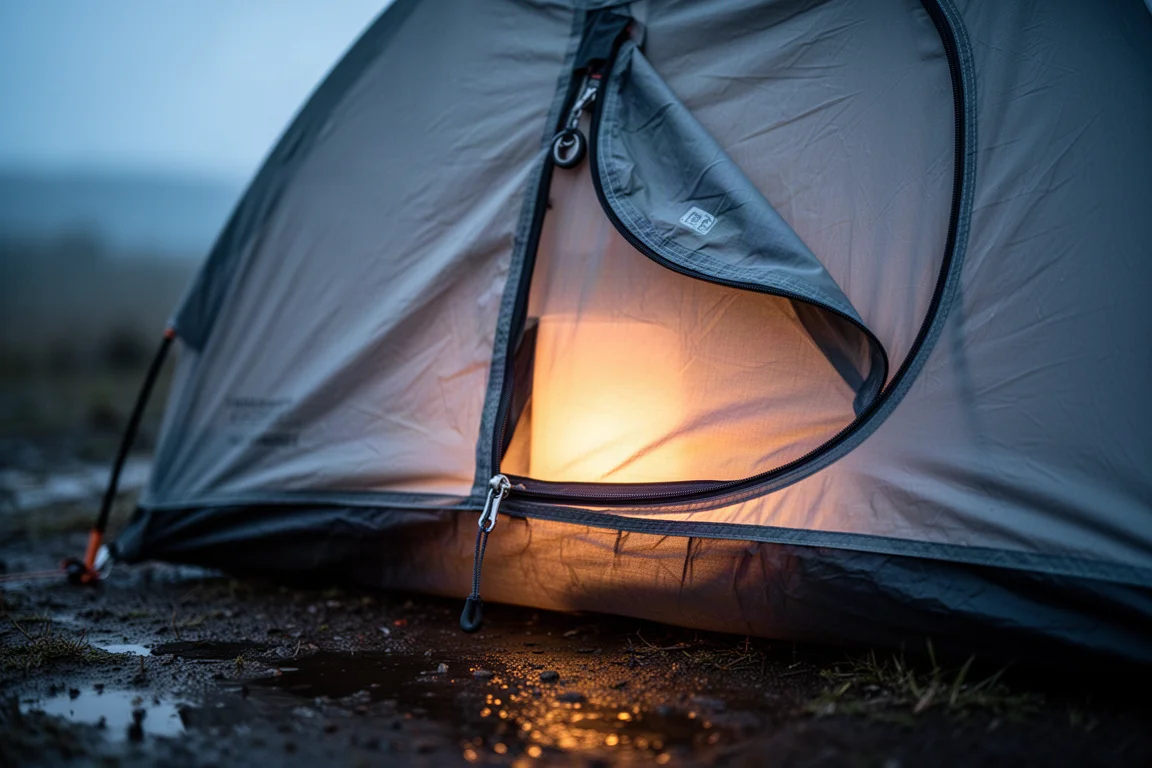
Other details are well considered. The frame gives the tent a light exoskeleton feel, the door tensioning is adjustable, and the guy line anchors sit at the ends of the poles where they can do the most good in a gust.
Things to Consider Before Buying
Condensation is the main thing to plan for. It builds up overnight, and the limited mesh in the window area means it is not quickly cleared. If you camp in humid conditions regularly, expect to manage moisture with ventilation rather than eliminate it.
The single door is the second consideration. One entrance with a small storage vestibule is fine for a solo camper, but it does mean less flexibility than a two-door layout, and the side opening opposite the door is too narrow to pass a full rucksack through.
Finally, this is a fair-weather shelter at heart. It has handled a range of conditions well over repeated trips, but it is a summer-oriented tent rather than a storm-proof one. Match it to the trips you actually take.
Buying Advice
If you want a solo tent that is light, quick to pitch, and inexpensive, the Vik 1 is a sensible choice. Its strengths are the ones you notice every single trip: low weight in the pack, a straightforward setup, and a compact pack size that leaves room for everything else.
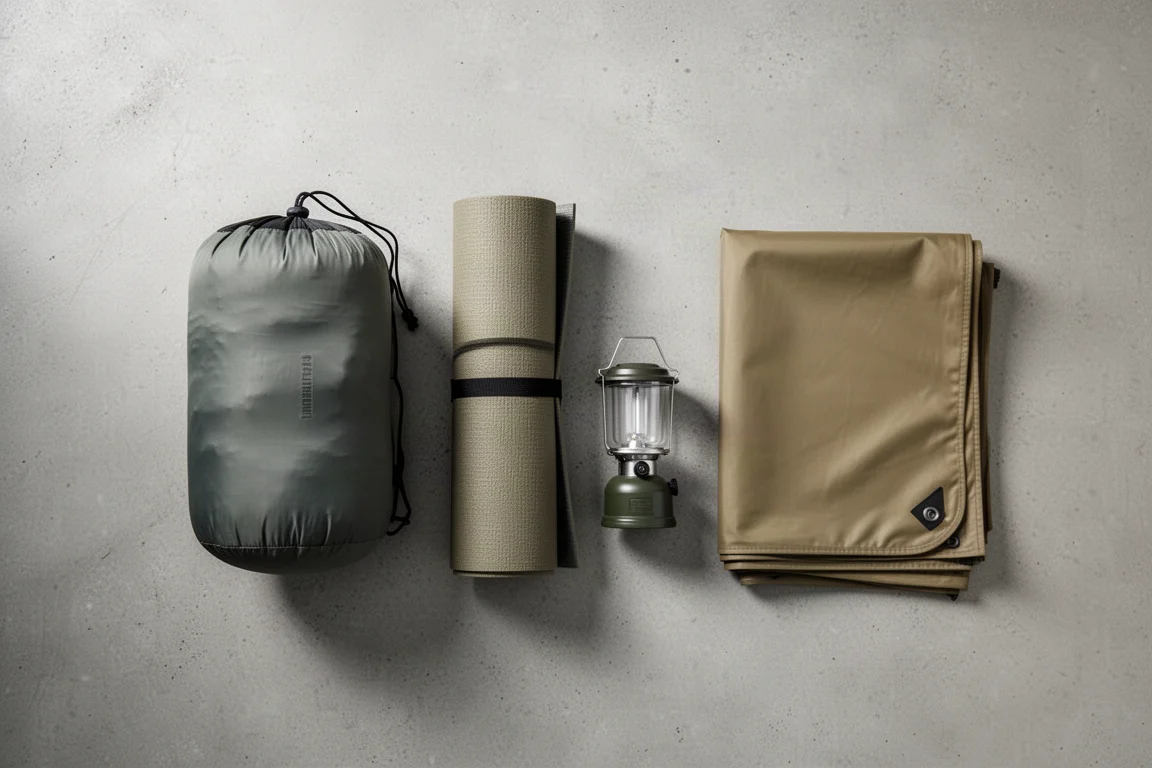
Consider adding the matching footprint. It weighs only around 0.15 kg and adds protection against sticks, stones, and rough ground, which matters on terrain where punctures are a real risk. On softer moorland ground many campers go without it, but keeping the footprint with the tent costs very little and covers the case where you need it.
Buy it if you are a solo camper who wants a light summer shelter without spending much. Look elsewhere if you need a tent for exposed, windy, or cold-weather camping, or if interior space and dual doors matter more to you than weight.
Conclusion
The Naturehike Vik 1 does not try to do everything. It is small, light, and easy to put up, and it stays comfortable for the kind of camping most people do most of the time. Condensation and the single-door layout are real trade-offs, but they are the kind you can plan around.
For a solo camper who wants a dependable, affordable shelter for summer trips, that balance makes a lot of sense.
Product link
View more details for Naturehike VIK 1
This product is mentioned in the review. Check the specifications, options, and compatibility before buying.
View more details for Naturehike VIK 1Further reading
Related Reviews
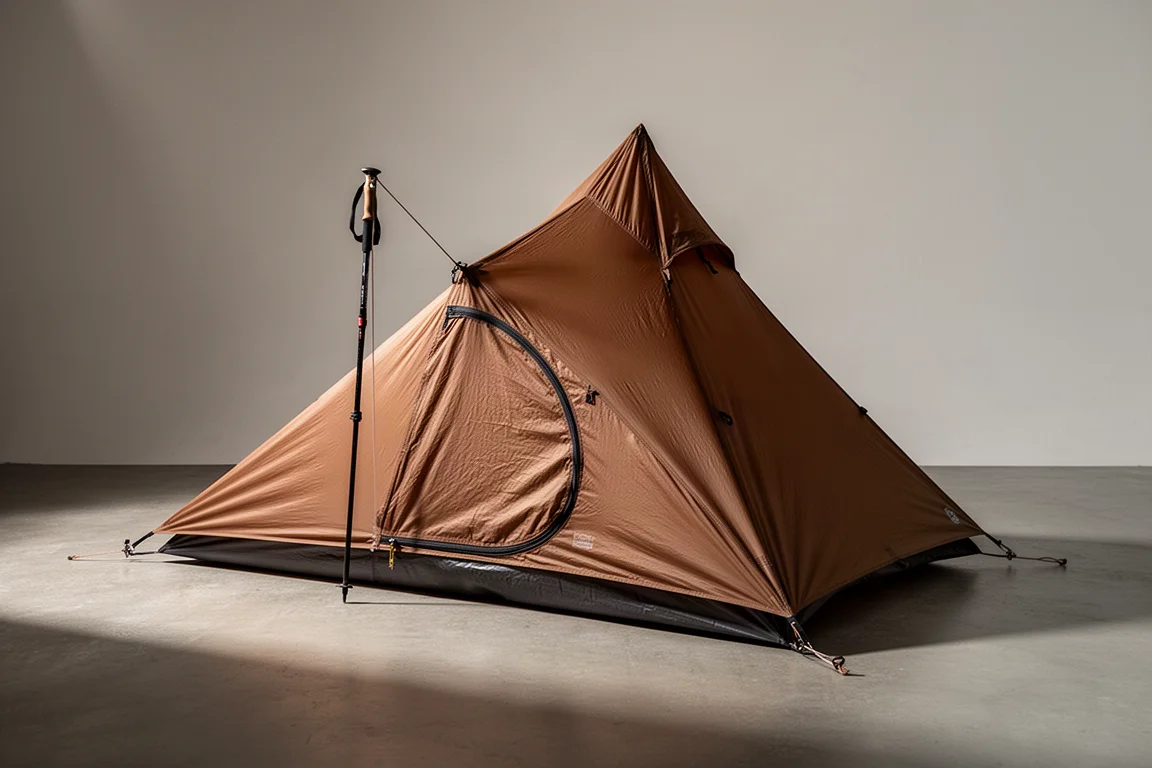
Backpacking Tents
3F UL Lanchan Pro 1 Review: A 1 lb 8 oz Single-Wall Trekking Pole Tent
A practical look at the 3F UL Lanchan Pro 1, a single-wall trekking pole shelter with a 1 lb 8 oz weight, 20D silnylon fabrics, and a roomy 90 x 31 x 49 inch interior.
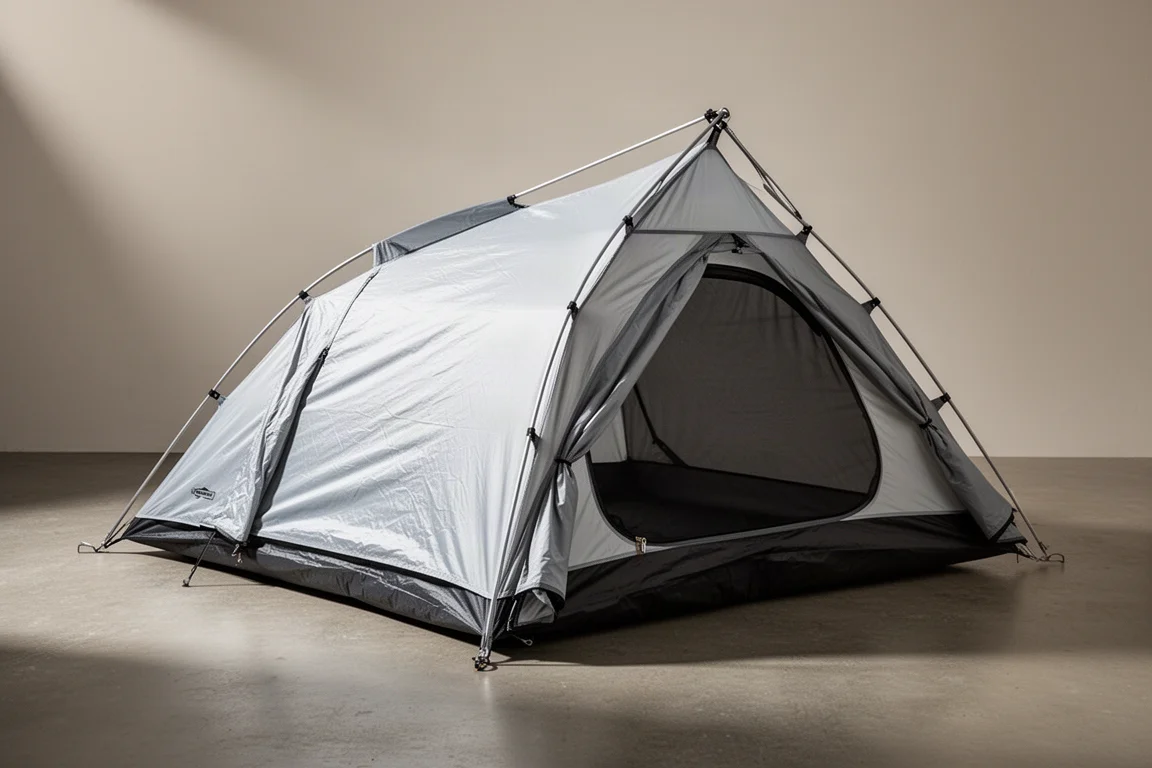
Backpacking Tents
3F UL Taiji 2-Person Tent: A Convertible Backpacking Shelter Worth a Closer Look
A practical look at the 3F UL Taiji two-person tent, covering its materials, true two-person interior, fly-first pitching, and the seasonal inner swap that lets one shelter cover more of the year.
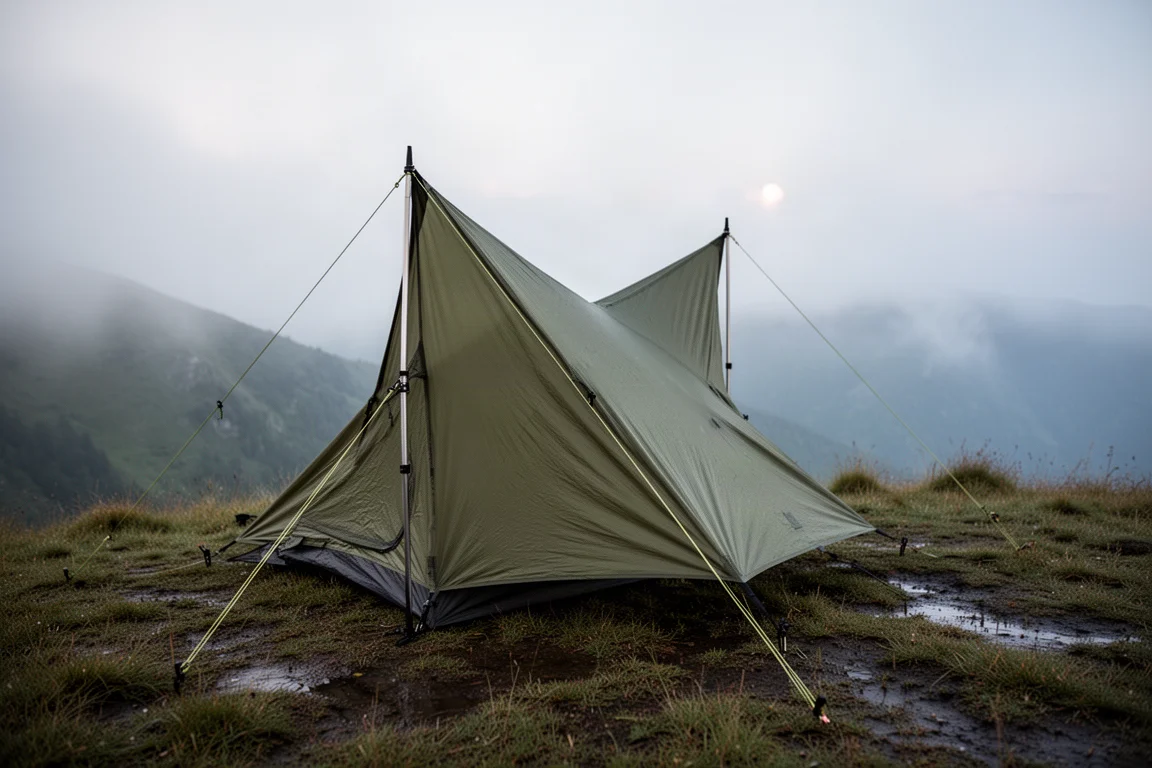
Backpacking Tents
3FUL Lanshan Twoerson Pro Review: A Light Trekking Pole Shelter That Struggled in Rain
A two-person trekking pole shelter with a 2026 redesign, pitched with sticks and put through a night of steady rain. Here is what worked, what did not, and what to check before buying.