Backpacking Tents
Naturehike Nebula 2 Review: A Three-Season Backpacking Tent That Outperforms Its Price
A lightweight three-season two-person backpacking tent with all-in-one pitching, a 4,000 mm fly and generous mesh ventilation for warmer months.
Introduction
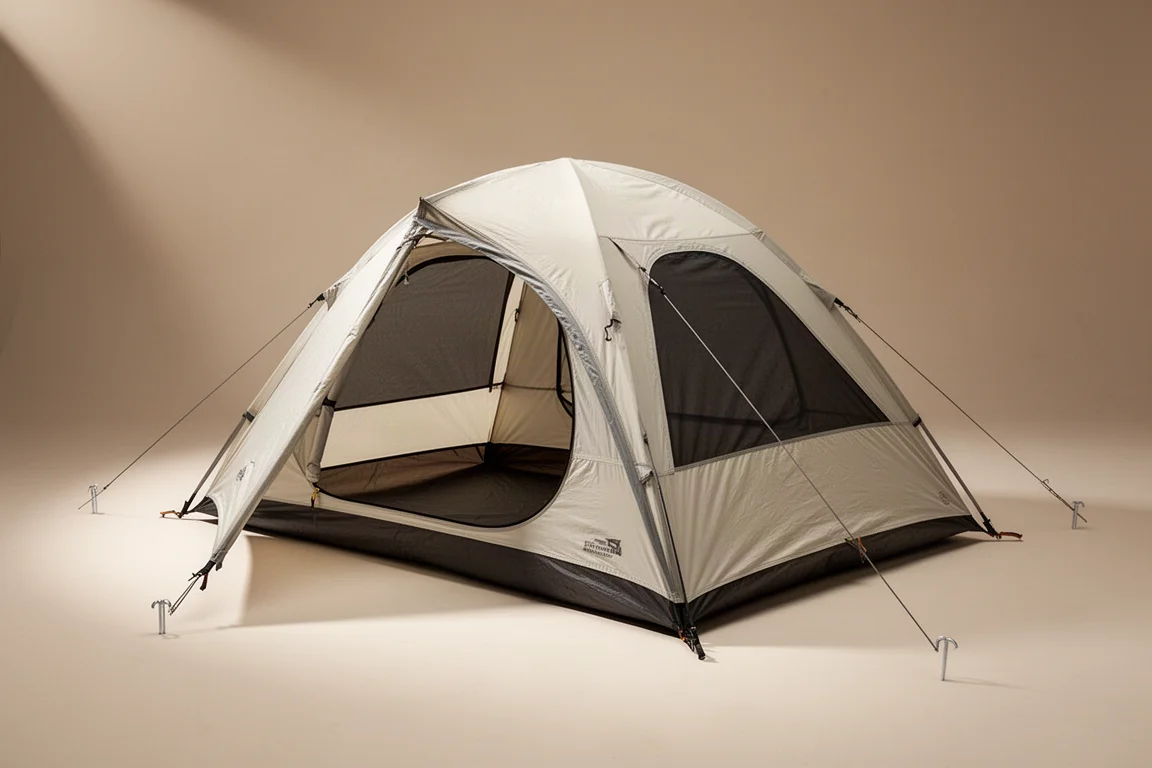
The Naturehike Nebula 2 is a three-season, two-person backpacking tent aimed at warmer conditions. It combines solid fabric panels low down with generous mesh higher up, so the interior stays cooler on summer nights while still offering full coverage when the weather turns.
The layout will feel familiar to anyone who knows the brand’s Cloud Peak range. The Nebula 2 behaves like a lighter, airier summer counterpart: a tapered floor plan, offset doors, a small canopy that lifts above the fly, and an inner that pitches together with the outer so the sleeping area stays dry if rain arrives during setup.
Priced at around £122, it sits in a bracket where corners are usually visible. Here they are hard to find.
Who This Tent Is For
This tent suits backpackers and campers heading out from spring through early autumn who want a shelter that stays comfortable when temperatures rise. The blend of solid lower panels and large mesh areas keeps air moving, which matters on still, humid nights. Solo campers who want room to spread out will find it unusually generous, and couples who accept a snug arrangement can use it as a genuine two-person shelter.
It is also an easy tent to live with. Pitching is quick and uncomplicated, the packed size is small enough to disappear into a backpack, and the ground mat is included, so there is no separate purchase to remember before a first trip.
Anyone planning winter trips or expecting prolonged cold should look elsewhere. The mesh-heavy inner and three-season construction are tuned for milder temperatures, and the design does not pretend otherwise.
Main Strengths
For the money, the Nebula 2 feels carefully made. The fabric, poles, clips and pegs all suggest a tent that was designed rather than assembled from whatever was available, and the shape has clearly been thought through: a narrow end, a wide end and slightly offset doors that make getting in and out easier when two people are sharing the space.
Pitching and Pole Structure
The inner and outer pitch as one unit, which is the single most useful feature here. There is no separate fly to wrestle on after the inner is up, and no window where the sleeping area gets soaked. Setup is a short sequence: stake out the ground mat, loosely attach the corners, feed the poles through, then clip the inner and outer to the frame.
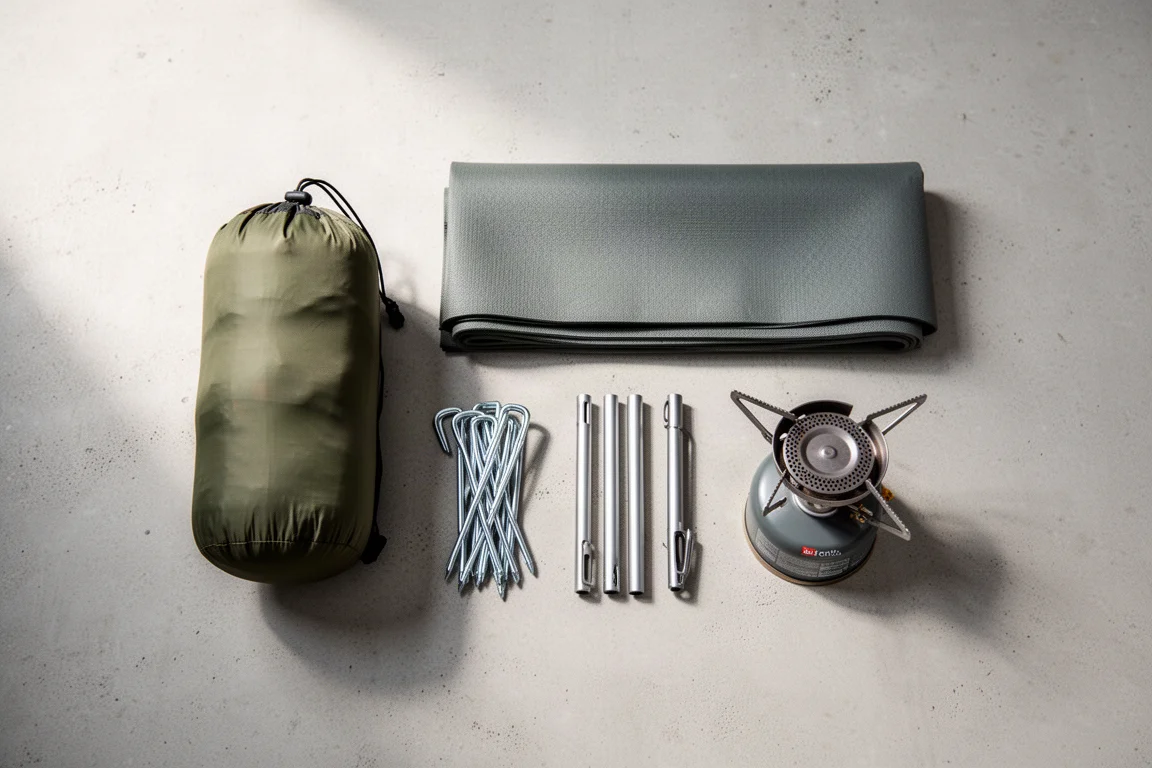
Three 48 cm alloy poles do the main work, with a small crossover pole that pushes the sidewalls into straight vertical lines and gives the interior its boxy, spacious feel. Three large hooks secure the canopy, and guy lines at each corner finish the shape. Clips engage securely and the whole process is simple enough that a first-timer can manage it. The twelve bladed alloy pegs hold in firm ground and still bite reasonably well in looser soil.
Ventilation and Interior Space
Ventilation is where this tent separates itself from heavier three-season designs. The inner uses a solid mesh at the base, a mid-weight solid section in the middle and fine mosquito mesh across the upper walls, with a fully mesh ceiling above. The canopy rises above the fly as well, so air has somewhere to go rather than being trapped against the roof.
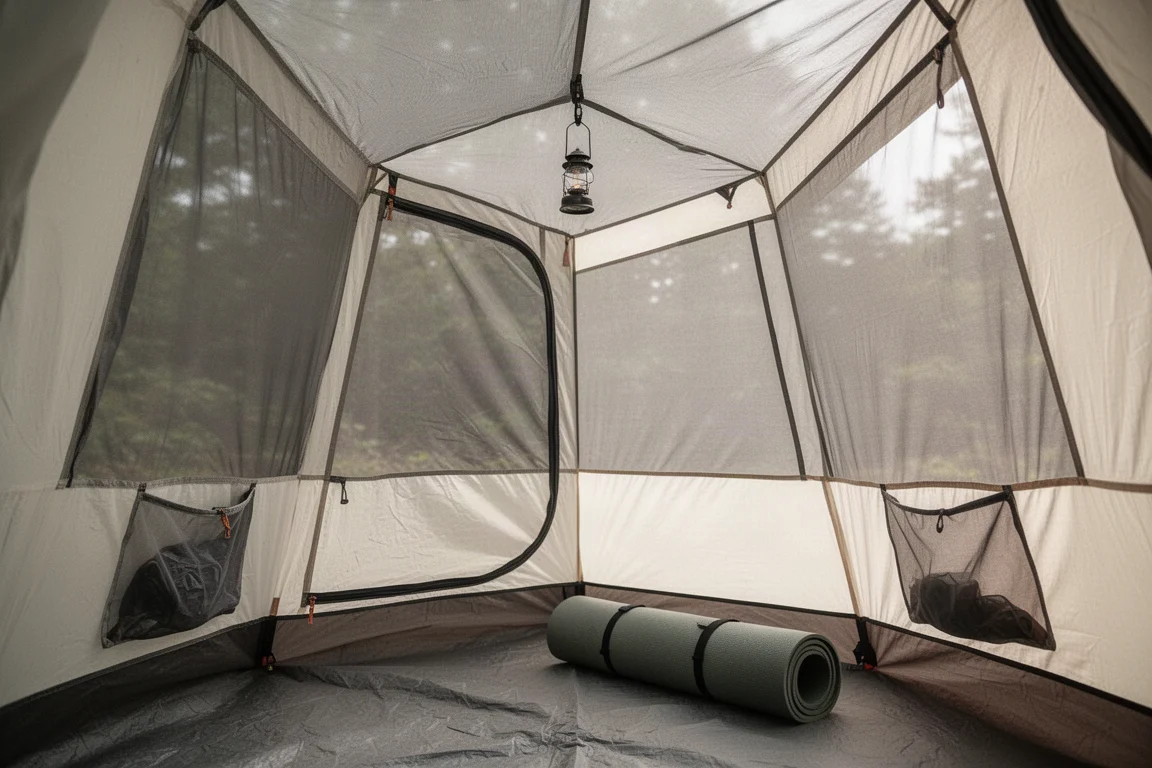
The interior measures 210 cm long, 105 cm tall and tapers from 110 cm at one end to 135 cm at the widest point. At 172 cm tall there is plenty of headroom to sit up, and even a taller occupant should not feel cramped. Pockets at both ends keep small items off the floor, and a lantern hook sits within easy reach overhead. Two doors with glow-in-the-dark zipper pulls and toggle ties make night-time exits less of a fumble.
Weather Protection
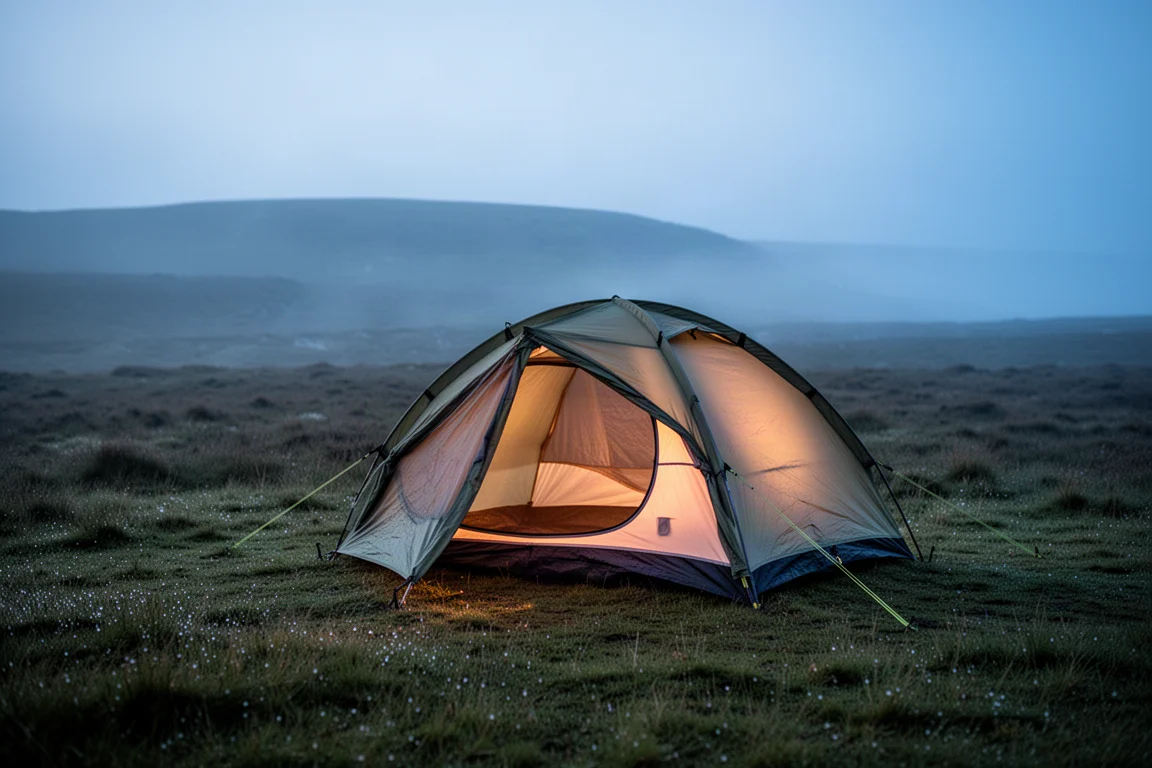
The fly uses a 20D fabric with a 4,000 mm hydrostatic head rating, which is a serious figure for a tent in this class. That rating describes how much water pressure the fabric resists before it starts to pass moisture, and 4,000 mm is comfortably above what most three-season camping will throw at it. The tent has also been used through an overnight storm with strong wind and heavy rain, and it came through it well, with the occupant sleeping soundly while others in more expensive shelters had a rougher night.
Things to Consider Before Buying
The Nebula 2 weighs exactly 2 kg without the ground mat, which is reasonable for a two-person tent but not ultralight. Packed, the whole bundle measures roughly 17 cm by 32 cm, so it takes up only a small amount of space in a pack, and the inner, outer and canopy can be stored separately if you want to split the load between two people.
Two-Person Comfort Is Tight
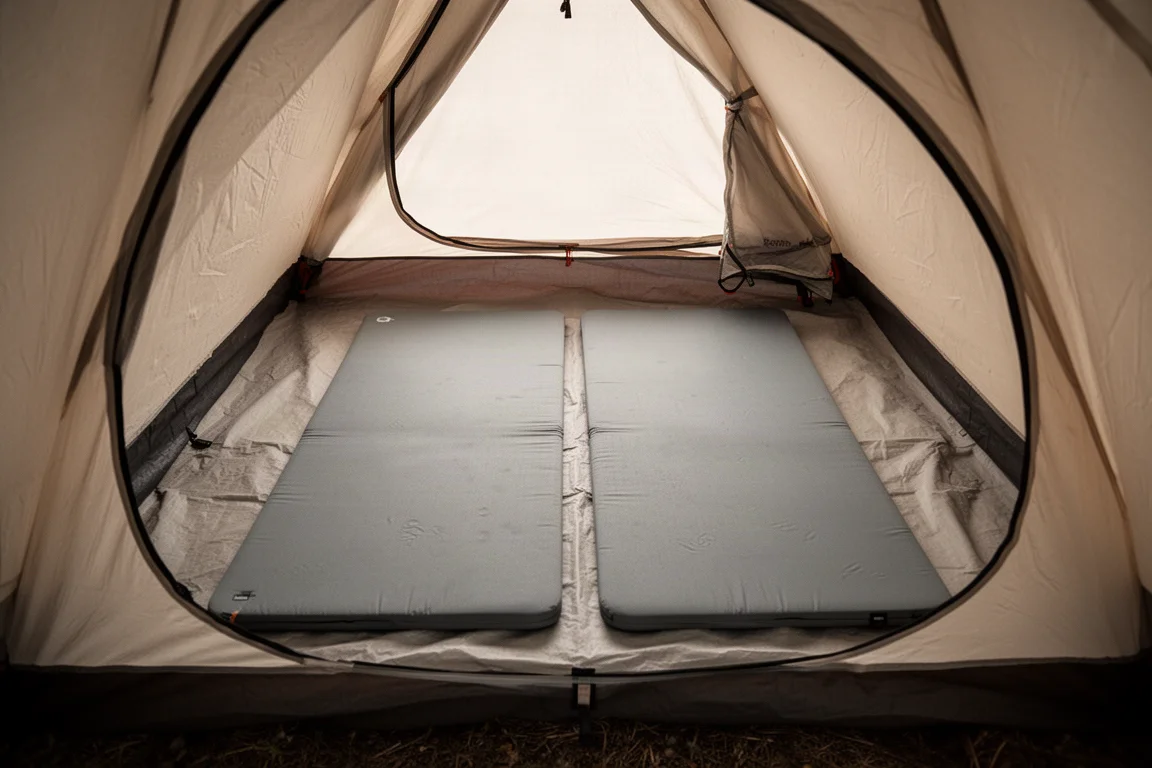
The tapered floor plan is the main trade-off. With two sleeping mats side by side, the mats will touch along their length, so two adults should expect a snug night rather than a roomy one. Used as a spacious solo tent, the same geometry becomes a genuine advantage: plenty of floor area, two usable doors and enough height to move around comfortably.
If you mostly camp alone and want space without weight, this is one of the more convincing arguments for the tent. If you camp as a pair and value separation, look at wider options.
Cold Weather Limits
This is a warm-weather shelter. The large mesh panels that make summer nights pleasant also mean heat escapes quickly once temperatures drop, and the fly and inner are not built for hard winter conditions. For spring, summer and early autumn trips it is well suited. For anything colder, it is the wrong tool.
Buying Advice
At around £122, the Nebula 2 is priced well below what its specification and build quality suggest. The sensible way to decide is to match it to your season rather than your budget: if your camping happens in mild weather, the ventilation, the all-in-one pitch and the 4,000 mm fly cover the essentials properly. If you need a four-season shelter, spend elsewhere.
It is worth noting that prices and included taxes vary between markets and retailers, so it pays to check the final total before ordering. Weight is another figure that can shift slightly depending on the version and accessories, and the 2 kg measured figure here excludes the ground mat.
For a first backpacking tent, a summer upgrade, or a roomy solo shelter that can occasionally take a second person, the value proposition is difficult to argue with.
Conclusion
The Naturehike Nebula 2 gets the fundamentals right. It pitches fast and dry, it breathes properly in warm weather, it stands up to real wind and rain, and it packs small enough to forget about. The tapered two-person floor is snug and the mesh-heavy build rules out cold-weather use, but those are honest limits rather than hidden flaws.
For three-season camping in mild conditions, it delivers far more than its price suggests.
Product link
View more details for Naturehike Nebula 2
This product is mentioned in the review. Check the specifications, options, and compatibility before buying.
View more details for Naturehike Nebula 2Further reading
Related Reviews
Backpacking Tents
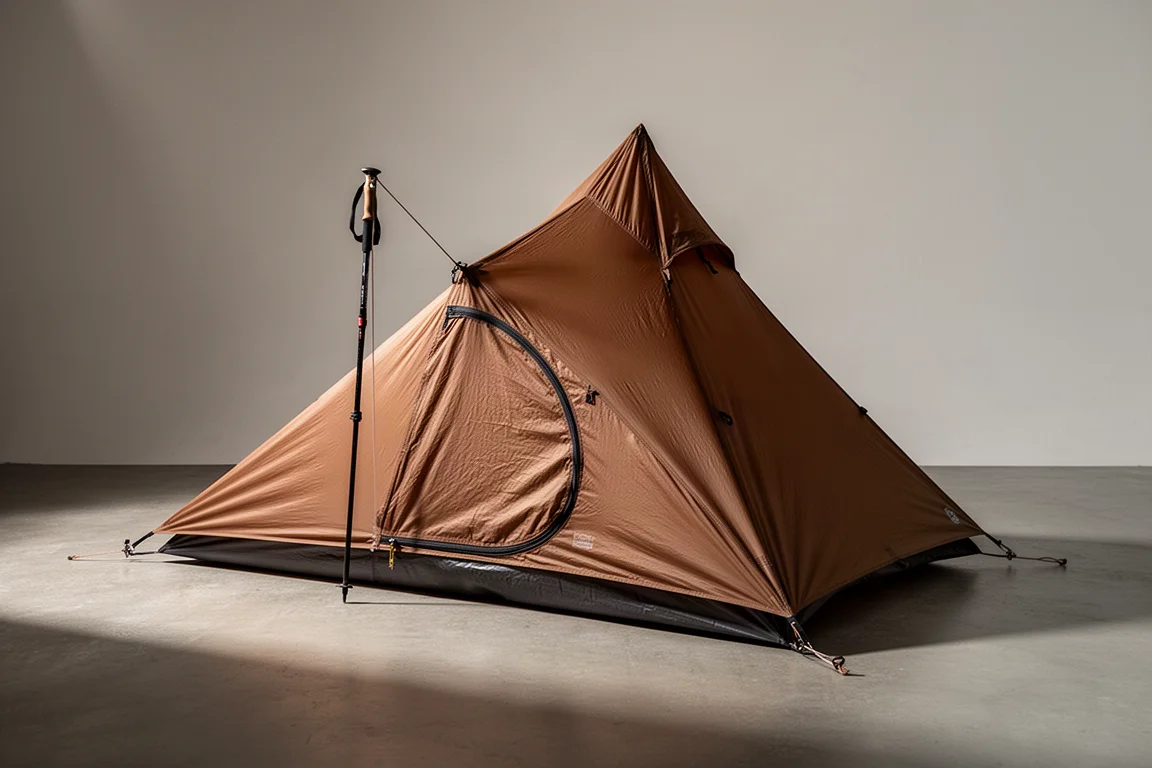
3F UL Lanchan Pro 1 Review: A 1 lb 8 oz Single-Wall Trekking Pole Tent
A practical look at the 3F UL Lanchan Pro 1, a single-wall trekking pole shelter with a 1 lb 8 oz weight, 20D silnylon fabrics, and a roomy 90 x 31 x 49 inch interior.
Backpacking Tents
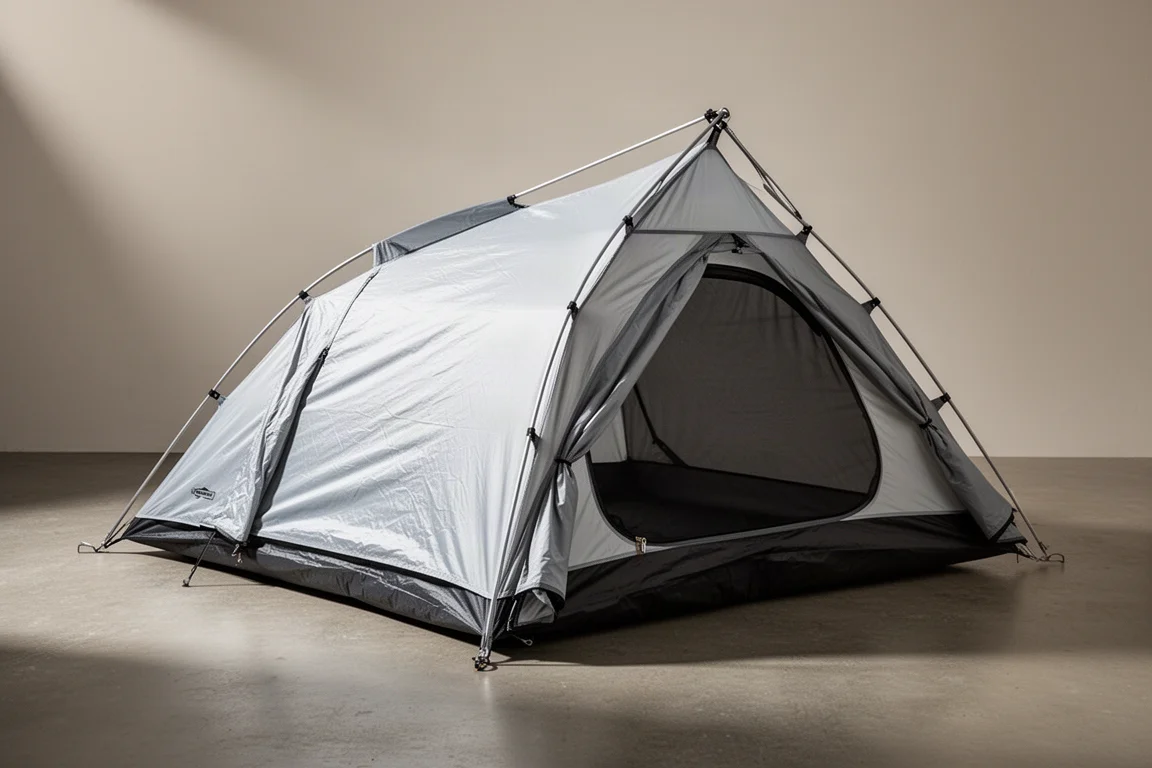
3F UL Taiji 2-Person Tent: A Convertible Backpacking Shelter Worth a Closer Look
A practical look at the 3F UL Taiji two-person tent, covering its materials, true two-person interior, fly-first pitching, and the seasonal inner swap that lets one shelter cover more of the year.
Backpacking Tents
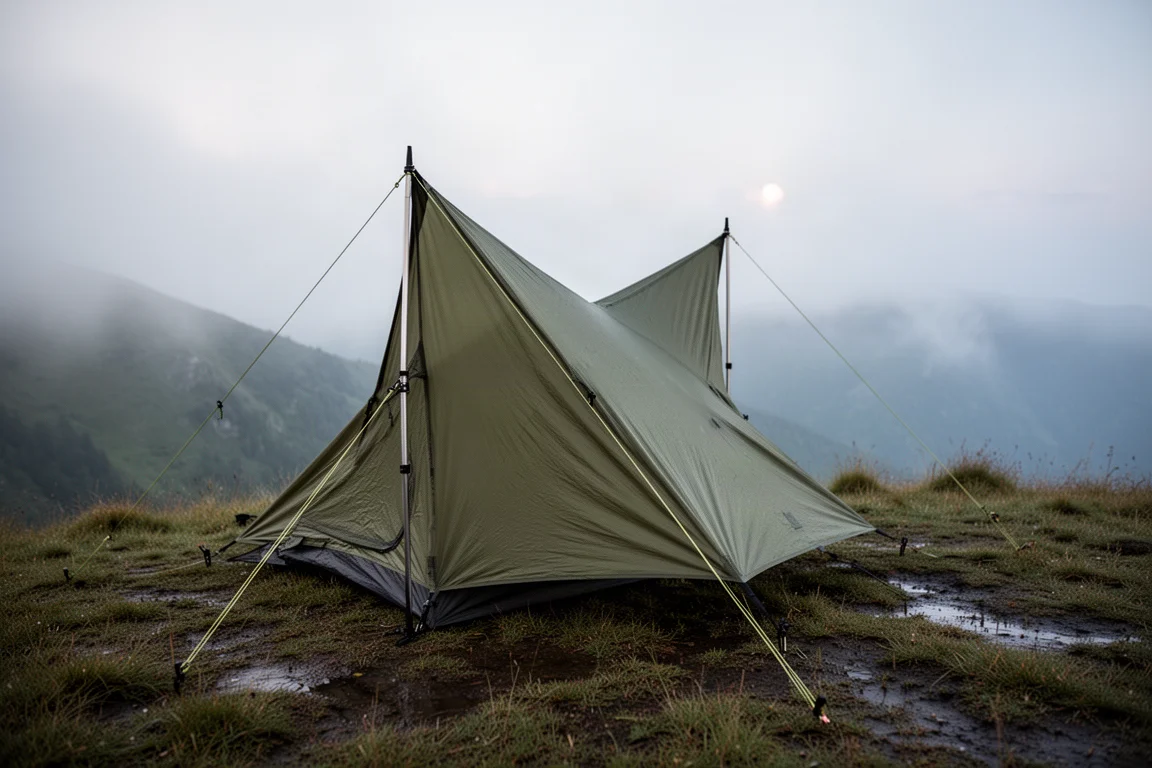
3FUL Lanshan Twoerson Pro Review: A Light Trekking Pole Shelter That Struggled in Rain
A two-person trekking pole shelter with a 2026 redesign, pitched with sticks and put through a night of steady rain. Here is what worked, what did not, and what to check before buying.