Backpacking Tents
Naturehike Mongar II Review: A Roomy Freestanding Two-Person Tent
A roomy freestanding two-person backpacking tent that pitches fast and packs easily, with a ventilation-focused design and clear limits worth knowing before you buy.
Introduction
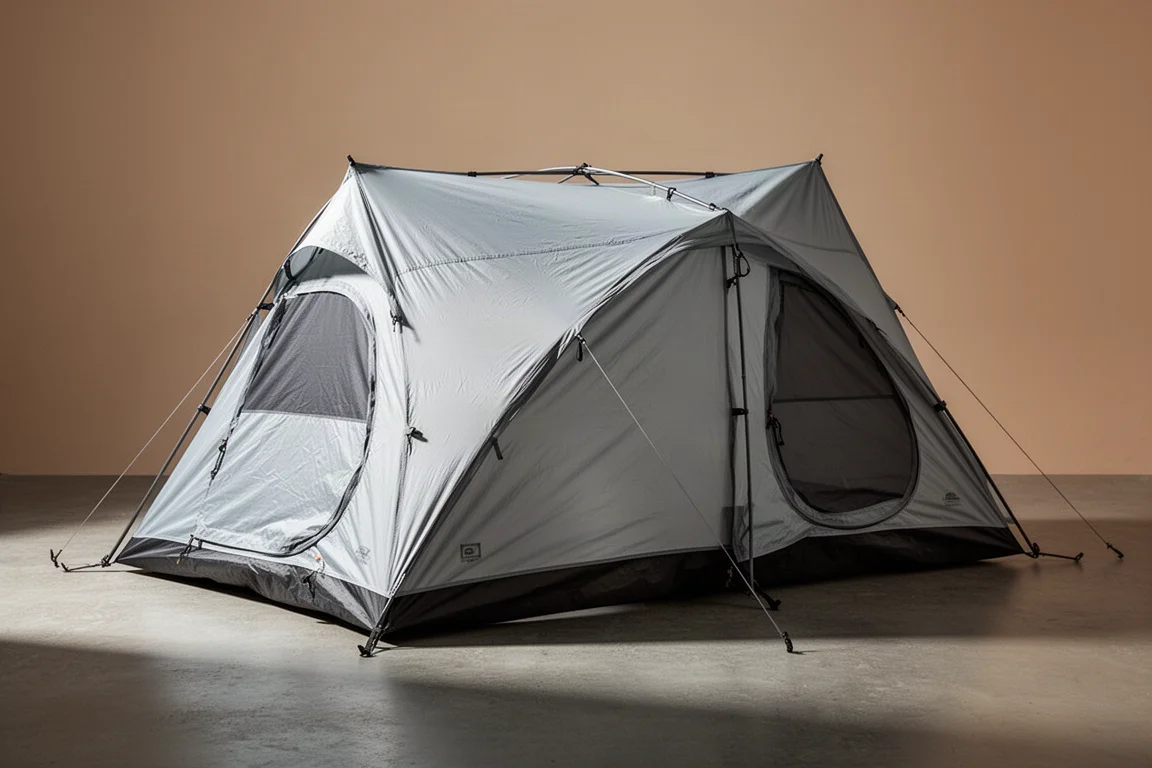
The Naturehike Mongar II is a freestanding two-person backpacking tent built around a crossbar frame and a pair of opposing doors. On the scales it comes in at 1.97 kg, which places it between the brand’s lighter Cloud Up 2 and the burlier Cloud Peak 2 in weight terms. That middle position also describes its character: roomier and easier to live with than a minimal two-person shelter, without the extra bulk of a heavier build. This review covers how it pitches, how much space it actually offers, and where its limits sit.
Who the Naturehike Mongar II Is For
The Mongar II suits campers who want a genuinely roomy two-person tent that goes up quickly and does not demand much fuss. Because it is freestanding, it can be pitched on ground where pegging is awkward, and the inner can be used on its own on warm, dry nights when insects are the only real concern. Couples and solo campers who like to spread out will appreciate the 210 x 105 cm floor, and anyone who values headroom will notice the difference the crossbar makes. In practice it is a three-season design: the generous mesh across the top and the fly’s height off the ground point to late spring, summer and early autumn use rather than winter camping.
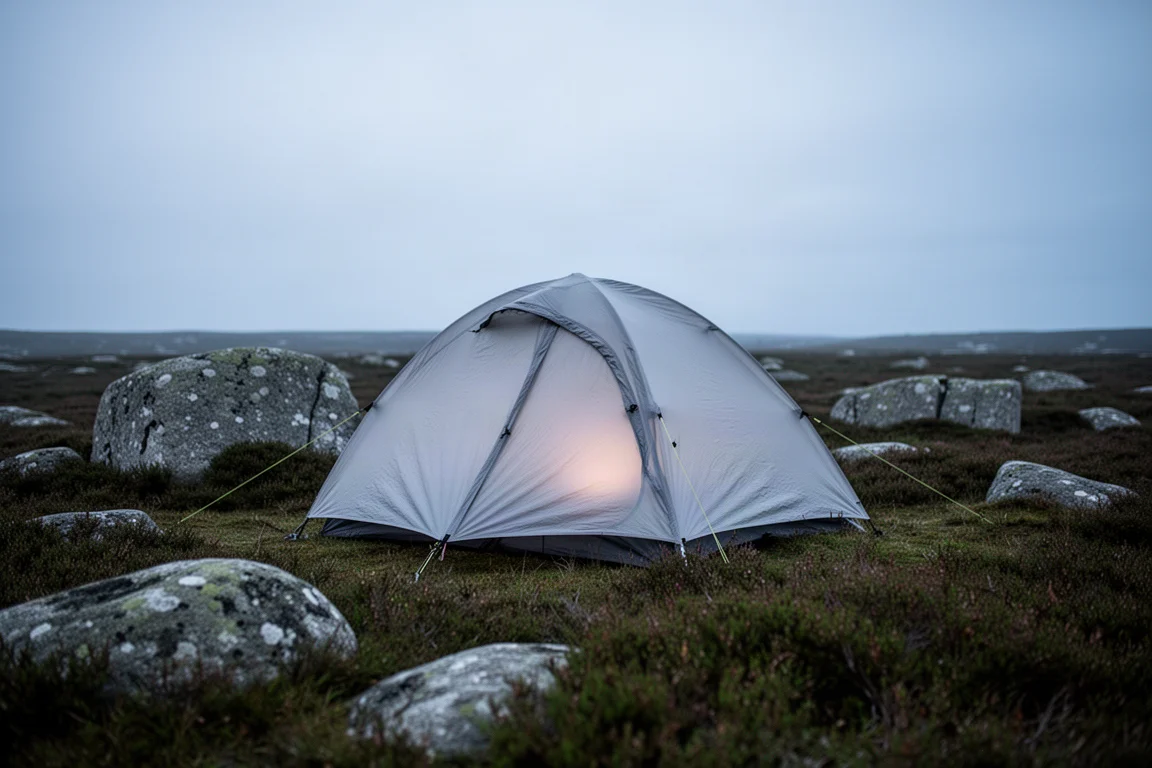
Campers who mostly pitch in sheltered woodland or valley campsites will get the most from it. Anyone chasing winter conditions, or regularly camping on exposed ridges, should look at a more enclosed design.
Pitching and Setup
Setup is straightforward and, importantly, forgiving. The aluminium poles are held together with elastic and are symmetrical, so there is no front or back to work out. Peg the four corners first, pulling the floor tight, then slot the poles into the metal eyelets on the webbing at each corner. The same eyelets take the inner sheet, so the pole passes through the groundsheet and the inner in one movement. The crossbar goes over the top and clips into a red plastic clip, and the rest of the inner attaches with plastic clips that twist into place.
The fly needs a little more care. It has a left and a right, since the doors open in opposite directions, and there are clips at the corners plus plenty of tie points to line up. Match the seams to the poles, clip the corners, then tension the fly on the straps once the rest of the tent is pegged out. If it is raining, the frame can go up first, the fly can be hung over it, and the inner can then be added underneath the shelter.
Interior Space and Ventilation
Inside, the Mongar II feels larger than its weight suggests. The crossbar lifts the ceiling, and the floor area leaves usable space on both sides of a sleeping mat rather than a narrow strip down the middle. A mesh pocket sits overhead for stashing small items, and there is a hook for a camping light. The vestibule is a decent size for boots and a pack, and because the two doors open in opposite directions, one side can be opened for cooking in the doorway while the other side shields you from the wind.
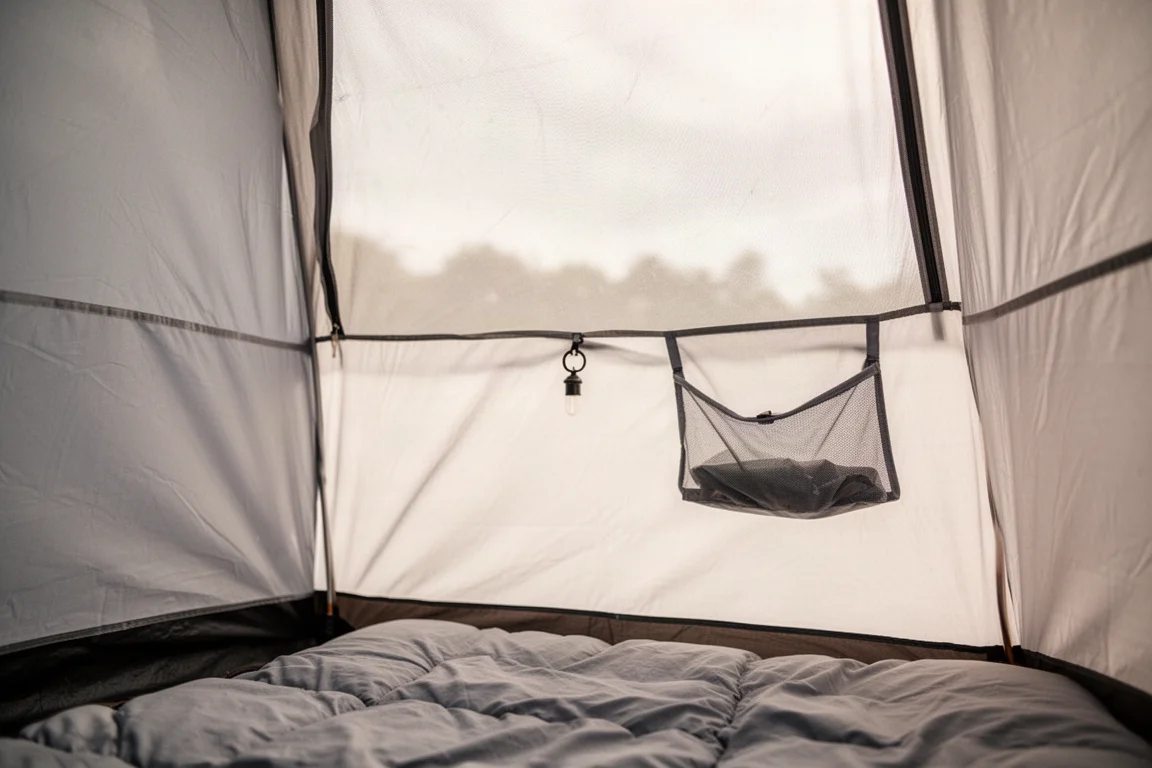
Ventilation comes from two windows with flaps that are propped open by a small rod held with velcro, plus a large mesh panel across the upper section. That combination keeps condensation down in warm weather and makes the tent comfortable on still summer nights.
Materials and Weather Protection
The fly sheet is 20D nylon with a breathable mesh panel and a hydrostatic head rating of 4,000 mm. The floor is also 20D nylon, and the poles and pegs are aluminium. It is a lightweight specification, which is exactly why a matching footprint mat is worth considering: the floor will do the job on its own, but an extra groundsheet adds protection on rough or stony pitches. The door zips feel more substantial than those on some other lightweight models, and the doors run without snagging.
Things to Consider Before Buying
Two points are worth knowing before you commit. First, this is a well-ventilated tent rather than a weather-tight one. The mesh runs high and the fly sits well clear of the ground, so a strong wind will move air through the shelter and it can feel breezy. The peg lines can be shortened to bring the fly closer to the floor, which helps, but it remains a fair-weather-biased design.
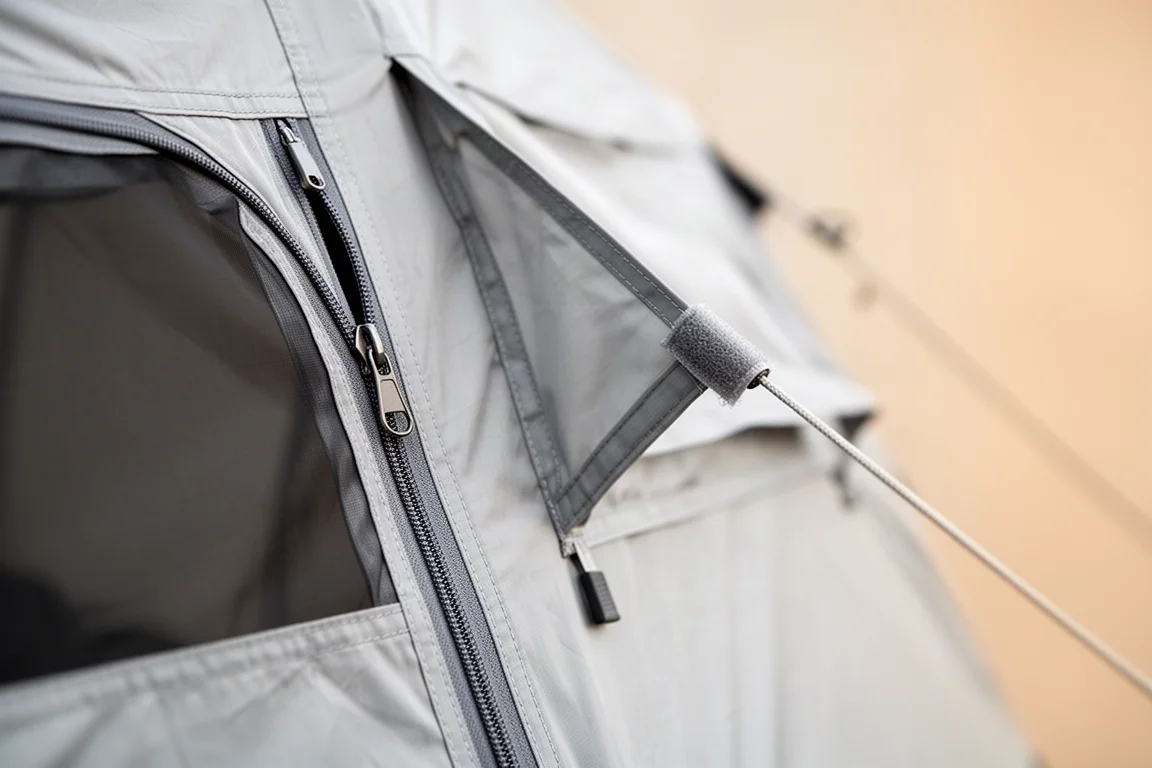
Second, the tent ships with ten pegs. Four are used for the main pitch, which leaves six for the four supplied guy lines and any additional tie-outs. On a windy pitch you may want to carry a few spare pegs so that every guy line can be anchored properly.
Packing and Portability
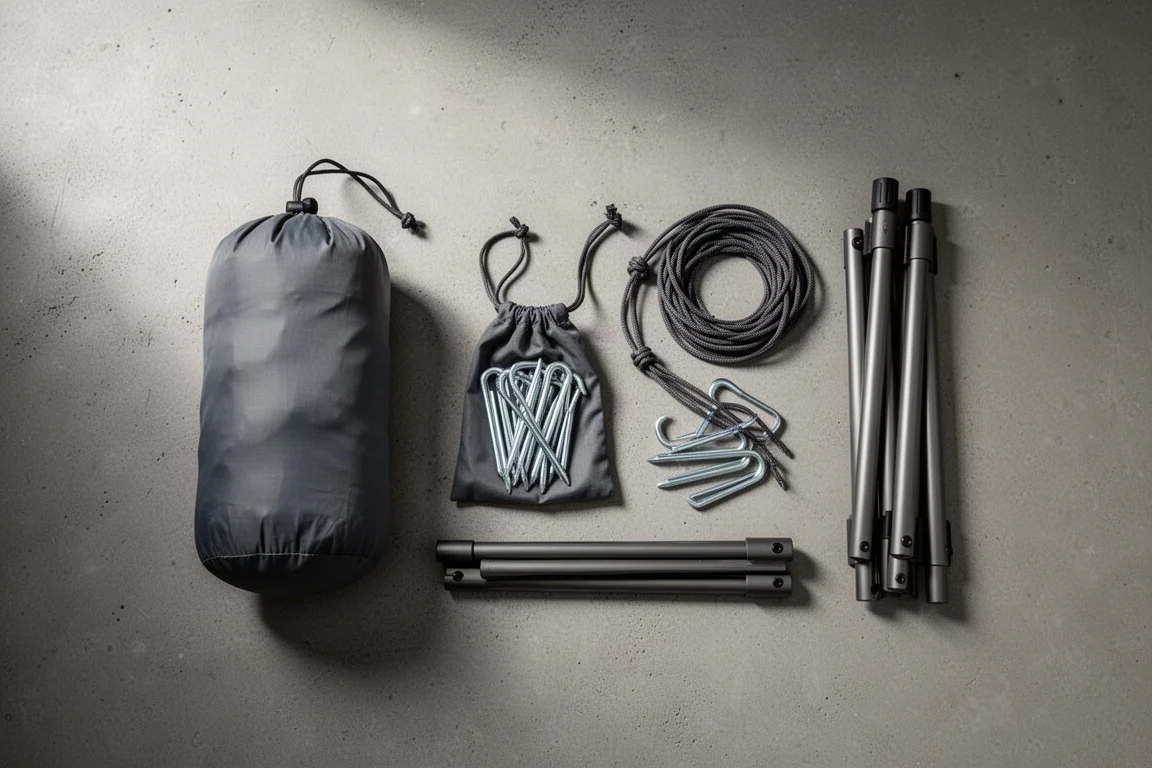
Packing the Mongar II away is quick and undemanding. The groundsheet can stay with the tent rather than going back into its own bag, and the whole lot rolls down and slides into the stuff sack without a fight. The pegs and guy lines live in a vinyl bag with a drawstring, so nothing escapes in transit, and the poles have their own sleeve. It will not be as tidy as the factory fold, but it fits, and that is what matters at the end of a trip.
Buying Advice for the Mongar II
If you are looking for a spacious, freestanding three-season tent that pitches quickly and packs easily, the Mongar II is a sensible choice. It is lighter than some of the more robust designs in the range and noticeably roomier than the brand’s smaller two-person models, which makes it a good match for solo campers who want space and for couples who do not want to be pressed against the walls.
Budget for the footprint mat if you plan to pitch on hard or stony ground, and consider a few spare pegs for windy trips. Beyond that, there is not much to add: the tent does the simple things well.
Conclusion
The Naturehike Mongar II earns its place as a roomy, straightforward freestanding tent. It pitches fast, packs down easily, offers real interior space with useful ventilation, and handles three-season conditions well as long as you are not expecting a winter shelter. Buy it for comfort and convenience in mild weather, and add the footprint mat and a couple of spare pegs to get the most from it.
Product link
View more details for Naturehike Mongar II
This product is mentioned in the review. Check the specifications, options, and compatibility before buying.
View more details for Naturehike Mongar IIFurther reading
Related Reviews
Backpacking Tents
3F UL Lanchan Pro 1 Review: A 1 lb 8 oz Single-Wall Trekking Pole Tent
A practical look at the 3F UL Lanchan Pro 1, a single-wall trekking pole shelter with a 1 lb 8 oz weight, 20D silnylon fabrics, and a roomy 90 x 31 x 49 inch interior.
Backpacking Tents
3F UL Taiji 2-Person Tent: A Convertible Backpacking Shelter Worth a Closer Look
A practical look at the 3F UL Taiji two-person tent, covering its materials, true two-person interior, fly-first pitching, and the seasonal inner swap that lets one shelter cover more of the year.
Backpacking Tents
3FUL Lanshan Twoerson Pro Review: A Light Trekking Pole Shelter That Struggled in Rain
A two-person trekking pole shelter with a 2026 redesign, pitched with sticks and put through a night of steady rain. Here is what worked, what did not, and what to check before buying.