Backpacking Tents
Naturehike Mongar 2 vs Naturehike Star River 2: Which Two-Person Backpacking Tent Fits Your Trip?
A side-by-side comparison of two Naturehike two-person tents, covering packed weight, frame design, headroom, ventilation, and the practical details that decide which one suits your camping.
Introduction
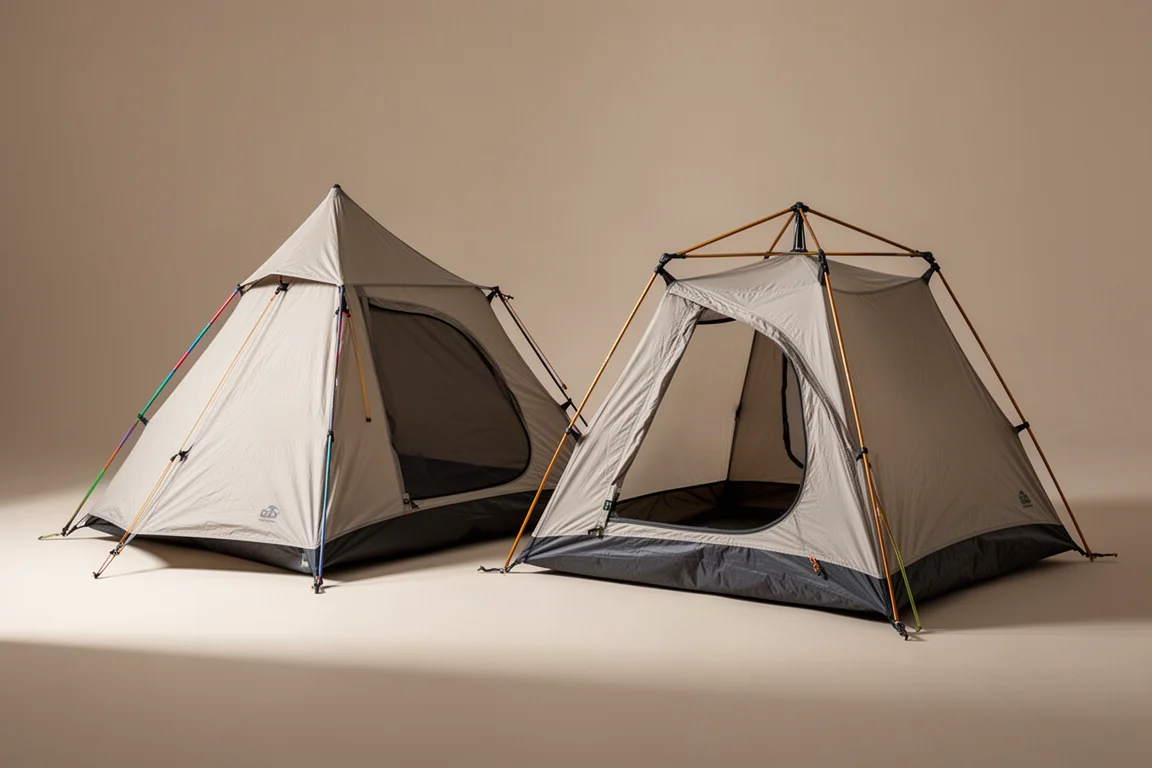
The Naturehike Mongar 2 and the Naturehike Star River 2 are two-person freestanding tents that sit in the same weight class, so the choice between them comes down to design detail rather than headline numbers. Both pack down with a floor mat included, both pitch inner first with a separate flysheet, and both provide two side doors with vestibule space for kit. The meaningful differences show up in the frame layout, the amount of mesh in the inner, the headroom once you sit up, and the hardware that decides how each tent behaves in wind and on damp ground.
What We Compared and Why It Matters
Packed weight is the first number most campers check, and here the two tents are effectively tied. On digital scales, both came in at 2.16 kg with the floor mat bundled inside, so weight does not separate them. Packed size is close as well: the Mongar 2 packs a little taller in the bag, although a tidier fold can bring it down. What separates these tents is structure: how the frame is shaped, how much of the inner is mesh, how the fly attaches, and how much usable room each one offers once you are inside.
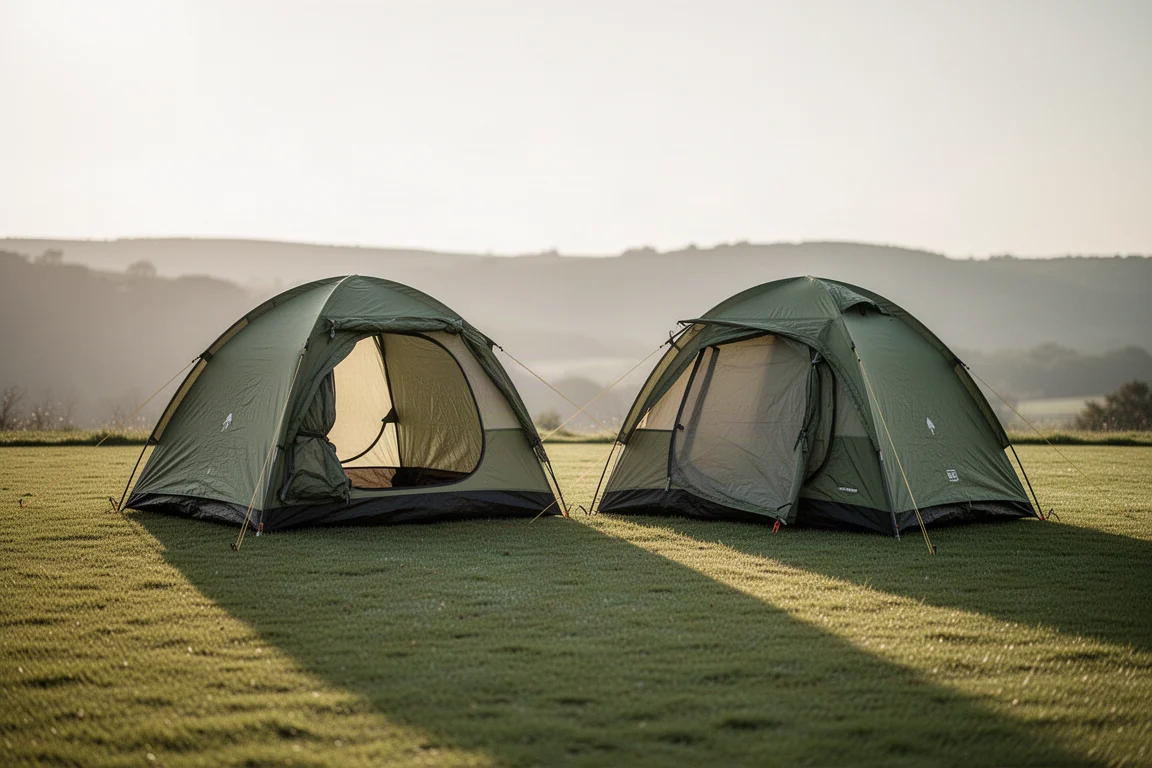
Both tents are freestanding, so the frame can be positioned and judged before any pegs go in. That makes it straightforward to compare footprint, door placement, and headroom side by side, and it also means either tent can be shifted to a better spot without a full re-pitch.
Naturehike Mongar 2: A Simple, Well-Ventilated Two-Person Tent
The Mongar 2 uses a frame with the same dimensions at both ends, so there is no front and no back. That removes a step at pitch time and makes the flysheet simple to fit, since it can go on either way round. The top cross member is wider than the Star River 2 equivalent, and it is held on a plastic fitting rather than a metal one.
Pole ends are finished with metal tags that keep the sections together when the frame is moved around, and the inner attaches with clips that push up and twist into place. The inner is almost entirely mesh apart from the bathtub floor, which makes the Mongar 2 a strong warm-weather option with plenty of airflow, and a breezier place to sleep when conditions turn cool.
Inside, there are pockets at either end plus a mesh area near the top for stashing small items. Sitting up, the top mesh comes close to the head but does not cause a problem. The two side doors sit opposite each other, which is genuinely useful when the wind shifts: close the windward door, open the other, and the vestibule still works as a sheltered spot for cooking or gear. External ties on the fly can be used to tighten the tent down when wind is forecast.
Naturehike Star River 2: More Headroom and Better Weather Shielding
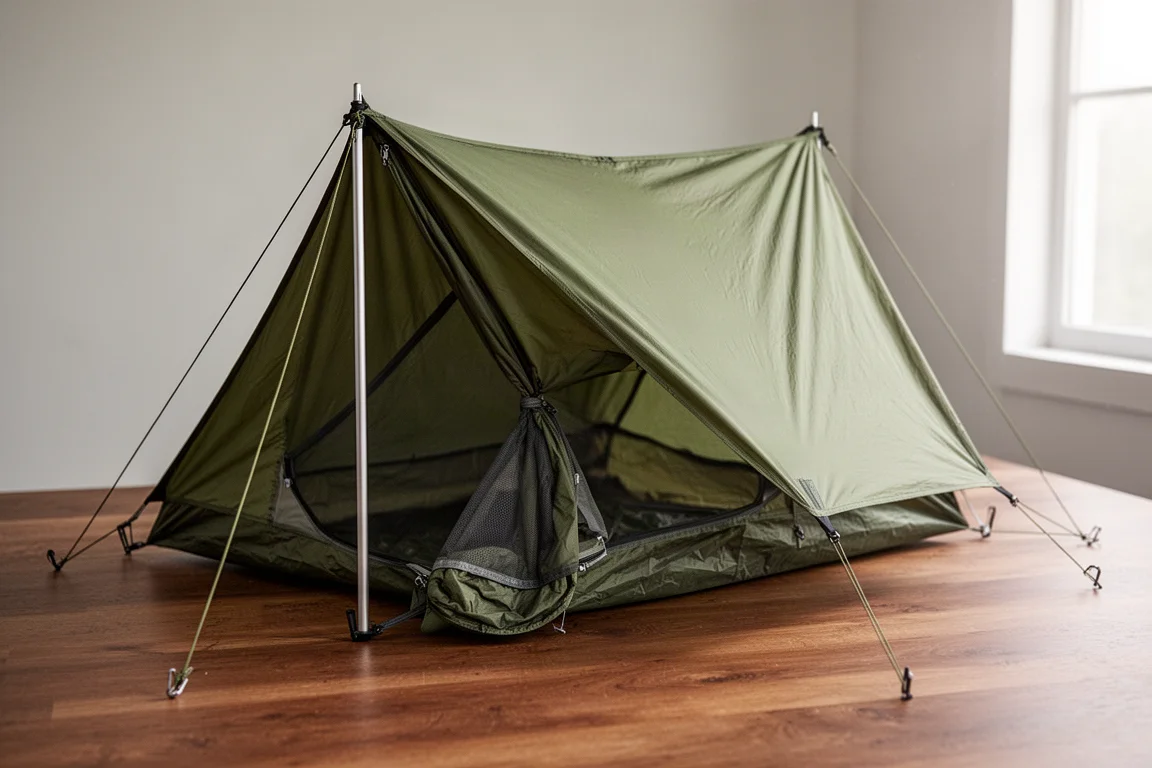
The Star River 2 frame is colour coded: a larger red section marks the front and a smaller grey apex marks the back. That makes it quicker to orient the inner and the flysheet, and the taller front end adds headroom where it is most useful. The cross member is metal and narrower than the Mongar 2 version, and the pole ends sit more loosely, so they can slip out when the frame is handled.
The inner uses mesh at the top but keeps more material around the lower section, so the sleeping area is better shielded from weather creeping in underneath. The tent footprint matches the floor mat exactly, which points to slightly more interior space overall, and the extra height means your head stays clear of the inner when sitting up. The trade-off is at the sides, which are shallower and feel closer, something two occupants are more likely to notice.
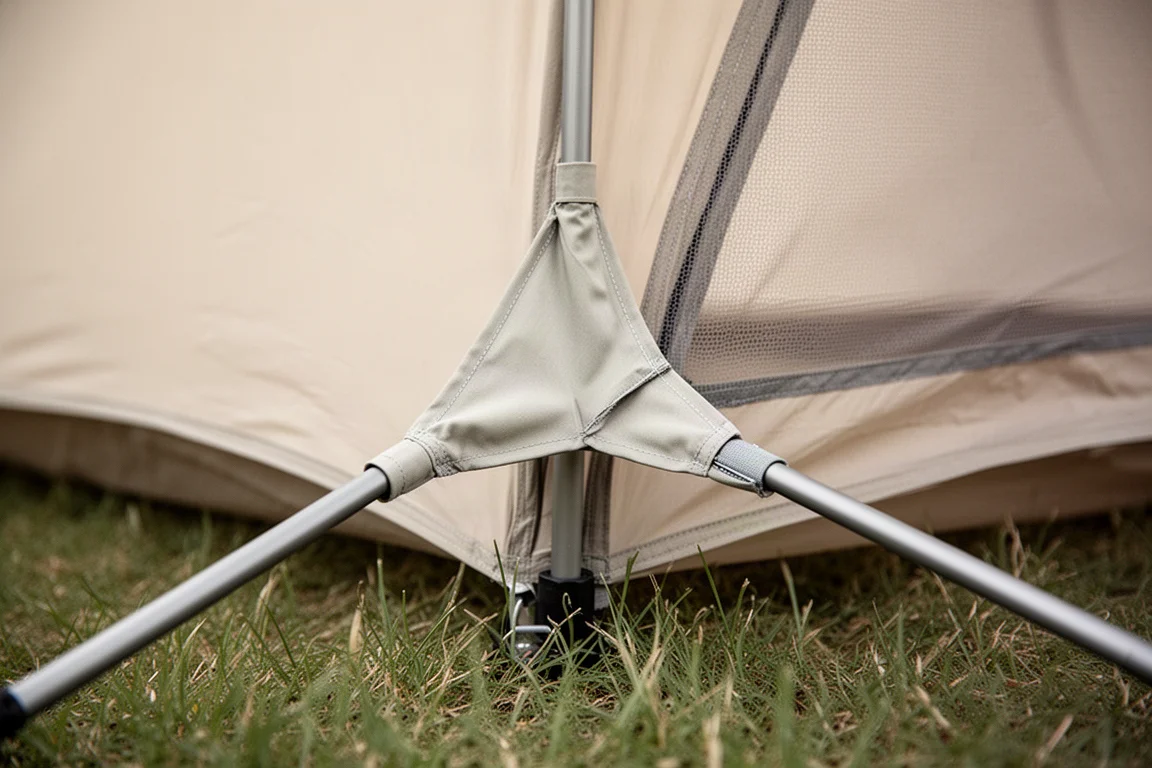
Small details add up inside. The Star River 2 has three pockets, including one positioned high up, and the floor mat carries clips for the outer skin so the groundsheet and fly can be joined and hung over the frame as a simple tarp shelter. Clips hanging from the fly attach to the inner to hold the two layers apart and let you tension the inner tighter. A vented window with a foam insert and velcro prop adds airflow control, while the door opens from the bottom and drops low, where it can pick up moisture from wet ground.
Frame, Pole Ends, and Pitching Differences
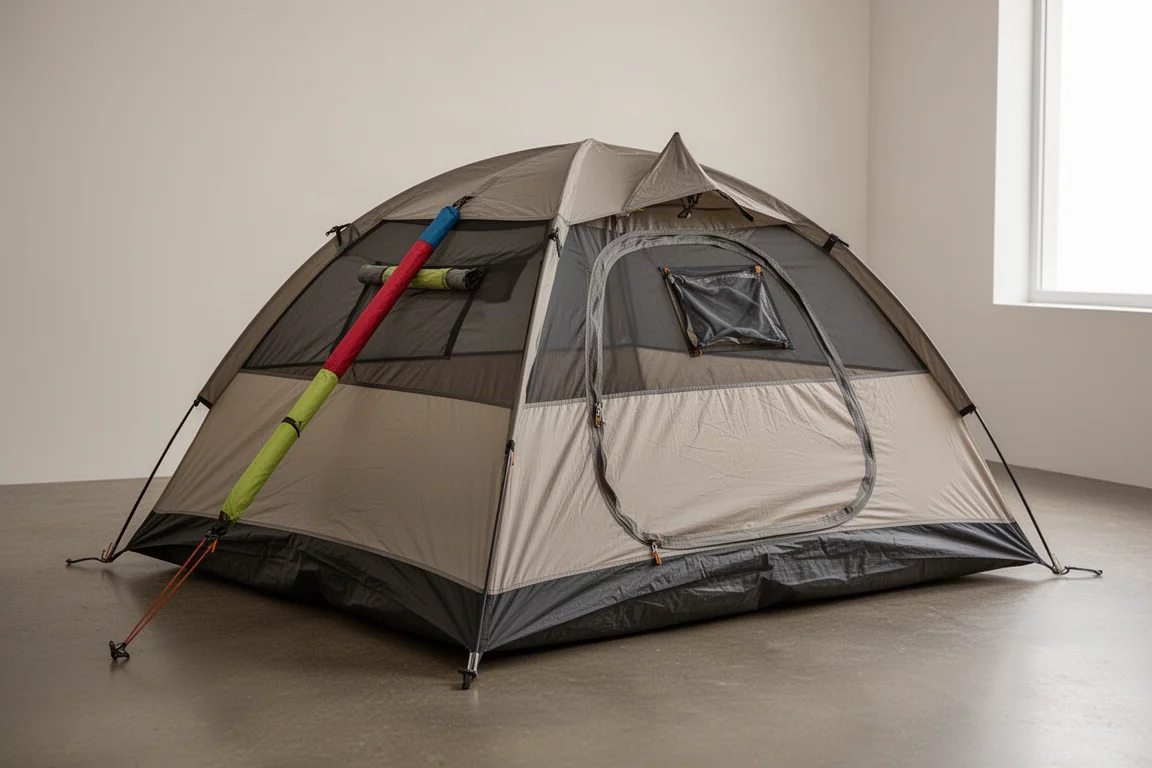
Side by side, the frames show the clearest split between the two tents. The Mongar 2 keeps the same profile front and back, so the flysheet has no wrong way round and goes on quickly, with straps at the base to pull the seams tight. The Star River 2 relies on colour coding instead, and the red front and grey rear make the flysheet equally straightforward once you know the pattern.
Hardware differs too. The Mongar 2 pole ends thread through metal tags that hold everything together while you move the frame, and its clips push up and twist to lock in place. The Star River 2 pole ends are looser and can drop out of their sleeves during handling, and its clips simply press over the pole. The top cross member follows the same pattern: a metal tag on the Mongar 2, a fabric pocket on the Star River 2, and a metal bar rather than a plastic one on the Star River 2. Which of these lasts longer is hard to judge without long-term use, but the metal fittings on the Star River 2 and the more secure pole ends on the Mongar 2 each have their appeal.
Interior Space, Pockets, and Vestibules
A large self-inflating roll mat fits snugly in both tents with room to spare at either end, and a second mat would sit alongside without crowding the floor. Vestibule space is generous on both, enough for packs, boots, and cooking kit, which matters more than raw floor area on a multi-day trip.
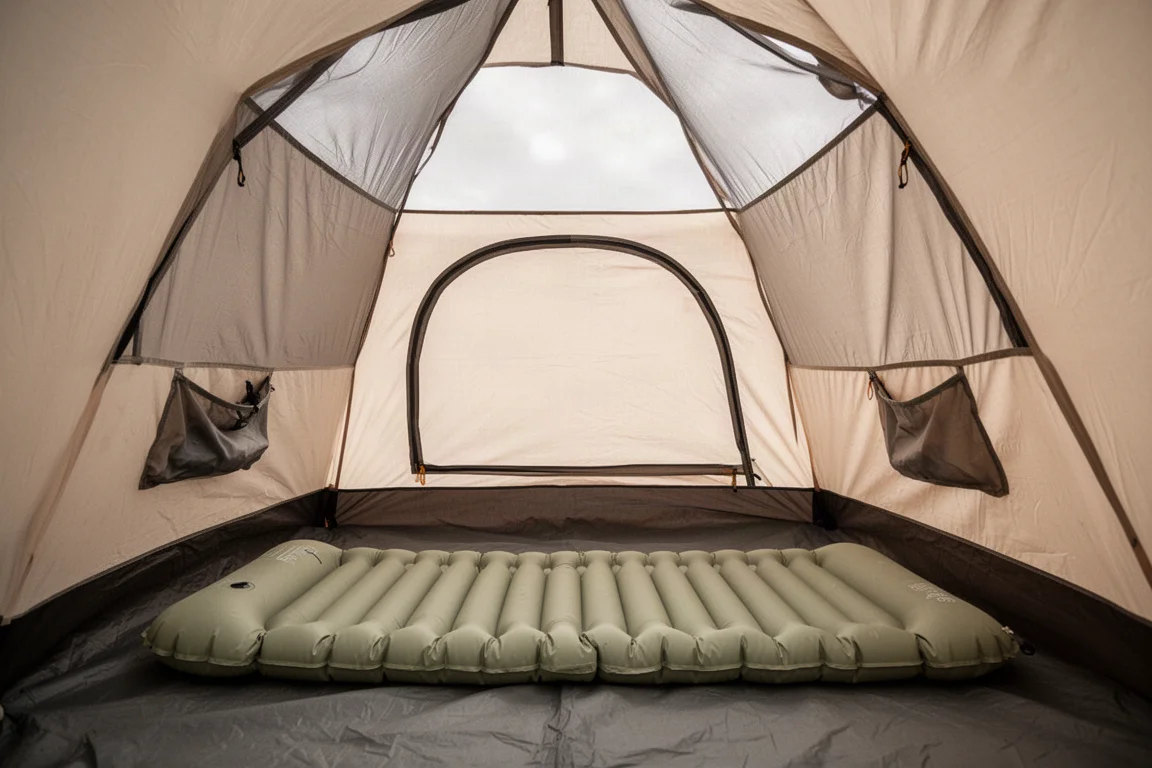
Storage is where the interiors diverge. The Mongar 2 offers a pocket at each end plus overhead mesh, while the Star River 2 has three pockets and a higher top pocket that is easier to reach from a sitting position. Headroom favours the Star River 2, with clear space above the head when sitting up, whereas the Mongar 2 brings the top mesh a little closer. The Star River 2 sides angle in more sharply, so two occupants may feel the walls near their shoulders.
Doors, Ventilation, and Weather Protection
Both tents use two side doors. On the Mongar 2 the doors face each other, so you can shut the windward side and keep the other open, with the vestibule acting as a windbreak for cooking. The Star River 2 lets you choose which door to open, and both doors roll up and secure with toggles, although the door drops down low before rolling, which leaves it exposed to wet ground.
Ventilation is the other clear divide. The Mongar 2 inner is mesh apart from the bathtub floor, so air moves freely and the tent stays airy in warm weather, at the cost of warmth when the temperature drops. The Star River 2 keeps more fabric low down while retaining mesh higher up, which gives a better balance for damp or cooler ground without losing too much airflow, helped by the vented window and its foam insert.
Buying Advice: Choosing Between the Mongar 2 and Star River 2
Pick the Mongar 2 if you camp mostly in warm conditions and want maximum airflow, a pitch that cannot go on the wrong way round, and doors that let you react to a change in wind direction. The wider cross member, metal-tagged pole ends, and external fly ties all support a tent that is quick to pitch and easy to tighten down.
Pick the Star River 2 if headroom and interior space matter more, or if you want the inner and fly held apart and tensioned, a floor mat that clips to the fly for tarp-style use, and a lower inner that blocks more of what comes in underneath. The colour-coded frame is a genuine convenience at pitch time, as long as you accept the looser pole ends and the door that drops low.
Both tents weigh the same 2.16 kg with the floor mat packed in, so the deciding factors come down to ventilation, headroom, and the hardware details covered above. Either one can serve the same trips, but they reward different priorities.
Conclusion
These two Naturehike tents are close enough that either can work for the same trip, but they are not identical in character. The Mongar 2 favours airflow and simplicity, with a reversible frame, opposite doors, and a mesh-heavy inner. The Star River 2 favours space and shelter, with more headroom, three pockets, and clips that keep the inner and fly separated. Match those traits to your usual conditions and the decision becomes straightforward.
Further reading
Related Reviews
Backpacking Tents
3F UL Lanchan Pro 1 Review: A 1 lb 8 oz Single-Wall Trekking Pole Tent
A practical look at the 3F UL Lanchan Pro 1, a single-wall trekking pole shelter with a 1 lb 8 oz weight, 20D silnylon fabrics, and a roomy 90 x 31 x 49 inch interior.
Backpacking Tents
3F UL Taiji 2-Person Tent: A Convertible Backpacking Shelter Worth a Closer Look
A practical look at the 3F UL Taiji two-person tent, covering its materials, true two-person interior, fly-first pitching, and the seasonal inner swap that lets one shelter cover more of the year.
Backpacking Tents
3FUL Lanshan Twoerson Pro Review: A Light Trekking Pole Shelter That Struggled in Rain
A two-person trekking pole shelter with a 2026 redesign, pitched with sticks and put through a night of steady rain. Here is what worked, what did not, and what to check before buying.