Backpacking Tents
Naturehike Mongar 2 Ultralight Edition Review: A Lighter Take on a Familiar Shelter
A field-tested look at the Naturehike Mongar 2 Ultralight Edition, covering its low weight and small pack size, simple pitching, wind and rain performance, and the trade-offs worth knowing before you buy.
Introduction
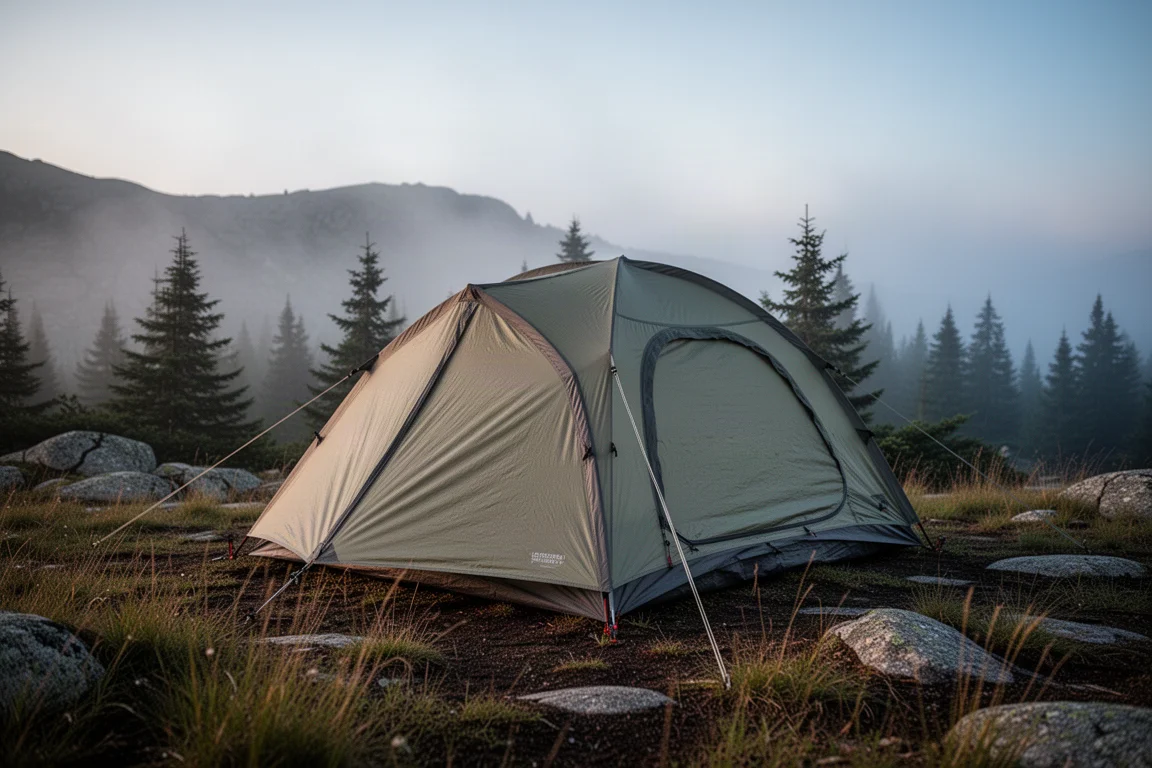
The Naturehike Mongar 2 Ultralight Edition is a lighter interpretation of a shelter that many backpackers already know. The most immediate thing you notice is the packed size: it compresses down remarkably small, small enough that it disappears into a pack rather than dominating it. The second thing you notice is the weight. Where the standard Mongar 2 lands close to 5 lb, the Ultralight Edition comes in at just a little over 3 lb, a difference of roughly 2 lb.
That is a meaningful gap for anyone who has spent a long day walking uphill. Weight saved on shelter is weight you never have to carry again, and it tends to show up in how the last few miles of a trip feel. This review covers how the tent behaves in real weather, what makes it different from the standard version, and where the compromises sit.
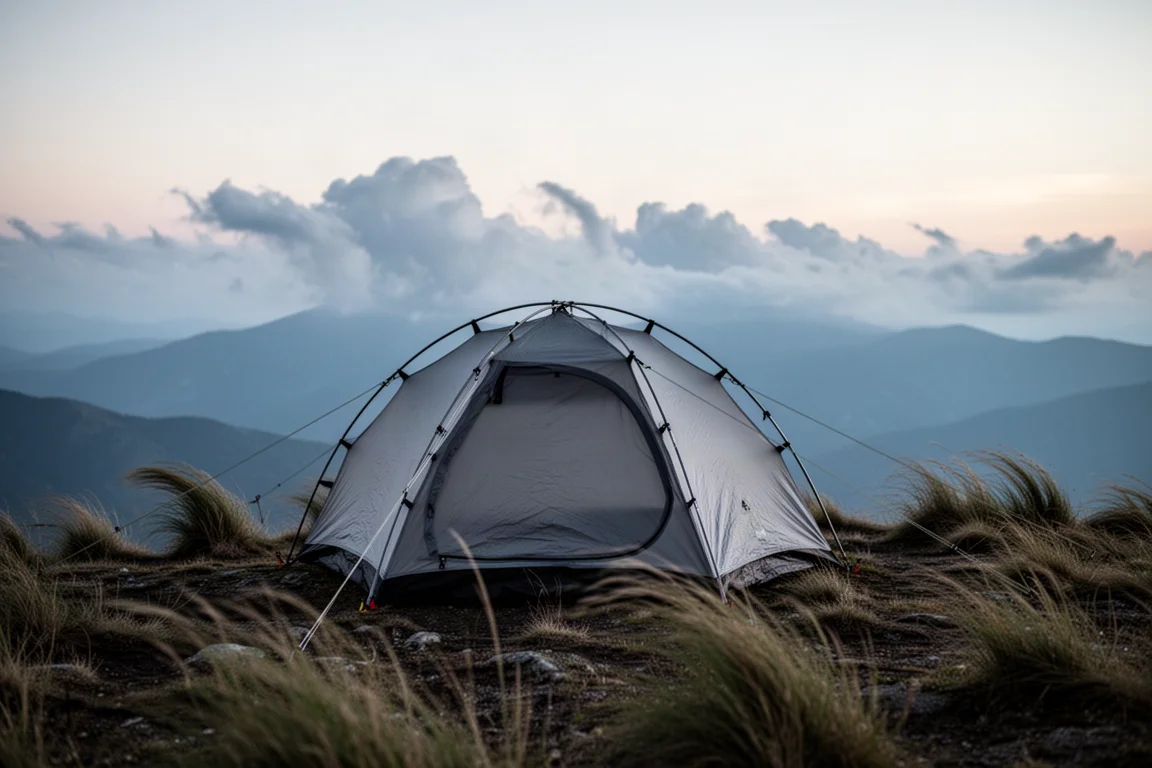
The Ultralight Edition keeps the overall footprint and design language of the Mongar 2 while introducing a few features the standard model does not have. That combination of familiar proportions and lower weight is the core of its appeal.
Who This Product Is For
This tent makes the most sense for backpackers who count grams and who feel the difference between a 5 lb shelter and a 3 lb one. If your trips involve long approaches, multi-day routes, or any walking where pack weight compounds over distance, the Ultralight Edition is aimed squarely at you.
It also suits campers who value a small pack volume. A shelter that packs down tight leaves room for insulation, food, and the layers you need when conditions turn. That flexibility matters more than raw numbers on a spec sheet.
Finally, it is a sensible choice for anyone who wants a straightforward pitch. The setup process is simple and quick, which is exactly what you want when you arrive at camp late, tired, or with weather closing in.
Main Strengths
The headline strength is the weight-to-space equation. Just over 3 lb for a shelter with the same general proportions as the standard Mongar 2 is a strong result, and the small packed size means it travels without forcing you to leave other gear behind.
Setup is another clear win. Pitching is simple, and the tent goes up without a fuss, which keeps the arrival routine short and predictable. When the wind is already building, a shelter that goes up fast is worth more than one with clever features you have to think about.
Durability under load is the third point in its favour. Through a night of sustained wind that far exceeded the forecast gusts, the structure stayed steady and the guy lines held their tension. Nothing about the tent suggested it was at the edge of its limits.
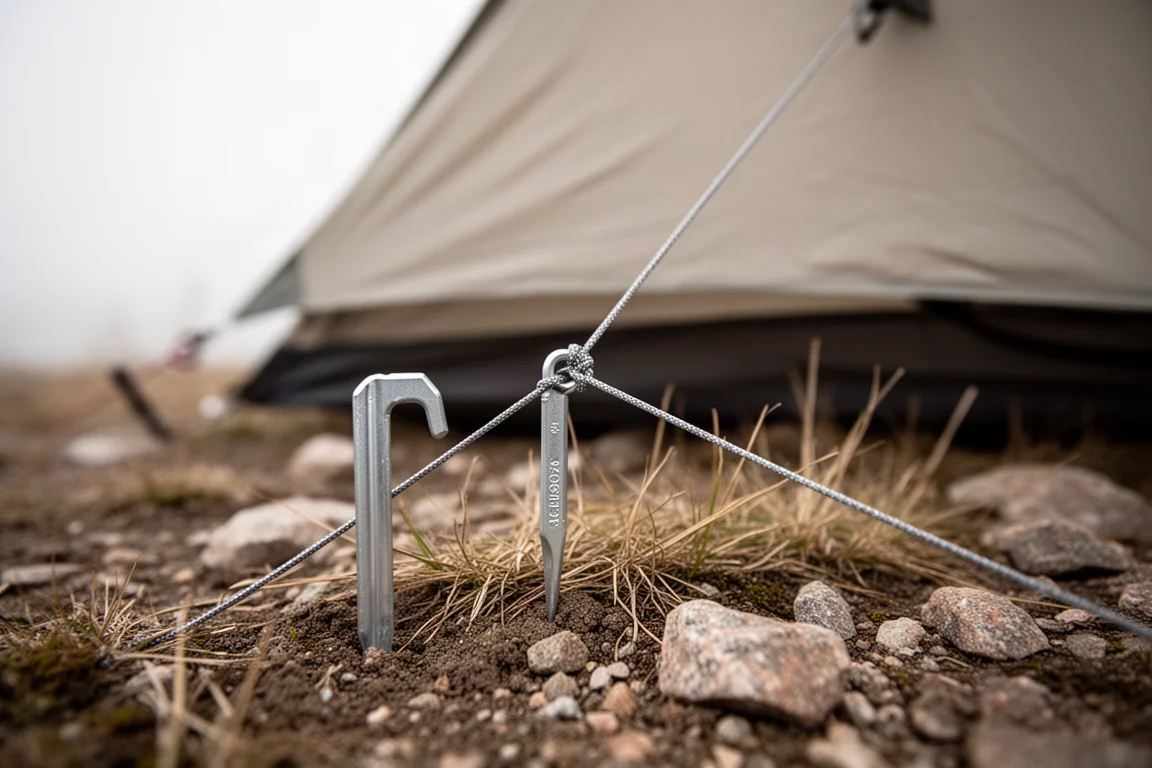
The build also held up to the wind without needing constant adjustment overnight, which is the practical test most lightweight shelters eventually face.
Weather Protection and Stability
The conditions during testing were genuinely demanding. Winds were sustained well above the forecast gusts, and rain arrived in the early hours and continued through the morning. The tent stayed settled through all of it, and the night passed without the kind of disruption that a poorly anchored shelter produces.
Stability in wind comes down to how a tent transfers load, and this one does it well. The poles, guy lines, and stake points work together rather than relying on a single element, so gusts push against the structure without deforming it. That behaviour is what separates a shelter you can trust on exposed ground from one you have to babysit.
It is worth saying that any tent in this weight class rewards careful pitching. Get the corners square, tension the lines properly, and orient the tent so the lowest edge faces the prevailing wind, and the Ultralight Edition will return the favour with a quiet, stable night.
Interior Comfort and Ventilation
Inside, the Ultralight Edition is heavily meshed, which is what you would expect from a shelter built for ventilation. What is less expected is how well it holds warmth despite all that mesh. On a morning in the low 40s, the interior measured roughly 15 degrees warmer than the air outside, which is a substantial difference when you are sitting still and trying to enjoy a hot drink.
That combination of warmth retention and strong airflow is a genuinely useful balance. The mesh keeps condensation in check and prevents the interior from turning stuffy, while the design still traps enough heat to take the edge off a cold start to the day.
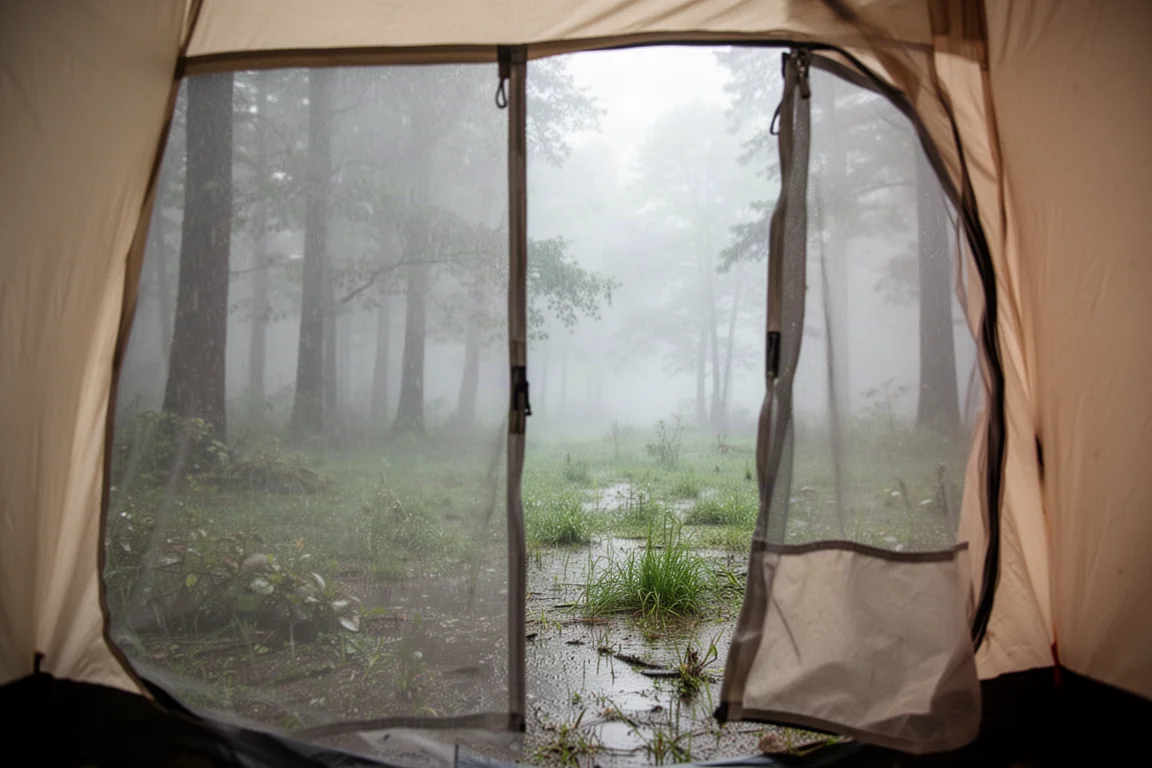
For anyone who has spent a damp morning inside a sealed, clammy tent, the airflow here is the more valuable half of that equation. It keeps the interior liveable when you are waiting out weather rather than sleeping.
Things to Consider Before Buying
The front door uses two sets of zippers, an unusual configuration that is worth understanding before you commit. It is one of the features that sets this model apart from the standard Mongar 2, and it changes how you open, close, and manage the entry. It is not a problem, but it is the kind of detail that repays a few minutes of attention on your first pitch.
The mesh-heavy inner is another consideration. It is built around ventilation, and while it held warmth well on a cold, damp morning, campers who regularly push into colder shoulder-season conditions should weigh that design choice against their own habits.
Weight savings always come from somewhere, and ultralight shelters generally ask for a little more care in how they are pitched and handled. Treat the guy lines and stake points well, and the tent will look after you in return.
Buying Advice
If your priority is a shelter that packs small, carries light, and goes up without drama, the Naturehike Mongar 2 Ultralight Edition is a convincing option. It delivers the familiar proportions of the Mongar 2 at roughly 2 lb less, and it proved itself through wind and rain rather than only on paper.
Buy it if you are counting weight on multi-day routes, if pack volume is tight, or if you want a simple pitch you can execute quickly in poor conditions. Look at the standard Mongar 2 instead if you prefer a more conventional feature set and are not concerned about the extra weight.
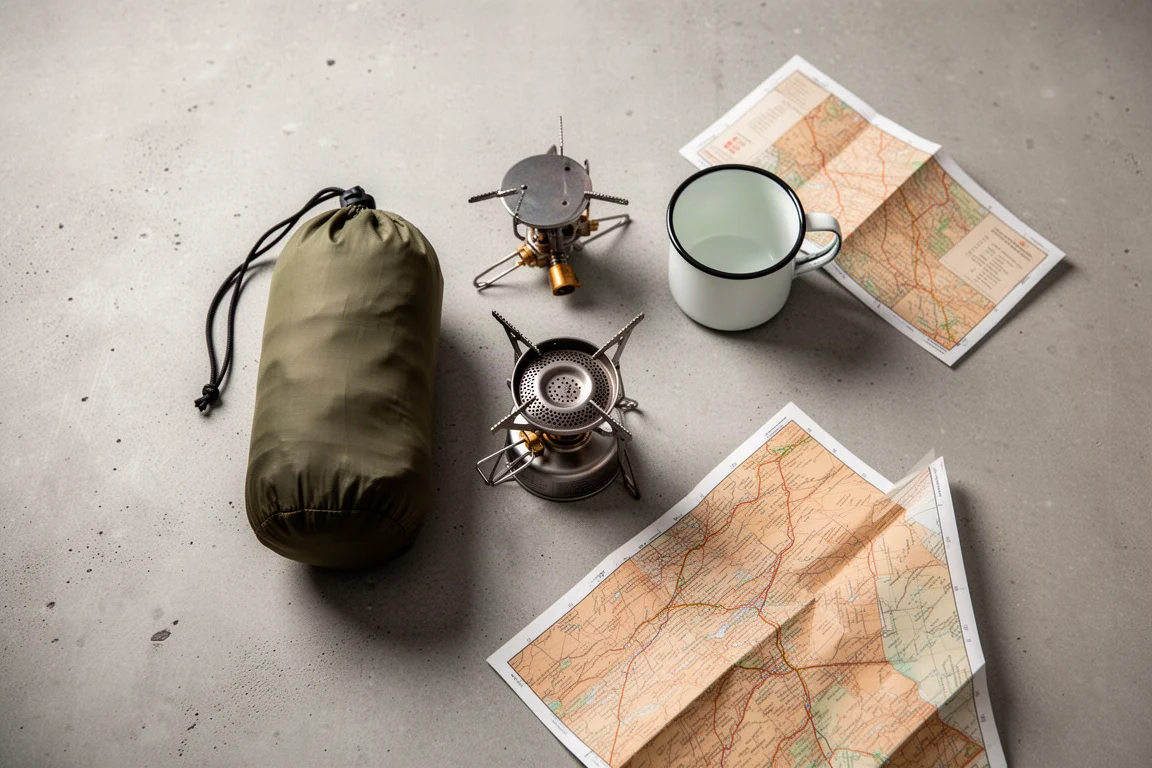
One practical note: the packed size is small enough that it is easy to treat the tent as an afterthought when loading your pack. Give it a proper place near the top or in an external pocket so it is the first thing out when you stop for the night.
Conclusion
The Naturehike Mongar 2 Ultralight Edition does the job it was designed for. It takes the general shape and proportions of a well-known shelter and strips out roughly 2 lb, all while keeping pitching simple and staying composed through sustained wind and overnight rain. The interior stays warm enough to be comfortable on a cold, wet morning, and the ventilation keeps it from turning stuffy.
The trade-offs are honest ones: an unusual two-zipper front door that takes a moment to learn, and a mesh-focused inner that favours airflow. Neither undermines the tent’s purpose. For backpackers who feel every pound and who want a small, dependable shelter that sets up fast, this is a genuinely appealing package.
Product link
View more details for Naturehike Mongar 2 Ultralight Edition
This product is mentioned in the review. Check the specifications, options, and compatibility before buying.
View more details for Naturehike Mongar 2 Ultralight EditionFurther reading
Related Reviews
Backpacking Tents
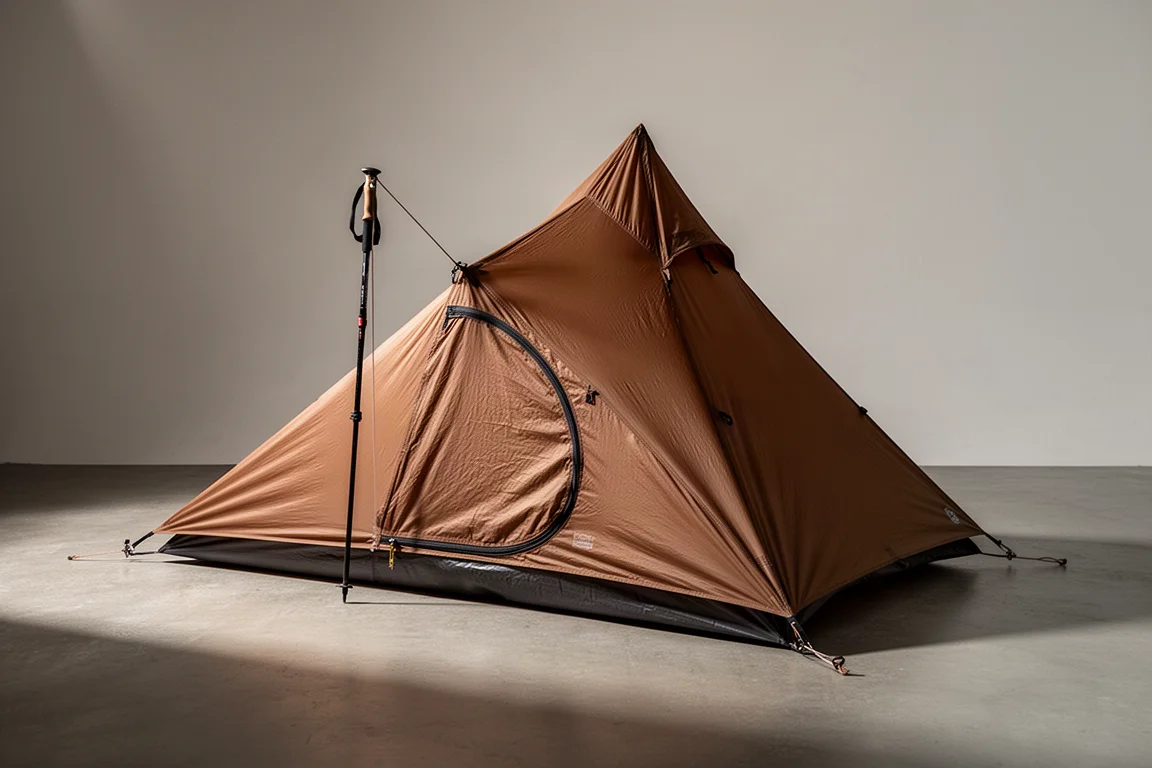
3F UL Lanchan Pro 1 Review: A 1 lb 8 oz Single-Wall Trekking Pole Tent
A practical look at the 3F UL Lanchan Pro 1, a single-wall trekking pole shelter with a 1 lb 8 oz weight, 20D silnylon fabrics, and a roomy 90 x 31 x 49 inch interior.
Backpacking Tents
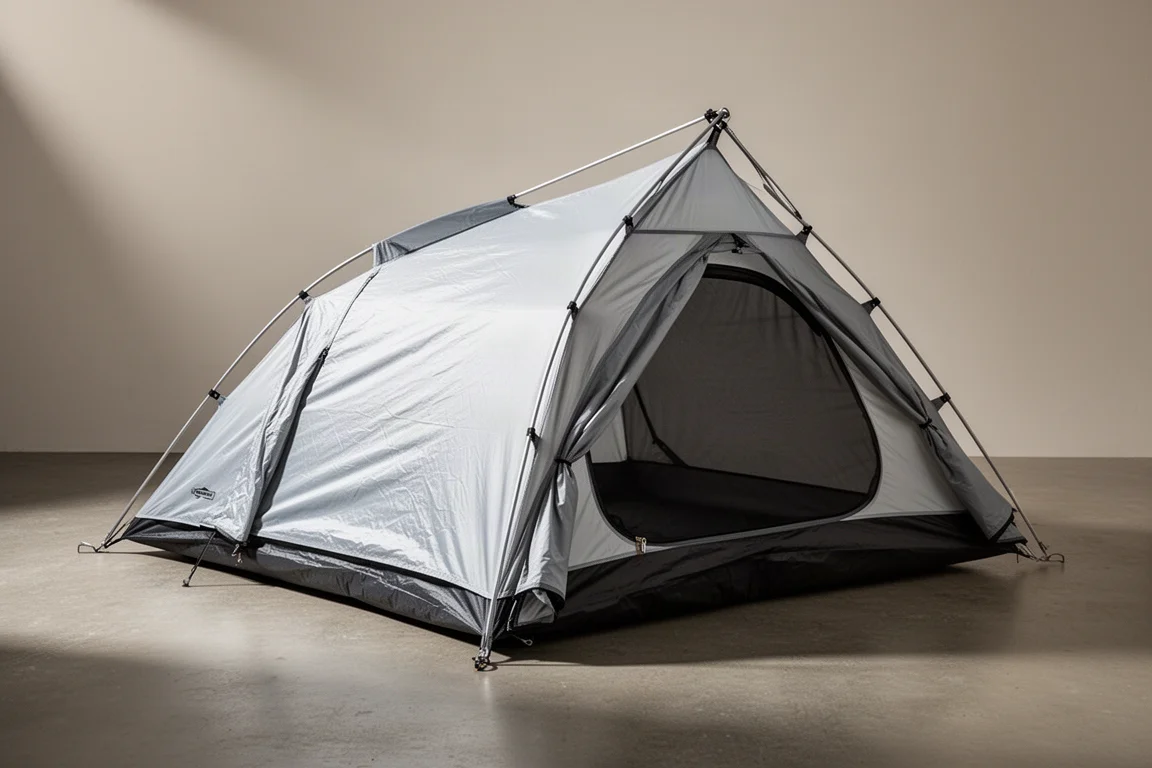
3F UL Taiji 2-Person Tent: A Convertible Backpacking Shelter Worth a Closer Look
A practical look at the 3F UL Taiji two-person tent, covering its materials, true two-person interior, fly-first pitching, and the seasonal inner swap that lets one shelter cover more of the year.
Backpacking Tents
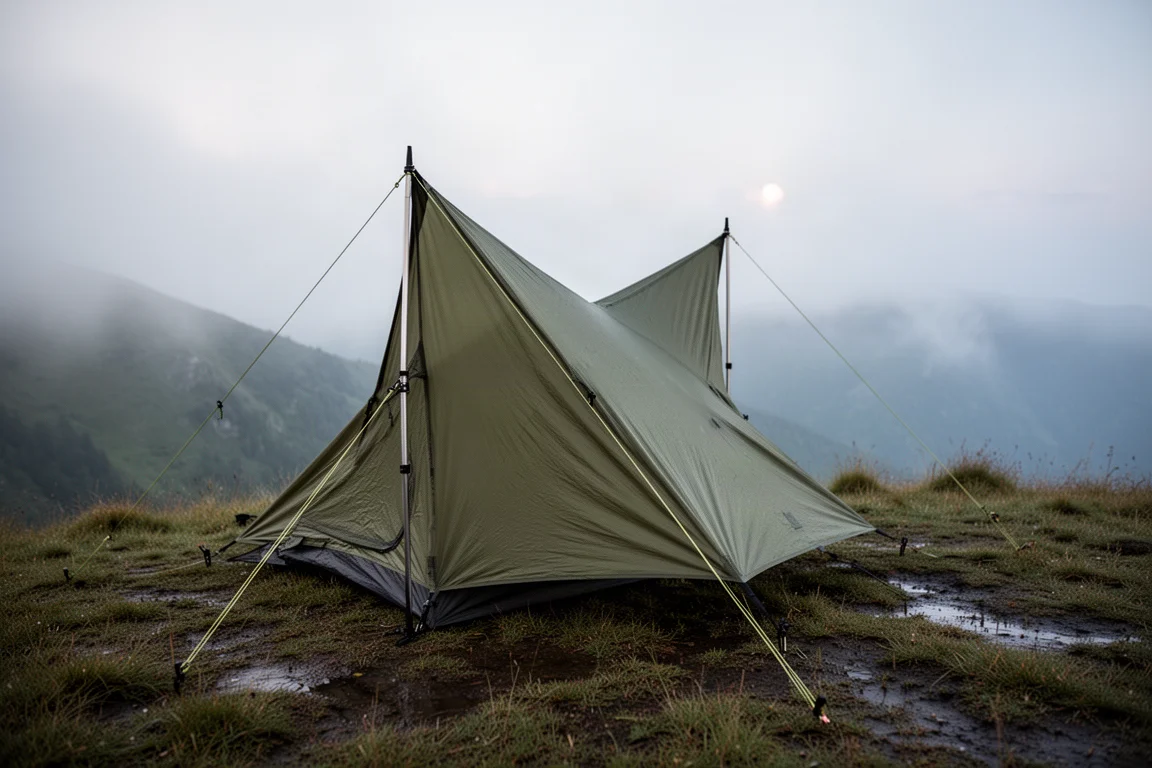
3FUL Lanshan Twoerson Pro Review: A Light Trekking Pole Shelter That Struggled in Rain
A two-person trekking pole shelter with a 2026 redesign, pitched with sticks and put through a night of steady rain. Here is what worked, what did not, and what to check before buying.