Tents
Naturehike Mongar 2 Review: A Two-Person Tent That Stays Dry Through Long, Wet Nights
A field-tested look at the Naturehike Mongar 2, covering waterproofing, ventilation, setup, and the trade-offs worth weighing before you buy.
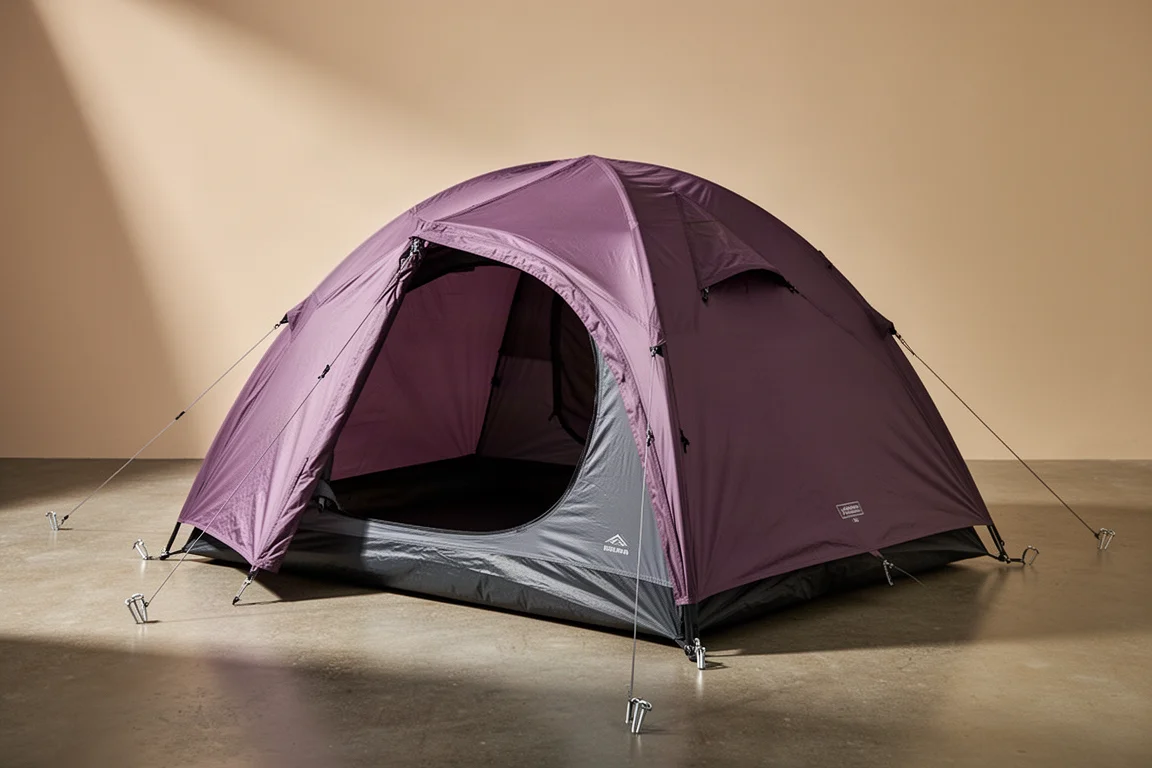
Introduction
The Naturehike Mongar 2 is a two-person backpacking tent built around a simple promise: dependable shelter when the weather turns. It has been used across roughly twenty nights in the field, and for most of that time the forecast refused to cooperate. Nights that promised rain delivered clear skies instead, which made it hard to answer the one question that matters most for any tent.
That question finally got an answer. A long, slow rain event settled in over a weekend, the kind that soaks ground and fabric for hours rather than minutes. The tent was staked out fully and every vent was closed before the weather arrived, so the result reflects a properly pitched shelter rather than a rushed setup.
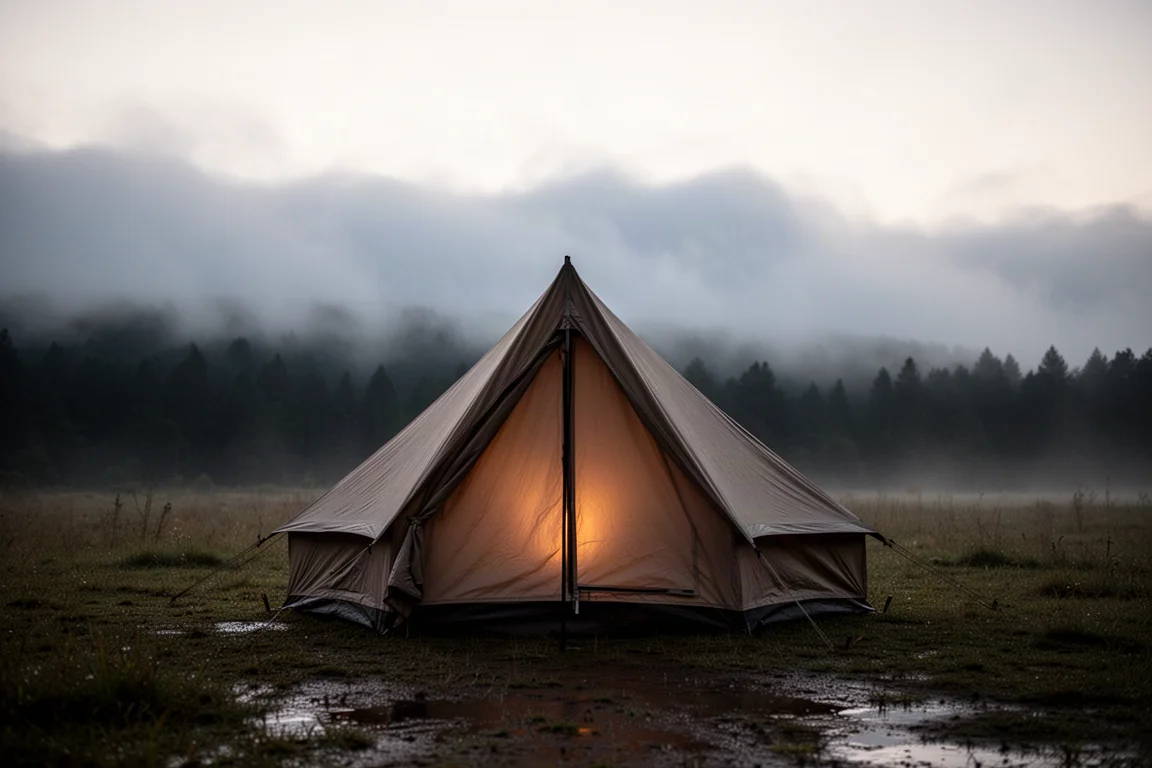
What follows is a practical look at how the Mongar 2 handled that weather, where it performs well, and which details are worth checking against your own trips before you commit.
Who the Mongar 2 Is For
This tent suits backpackers and weekend campers who rank weather protection above almost everything else. If your trips regularly run into wet forecasts, or you camp in regions where rain arrives without much warning, the Mongar 2 is aimed squarely at you.
It also makes sense for campers who pitch in humid, still conditions and need air to keep moving through the shelter overnight. Ventilation is often the weak point of an otherwise solid tent, and this is one of the areas where the Mongar 2 stands out.
Finally, it is available in a range of colors rather than a single finish, so there is room to choose a look you actually want to spend nights in.
Main Strengths: Waterproofing and Ventilation
Waterproofing is the Mongar 2’s headline strength. Naturehike has a strong record on this front, and across the full test window the tent stayed completely dry inside. The rain came in as a long duration event, light to moderate rather than violent, and the fabric and seams held without any sign of water making its way through.
Ventilation is the quieter strength. The fly does not extend all the way to the ground, which leaves a gap for air to move underneath. There are vents on the sides, and the door can be opened somewhat even while it is raining. The fly also pulls away from the body of the tent well, which keeps the inner layer separated from the wettest surface.
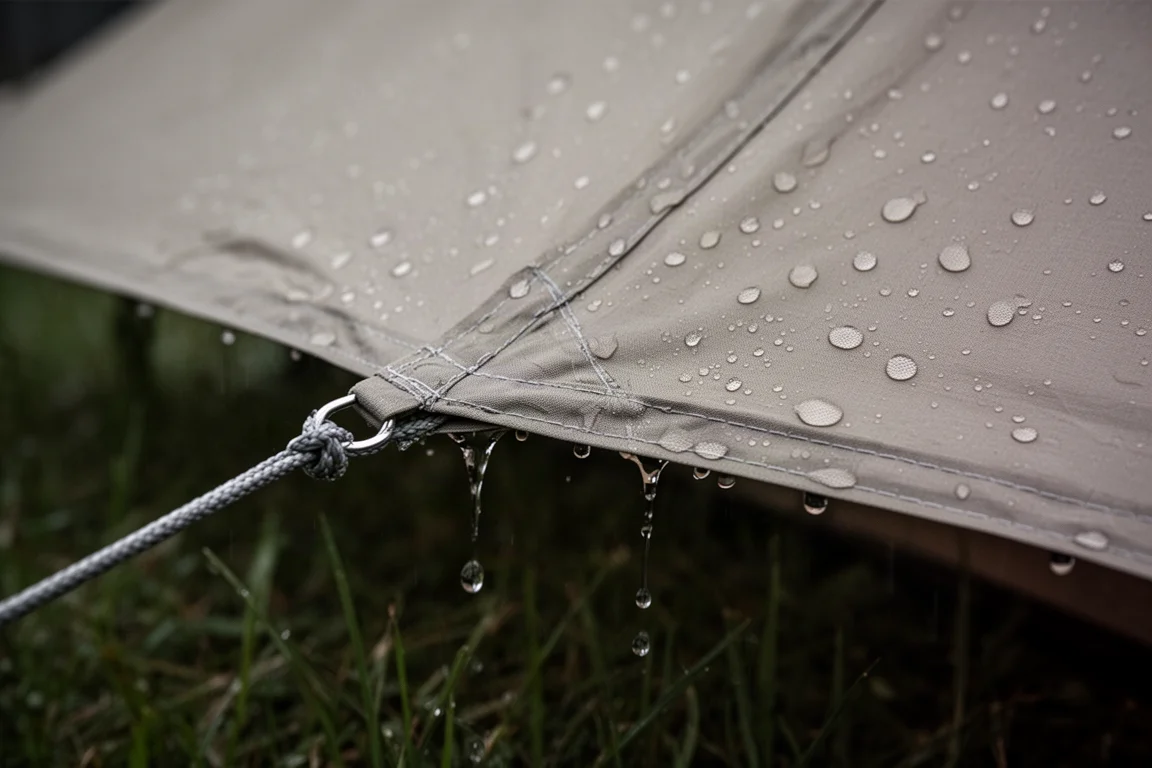
Condensation can still form on the fly in certain conditions, as it will with any tent, but it stays well controlled here. The combination of a raised hem, side vents, and good separation between fly and body is what keeps a shelter livable over multiple damp nights.
Setup and Everyday Usability
Setup is straightforward. With a little practice the tent goes up in about five minutes, and the process does not involve anything fiddly or ambiguous. Poles, fly, and stakes follow a logical order that becomes second nature quickly.
Getting a good pitch matters more than the speed of it. Staking the tent out properly and tensioning the fly is what allows the ventilation design to work as intended and keeps the fabric clear of the inner body. Treat the pitch as part of the weather protection rather than a chore at the end of a long day.
Performance in Prolonged Rain
The wettest stretch of testing delivered a long period of light to moderate rain rather than the heavy downpour that had been forecast. That distinction is worth stating plainly, because sustained rain and short intense bursts stress a tent in different ways.
Sustained rain is a fair test of seams, coatings, and how well a fly sheds water over hours. The Mongar 2 came through it with a completely dry interior. No leaking appeared anywhere, which is exactly what you want from a tent that will be relied on in the backcountry.
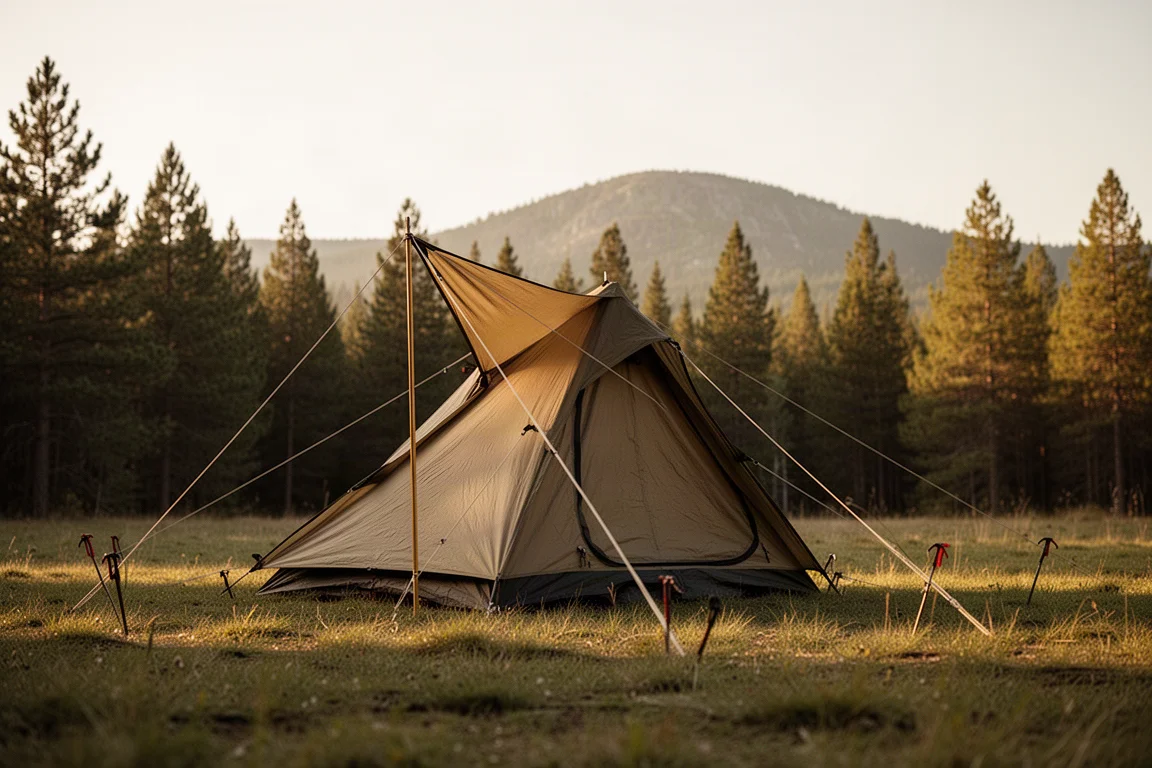
For a backpacker, that result translates into confidence. A tent that stays dry through an all-night rain event is a tent you stop worrying about, and that is worth a great deal when you are far from shelter and the forecast is uncertain.
Things to Consider Before Buying
The heaviest storms forecast during the test window did not fully materialize, so performance in extreme, high-intensity conditions remains unproven. What was verified is a long, steady rain event, and the tent handled that without issue.
Naturehike’s wider tent range is uneven. Waterproofing is consistently good, but not every model in the lineup is as thoughtfully designed as this one. The Mongar 2 is a well-resolved design, and it is worth treating that as specific to this model rather than a blanket assumption about the brand.
Condensation can still develop on the fly in some conditions. It is well managed here thanks to the airflow design, but it is a normal part of camping in damp weather and worth planning for with a cloth and sensible pitch placement.
Buying Advice
Buy the Mongar 2 if reliable rain protection and steady airflow are your priorities and you want a shelter that sets up without drama. It is a sensible choice for backpackers, weekend campers, and anyone whose trips regularly intersect with wet weather.
If your plans lean toward extreme exposure and you expect to meet violent storms head on, be aware that this specific test did not cover that scenario. The tent performed very well in prolonged rain, and that is the honest scope of what has been verified so far.
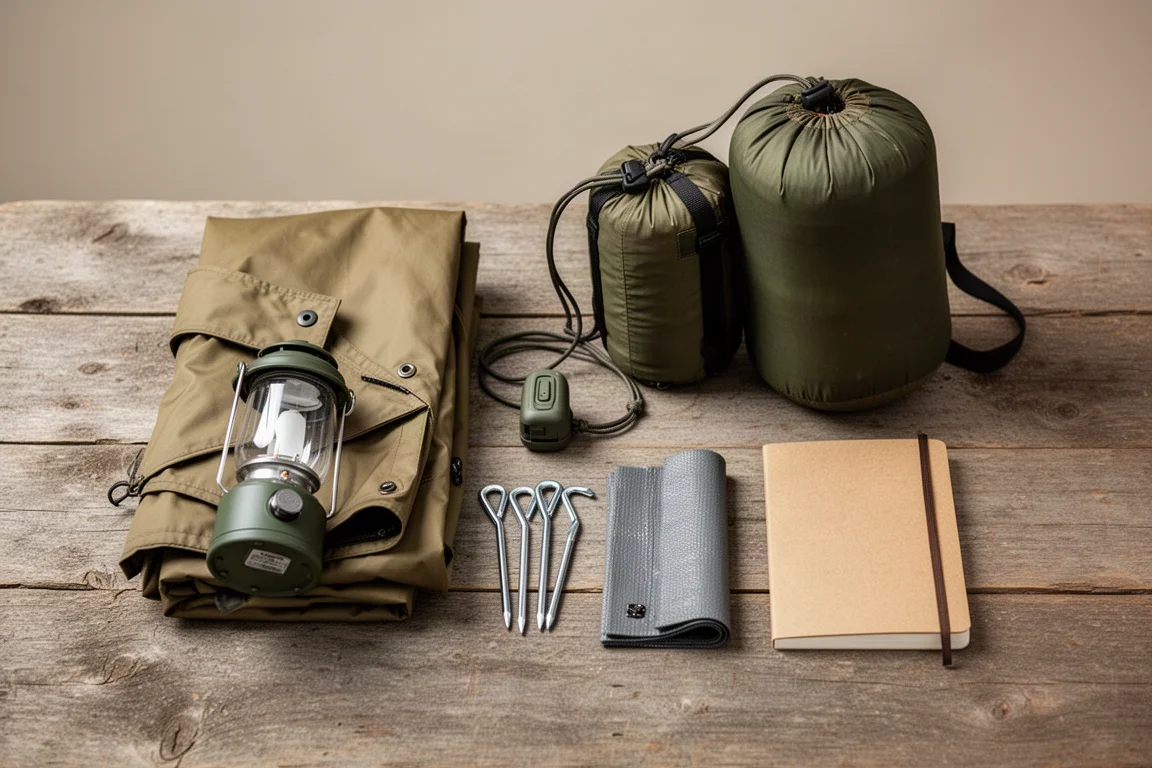
Color is a legitimate part of the decision here, since the tent comes in several options. Pick the finish you will be happy to pitch repeatedly, then focus your attention on getting a taut, well-staked pitch every time you use it.
Conclusion
The Naturehike Mongar 2 earns its place as a dependable two-person shelter. It stayed completely dry through a long rain event, manages condensation and airflow well, and goes up quickly once you know the sequence. The main caveat is simply that extreme storm conditions were not observed during the wettest window of testing.
For most backpackers and campers, that is a trade-off worth accepting. If your priority is a tent that quietly does its job when the weather settles in for the night, the Mongar 2 is a strong candidate.
Product link
View more details for Naturehike Mongar 2
This product is mentioned in the review. Check the specifications, options, and compatibility before buying.
View more details for Naturehike Mongar 2Further reading
Related Reviews
Tents
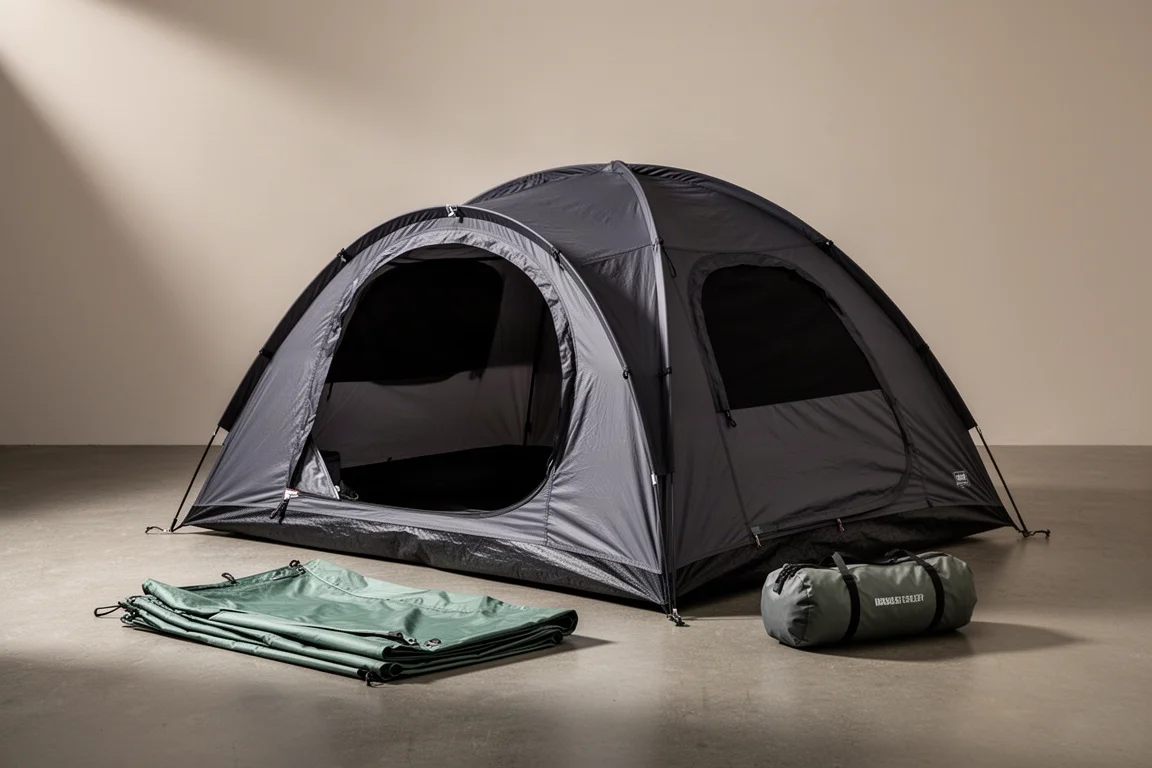
Black Dog Instant Setup 5 to 8 Person Tent Review: Fast Pitch, Serious Weather Problems
A quick-pitching Black Dog tent that goes up in seconds, but wet-weather testing revealed seam leaks, an overstated capacity claim, and awkward doors.
Tents
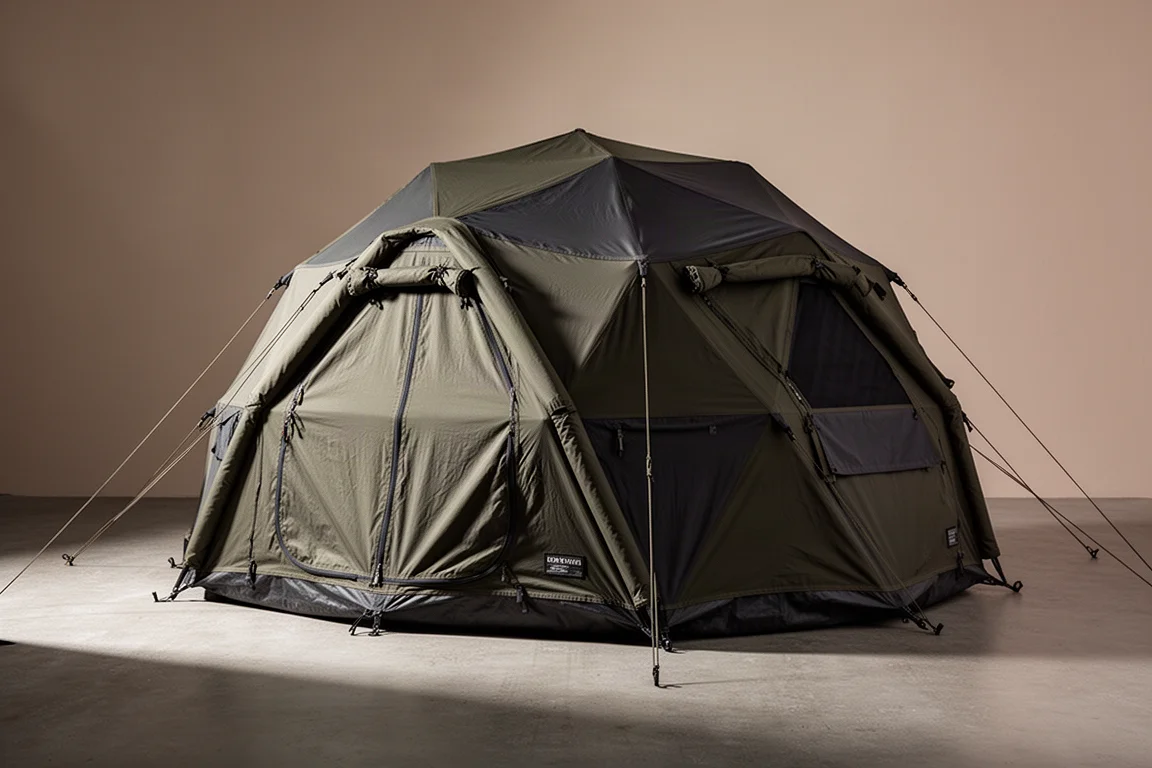
Lightfighter Dragoon Review: An Eight-Person Four-Season Military Shelter
The Lightfighter Dragoon is a 57-pound, eight-person expedition tent built for extreme weather. Here is what its materials, size, and setup demands mean for real buyers.
Tents
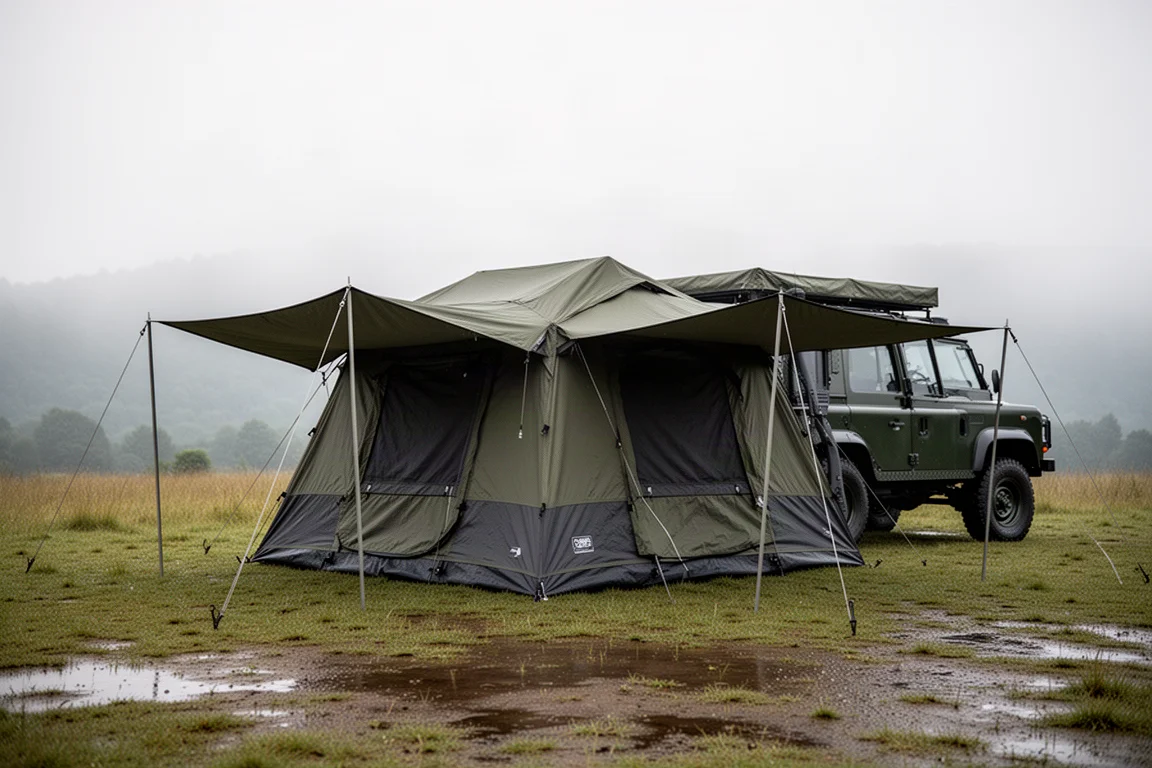
Lone Rider Motorcycle Tent Review: A Big Shelter That Stays Dry
A double-wall motorcycle tent with two large awnings, two entry points, and enough interior height to stand up, plus the pack size trade-off to weigh first.