Camp Kitchen
NatureHike IGT System: A Modular Camp Kitchen Worth Considering
A modular camp kitchen that handles cooking, grilling and serving from one aluminium table, with four components, real strengths and a few quirks to know before buying.
Introduction
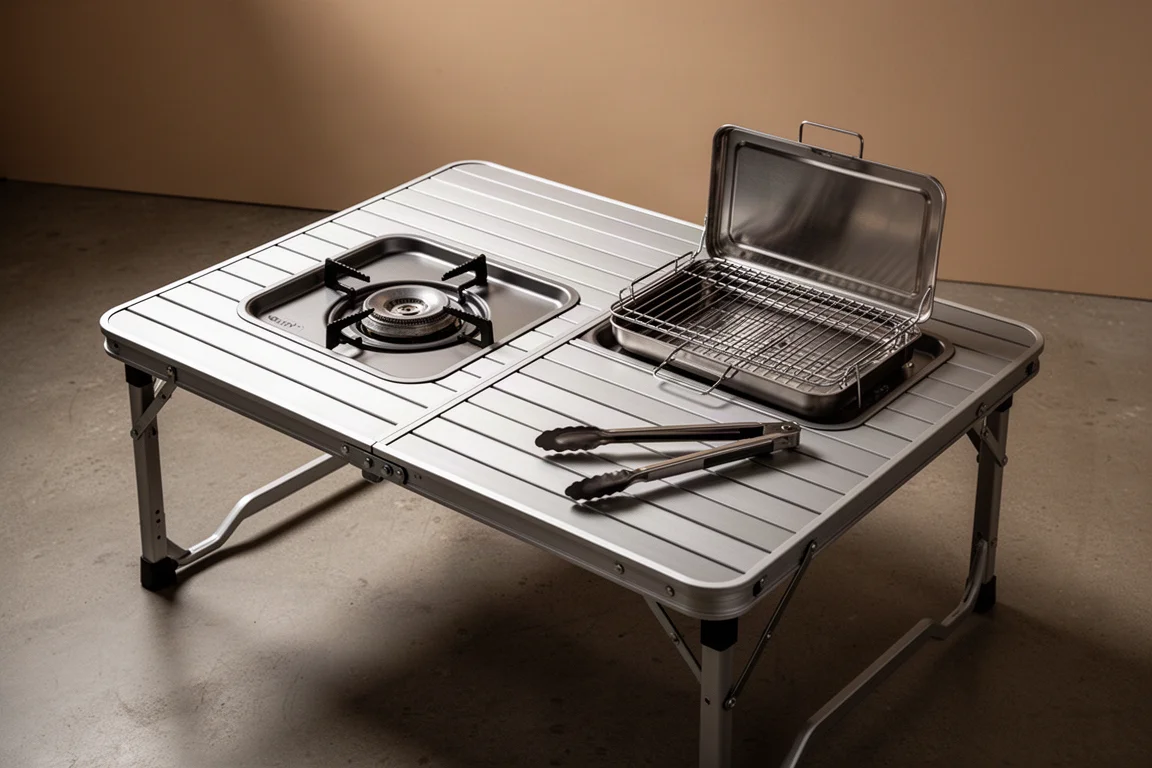
The NatureHike IGT table takes its name from the iron grill table concept: a low, slatted platform with cutouts that accept different cooking modules. The idea is simple. One table can host a stove, a grill or a plain tabletop, so the same setup works for boiling water at breakfast, grilling at dinner and serving food afterwards.
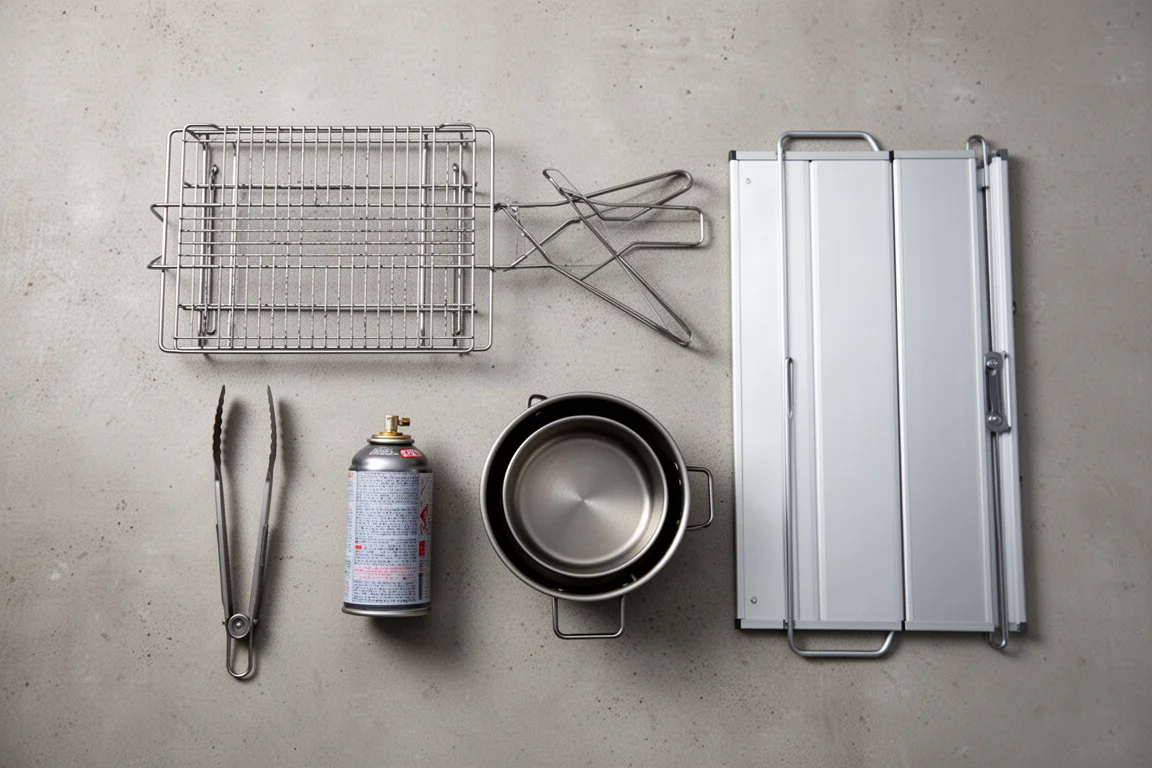
NatureHike offers four components that make up the system: the table itself, a large single-burner stove, a small three-burner stove and a foldable grill. At the time of writing the table is $95, the large stove is $89, the small stove is $35 and the grill is $45. That is a fraction of what comparable modular systems can cost, where a single component alone can approach $1,000.
Most owners will not run all four modules at once. A typical setup uses one stove on one side, the grill on the other and the tabletop in the middle, which keeps the platform light, quick to assemble and easy to live with.
What the NatureHike IGT System Offers
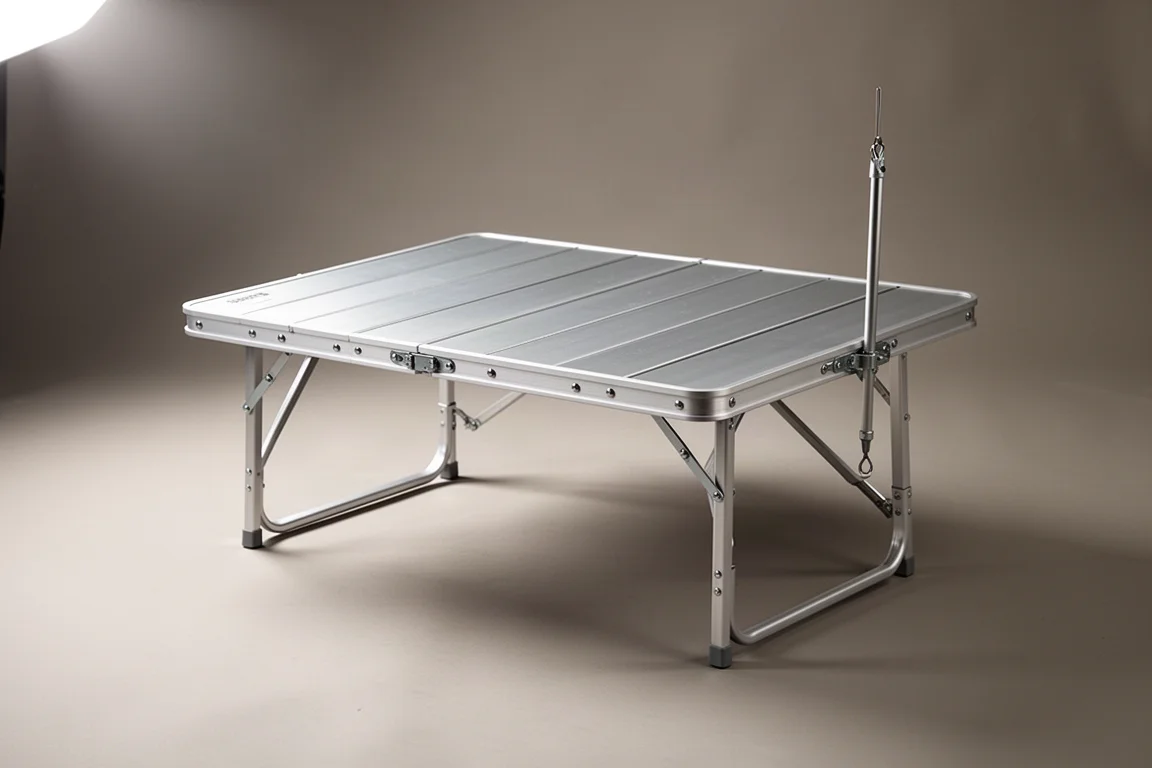
The table is built from 6063 aluminium and ships with a polyester canvas storage bag. It weighs 8 lb and carries up to 220 lb. Deploying and breaking it down is quick because the whole design is modular rather than folding into a single rigid unit.
Every component has its own storage bag, and each one is light and compact enough to load into a vehicle without eating much space or straining your back. Setup, teardown and cleaning are all straightforward, and the assembled table feels stable under load.
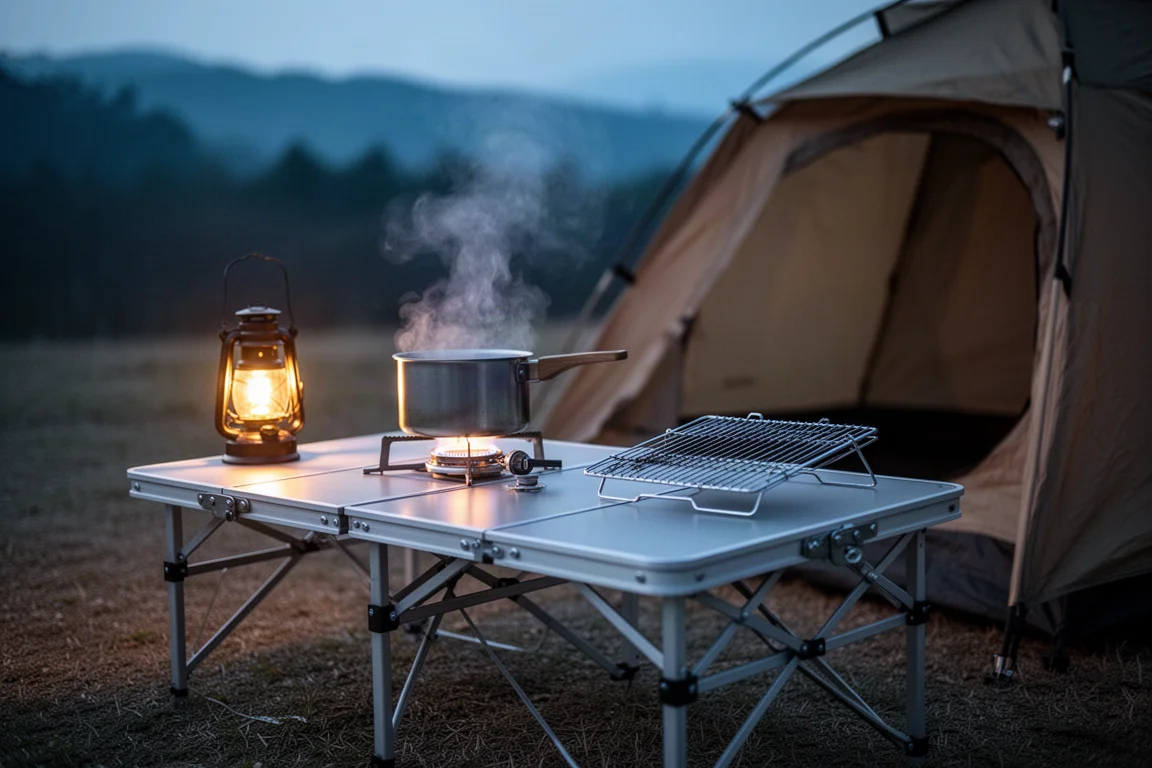
The materials are a strong point: an aluminium tabletop, a stainless steel grill and metal-bodied stoves. Long grilling sessions have not caused heat problems with the finish or the side panels. Versatility is the real reason the system works. The table can run as a plain surface, with just a stove, with just the grill, or with the small stove seated in a tabletop cutout, and that flexibility is what makes the platform worth buying into.
NatureHike IGT Table
Start with the table, because every other module depends on it. The frame is 6063 aluminium, it weighs 8 lb and it takes a 220 lb load. A tool bar runs along one edge, and a tabletop panel is included in the box.
Setup is quick and the finished platform is sturdy. There is enough surface area for cups, pots and pans around whichever module is installed, and breaking it down again takes seconds.
NatureHike IGT Large Stove
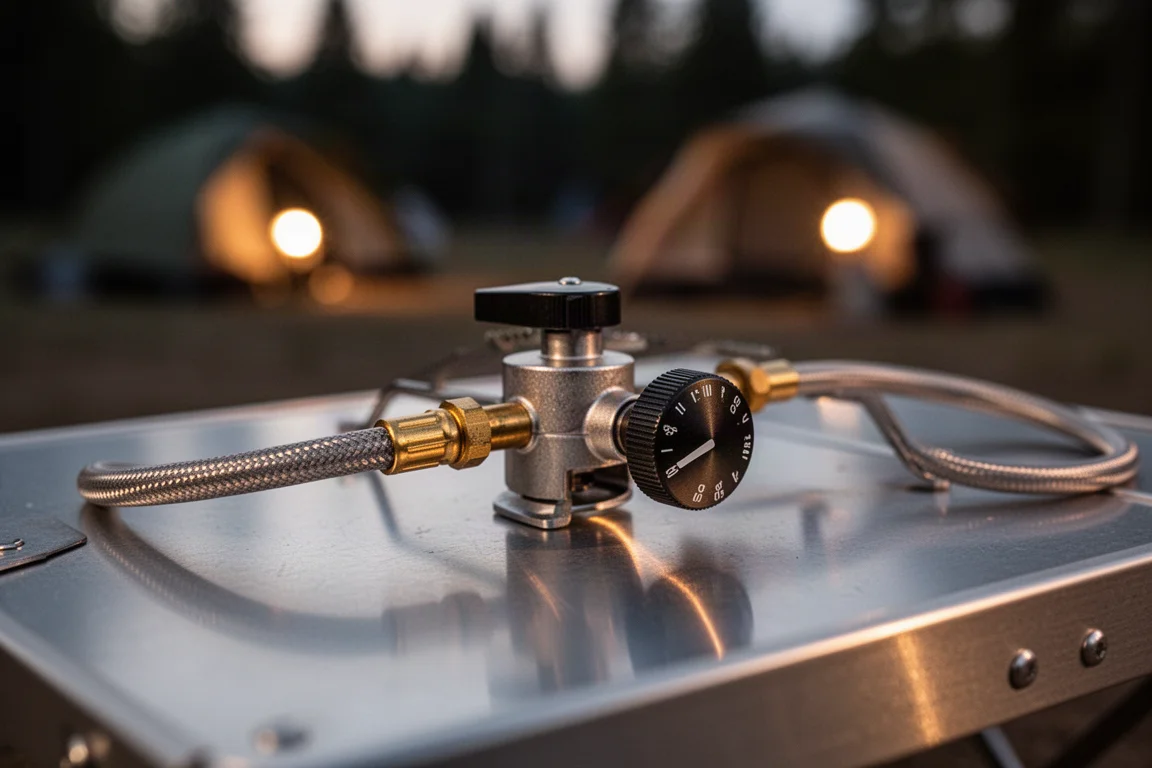
The large stove is the component most buyers will want. It runs on isobutane and includes a fuel adjuster, an electronic igniter, a burner head and a preheat tube. It weighs 4.8 lb with a 13.2 lb load limit, and a carry bag is included.
Output depends on how you run the canister. Standing upright, the stove delivers 9,213 BTU. Inverted, output rises to 13,648 BTU.
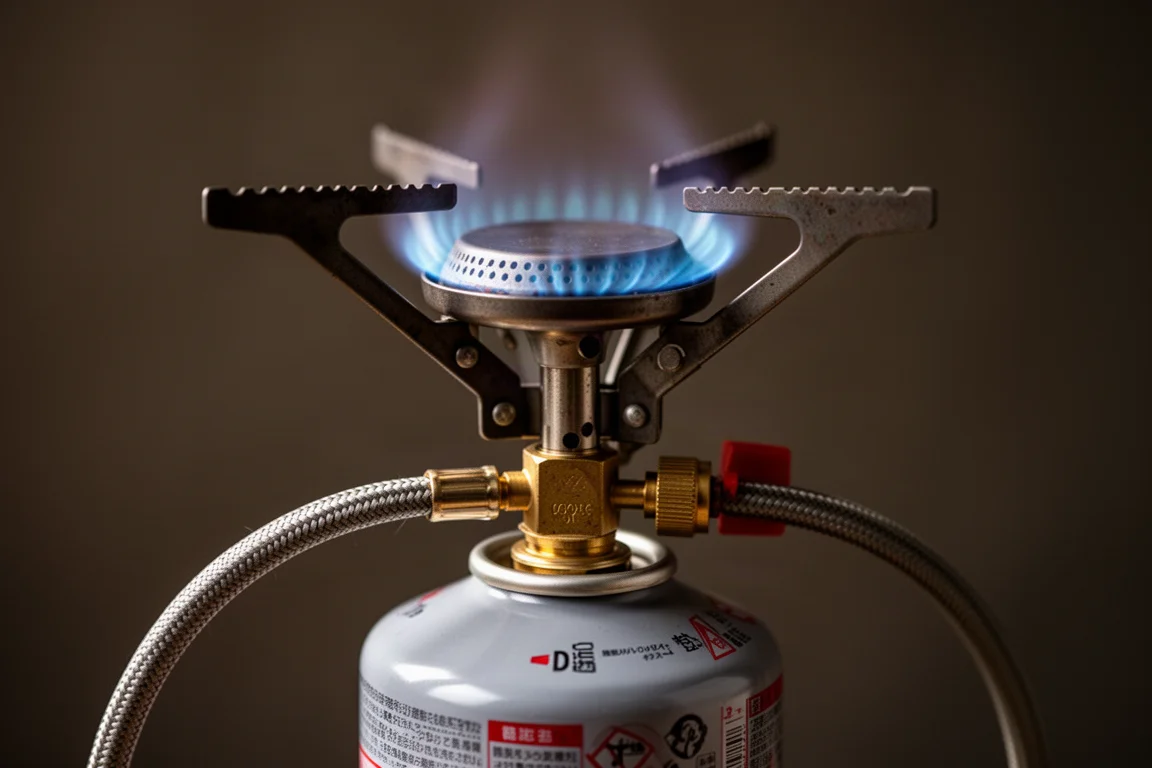
Running inverted is where the design shows its thinking. Magnets on the underside hold the canister in place, and a tray pulls out from the side so the canister can be flipped easily when the stove is used on its own. The preheat tube vaporises the fuel, which keeps performance stronger as temperatures drop.
One safety note matters here: always light the stove with the canister upright, then invert it. Starting with the canister already inverted sends fuel out before the preheat tube is hot enough to vaporise it.
Expect to be patient with the adjuster when the canister is inverted. Output is very strong and changes take a moment to register, so small turns followed by a short wait are the way to dial it in. With the canister upright, the adjuster responds immediately.

NatureHike IGT Small Stove
The small stove is a three-burner unit rated at 12,000 BTU. It runs on isobutane, weighs 1.1 lb and comes with a polyester case. It can be used on its own or dropped into one of the tabletop cutouts.
It is a capable, fast stove with a smooth fuel adjuster, and it performs well as a standalone cooker. Two things hold it back. There is no igniter, so a lighter or a match is required. And in the cutout panel, the milled opening is not perfectly symmetrical, so the stove does not sit as firmly as it should.

NatureHike IGT Foldable Grill
The foldable grill is stainless steel, weighs 5.3 lb and comes with two barbecue tongs and a carry bag. Six-sided ventilation feeds air to the coals, and side handles make it easy to lift the grill and tip out the ash.
The folding action is the clever part. It opens into a fire box, closes flat again for transport, and takes up little room in a vehicle.
Two quirks are worth knowing. The grate is thin stainless steel and will warp with heat. Flipping it over between uses keeps it flat, while leaving it alone lets it bow enough that sausages and hot dogs slide toward the middle. The grill also sits on top of the table panels rather than nesting flush, which leaves visible gaps. That is cosmetic rather than functional, but it is noticeable.

How the Components Work Together
The most practical layout uses the large stove on one side, the grill on the other and the tabletop in the centre. That gives you a burner for pots and a grate for burgers at the same time, with prep space between them.
Because each stove works independently, the table is optional for cooking. You can take the large stove alone on a lighter trip and leave the frame at home.
Wind is the main limitation. Neither stove has a built-in windscreen, so output suffers on a breezy day. Packing a separate windscreen as part of the kit is sensible insurance.
Storage bags are a mixed picture. The table bag and the large stove bag have room to spare. The small stove bag is tight enough to make packing and unpacking a chore, and the grill bag is slightly undersized, to the point where forcing the grill in can tear the fabric.
Buying Advice: Which Components to Start With
The table, the large stove and the grill make the strongest core kit, roughly $229 at the prices above. That combination covers boiling, frying and grilling, and it is the setup most people would use trip after trip.
The small stove is capable, but it does not outperform the large stove in any meaningful way, and it introduces the one fit issue in the system. Buyers who want a second burner for a specific layout can still add it for $35 without regret.
A separate windscreen is worth budgeting for, and so is a little patience with the inverted-canister adjustment on the large stove.
One last check before ordering: NatureHike offers more than one IGT table design, and the versions are not identical. Confirm the table you are buying is the one that matches the modules you plan to use.
Conclusion
The NatureHike IGT system earns its place because it solves a real problem affordably. A single platform handles cooking, grilling and serving, the components pack down small, the materials are good for the money, and the price sits far below the modular camp kitchens it competes with.
The flaws are minor and mostly cosmetic or ergonomic: a tight grill bag, an imperfect cutout on one panel, a warping grate that needs flipping, and stoves without windscreens. None of them undermine the concept.
For anyone who cooks properly on camping trips, this is an easy system to recommend.
Further reading
Related Reviews
Camp Kitchen
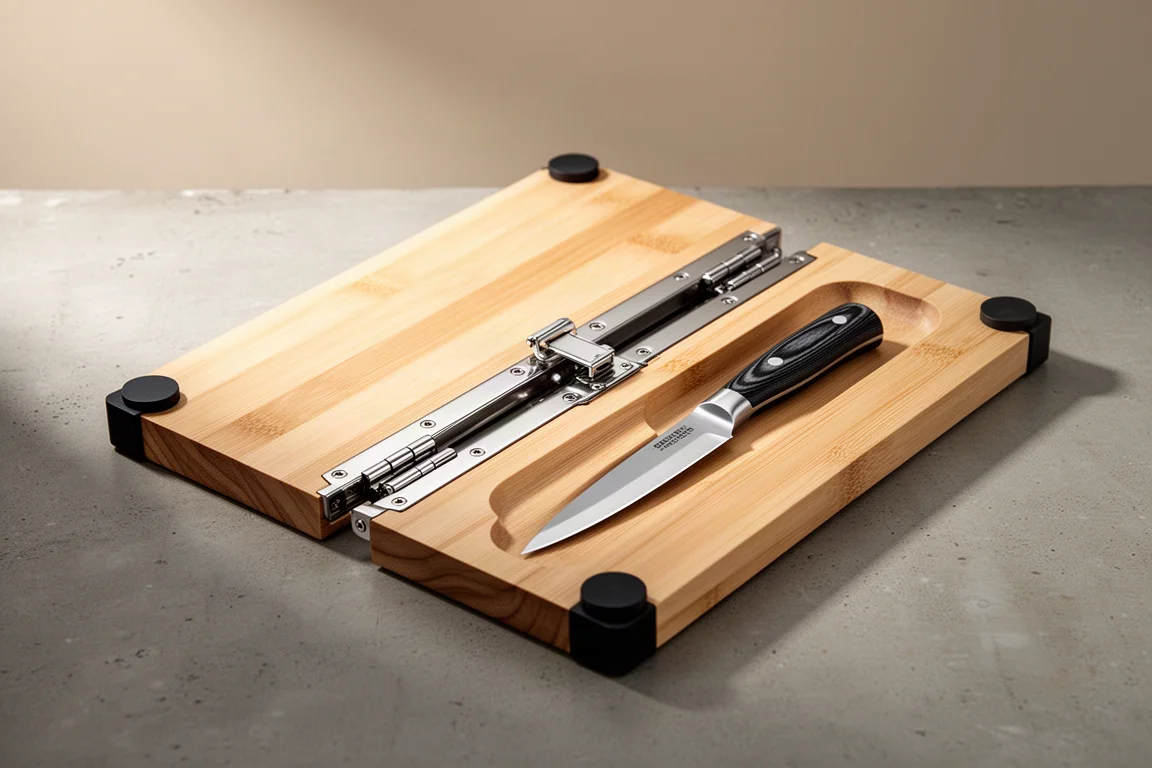
Snow Peak Cutting Board and Knife Set Review: A Foldable Outdoor Prep Kit
A practical look at the Snow Peak cutting board and knife set, covering its foldable birchwood board, high-carbon steel knife, care requirements, and who it suits.
Camp Kitchen
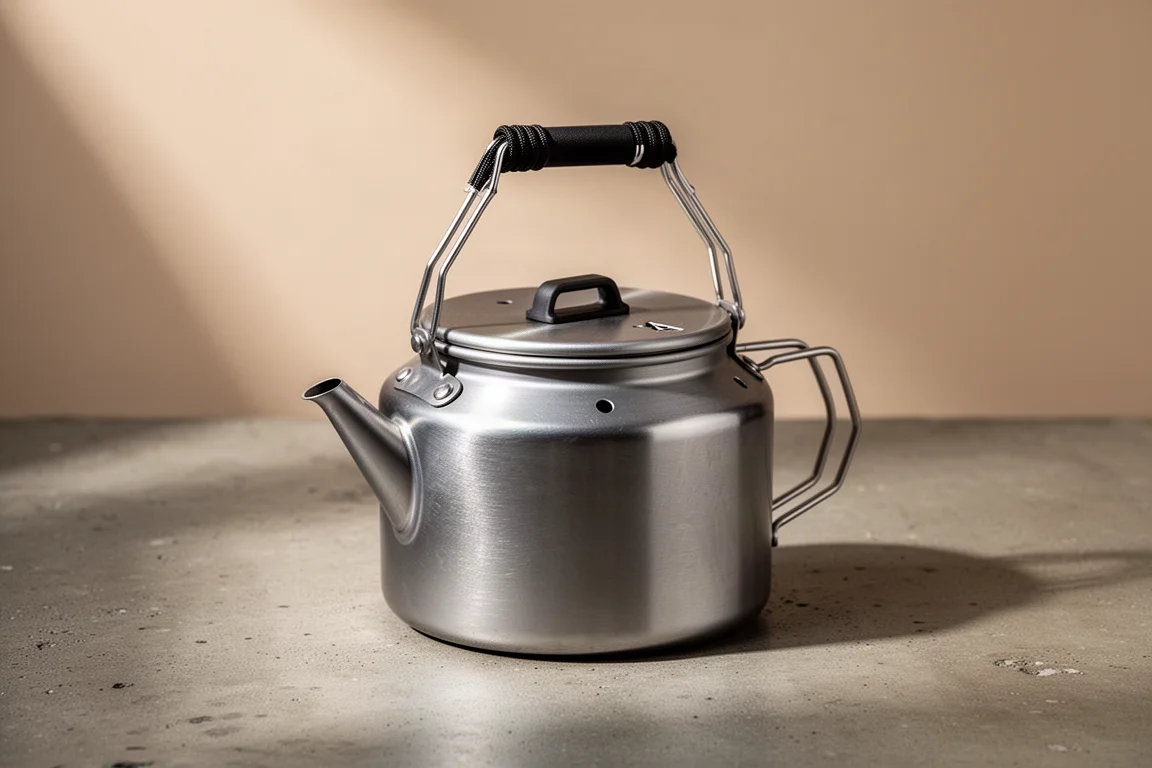
Trangia Ultralight Kettle 30 oz Review: Light, Affordable, and One Real Catch
A 6.2 oz aluminum camp kettle for around $25 that pours beautifully and holds up well, with plastic parts that need careful handling.
Camp Kitchen
Best Alcohol Stove Systems for Backpacking: Five Lightweight Options Compared
A practical look at five alcohol stove and pot options for backpackers who want to carry only the fuel a trip needs and keep camp quiet.