Backpacking Tents
Naturehike Cloud Up 2 Review: An Affordable Two-Person Backpacking Tent That Stays Dry
A close look at the Naturehike Cloud Up 2, a lightweight two-person backpacking tent at $165 with taped seams, an included footprint, and a few honest trade-offs.
Introduction
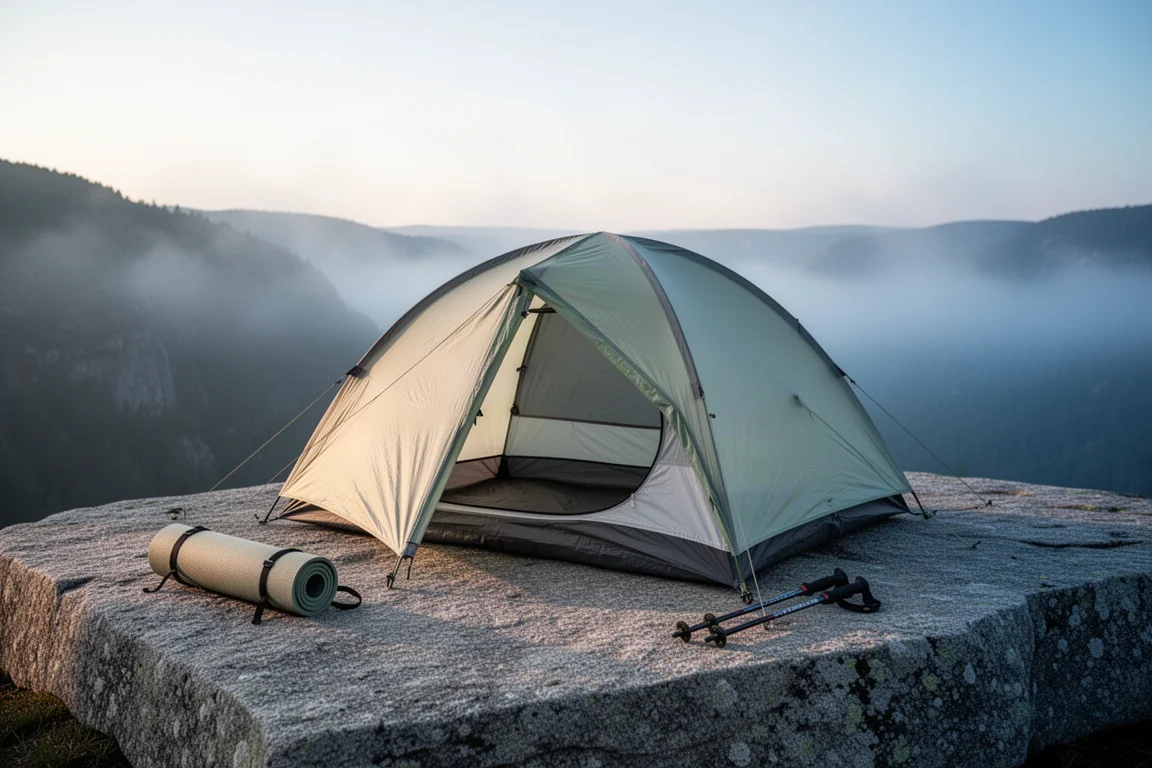
Affordable backpacking gear is easy to find. Gear you can actually trust on a multi-day trip is a much shorter list. The Naturehike Cloud Up 2 sits in that narrow space. It is a two-person backpacking tent priced at $165, and it arrives with features that usually belong to tents costing noticeably more, including taped seams and a footprint in the box. That combination is what makes it worth a closer look, and also what makes it worth reading carefully before you commit. The value story here is genuine, but it comes with a few specific caveats that are easy to plan around.
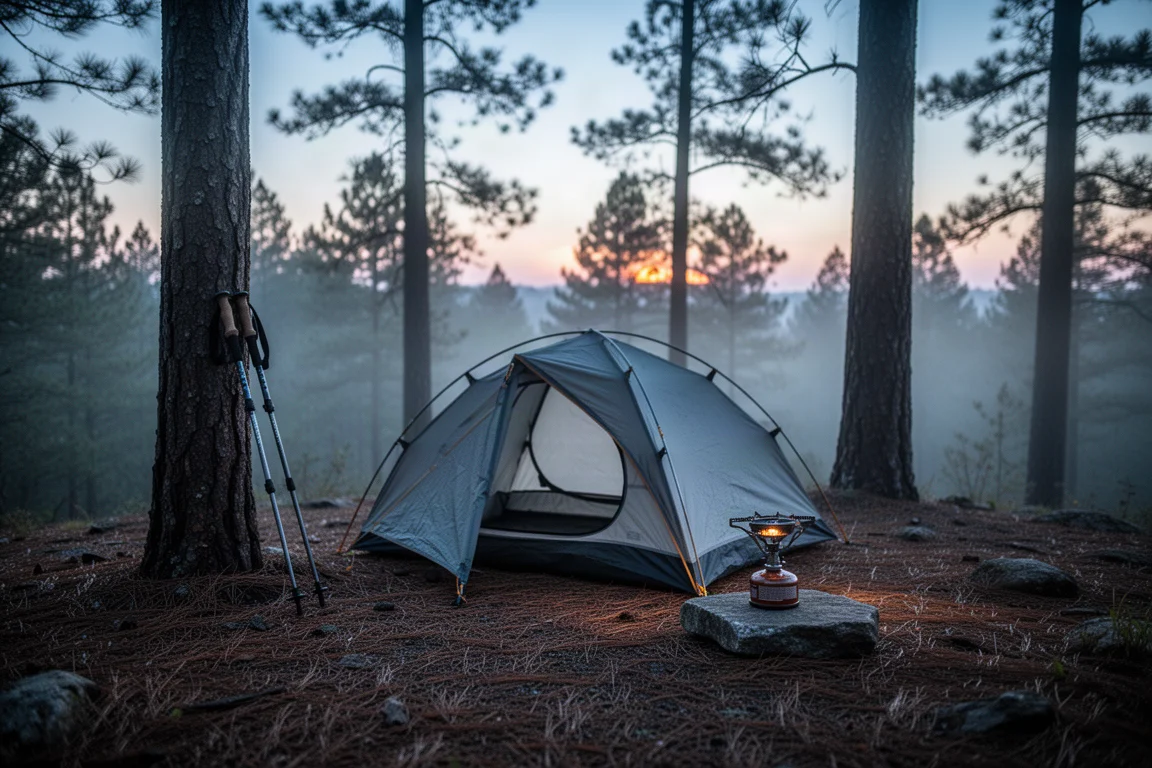
The tent weighs 3.4 lb in its standard two-person setup, which puts it below the 4 lb mark that most budget backpacking tents struggle to beat.
Who This Product Is For
The Cloud Up 2 makes the most sense for backpackers who are watching their spending but still want a shelter that performs where it counts. If you are carrying a tent for two people on three-season trips, or using it solo and enjoying the extra room, the weight and the price line up well.
It is also a good fit if you value an included footprint. Most tents do not ship with one, and buying a footprint separately typically adds $30 to $60 or more. The included footprint also opens up a fly-only pitch, where you leave the mesh inner body at home and carry just the footprint, poles, and fly, much like a tarp setup. In that configuration the shelter drops to 2.8 lb, which is useful on trips where bugs are not a concern.
It is not the right tent for genuine winter camping, and it is not aimed at buyers who want a long list of interior pockets or premium finishing details.
Main Strengths
Lightweight Build at an Accessible Price
Tent pricing usually follows a simple rule: the lighter it gets, the more you pay. The Cloud Up 2 breaks that pattern in a useful way. At 3.4 lb it undercuts the weight of most tents at a comparable price, and the weight-to-price ratio is the single strongest argument in its favour. Tents from more established brands may sit at a similar price, but they generally do not match this weight.
Taped Seams and Dependable Rain Protection
The first thing to check on any tent is whether the seams are taped. Untaped seams offer very little chance of staying dry. The Cloud Up 2 has taped seams, which is a strong starting point. Beyond that, the tent was set up and left out through serious rain, and it stayed dry. For a budget shelter, that is the outcome that matters most.
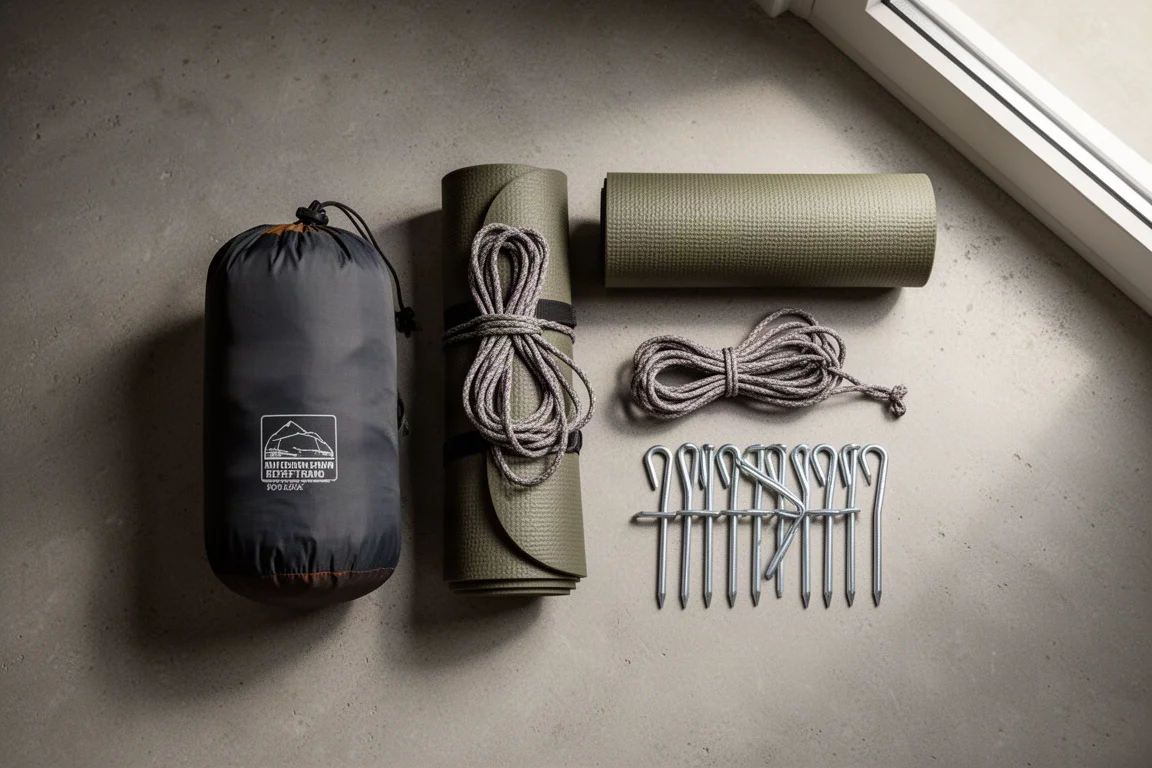
That rain performance, combined with the taped seams, is what turns this from a cheap tent into a tent worth carrying.
An Included Footprint Adds Practical Value
Footprints are not strictly necessary. Plenty of backpackers go years without one, mainly to avoid the extra weight. But a footprint does extend a tent’s life and helps stop sharp rocks and sticks from pressing up through the floor. Because the Cloud Up 2 includes one, you get that protection without an extra purchase, and you also get the option of the lighter fly-only pitch described above.
Things to Consider Before Buying
The Four-Season Claim Is Misleading
The tent is advertised as a four-season shelter, and it is not one. With the amount of mesh in the inner body, it cannot be. Treat the Cloud Up 2 as a three-season tent and plan your trips accordingly. This is the most important expectation to reset before you buy.
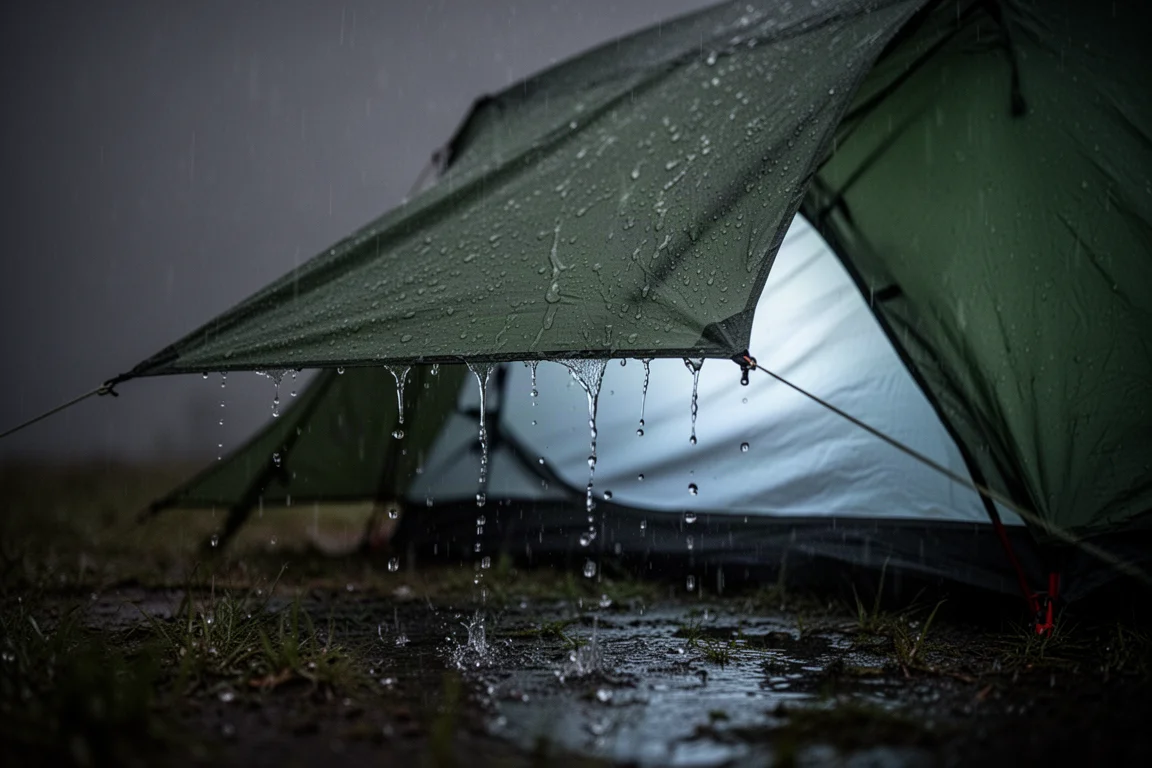
If your trips stay in the warmer half of the year, the generous mesh is a benefit rather than a drawback, since it helps with airflow and ventilation.
Quality Control Can Vary
Most of the seams are sewn adequately, but there was a long loose thread hanging off the front of the fly. It did not appear to affect the integrity of the seam, although it could snag and cause a failure at that point. Trimming it is simple enough, but it is a sign of inconsistent quality control. Checking the seams and stitching when the tent arrives is a sensible habit.
Wall Tension, Stakes, and Interior Storage
The walls can feel droopy in use. Two small connecting clips at the bottom of the fly hold the floor open, and adding one more clip halfway up would let guy lines pull the walls out properly. It is a small design gap rather than a deal breaker.
The included stakes are small. They work well enough, but larger stakes would inspire more confidence in firm ground. Inside, there is a single mesh pocket, located in the roof. It is handy for a headlamp to spread light around the tent, though gear stored there can shift and fall, so it is less useful for glasses or small valuables that you would normally keep close.
Buying Advice
At $165 for the two-person version, this is a good price for what you get rather than a spectacular one. It is worth knowing that other brands sell capable tents for not much more, though those tents typically do not match this weight. The calculation comes down to what you value: if low weight, an included footprint, and reliable rain protection matter more to you than a four-season rating or premium finishing, this tent is a sensible purchase.

A few practical steps will get more out of it. Plan for three-season use, inspect the seams and trim any loose threads when the tent arrives, and consider packing a couple of larger stakes plus a small organizer for the items you would otherwise keep in a pocket. Treated as a three-season shelter with realistic expectations, the Cloud Up 2 delivers where budget tents usually fall short.
Conclusion
The Naturehike Cloud Up 2 is a genuinely good option at a reasonable price. It is light for the money, it keeps you dry, and it comes with a footprint that most competitors charge extra for. The four-season label oversells it, quality control is not flawless, and the interior storage is minimal. If you are on a budget and want a decent two-person tent that will keep you dry without breaking the bank, those trade-offs are easy to accept, and the tent is a confident choice for three-season backpacking.
Product link
View more details for Naturehike Cloud Up 2
This product is mentioned in the review. Check the specifications, options, and compatibility before buying.
View more details for Naturehike Cloud Up 2Further reading
Related Reviews
Backpacking Tents
3F UL Lanchan Pro 1 Review: A 1 lb 8 oz Single-Wall Trekking Pole Tent
A practical look at the 3F UL Lanchan Pro 1, a single-wall trekking pole shelter with a 1 lb 8 oz weight, 20D silnylon fabrics, and a roomy 90 x 31 x 49 inch interior.
Backpacking Tents
3F UL Taiji 2-Person Tent: A Convertible Backpacking Shelter Worth a Closer Look
A practical look at the 3F UL Taiji two-person tent, covering its materials, true two-person interior, fly-first pitching, and the seasonal inner swap that lets one shelter cover more of the year.
Backpacking Tents
3FUL Lanshan Twoerson Pro Review: A Light Trekking Pole Shelter That Struggled in Rain
A two-person trekking pole shelter with a 2026 redesign, pitched with sticks and put through a night of steady rain. Here is what worked, what did not, and what to check before buying.