Backpacking Tents
Naturehike Cloud Up 1 Review: A Sensible First Backpacking Tent for Beginners
A one-person budget backpacking tent that fits the simple starter kit new wild campers actually need, plus what to check before you buy.
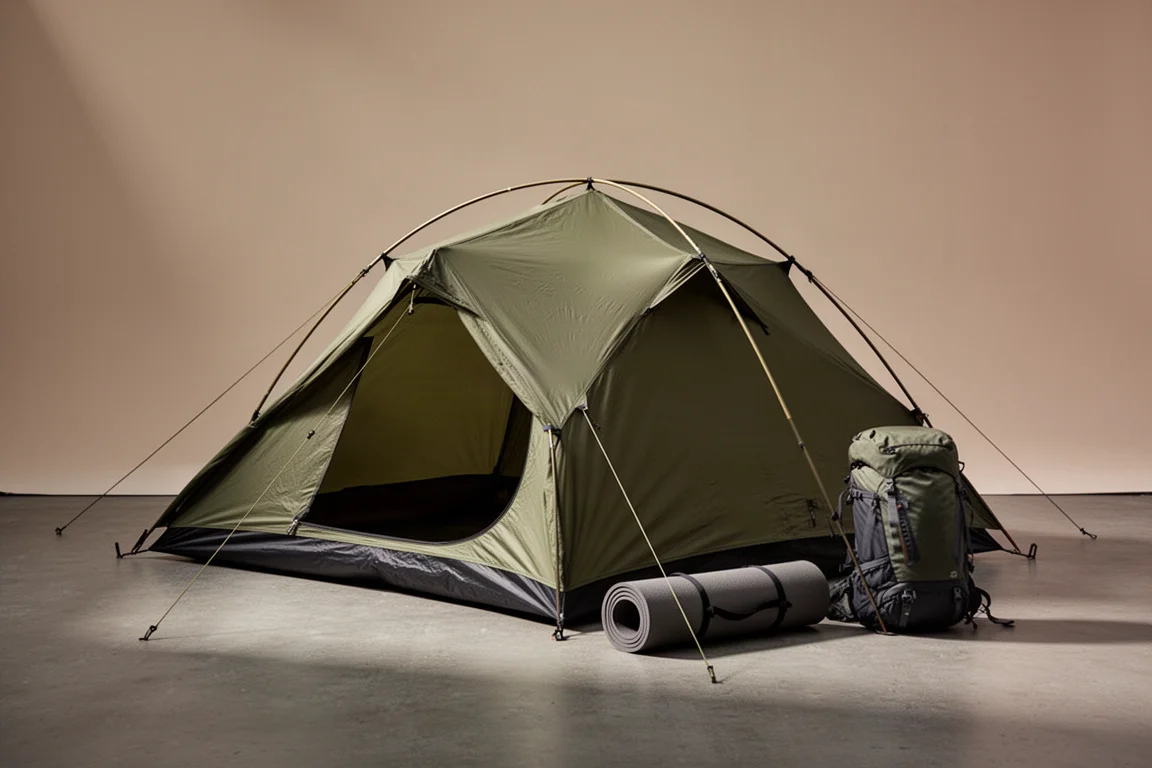
Introduction
Backpacking and wild camping do not need a wall of gear. The list that actually gets a beginner out the door is short: a backpack, a tent, a sleeping bag and a sleeping mat. Everything else can wait until you know what you are doing.
That is the context in which the Naturehike Cloud Up 1 makes sense. It is a one-person backpacking tent from the budget end of the market, which is where a first tent belongs. If you have never camped wild before, borrowing kit is the cheapest way to test whether you enjoy it. If you already know you want to keep going, a budget tent like this one gets you started without tying up a fortune in gear you might later outgrow.
Who the Naturehike Cloud Up 1 Is For
This is a tent for the solo beginner. It suits someone planning one, two or three nights out, probably fairly close to home at first, who wants a straightforward shelter rather than a specialist expedition tent.
It also suits the buyer who is deliberately starting cheap. Budget gear is a sensible entry point because the first tent is rarely the last one. Once you know how you camp, how much you carry and where you go, you will have a far clearer idea of what to spend real money on later.
The third person this tent suits is the camper who has already borrowed gear and knows they like it. At that point, owning your own shelter removes the awkwardness of asking for it back.
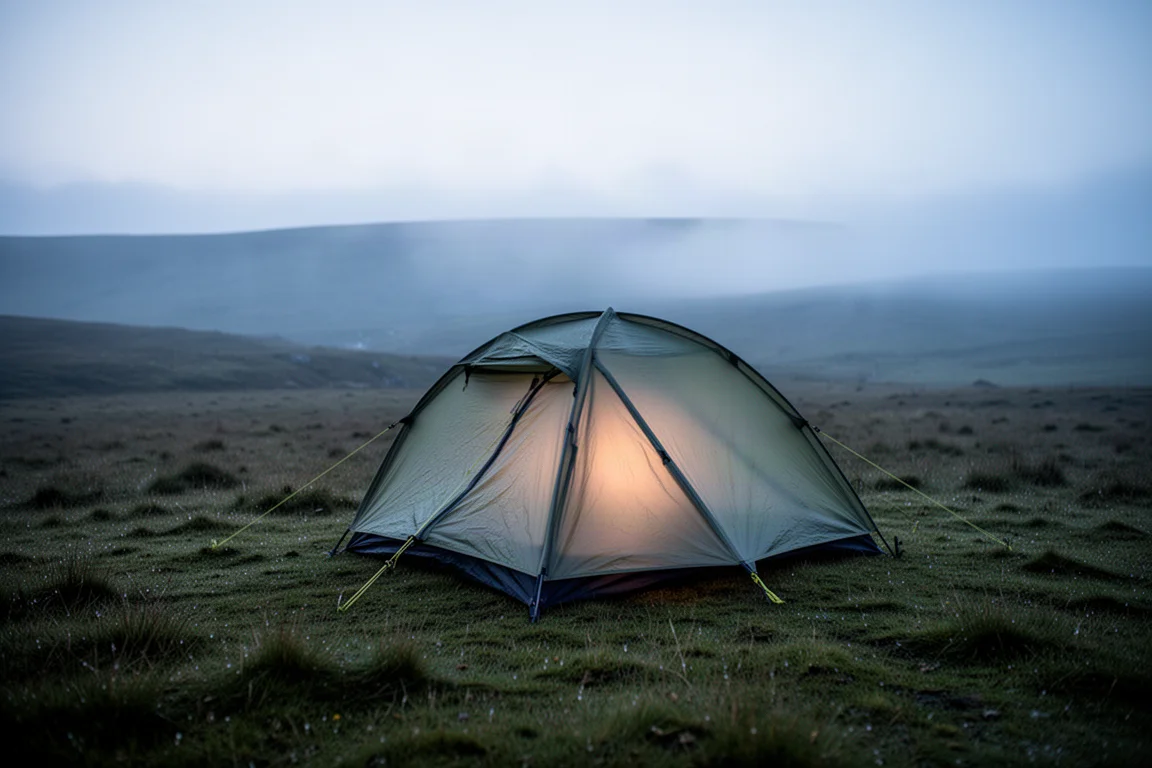
If your plan involves a second person, or long trips where you carry a lot of food and water, a one-person tent will feel tight. The Cloud Up 1 is best understood as a solo shelter for shorter trips.
Main Strengths
The strongest argument for the Cloud Up 1 is that it fits the brief a beginner should be shopping against. For a first backpacking tent the guidance is simple: look at a three-season shelter that can deal with a bit of wind and rain, aim for a one or two person size, and keep the weight sensible. Under three kilograms is the outer limit, and somewhere around two kilograms is a good target.
A second strength is the price tier. Budget tents make a first trip possible without a large outlay, and the gap between a cheap tent and an expensive one matters far less on a mild summer night in lowland countryside than it does high on an exposed ridge.
Third, a one-person tent keeps the whole kit simple. One person means one sleeping bag, one mat, one pack. Nothing has to be shared or coordinated, which removes a lot of friction from a first night out.
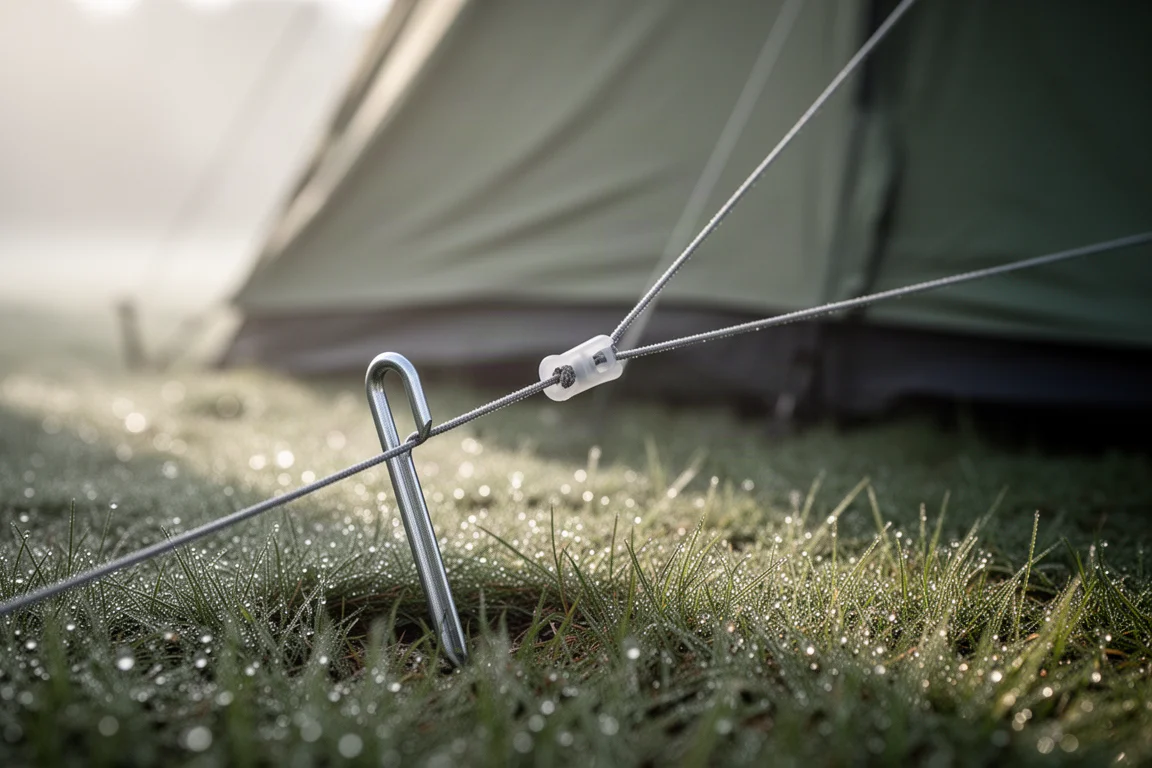
There is also a practical benefit to owning rather than borrowing: you can pitch it in the garden as many times as you like before you rely on it in the dark.
What to Consider Before Buying
Weight and packed size are the two numbers worth checking before you commit. A tent that is comfortable to carry is the difference between a pleasant first trip and a miserable one, and roughly two kilograms is a useful benchmark to hold yourself to.
Headroom matters more than most beginners expect. Some backpacking tents are deliberately low, and if you are prone to feeling closed in, a shelter offering around 100 centimetres of internal headroom will be far more comfortable. Check the internal dimensions rather than the marketing photos.
A one-person tent is exactly that. It will not stretch to two occupants, and on a longer trip with a lot of kit it can feel crowded. If you expect to camp with someone else, look at a two-person model instead.
Finally, a three-season tent has limits. It is fine for spring, summer and autumn conditions, but it is not a winter shelter, and it is not the tent you would choose for exposed mountain terrain. That trade-off is normal at this price point and it is not a problem as long as you match the tent to the trips you actually take.
Building a Complete Beginner Kit
The Cloud Up 1 is only one part of a starter kit, and the rest of the list is shorter than most people expect.
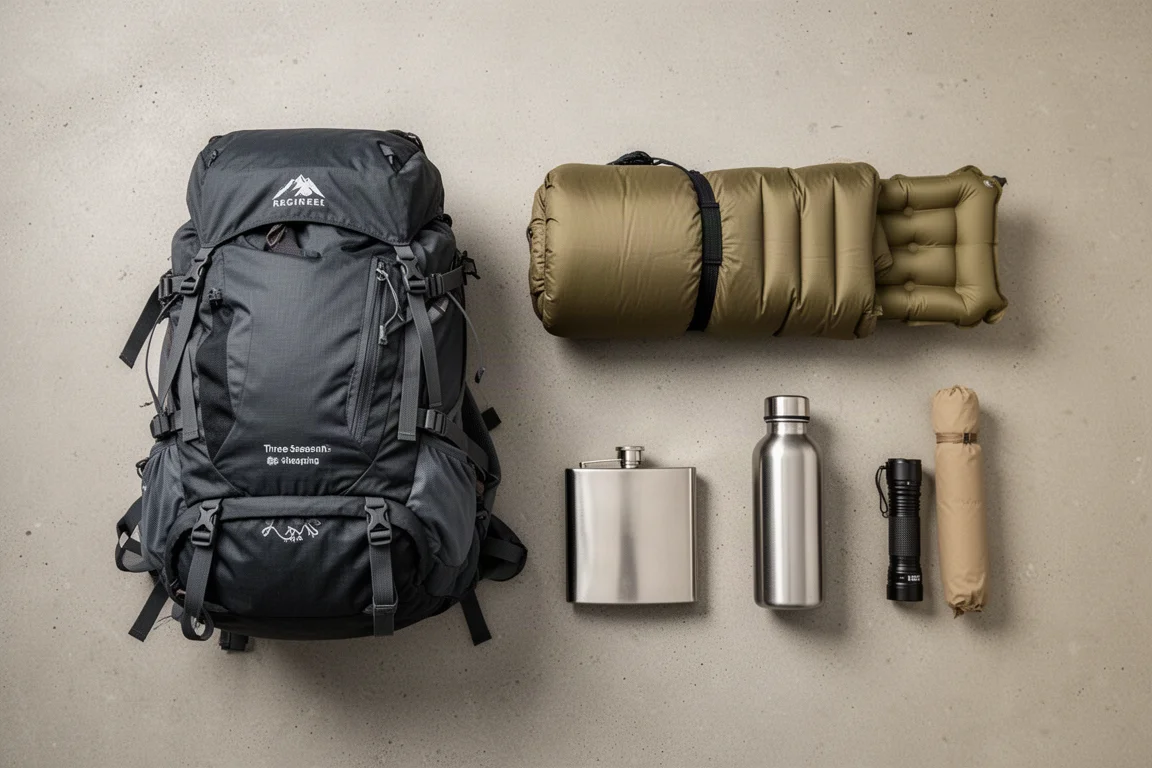
For a backpack, look at around 50 to 60 litres. That is enough for one, two or three nights and it will not feel excessive on a short walk in.
For a sleeping bag, a three-season model covers most of the year outside winter. Pair it with a sleeping mat, and if the budget stretches, choose an inflatable pad over a traditional roll mat. An inflatable pad lifts you off the ground, keeps you warmer through the night and is noticeably more comfortable. Decent options start at around £35.
Lighting is the other essential. A small lantern, a head torch or even a basic torch will do; the point is simply that you can see what you are doing after dark. For food, take your own rather than buying camp cooking gear straight away, and carry a flask and a water bottle.
Clothing can stay simple too. Sports gear, trainers, a hoodie and joggers are perfectly adequate for a first trip. There is no need to buy hiking boots and technical clothing before you have spent a single night out.
Where to Buy and How to Start
Budget backpacking gear is widely available. Amazon, Decathlon and Go Outdoors are all reasonable places to look, and entry-level tents start from around £50, with many one-person options landing around the £100 mark. Backpacks, sleeping bags and sleeping mats can each be found from roughly £30.
Once the kit is in hand, build confidence in stages. Pitch the tent in your garden first. It sounds trivial, but it lets you confirm that everything works, that you are warm enough, and that you can put the shelter up without thinking about it.
Then move somewhere local: a piece of woodland, or ground near a reservoir or lake. A short recce beforehand makes that first night far less stressful. If the land is not private, seek the landowner’s permission before you camp, and take all your rubbish away with you. Leave no trace means leaving no sign that you were ever there.
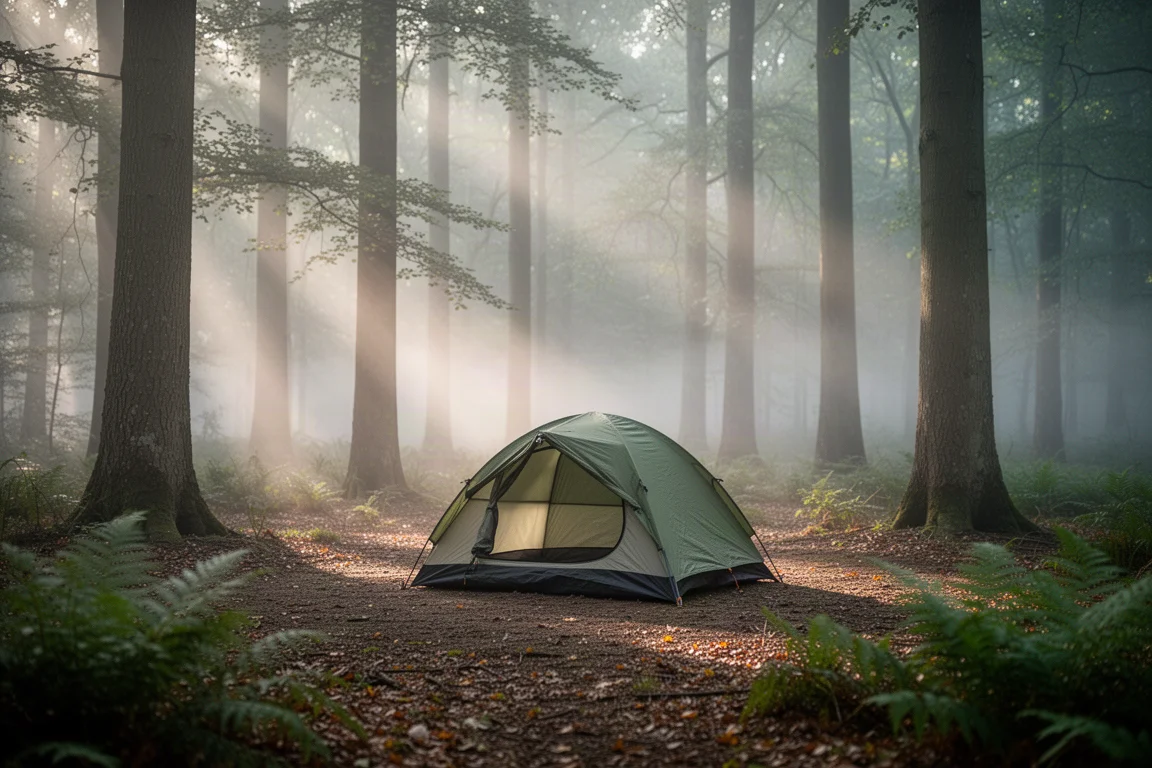
Starting close to home also means you can bail out easily if the weather turns or the tent is not what you hoped. That is a feature, not a failure.
Conclusion
The Naturehike Cloud Up 1 is a sensible first tent rather than a final one. It sits in the budget tier, it is sized for solo trips, and it slots neatly into the four-item starter kit that beginner backpacking genuinely requires.
If you are ready to move past borrowing gear and want your own shelter for short, local trips, it is a low-risk place to begin. Spend the first few nights somewhere familiar, learn how your kit behaves in real conditions, and let your second tent be the one you choose with proper experience behind you.
Product link
View more details for Naturehike Cloud Up 1
This product is mentioned in the review. Check the specifications, options, and compatibility before buying.
View more details for Naturehike Cloud Up 1Further reading
Related Reviews
Backpacking Tents
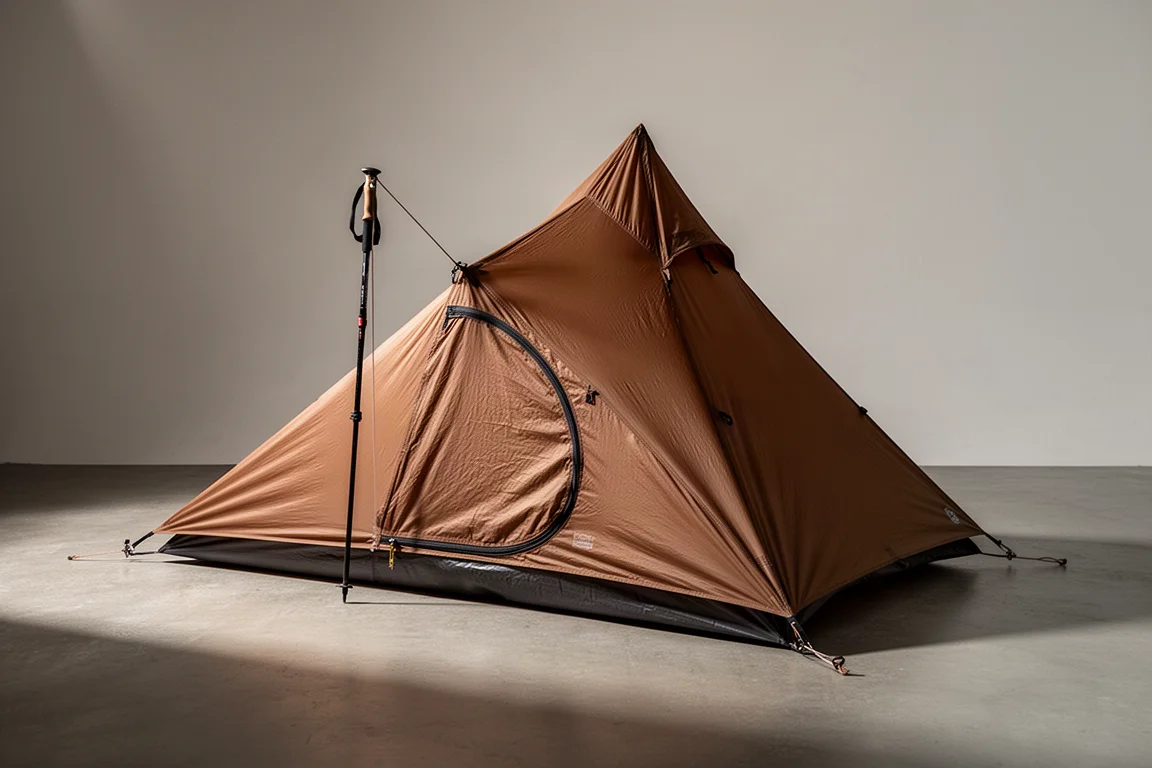
3F UL Lanchan Pro 1 Review: A 1 lb 8 oz Single-Wall Trekking Pole Tent
A practical look at the 3F UL Lanchan Pro 1, a single-wall trekking pole shelter with a 1 lb 8 oz weight, 20D silnylon fabrics, and a roomy 90 x 31 x 49 inch interior.
Backpacking Tents
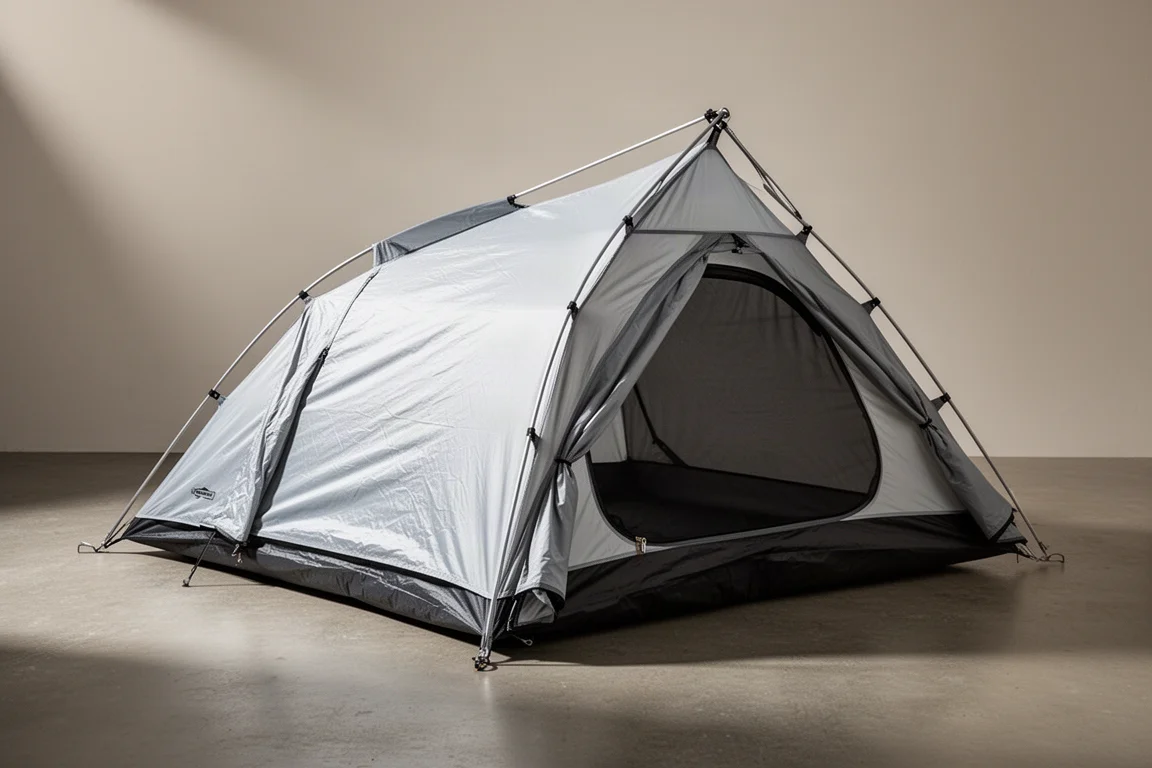
3F UL Taiji 2-Person Tent: A Convertible Backpacking Shelter Worth a Closer Look
A practical look at the 3F UL Taiji two-person tent, covering its materials, true two-person interior, fly-first pitching, and the seasonal inner swap that lets one shelter cover more of the year.
Backpacking Tents
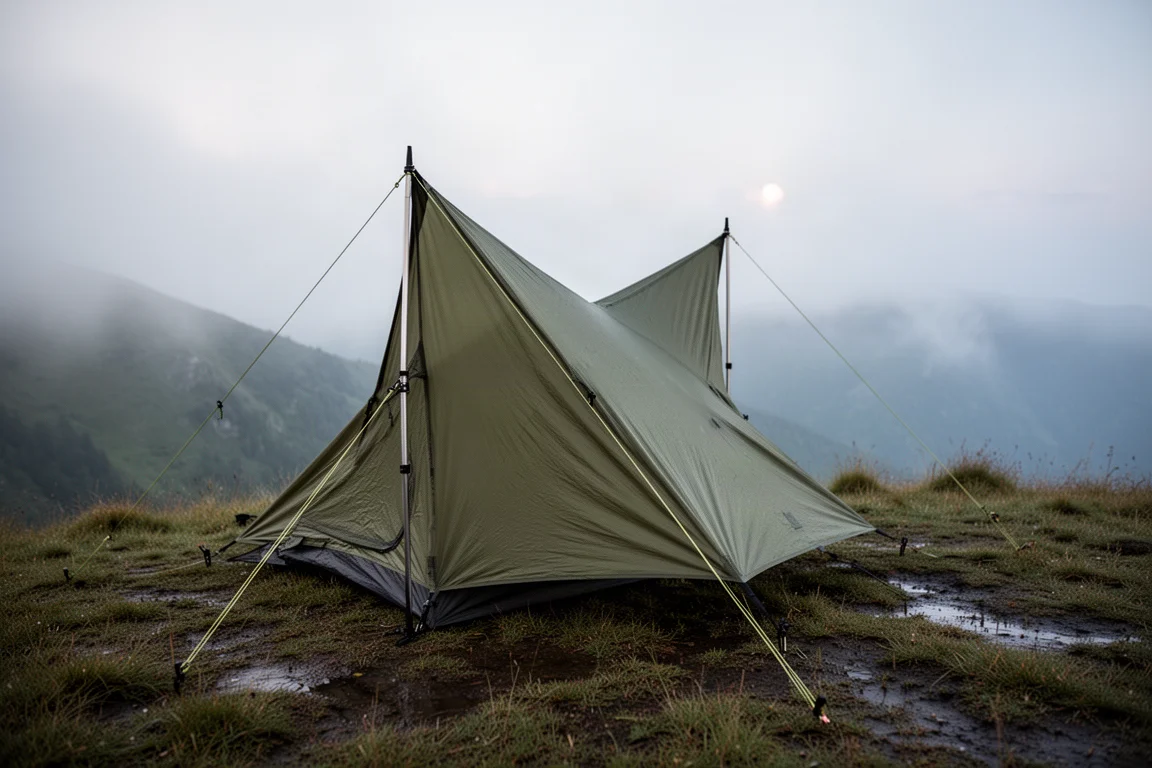
3FUL Lanshan Twoerson Pro Review: A Light Trekking Pole Shelter That Struggled in Rain
A two-person trekking pole shelter with a 2026 redesign, pitched with sticks and put through a night of steady rain. Here is what worked, what did not, and what to check before buying.