Camping Gear
Naturehike Canyon 1-Person Tent and Kelty Coyote Backpack: Field Notes From a Wet Forest Camp
A fast-pitching one-person tent with real ventilation limits, and a comfortable backpack whose fabric showed wear early. What to know before you buy either.
Introduction
Camping gear is easy to sell on paper and much harder to live with in bad weather. The two pieces covered here were tested across two days of steady light rain, low cloud, wind and damp ground, in conditions that quickly expose shortcuts in design and materials.
One of them impressed immediately. The other carried well but raised questions about long-term durability. Neither is a simple recommendation, and that is exactly why both are worth understanding before you spend money.
How This Gear Was Tested
The test window was a single overnight trip in a wet upland forest. Rain fell lightly and almost continuously, fog sat low in the trees, wind pushed through at roughly 25 miles per hour outside the tree line, and temperatures hovered in the low 50s Fahrenheit. Distant thunder rolled through the afternoon without arriving overhead.
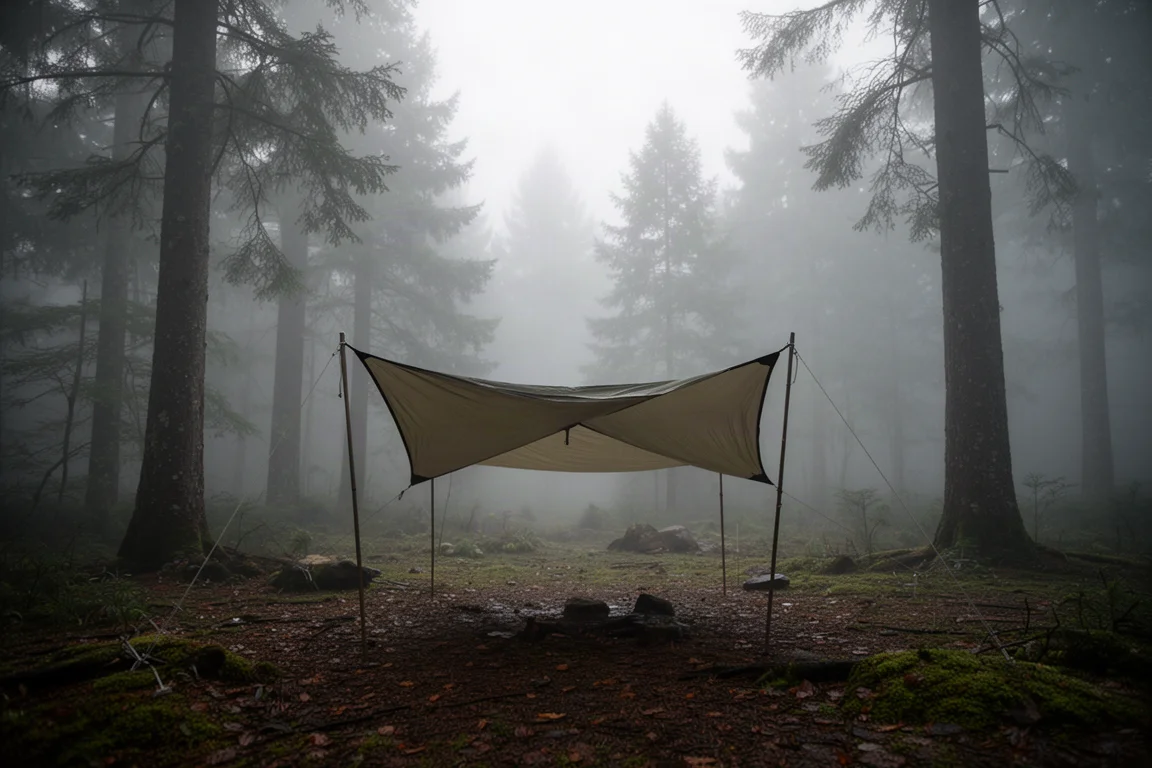
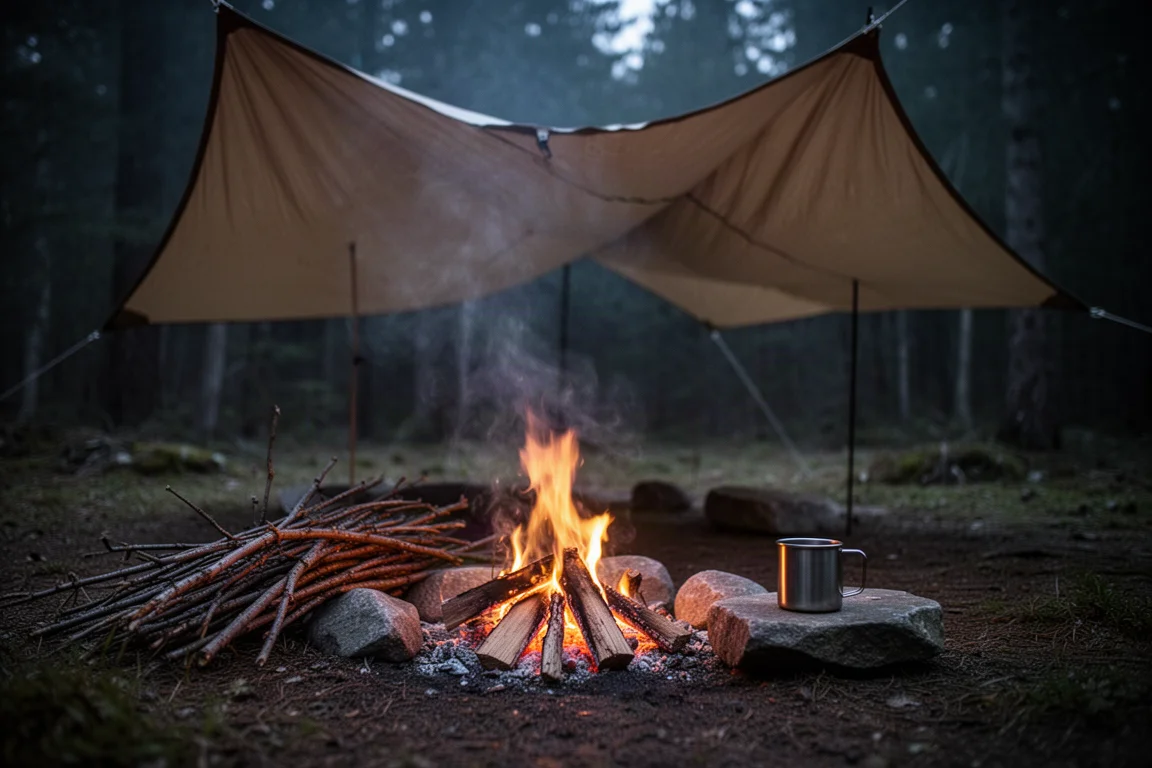
Ground conditions mattered as much as the weather. Everything on the forest floor was damp, including deadfall, which made fire lighting a genuine test of technique rather than a formality. A tarp shelter was pitched high enough for standing room, and the tent was pitched underneath and alongside it so that both could be assessed in the same conditions.
Naturehike Canyon 1-Person Tent: Fast Pitch, Limited Versatility
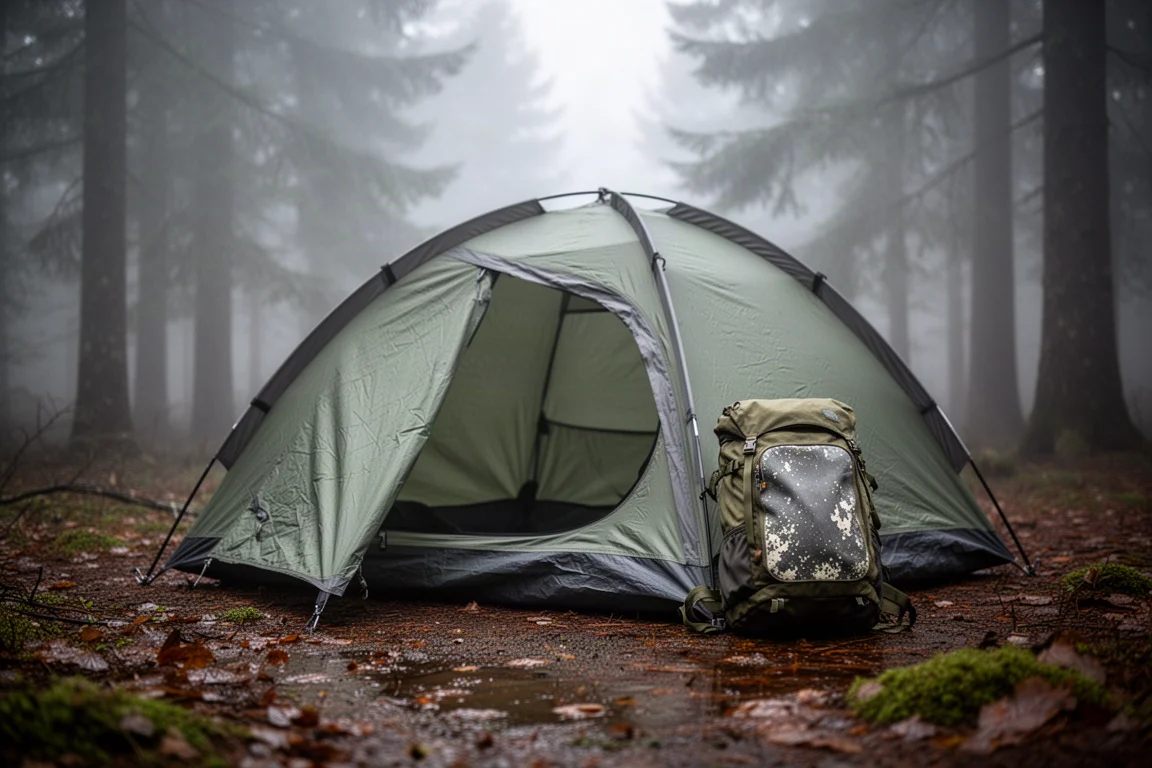
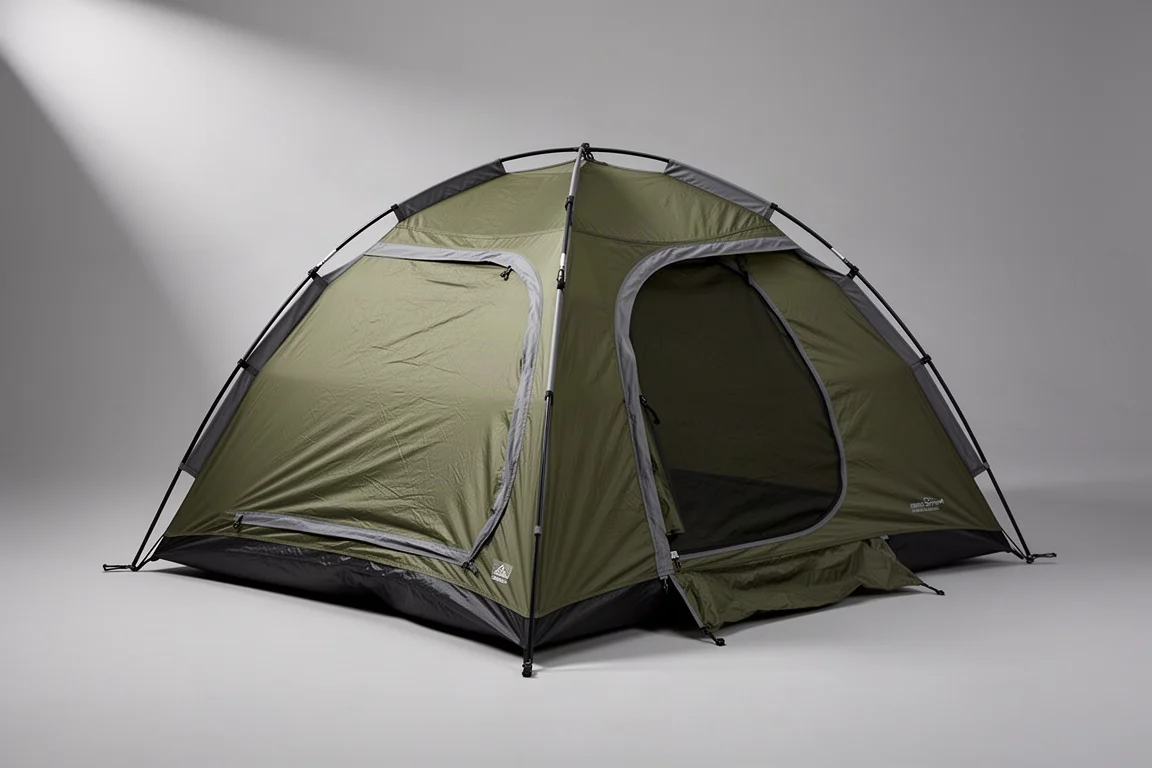
The defining feature here is pitch speed. The tent is a pop-up design that goes from packed to standing in roughly ten seconds, and under 30 seconds including staking it out. In a situation where rain is a safe bet, that speed is genuinely useful. It removes the worst part of arriving at camp wet and cold, and it means shelter is available before a shower turns heavy.
The trade-offs appear once you are inside. The interior is very small and not especially wide, and the design uses very little mesh. That works in cold weather, where the reduced ventilation helps hold warmth. In warmer conditions it works against you, which means a three-season tent that is not really comfortable across all three seasons.
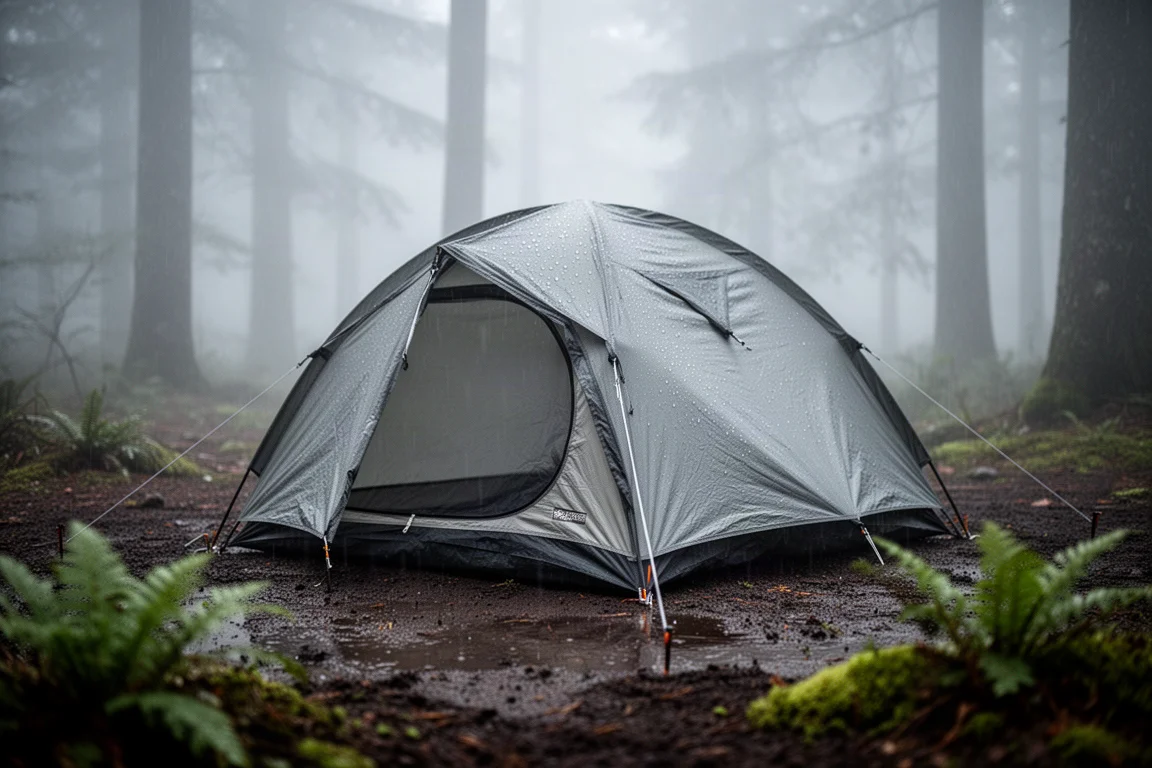
The bigger issue is intent. The tent appears to be designed for use on a cot rather than directly on the ground, yet it is marketed as a backpacking tent. That mismatch matters for buyers. A backpacker who pitches it on damp soil is using it outside its strongest application.
It is lightweight and it pitches faster than almost anything in its class. If the manufacturer reworked the interior volume and ventilation, it would be a far more compelling product. As it stands, it is best treated as a specialist option rather than a general-purpose backpacking tent.
Camp Conditions: Rain, Fog, and Damp Wood
The tarp went up high, which created a generous amount of livable space underneath but also left the camp exposed to wind-driven rain. That is a reasonable trade when the forecast is uncertain, and a second tarp was kept in reserve to close off a side wall if conditions deteriorated.
Fire lighting followed a simple rule that the previous occupant of the site had clearly missed. Starting with small pieces of wood first dries them quickly and builds enough heat to dry out the larger pieces. Starting with big logs on wet ground does not work, and the abandoned fire ring nearby was evidence of that.
Once the fire was established, the tarp held warmth remarkably well. Outside, the air stayed in the low 50s. Under the tarp, close to the flames, it felt closer to 80. Overnight rain drummed on the tent and stopped by early morning, leaving dripping trees and a cold, north-to-south wind that made a hat, gloves and a neck gaiter worth wearing at first light.
Kelty Coyote Backpack: Comfortable Carry, Fragile Materials
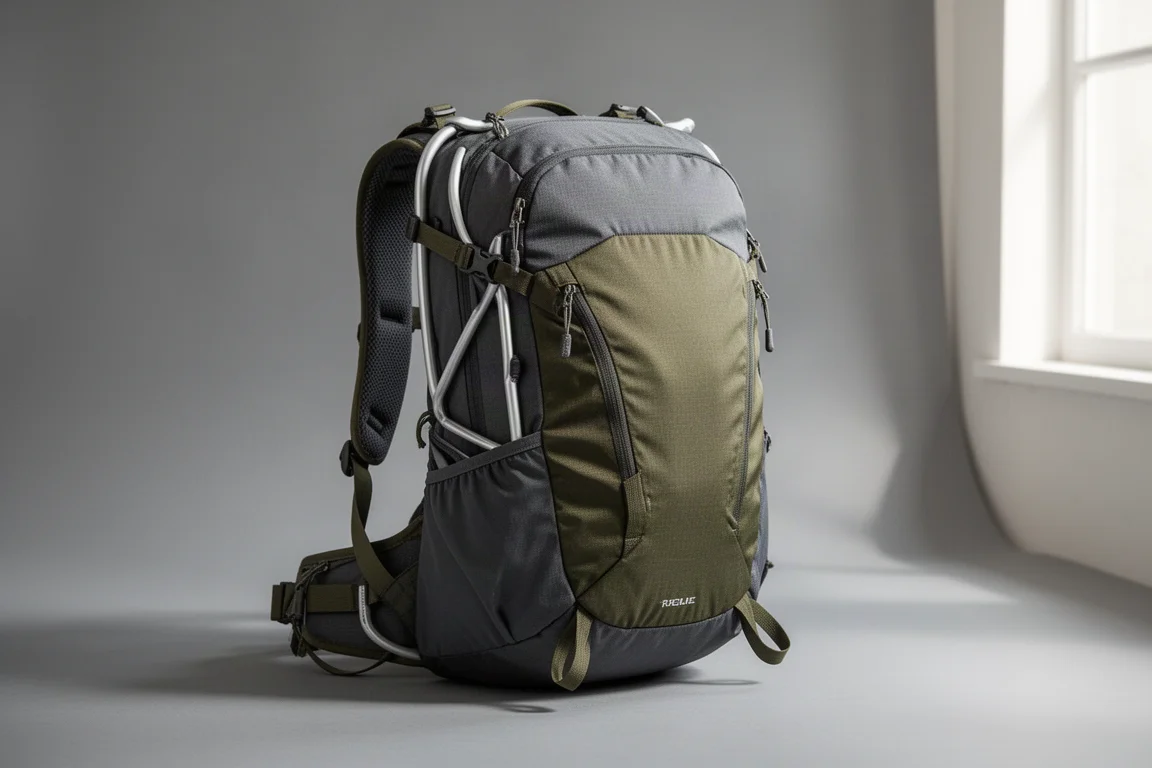
The pack carries well. Weight sits close to the back, the hip belt transfers load properly, and over a long approach with a full load there was no discomfort worth noting. On carry alone, this is a genuinely pleasant backpack.
Two design details stand out for the wrong reasons. The frame system is on the small side, which limits how much weight it handles comfortably on longer trips. And the materials feel far more fragile than the pack’s category suggests.
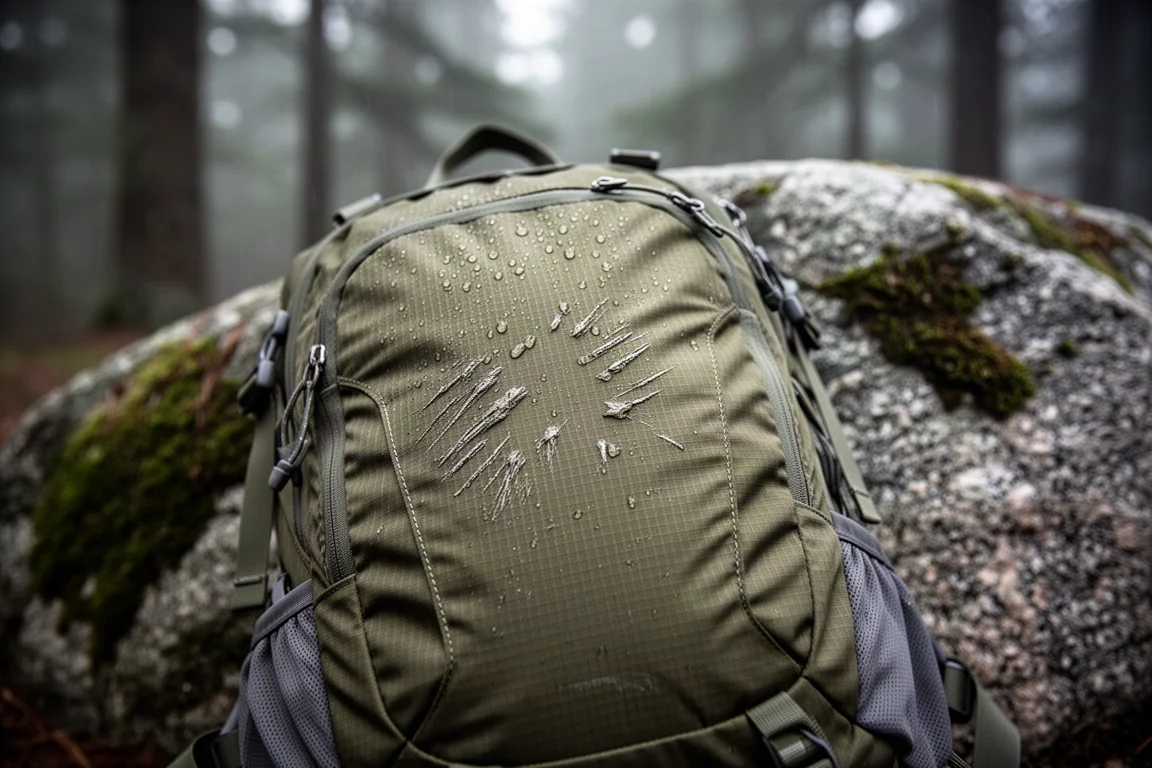
The durability concern is not theoretical. On only the second outing, with careful handling throughout, the front of the pack showed material dragged and abraded through the face fabric. No deliberate abuse was involved. For most packs in this class, brushing past a rock or pushing through undergrowth is unremarkable. Here it left visible damage.
That kind of wear is hard to look past on a pack you intend to load heavily and carry for years. It may suit light, occasional use where the bag stays on maintained trails, but anyone planning rough terrain, scrambling or repeated heavy loads should look closely at the face fabric before committing.
Where Each Product Fits Best
The tent makes sense for a narrow set of buyers: campers who prize the fastest possible pitch, who mostly camp in cold or cool conditions, and who accept that the interior is small and the ventilation is limited. Anyone shopping for a roomy, genuinely three-season backpacking tent will likely be frustrated by it.
The backpack makes sense for light loads on gentle trails. It carries well, and the harness is comfortable, but the material wear observed on the front panel is a real consideration for anyone who treats a pack roughly.
Overall Buying Advice
Both products share a similar pattern: a genuinely strong headline feature paired with a compromise that only shows up after use. The tent wins on setup speed and loses on interior space and airflow. The backpack wins on comfort and loses on fabric resilience.
Before buying the tent, decide honestly where you sleep. If you use a cot or camp mainly in cool weather, the fast pitch is a real advantage. If you sleep on the ground in summer, the limited mesh will work against you.
Before buying the pack, think about how you actually use a backpack. If your trips are light and mostly on established trails, the comfortable carry may outweigh the material concerns. If you scramble, bushwhack or routinely load a pack heavily, the frame size and fabric durability deserve serious weight in your decision.
Neither product is a mistake for the right owner. The mistake would be buying either one for a use case it was not built around.
Conclusion
Fast pitching is a genuine convenience, and a comfortable carry is a genuine comfort. What matters is whether the compromises behind those strengths fall somewhere you can live with. For the tent, that means accepting a small, lightly ventilated interior. For the backpack, it means accepting materials that show wear early. Buy with those limits in mind, and both can still earn a place in your kit.
Further reading
Related Reviews
Camping Gear
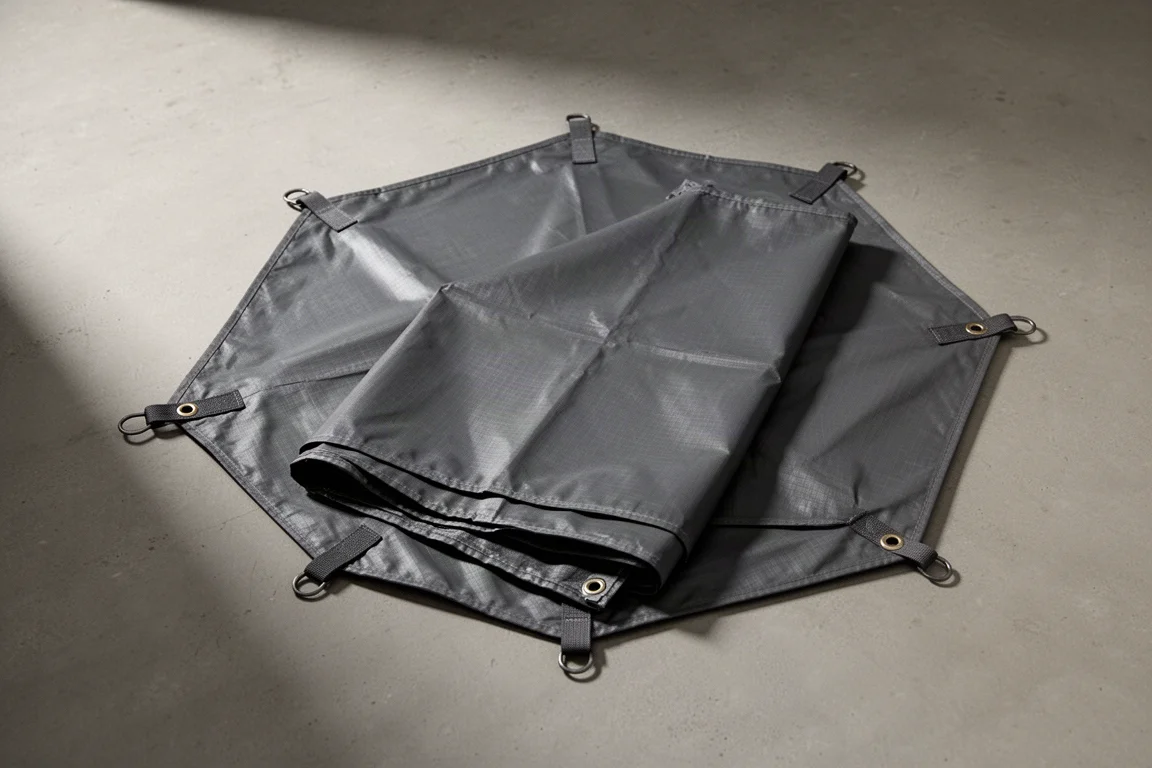
3FUL Ultralight Ground Sheet Review: A Two-Person Footprint Worth Packing
A 6.7 oz two-person ground sheet in ripstop silnylon, priced around $30. Here is what it protects, what it does not do, and who should pack it.
Camping Gear
Backcountry Light Dual-Function Tarp and Floor Review: A Footprint First
A dual-purpose tent floor and tarp that keeps falling rain off you, but cannot block wind. Here is where it works and where it does not.
Camping Gear
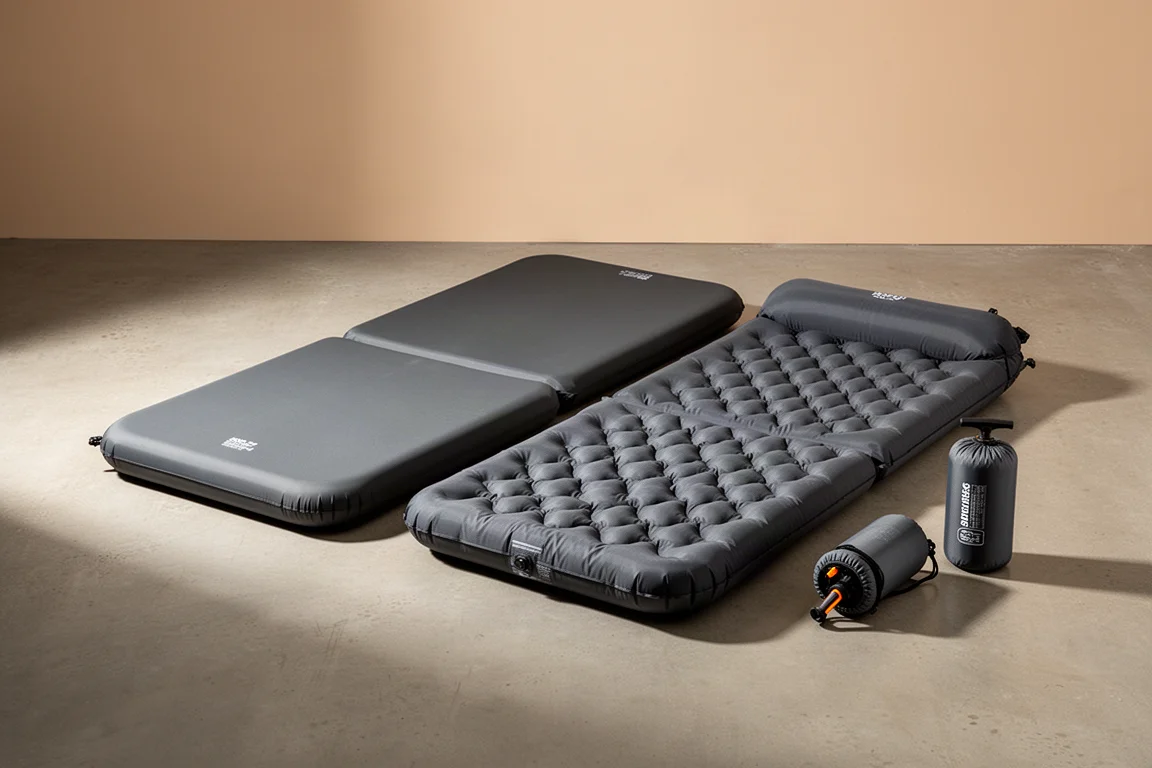
Best 2-Person Camping Mattresses for Couples: 10 Options Compared
A practical comparison of ten two-person camping mattresses, covering self-inflating pads, air pads and air mattresses for couples.