Camping Gear
Naturehike Canyon 1-Person Tent and Kelty Coyote Backpack: A Wet-Weather Field Test
Two pieces of camping gear tested through a cold, foggy, rainy overnight: a tent that pitches in seconds and a backpack that carries well but wears early.
Introduction
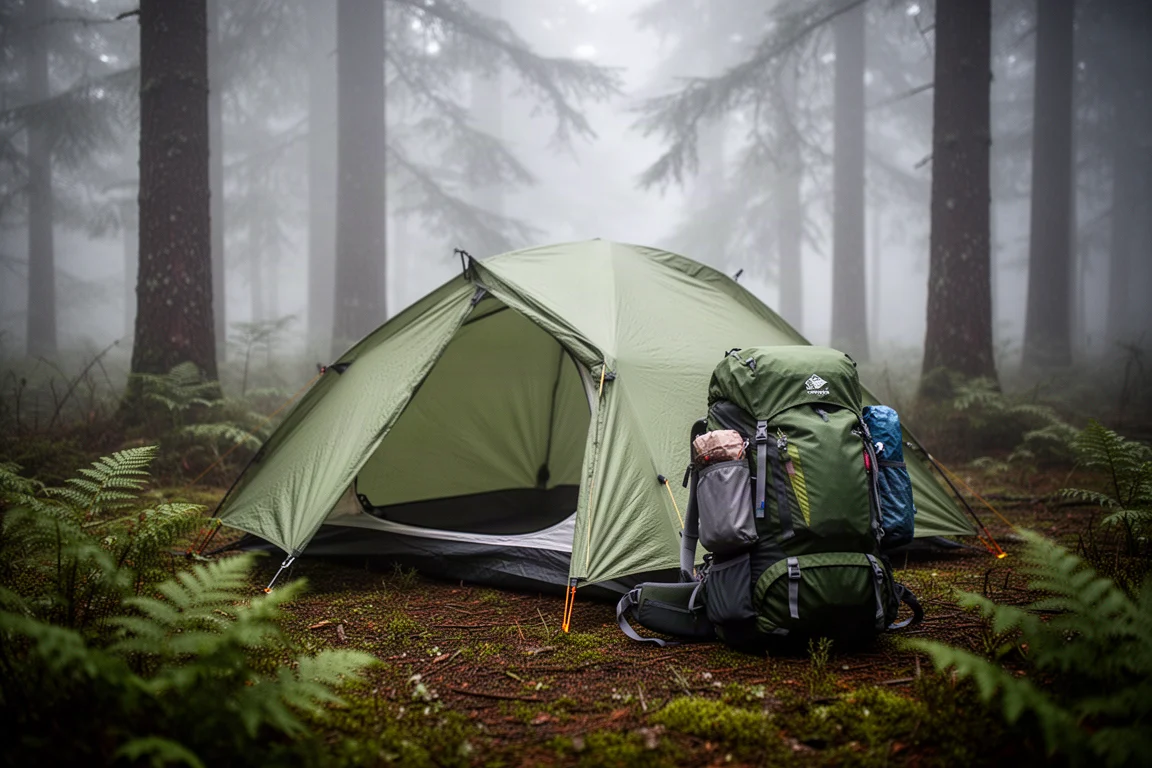
Two pieces of gear went out on a cold, foggy, wet overnight trip: a one-person tent that pitches in seconds and a load-hauling backpack. Both were used in steady light rain, cloud-level fog, wind, and temperatures in the low 50s, on a single overnight in a damp forest.
The tent impressed with setup speed and let down on interior space and ventilation. The backpack carried comfortably but showed material damage early. Here is what that means for anyone deciding whether either one belongs in their kit.
What We Looked For in This Field Test
The trip was a single wet overnight, so the priorities were straightforward: how fast each item gets you out of the rain, how it handles sustained moisture and cold, how much usable space it gives you, and how the materials respond to ordinary contact with rocks and brush.
Setup speed matters most when rain is a safe bet. Carry comfort matters most over the last hour of a climb, when a poorly structured frame starts to dig in. Durability matters quietly, in the weeks after the trip, when a scuff turns out to be a tear.
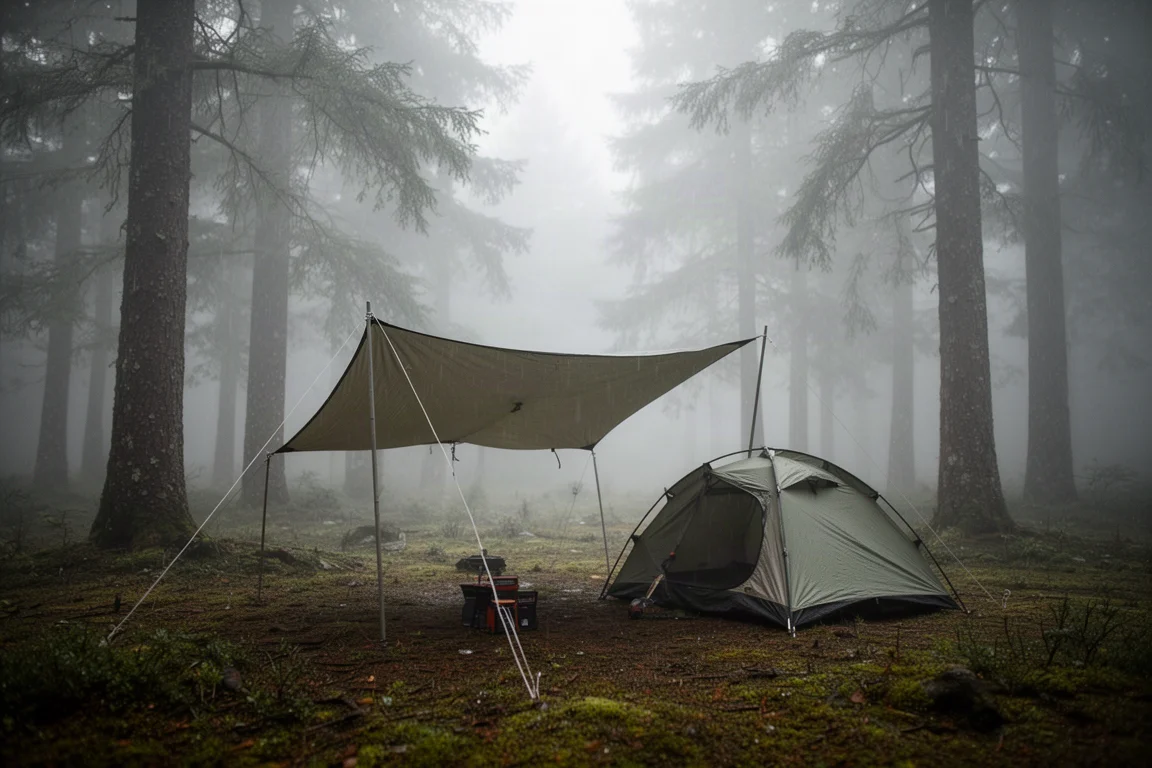
Both products were used gently and in ordinary conditions, which makes the findings easier to apply to normal trips rather than extreme ones.
Naturehike Canyon 1-Person Tent: Fast Setup, Tight Interior
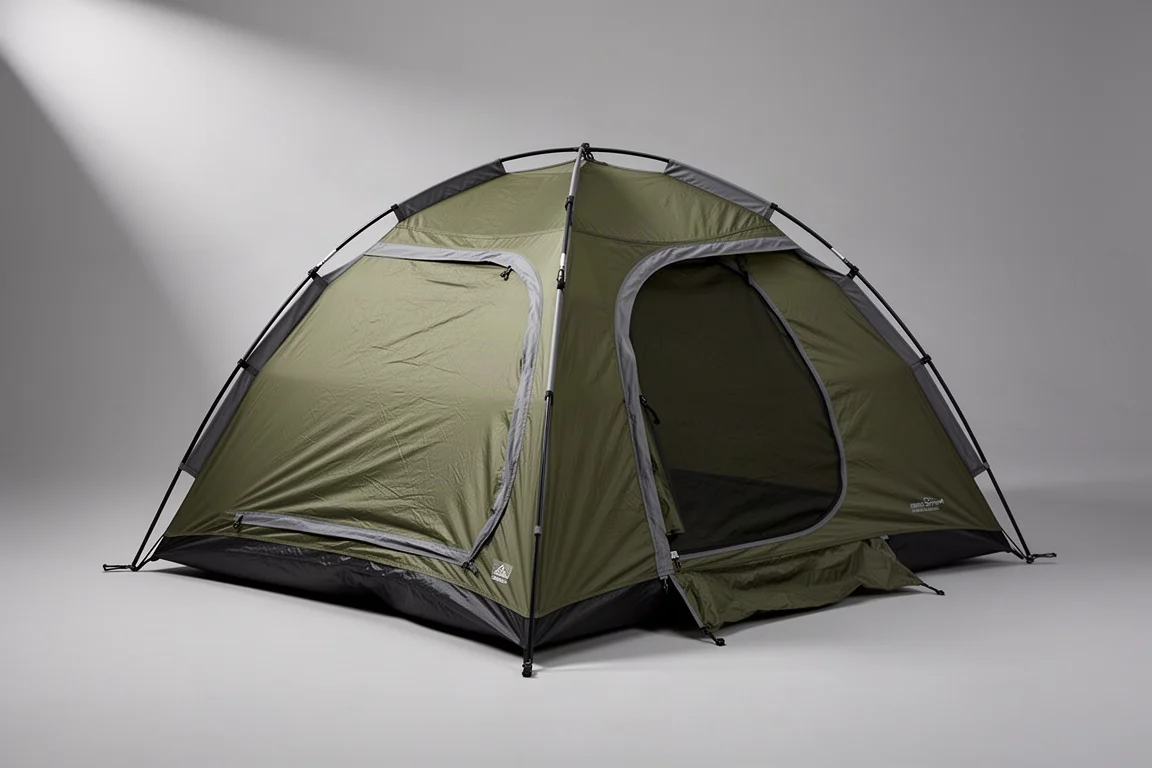
The Canyon pitches by popping out and staking down. In practice the whole process takes well under 30 seconds, with the pop itself measured in seconds and the rest spent on stakes. When the sky is threatening, that speed is the feature you actually feel, and it is the reason this tent is worth a closer look at all.
It is also light, which is part of the appeal for anyone counting grams on a longer walk in.
The trade-offs appear once you are inside. The interior is narrow, with very little room to spread out gear or shift position. The design leans toward use on a cot rather than directly on the ground, which does not match how the tent is typically presented to buyers.
Canyon Tent: Strengths and Limitations
Ventilation is the second issue. There is very little mesh in the inner tent. In cold, damp conditions that is genuinely helpful, because it holds warmth and blocks drafts. In warm weather the same design works against you, which makes a three-season label hard to justify in practice: the tent becomes too warm to sleep comfortably in the season when you would most want the option.
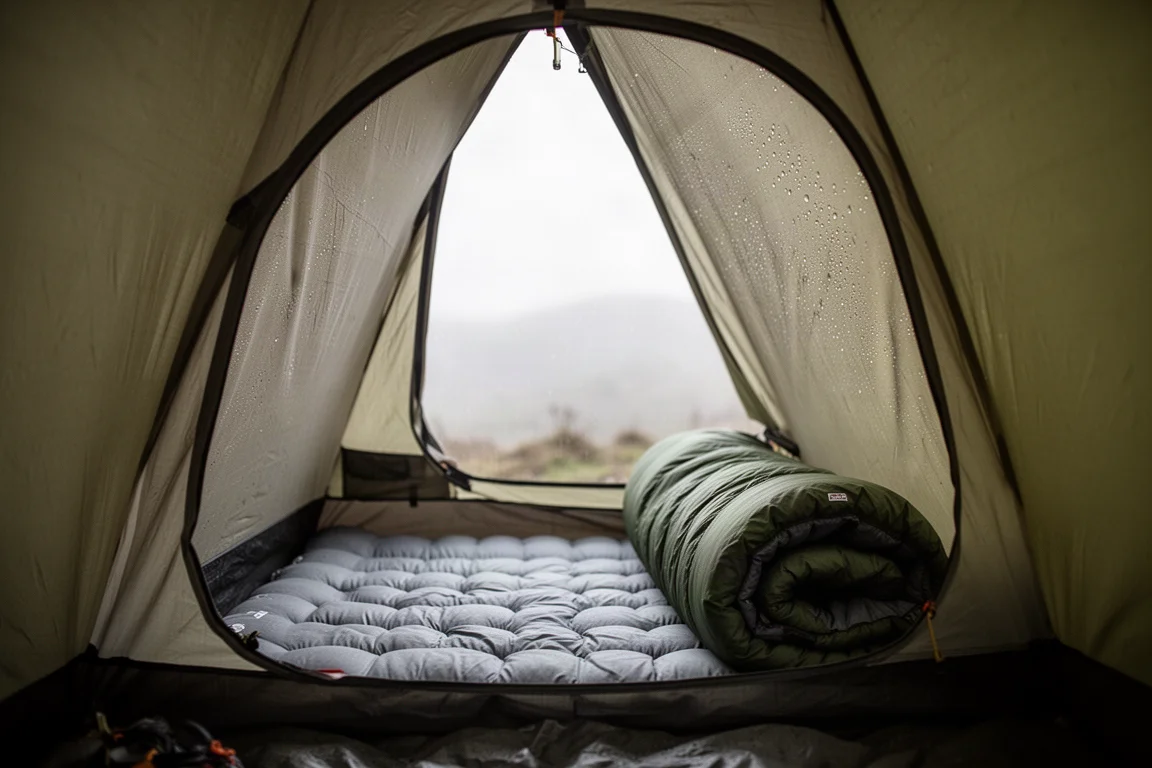
So the Canyon has a narrow sweet spot. It suits cold-weather camping and buyers who value a near-instant pitch above all else. It does not suit warm-weather backpackers, taller or broader sleepers, or anyone who wants space to organise gear inside the tent. A redesign of the interior and the ventilation would make it far more compelling, because the setup mechanism and the low weight are already strong foundations.
Kelty Coyote Backpack: Carry Comfort and Material Durability
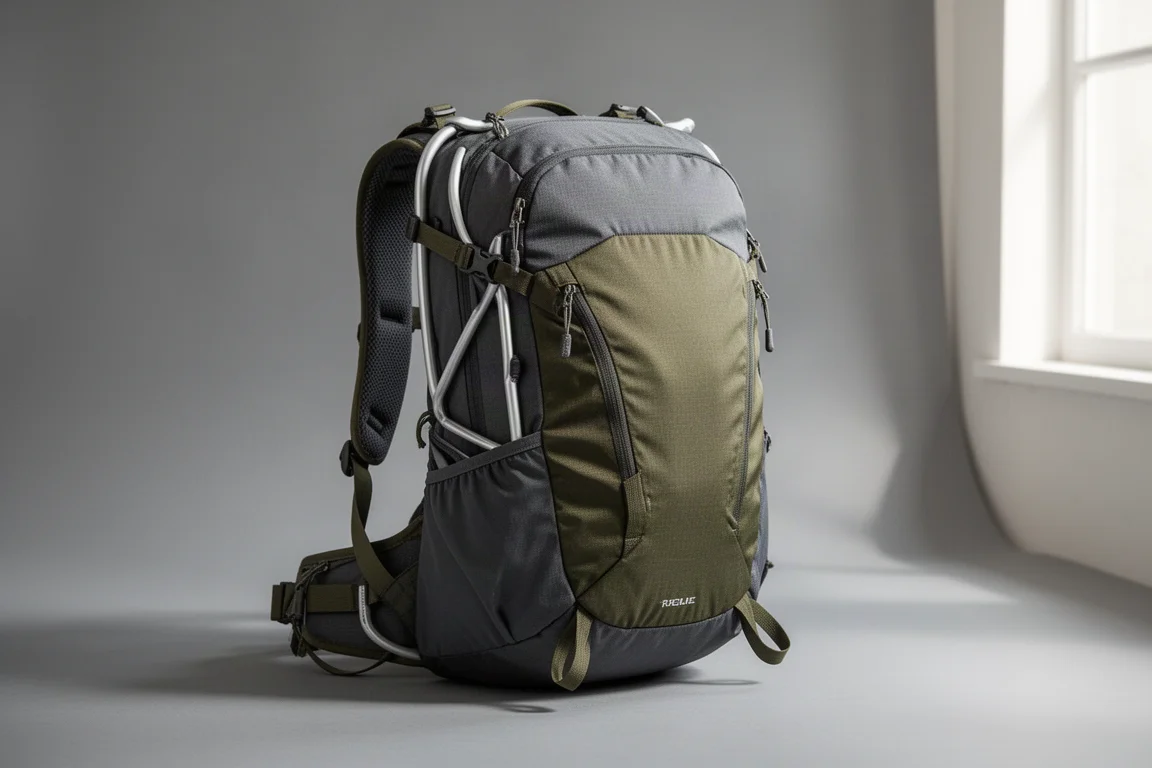
The Coyote carries well. The suspension does its job on the move, and the load stays settled on the back over a climb.
Durability is where it falls down. After a second trip and nothing more demanding than leaning the pack against a rock or brushing past vegetation, the front panel showed a tear through the material. That is an unusual amount of damage from ordinary use, and it points to fragile fabric rather than a single unlucky moment.
Where the Kelty Coyote Falls Short
The frame system is also on the small side, which limits how much structure it provides once the load gets heavier. Combined with the material wear, the picture is a pack that feels comfortable in the moment but is hard to trust across a full season of rough ground.
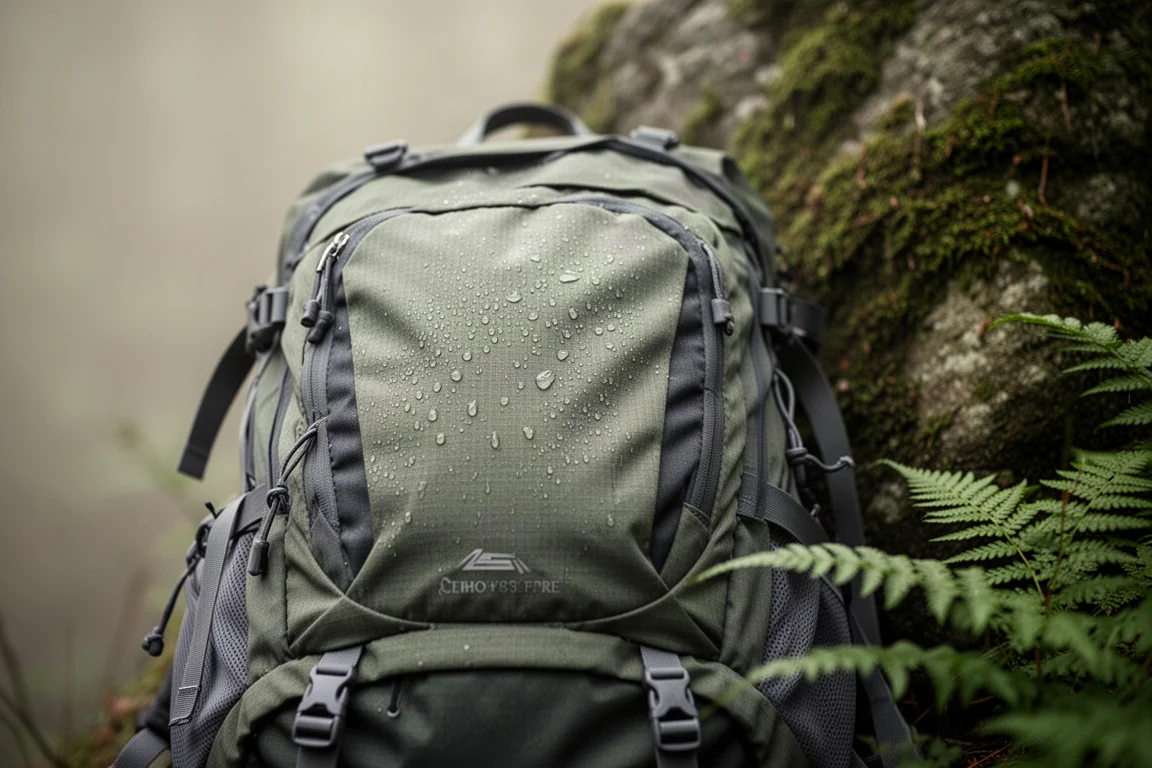
If you already own a Coyote, treat the fabric as a limitation rather than a challenge: keep it clear of rough rock faces, set it down on soft ground where you can, and check the front panel after trips. If you are buying new and durability is a priority, this is the part of the pack to weigh most carefully.
Who These Products Suit
The Canyon tent fits a specific profile: a cold-weather camper who wants an extremely fast pitch and a low packed weight, and who does not need much interior volume. Anyone camping in warm conditions, or who wants a roomier one-person shelter, is better served by a design with more mesh and a wider floor.
The Coyote suits someone who prioritises carry comfort and can accept a lighter-duty fabric, ideally at a price that makes a shorter service life easier to absorb. Anyone who expects a pack to shrug off years of abrasive contact should look for heavier-denier materials and a larger frame.
Buying Advice Before You Order
Decide which problem each product solves for you before you spend. The Canyon solves speed and weight. It does not solve space or summer ventilation. The Coyote solves on-body comfort. It does not solve long-term abrasion resistance.
If neither trade-off matches the trips you actually take, the money is better spent elsewhere, and the setup concept behind the Canyon is worth watching for in a future revision. If one of them does match your needs, both remain usable pieces of kit as long as you go in with accurate expectations.
Conclusion
This was a wet, cold, foggy overnight, and the gear behaved predictably. The Canyon 1-Person Tent delivers a genuinely remarkable pitch time and a low weight in a package that is too small and too sealed for warm-weather use. The Kelty Coyote Backpack carries comfortably but shows material damage far earlier than it should.
Buy either one for what it does well, and plan around the limitation that comes with it.
Further reading
Related Reviews
Camping Gear
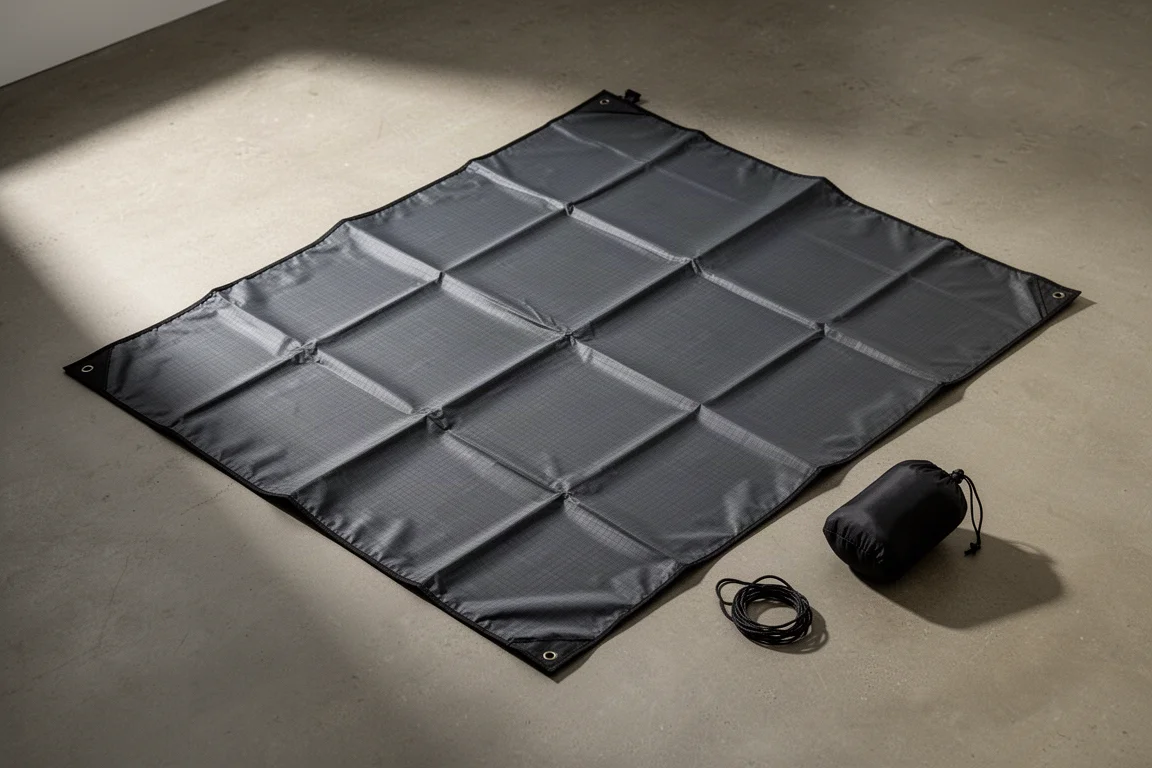
3FUL Ultralight Ground Sheet Review: A Two-Person Footprint Worth Packing
A 6.7 oz two-person ground sheet in ripstop silnylon, priced around $30. Here is what it protects, what it does not do, and who should pack it.
Camping Gear
Backcountry Light Dual-Function Tarp and Floor Review: A Footprint First
A dual-purpose tent floor and tarp that keeps falling rain off you, but cannot block wind. Here is where it works and where it does not.
Camping Gear
Best 2-Person Camping Mattresses for Couples: 10 Options Compared
A practical comparison of ten two-person camping mattresses, covering self-inflating pads, air pads and air mattresses for couples.