Backpacking Tents
Nature Hike Spire One-Person Tent: A Compact Trekking Pole Shelter
A close look at the Nature Hike Spire, a single-pole pyramid tent for solo campers, covering materials, packed size, interior dimensions, and who it actually fits.
Introduction
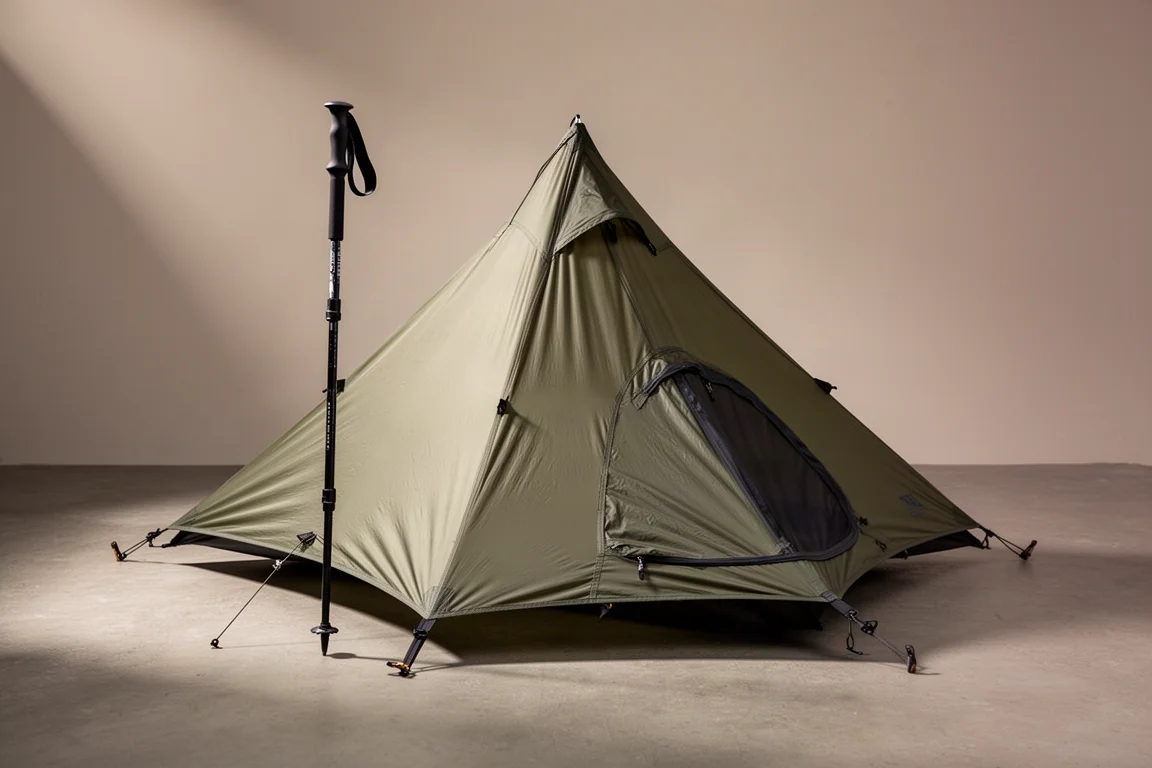
The Nature Hike Spire is a one-person trekking pole tent built around a classic pyramid shape. A single trekking pole carries the whole structure, which keeps the design simple and the packed size modest. It arrives as two separate packages: the tent itself, and a ground sheet made specifically for this model. In the United States it is sold in one color at a retail price of $130, while it has been available outside the country for at least two years. This assessment covers what comes in the box, how the shelter pitches, the materials used, and the interior space, which is the single most important consideration for anyone shopping for a solo tent.
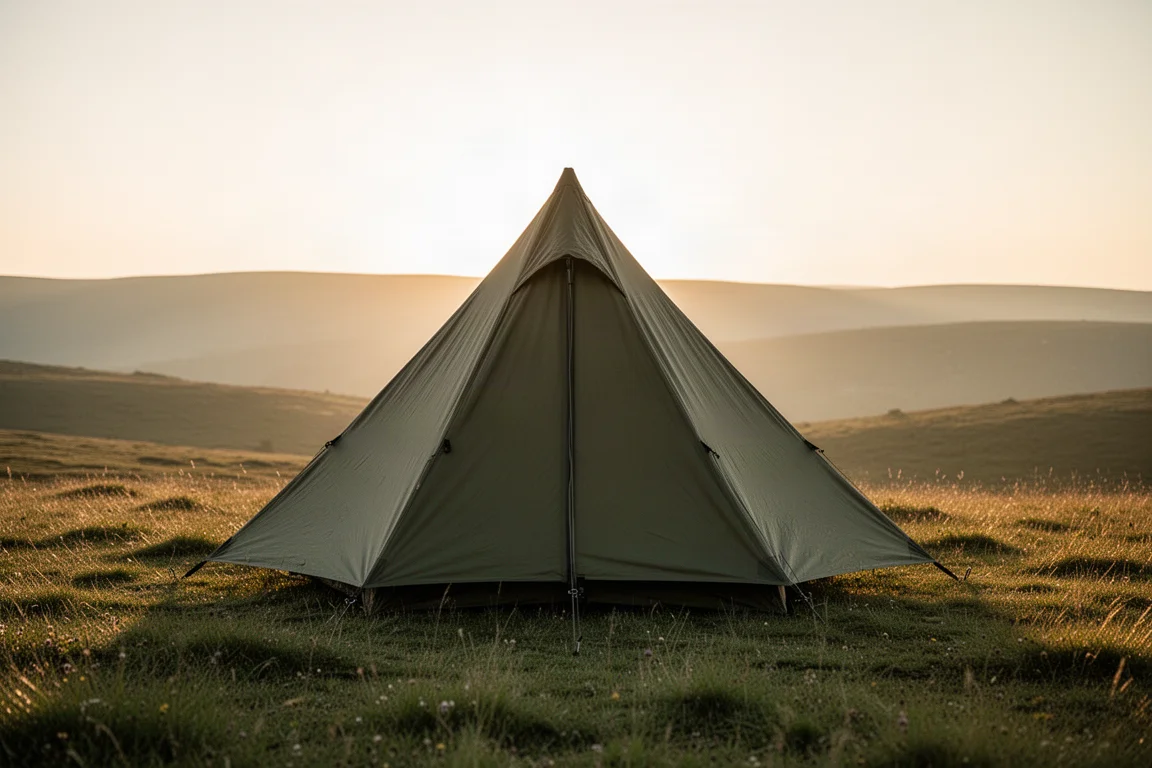
The tent can be pitched with the fly alone or with the fly and the inner body together, and the dedicated ground sheet is optional rather than required. That flexibility matters more than it first appears, because it lets the same shelter serve different conditions without extra purchases.
What Comes in the Box
The tent bag contains a storage bag with a grab handle and a drawstring closure, plus a compression strap of the type Nature Hike uses across its range. Inside you will find the fly, the inner body, and 15 aluminum tent stakes. Eight guy lines come pre-attached to the fly. Setup instructions are printed on the inside of the bag in English and several other languages, but they are difficult to follow. The diagrams are unclear, and working from them alone will get the tent standing without producing the best possible pitch.
The ground sheet ships separately. It is not needed to pitch the shelter. No poles are included, so a pair of trekking poles is essential equipment rather than an optional extra.
Who This Tent Is For
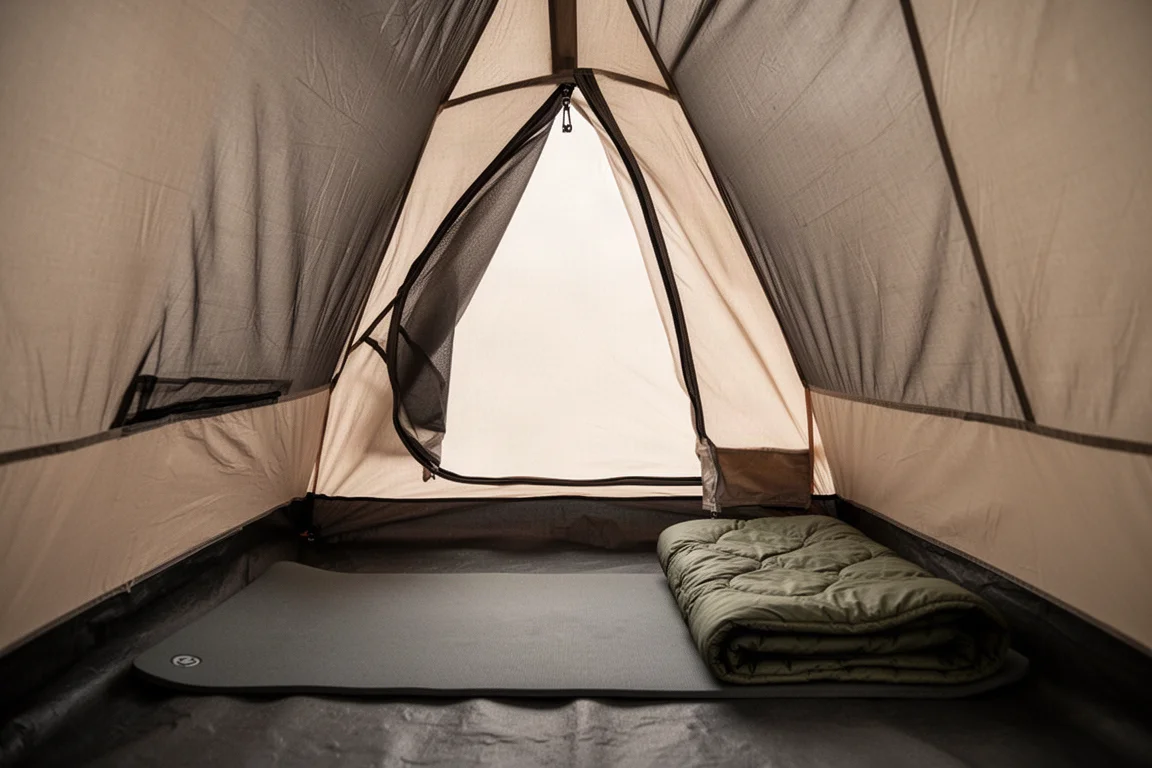
This is a shelter for compact solo campers who already hike with trekking poles. The interior is genuinely small. Measured inside the pitched tent, the usable length suits people around 5 feet 3 inches and under, the interior width is roughly 30 inches, and the interior height is about 34 inches. Anyone taller should expect body parts to touch the walls, and the door is small enough that getting in and out takes some care. It is a reasonable match for a shorter backpacker who wants a light, uncomplicated single-pole shelter and does not mind a tight sleeping space.
Main Strengths
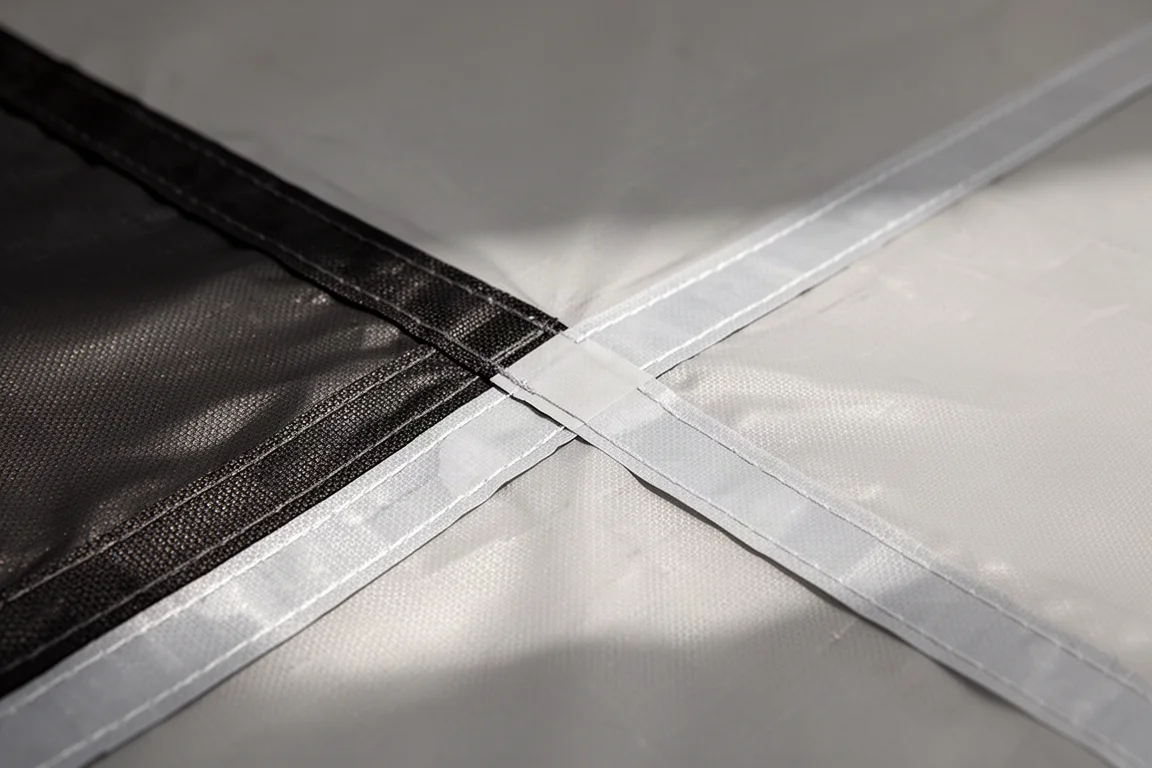
Build quality is the strongest part of the package. The fly is 20 denier silicone treated nylon, the floor is 38T nylon, and each floor corner is reinforced with 300 denier Oxford polyester. Nature Hike rates the fly at a 2,000 millimeter hydrostatic head and the floor at 3,000 millimeters. Stitching shows no loose threads, and the seam tape looks clean and consistent across the shelter.
The interior layout is straightforward: a bathtub floor, a large amount of mesh for ventilation, two-way zippers on the door, and a single pocket. Two vents sit at the top of the shelter to help move moist air out. Packed, the tent measures 15.75 inches long by 5.1 inches wide. With all accessories, including the ground sheet, it weighs 3.2 pounds. Leaving the accessories and ground sheet behind and carrying only the fly and body brings that down to 2.4 pounds. At $130, the price is fair for the materials on offer.
Setup, Materials, and Weather Resistance
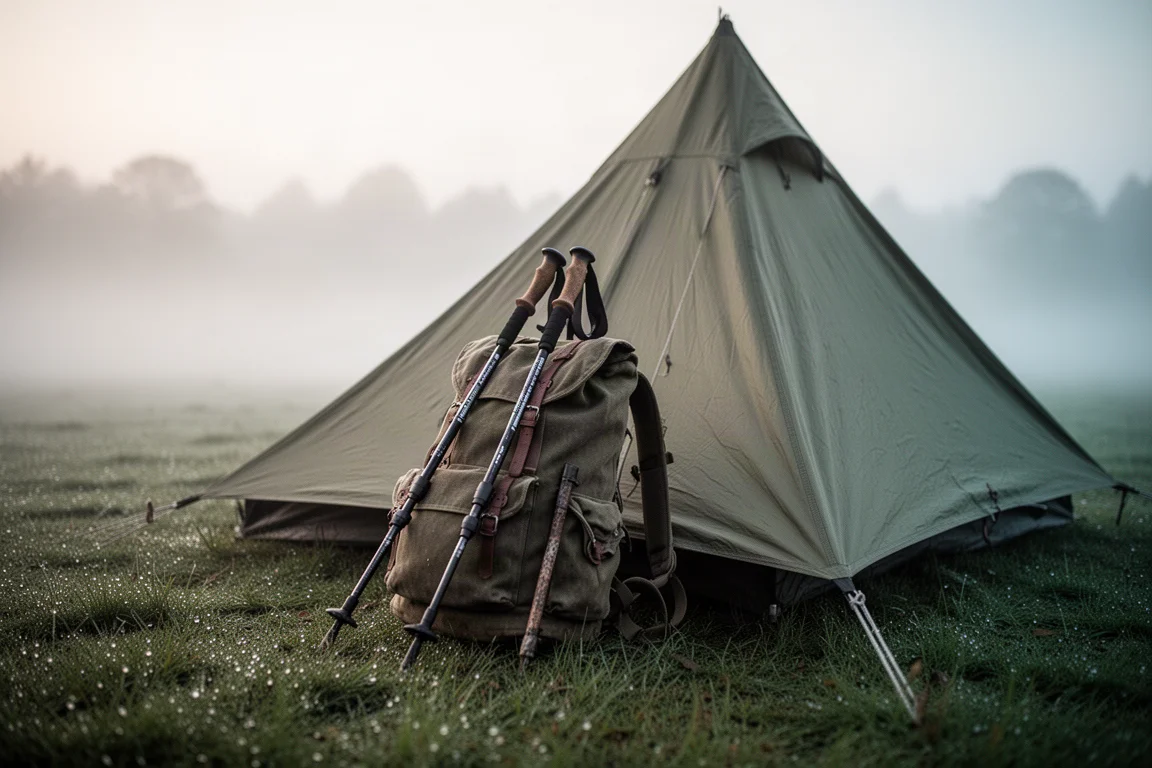
Pitching the Spire depends on getting the trekking pole orientation right, and this is where the included instructions fall short. The handle of the pole goes at the top, and the tip goes down into a small grommet at the base of the inner body. The ring at the apex is there for the body, not for holding the pole in place, which is easy to misread. Once pitched, the external footprint is 82.6 inches by 82.6 inches with a height of 53 inches, so the shelter needs a reasonably generous patch of ground despite the small interior.
Entry is awkward because the center pole stands directly in the doorway area, and the difficulty grows with the size of the person. Inside, the fabric tends to lie against the occupant, and the stakeout points are already tensioned as far as they will go, so there is no simple adjustment to pull the walls away.
One open question concerns the fly material. A 20 denier silicone treated nylon will stretch in wet conditions, and the degree to which this shelter stretches in sustained rain has not been established. Waterproof performance also remains to be confirmed rather than assumed, so the hydrostatic head figures should be treated as manufacturer ratings until they are verified in the field.
Things to Consider Before Buying
- Interior length suits roughly 5 feet 3 inches and under. Even at that height, body parts may still contact the walls.
- The center pole makes entry and exit awkward, and the door is very small.
- No poles are included. Trekking poles are mandatory, and once their weight is added, the total carried weight rises well above the 3.2 pound tent weight.
- The included instructions are poor and do not describe the best possible pitch.
- The 20 denier silicone treated nylon fly may stretch when wet, and waterproof performance is unconfirmed.
- In the United States the tent is available in one color.
There is also a common assumption worth correcting. Trekking pole tents are often described as ultralight, but at accessible price points they are generally not dramatically lighter once the poles you have to carry are counted. The Spire fits that pattern: light for what it is, not light in absolute terms.
Buying Advice
The Spire makes the most sense for a shorter solo backpacker who already hikes with trekking poles, wants a simple single-pole pyramid shelter, and values material quality over interior volume. At $130, the fly, floor, and reinforced corners represent solid value, and the choice between a fly-only pitch and a fly-with-inner pitch adds useful flexibility across seasons.
It makes less sense for anyone above roughly 5 feet 4 inches, for campers who want to sit up and move around inside, or for anyone who prefers a freestanding design that does not depend on trekking poles. Buyers should also factor in the poles themselves. For this shelter they are not accessories, they are the structure, and that changes the real-world weight and the packing list.
Conclusion
The Nature Hike Spire is well made, fairly priced, and sensibly specified on paper, but its interior is genuinely small and its entry is awkward. Shorter solo campers who already carry trekking poles will get a simple, well-finished shelter with quality materials and a compact packed size. Taller campers, and anyone who wants room to move inside, should look at a different design.
Product link
View more details for Nature Hike Spire One-Person Tent
This product is mentioned in the review. Check the specifications, options, and compatibility before buying.
View more details for Nature Hike Spire One-Person TentFurther reading
Related Reviews
Backpacking Tents
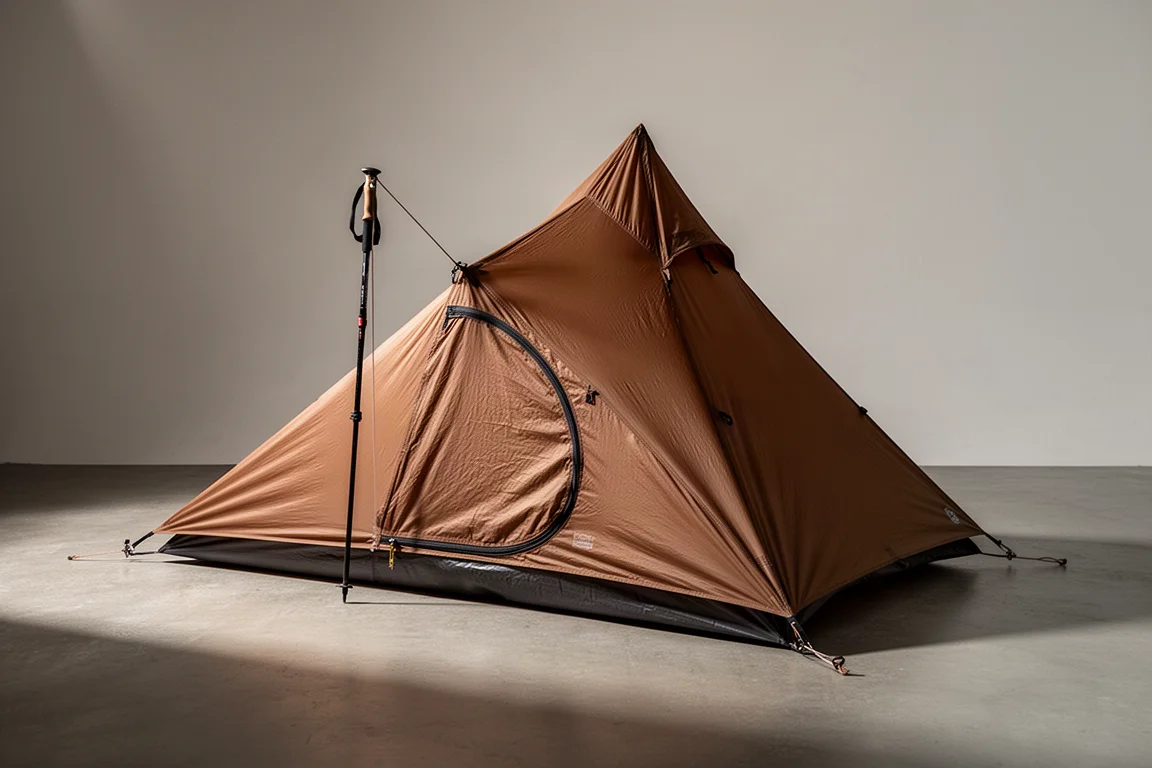
3F UL Lanchan Pro 1 Review: A 1 lb 8 oz Single-Wall Trekking Pole Tent
A practical look at the 3F UL Lanchan Pro 1, a single-wall trekking pole shelter with a 1 lb 8 oz weight, 20D silnylon fabrics, and a roomy 90 x 31 x 49 inch interior.
Backpacking Tents
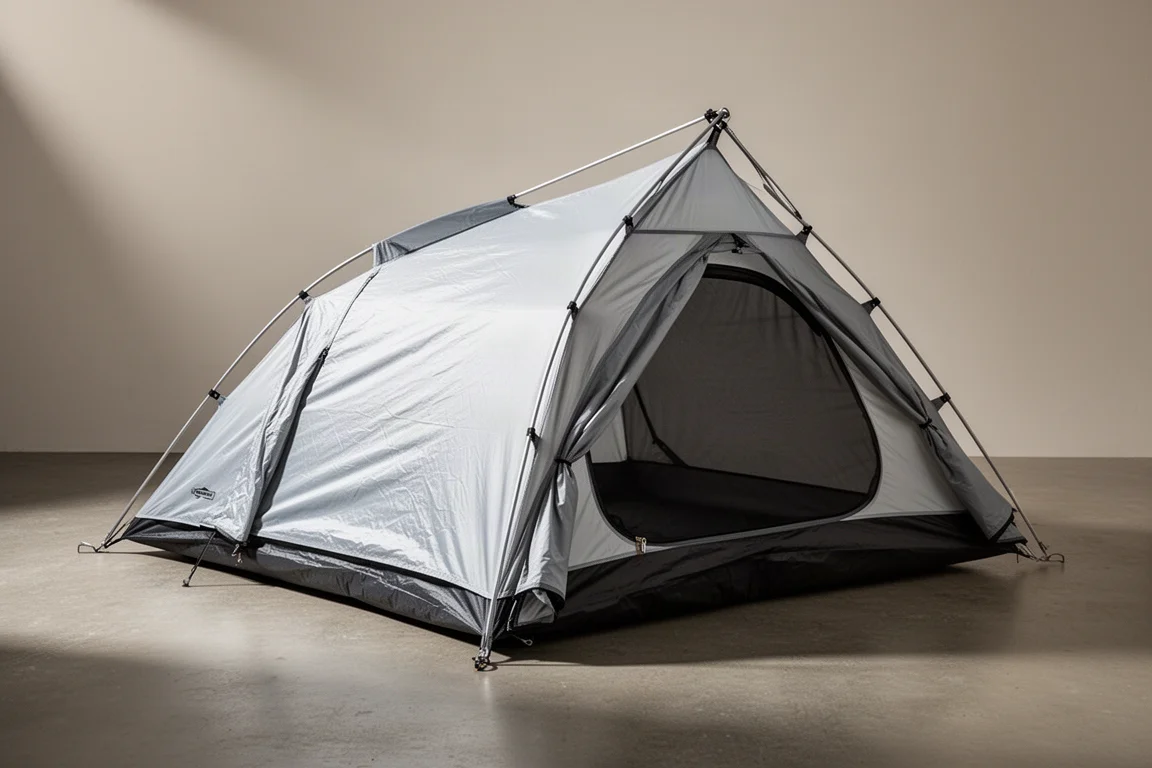
3F UL Taiji 2-Person Tent: A Convertible Backpacking Shelter Worth a Closer Look
A practical look at the 3F UL Taiji two-person tent, covering its materials, true two-person interior, fly-first pitching, and the seasonal inner swap that lets one shelter cover more of the year.
Backpacking Tents
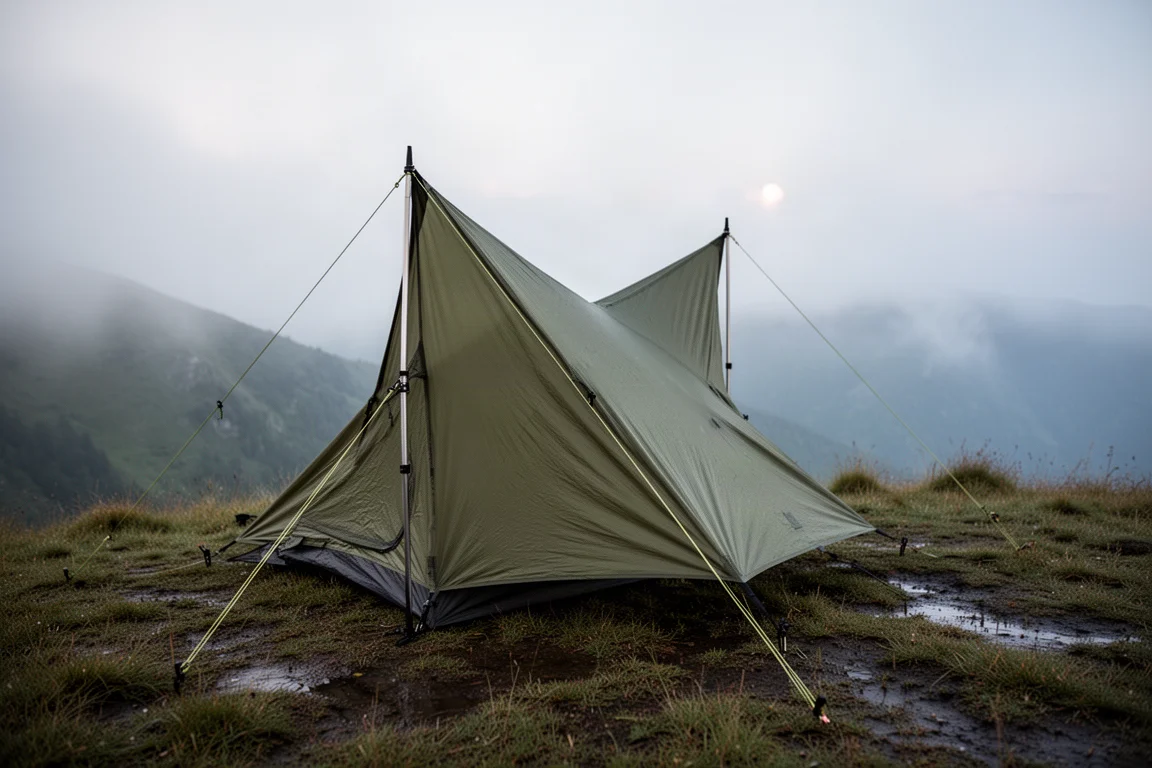
3FUL Lanshan Twoerson Pro Review: A Light Trekking Pole Shelter That Struggled in Rain
A two-person trekking pole shelter with a 2026 redesign, pitched with sticks and put through a night of steady rain. Here is what worked, what did not, and what to check before buying.