Camping Tents
Nature Hike Spider One Review: A Compact One-Person Tent for Backpacking and Cycling
A close look at the Nature Hike Spider One, a small-packing one-person shelter with a single spider pole, high hydrostatic head ratings, and a few ventilation trade-offs to weigh.
Introduction
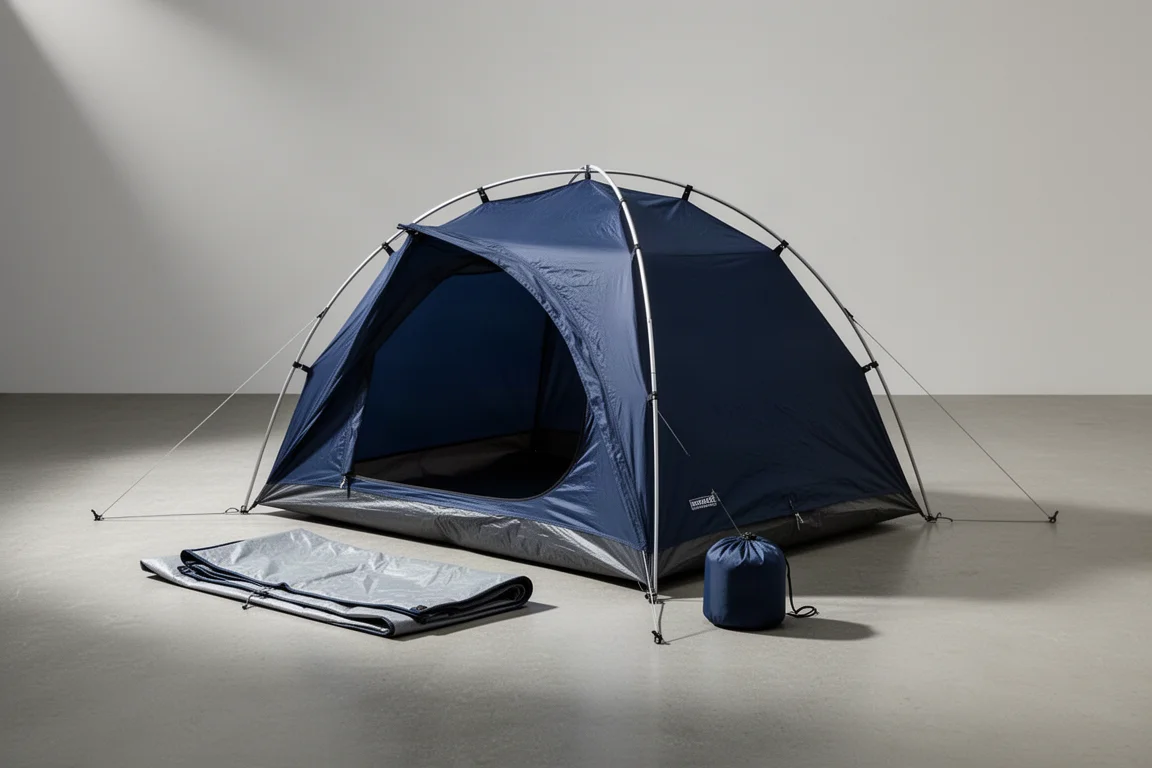
The Nature Hike Spider One is a one-person shelter that arrives in two packages: the tent itself and a matching ground sheet. Packed down, the whole kit measures roughly 15 by 6 inches, which is the headline figure for anyone who needs a shelter to disappear into a bike pannier or the bottom of a small backpack. Retail pricing sits at $115, and it is regularly available for around $80 to $90.
That combination of a small packed size and a modest price is what makes the Spider One worth a closer look. This review covers the design, the materials, the measured dimensions, and the trade-offs worth understanding before you buy.
Who This Tent Is For
The Spider One is aimed at three-season backpackers and cycle tourists who want a simple, affordable shelter that sets up quickly. It is a one-person, one-door design, and the interior is workable for anyone under 6 feet 4 inches. It is not built for winter storms, and it should not be treated as a four-season tent regardless of which version you choose.
It also suits riders who would rather have a ground sheet included than buy one separately. The ground sheet is part of the package, and it connects to the same pole grommets as the tent body.
Main Strengths
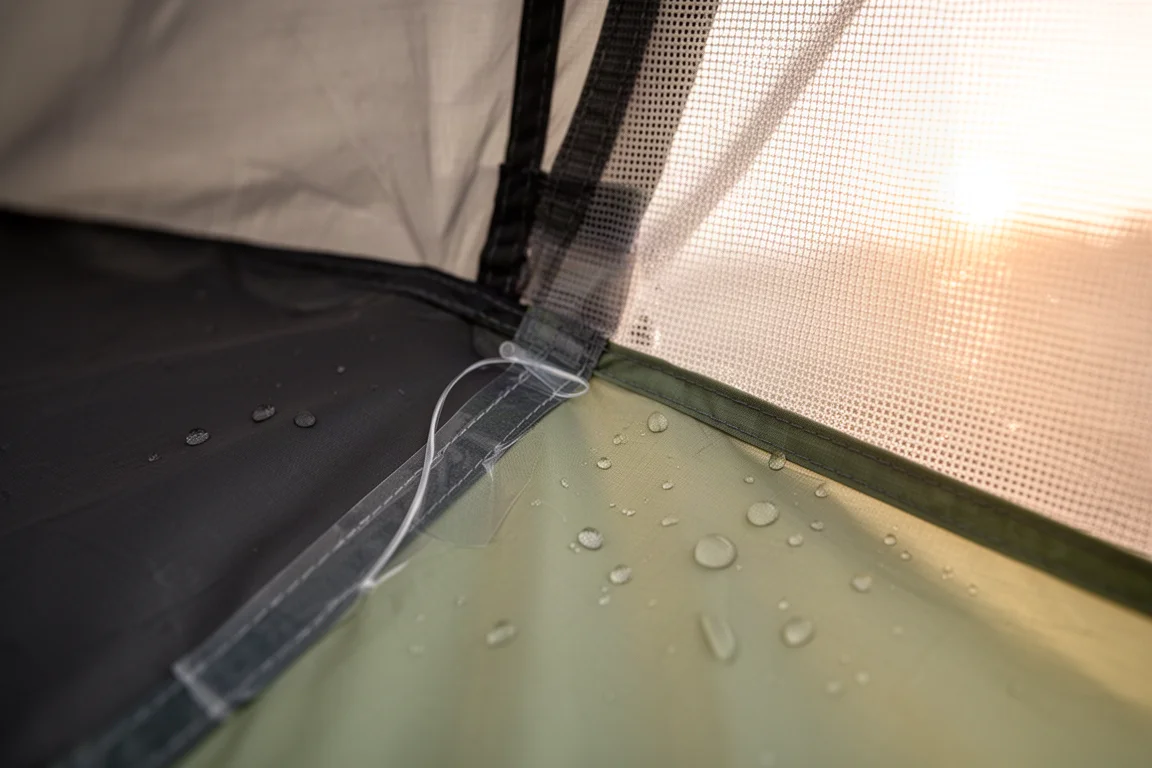
Build quality is the standout. The seam tape on the fly and the body is clean, the mesh is well finished, and the stitching is consistent, with no loose threads or stray stitching found anywhere on the tent.
Water resistance is unusually high for the price. Depending on the fly you get, the hydrostatic head rating is either 4,000 mm or 3,000 mm. At this price point, shelters typically sit closer to 1,200 mm, so both versions are well above the norm.
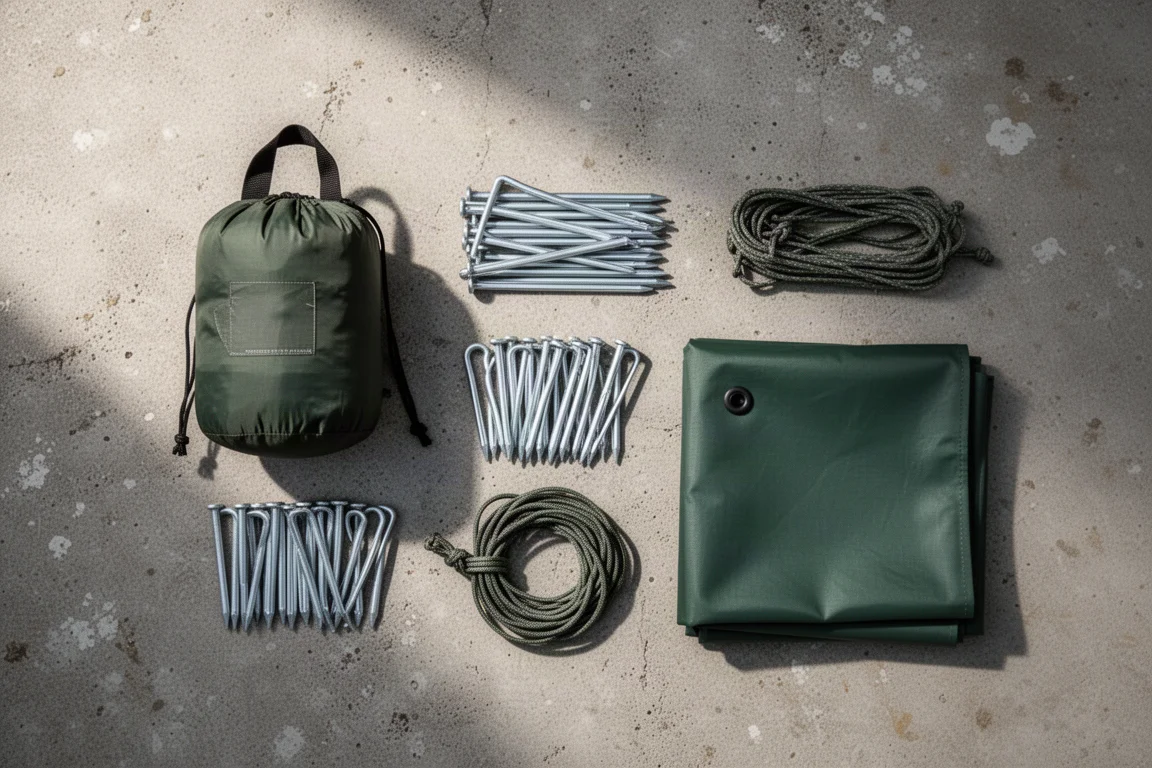
The fly itself is nylon rather than the inexpensive polyester common at this price, and the floor is a 150 denier ripstop Oxford polyester. The poles are 7001 aluminium, and the eight shepherd hook stakes are aluminium as well.
Airflow is generous in warm weather, thanks to a large amount of mesh in the body. The two-way door zippers run very smoothly, and the bathtub floor rises about seven inches for a solid barrier against ground water.
Setup is about as simple as it gets. One pole, a handful of stakes, and roughly five minutes of work.
Setup, Dimensions, and Real-World Fit
The Spider One uses a single large spider pole. When connecting the pole to the body and the ground sheet, the grommets take the body first and the ground sheet second.
Company dimensions are listed as 70.7 inches long, 37.4 inches wide, and 43.3 inches tall. Measured on a real pitch, the numbers come out at 78 inches long, 36 inches wide, and 39 inches tall. That measured length is 6 feet 4 inches, which is the practical ceiling for comfortable use. Anyone shorter than that should find the interior usable, and the height and width are adequate for a one-person shelter even though they fall slightly short of the published figures.
Inside, there is a hook for hanging a small light and a single pocket on the inside wall on the left side of where your head would rest. Packed size remains around 15 by 6 inches, and the storage bag includes two grab handles and two compression straps. Interestingly, the storage bag carries no printed logo or model name, and the set-up instructions are printed inside it.
Things to Consider Before Buying
The most important limitation is seasonal. The body is largely mesh, so wind and cold move straight through it, and the tent holds very little heat. It is a three-season shelter. A snow skirt version exists, but the skirt does not turn it into a four-season tent.
The Spider One is also not fully freestanding. If you do not stake out each corner, the pitch is noticeably sloppy. The rear fly pulls away and is staked out through a non-adjustable point, which makes a clean, taut setup hard to achieve. Adding shock cord to the rear and to the front door would improve the pitch considerably.
Side walls do not pull away from the body. The fly lies directly against the inner wall, which restricts airflow and gives condensation a path to travel down the walls and into the tent.
The vent at the front is small. An internal support is meant to hold it open, but the support is flimsy and leaves only about a three inch gap, so it does not move much air. The storm flap over the door zipper also does not lie flat, which is worth watching for water entry over time.
Weight is reasonable rather than remarkable. The 20 denier version comes in at 3.6 pounds, the snow skirt version at 3.8 pounds, and the 210T version at 3.9 pounds.
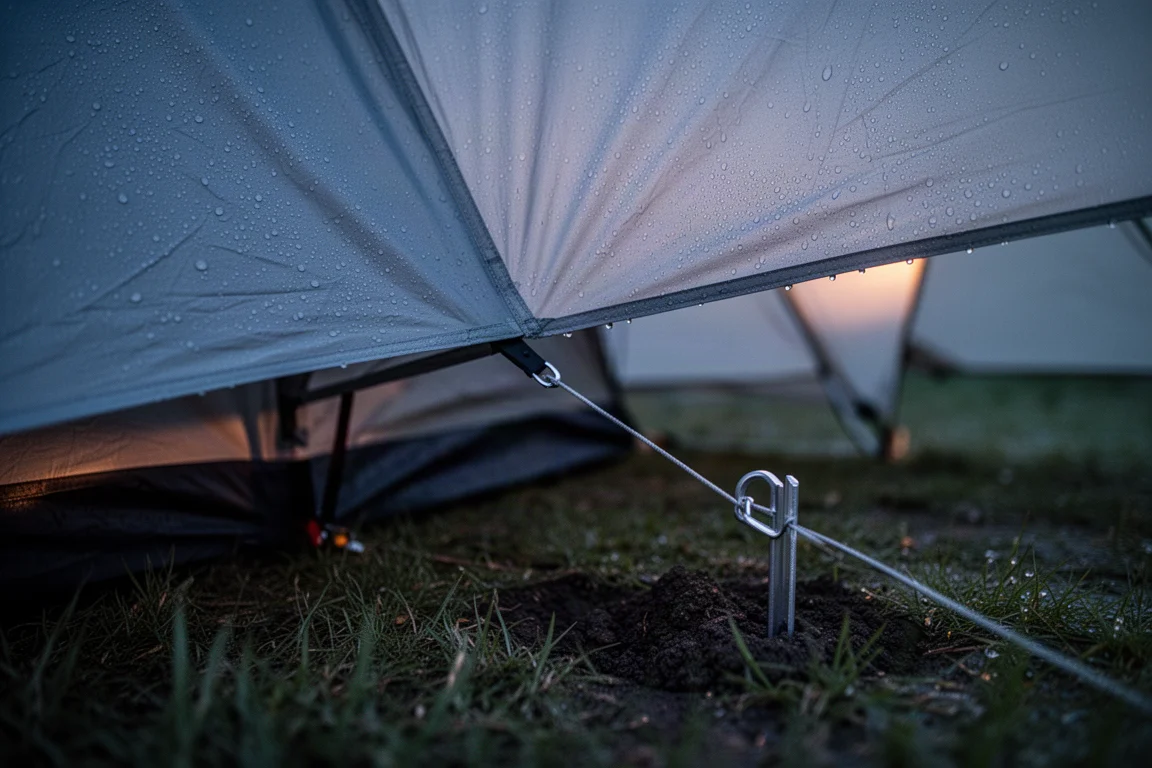
Finally, waterproofing in sustained rain and condensation behaviour still need to be confirmed in the field, so plan your first outings with that in mind.
Versions, Materials, and Pricing
The tent is offered in green, red, blue, navy blue, and orange, and the fly material depends on the colour you pick. Green, navy blue, and orange use a 20 denier nylon fly with a silicone coating and PU treatment rated to 4,000 mm. Red and standard blue use a 210T nylon fly with a PU coating rated to 3,000 mm.
The 20 denier fly is slightly more waterproof and lighter, but slightly weaker. The 210T fly is stronger, handles a little more wind and snow, and performs better under sun exposure. In practice, the two versions perform very similarly, so choosing the colour you prefer is a reasonable way to decide.
The inner tent is a 210T ripstop polyester B3 mesh across all versions, and the floor is a 150 denier ripstop Oxford polyester.
Retail price is $115. Finding it for around $80 to $90 is common, and it has been available for roughly $90 online and directly from Nature Hike on sale for about $80.
Buying Advice
If a small packed size, quick setup, and a low price matter more than the lowest possible weight or winter capability, the Spider One is a sensible buy. Pick the colour and fly version you prefer rather than agonizing over the material differences, since the real-world gap between them is small.
Plan on staking it out at all four corners every time, and budget a few minutes to add shock cord at the rear and the front door to get a tauter pitch. Treat it as a warm-weather shelter, and leave it at home when storms or freezing conditions are on the forecast.
At this price, the high hydrostatic head ratings, the nylon fly, and the clean construction are the reasons to feel confident in the purchase. Condensation control and rain performance are the two things worth watching on your first trips out.
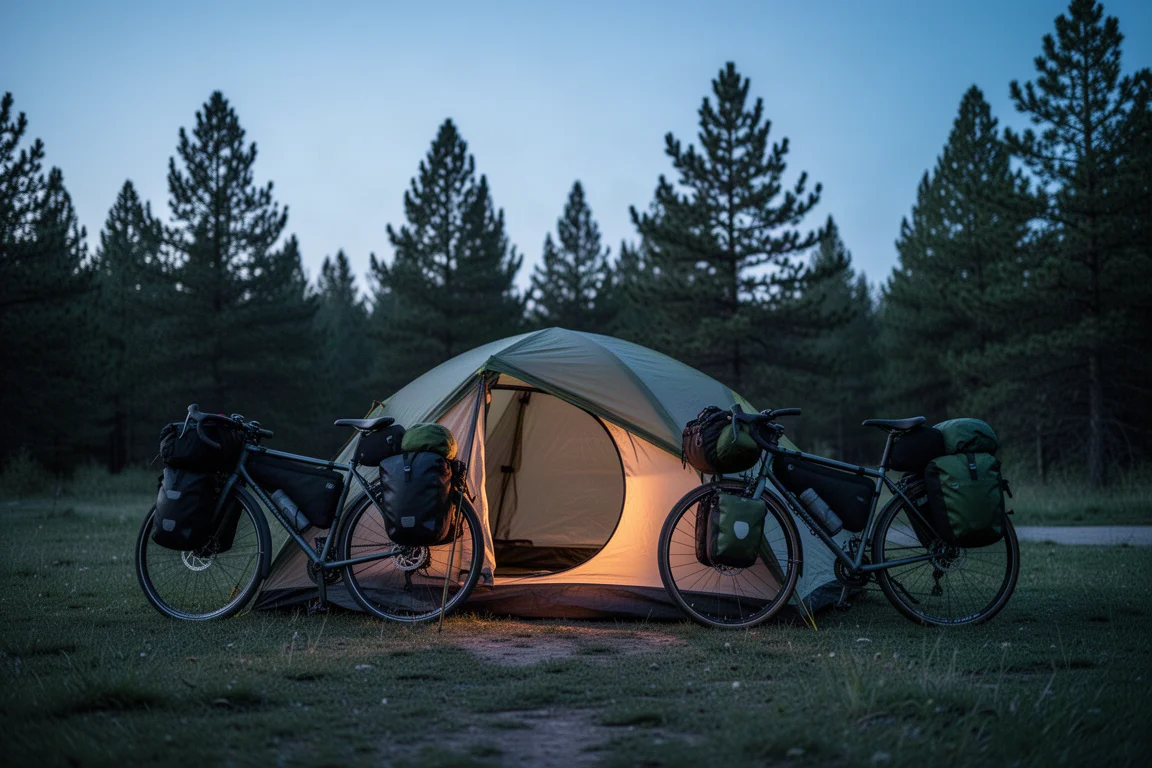
For backpackers and cycle tourists who want an affordable, easy-to-pitch shelter and are willing to work around its ventilation quirks, it is a straightforward option.
Conclusion
The Nature Hike Spider One delivers a genuinely small pack size, a simple single-pole pitch, and impressive build quality for a tent that often sells for under $100. Its limits are clear: it is a three-season shelter, it needs staking out to pitch well, and the fly sits too close to the body for strong airflow. Set those expectations up front and it makes a practical, low-cost choice for warm-weather backpacking and cycle touring.
Product link
View more details for Nature Hike Spider One
This product is mentioned in the review. Check the specifications, options, and compatibility before buying.
View more details for Nature Hike Spider OneFurther reading
Related Reviews
Camping Tents
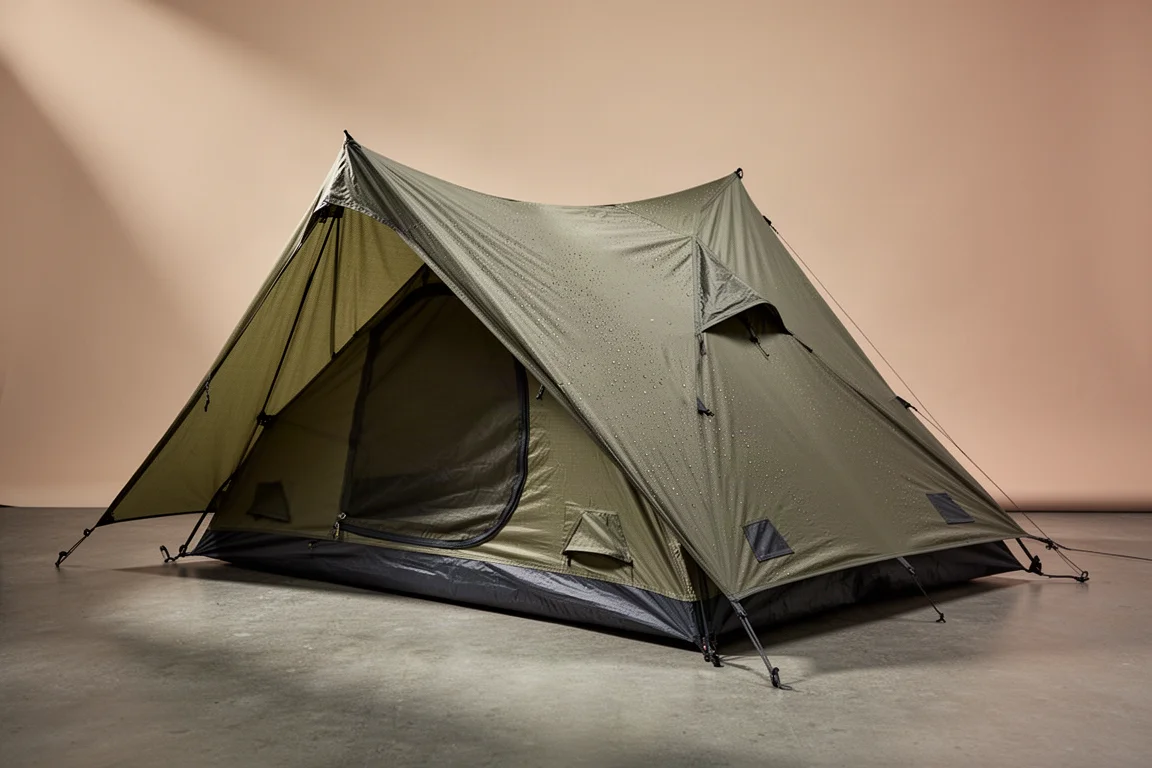
3F UL Gear Taiji Two-Person Tent Review: Field Waterproofing Results and Buying Advice
The Taiji pairs an attached fly with a removable inner, but sustained rain exposed untaped vent seams that need sealing before this shelter can be trusted.
Camping Tents
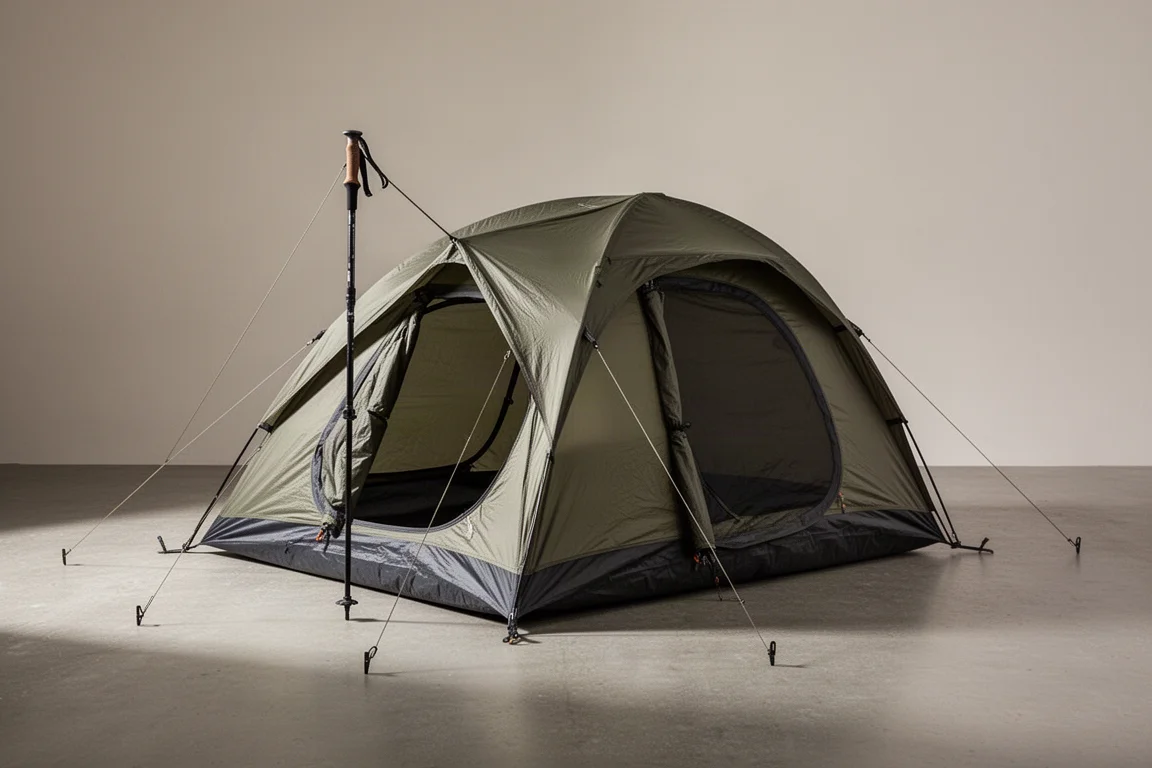
3FUL Gear Lanshan 2 Pro 4-Season Review: A Sub-$200 Single-Wall Trekking Pole Tent
An early look at the 3FUL Gear Lanshan 2 Pro 4-Season, covering its straightforward pitch, generous interior space, and the condensation and seam-sealing questions that come with any single-wall shelter.
Camping Tents
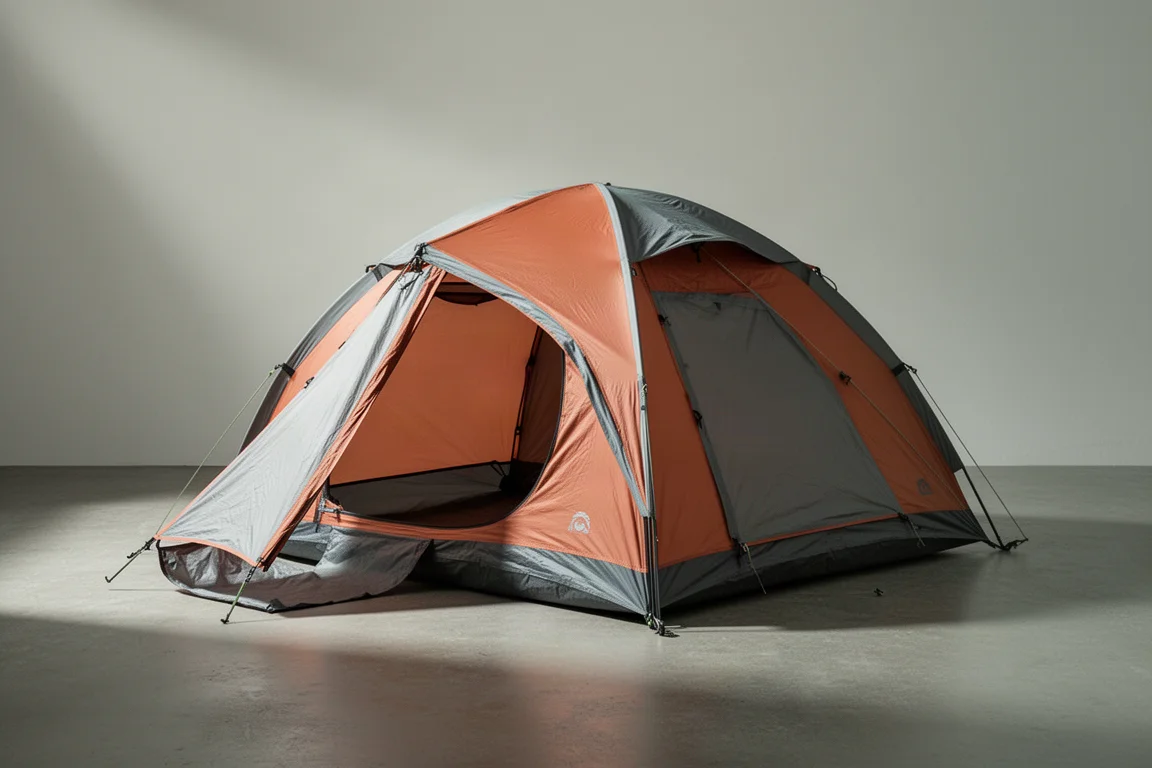
Alps Mountaineering Lynx 1-Person Tent Review: Big Value in a Small Budget Tent
A close look at the Alps Mountaineering Lynx 1-Person Tent, covering real interior dimensions, materials, setup time, ventilation limits, and who should buy it.