Camping Gear
Nature Hike Mongar 2 Vestibule Review: Covered Gear Space With Real Limits
A close look at the Nature Hike Mongar 2 vestibule add-on: what ships in the kit, how it attaches to the tent frame, and whether the extra storage justifies the price.
Introduction
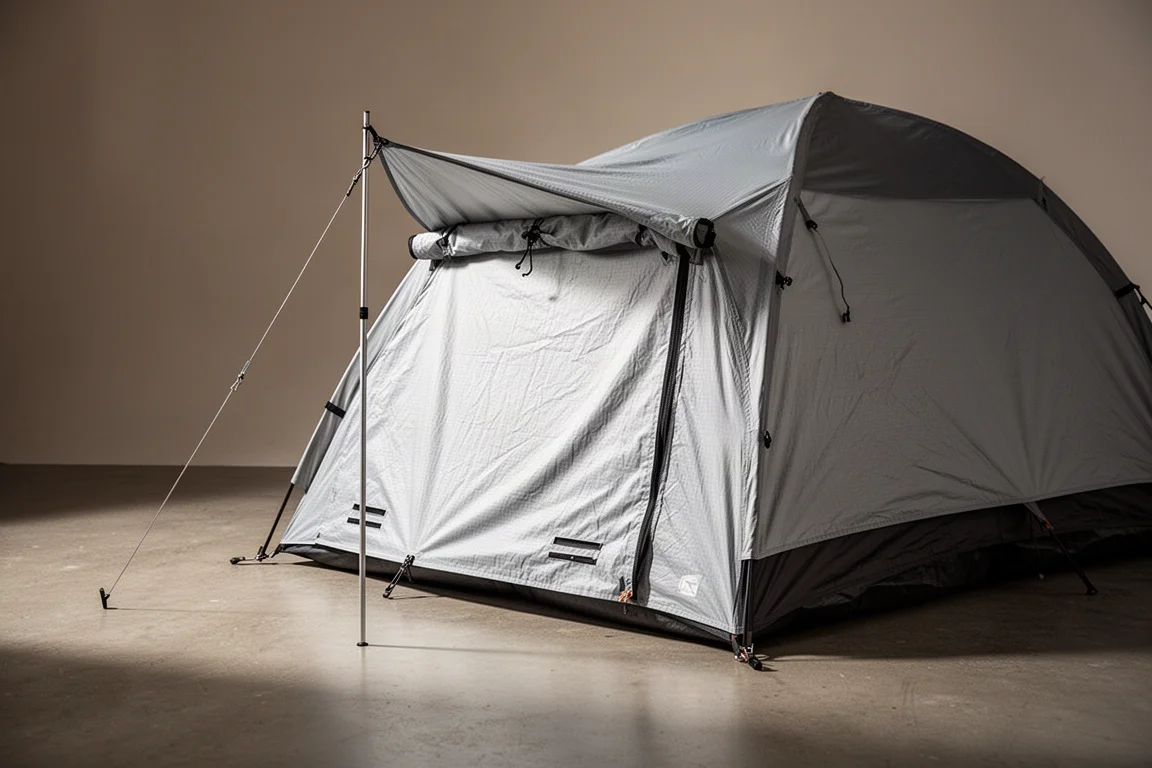
The Nature Hike Mongar 2 has built a solid following as a genuinely roomy two-person tent that keeps the weather out without a premium price. The Mongar 2 vestibule is an add-on that extends that same platform outward, clipping a covered enclosure over one of the tent’s doorways so packs, boots, and bulky gear can live outside the sleeping area.
One thing is worth knowing before anything else. Nature Hike publishes very little about this accessory. The product page lists the material, the weight, the color, and the price, and stops there. Setup dimensions, packed dimensions, and a hydrostatic head rating for the fabric are all missing. That gap matters, because the figures buyers normally rely on to judge a shelter are simply not available here.
Who This Vestibule Is For
This is a storage product, and that distinction shapes everything about it. The enclosure is tall enough at its peak to shelter equipment, but it is far too low to sit in. Even a folding chair will not fit comfortably underneath, which means anyone hoping for a covered porch to relax in should look elsewhere.
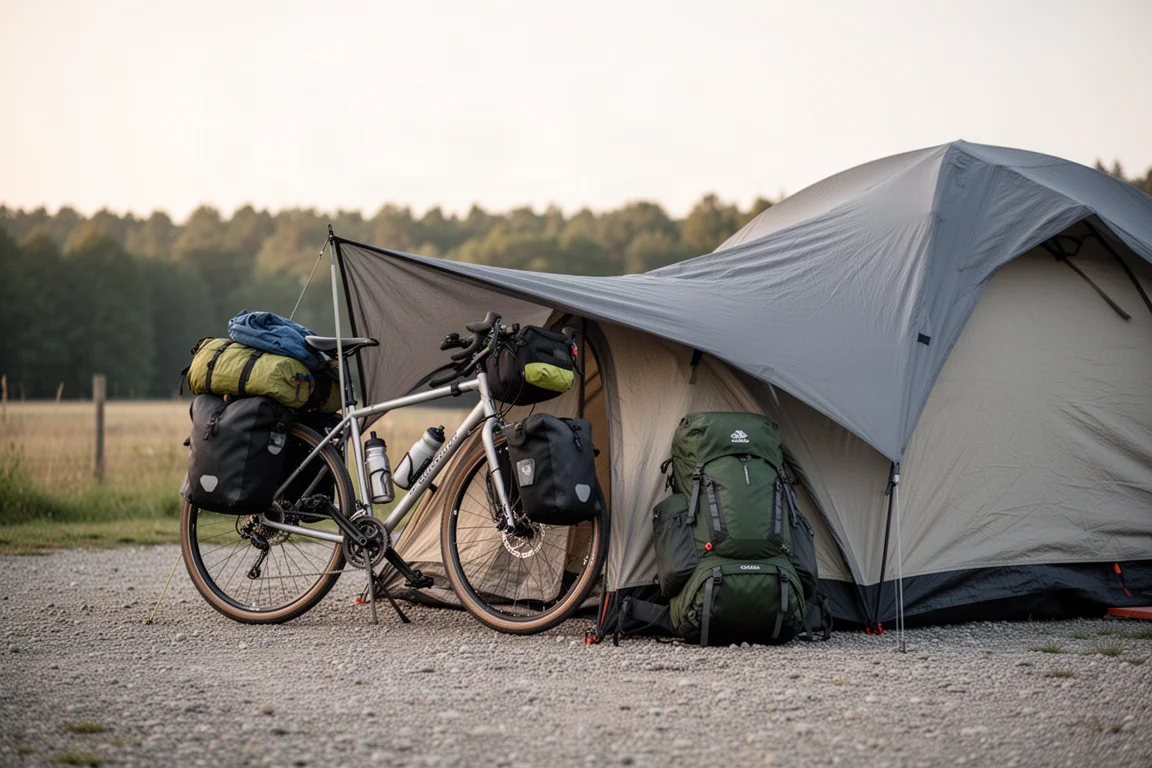
What it does offer is volume. Packs, boots, cooking gear, and wet layers can stay outside the inner tent while still being protected from rain. For bikepackers, most of a bike will fit underneath, though not the whole thing. If the goal is keeping the tent interior clean and dry, the concept makes sense.
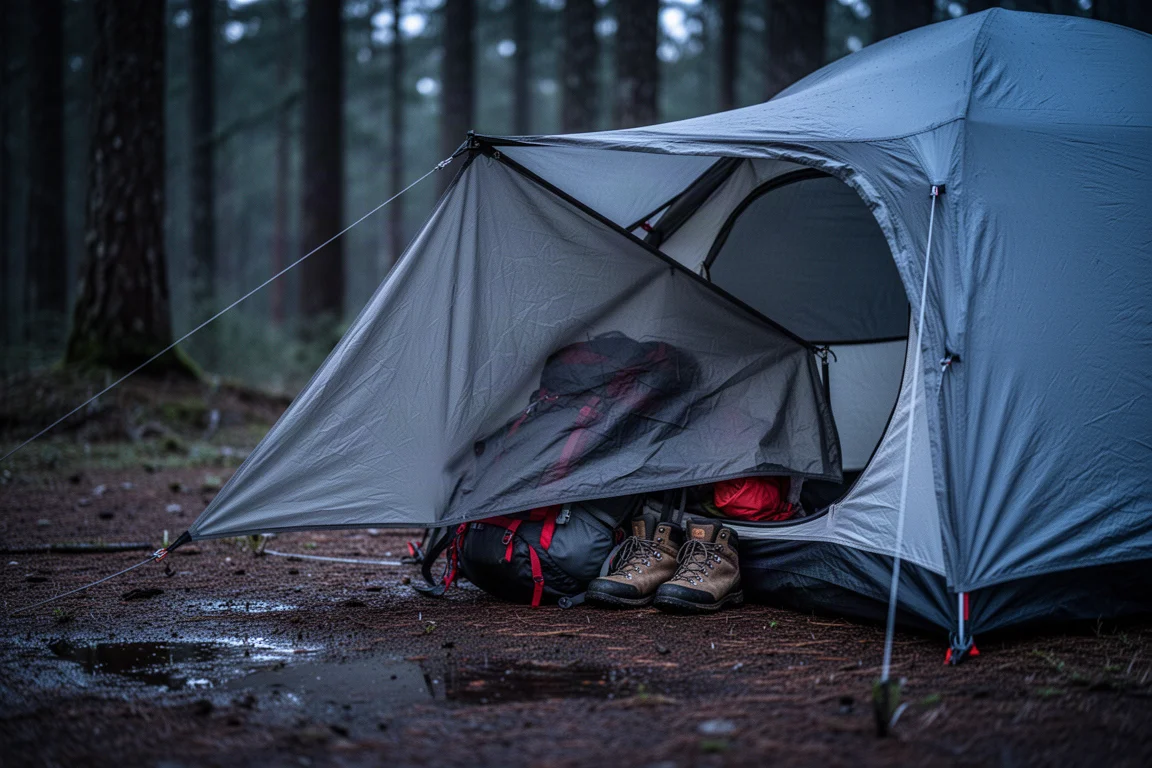
The trade-off is orientation. The vestibule has a single door, so it has to be mounted on the side of the tent that matches how you want to enter and exit.
What Comes in the Kit and How It Attaches
The kit arrives with the vestibule itself, a storage bag, a strap, one aluminum pole, three guy lines, five tent stakes, and a set of setup instructions. The packed form measures roughly 16.5 inches long and about 3.5 inches wide, and the whole package weighs 1.7 pounds.
Attachment works differently from a typical freestanding add-on. The vestibule borrows the tent’s own frame. A metal grommet slots underneath the tent’s grommet, the first clip sits above the tent’s first pole clip, and a second attachment point rides high on the side of the tent’s center. The pole then runs through a sleeve and is staked out, with the option to stake at the pole junction as well. Two straps anchor to the ground, one of them running underneath the vestibule to give it shape and stop the door from spreading. Two vents at the front and a storm flap over the zipper round out the weather-facing details.
Setup Process and Adjustment Tips
Setup is not complicated, but it is not quick either. Expect some trial and error working out which clip goes where and which way the single door should face. The sequence matters as well: the vestibule goes on before the fly.
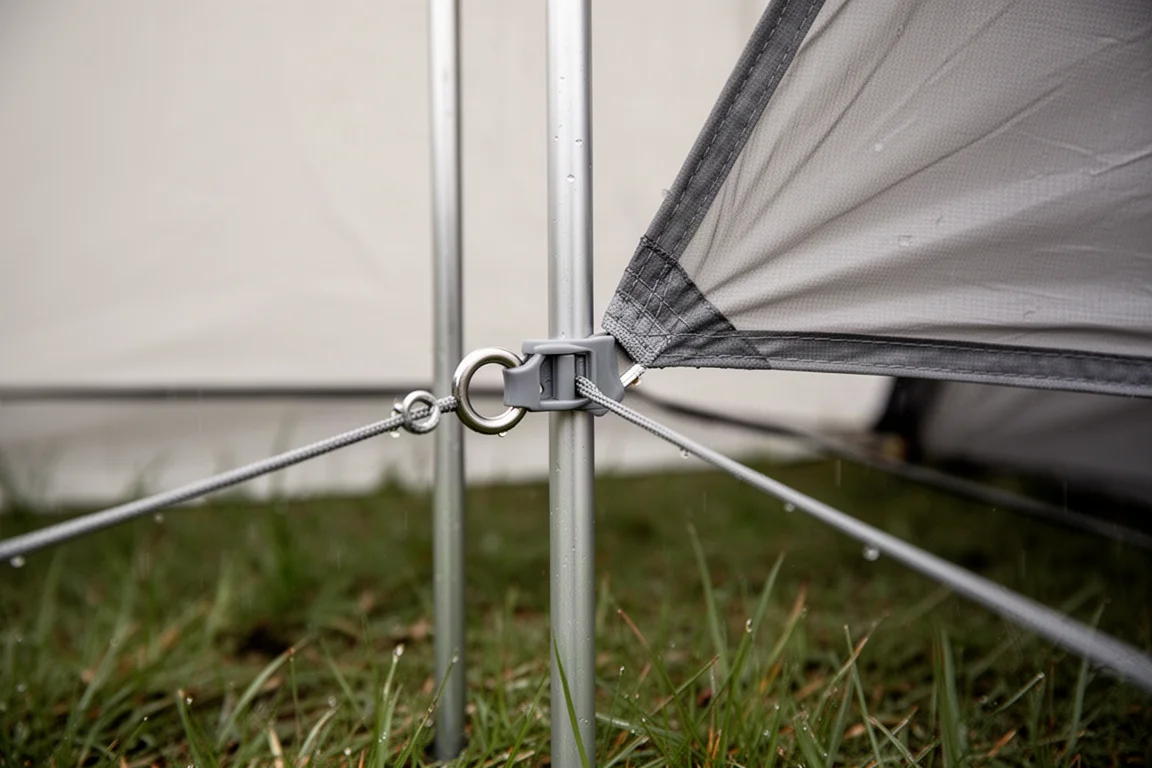
Adjustment is the part that rewards patience. The connection points should be tight enough that the grommet cannot slip off the pole, but not so tight that the tent body starts to deform. The fly then lays over the top of the vestibule, and the door on that side no longer zips shut. Instead it has to be unzipped and rolled back so the vestibule sits fully protected beneath it.
Main Strengths: Storage Volume and Materials
The measured interior is generous for an accessory: 33 inches of peak height, about 68 inches long, and roughly 64 inches wide at the widest point. That translates into a lot of covered storage area, and it is the strongest argument for the product.
The fabric is 20 denier nylon, and the materials are a genuine high point. Build quality is consistent with what Nature Hike generally delivers: not the most refined finish on the market, and loose threads do turn up, but the products hold up in use. Buyers who want tidier stitching can find it, usually at a noticeably higher price.
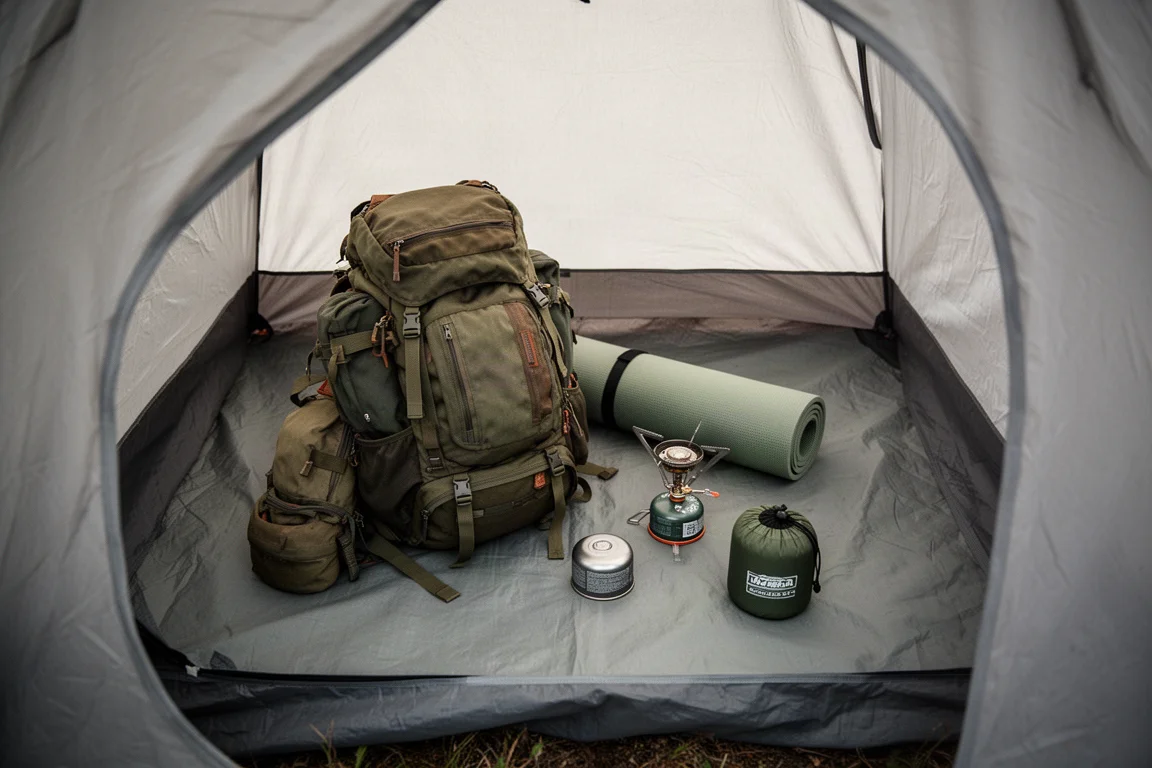
For anyone carrying camera gear, climbing equipment, or a full cooking setup, that volume is the difference between a tidy pitch and a tent floor covered in kit.
Things to Consider Before Buying
Three limitations are worth weighing carefully. The first is livability, or the lack of it. The brand’s own product imagery suggests a person tucked underneath the vestibule, and that picture does not reflect how the space actually works. It is gear storage and nothing more, and the product page would be clearer if it said so.
The second is color. The vestibule comes in one light gray finish only, while the Mongar 2 itself is sold in a wide range of colors, purple among them. On a colored tent, the mismatch is obvious.
The third is weight. Adding the vestibule to the tent brings the combined setup to around six pounds, which is not unreasonable for the extra space but is still meaningful for anyone counting grams.
Waterproofing and What Remains Unverified
Water resistance has not been confirmed on this accessory, and Nature Hike does not publish a hydrostatic head rating for the fabric. The Mongar 2 itself has performed well in wet conditions without leaking, which is a reasonable starting point for confidence, but it is not the same as a verified figure for the vestibule. Until that is properly tested, treat waterproofing as an open question rather than a given.
Buying Advice
At around $80, the vestibule is priced high for what it delivers. The Mongar 2 itself regularly sells in the $100 to $140 range, sometimes lower on promotion, so an accessory that costs most of what the tent does is a hard equation to justify. Availability adds another wrinkle: at the time of writing it can only be bought directly from Nature Hike, not through third-party retailers.
The honest recommendation is conditional. If you already own a Mongar 2 and regularly need dry storage for bulky gear on multi-day trips, the vestibule solves a real problem and the materials are sound. If you are hoping for extra living space, or you want a color that matches your tent, this is not the add-on to buy.
Conclusion
The Nature Hike Mongar 2 vestibule is a well-made storage extension with a narrow, specific purpose. It attaches to the tent’s existing frame, adds a substantial footprint of covered space, and uses the same durable 20 denier nylon found across the brand’s lineup. It is also short, single-door, available in one color, and priced close to the tent it belongs to. Buy it for gear, not for people.
Product link
View more details for Nature Hike Mongar 2 Vestibule
This product is mentioned in the review. Check the specifications, options, and compatibility before buying.
View more details for Nature Hike Mongar 2 VestibuleFurther reading
Related Reviews
Camping Gear
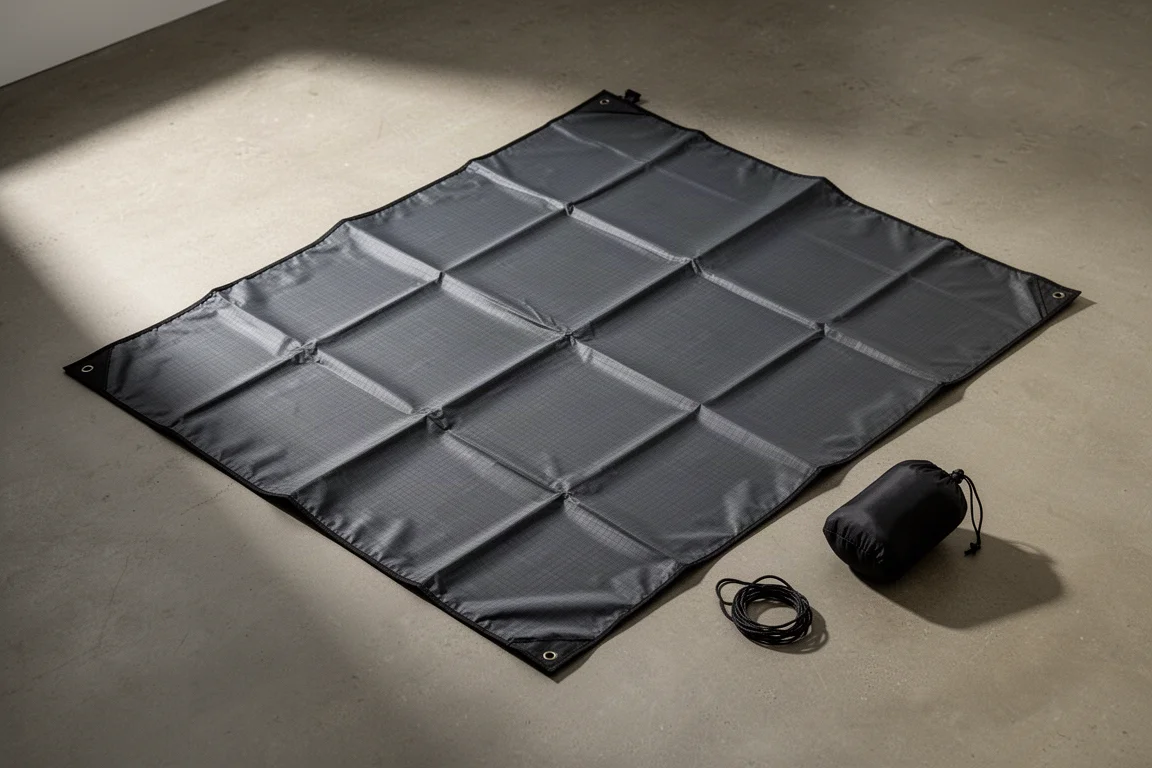
3FUL Ultralight Ground Sheet Review: A Two-Person Footprint Worth Packing
A 6.7 oz two-person ground sheet in ripstop silnylon, priced around $30. Here is what it protects, what it does not do, and who should pack it.
Camping Gear
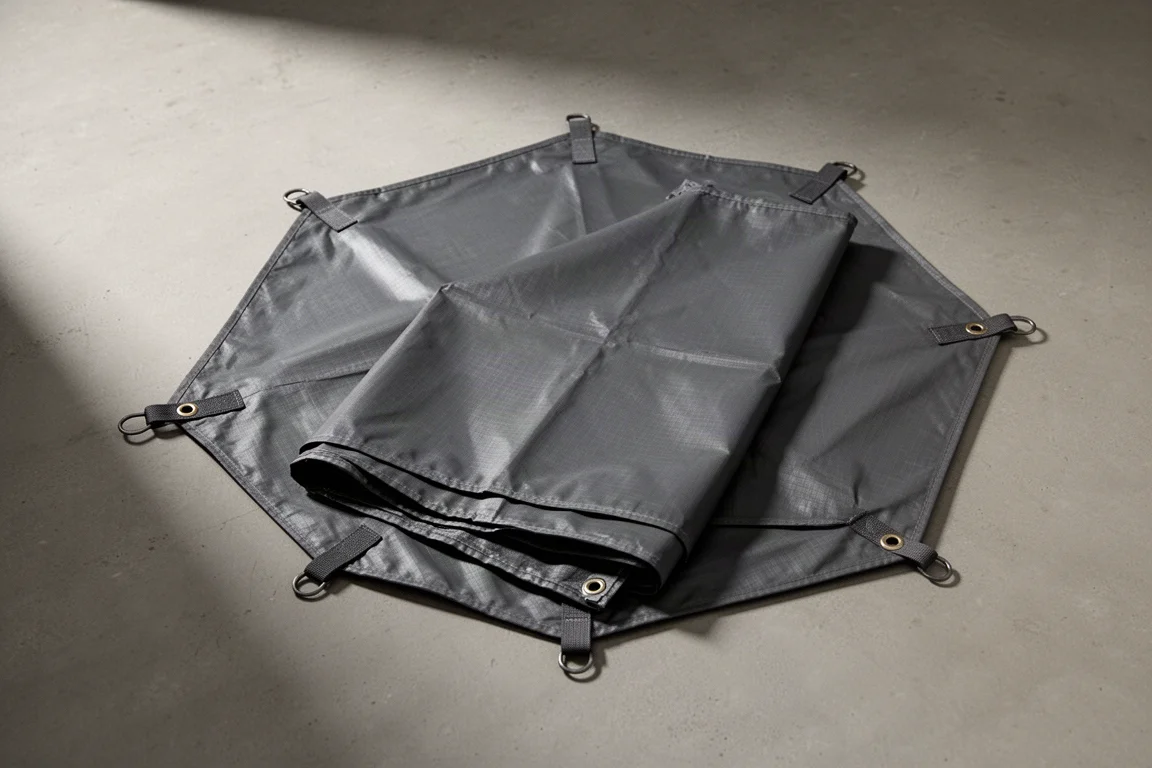
Backcountry Light Dual-Function Tarp and Floor Review: A Footprint First
A dual-purpose tent floor and tarp that keeps falling rain off you, but cannot block wind. Here is where it works and where it does not.
Camping Gear
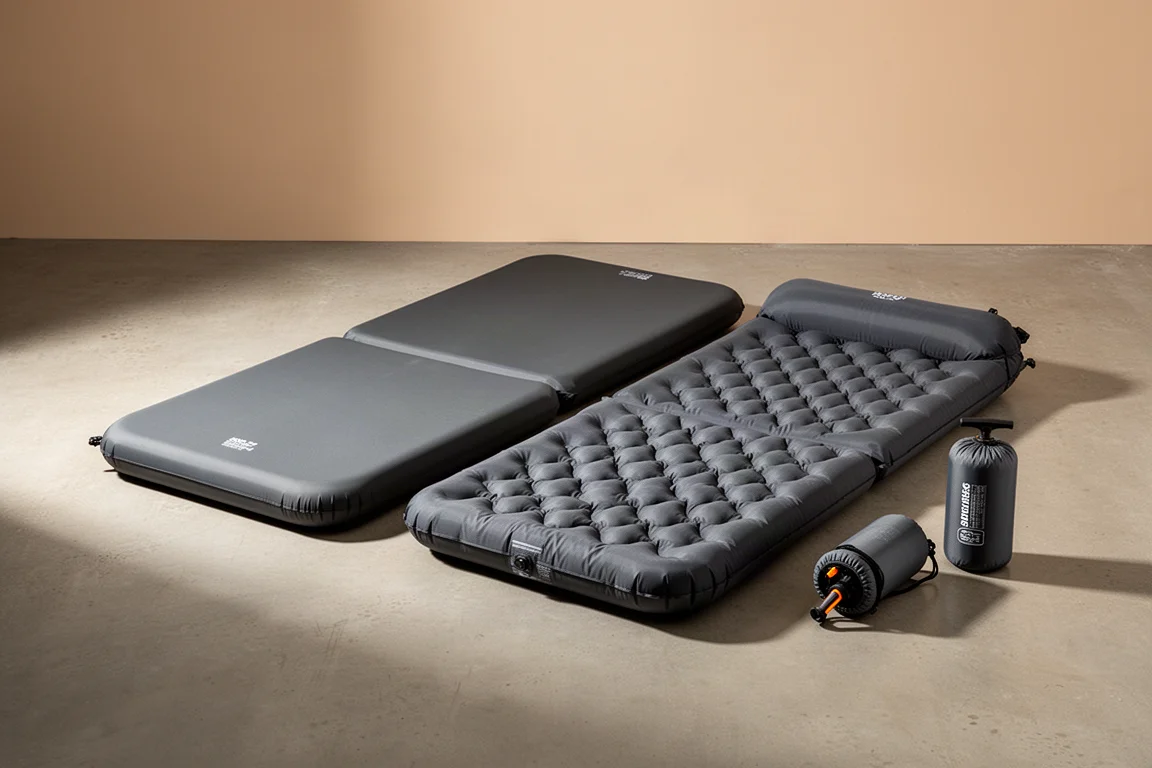
Best 2-Person Camping Mattresses for Couples: 10 Options Compared
A practical comparison of ten two-person camping mattresses, covering self-inflating pads, air pads and air mattresses for couples.