Camping Gear
Nature Hike Mongar 2 Vestibule Add-On Review: Covered Gear Storage, Not Living Space
A close look at the Nature Hike Mongar 2 vestibule add-on: what comes in the kit, how it attaches to the tent frame, and why its 33 inch peak makes it gear storage rather than living space.
Introduction
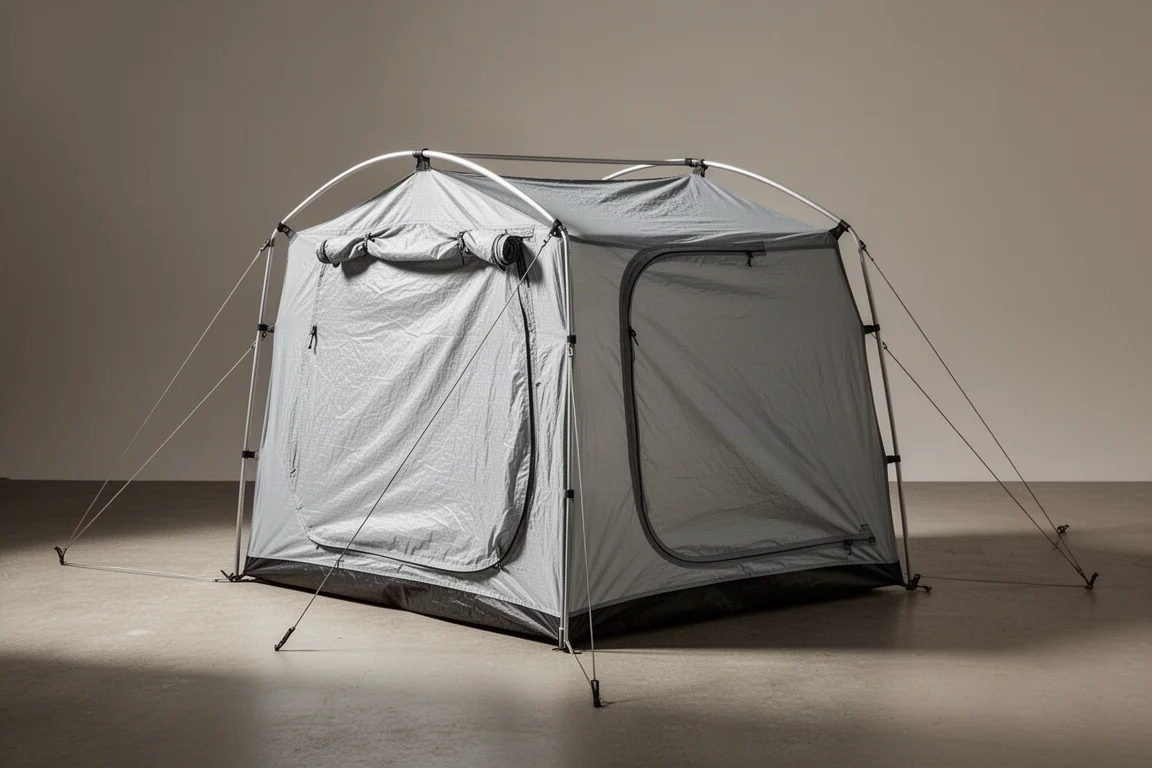
The Nature Hike Mongar 2 has built a solid reputation as a roomy two-person tent: large for its class, dependable in wet weather, and priced well below many comparable shelters. It also comes in a wide spread of colors. The vestibule add-on is a separate accessory that clips onto the same frame and creates a covered alcove in front of one of the doors.
The idea is straightforward: more covered room for gear. The execution is more specific than the marketing suggests. Once pitched, this is a storage extension with a 33 inch peak height, not a second living space, and at $80 it is priced close to what a discounted Mongar 2 itself sometimes sells for. Here is what the add-on includes, how it attaches, and who should consider it.
Who This Vestibule Is For
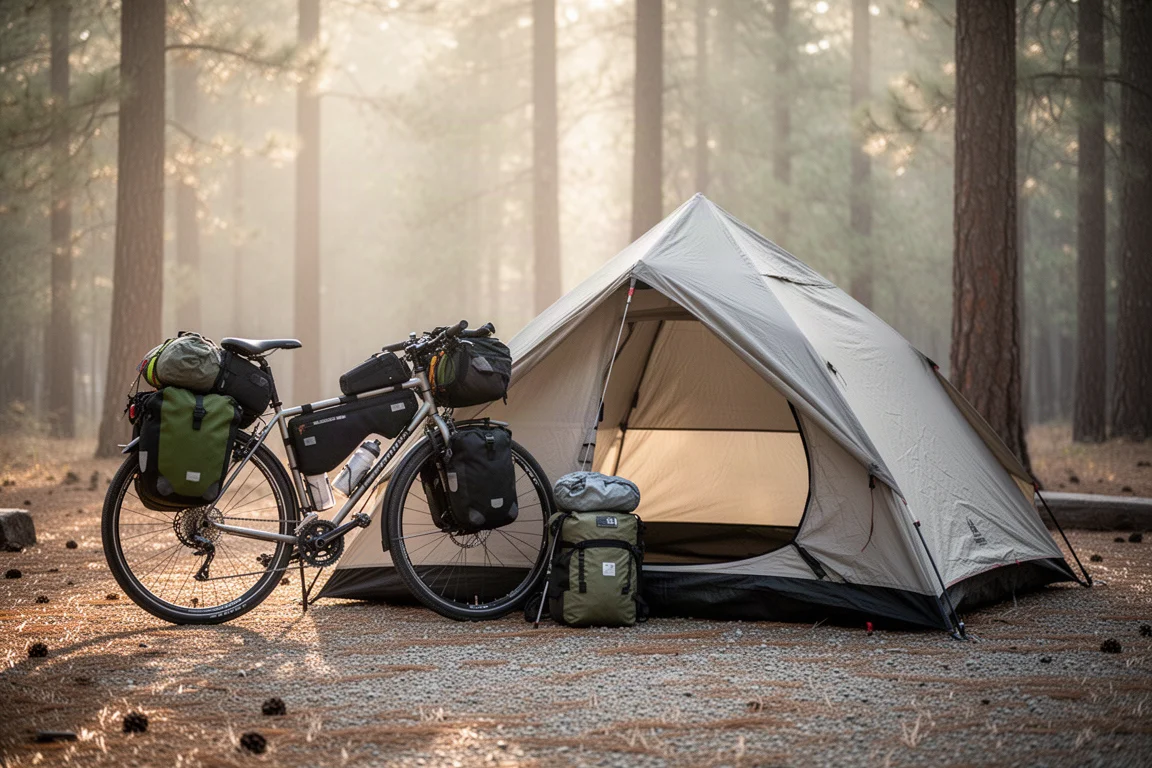
This add-on makes sense for owners of the Mongar 2 who want a dry, covered place to keep equipment out of the sleeping area. That includes backpackers travelling with bulky packs, family campers carrying duffels and coolers, and bikepackers who want their bike out of the weather overnight. The covered footprint is generous enough that most of a loaded touring bike fits underneath, though not quite all of it.
It is not a solution for anyone hoping to gain headroom, a second seating area, or a place to change clothes standing up. Anyone who wants to sit in a camp chair under shelter should look at a larger tarp or a tent with a genuinely tall porch instead.
Orientation is the other practical decision. The vestibule can attach to either the front or the back door side, so the choice comes down to how you want the single door facing relative to the rest of your camp setup.
Main Strengths
The first strength is sheer covered volume. Measured at the widest point, the vestibule extends about 68 inches long and about 64 inches wide, which is a substantial amount of floor area for gear.
Materials are another point in its favour. The fabric is a 20 denier nylon, and the material quality reads as strong for this price bracket. The kit is also reasonably light for the space it adds: 1.7 pounds including the pole, lines, and stakes. Paired with the Mongar 2, the total comes to roughly 6 pounds, which is manageable for campers who genuinely need the extra room.
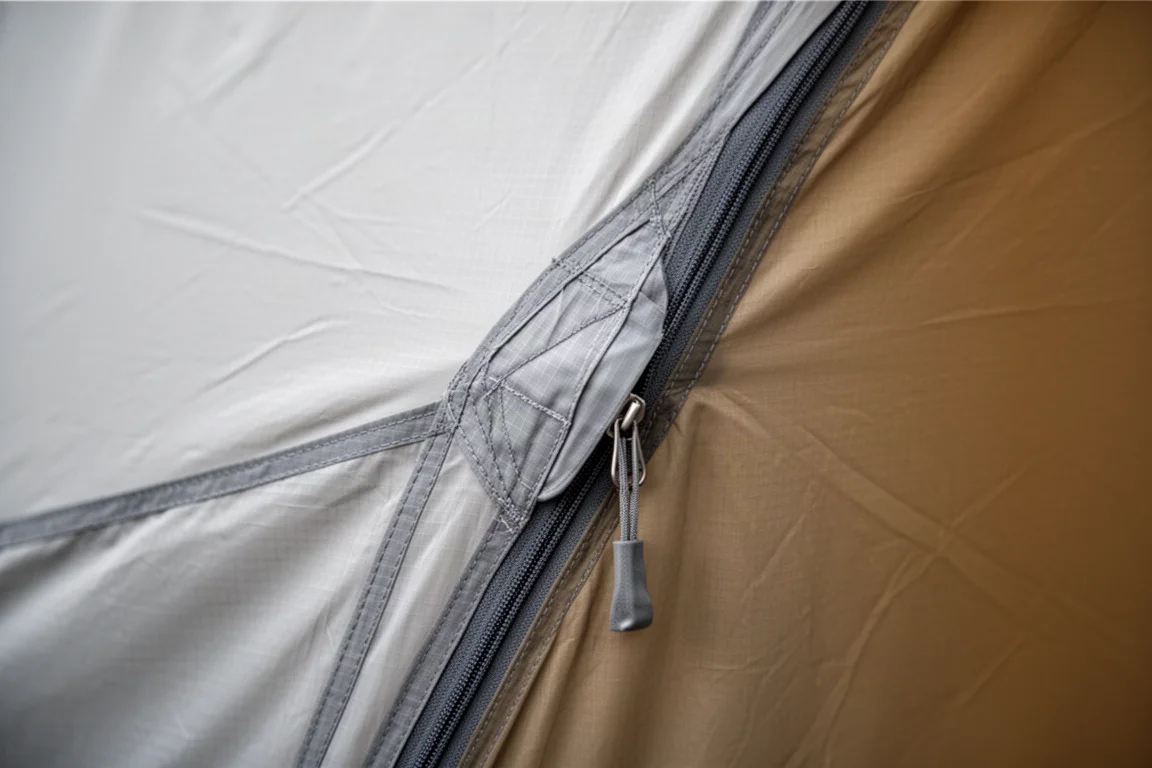
The accessory is complete out of the box as well. Everything needed to pitch it is included, and the front of the shelter has two vents, several guy line attachment points, and a storm flap covering the zipper.
What Comes in the Kit and How It Attaches
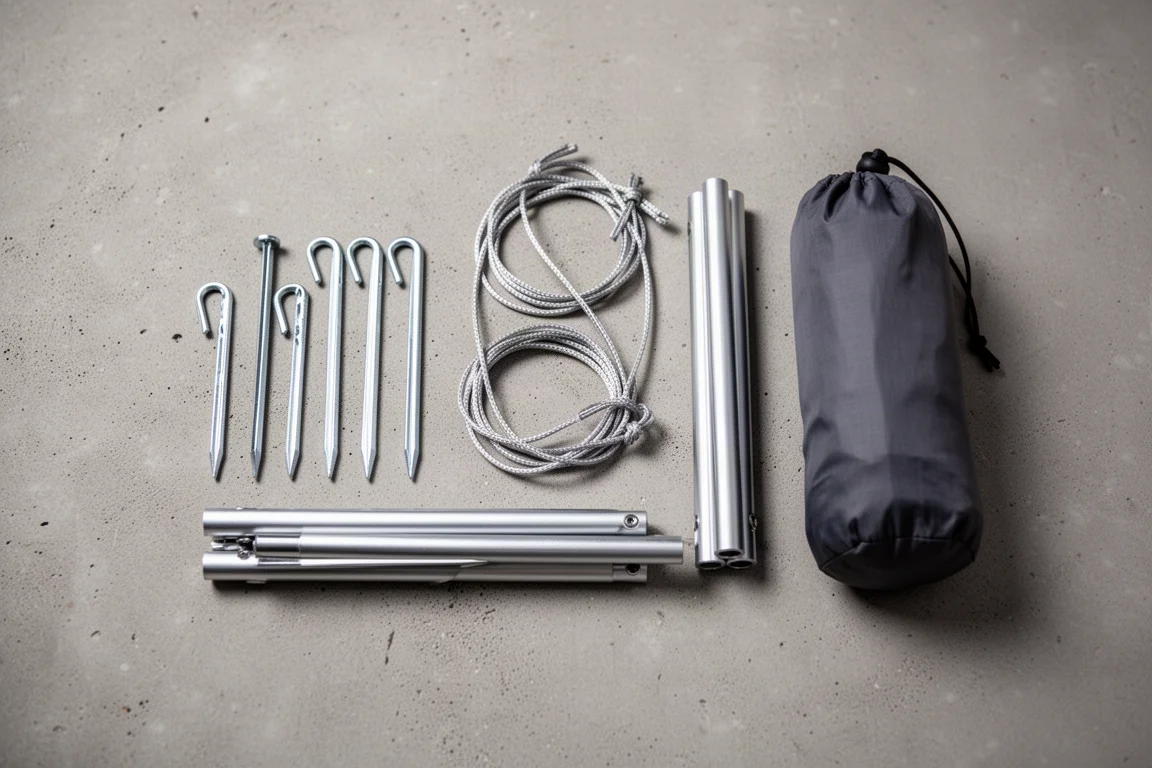
The package contains the vestibule itself, one aluminum pole, three guy lines, five tent stakes, a strap, a storage bag, and setup instructions tucked inside the bag. Nature Hike publishes very little beyond that: the materials, the weight, the color, and the price. There is no setup dimension listed, no stored dimension listed, and no hydrostatic head rating for the fabric.
Attachment relies on the tent’s own frame. The vestibule clips onto the same poles that hold up the Mongar 2, so the tent frame effectively becomes the vestibule frame. A metal grommet on the vestibule sits underneath the tent’s grommet, and the first clip attaches above the tent’s first pole clip. Both points are adjustable. A second attachment sits high on the side, at the centre of the tent, where a frame pole runs through a sleeve before being staked out. The vestibule can also be staked at the pole junction.
Two straps do the shaping work, and they are the part most likely to cause confusion. One runs along the ground and the other passes underneath the vestibule, which gives the alcove its shape and stops the door from spreading too wide.
The vestibule goes up before the fly. The fly then lays over the top of it. On that side the fly door does not zip shut, so the sequence is to unzip it, lay it over the vestibule, roll up the doors, and zip down far enough that the vestibule is fully covered.
Setup Notes and Adjustment Tips
Setup is not complicated, but it does take time. The main delay is working out which clip goes where and which orientation you want, since the vestibule has only one door and the attachment points are not symmetrical. Budget a few extra minutes at camp the first time, and noticeably less once the sequence becomes familiar.
Adjustment needs a light touch. The connection to the tent body should be tight enough that the grommet cannot slip off the pole, but not so tight that the tent body deforms. Getting that balance right takes a couple of attempts, and it is worth practising at home rather than in the rain.
Things to Consider Before Buying
The single biggest limitation is height. The peak measures 33 inches, which is too low to sit in a camp chair and low enough that moving around inside means being on your hands and knees. This is storage space and nothing else. Product imagery showing a person tucked underneath sets an expectation the accessory cannot meet, and a clearer statement that it is for gear would serve buyers better.
Color is a smaller but real annoyance. The vestibule comes in one light gray finish only, and against the many Mongar 2 colorways it does not match. Whether that matters is a personal call.
Weight and price deserve equal scrutiny. Adding the vestibule brings a Mongar 2 setup to around 6 pounds, which is a noticeable gain for gear storage alone. At $80, the add-on also sits close to the sale price of the tent it attaches to, and for what it offers, that ratio is hard to justify. Waterproofing is another open question: no hydrostatic head rating is published, and rain performance has not been confirmed. Availability is limited as well, since the accessory is sold only through the Nature Hike website.
Space in Practice: What the Add-On Actually Gives You
At the widest point, the alcove runs roughly 68 inches long and 64 inches wide, with a 33 inch peak. Laid out, that is enough for a loaded touring bike for the most part, along with packs, duffels, and gear bins that would otherwise crowd the sleeping area.
What it is not is a room. There is no comfortable seated position, no standing room, and no realistic way for two people to shelter underneath together. Treated as a weatherproof gear locker attached to the tent, the sizing makes sense. Treated as an extra living space, it will disappoint.
That framing is worth holding onto before ordering. Campers who want covered storage for the things they would rather not leave outside will find the space genuinely useful. Campers who want somewhere to wait out a rain shower in a chair will not.
Buying Advice
Buy the vestibule if you already own a Mongar 2 and your main frustration is where to put gear during wet or dusty trips. It adds a large covered footprint, uses solid 20 denier nylon, and packs down to a modest 1.7 pounds. For bike touring, backpacking with bulky loads, or family camping, the extra covered area can change how the tent lives.
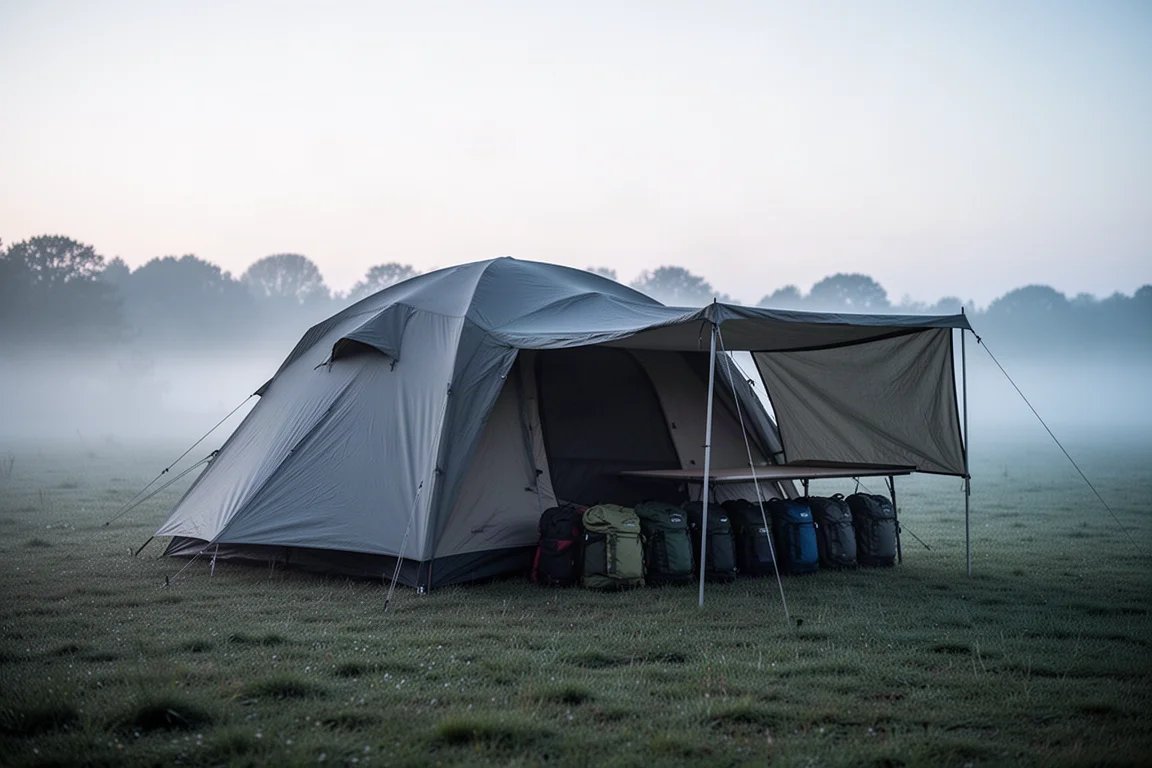
Skip it if headroom, seating, or a second sheltered area matter to you, if the light gray color will bother you against a colored tent, or if $80 feels steep next to the price of the tent itself. In those cases, a lightweight tarp or a larger porch design will serve you better.
If you do buy, check the fit at home before your trip. Practise the clip sequence, confirm which door side you want the alcove on, and test the strap routing. Those fifteen minutes at home save a frustrating stretch at camp in bad weather.
Conclusion
The Nature Hike Mongar 2 vestibule add-on is a specialised accessory with a narrow, clearly defined job: covered storage attached to an already capable tent. It delivers real volume in a light package and uses quality fabric, but its 33 inch peak, single gray colorway, and $80 price tag limit how many campers will find it worthwhile. Buy it for gear. Do not buy it for people.
Product link
View more details for Nature Hike Mongar 2 Vestibule Add-On
This product is mentioned in the review. Check the specifications, options, and compatibility before buying.
View more details for Nature Hike Mongar 2 Vestibule Add-OnFurther reading
Related Reviews
Camping Gear
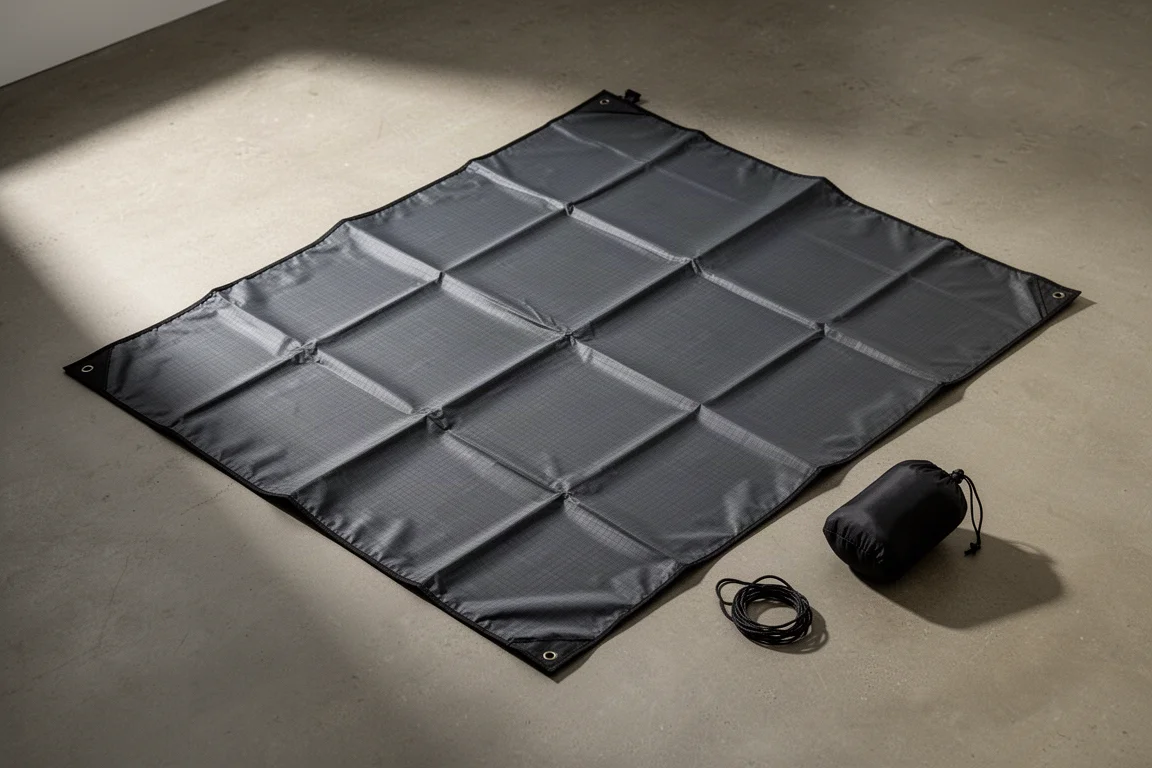
3FUL Ultralight Ground Sheet Review: A Two-Person Footprint Worth Packing
A 6.7 oz two-person ground sheet in ripstop silnylon, priced around $30. Here is what it protects, what it does not do, and who should pack it.
Camping Gear
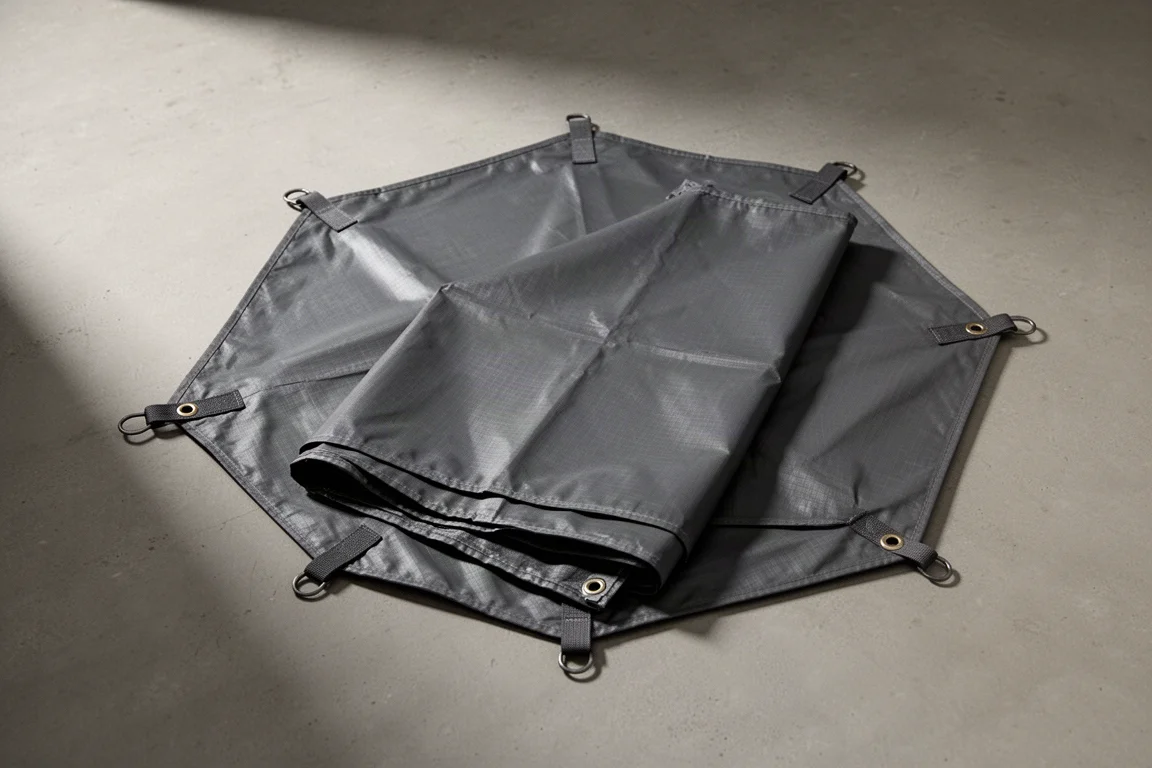
Backcountry Light Dual-Function Tarp and Floor Review: A Footprint First
A dual-purpose tent floor and tarp that keeps falling rain off you, but cannot block wind. Here is where it works and where it does not.
Camping Gear
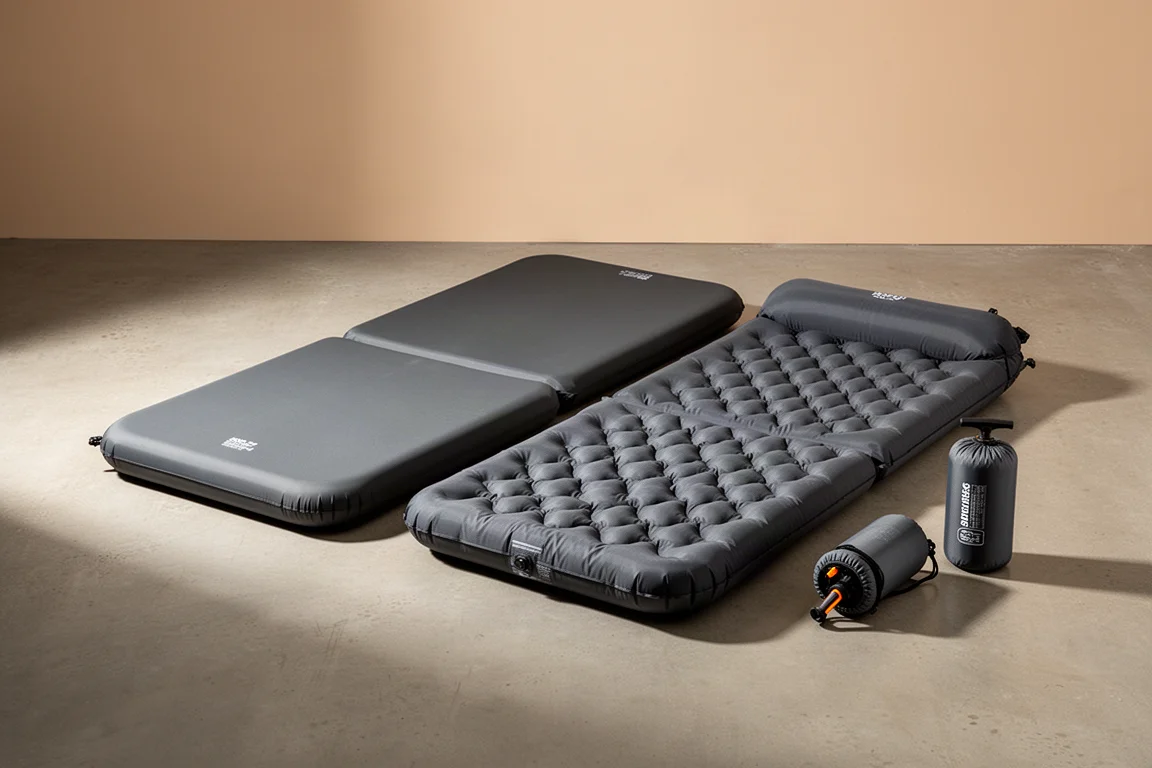
Best 2-Person Camping Mattresses for Couples: 10 Options Compared
A practical comparison of ten two-person camping mattresses, covering self-inflating pads, air pads and air mattresses for couples.