Performance Cars
Four Naturally Aspirated V8 Compact Executives: Mercedes C63 AMG Estate, Audi RS4 Avant, BMW M3, Lexus IS F
Two estates and two saloons from the golden era of big displacement: how the Mercedes C63 AMG Estate, Audi RS4 Avant, BMW M3 E90, and Lexus IS F compare today.
Introduction
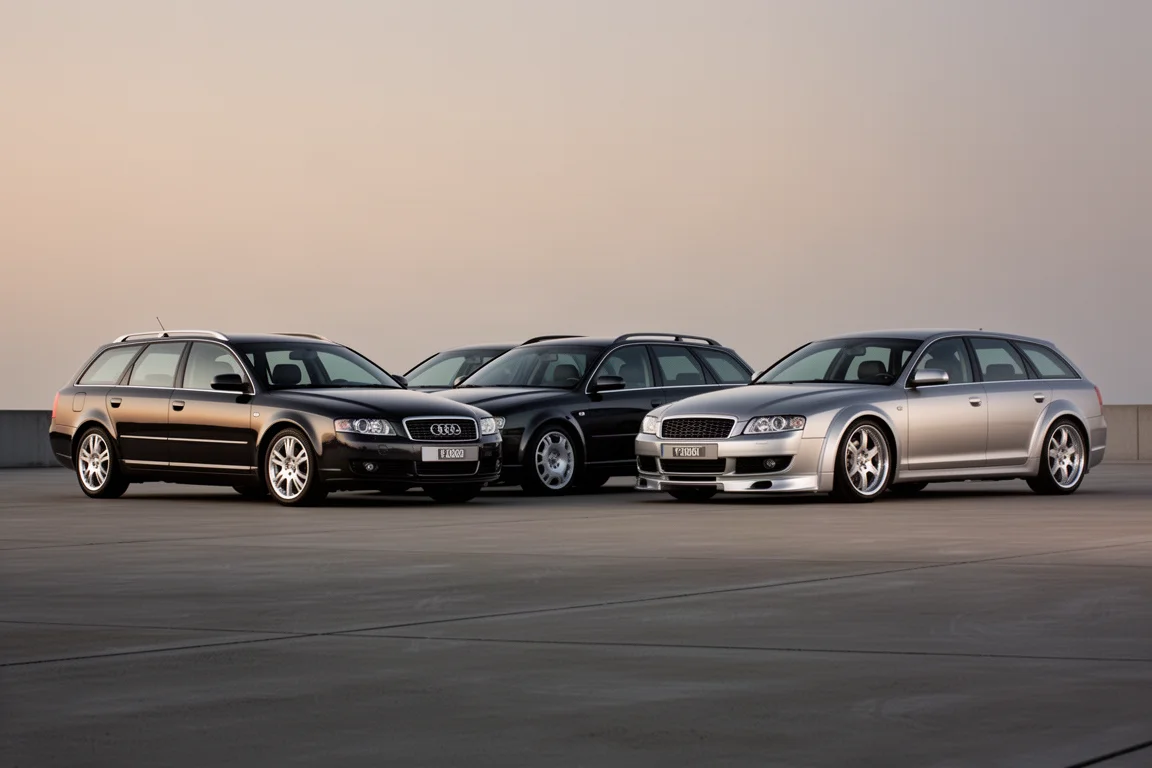
2008 was a funny time. It also produced something remarkable: a generation of compact executive performance cars with big-displacement, naturally aspirated V8s and relatively small dimensions. Two estates and two saloons from Mercedes-Benz, Audi, BMW, and Lexus represent what many consider the peak of this segment, developed without the restrictions of today’s regulations. Through a 2026 lens, they make a fascinating comparison, and each is unique in its own way.
Why These Four Cars?
The line-up is deliberate. The Audi RS4 Avant arrived first in 2005 and is often considered one of the finest RS models ever produced. The BMW M3 E90 followed in 2008 as the only V8 M3 ever made, fundamentally unlike its turbocharged straight-six successors. The Mercedes C63 AMG, here as an estate with the performance package, carries AMG’s first bespoke engine and somehow makes more power than its turbocharged successor. And the Lexus IS F was the first car to wear the F badge, a very different product to any Lexus before it, and the only one in this group that never received a follow-up.
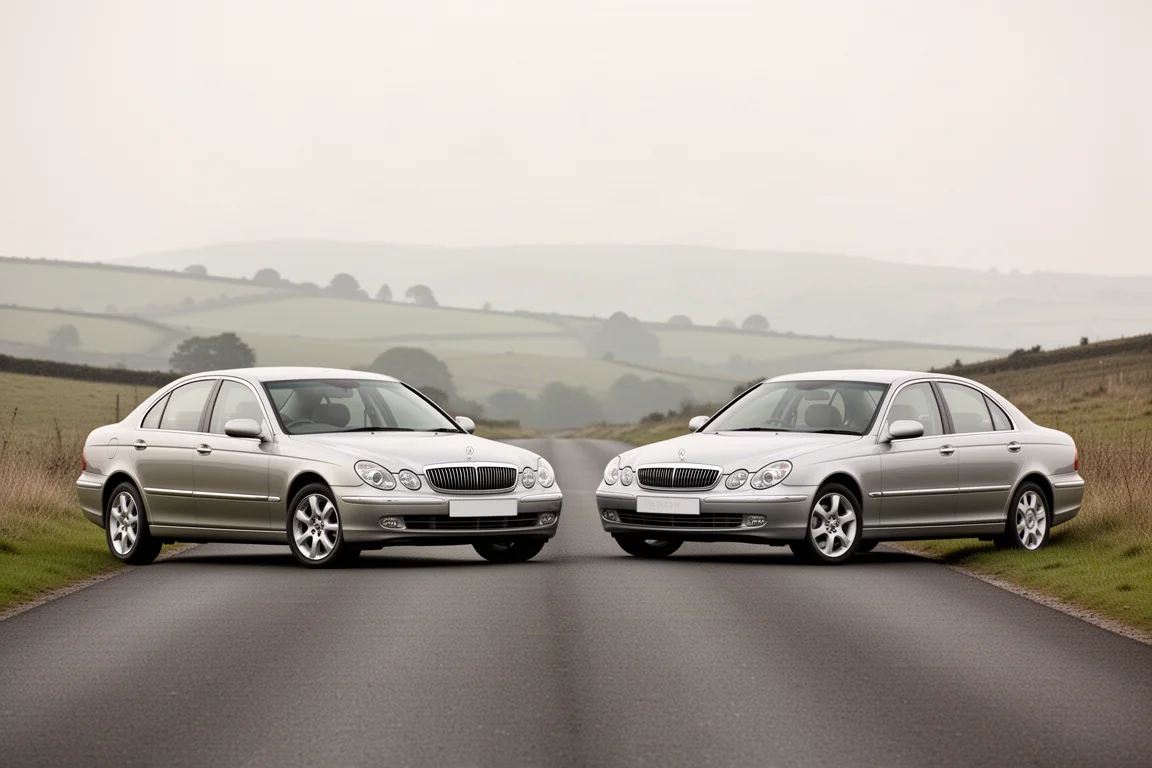
With today’s hybrid and turbocharged replacements, it is unlikely we will ever see another group of naturally aspirated V8 compact executives like this. That alone makes the era worth celebrating.
Lexus IS F: The Confused One
This is definitely the least loved of the four. You see the fewest on the road, but that is not entirely justified. It feels like a Lexus, which in this group is not necessarily what you want. The controls feel wrapped in a blanket of luxury, and you feel less connected to the road. Objectively, it is a good car: comfortable, great for long distances, with a 5.0-litre naturally aspirated V8 sending 417 horsepower to the rear wheels and 370 lb ft of torque. But it lacks the edge and theater that you really want from cars of this era.
The engine has the lowest redline of the group, and while a two-step intake system makes the upper rev range sound satisfying, there is not much reward up there. The IS F was an early adopter of significant hardware, including the first eight-speed automatic and an early electronically assisted steering system, but that steering is the only electronic system in this group and it shows. In a group of cars with hydraulic racks, it feels slightly disconnected and undermines confidence in the front end.
The gearbox feels snappy initially but occasionally does things you do not want. The interior is about as confused as the car’s character, a mixture of cruiser and F car, with an awkward automatic gear lever gate. The paddles are nicely weighted and the rear gets independent bucket seats, which is genuinely special, but many physical controls simply do not make sense to use.
Audi RS4 Avant (B7): The Composed All-Wheeler
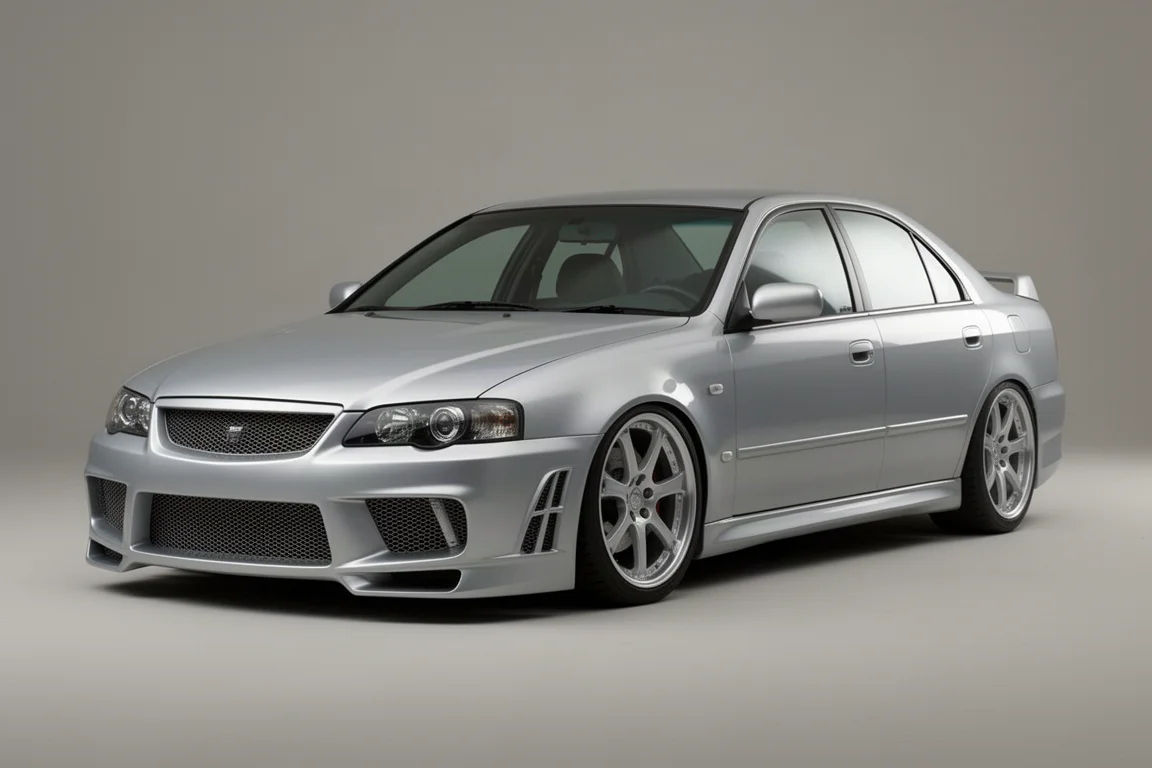
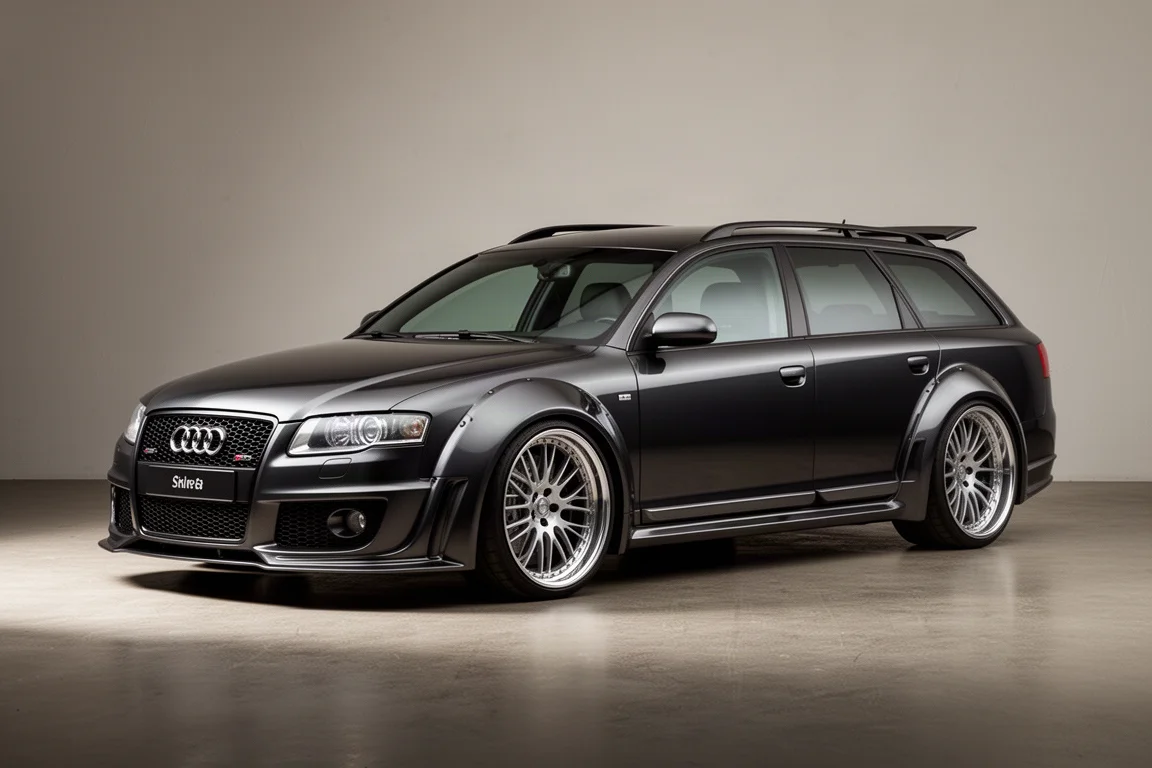
The oldest car here, launched in 2005, and it wears its age well. It shares its 4.2-litre naturally aspirated V8 and six-speed manual gearbox with the R8 V8, just over 410 brake horsepower, and while it is far from the quickest on paper and does not feel hugely quick, it is genuinely fun. The engine encourages you to use its full rev range toward the second-highest redline in this group, and it is much more engaging than the larger-displacement Lexus unit.
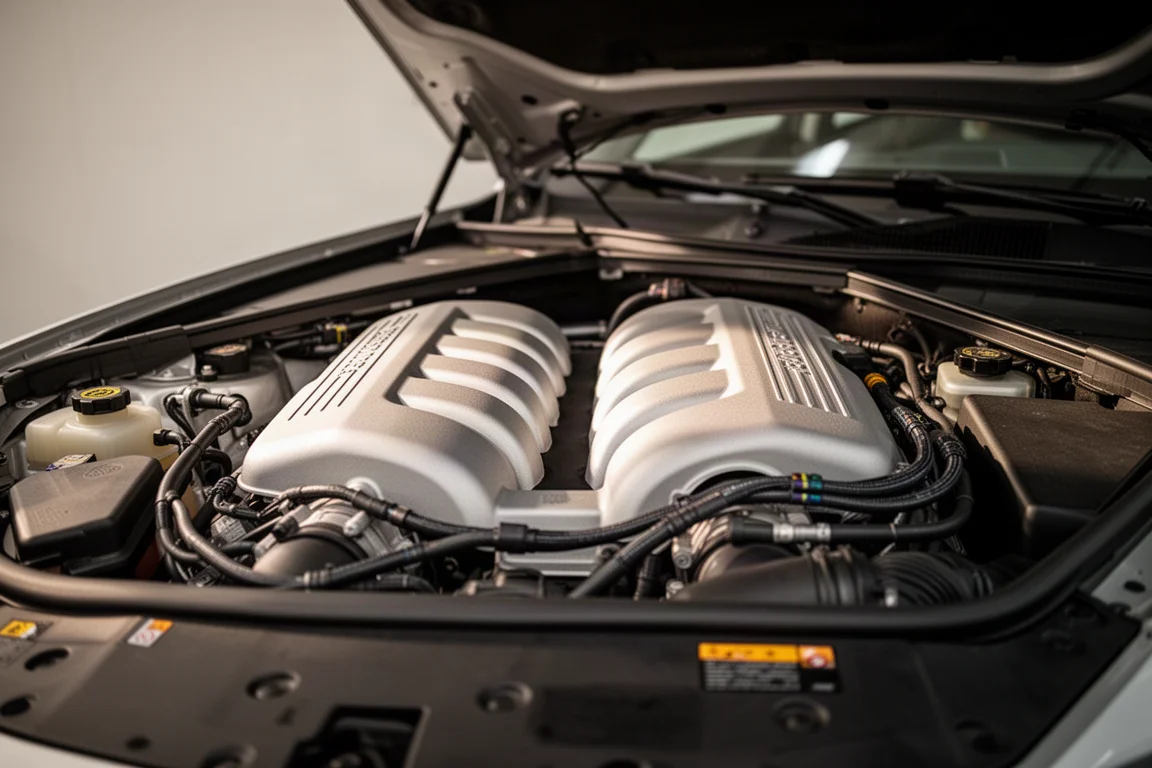
The steering does not communicate quite as well as the C63’s because of the power going to the front wheels, but the chassis is so well in tune with the rest of the car that it does not matter. This car has composure like not much else on the road, and its secret is hydraulically cross-linked dampers. The catch: given the car’s age and the system’s complexity, most examples have already had the original system fail and replaced with a cheaper aftermarket setup. If ride quality put you off an RS4 you test drove, that is why.
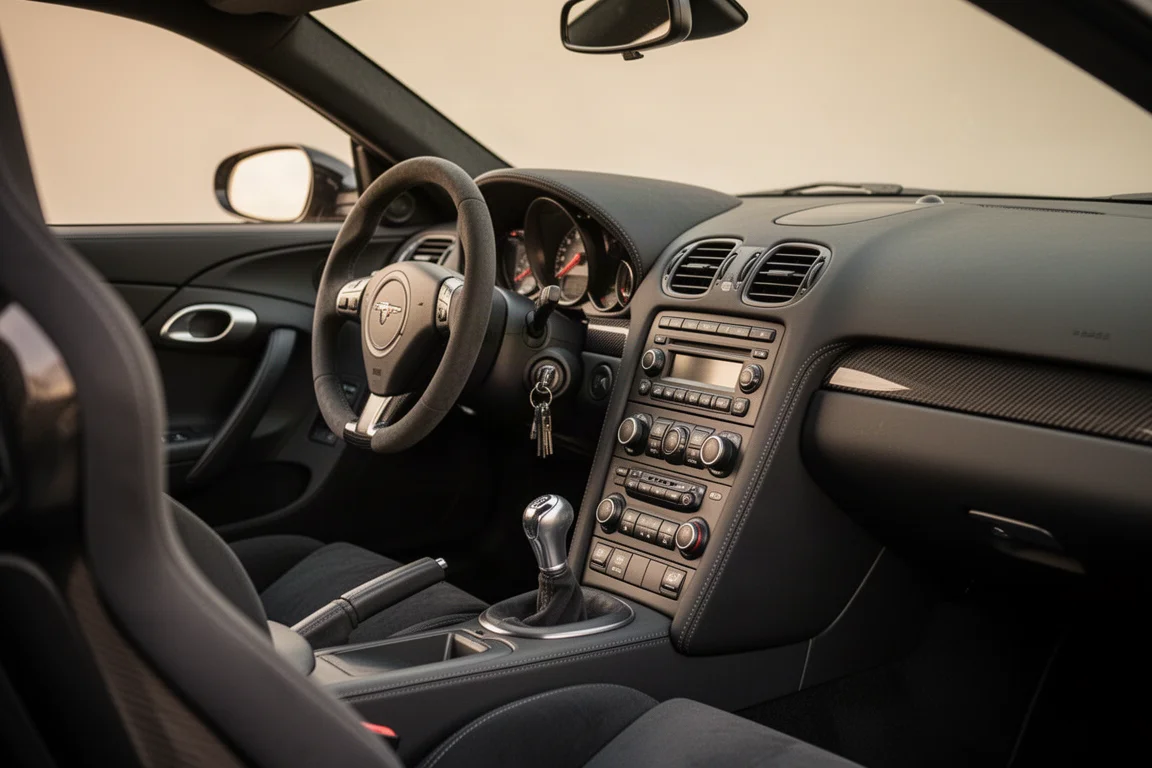
Inside, it feels the most retro, from a time when Audi interiors were at the top of their game. Tons of physical buttons, all laid out logically and tactile, only four buttons on the steering wheel, a real physical key in a barrel, genuine carbon fiber on the dash and door cards, and excellent wingback seats that look incredible and do the job when pushing on.
BMW M3 (E90): The Motorsport Saloon
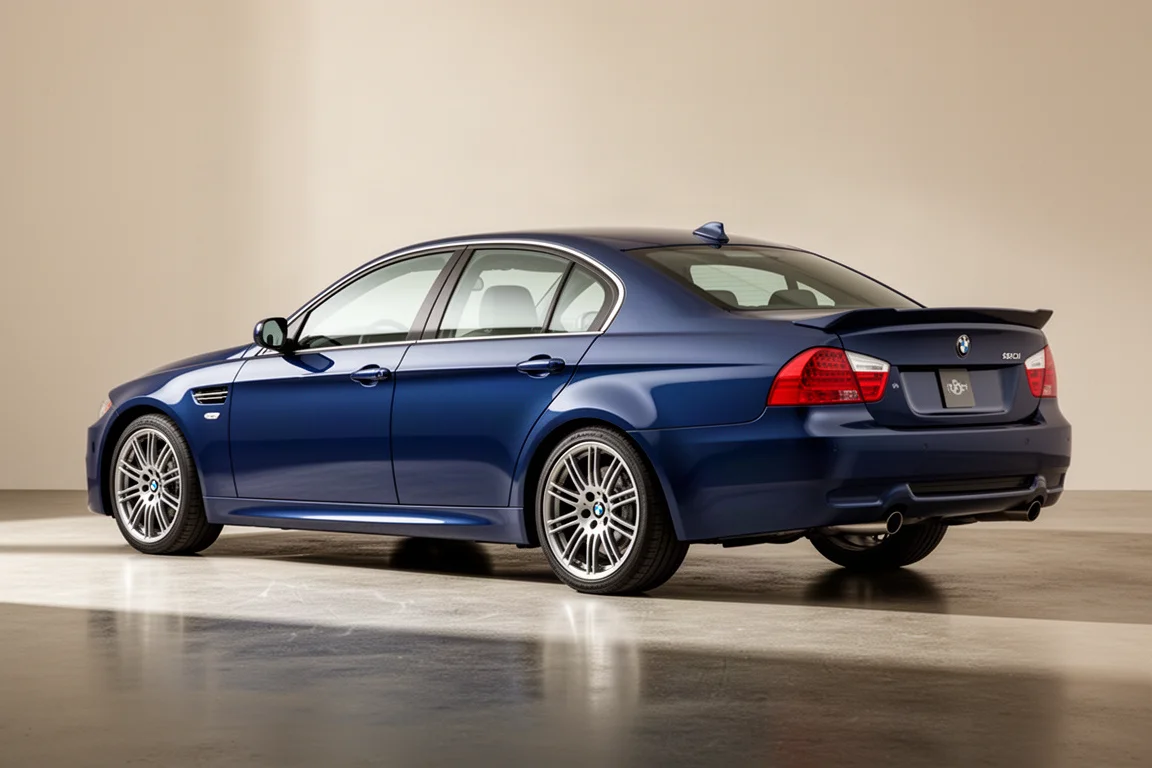
This engine has a real exotic edge: the S65 4.0-litre naturally aspirated V8 with motorsport pedigree. The trade-off is torque, just 295 lb ft delivered in a narrow window in the middle of the rev range, which can make power sliding tricky and short-shifting unfulfilling. But it revs spectacularly, the throttle response is the best of any of these cars, and it sounds absolutely spectacular. If any car deserves the phrase race car with four doors, this is it.
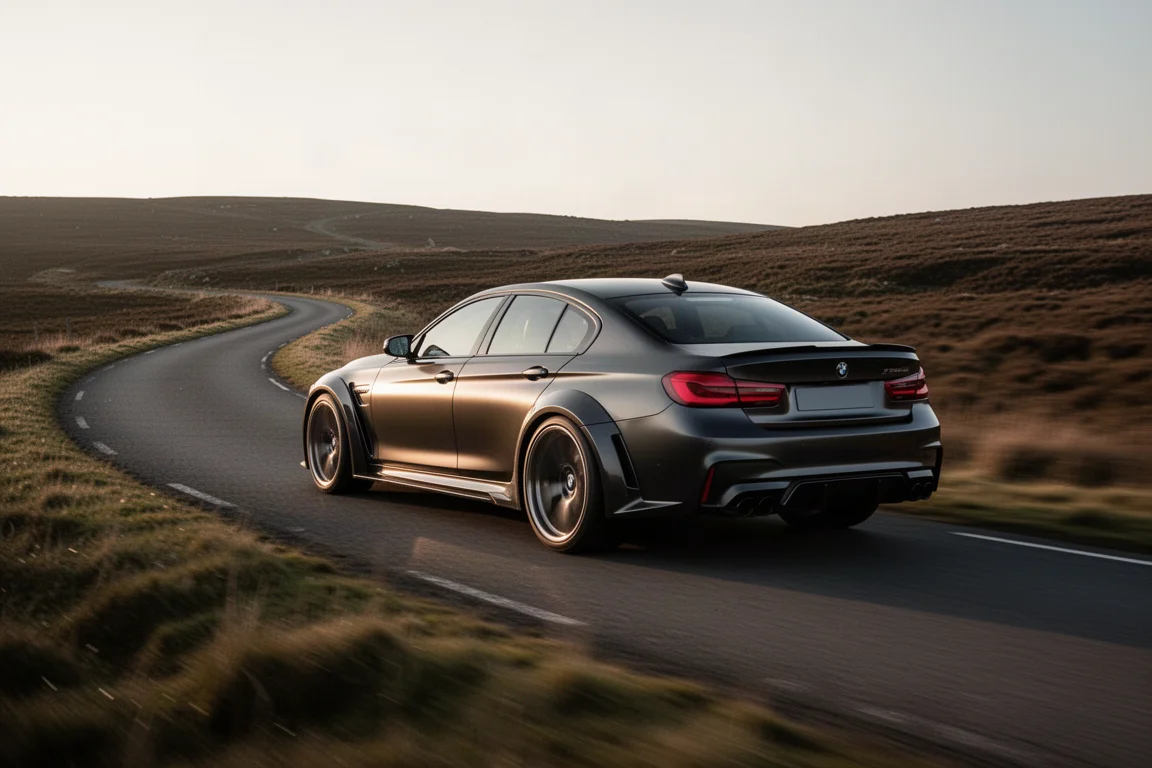
Just like the RS4, it was available with a manual, but it was not a great gearbox, so the DCT is probably the better option. It is one of the first of its kind, super sharp, almost too sharp: with shift aggression increased, it can upset the rear balance significantly in the damp. The cabin feels pretty compact and the seats are a real weakness: not very supportive, with a high seating position and little lateral support. Steering is reasonably direct but does not provide much feedback, though next to most modern electric racks it is still a tonic.
There is theater here, the one thing the M3 lacks is the damping sophistication of the RS4, so the firm ride can struggle with imperfect roads. It really is in a league of its own, never matched before or since, and there is a good reason local track days are full of them. If you can stomach the fuel cost and perhaps rod bearing replacement, there are not many better single-car packages for road and track use.
Mercedes-Benz C63 AMG Estate (S204): The Owner’s Pick
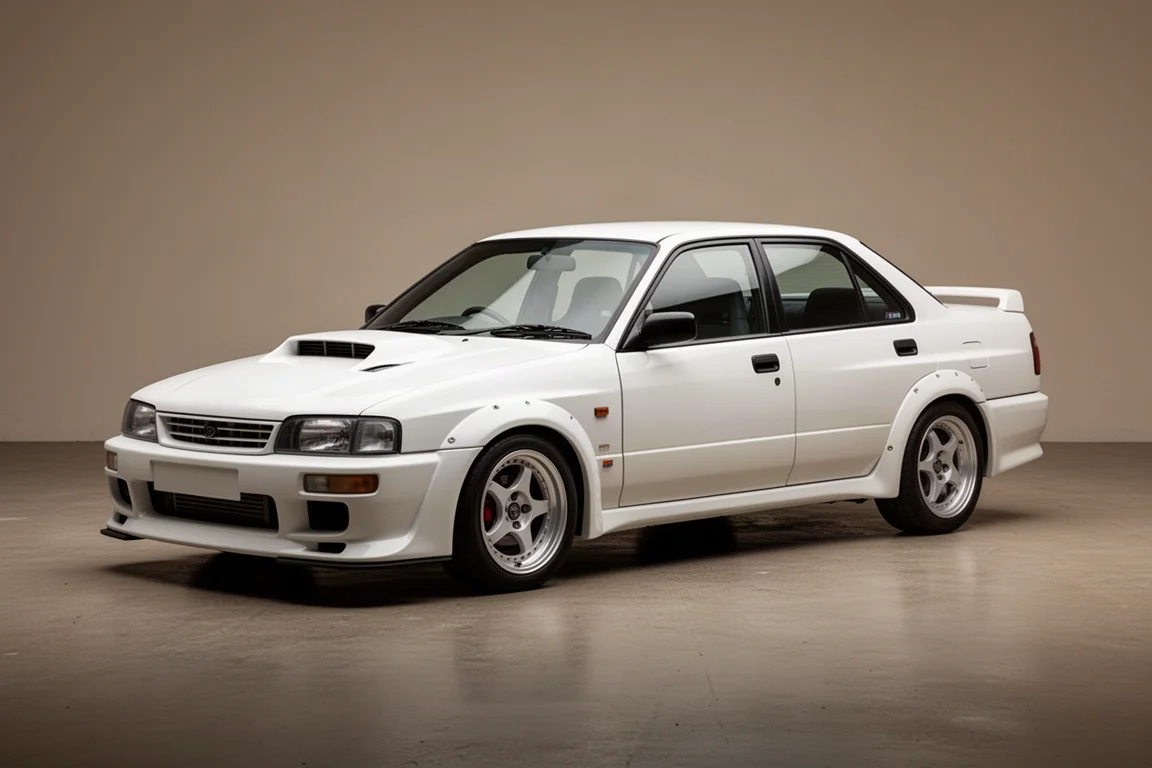
The absolute pinnacle of AMG for many, and the car that truly deserves its badge. This 2010 estate with the performance package makes more power than its turbocharged successor, with upgraded engine internals from the SLS and Black Series. The 6.2-litre M156 encourages you to rev, with genuine reason to go above 7,000 rpm and torque both from down low and right at the top. Then there is the sound: real burbles and crackle from the exhaust that you simply do not get now.
The communication through the small, thin-rimmed hydraulic steering wheel is excellent on the limit, and given how keen the car is to go sideways, that comes in handy. Despite its ax-murderer press reputation from when it was new, it feels approachable and friendly, much more so than the M3, especially on modern performance rubber. The seven-speed torque converter automatic is not as sharp as the M3’s DCT, but it is consistent and predictable, with satisfying downshifts and strong engine braking that saves the friction brakes.
The brakes are the one disappointment: very effective, but the top half of the pedal does not inspire confidence. The updated springs soften what was criticized as concrete suspension at launch, though with 19-inch wheels and 35-profile tires, potholes announce themselves. The interior is a nice place to be with superb, highly supportive seats, though the phone dial pad and rising multimedia display date it, and rougher roads bring a few squeaks and rattles that the V8 usually drowns out anyway.
Buying Advice: Which One Makes Sense for You?
Honestly, there is no single winner here. These cars are so unique that choosing one is almost pointless. The IS F is the one to pick for everyday comfort and big miles, and probably the one to drive every day, but not the one for a weekend. The RS4 Avant suits drivers who value composure, engagement, and a manual gearbox, provided the damper system has been addressed. The M3 is the road-and-track weapon if you can live with firm damping, modest torque, and dated seats. And the C63 AMG Estate is for those who want power, sound, and drama in a practical long-roof body.
Conclusion
What these cars prove is that it is the era we should be celebrating. We are very unlikely to ever get another group of naturally aspirated V8 compact executives again. But if forced to choose one of the four, the answer is the one an owner put their own money into: the Mercedes C63 AMG Estate.
Further reading
Related Reviews
Performance Cars
From S2 Coupe to B7 RS4: Four Audi Legends That Built the Fast Estate
Four Audis that trace the line from the original Quattro legacy to the ultimate high-revving fast estate: the S2 Coupe, RS2, B5 RS4 and B7 RS4.
Performance Cars
BAC Mono R Review: The Most Focused Road Car Money Can Buy
An open-wheel road car from Liverpool with graphene bodywork, 342 horsepower, and a sub-600kg kerb weight. Here's what makes the Mono R so special.
Performance Cars
The Best All-Wheel Drive Performance Cars: Seven Cars That Prove AWD Is More Fun Than Ever
From a five-cylinder Audi hatchback to a 1,000-horsepower hybrid Lamborghini, these seven all-wheel drive performance cars show how far traction tech has come.