Ski Gear
Narrow Carving Skis 2026: 18 Frontside Models Compared
A detailed comparison of 18 narrow carving skis for the 2026 season, covering construction, turn radius, weight, price, and intended use.
Introduction
Narrow carving skis occupy a specialized corner of the market. With waist widths between 66 and 71 mm, these skis are designed for firm snow, precise edge grip, and quick turn initiation. They are not all-mountain tools. They demand technique, attention, and a preference for groomed runs. This comparison covers 18 models for the 2026 season, ranging from a dedicated mogul competitor to ultra-premium frontside carvers. We evaluated construction, turn radius, weight, price, and intended use to help you understand where each ski fits.
Most skis in this category feature two sheets of metal, wood cores, and race-inspired builds. The differences are subtle but meaningful. Turn radius varies from slalom-tight to giant slalom-long. Some models include carbon for responsiveness, while others prioritize damping and smoothness. Prices range from around $650 to over $2,300. Whether you are a beer league racer, a mogul specialist, or a frontside enthusiast looking for the ultimate precision, there is a ski here for you. We will go through each model, highlighting its strengths and trade-offs.
Evaluation Criteria
We looked at several key factors. Construction and materials determine how a ski flexes and dampens vibrations. Turn radius defines the ski’s natural arc. Weight affects fatigue and maneuverability. Price reflects both performance and exclusivity. We also considered intended use, from mogul competitions to recreational carving. These criteria help distinguish skis that might otherwise seem similar.
Faction La Mogul Pro: A Dedicated Mogul Competitor
The Faction La Mogul Pro is a competition mogul ski, not a traditional carving ski. It has a straight shape with a 19 m turn radius. It weighs just under 1500 g in the 179 cm length. The flex is not soft, because competitive mogul skiers need support at speed. It has camber and slight rocker in the tail for release. This ski is for mogul specialists who take a direct line down bumps. It requires precise technique and glued-together feet. At $649, it is one of the more affordable options in this comparison, but its use is highly specific.
Atomic Redster X7: Accessible Carving Performance
The Atomic Redster X7 is a friendly carving ski with an ash wood core, a single sheet of metal, and Revoshock C technology. It has a 69 mm waist, a 15.1 m turn radius, and weighs 2650 g. It is not built for speed. Instead, it offers easy control, a non-fatiguing ride, and the ability to make pretty turns. It is one of the softer skis in this narrow category, which makes it suitable for a wide range of skiers on firm snow. It shines in regions like New England and the Midwest where hardpack is common. At $799.95 with bindings, it is a strong value.
View more details for Atomic Redster X7
Stöckli Laser MP: The Accessible WRT Platform
The Stöckli Laser MP is billed as the women’s version of the WRT. It shares dimensions with the WRT, WRT Pro, and Marco Odermatt Edition, but uses a lighter wood core without carbon laminates. It still has two sheets of metal. Soft flex technology lightens and softens the shovel, making it more accessible. It has a 66-67 mm waist and a 12.8 m turn radius in the 160 cm length. It weighs 2,998 g. This is a sporty slalom carver that prefers to be on edge. It is a good choice for lighter-weight skiers who want the smooth Stöckli feel. At $1,919 with binding, it is an upper-end investment.
View more details for Stöckli Laser MP
Stöckli Laser SX: Smooth Skiercross Influence
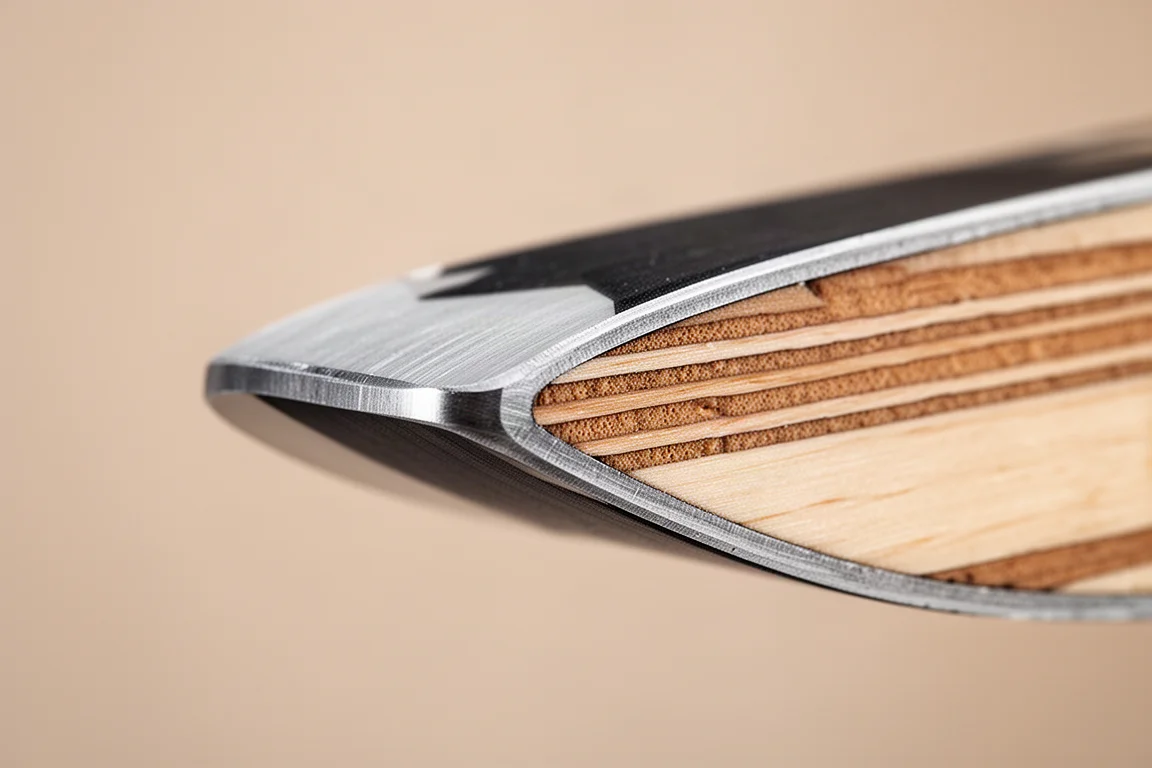
The Stöckli Laser SX is inspired by skiercross, toned down from the FIS version. It has a poplar and beech wood core, two sheets of metal, and Turtle Shell 2.0 technology, which is a single slit in the metal that winds down the fore and aft sections. It has a 70 mm waist and a 16 m turn radius. At 1,700 g, it is impressively light for its damp, smooth performance. The SX is designed for bigger, sweeping turns. It has a more forgiving tip than some race-oriented models, which makes turn initiation smoother. It is stiff underfoot but remains manageable for advanced skiers. It is one of the most enjoyable skis in this category for general all-mountain carving on firm snow. It costs $1,889 with bindings.
The SX stands out for its blend of smoothness and versatility. It does not demand the same level of constant input as the WRT series, yet it still delivers high performance. If you want a ski that can make a variety of turn shapes on groomed runs, the SX is a strong contender.
View more details for Stöckli Laser SX
Stöckli Laser SC: Sporty S-Shaped Carving
The Stöckli Laser SC is a more shapely version of the SX. It uses Flex Torsion Control, which involves multiple slits in the metal, and a poplar and beech wood core with two sheets of metal. It also has stiffer black sidewalls for more precise reaction on firm snow. The waist is 70 mm, the turn radius is 14.9 m, and the weight is 1,700 g in the 170 cm length. It is quick, supportive, and fun in bumps. It feels similar to the SX but with a slightly different tip flex and a sportier S-shaped turn. It costs $1,989 with bindings.
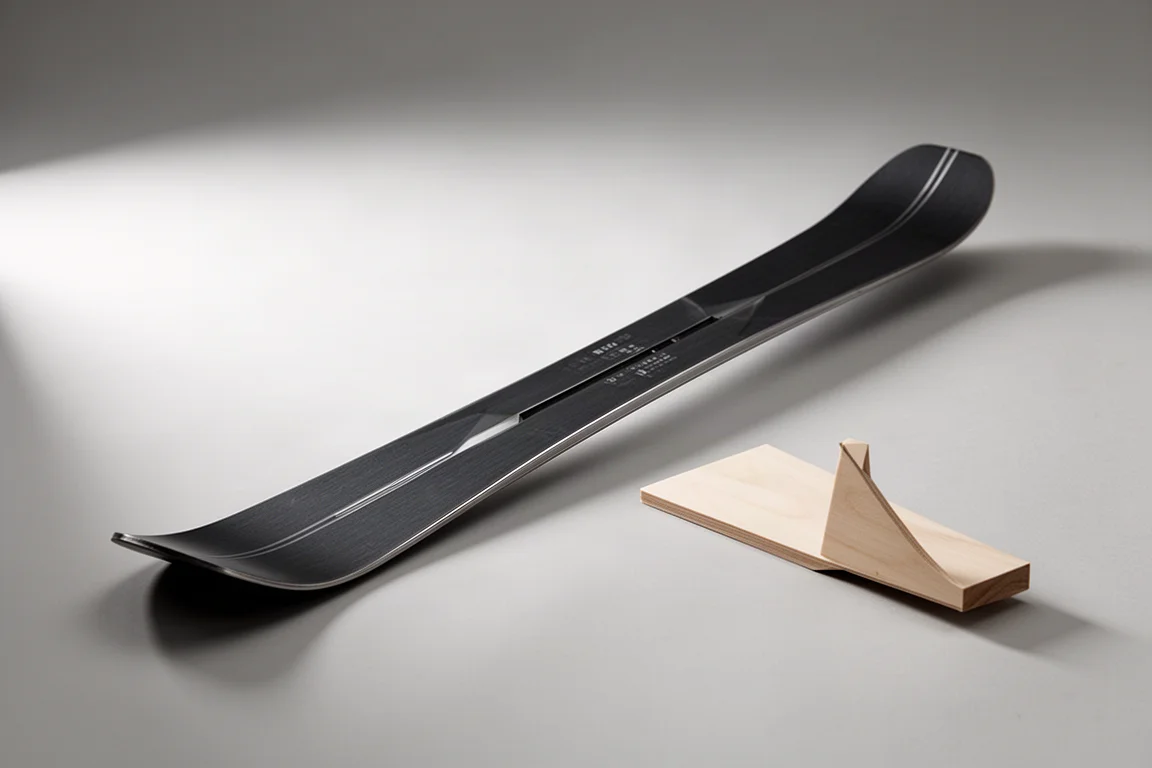
Stöckli Laser SC Orea: Ultra-Premium Exclusivity
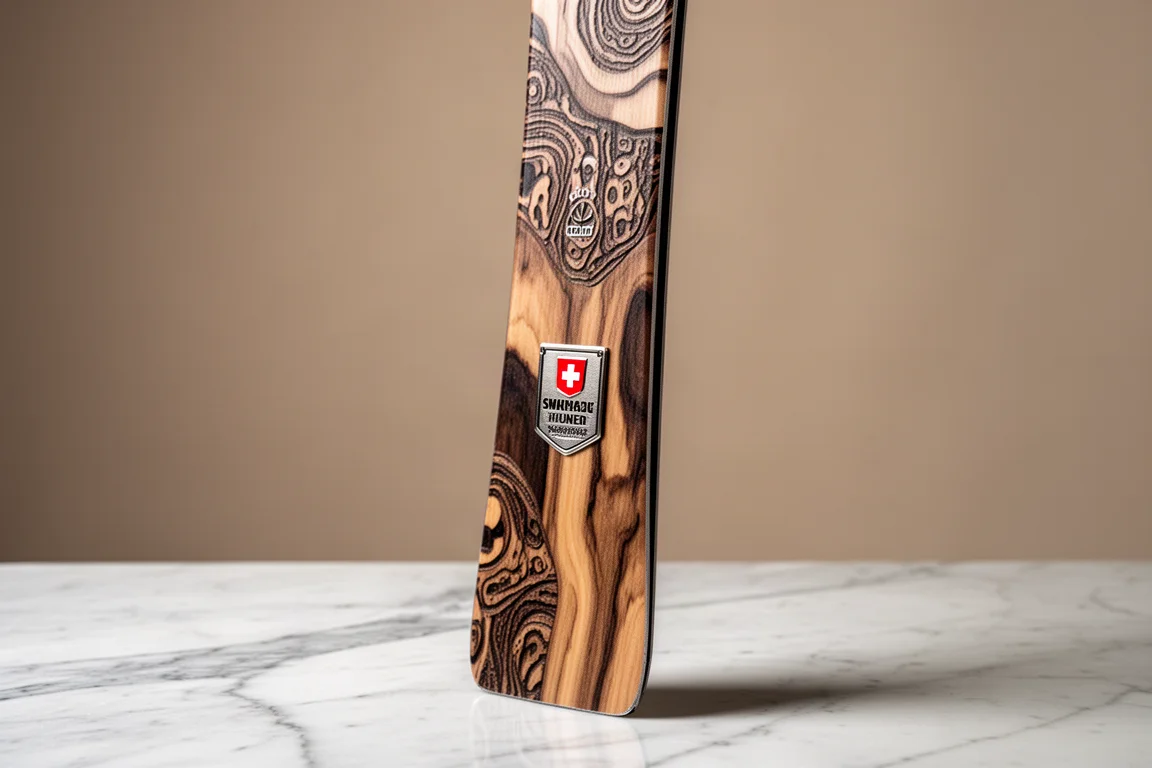
The Stöckli Laser SC Orea is built exactly like the Laser SC. It uses the same construction, binding, and plate. The difference is a special top sheet and a Swiss-made badge. It weighs 3,150 g with the binding and costs $2,329. This ski is for those who want an exclusive, limited-edition product. The performance is identical to the standard SC. You are paying a premium for aesthetics and exclusivity.
Stöckli Laser GS: Giant Slalom Heritage
The Stöckli Laser GS is a step down from the FIS GS series. It has a poplar and beech wood core, a 68 mm waist, a 17.1 m turn radius, and weighs 1,932 g. It does not have carbon underfoot, but it does have carbon in the forebody for steering control. It offers a longer turn shape and a denser feel than the slalom-oriented models. It is fun to ski at higher speeds while remaining controllable. The 2025 model is priced at $1,399.95, while the 2026 model is $2,049. It is a great choice for those who prefer long, sweeping turns on firm groomers.
View more details for Stöckli Laser GS
Stöckli Laser WRT: Precision and Purpose
The Stöckli Laser WRT has a poplar and beech wood core with more beech, two sheets of metal, carbon steering control in the forebody, and a carbon power turn plate underfoot. It has a 67 mm waist, a 14.8 m turn radius in the 172 cm length, and weighs 1,850 g. It is a demanding ski with no built-in forgiveness. The carbon steering control keeps the ski in contact with the snow. It is quick, reactive, and prefers precision and purposeful, energetic skiing. It does not want to cruise. At $2,049, it is a premium tool for expert skiers.
Stöckli Laser WRT Pro: The Smoothest Frontside Ski
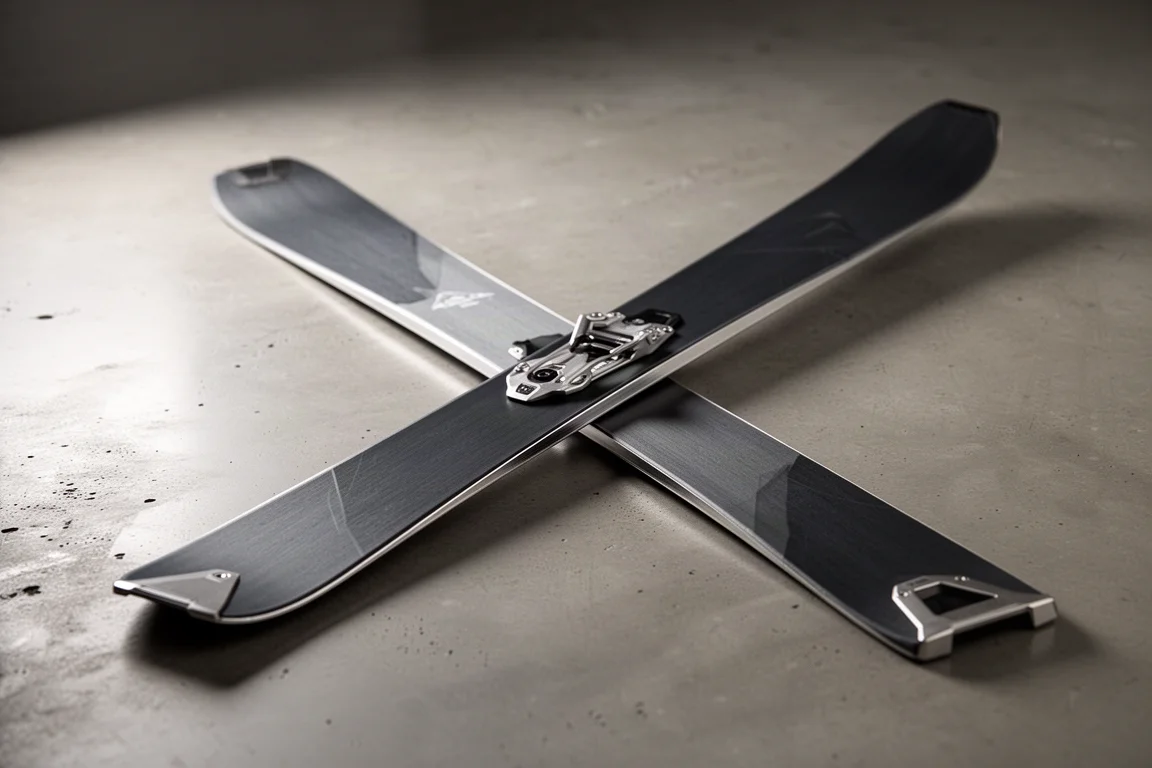
The Stöckli Laser WRT Pro shares its mold with the WRT but substitutes a layer of carbon for an upper layer of metal. It has carbon power turn underfoot but no carbon steering control in the front. The metal is moved to the top sheet, which brings the damping layer closer to your foot. This results in a smoother, quieter, more planted feel. It weighs 1,730 g and costs $2,209. It is slightly more demanding than the WRT because you need more strength to achieve the same performance. However, it is the ski that many people seek when they want the smoothest frontside carver.
View more details for Stöckli Laser WRT Pro
Stöckli Marco Odermatt: Pro Model Flair
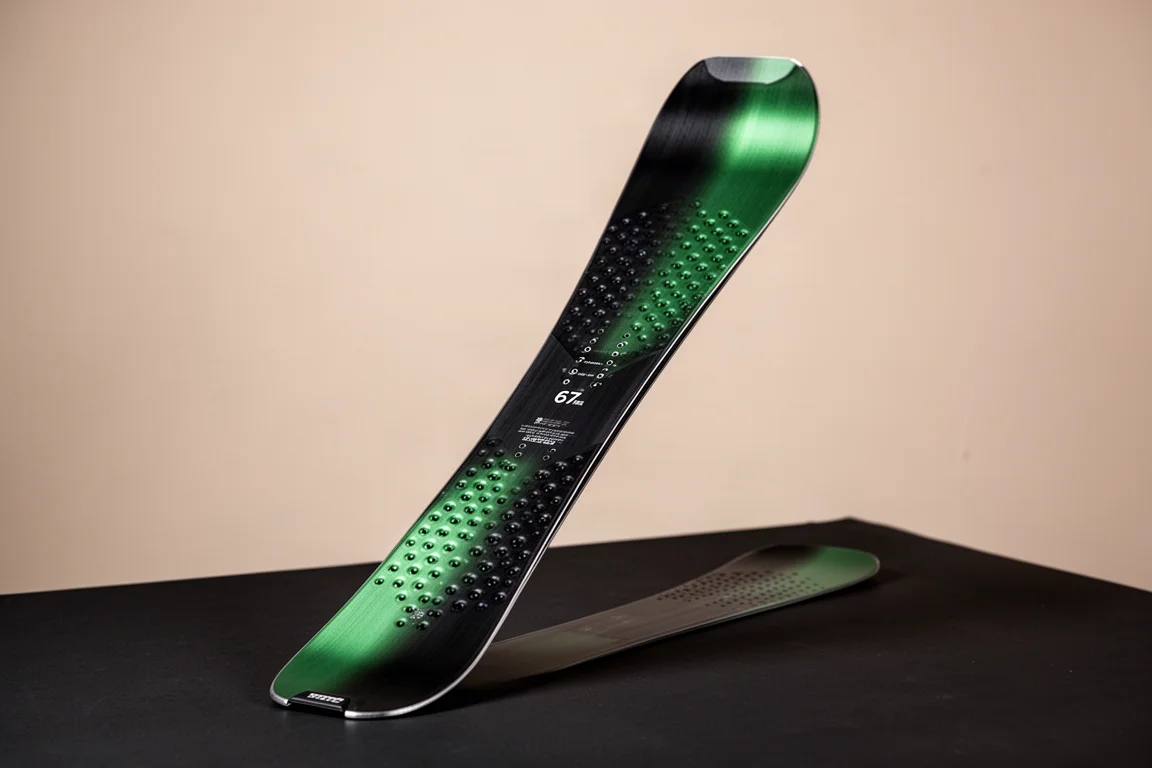
The Stöckli Marco Odermatt is the exact same ski as the Laser WRT Pro. The difference is a unique top sheet with dimples in different locations and a striking color that shifts between black and metallic green in different light. It costs $2,359 with bindings, a $150 premium over the WRT Pro. Part of that premium goes to the athlete. If you are a fan of Marco Odermatt or ski racing in general, this is a way to support him. It is a beautiful ski with the same high-performance characteristics as the WRT Pro.
Nordica Dobermann Multi Gara: Race-Inspired Power
The Nordica Dobermann Multi Gara shares its construction with the Multi Pista but has a more frontside-oriented, angular shape. It uses double core technology with two horizontal layers of wood, two laminates of titanal, and one pulse core laminate, totaling five horizontal laminates. It has a 70 mm waist, a 16 m turn radius, and weighs 3,197 g in the 175 cm length. It is very firm to the snow, connected, and delivers smooth power. It is stiff and dense, requiring hard skiing to get the most out of it. It is one of the most rewarding skis in this comparison and a solid value at $1,199.99 with bindings, which include a Comp 13 binding and a zinc plate.
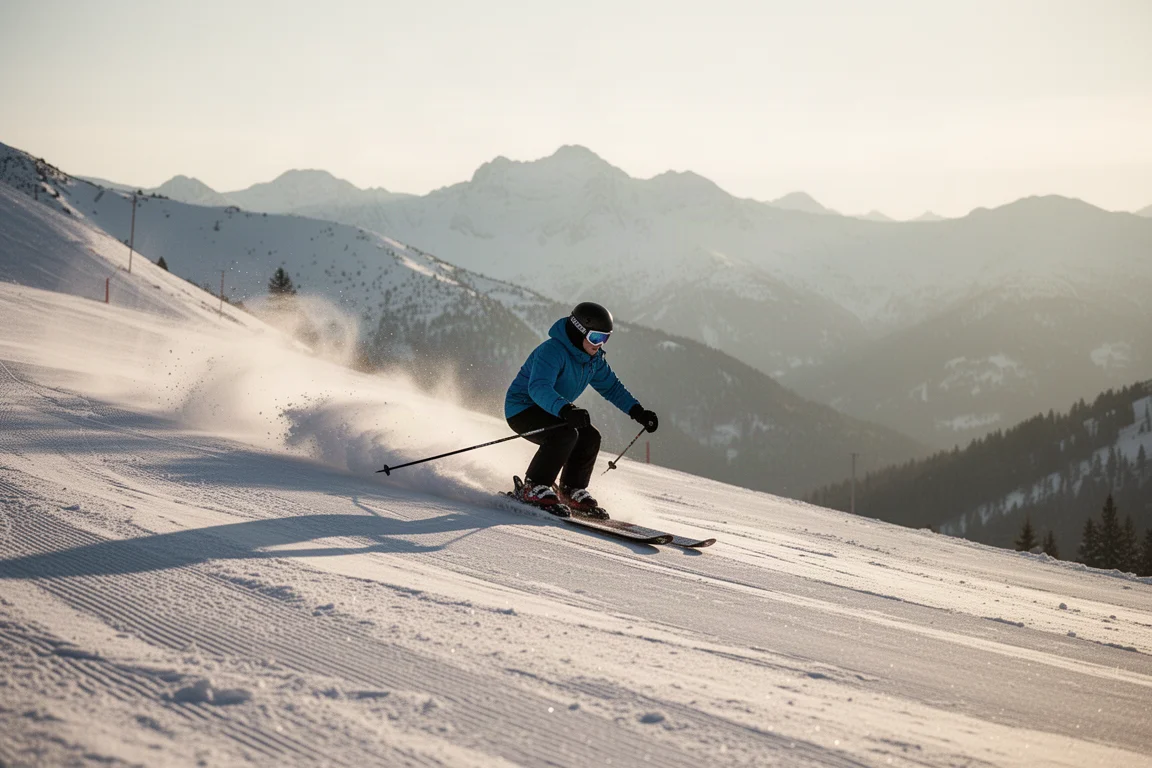
The Multi Gara is a demanding ski, but it rewards strong skiers with a precise and powerful feel. It is an excellent choice for those who want a race-like experience with a slightly more recreational construction.
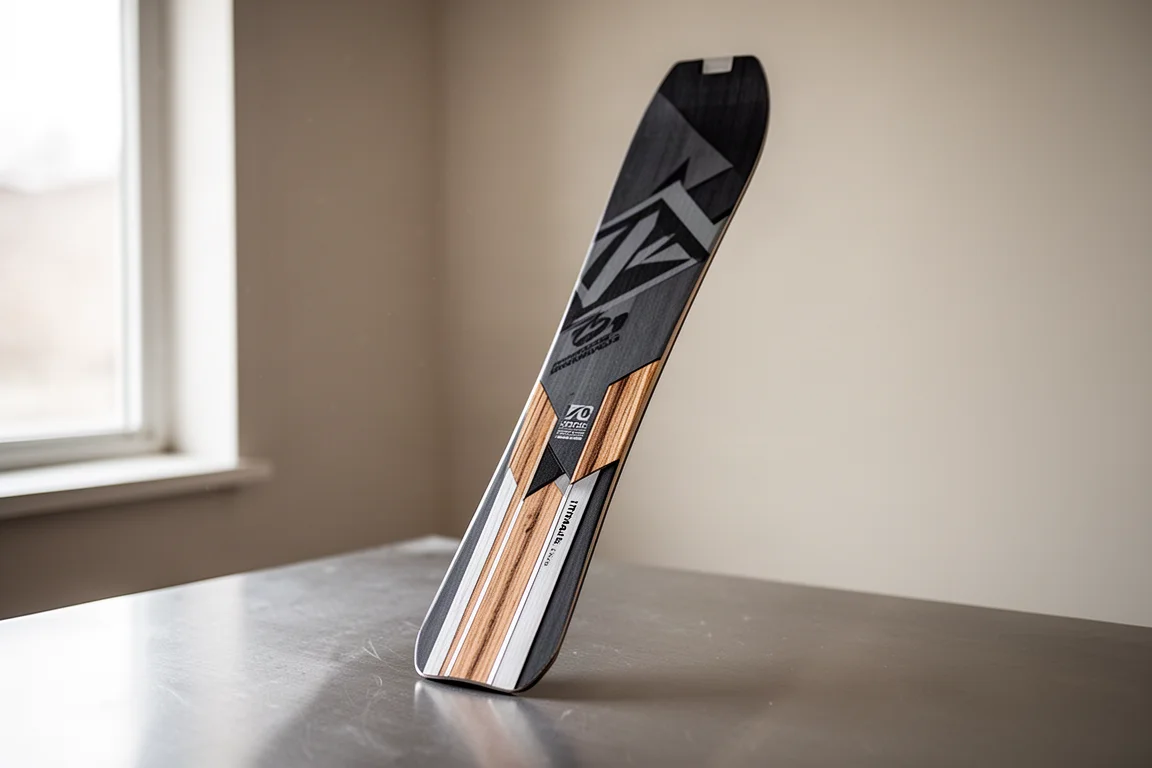
Rossignol Hero Elite LT: Long Turn, Strong Demands
The Rossignol Hero Elite LT has a full beechwood core, two sheets of metal, a V cut to the metal, and Line Control Technology, which is similar to counter-flexing. The beechwood core gives it a robust, stiff feel. It has a 16 m turn radius and weighs 3,300 g. Despite the LT standing for long turn, the turn radius is only 16 m. It is not as user-friendly as some skis with similar radii. It requires speed and a strong skier to flex into a turn. The plate does not connect, but the ski is so stiff that it does not need to. The stand height is very high. It comes with a SPX heel, which is a favorite. It costs $1,249.
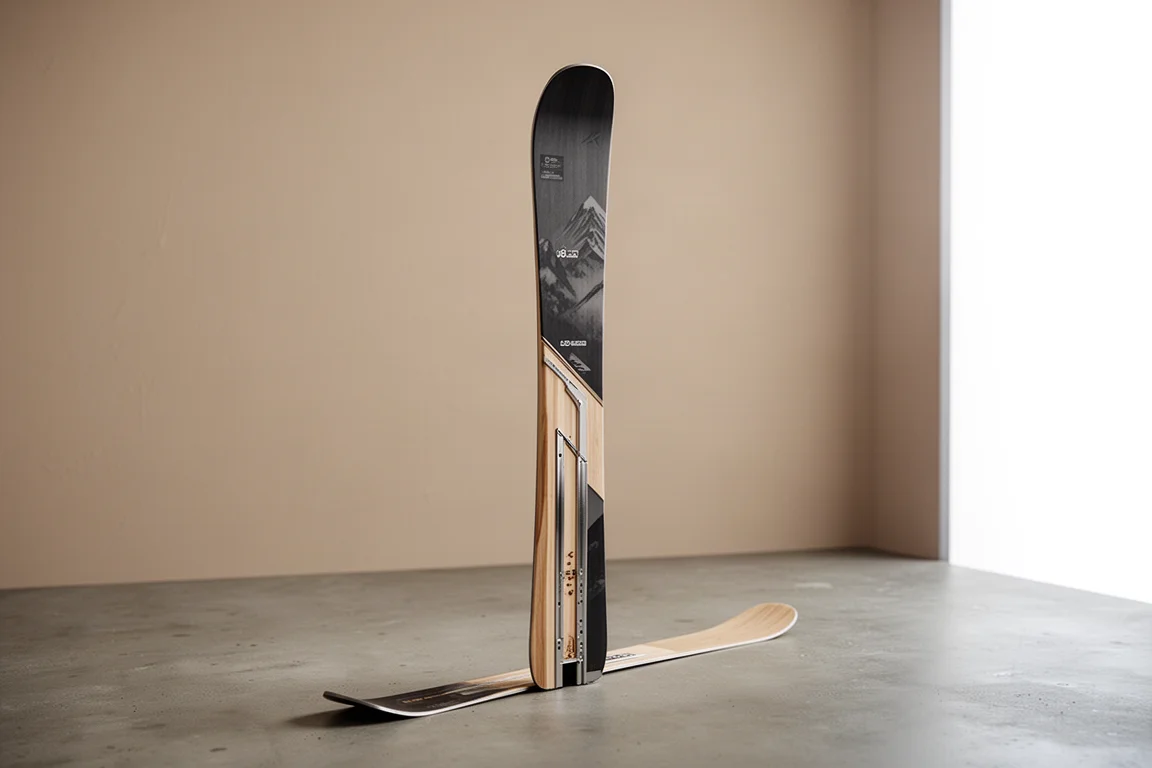
Head Super Shape e-Original: Slalom Shape, World Cup Build
The Head Super Shape e-Original has a slalom-oriented shape with a 12.1 m turn radius and a 66 mm waist in the 170 cm length. It uses a World Cup sandwich build with a dense wood core, two sheets of metal, graphene for stiffness, and energy management circuitry. It comes with a Protector 11 binding and costs $1,049. This ski has a slalom mentality. It is less demanding than a giant slalom ski initially, but it can be more fatiguing over a long day because you have to make so many turns. It is a good choice for those who want a slalom-like carve without a full race ski.
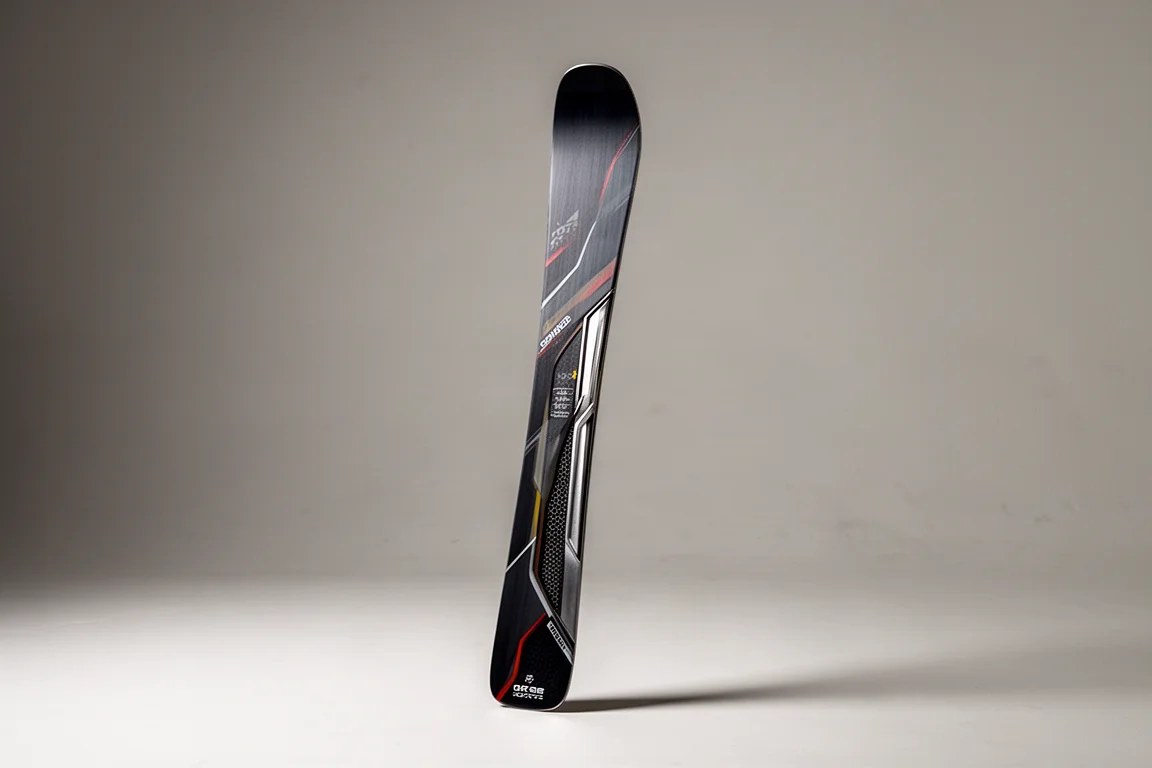
Atomic Redster S9: Slalom Race DNA
The Atomic Redster S9 is close to a World Cup slalom ski. It has a poplar and ash wood core, two sheets of metal, RevoShock S (metal), and carbon boost. It has a 12.5 m turn radius and weighs 3,200 g. It is stiff and gnarly, with a sharp and angular feel. It is very tiring over a long day. It is for skiers who want to emulate Mikaela Shiffrin and feel the thrill of slalom turns. It costs $1,049.95 with bindings. It is a great value for a race-inspired ski.
View more details for Atomic Redster S9
Atomic Redster G9: Giant Slalom Turn Shape
The Atomic Redster G9 shares its construction with the S9 but has a straighter cut. It has a 17 m turn radius and a 67 mm waist. It is more accessible than the S9 and is a great choice for beer league racing. It costs $1,049.95 with bindings. If you prefer longer turns and a slightly more forgiving ride, the G9 is the better option. It is still a strong performer on firm snow.
View more details for Atomic Redster G9
Atomic Redster X9S: Ultimate Precision
The Atomic Redster X9S has the same construction as the S9 and G9 but with a 65 mm waist and a 14.8 m turn radius. It weighs 3,250 g and costs $1,049.95. This ski is extremely precise, both in a positive and negative sense. It is incredibly fun in hard pack conditions but can become difficult in softer snow. It is the most condition-dependent ski in this comparison. The plate is wider than the ski, which gives a visual reminder of its precision. It is for expert skiers who want the ultimate precision on firm groomers.
View more details for Atomic Redster X9S
Head Rebels e-SL Pro: Race Plate Slalom
The Head Rebels e-SL Pro uses a World Cup sandwich construction with beech and poplar wood, graphene, and energy management circuitry. It has a real race plate, which is the biggest difference from the Super Shape series. It has a 12.9 m turn radius, a 68 mm waist, and weighs 2,255 g with the plate but no binding. It costs $1,049 without bindings. It is as close as you can get to a FIS slalom ski without going to the race room. It is very demanding and requires a race binding. The plate provides direct connectivity and a denser feel underfoot.
View more details for Head Rebels e-SL Pro
Head Rebels e-Race Pro: Multi-Turn Race Machine
The Head Rebels e-Race Pro is the multi-turn version of the e-SL Pro. It has a 16.8 m turn radius and a 68 mm waist. Everything else about the construction remains the same, including the World Cup sandwich build, phenol sidewalls, and race plate. It has a slightly softer flex than expected, and you can feel the plate gliding over the top sheet. It is a demanding ski, but it is more comfortable at higher speeds and longer turns than the slalom version. It costs $1,049 without bindings. It is a good place to end this comparison because it represents a near-full World Cup race room build.
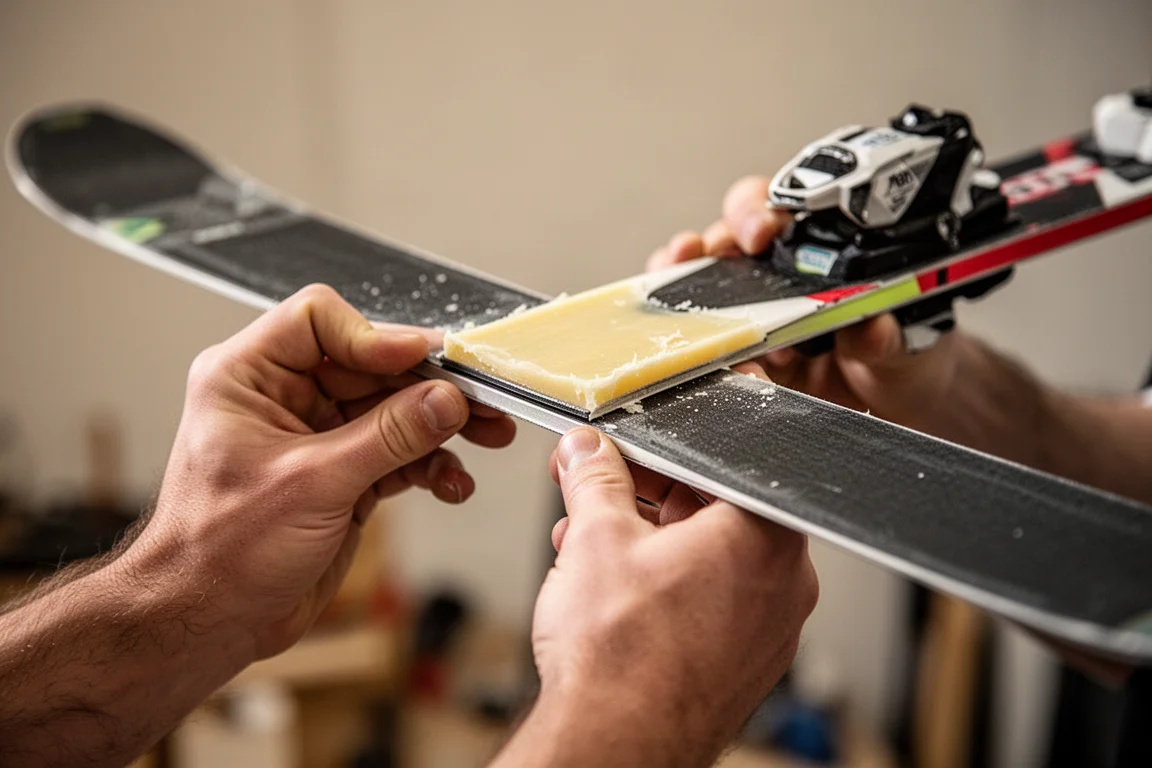
The e-Race Pro is a ski that requires attention and skill, but it rewards with a solid, planted feel. It is an excellent choice for strong skiers who want a race-inspired ski for long turns on firm snow.
Overall Buying Advice
Choosing a narrow carving ski depends on your priorities. If you want the smoothest, most refined frontside carver, the Stöckli WRT Pro and its Marco Odermatt twin are top contenders. For a more accessible Stöckli experience, the Laser SX or SC offer a blend of smoothness and performance. If value is important, the Atomic Redster X7 and the Head Super Shape e-Original provide excellent performance for the price. For mogul specialists, the Faction La Mogul Pro is a dedicated tool. For race-inspired skiing, the Nordica Dobermann Multi Gara, Rossignol Hero Elite LT, and Head Rebels series deliver strong, demanding performance. Consider your snow conditions, skiing style, and budget. These skis are specialized, so make sure your local terrain and typical conditions match their strengths. Firm snow is essential to get the most out of any ski in this category.
Conclusion
Narrow carving skis are not for everyone. They are one-dimensional, but that dimension is precision on firm snow. If you know you want a sub-70 mm waist ski for carving, this comparison offers a range of options from affordable to ultra-premium. The differences between them are often subtle, felt in flex, turn shape, and damping rather than seen. We hope this guide helps you narrow down your choice. Remember that proper tuning can make a significant difference in this category, so consider learning basic home tuning or finding a good shop. Enjoy the carve.
Further reading
Related Reviews

Ski Gear
2023 Blizzard Hustle vs Rustler: Six Freeride Skis Compared
Blizzard's 2023 Hustle collection rebuilds the Rustler shape with a lighter core and no metal. Here is how all six skis differ, and which one suits your riding.

Ski Gear
2023 Skis of the Year: Atomic Maverick 88 TI, Salomon QST 106, and Look SPX 12 Pro
Three standout ski picks for all-mountain carving, powder days, and reliable binding performance, with practical buying notes for 2023 models.

Ski Gear
2025 Nordica Enforcer 104 Review: A Directional Charger Replaces the 104 Free
The 2025 Nordica Enforcer 104 drops the Free name and the twin-tip personality, gaining weight, stiffness and composure in rough snow. Here is what changed and who it suits.