Art Supplies
Nakagawa Gofun Traditional Japanese Watercolors: Gansai Pans and Pigment Sticks Reviewed
Two traditional Japanese paint formats from a small Kyoto workshop: a 36-color gansai pan set and pigment sticks you grind into water, explained for non-traditional painters.
Introduction
Nakagawa Gofun is a small paint manufacturer based in Kyoto, Japan, and everything it makes is produced in its own workshops there. The company specializes in traditional Japanese paints made the way they have been made for hundreds of years, and its catalog covers a wide range of colors, from traditional watercolor pans to raw pigments for artists who want to mix their own paint.
This review covers two very distinct formats: gansai, the traditional Japanese watercolor sold in pans, and bannoo pigment sticks, a format used in traditional Japanese painting for hundreds of years that you grind into water yourself. Neither is a typical Western watercolor, so it helps to understand what you are getting before you buy.
One practical note first: these paints use traditional materials, and that means some animal glue is involved in their manufacture. If you are vegan or avoid animal-derived binders for any other reason, that is worth knowing up front.
Nakagawa Gofun Gansai: Traditional Japanese Watercolor Pans
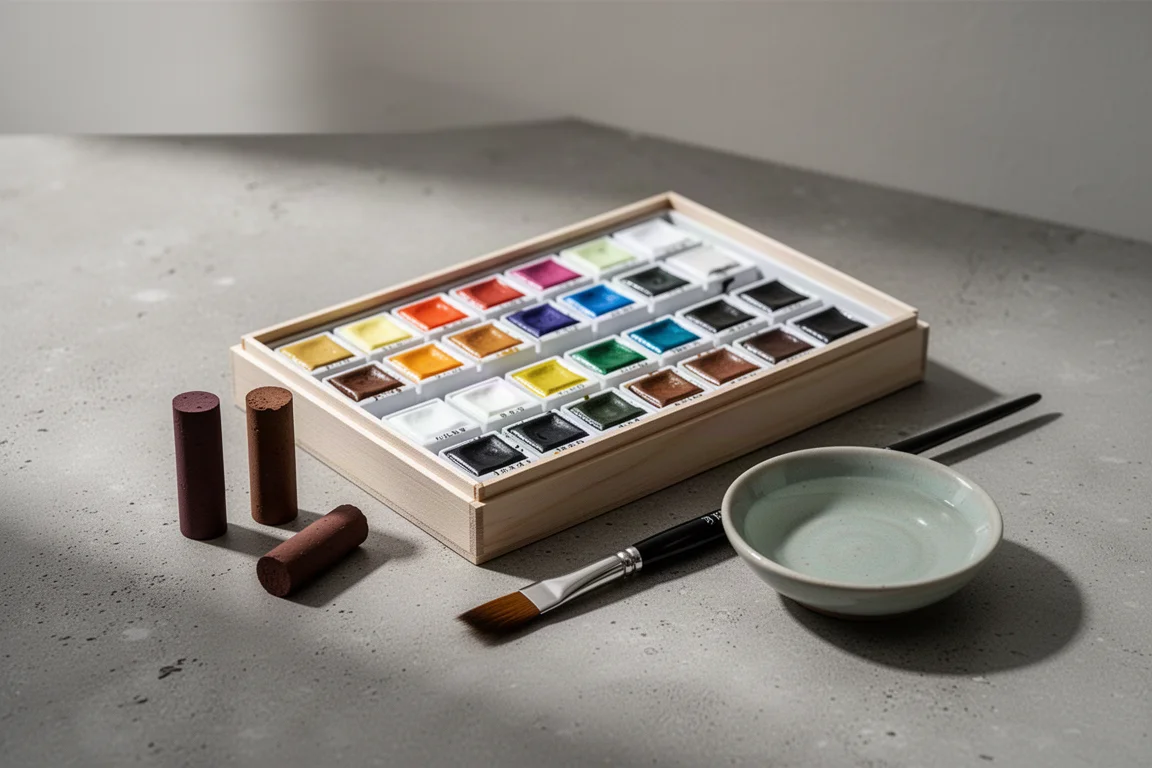
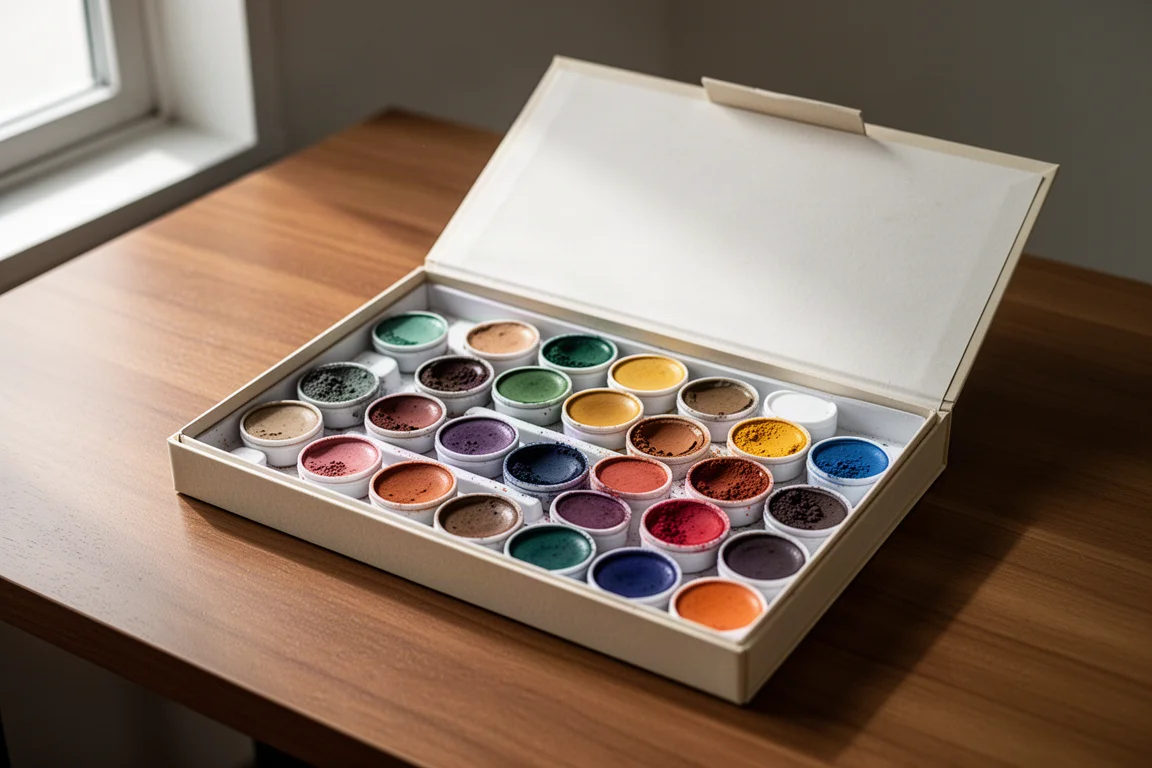
The gansai set contains 36 colors laid out neatly so each pan can be matched directly to the color chart printed in the box. Nakagawa makes a much broader line than this set suggests, including many more colors, mixtures, and raw pigments, but the 36-color set is a strong starting point.
The pans themselves are noticeably more generous than the half pans or full pans you typically get in a European or American watercolor set, and the cost is not much different. You simply get more paint for comparable money.
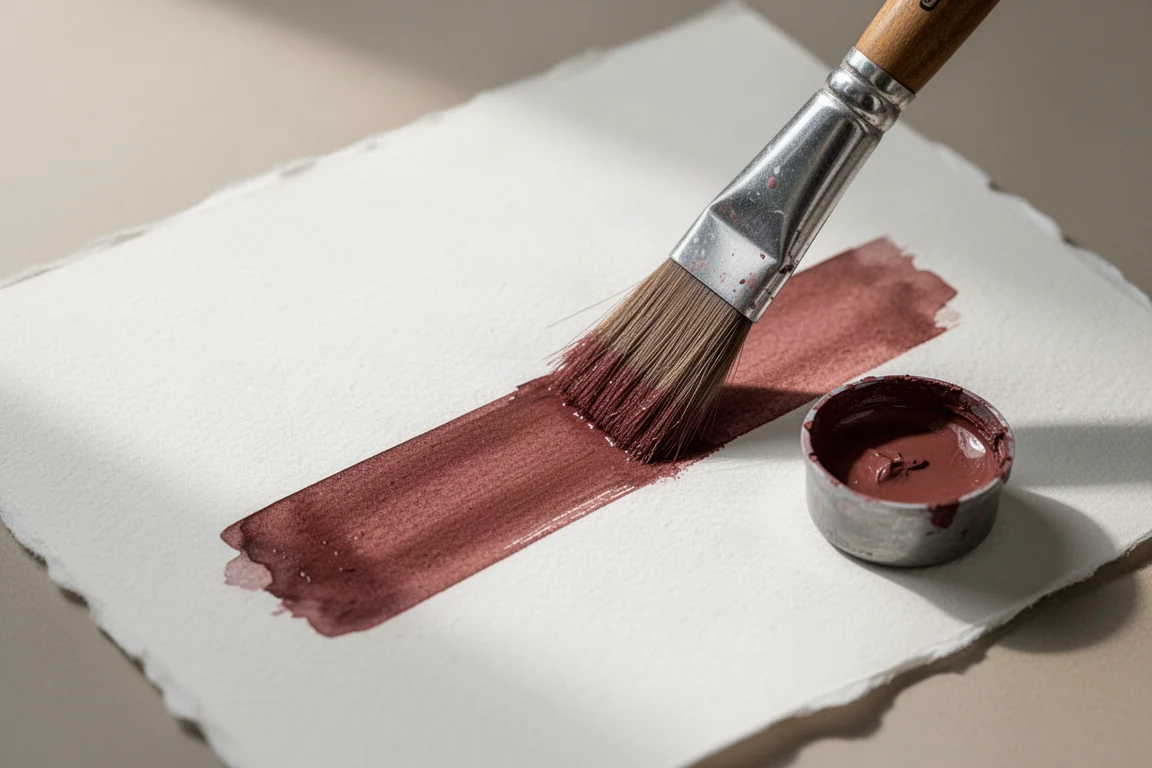
In use, the paint goes on very smoothly straight out of the pan. Some colors are transparent while others sit more flat and opaque, but everything feels very consistent. Blending is where the set really shines: the colors mix close to flawlessly, and mixed combinations come out clean and rich rather than muddy. Before painting, it helps to lightly spray the pans to wet them down first.
The Pigment Sticks: Painting the Traditional Way
The second format, bannoo pigment sticks, works completely differently from pan watercolors. Instead of picking up paint from a pan, you add water to a palette tray and carefully grind each stick directly into that water until you reach the consistency and strength of color you want. That gives you direct control over how dark, light, transparent, or opaque each passage of paint becomes, in a raw and organic way that pan paints do not offer.
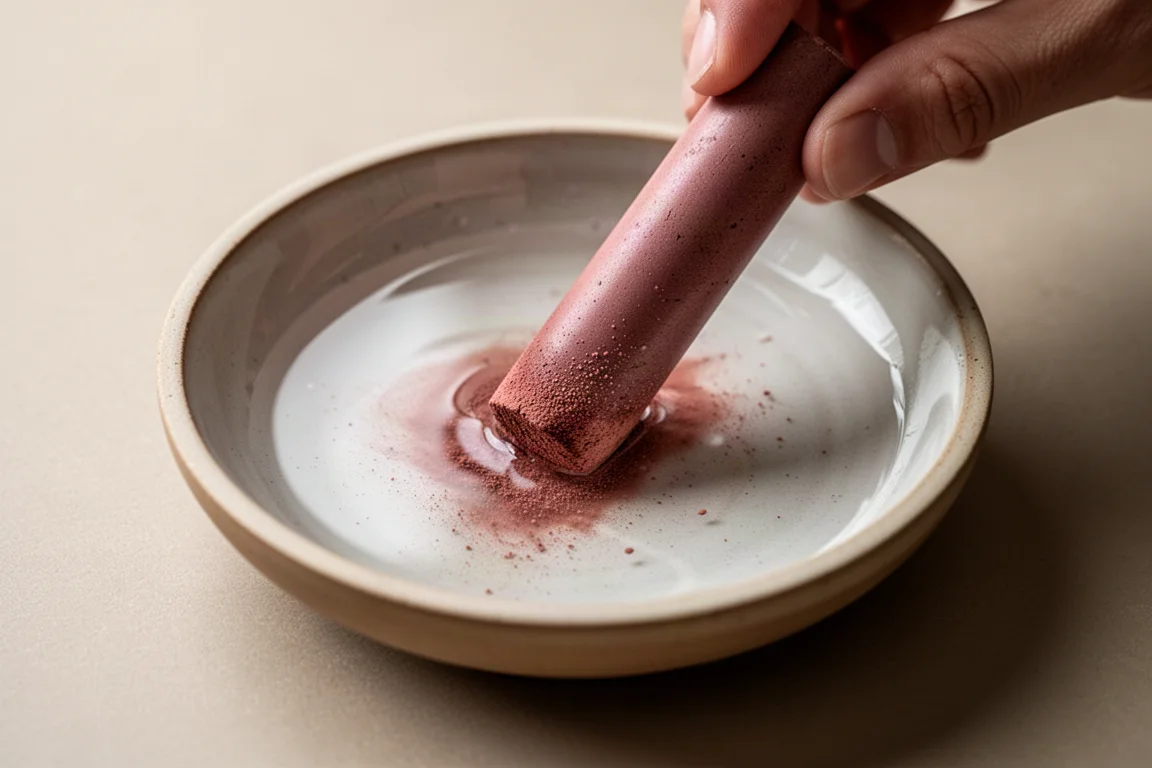
This method has deep roots. Pigment sticks have been used in traditional Japanese painting for hundreds of years, and the materials and manufacturing methods behind them stretch back a thousand years or more. The format is tied to nihonga, an art movement that emerged from the late 1800s into the early 20th century as a response to growing Western influence in Japanese art. Nihonga artists pushed to preserve the heritage, techniques, and materials of classical Japanese painting, though the style eventually absorbed some Western elements like perspective and naturalism as it evolved.
You do not need to be a trained nihonga artist to use these sticks. A painter trained in Western methods can pick them up and enjoy the process, and the grinding step itself becomes part of the experience rather than a barrier.
Painting With Gansai: First Impressions
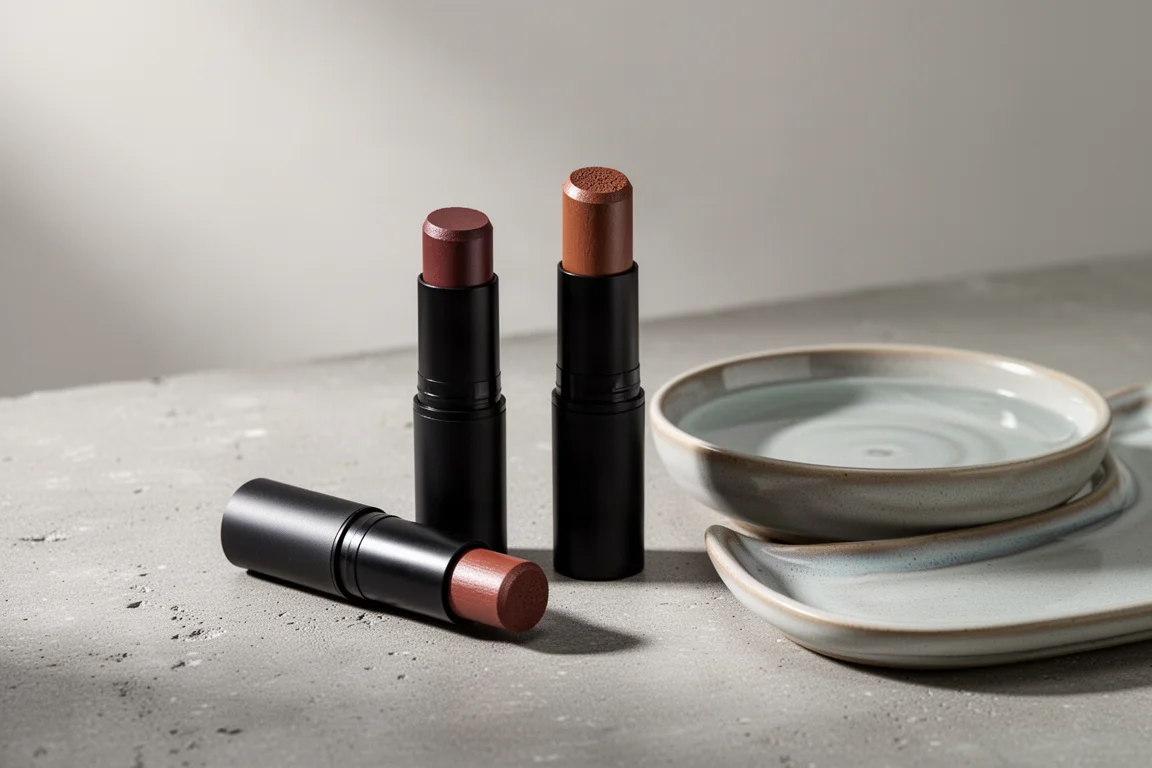
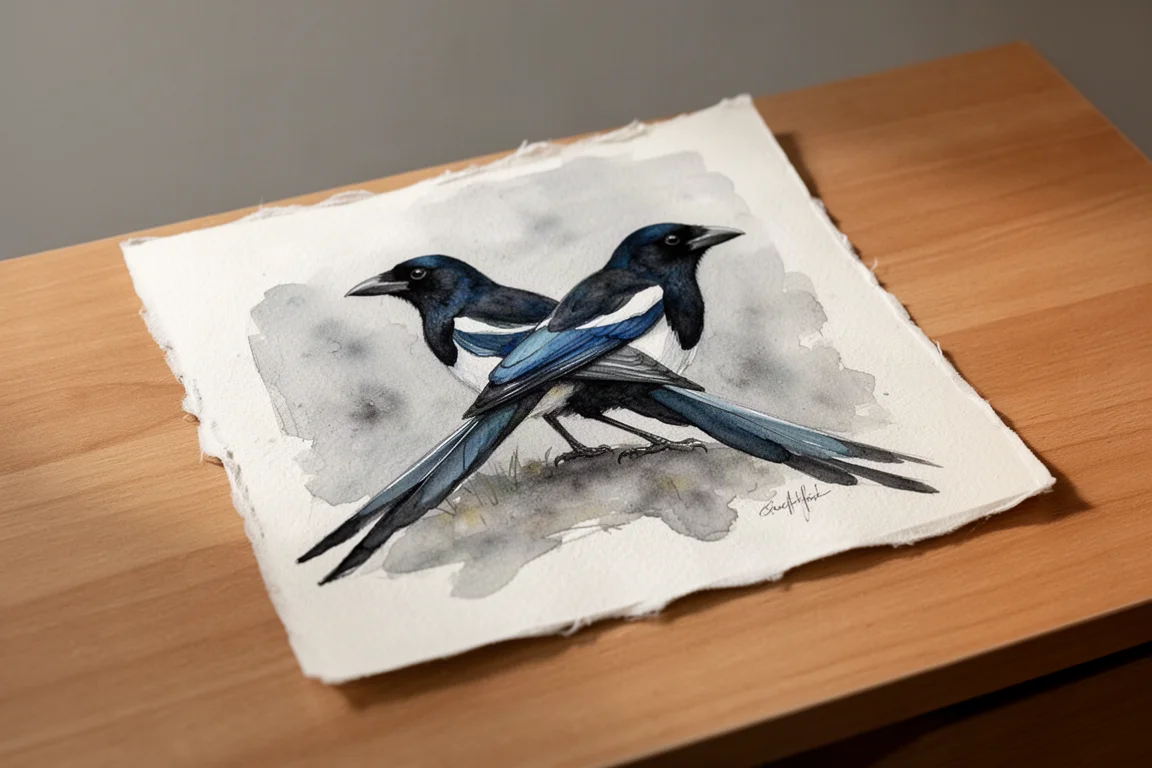
To test the paints, two subjects worked well: a magpie seen in Theodore Roosevelt National Park, with its bluish coat and extremely long tail feathers, and a pine tree, which rewards loose, wet blending. With the pine, wetting the branches first and then dropping color in lets the pigment spread naturally through the wet areas, which is exactly the kind of effect these traditional paints handle beautifully.
The overall impression is that these are extremely well-made paints. They are traditional small-batch products, but nothing about them limits them to traditional Japanese subject matter. They are simply very good watercolors that happen to be made in a culturally important way.
Availability and Buying Advice
Here is the main catch: Nakagawa Gofun is a small, specialized company, and its paints are not easily found at large retailers. If you do not see them right away at a major store, that is normal. The best approach is to go direct to the company, ask your local independent art supply stores whether they can carry the paints, or search out specialized suppliers.
Compared with other Japanese watercolor brands such as Holbein, the cost of the Nakagawa sets is comparable, so you are not paying a large premium for the traditional manufacturing. That makes the decision mostly about format and availability rather than price.
Things to Consider Before Buying
These paints reward a bit of patience. The gansai pans need a light spray of water before use, and the pigment sticks require grinding into water to build color. Neither is difficult, but both are different from squeezing paint from a tube.
The animal-glue binder is the other consideration, since it rules these out for artists who avoid animal-derived materials. For everyone else, the trade is straightforward: a little extra ritual in exchange for paint that behaves beautifully, mixes cleanly, and carries real tradition behind it.
Conclusion
Nakagawa Gofun makes two genuinely distinct products from a single Kyoto workshop: a well-priced 36-color gansai pan set with generous pans and near-flawless mixing, and pigment sticks that put you in direct control of color strength the traditional way. Both are well-made, versatile watercolors that go beyond traditional Japanese painting, and both are worth seeking out directly from the company or through independent art supply stores if you want to try something most local shops never stock.
Further reading
Related Reviews
Art Supplies
Art Pop Watercolor Pencils 48-Color Set: A Thoughtfully Designed Student-Grade Option
The Art Pop 48-color watercolor pencil set blends well, dissolves smoothly, and includes artist-friendly details like barrel-printed color names, all at an affordable price.
Art Supplies
Artics Acrylic Markers 3mm Review: Versatile Paint Markers With a Few Caveats
A 48-color set of water-based acrylic paint markers that blend while wet, dry permanent, and keep the price low, though safety transparency remains a question.
Art Supplies
Best Art Supplies Worth Your Money: Pencils, Pens, Paints, and Paper That Earned Their Spot
After years of daily use and testing, these are the pencils, pens, watercolors, gouache, brushes, sketchbooks, and erasers that stand above the rest.