Fountain Pens
Nahvalur Original Plus Review: A $55 Vacuum Filler Worth a Look
A new vacuum-filling iteration of the affordable Original series, with a mostly transparent acrylic, an in-house steel nib, and a filling mechanism that feels solid in hand.
Introduction
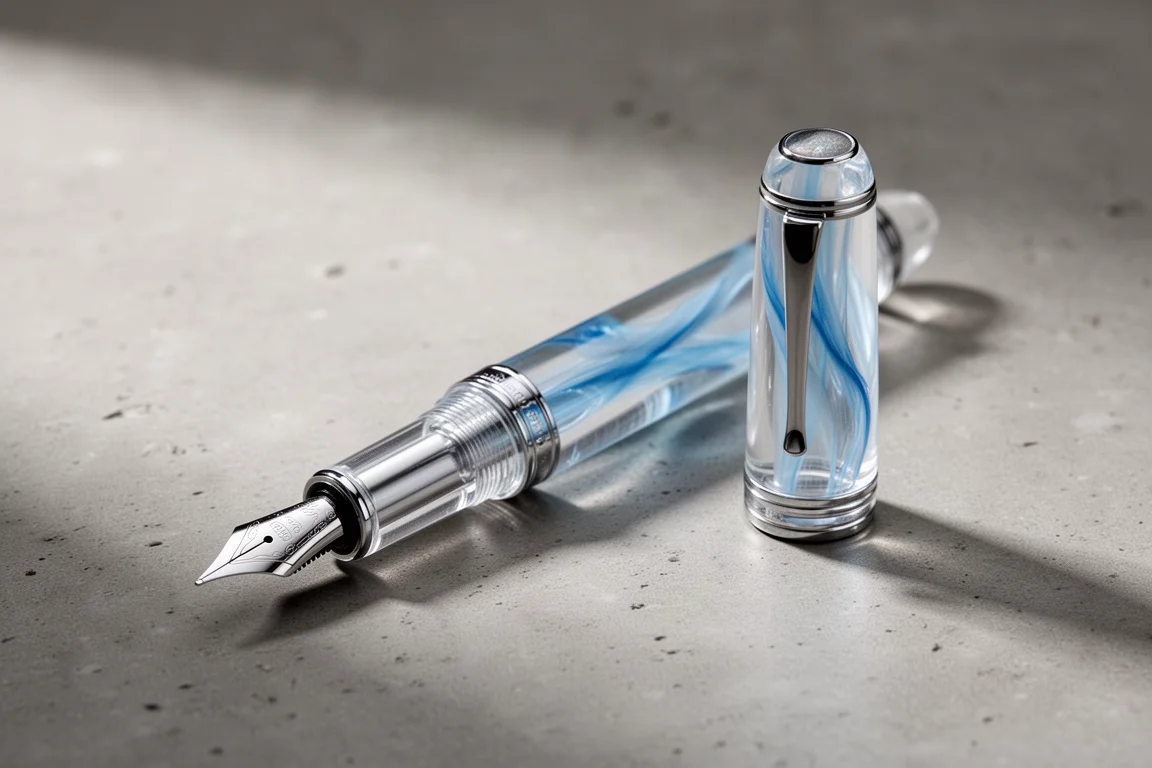
The Original Plus is the newest iteration of a series that debuted in 2019, released around the DC Pen Show, and it arrives with one big differentiator: this affordable demonstrator is now a vacuum filler. It is available in four colorways, each named after fish: the Altraphones Green, the Malarka Purple, the Gold Ocealitis, and the Azurus Blue, the light blue version reviewed here.
The pen is made from a mostly transparent acrylic with wisps of translucent color. The patterning is reminiscent of a couple of drops of ink dispersed in a glass of water, and because the coloring is very light, it reads as a subtle accent rather than a bold statement. At a $55 retail price, it positions itself as one of the more accessible vacuum fillers on the market.
A Note on the Name Change
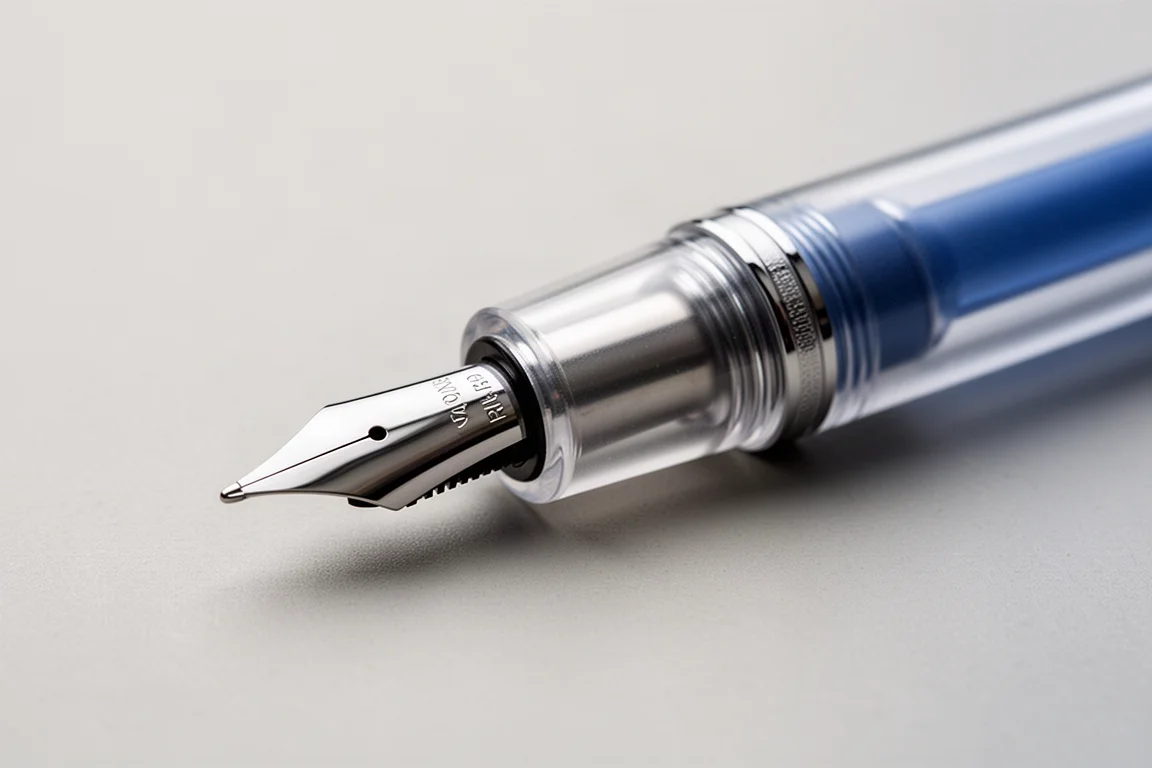
Nahvalur has entered a transitional period in which the company is changing its name spelling. The Icelandic word for narwhal is now the official name, while the pronunciation stays the same as before. The stated reason is that the original name was not unique enough to trademark, and the rebranding should make the company easier to find online, where searching the old name returned mostly information about the whale rather than the pen maker.
Practically, this means some packaging and bands still carry the old spelling and will transition over time, so your box may vary during this period. The new spelling is admittedly tricky, since it is pronounced differently than it looks, but the intent behind the change is understandable.
Cap, Clip, and Nib Details
The top of the cap is slightly rounded and inlaid with a metal disc. The clip is a bit on the stiff side and worked better with thinner materials than with thicker ones. The cap angles up slightly before straightening out about half an inch before the end, and with the translucent material you get a good look at the nib while capped.
Dual thread entry points mean you can cap the pen with the nib aligned to the clip facing up or down. On a translucent cap that orientation matters, and having two clean options is a small but welcome touch. Under the cap sits an in-house number six stainless steel nib, stamped with the current logo and available in fine, medium, broad, and stub. The plastic feed is standard, and the section begins with a slight flare before stepping up into the threads.
The cap twists off in one and three-quarter rotations. It posts securely, though not deeply, landing on the vacuum piston knob. Unlike the earlier piston-filling Original, that is not a problem here because there is no piston mechanism to accidentally engage. Still, the shallow posting adds an inordinate amount of length, so it is a pen that is best used unposted.
Size and Comparisons
Dimensions are essentially the same as the Original demonstrator, with the only visible differences being a slightly wider cap band and a slightly larger band at the back of the barrel. The barrel angles down very slightly over its length until it meets the silver bands that mark the beginning of the vacuum piston knob, and the end of the knob is rounded a bit more than the top of the cap.
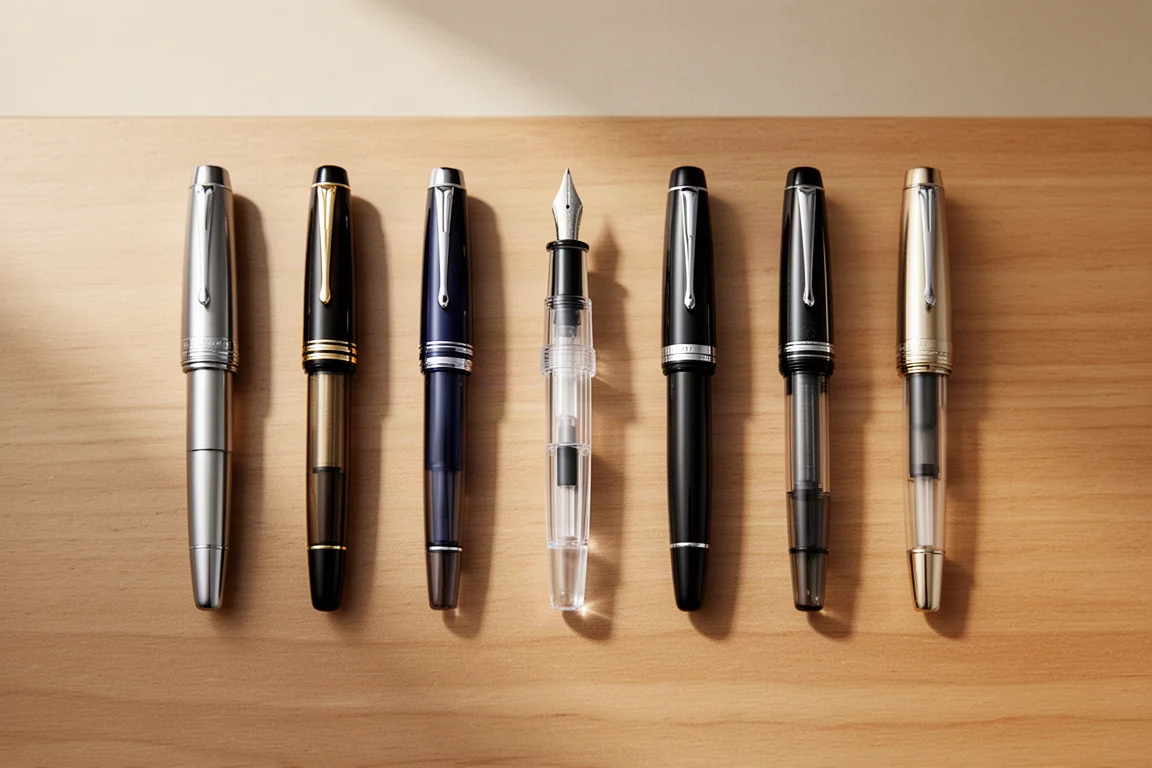
Posted or capped, the pen stays reasonably light and does not back-weight or throw off the balance. Uncapped, it sits comfortably alongside other mid-size pens in a collection, and the subtle wisp pattern gives it a quieter character than many demonstrators.
The Vacuum Filling System
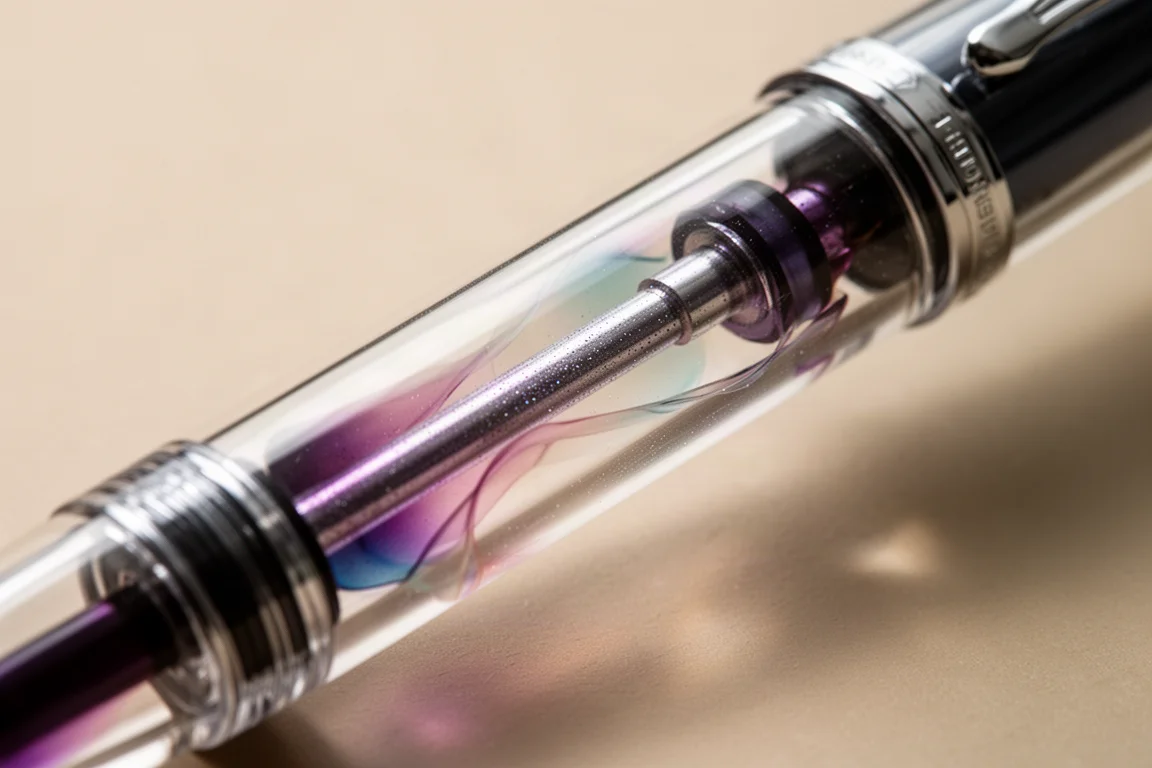
The vacuum filler is the headline feature, and the piston knob feels genuinely solid. Other vacuum fillers sometimes feel flimsy, with a mechanism that gives the impression something could break if you pull it back too carelessly. This one does not have that feel at all.
In use, the rod pulls back through a section of different material that creates the vacuum, and when the seal pops past a certain point, ink is sucked up into the barrel. A first try produced roughly a half fill, and a second attempt brought it up to about three quarters, which is respectable without any special technique.
Writing Performance
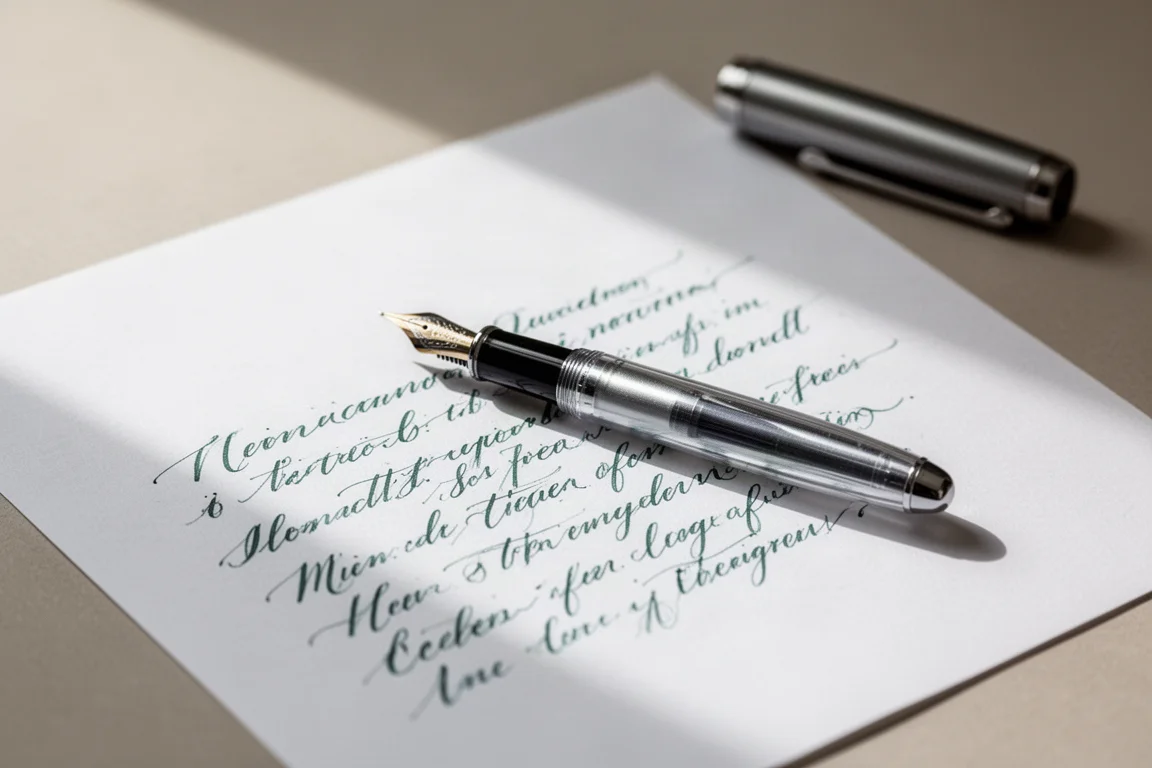
Filled here with a limited edition Pannonia Cheerio Water Bus ink, a greenish-blue shade made in Hungary and sold exclusively through Ink Dependence, the fine stainless steel nib proved surprisingly smooth. Fine nibs are not for everyone, but this one writes smoothly enough, with decent ink flow and no issue with the feed keeping up during fast writing.
Reverse writing produces an extra-fine line with slightly more limited flow, and there is not much line variation from this nib. That is expected from a steel fine, and the overall writing experience is solid for the price bracket.
Buying Advice
At $55, the Original Plus is a good value for what you get: sharp looks with a subtle wisp accent, a well-built vacuum filling system, and an in-house nib that writes nicely. It is available through a wide number of retailers as well as directly from Nahvalur. If you have wanted to try a vacuum filler without committing to a premium price, this is an easy entry point.
Conclusion
The Nahvalur Original Plus does not reinvent the Original formula beyond its filler, but it does not need to. A solidly made vacuum filler, a pleasant nib, and a fair price make it easy to recommend to anyone curious about the filling system or simply looking for a well-priced demonstrator.
Product link
View more details for Nahvalur Original Plus
This product is mentioned in the review. Check the specifications, options, and compatibility before buying.
View more details for Nahvalur Original PlusFurther reading
Related Reviews
Fountain Pens
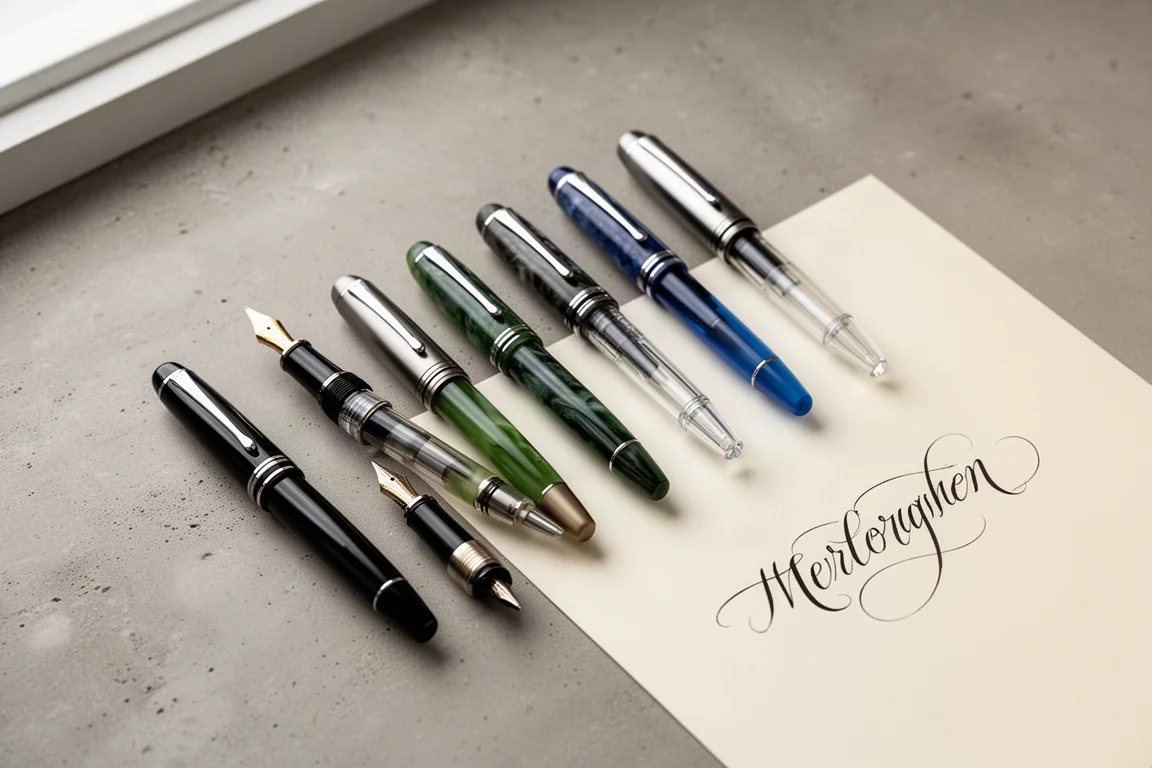
Best Budget Fountain Pens Tested: 9 Pens, One Clear Winner
A hands-on comparison of nine affordable fountain pens for everyday writing, calligraphy, and sketching, with a clear standout for flexible nib fans.
Fountain Pens
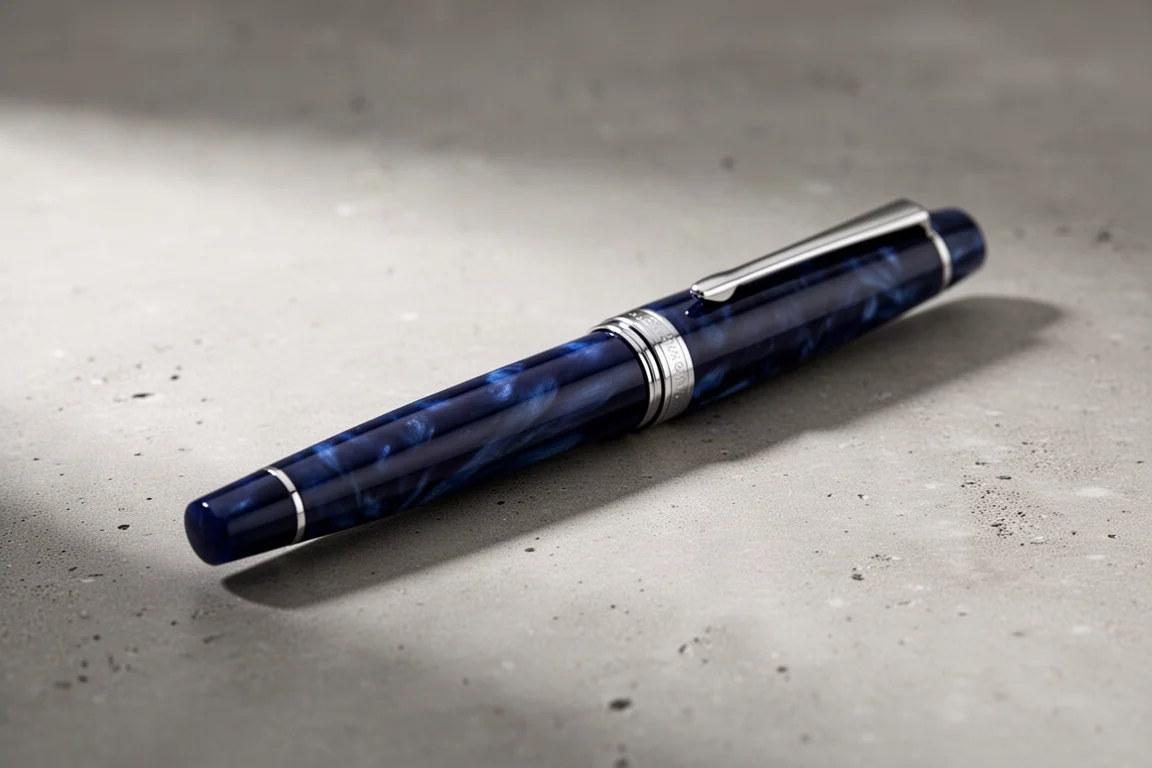
Aurora Optima Review: An Italian Piston Filler That Punches Above Its Price
A 14k gold nib, ebonite feed, and a beautifully deep oraloid body make the Aurora Optima one of the most rewarding piston fillers around.
Fountain Pens
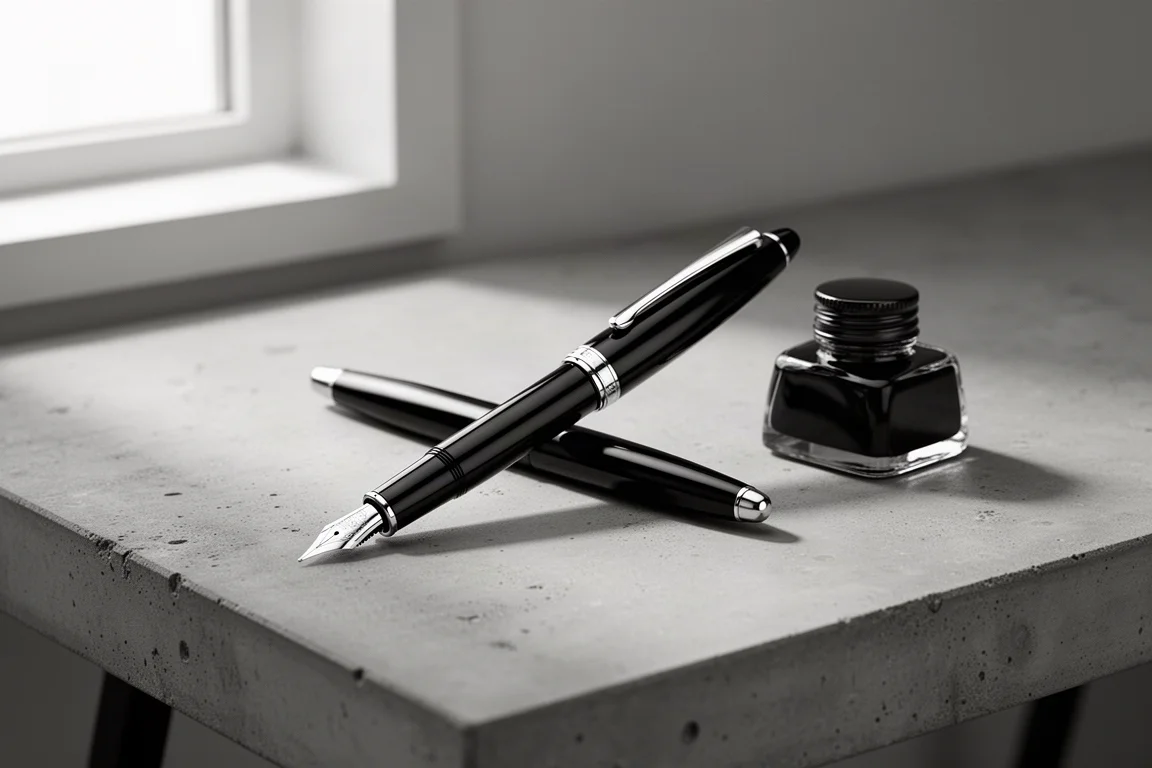
Cross Bailey Light Review: The Entry-Level Fountain Pen Worth Keeping at the Office
A plastic-bodied Cross with a metal clip, snap cap, and famously smooth extra fine steel nib. Around $15, available almost everywhere, and easy to recommend.