Outdoor Gear
MSR Zoic Tent and Pocket Rocket Stoves: What to Know Before You Buy
A practical guide to MSR's Zoic tent and Pocket Rocket stove line, covering reported quality-control issues, the standout model, and how to buy with protection.
Introduction
Mountain Safety Research, better known as MSR, has been a fixture in backpacking and mountaineering for more than fifty years. The catalog covers tents, stoves, cookware, trekking poles, snowshoes, and water filters, and it is one of the few outdoor brands that hikers recognize on sight.
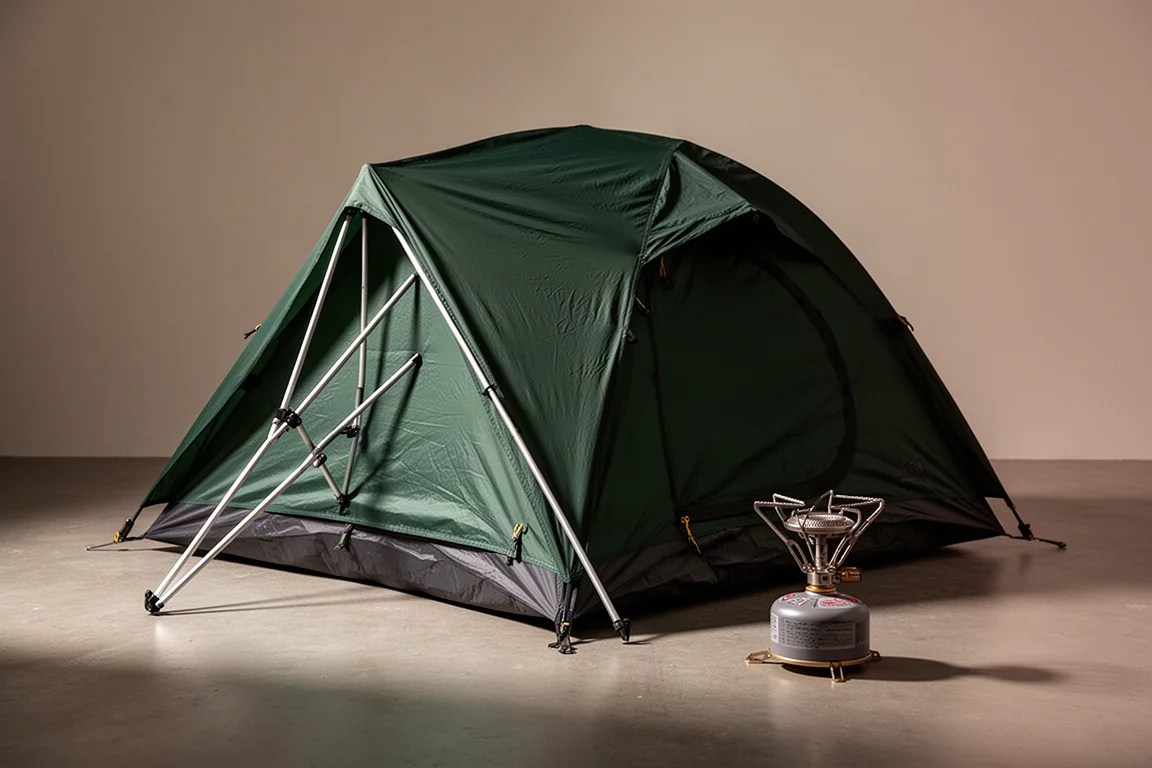
That recognition cuts both ways. MSR builds genuinely excellent equipment, and it also builds gear that has let owners down. The feedback collected over the years is unusually polarized, and four products come up again and again in those conversations: the MSR Zoic tent and the Pocket Rocket 1, Pocket Rocket 2, and Pocket Rocket Deluxe stoves. This guide walks through what each one is, where the risk sits, and how to buy MSR gear without exposing yourself to it.
Company Background: Mountain Safety Research
MSR began in 1969 as a newsletter dedicated to mountaineering safety. That editorial origin explains a lot about the brand’s later direction, since it built its reputation on solving practical problems for people heading into the mountains. In 1973 the company launched the Model 9 camp stove, one of the products that established it as a serious equipment maker.
The ownership story is worth knowing. MSR was acquired by REI and later merged with Edge Works, a tent manufacturer that produced shelters for the Moss, Walrus, and Armadillo labels. Those brands were dissolved and everything moved under the MSR name. In 2001 the company was sold to Cascade Designs, the group behind Therm-a-Rest, Platypus, SealLine, and PackTowl.

Under Cascade Designs, MSR has continued to cover a wide range: tents, stoves, cookware, trekking poles, snowshoes, and water filters. The breadth is part of the appeal. Consistency is the recurring concern.
What to Know Before Buying MSR Gear
The single most useful thing to understand about MSR is that quality control is uneven. For every product that performs exactly as advertised, there is another that fails in some way. A premium price does not reliably translate into a premium experience.
That pattern shows up in both directions. Long-term owners describe shelters and stoves they have used hard for years. Others describe seams that failed, warranty claims that went nowhere, and support requests that took repeated follow-ups to resolve.
The practical takeaway is straightforward: if you buy MSR, buy it from a retailer with a generous return policy. Some retailers offer return windows that are effectively open-ended for this kind of gear, and that protection matters more here than it does with brands that have a more consistent service record. Paying a premium price only makes sense when you can get your money back if something goes wrong.
MSR Zoic Tent: Waterproofing Concerns
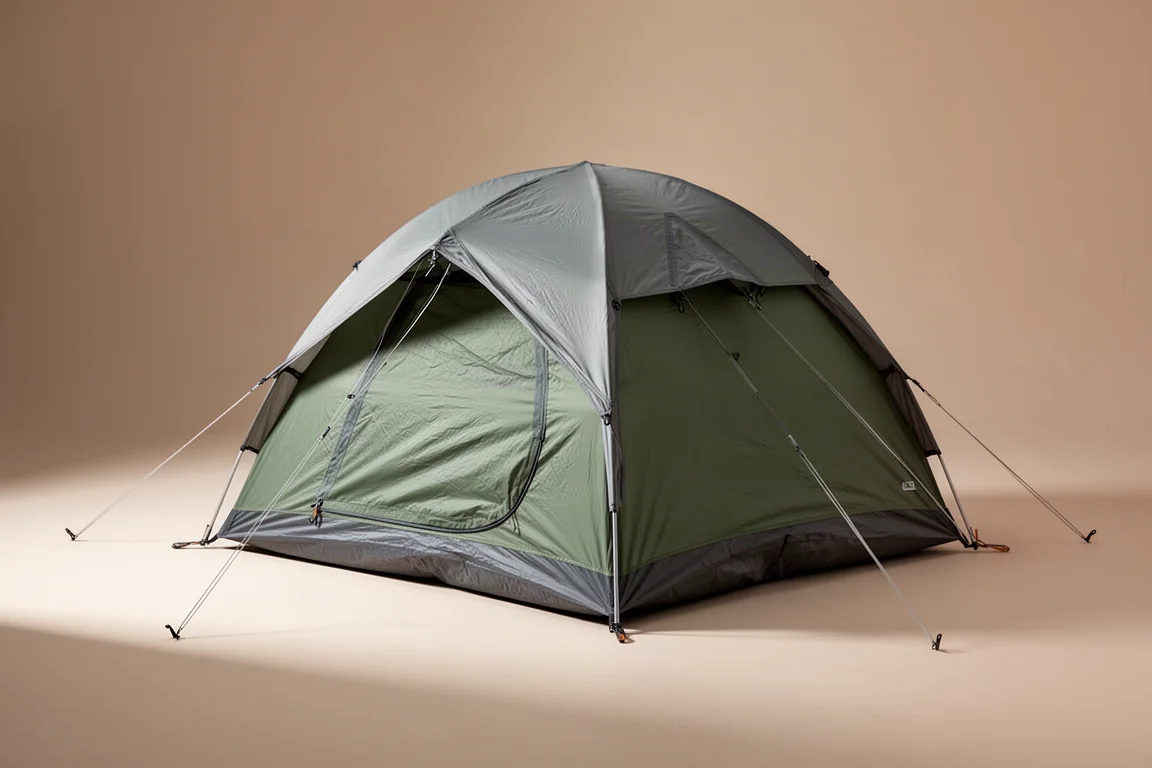
The Zoic is the clearest illustration of the brand’s quality-control problem. MSR introduced a technology called Extreme Shield, intended to make a tent waterproof without requiring seam taping. In practice it did not work. The Zoic leaked badly, and the failure became a well-known issue that still shapes how some backpackers view the entire brand.
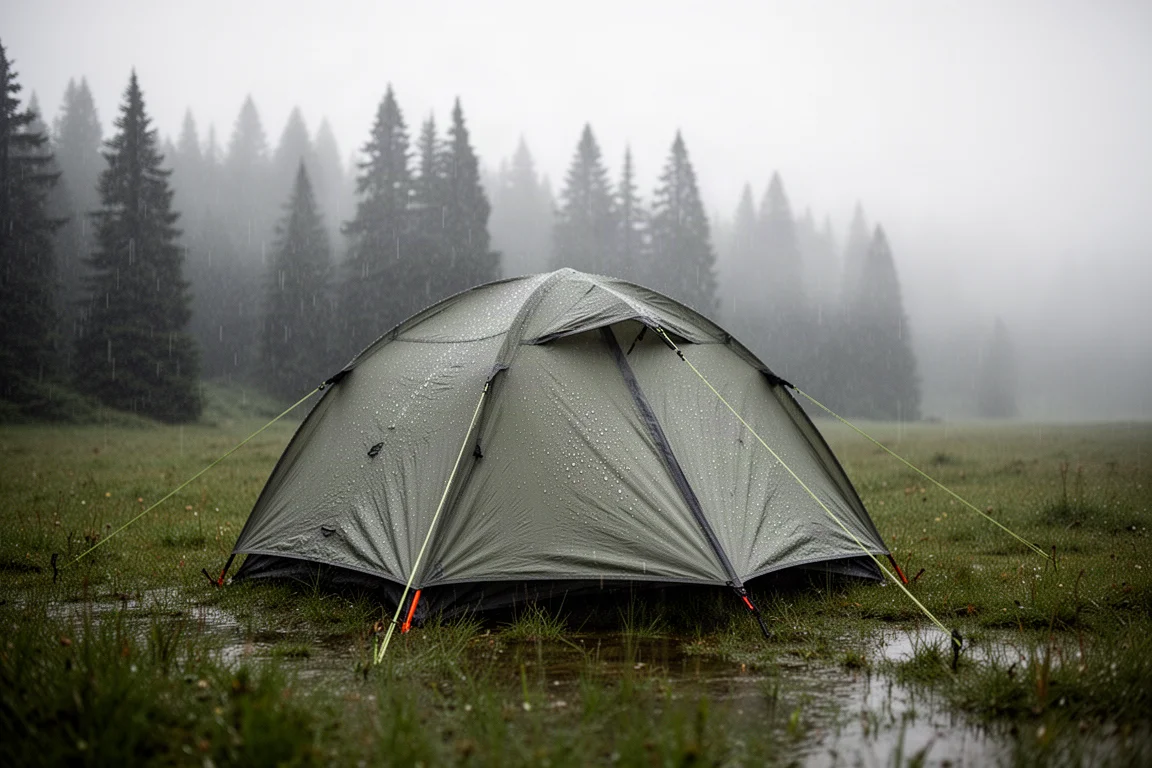
For owners, the fix was usually manual: apply seam sealer yourself and hope the rest of the fly holds up. If you are considering a Zoic, inspect the rainfly and every seam before your first trip, and be honest about whether you are willing to deal with a leak on a wet night. Buying from a retailer that accepts returns is the difference between an inconvenience and a lost purchase.
MSR Pocket Rocket 1: The Standout Stove
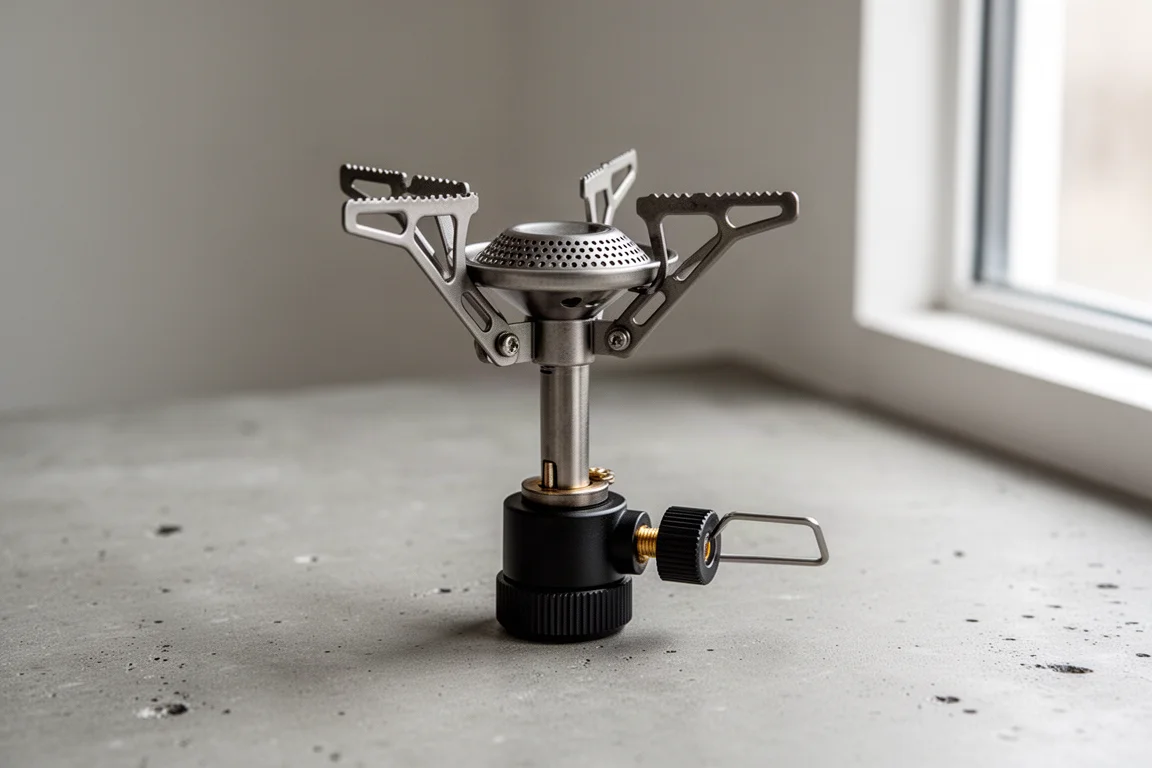
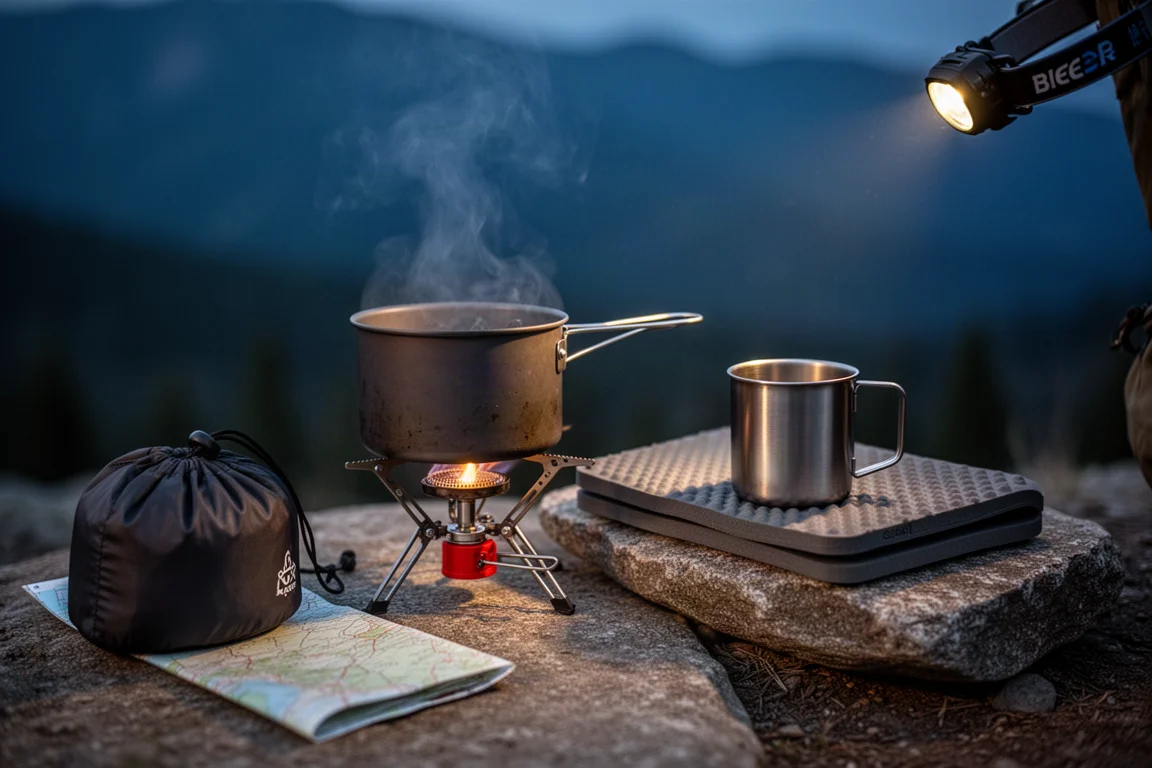
Stove performance at MSR varies noticeably from model to model, and the Pocket Rocket 1 is the one that consistently earns praise. It is the reference point for the line: a small backpacking stove that does what it is supposed to do, trip after trip, without drama.
That reliability is why the Pocket Rocket 1 remains the model worth seeking out if you want to buy into the Pocket Rocket family. It is not a complicated piece of equipment, and that is exactly the point. Fewer parts and a proven design mean fewer things to go wrong at camp.
MSR Pocket Rocket 2: Inconsistent Performance
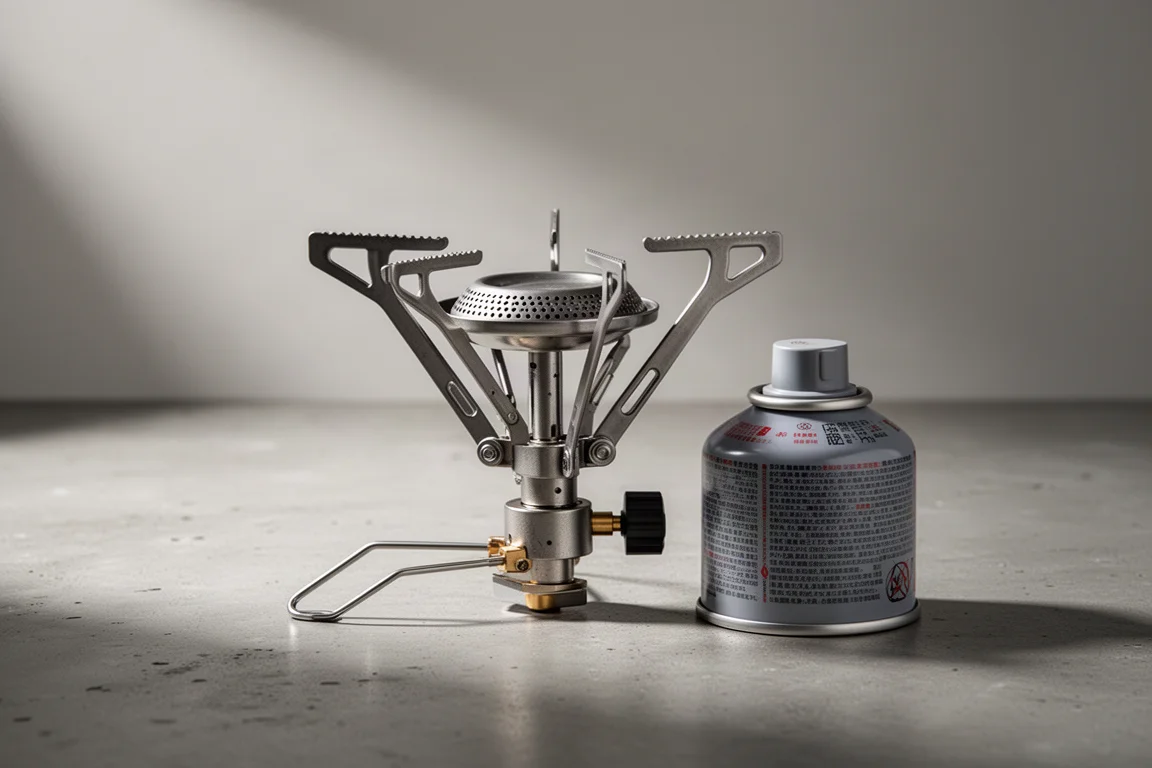
The Pocket Rocket 2 is where the line loses its footing. Performance has been described as not very good, and it is the model most often named when owners talk about reliability problems with MSR stoves.
That does not mean every unit will disappoint, but it does mean the Pocket Rocket 2 carries more risk than the version that came before it. If you are choosing between models in this line, there is little reason to accept that extra uncertainty when a better-performing option exists in the same family.
MSR Pocket Rocket Deluxe: Reliability Questions
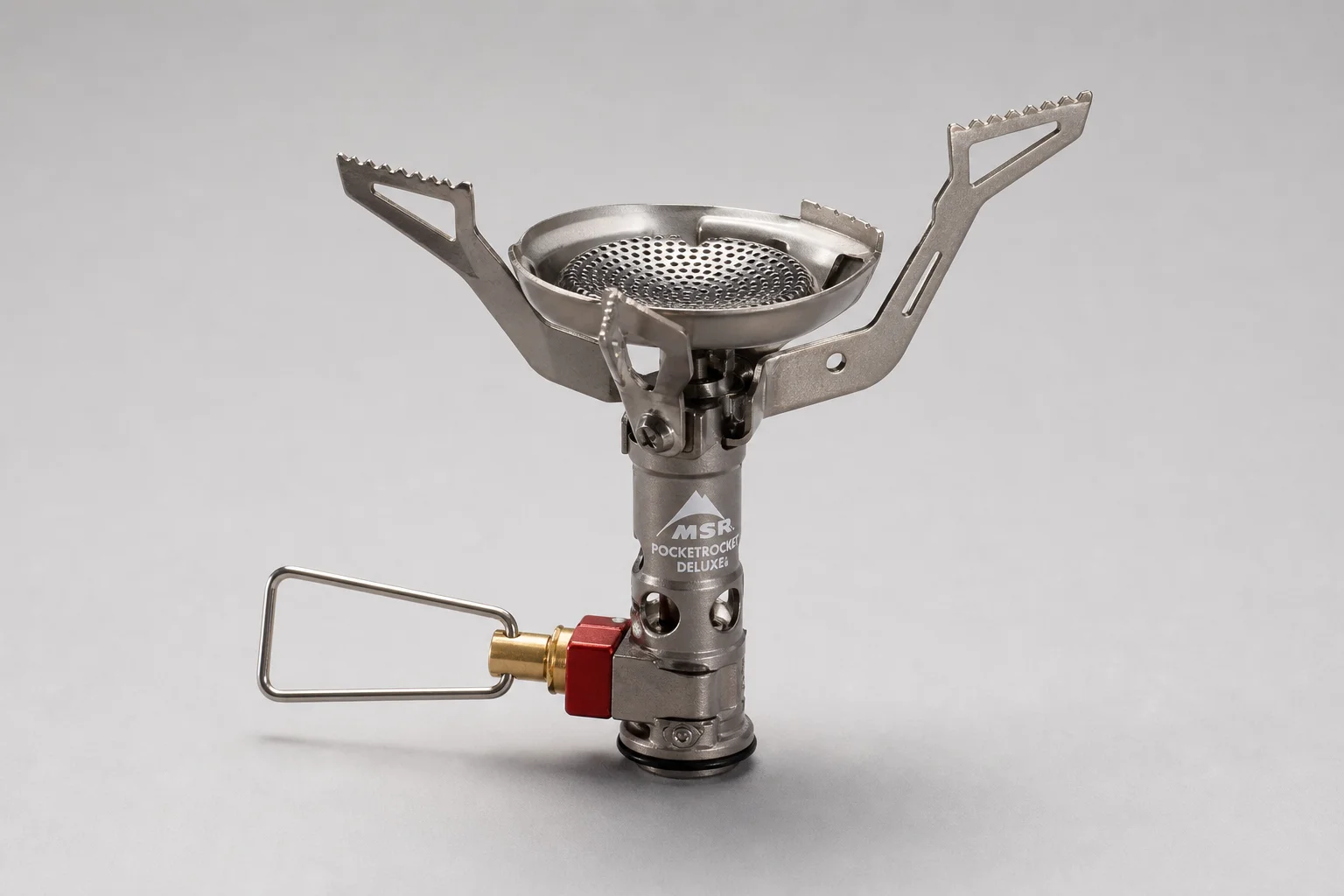
The Pocket Rocket Deluxe rounds out the range, and the reliability picture here is no better. Owners have reported issues with this model as well, which is the disappointing part of a purchase made in good faith.
If the Deluxe is on your shortlist, treat it the same way you would treat any MSR purchase. Check the return terms first, test the stove at home before you rely on it on a trip, and keep the receipt.
Buying Advice: Protect Your Purchase
The complaints that reach us follow a recognizable pattern: leaking tents, poor customer service, warranty disputes, and shelters that fall apart sooner than expected. One owner who had used MSR products for four decades said they no longer buy from the company. Another described emailing the brand four times without a reply, calling the warranty department, and being promised seam sealer that only arrived after a third follow-up through social media. A third was told that a tent which began failing in under a year had simply reached the end of its expected lifespan. Water filter owners have reported disputes as well, including being blamed for failures they did not cause.
The picture is not uniformly negative. A quick poll of this audience returned 83 percent saying they trust MSR’s quality and 17 percent saying they do not, which is a reminder that plenty of people are still getting good results. Trust in the brand is real, it is simply not unconditional.
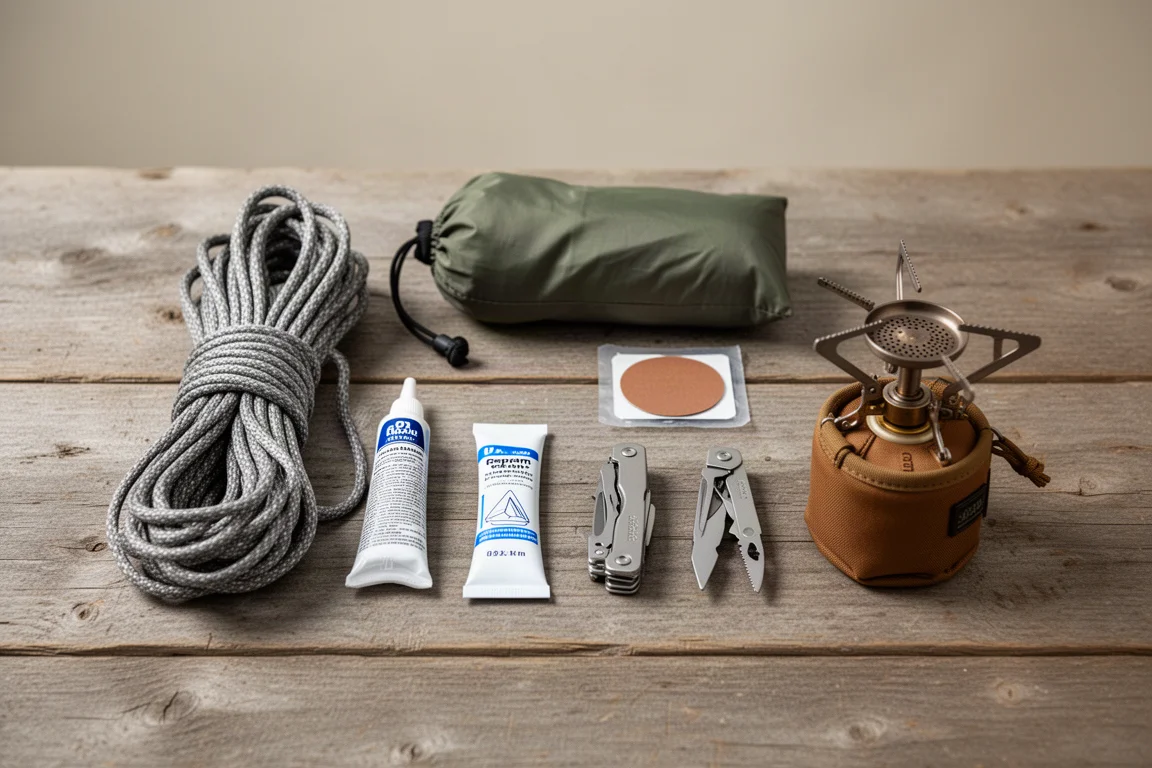
So the buying strategy is simple. Choose a retailer with a return policy you can live with, ideally one that will take a high-dollar tent back without a fight. Test everything at home. Keep your documentation. And if you are shopping for a stove, look hard at the Pocket Rocket 1 before you consider anything else in the line.
Conclusion
MSR is a company that can build excellent equipment, and the Pocket Rocket 1 proves it. The trouble is that the catalog is uneven, and the Zoic tent, the Pocket Rocket 2, and the Pocket Rocket Deluxe are the products where that unevenness shows most clearly. Buy MSR gear when the return policy is strong and the model has a track record, and you can enjoy the brand’s best work without carrying the risk of its worst.
Further reading
Related Reviews
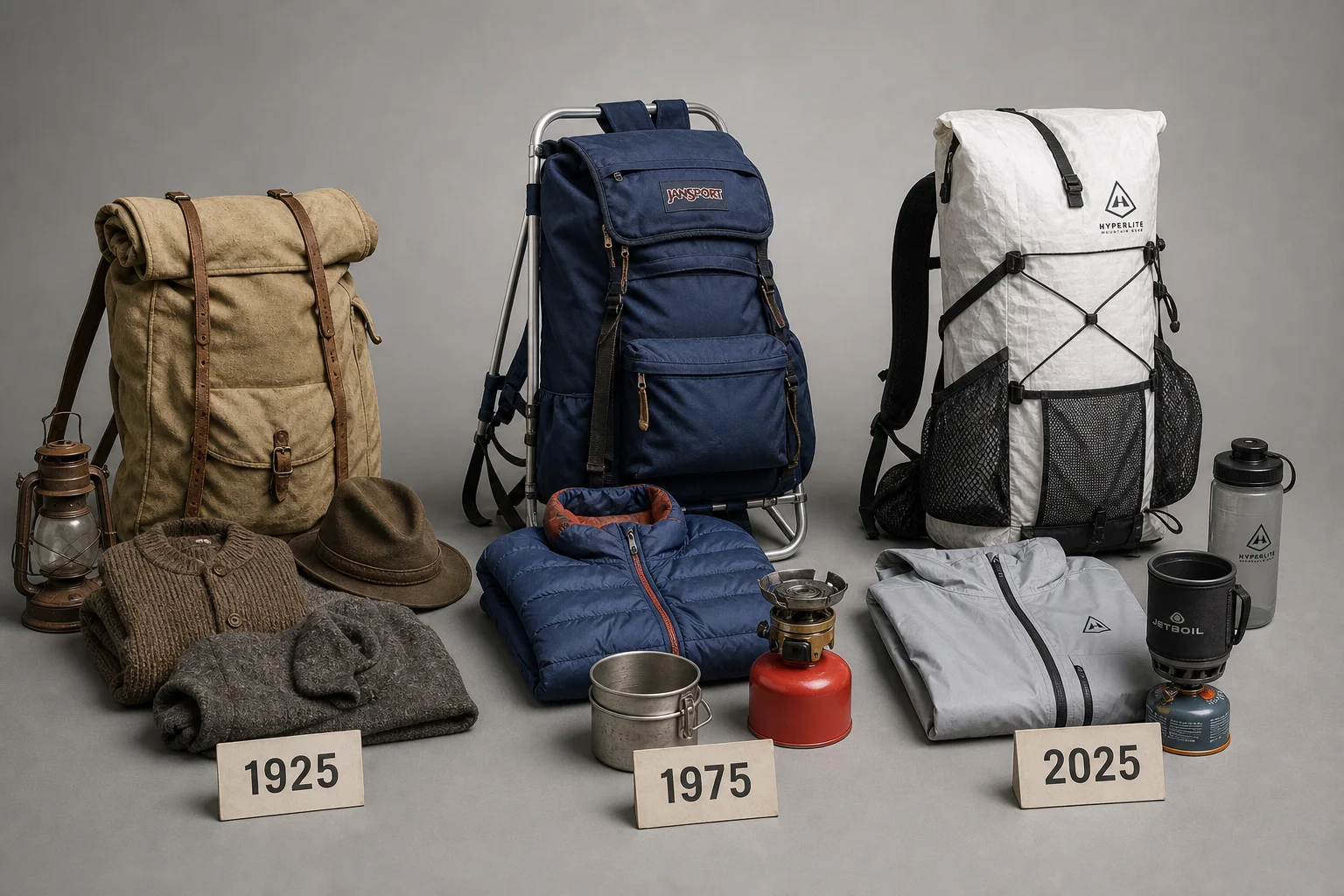
Outdoor Gear
Backpacking Gear Evolution: 100 Years of Technology Compared
We tested backpacking gear from 1925, 1975, and 2025 across a three-day hike in Yosemite. Here's how technology has transformed comfort, weight, and the outdoor experience.
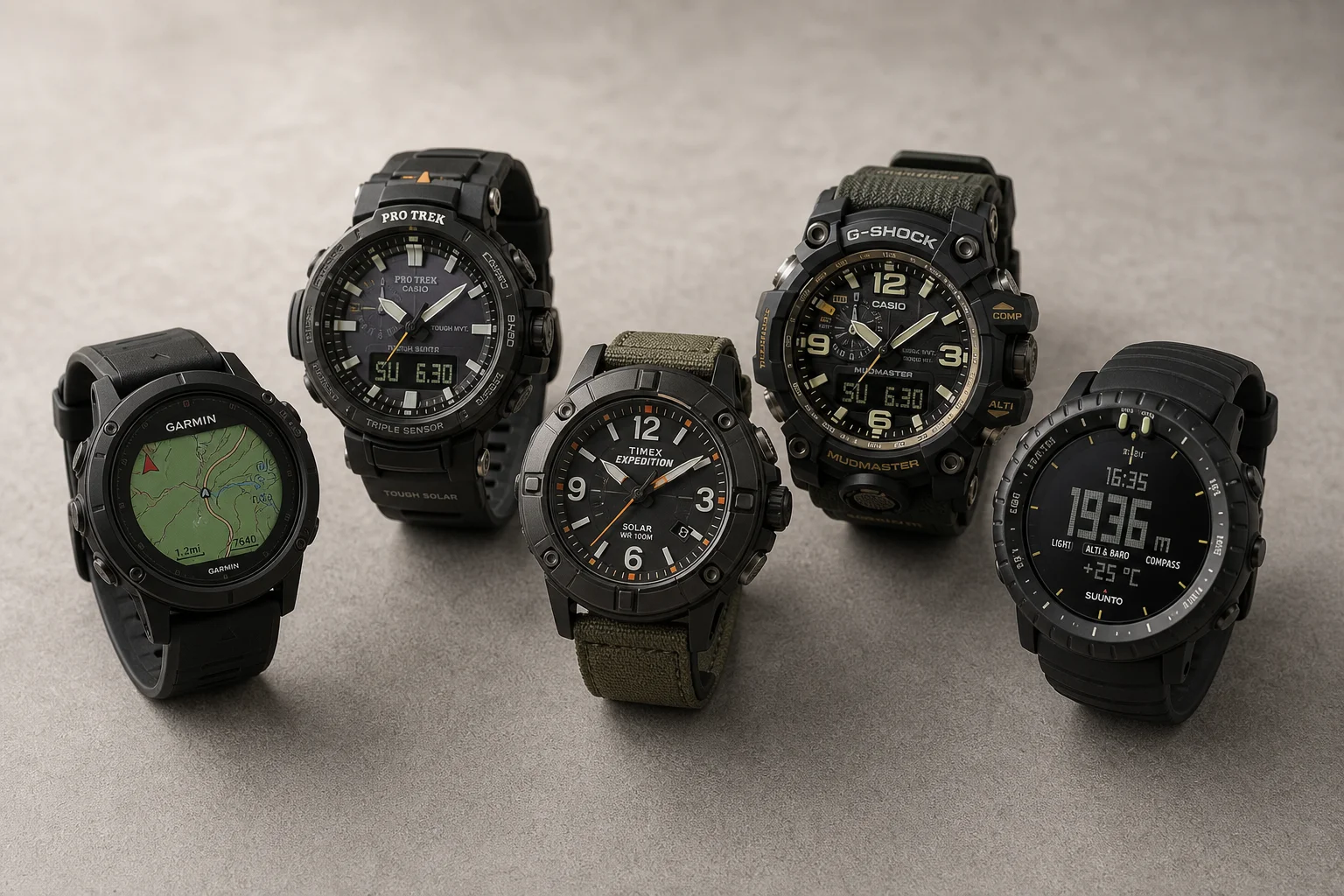
Outdoor Gear
Best Affordable Hiking Watches: Five Rugged Options for Outdoor Adventures
Five durable hiking watches that balance ruggedness, functionality, and value for outdoor enthusiasts who need reliable GPS tracking and weather resistance.
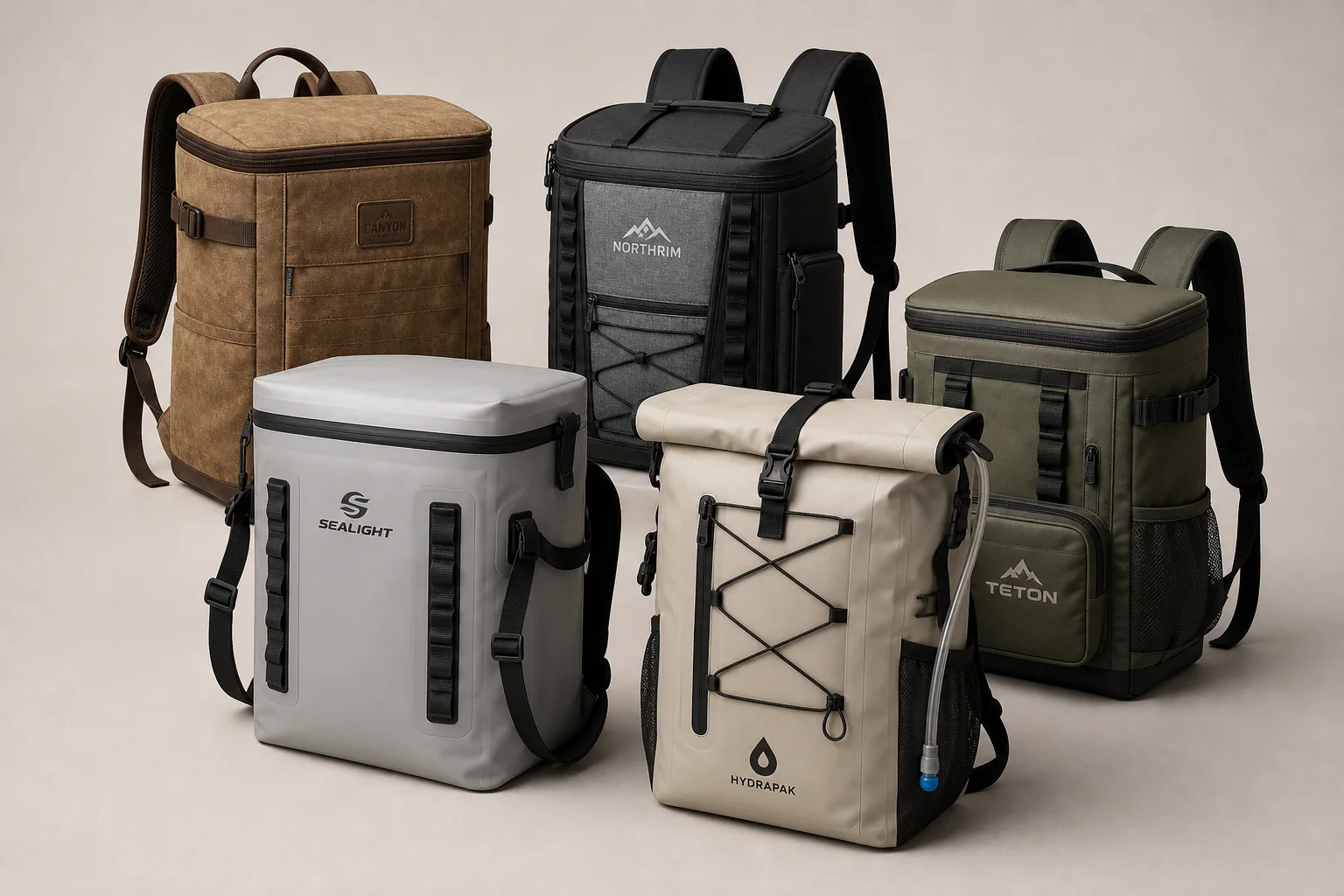
Outdoor Gear
Best Backpack Coolers 2026: Five Practical Options for Outdoor Adventures
Five backpack coolers with distinct cooling capabilities, storage features, and design trade-offs to help you choose the right one for your outdoor needs.