Outdoor Gear
MSR Tents and Stoves: A Practical Buyer's Guide to the Current Lineup
MSR builds premium camping gear with real heritage, but performance across the range is uneven. Here is how the tent and stove lineup holds up.
Introduction
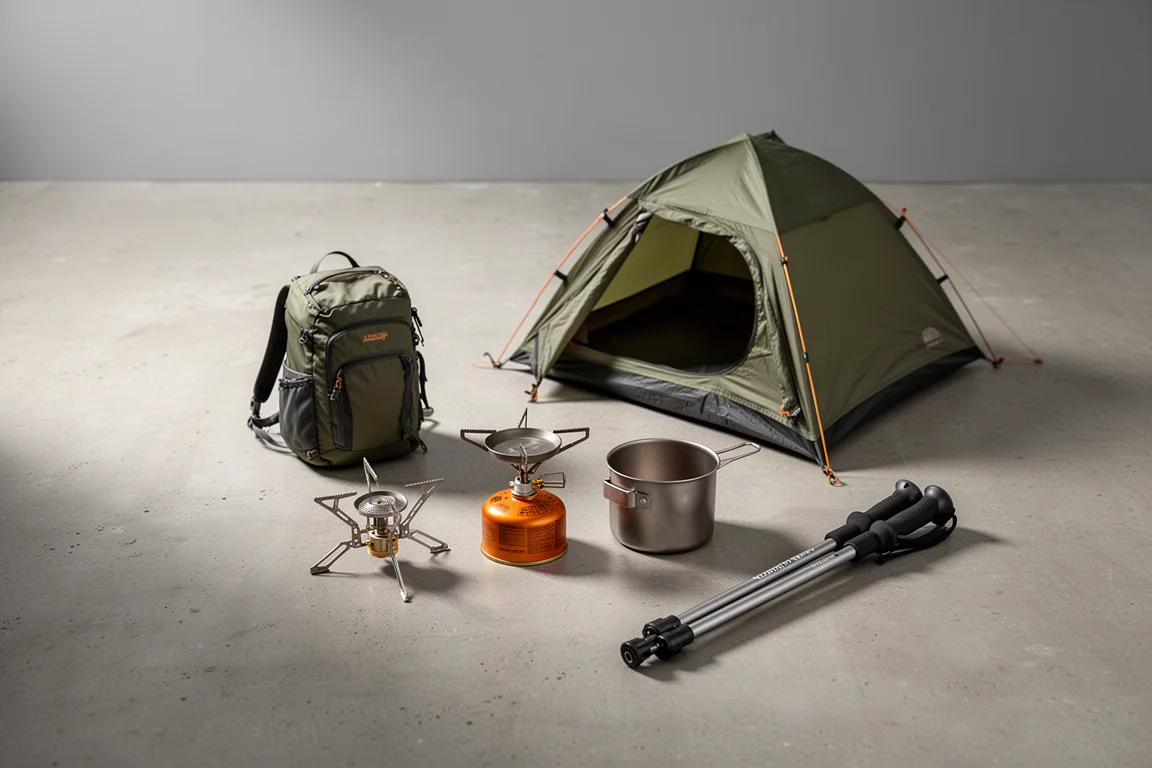
MSR, short for Mountain Safety Research, has been part of the outdoor landscape since 1969, when it began as a newsletter covering mountaineering safety. The brand now produces tents, stoves, cookware, trekking poles, snowshoes and water filters, and it sits inside Cascade Designs alongside Therm-a-Rest, Platypus, SealLine and PackTowel.
That history earns the brand a lot of goodwill, and it also sets expectations high. This is where the picture gets complicated. MSR gear is priced at the premium end, yet performance across the range is uneven, and a handful of models have well-documented problems. This guide looks at four current MSR products, what each one does well, and what to weigh before you buy.
What MSR Is Known For
A short timeline explains why MSR gear is so widely trusted. The company launched the Model 9 camp stove in 1973 and was purchased by REI in 1981. In 2000 it was combined with Edgeworks, a tent manufacturer that built shelters for the Moss, Walrus and Armadillo brands. Those names were dissolved and folded under the MSR label. In 2001 the business was sold to Cascade Designs.
The result is a broad catalogue with genuine backcountry heritage. The caution is that quality control has not always kept pace with the reputation. For every strong product in the range there is another that falls short, and paying a premium price does not automatically guarantee a premium experience.
Keep that pattern in mind as you read through the individual models below. Each one is judged on the same question: does it hold up in real use?
MSR Zoic Tent: A Waterproofing Caution
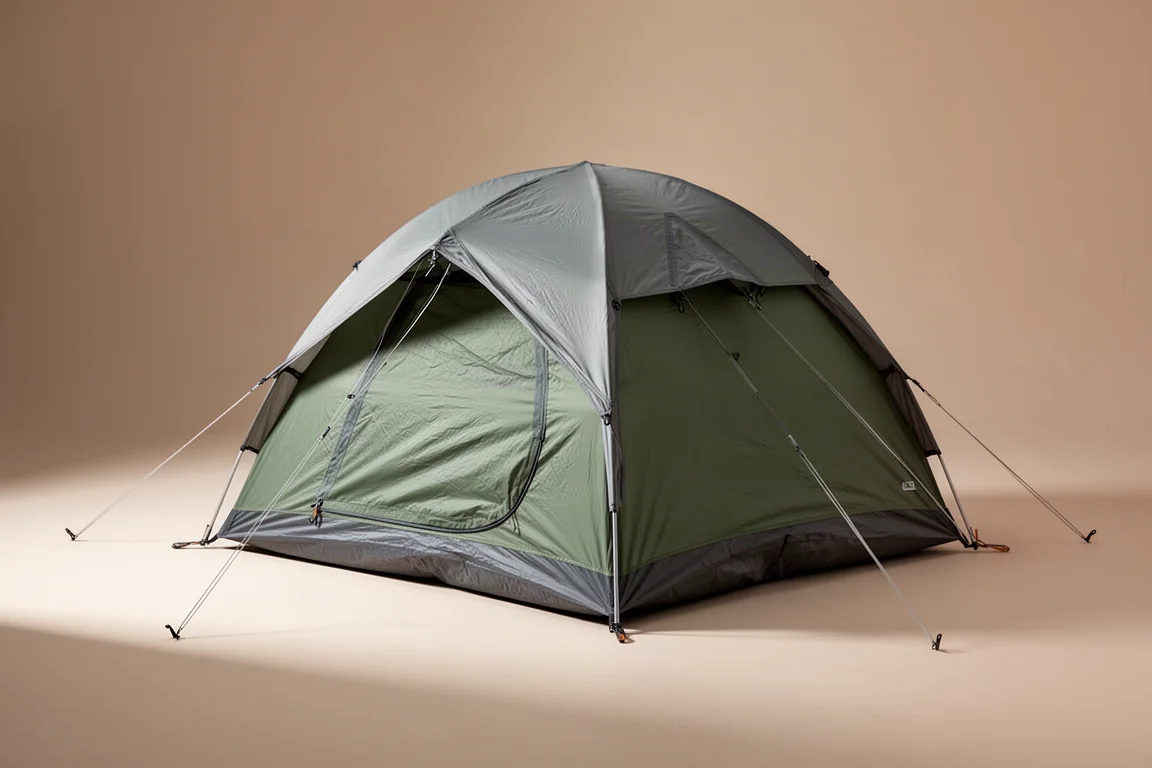
The Zoic is the clearest example of where MSR has struggled. In use it has leaked badly. The tent was built around a technology called Extreme Shield, presented as a waterproof construction that did not require seam taping. In practice it did not deliver, and water came through. That episode left a lasting mark on how many long-term campers view the brand’s shelters.
Reports about MSR tents also describe shelters falling apart, and there are accounts of tents being turned away from warranty coverage on the basis that the shelter had reached the end of its expected lifespan. If the Zoic is on your shortlist, the practical move is to buy it somewhere with a generous return window rather than relying on the warranty alone.
MSR PocketRocket 1: The Standout Stove
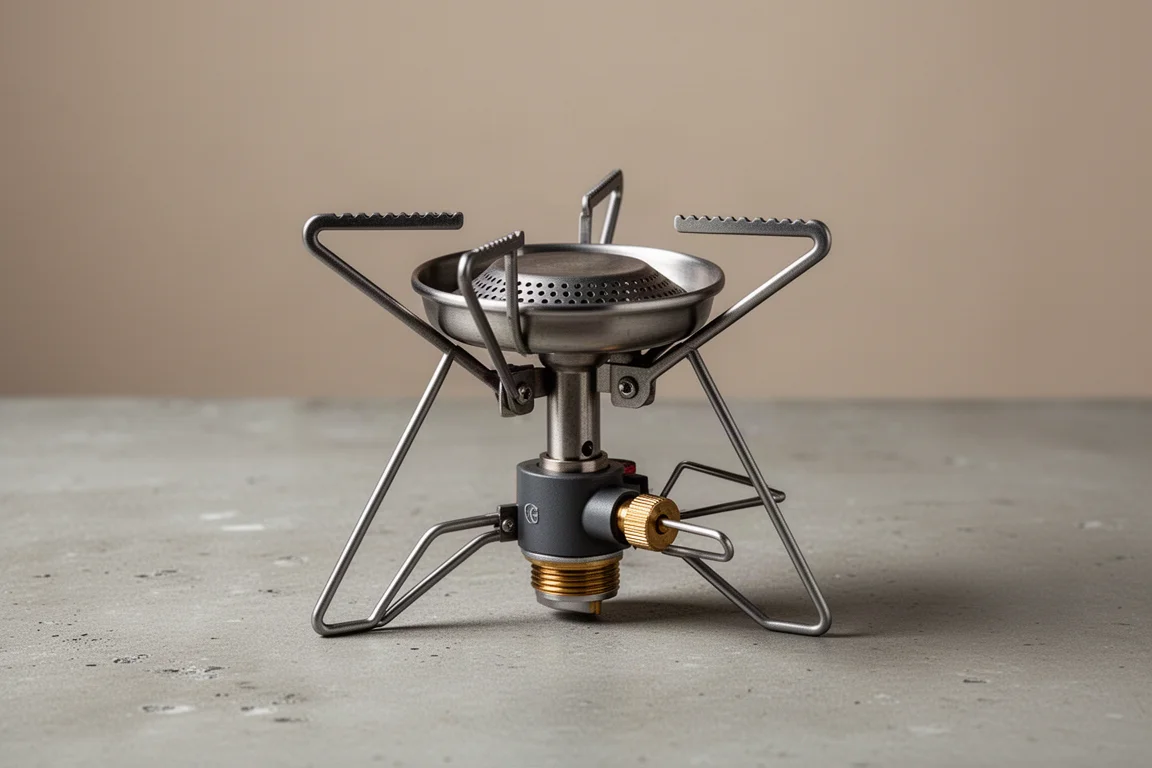
Stove performance inside the PocketRocket family varies more than you would expect from a single product line. The original PocketRocket 1 is the one that consistently earns praise. It has a reputation as a genuinely good canister stove, and it is the model most often recommended to anyone who wants a simple, dependable way to boil water on the trail.
That reliability is why it still comes up in conversation years after newer versions arrived. It is not a complicated stove, and that is precisely the point.
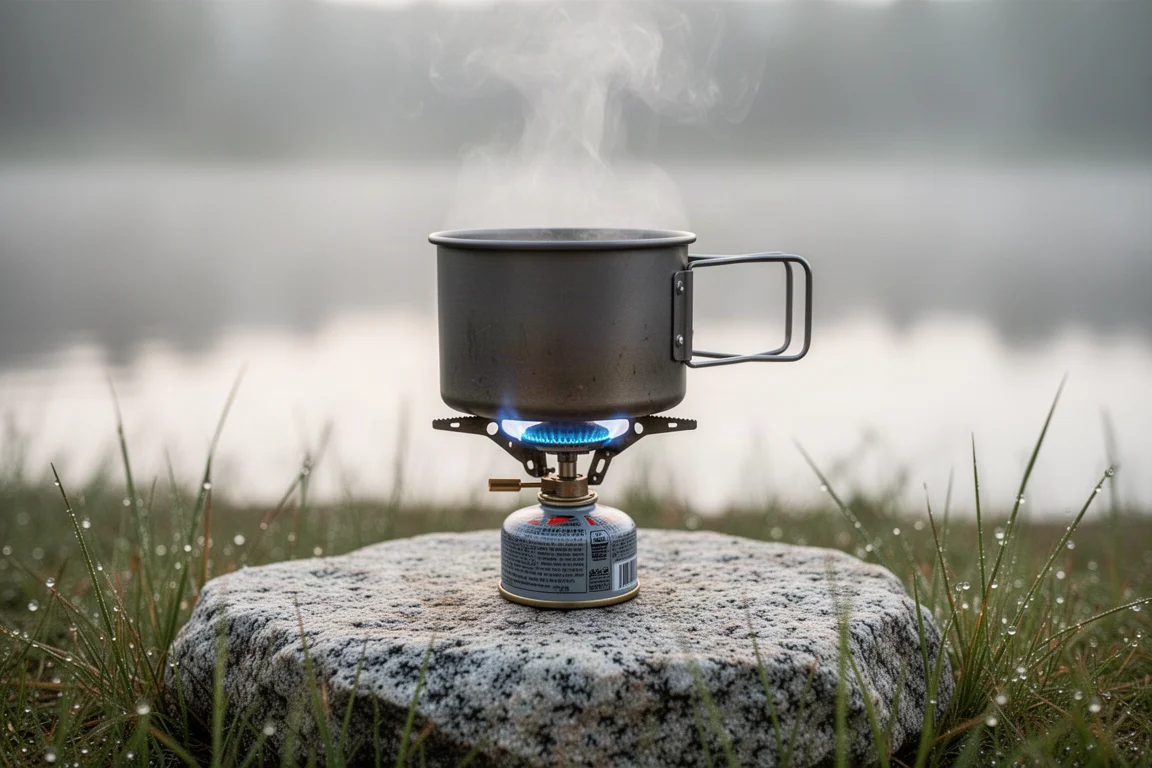
For backpackers who want the least complicated option in this lineup, the PocketRocket 1 is the safest pick of the four products covered here.
MSR PocketRocket 2: Inconsistent Performance
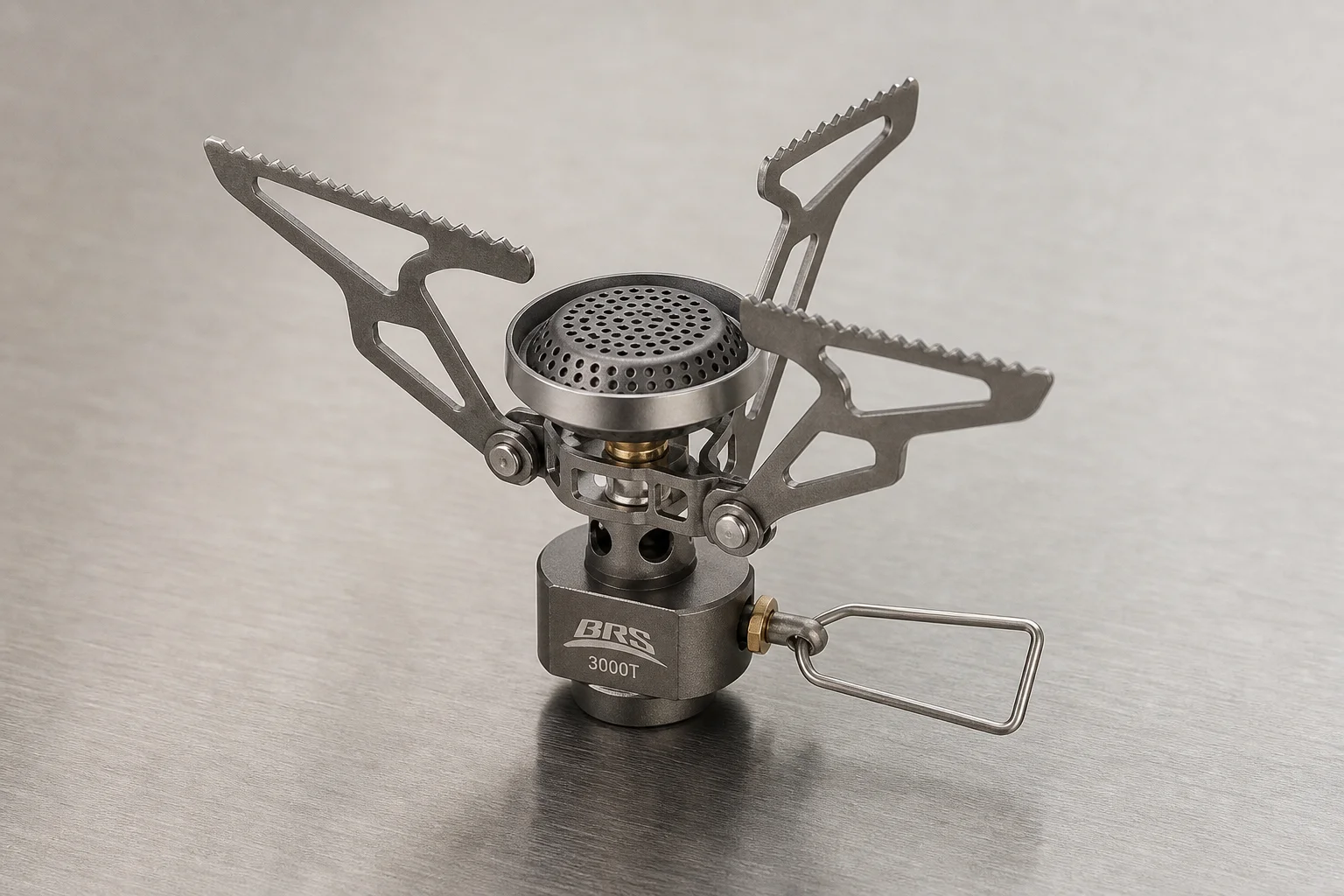
The PocketRocket 2 has not carried the same reputation forward. Feedback on this model is noticeably weaker, and it has drawn reports of inconsistent performance in use. Nothing suggests a fundamental problem with the format itself; the issue appears to sit with unit-to-unit consistency rather than with the idea of a small canister stove.
That makes the PocketRocket 2 hard to recommend outright, particularly given how MSR positions its pricing.
MSR PocketRocket Deluxe: Reliability Caveats
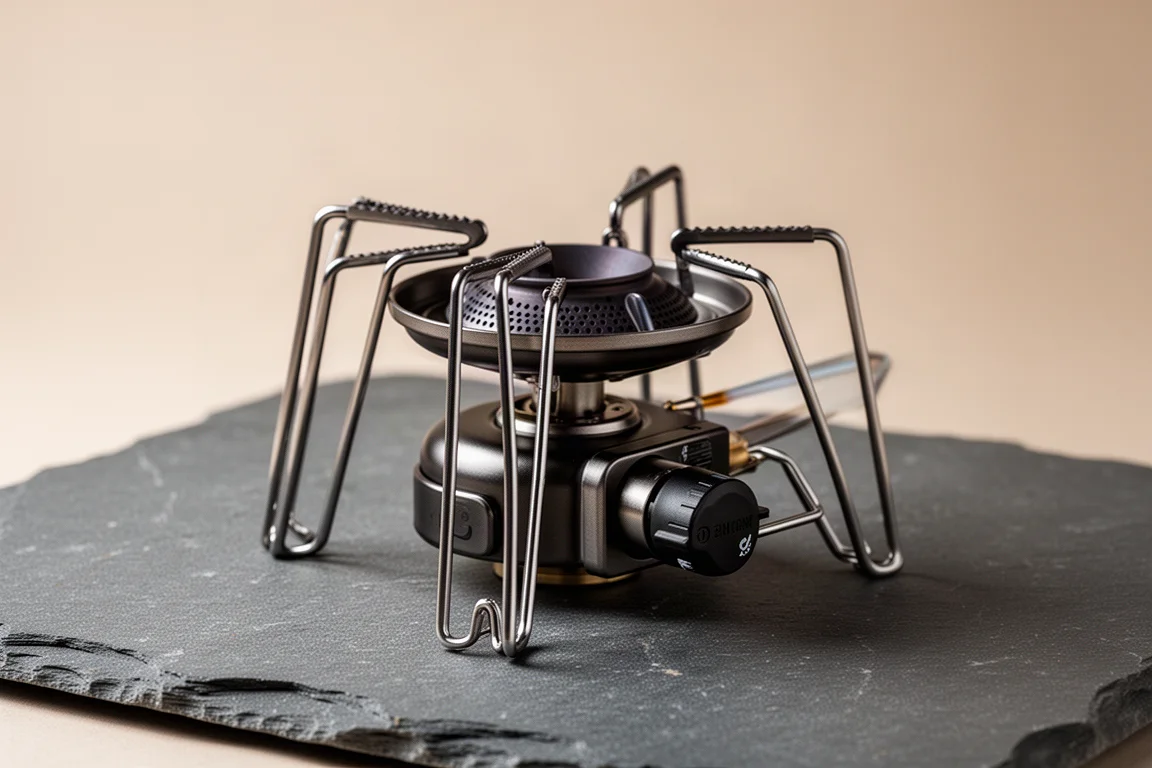
The Deluxe sits at the top of the PocketRocket range, and it has attracted reliability complaints of its own. As with the PocketRocket 2, the concern is not the concept of a compact canister stove but the consistency of the individual unit you receive.
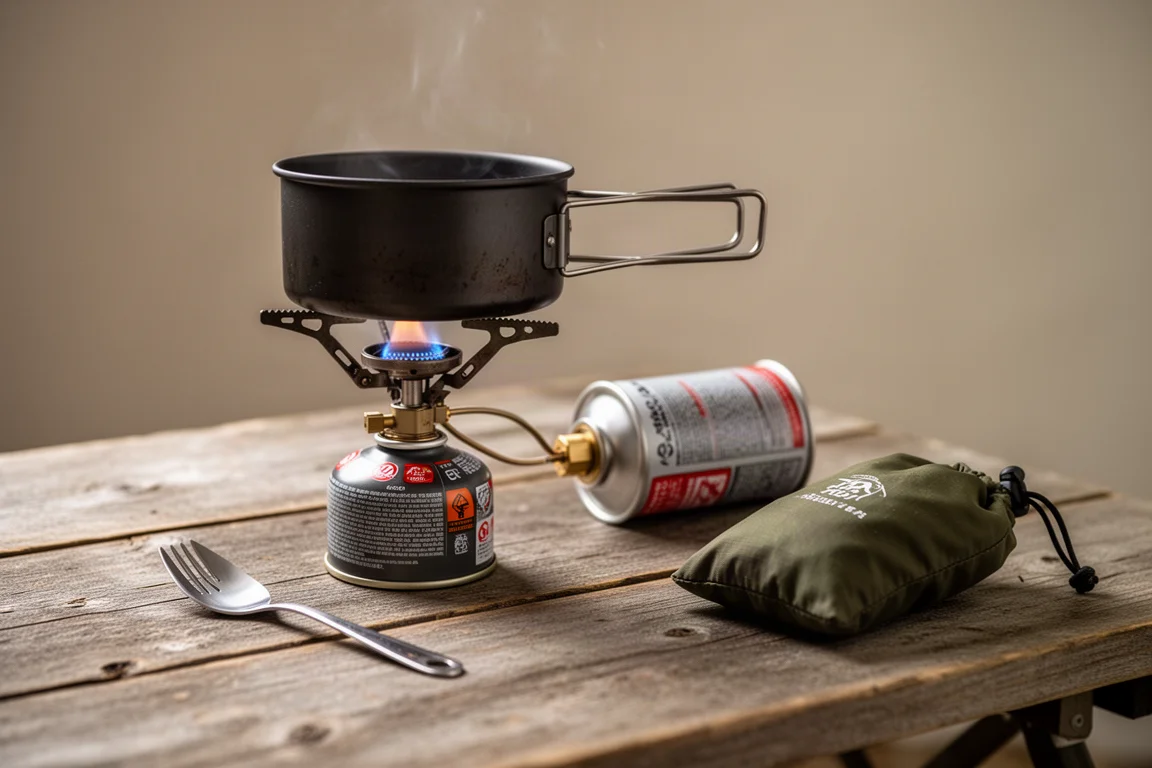
If you are drawn to the Deluxe specifically, treat it the same way as the Zoic: buy from a seller with a straightforward return process, and test it properly on a short trip before you depend on it.
Customer Service and Warranty Reports
Product issues are only part of the story. Complaints about MSR’s customer service and warranty handling come up more often than for any other outdoor brand we have looked at. The recurring themes are leaking tents, slow or missing responses, and replacement parts such as seam sealer that were promised but never arrived.
One widely shared account describes a camper contacting MSR four times without a reply, then being promised seam sealer over the phone, and finally receiving it only after a third attempt through social media. In that case the fix offered was a tube of seam sealer rather than a repair or replacement. A long-time owner of MSR snowshoes and tents said they would no longer buy from the brand after repeated problems.
None of this means every MSR product fails, and plenty of owners still speak positively about the gear. It does mean that warranty support should not be the only thing standing between you and a faulty shelter.
Buying Advice: Where to Buy MSR Gear
If you decide to buy MSR, buy it from a source that will take the product back. That is the single most useful piece of advice in this guide. Because MSR products are priced at the premium end, an unresolved defect is expensive, and the warranty route has proven unreliable for a meaningful number of owners.
Retailers with flexible or effectively unlimited return windows give you a practical safety net. Pitch a new tent in the garden before you take it into the backcountry, run a stove through several full boils at home, and keep the packaging until you are satisfied.
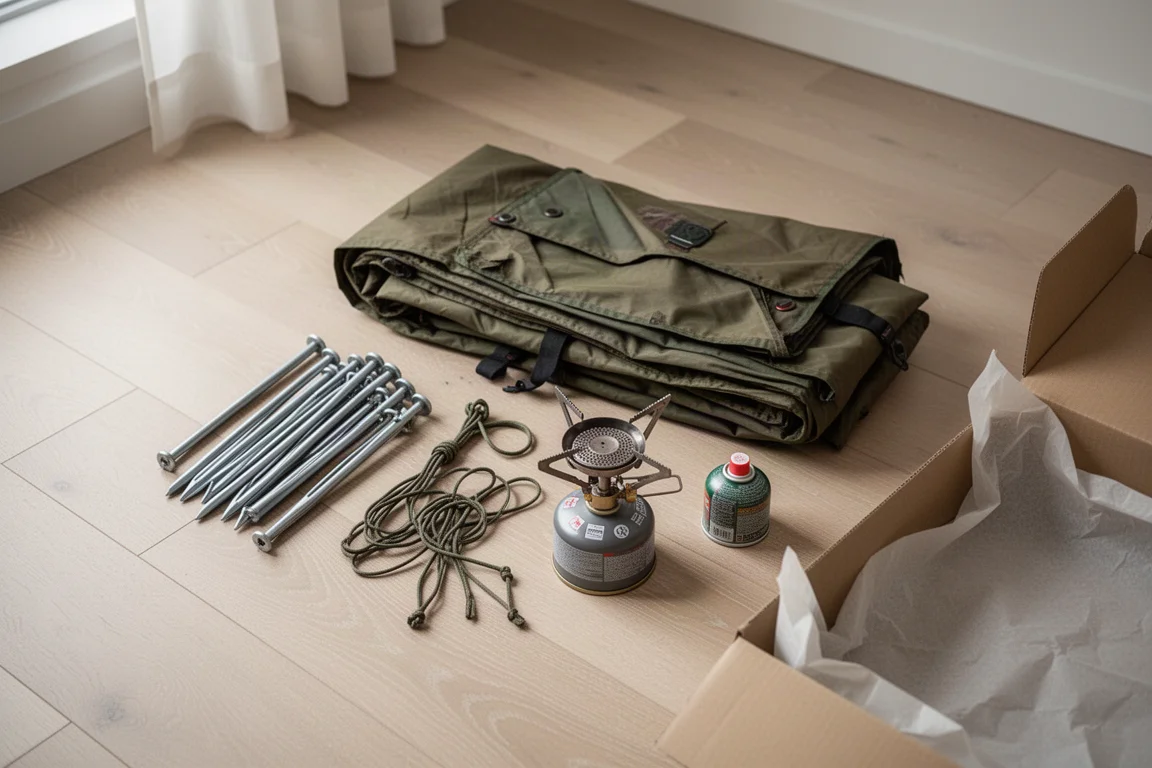
Weigh the specific model as much as the brand. The PocketRocket 1 has the strongest record of the stoves covered here, while the Zoic, the PocketRocket 2 and the PocketRocket Deluxe all carry enough reported problems that a return-friendly purchase is essential.
Conclusion
MSR remains a company with real heritage and some genuinely good products, but the range behaves like a lottery. The PocketRocket 1 shows what the brand can do. The Zoic and the newer PocketRocket models show where quality control and support have fallen short.
Buy the model that has earned its reputation, buy it where you can return it, and test it before you rely on it. That approach gives you the upside of MSR’s best designs without carrying the risk of its weakest ones.
Further reading
Related Reviews
Outdoor Gear
Backpacking Gear Evolution: 100 Years of Technology Compared
We tested backpacking gear from 1925, 1975, and 2025 across a three-day hike in Yosemite. Here's how technology has transformed comfort, weight, and the outdoor experience.
Outdoor Gear
Best Affordable Hiking Watches: Five Rugged Options for Outdoor Adventures
Five durable hiking watches that balance ruggedness, functionality, and value for outdoor enthusiasts who need reliable GPS tracking and weather resistance.
Outdoor Gear
Best Backpack Coolers 2026: Five Practical Options for Outdoor Adventures
Five backpack coolers with distinct cooling capabilities, storage features, and design trade-offs to help you choose the right one for your outdoor needs.