Backpacking Tents
MSR Hubba NX Review: A Freestanding Three-Season Tent for Solo Backpacking
A practical look at the MSR Hubba NX, covering pitching, ventilation, living space and the trade-offs worth knowing before you buy.
Introduction
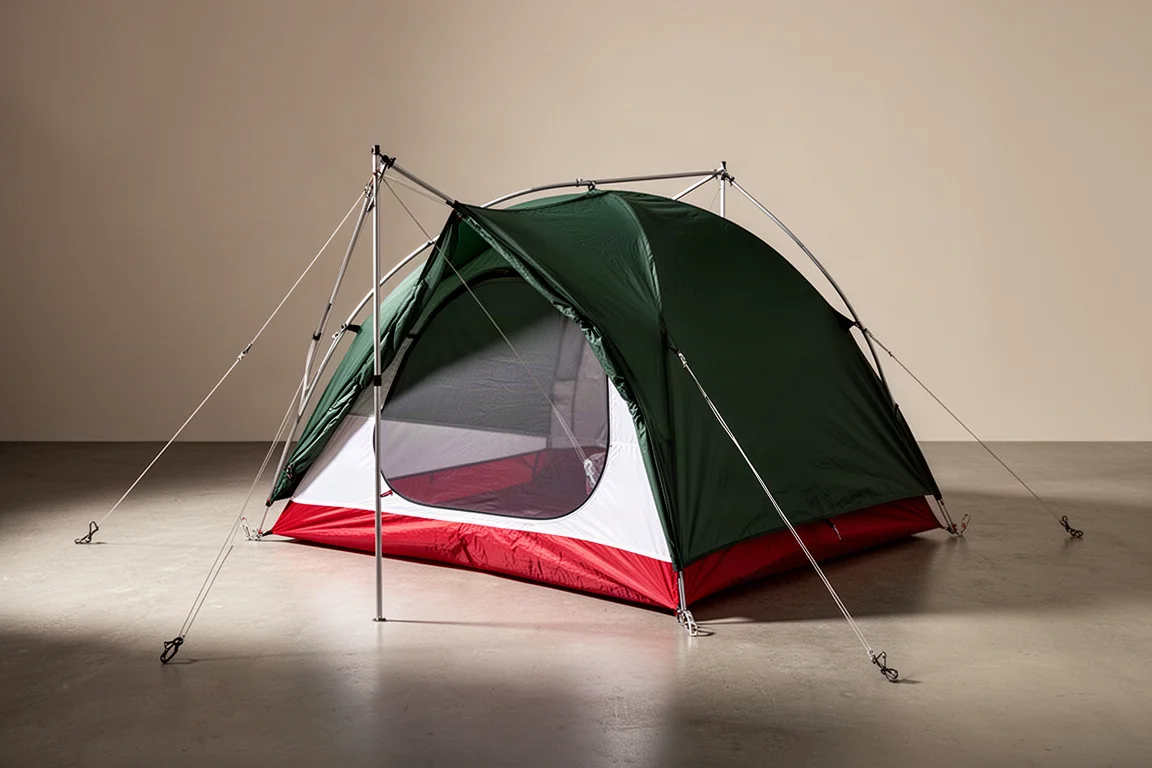
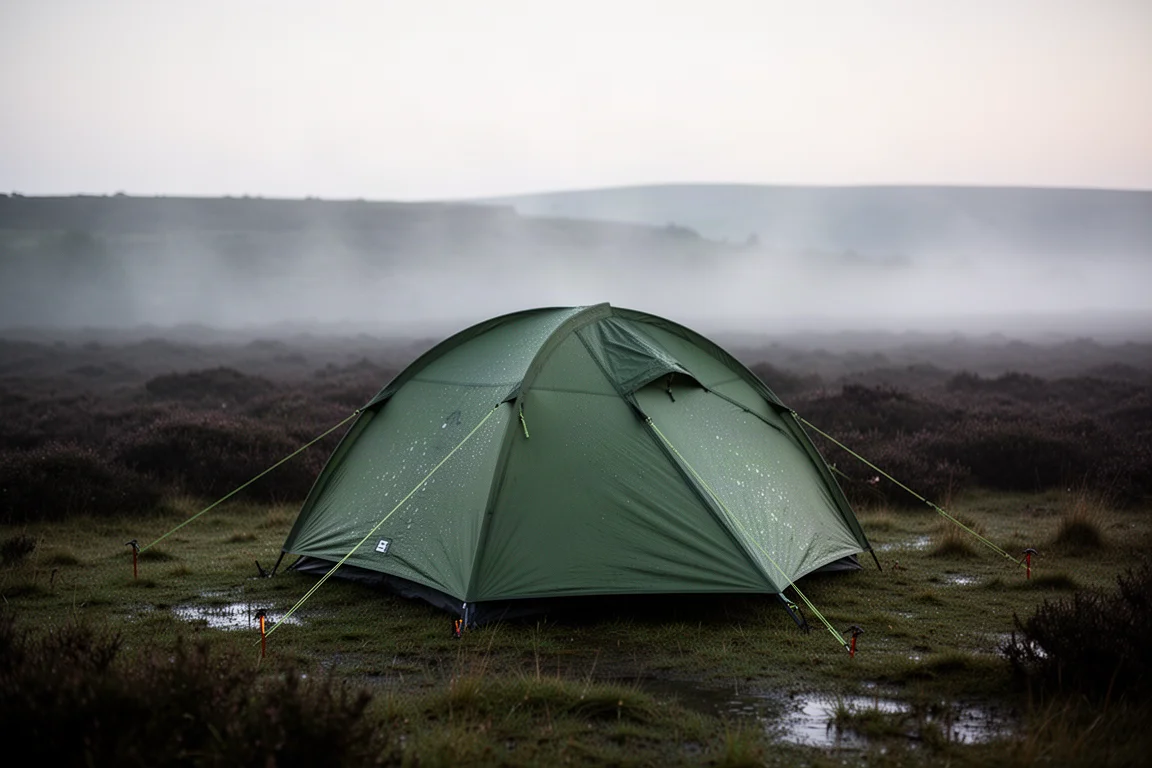
Choosing a backpacking tent can feel like a research project. Specifications multiply, jargon piles up, and every saving in weight comes with a trade-off somewhere else. The MSR Hubba NX sits right in the middle of that conversation: a single person, freestanding, three season backpacking tent that has become a familiar sight on long-distance trails, recognisable by its green fly and red and white inner.
This review focuses on how the tent actually behaves in use, covering how it pitches, how it lives, where it works well, and where it asks you to compromise.
Who This Tent Is For
The Hubba NX is designed for one person. In an emergency two could squeeze in, but it is not a two person tent in any practical sense.
It suits backpackers, thru-hikers and long-distance walkers heading out across spring, summer and autumn. Freestanding construction means the pole structure holds the tent’s shape without pegs, which is genuinely useful on rocky, snowy or sandy ground where pegs are hard or impossible to place. In sheltered conditions you may not need pegs at all.
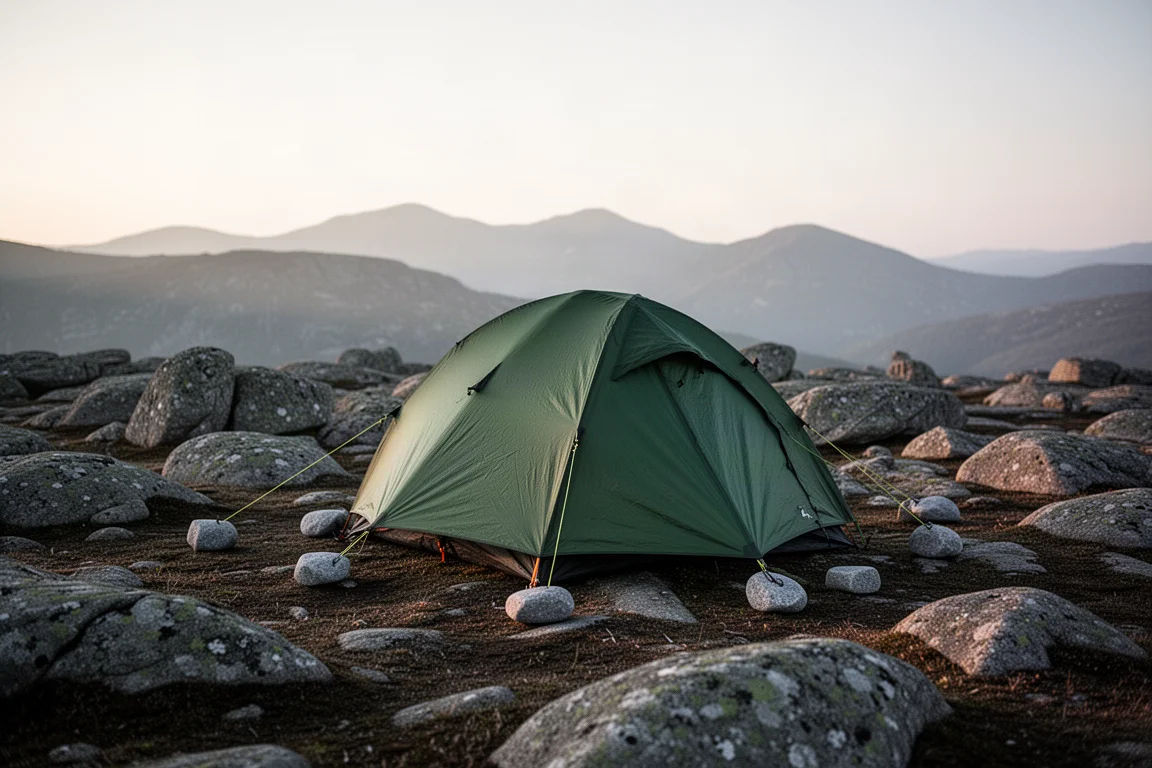
It is worth being clear about what “three season” means here. Spring and autumn can deliver genuinely wintry weather, and this tent is best kept away from extreme winds, heavy snow and prolonged horizontal rain. Pitched well and in the right spot, it can handle more than the label suggests, but it is not a four season shelter.
Pitching and Setup
The Hubba NX is a two skin tent, with an outer fly and an inner tent separated by a gap. It pitches inner first. Four pole ends clip into the corners of the inner, a ridge pole clips into metal rungs at the top, and the fly then goes over the top and clips into the same points. Setup is quick, around two and a half minutes in practice, with nothing to tie.
The one fiddly part is the fly. It carries no obvious markings to indicate orientation, and since the fly door has to line up with the inner door, a windy, rainy or darkening evening can make the process mildly frustrating. The outer cannot be pitched on its own, and inner and outer cannot go up together.
Main Strengths
Build quality is the first thing that stands out. The design feels considered rather than compromised, from the clip system to the tensioners on the guy lines.
Ventilation is the second. Almost the entire inner is insect proof mesh, which gives moisture a straightforward route out of the tent and should keep condensation low on most nights. For anyone who has spent a cold morning wiping the inside of a fly, that matters.
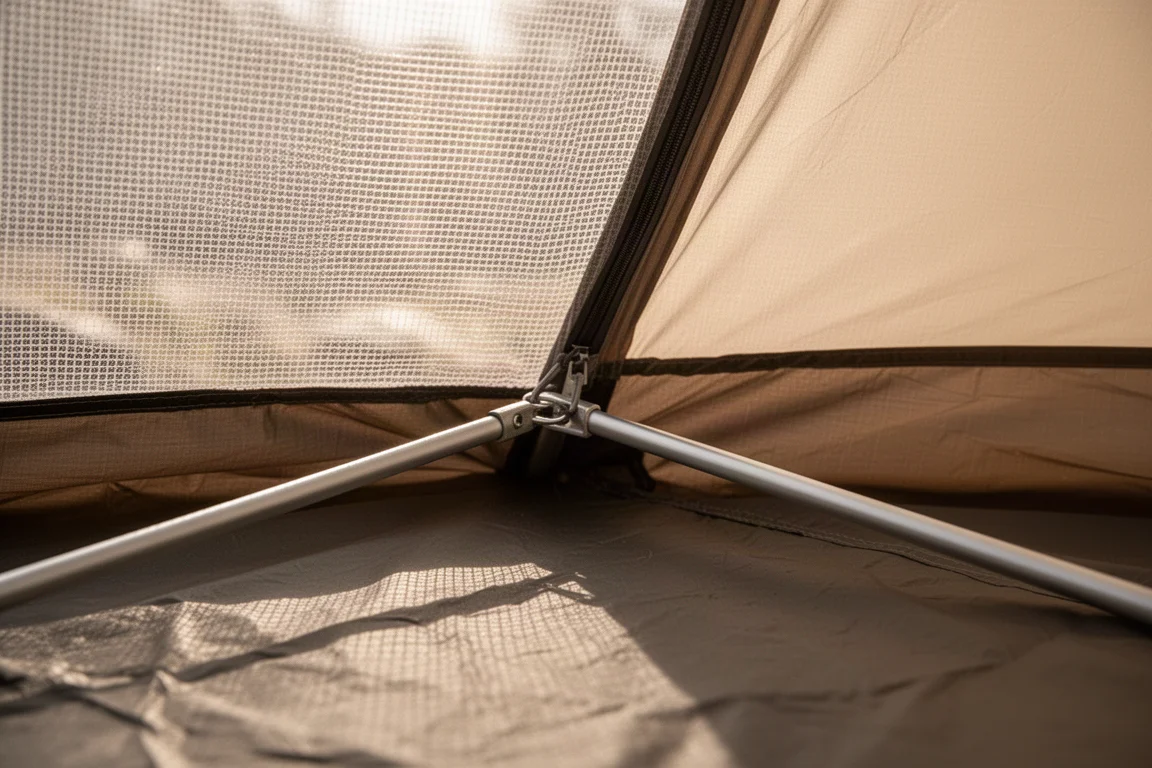
The freestanding structure is the third. Being able to pick the tent up and reposition it before you commit is a real advantage on awkward ground, and the four guy lines, each with a metal rung tensioner, are enough to hold things steady when you want extra security.
Ventilation and Condensation Control
Ventilation runs through the whole design. The inner is mesh, the door is double zipped so it can be opened from the top to create airflow while keeping the lower section closed, and a small window at the rear lets warm air escape.
The fly also stops well short of the ground. That generous gap is excellent for airflow, and it is one of the main reasons the tent copes with warmer conditions so well. The trade-off appears when the weather turns: a fly that does not reach the ground offers less protection from driving rain and spindrift than a four season design would.
Door Design and Living Space
The door is the standout feature. The entire fly door can be rolled fully back into what MSR calls stargazing mode, leaving an almost bivy-like opening onto the view. A half roll-back option, held with a guy line through the central section, creates a single side entrance that lets you stay sheltered from one direction while keeping outside access.
The inner door opens almost completely too, with toggles that are easy to work with gloves on.
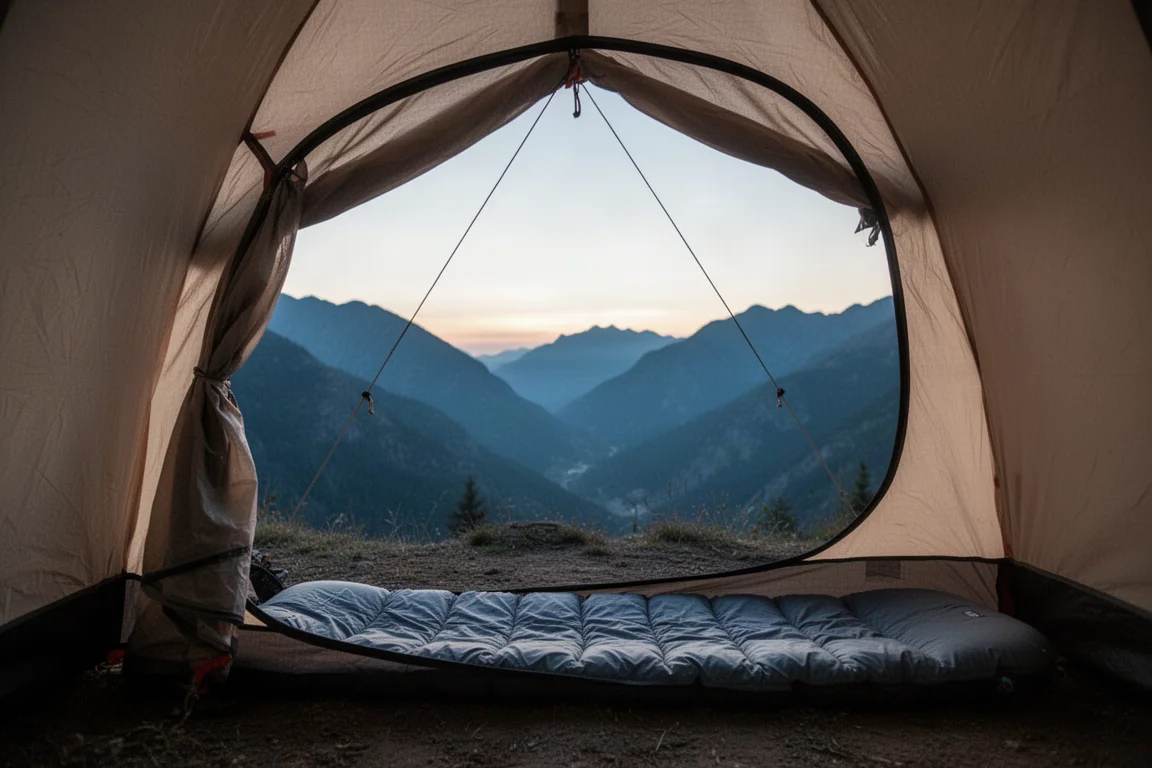
Inside, the layout is simple. There are no pockets and no washing line, though small toggles allow you to rig a line if you want one. The shape is narrow, coffin-like, and a wide sleeping pad will touch both sides. Head room is the compensation: at 5 feet 7 inches there is comfortable room to sit up, and the central pole pushes the fly away from the inner so you are not brushing against the outer fabric.
Things to Consider Before Buying
The most significant practical point is the inner-first pitch. In rain, the inner goes up exposed, and water can work through the fabric before the fly is on. If you mostly pitch in dry or cold conditions, that is a minor concern. If you regularly pitch in heavy, persistent rain, it is worth weighing carefully.
Width is the second consideration. Storage is limited, and the tent rewards a disciplined system: sleeping bag and mat inside, rucksack at the head or foot end, and everything else in the porch. Hikers who keep all their kit inside the tent may find it tight.
Weight is the third. MSR lists a minimum of 1.12 kg and a maximum of 1.25 kg, and the difference comes down largely to how many pegs you carry. Four pegs pull out the corners and maximise head space; pegging the four corners of the tent and the door adds security at the cost of a little more weight.
Finally, the fabric is light: 20 denier ripstop nylon on the fly with a 1,200 mm hydrostatic head, 30 denier ripstop nylon on the floor with a 3,000 mm hydrostatic head, and 15 denier mesh on the door, all treated for water repellency. It is durable enough for three season use, and the high bathtub floor keeps standing water out, but it is not built for the harshest conditions.
Buying Advice
The Hubba NX makes the most sense for a solo backpacker who values a freestanding pitch, generous ventilation and a genuinely open door over maximum interior storage. If your trips run through spring, summer and autumn, with occasional cold snaps and wet days rather than full winter conditions, the design holds up well.
If your priority is pitching fast in heavy rain, or carrying everything inside the tent, look closely at the trade-offs before committing. The tent rewards good pitching and a personal system, and it thrives in some locations far more than others.
Give it a season to learn. Where something does not work for you, adjust the system rather than the kit: change how you pack, where you pitch, and how you tension the guy lines.
Conclusion
The MSR Hubba NX is a well built, freestanding, three season solo tent with an exceptional door, strong ventilation and a light, simple interior. Its limitations are equally clear: a narrow footprint, an inner-first pitch, and a weather ceiling that stops short of four season conditions. For the right backpacker, on the right trips, it is a tent that earns its place on the trail.
Product link
View more details for MSR Hubba NX
This product is mentioned in the review. Check the specifications, options, and compatibility before buying.
View more details for MSR Hubba NXFurther reading
Related Reviews
Backpacking Tents
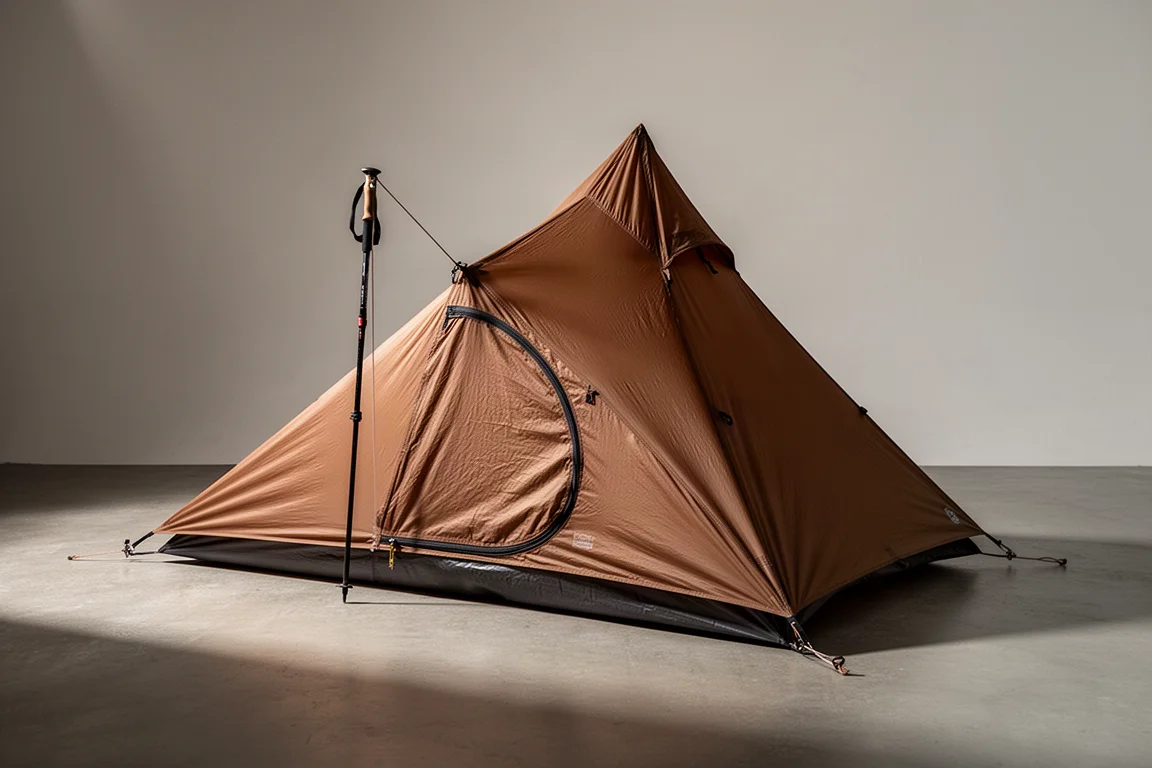
3F UL Lanchan Pro 1 Review: A 1 lb 8 oz Single-Wall Trekking Pole Tent
A practical look at the 3F UL Lanchan Pro 1, a single-wall trekking pole shelter with a 1 lb 8 oz weight, 20D silnylon fabrics, and a roomy 90 x 31 x 49 inch interior.
Backpacking Tents
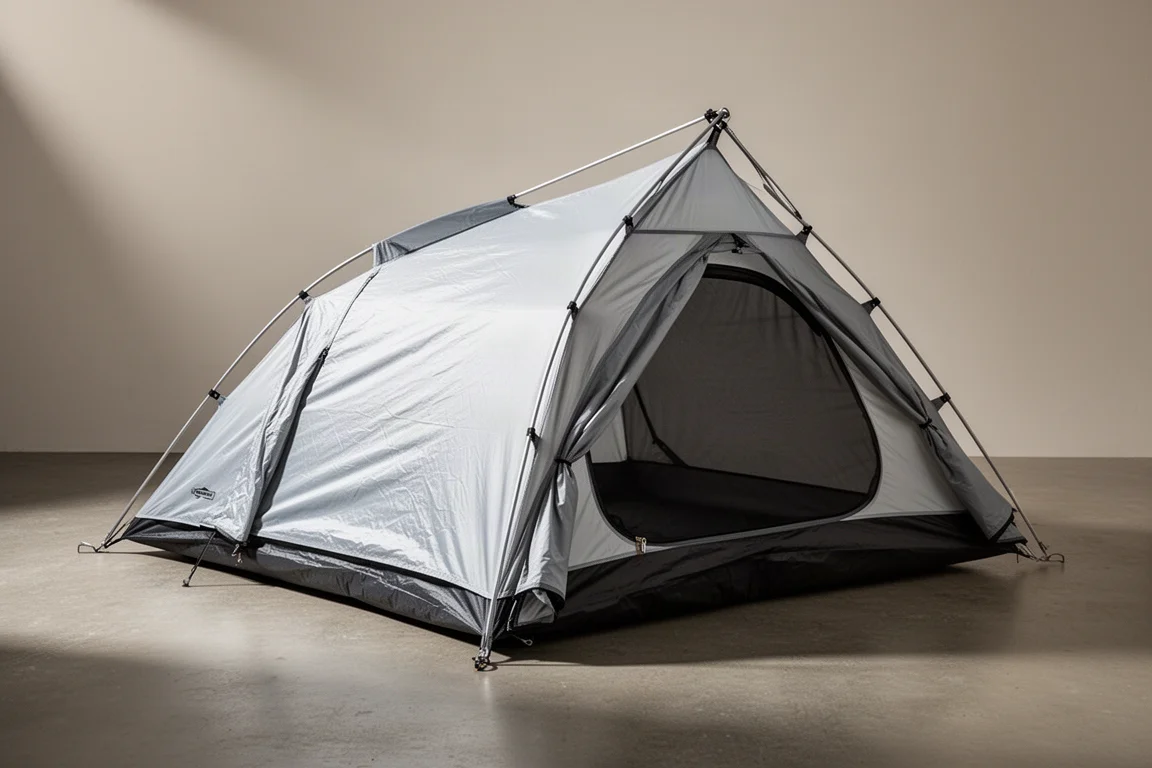
3F UL Taiji 2-Person Tent: A Convertible Backpacking Shelter Worth a Closer Look
A practical look at the 3F UL Taiji two-person tent, covering its materials, true two-person interior, fly-first pitching, and the seasonal inner swap that lets one shelter cover more of the year.
Backpacking Tents
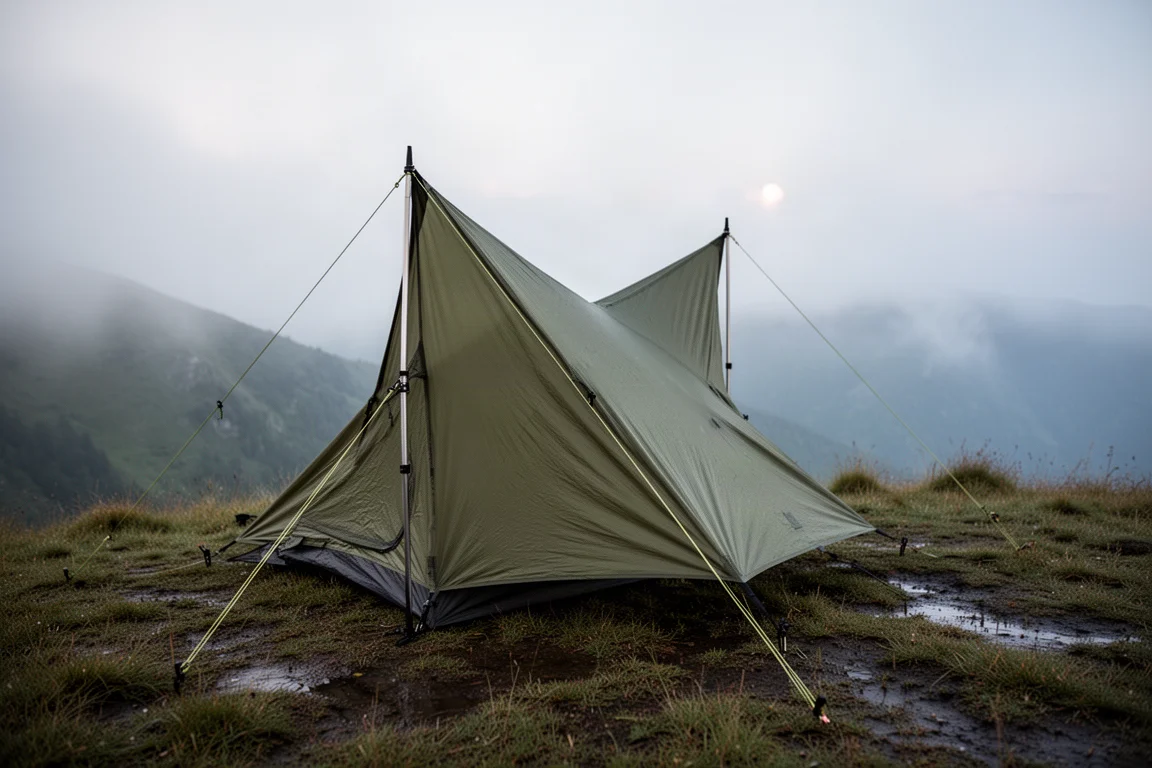
3FUL Lanshan Twoerson Pro Review: A Light Trekking Pole Shelter That Struggled in Rain
A two-person trekking pole shelter with a 2026 redesign, pitched with sticks and put through a night of steady rain. Here is what worked, what did not, and what to check before buying.