Backpacking Tents
MSR Hubba Hubba Review: A Two-Person Backpacking Tent That Still Earns Its Reputation
A field-tested look at the MSR Hubba Hubba, covering its freestanding pole design, liveable 50-inch floor, packed weight, sleeping warmth, and the trade-offs to weigh before spending $550.
Introduction
Few backpacking tents have stayed in the conversation as long as the MSR Hubba Hubba. First released in 2004, it became one of the best-selling backpacking tents of its era, and the layout it popularised is now so familiar that it is easy to forget how different it looked at the time. This review covers how the tent actually behaves in the field: how it pitches, how it sleeps, what the materials and dimensions mean in practice, and where the design asks for compromise.
At $550, the Hubba Hubba sits at the upper end of the market for a two-person backpacking tent, especially given how widely its basic structure has been reproduced. The question worth answering is whether the execution still justifies the price, and for many backpackers it does.
Who the MSR Hubba Hubba Is For
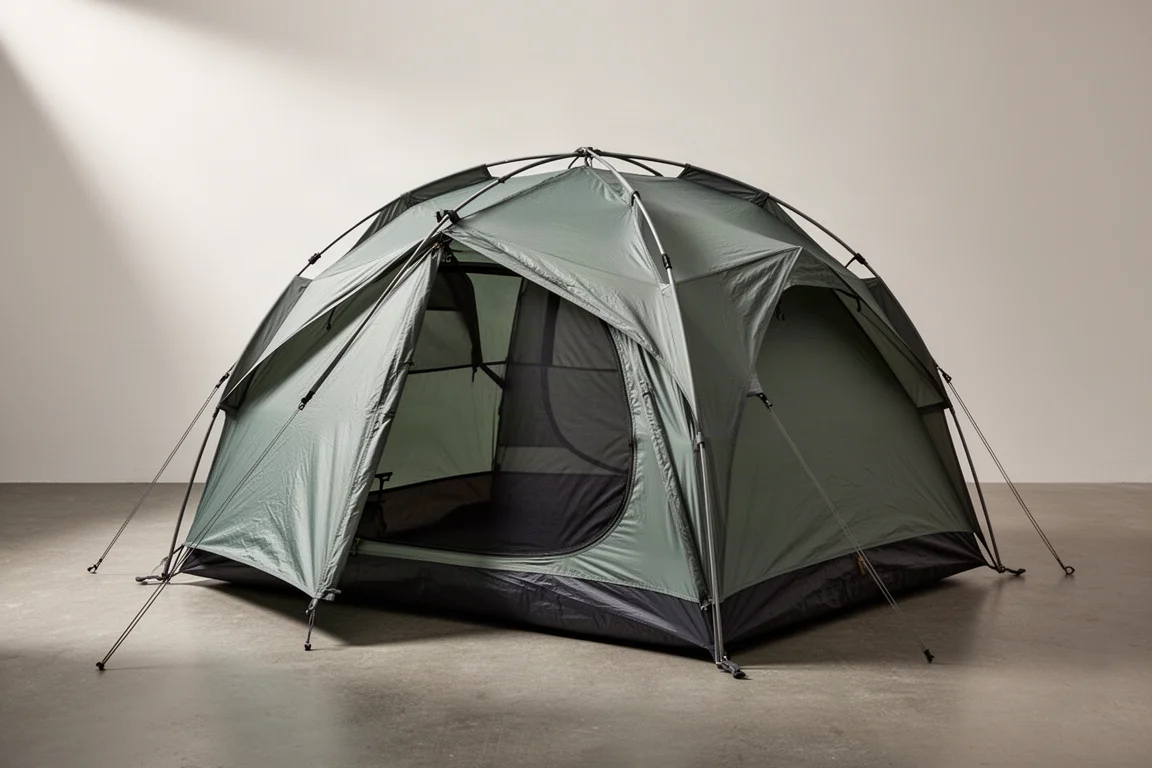
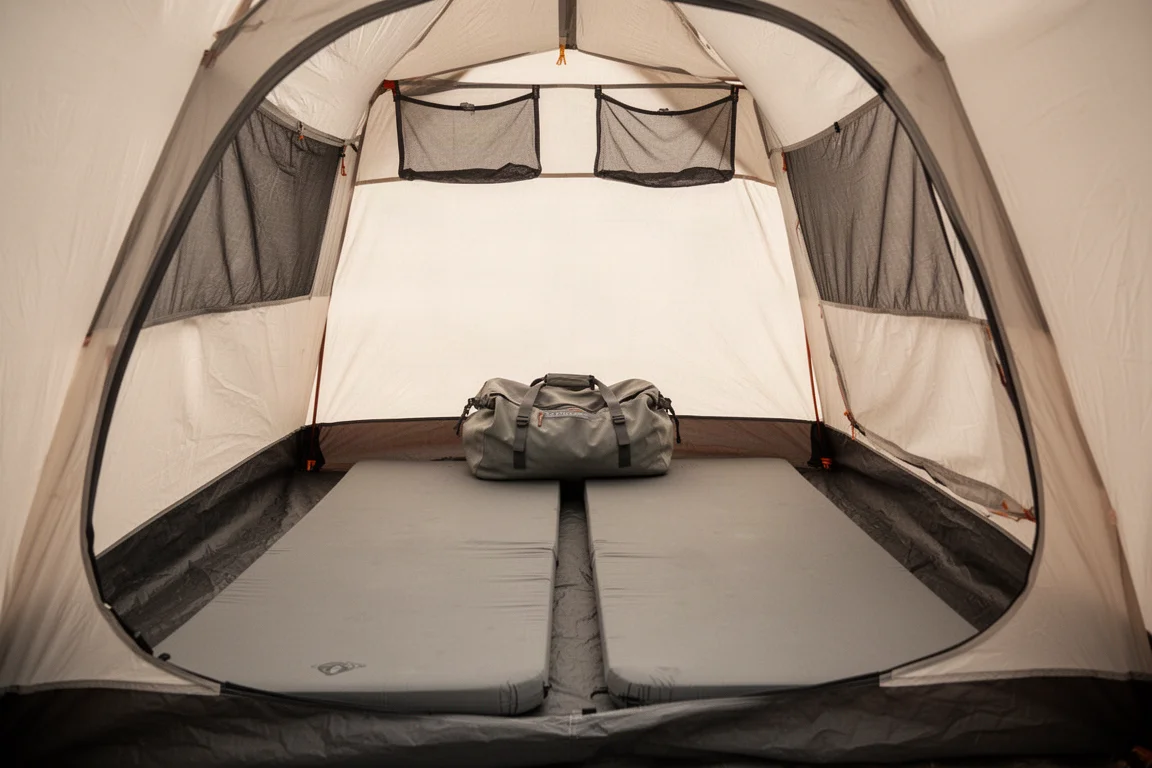
This is a two-person, three-season shelter built around a fully rectangular 50-inch-wide floor and an 84-inch length. That width is the practical headline: two 25-inch sleeping pads fit side by side without overlap, and the length leaves comfortable room for anyone under six feet, with usable space remaining at the head and foot ends for a duffel or a pack.
Because the footprint is generous and the structure is freestanding, the tent works across several use cases. It suits two people sharing weight on a weekend backpacking trip, and it also works as a roomy solo shelter for someone who wants living space more than minimum weight.
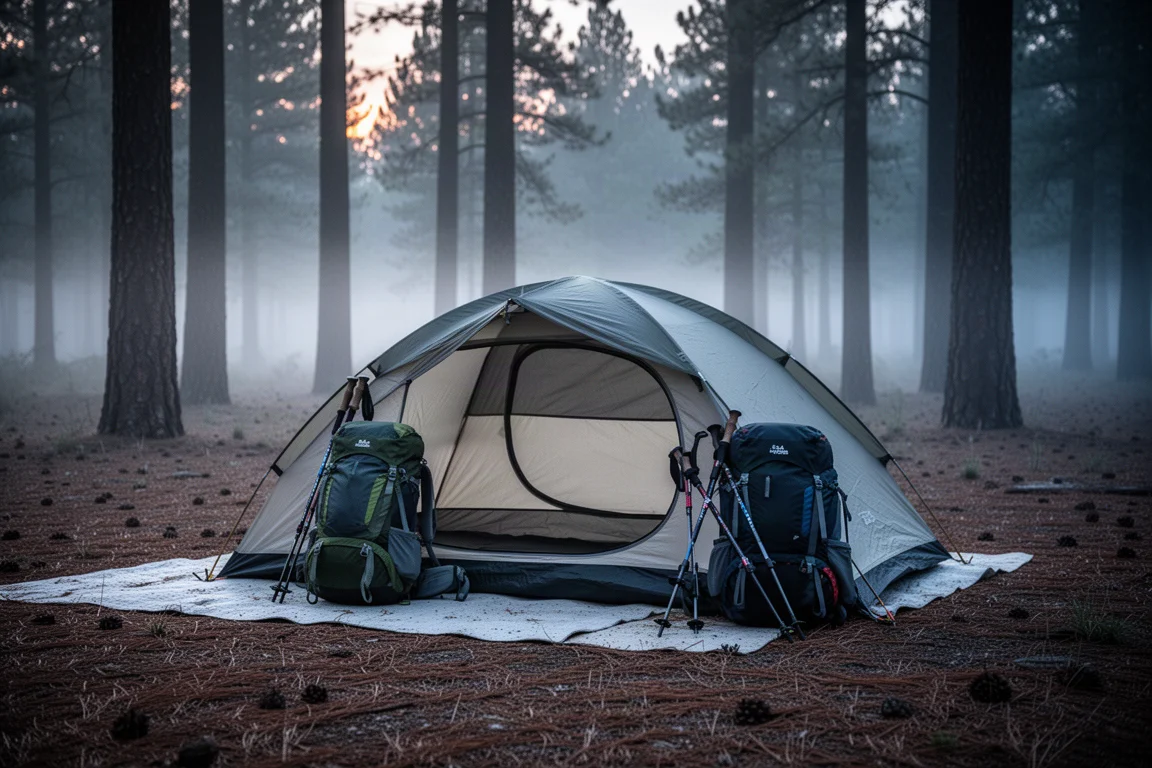
It is equally at home as a car camping tent, where the extra floor area and the two vestibules make it easy to keep gear organised and out of the way. Peak height is 40 inches, which is modest for a freestanding tent of this class, so taller users should expect to crouch rather than stand.
Design and Structure: Why This Layout Endures
The Hubba Hubba’s structure is the reason it became influential. A brow pole spans the top of the tent while a centre pole drops down to each end and to the corners, creating a fully freestanding shelter with a rectangular floor and notably vertical sidewalls. That combination is what makes the interior feel larger than the dimensions alone suggest.
The pole set uses an Easton Cyclone construction, a composite material rather than aluminium or carbon fibre. It is light and strong, and it carries a useful amount of flex, which helps the tent absorb wind and light snow load instead of resisting rigidly and risking a broken pole. The reduced pole count is central to the design: full freestanding stability without a heavy or complicated frame.
That concept has since been adopted across the industry, and many current backpacking tents share the same brow pole and centre pole arrangement. The layout is not revolutionary in the way it was in 2004, but it remains a genuinely efficient way to build a light, roomy and storm-worthy shelter.
Main Strengths: Space, Weight, and Liveability
Packed weight comes in at roughly 3 lb 2 oz in a practical weighing, with the listed figure a couple of ounces higher. For a two-person tent with a 50-inch floor, that is a reasonable load to carry on a backpacking trip when the goal is comfort rather than an ultralight setup, and it splits well between two people.
The fly and floor use 20-denier nylon, with a 20-denier ripstop nylon fly, a fabric choice that balances durability against packability. Two doors and two vestibules are offset from each other, so each occupant gets their own entry and their own gear storage, and the vestibules are large enough to keep a pack and boots protected without blocking the way in and out.
The fly door zipper runs down the long edge rather than the centre of the rainfly. That makes the zipper much easier to reach from inside the tent instead of stretching outside to find it. A fabric gutter above the door is intended to channel rain away from the opening, and the rainfly includes two separate zippers for flexible access.
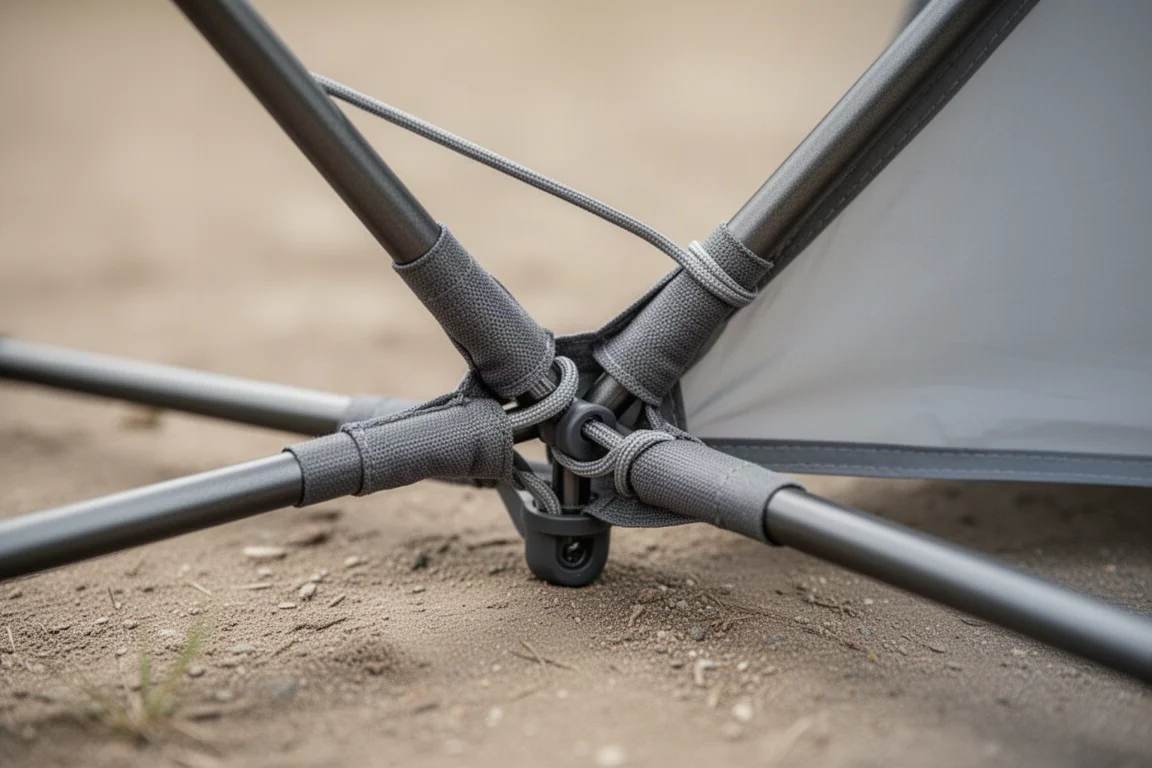
High on the sidewall, solid fabric extends well above the bathtub floor. This is a small detail with real consequences: it blocks wind-driven sand and dirt from blowing under the vestibule and making a mess inside the tent.
Interior storage is unusually well considered. Each side of the peak has a pocket lined with a strip of webbing that props the pocket open when something is placed inside, so a flashlight stays put instead of sagging and dropping gear onto you. There is a loop at the peak for a lantern, and large mesh pockets at both the head and foot ends sit elevated above the sleeping area, which makes it easy to reach a headlamp, electronics or lip balm without digging around beside a sleeping pad.
Sleeping Comfort and Ventilation
The inner tent is mostly solid fabric rather than full mesh. The fabric is breathable, which means it still allows airflow, and it provides meaningful privacy when the tent is pitched without the rainfly. The more noticeable effect is thermal: a solid inner body holds body heat better than a fully mesh one.
That showed up clearly on a night that dropped to the mid-40s while sleeping in a 30-degree bag. The tent ran warm enough that layers had to come off, which is a genuine advantage for cold-weather camping and shoulder-season trips.
The trade-off is warmer nights. With less mesh, airflow is reduced, and the tent can become stuffy when temperatures climb. There are vents on the rainfly, though fly vents tend to be less effective than they look, and there are no cross vents at the top of the tent body. On hot evenings, cracking the door open a little is the most reliable way to move air through the shelter.
Things to Consider Before Buying
The entry is the clearest compromise. With a 40-inch peak height, you crouch low to get in, and the inner door itself is smaller than on some comparable tents. It is not a deal breaker, but it makes every entry and exit slightly more effort than it needs to be, and for very tall users it could become uncomfortable on the back over a long trip.
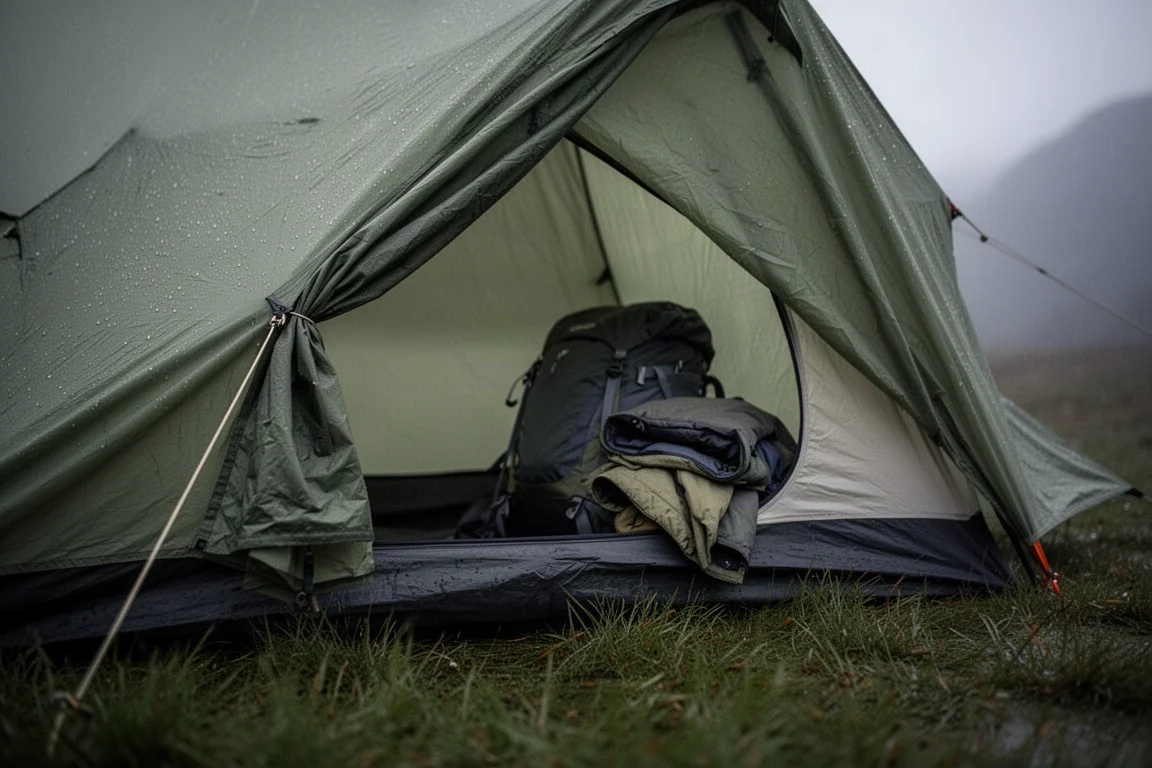
The vestibule door cannot be rolled fully back. The centre stake point that tensions the vestibule can be released, and there is no seam at that point, which reduces stitching and is a nice touch, but the door still only opens so far. Rain behaviour around the peak is also worth watching: it is not yet clear how much water sheds off the top and drops toward the entry, and the gutter system needs real rain to prove itself.
Price is the other consideration. At $550, the Hubba Hubba costs meaningfully more than many tents that use a very similar structure and similar 20-denier fabrics. You are paying for proven execution, a reliable brand and a design that has been refined over two decades rather than for materials no one else offers.
Packing should also be planned around the floor dimensions. The 50-inch width assumes two 25-inch pads, so wider pads will not pair as cleanly.
Buying Advice
The Hubba Hubba makes the most sense for backpackers who want a genuinely liveable two-person shelter without going ultralight. The 50-inch rectangular floor, vertical sidewalls, twin offset doors and generous vestibules add up to a tent that feels bigger inside than its 40-inch peak height suggests, and the freestanding pitch keeps setup simple on rock, sand or hard ground where stakes are unreliable.
It also suits a solo camper who wants room to spread out and store gear inside rather than in a vestibule. For that use, the packed weight is a reasonable trade for the space. Two 25-inch pads are the right pairing, and the solid inner body makes it a stronger choice for cold mornings than a fully mesh tent.
Look elsewhere if saving weight is the priority, if budget is tight, or if you need standing headroom. Also be realistic about the entry: if you expect to get in and out frequently through the night, the low opening and smaller inner door will be felt.
For everyone else, the case is straightforward. This is a shelter built on a layout that has been copied widely precisely because it works, and the details around storage, weather protection and warmth are executed with care. Expect it to be a dependable three-season companion rather than a headline-grabbing one.
Conclusion
The MSR Hubba Hubba earns its long-standing reputation through fundamentals: a fully freestanding structure, a wide rectangular floor, two doors and two vestibules, and an interior that sleeps warmer than a mesh-heavy alternative. It asks for $550, a lower entry than some rivals, and a small vestibule door that will not roll fully back. Those are real trade-offs, but they are the kind that come with a design this well proven. For backpackers who value space, weather resistance and simplicity over the lowest possible weight, it remains a confident recommendation.
Product link
View more details for MSR Hubba Hubba
This product is mentioned in the review. Check the specifications, options, and compatibility before buying.
View more details for MSR Hubba HubbaFurther reading
Related Reviews
Backpacking Tents
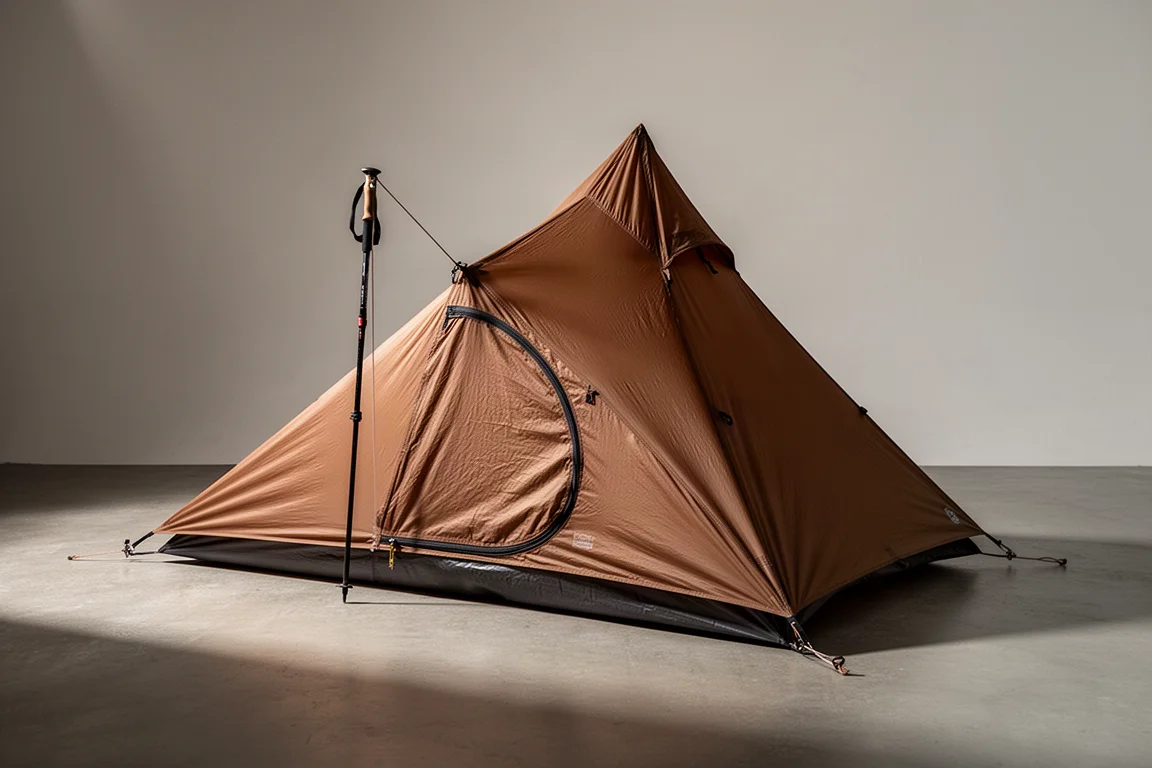
3F UL Lanchan Pro 1 Review: A 1 lb 8 oz Single-Wall Trekking Pole Tent
A practical look at the 3F UL Lanchan Pro 1, a single-wall trekking pole shelter with a 1 lb 8 oz weight, 20D silnylon fabrics, and a roomy 90 x 31 x 49 inch interior.
Backpacking Tents
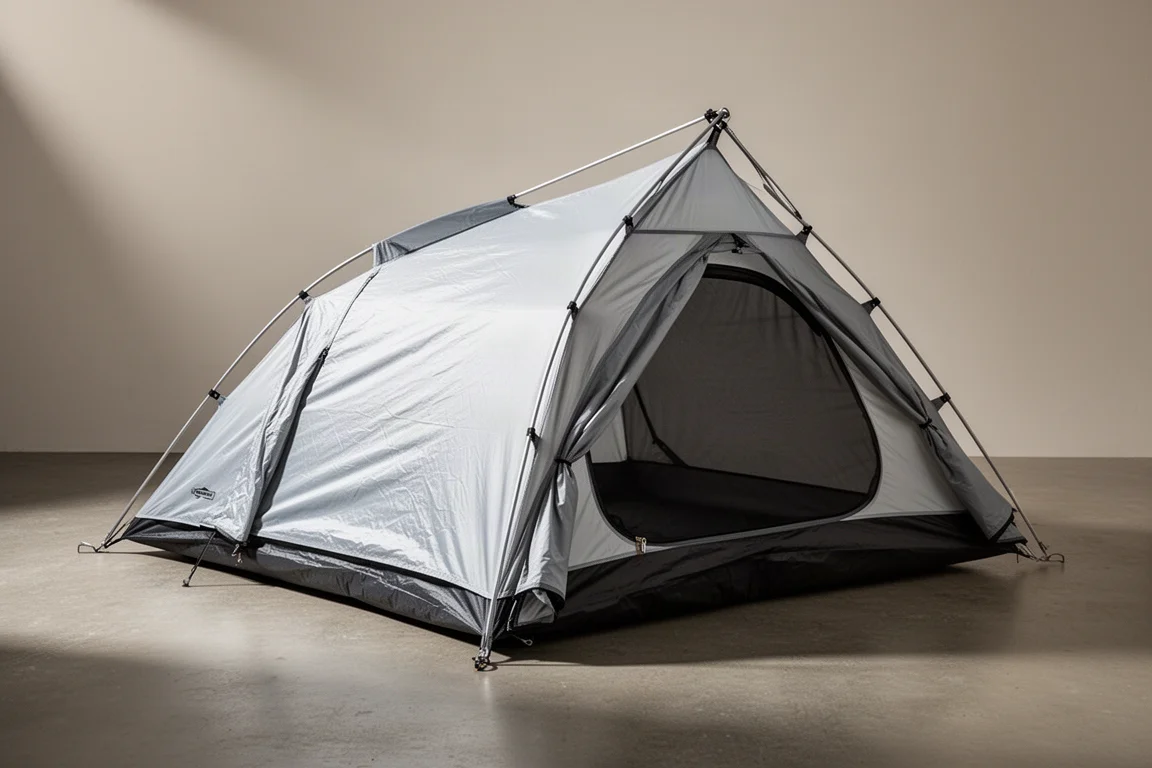
3F UL Taiji 2-Person Tent: A Convertible Backpacking Shelter Worth a Closer Look
A practical look at the 3F UL Taiji two-person tent, covering its materials, true two-person interior, fly-first pitching, and the seasonal inner swap that lets one shelter cover more of the year.
Backpacking Tents
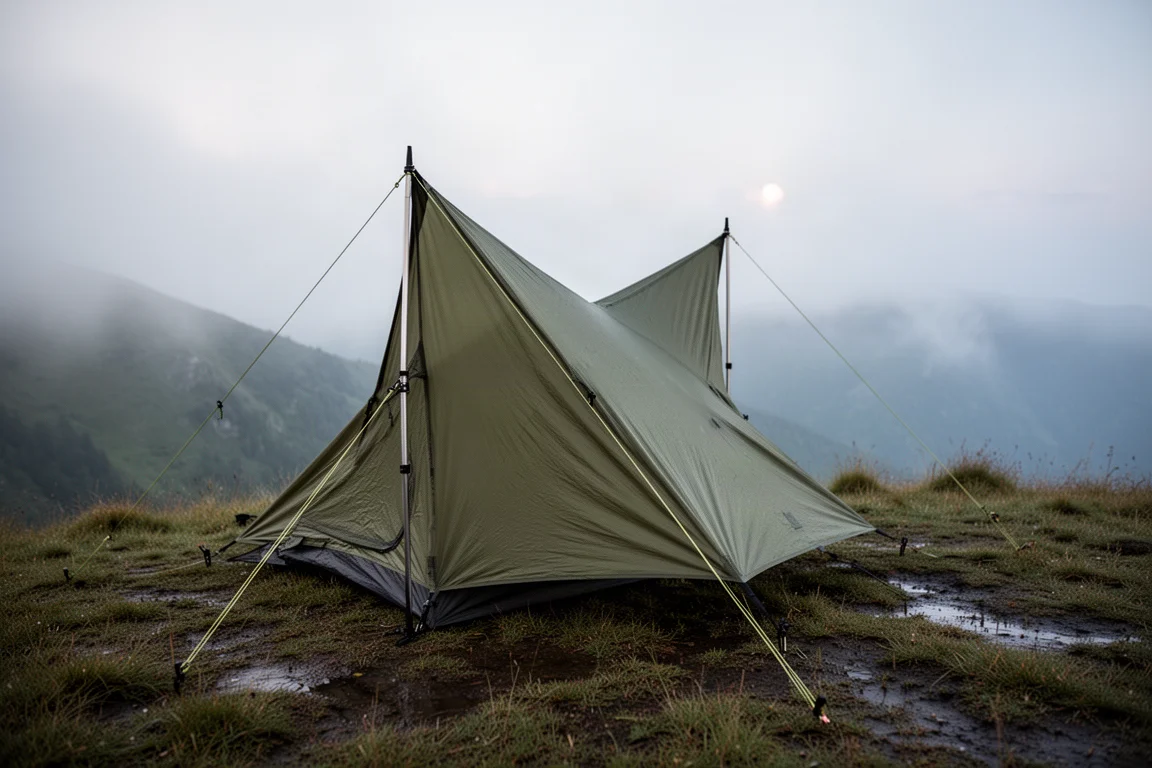
3FUL Lanshan Twoerson Pro Review: A Light Trekking Pole Shelter That Struggled in Rain
A two-person trekking pole shelter with a 2026 redesign, pitched with sticks and put through a night of steady rain. Here is what worked, what did not, and what to check before buying.