Backpacking Tents
MSR Hubba Hubba LT2 vs HD 2: Choosing the Right Two-Person Backpacking Tent
The MSR Hubba Hubba LT2 and HD 2 share a proven two-person layout but differ in fabric, waterproofing, and season. Here is how to decide which one suits your trips.
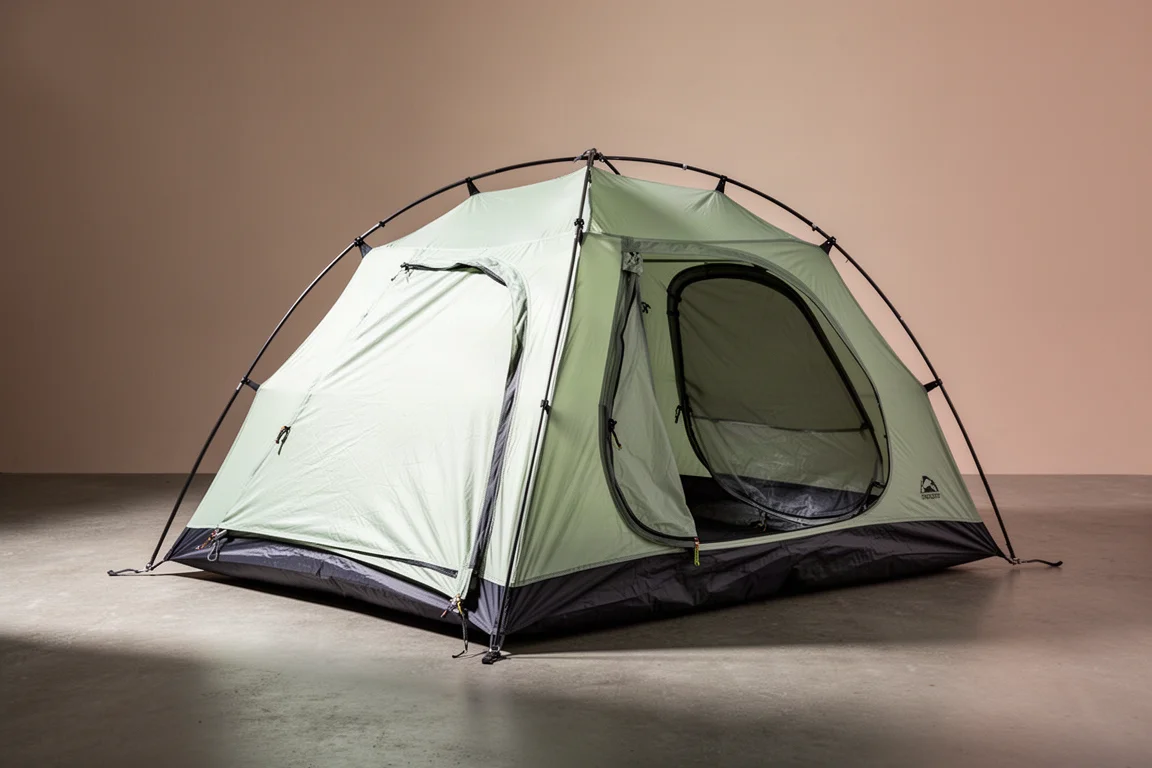
Introduction
Two-person backpacking tents live or die on the balance between weight, space, and weather protection. The MSR Hubba Hubba line has long been a benchmark in that category, and the current range splits into two clear directions: the Hubba Hubba LT2, a lightweight three-season tent built for warmer trips, and the Hubba Hubba HD 2, a heavier-duty version aimed at cooler conditions. Both share the same overall design, so the decision comes down to the seasons and weather you actually camp in.
This guide covers what the two tents have in common, where they differ, and which one makes more sense for your kind of backpacking.
What the Hubba Hubba LT2 and HD 2 Have in Common
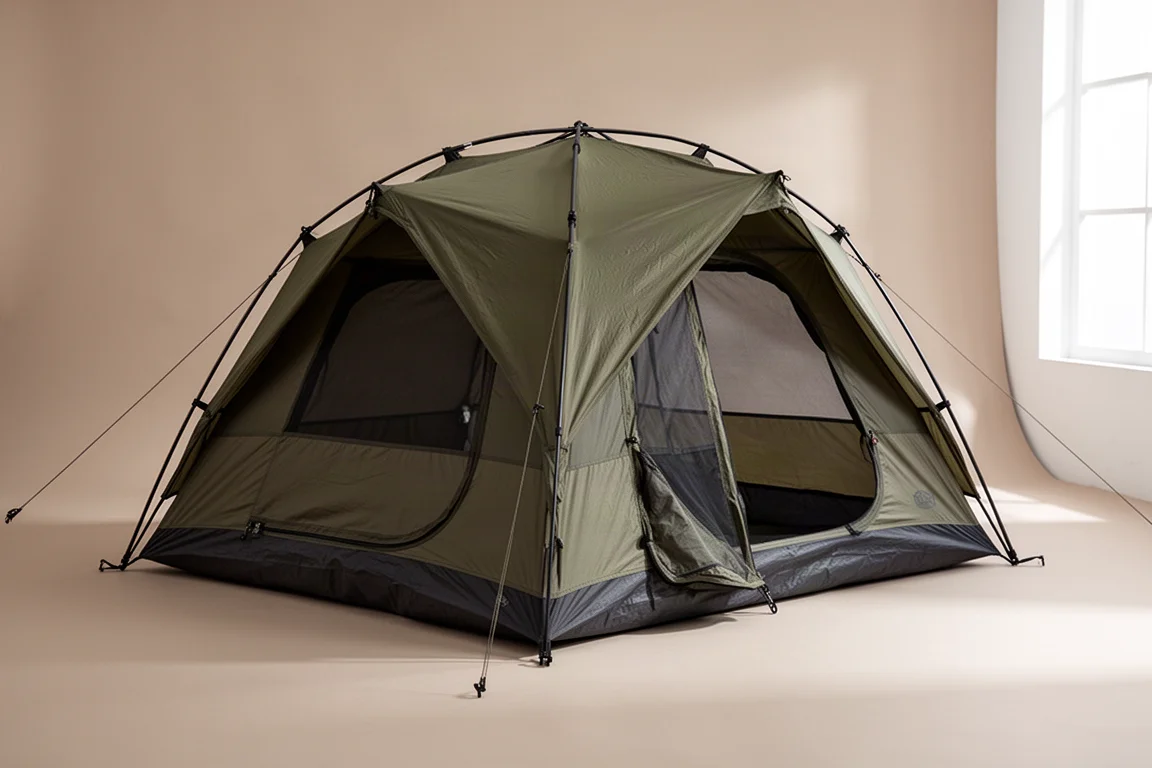
Both tents are two-person shelters that pitch inner first: the inner tent, with its built-in groundsheet, goes up before the fly clips over the top. That sequence produces a notably taut inner, which addresses a common frustration with combined inner-and-fly designs that can hang loose once pitched.
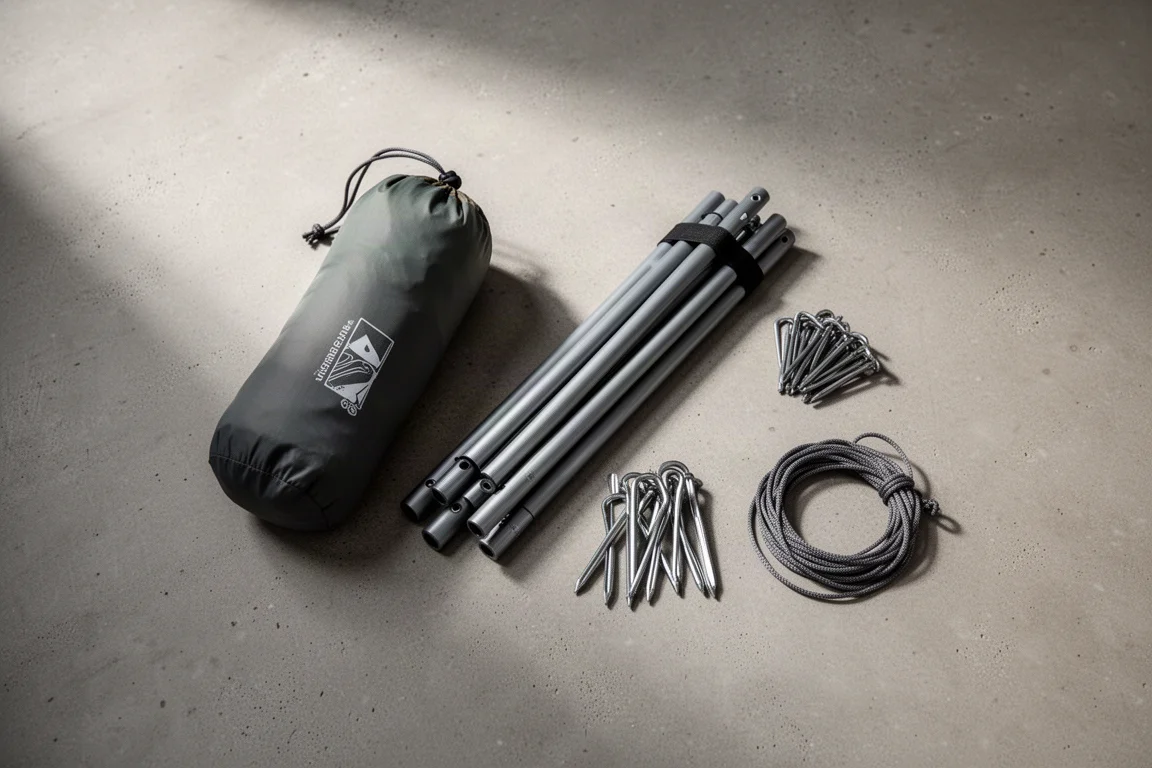
Setup is quick and undemanding. The pole structure assembles in moments, the pole ends slot into corner eyelets, and aluminium adjusters at each corner let you tension everything properly. Each tent ships with eight mini groundhog pegs, extra guyline, and a quick stash bag.
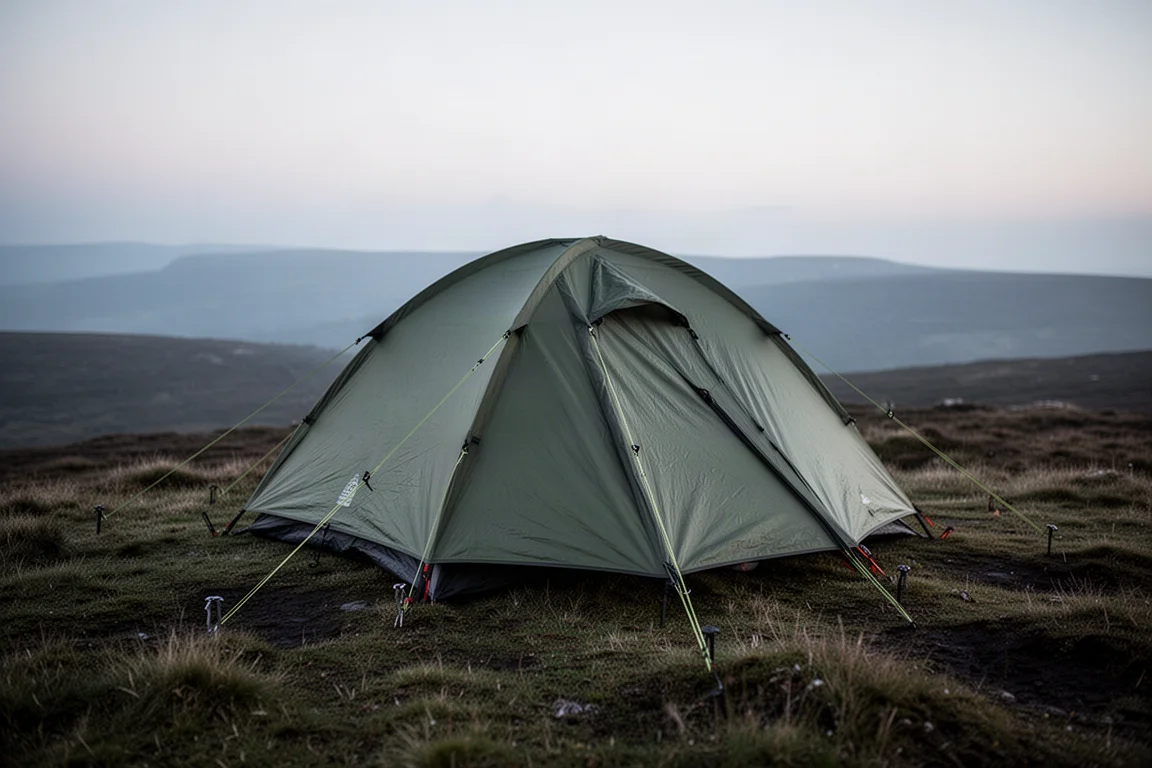
Shared details round out the package. The doors use a rain gutter so they can be opened without water dripping inside, both sides have vents for airflow, and the guy-out points are marked with small red tabs. An optional footprint is available separately if you want extra floor protection or the option of a fly-first pitch.
MSR Hubba Hubba LT2: Lightweight Three-Season Backpacking
The LT2 is the lighter, summer-focused model. It weighs 1.54 kg (1,540 g) complete and is priced at £560, which is a fair figure for the interior space and feature set on offer. Discounts of around £100 are often available online, so it is worth checking current pricing before you commit. The tent is also available in a one-person version.
Construction uses 20D fabrics with a hydrostatic head rating of 1,200 mm on the fly and 1,800 mm on the bathtub floor. The fly figure is modest, but the tent is fully taped and seam sealed, and the fabrics are PFAS-free and solution dyed. That combination gives good reason to expect reliable performance in typical three-season rain.
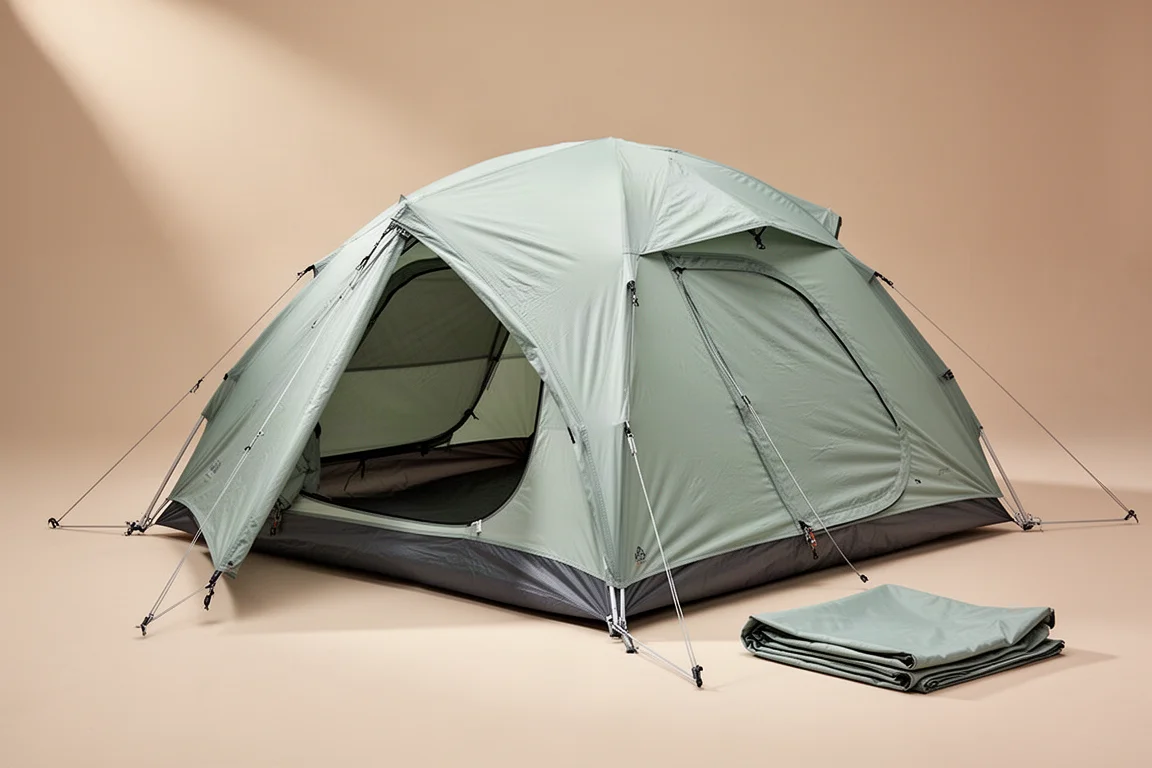
Inside the LT2: Space, Ventilation, and Storage
Interior space is generous for a tent at this weight. The floor measures 224 cm long by 132 cm wide, which comfortably fits long and wide sleeping pads for two people, and the 102 cm peak height leaves room to sit up.
Each side has a 66 cm vestibule, enough for a backpack and boots per person, which keeps the sleeping area clear. The inner doors have two zips that meet at a corner, with a fabric panel behind to block draughts and keep insects out. Even in this three-season build, solid fabric extends roughly halfway up the inner, so you are not sleeping under mesh alone on a cooler night.
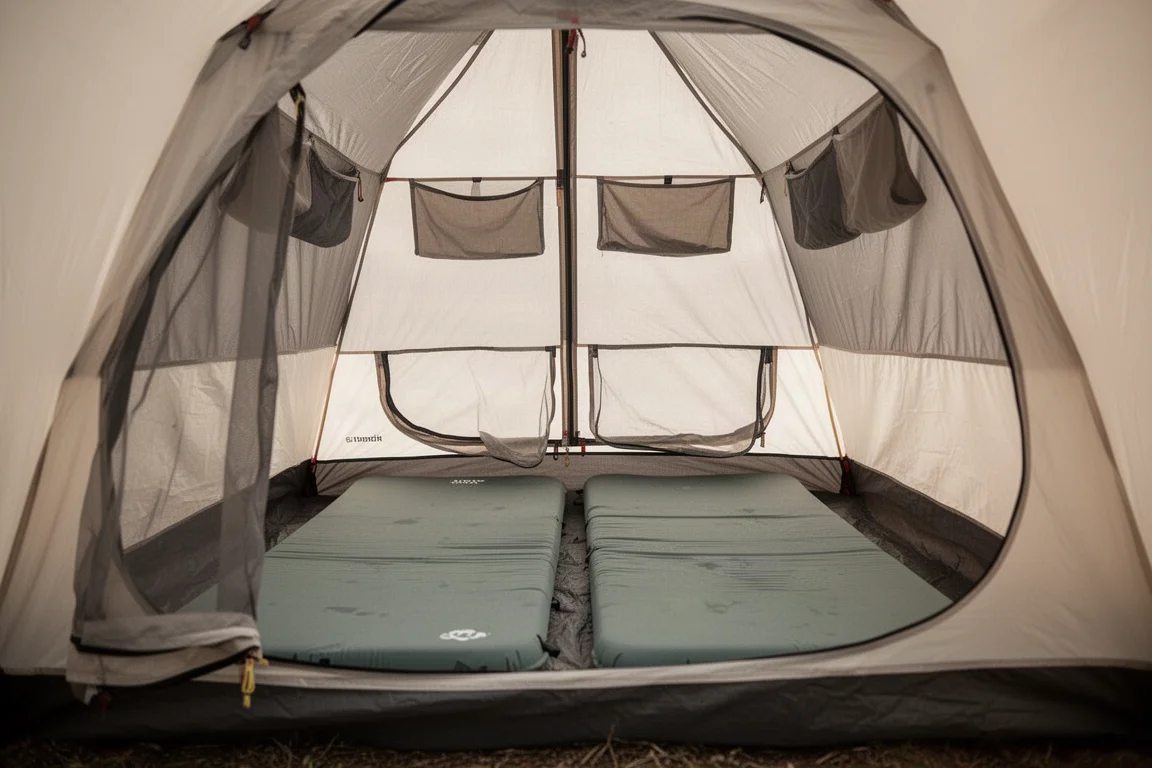
Storage is well covered: large pockets at both ends, ceiling pockets, drying lines, and lantern hooks. On warm, clear nights the fly can be left off entirely for an open view of the sky.
MSR Hubba Hubba HD 2: The Heavy-Duty Alternative
The HD 2 takes the same platform and shifts the priorities toward durability and weather protection. It uses 30D fabrics rather than the LT2’s 20D, with higher hydrostatic head ratings on both the fly and the floor, plus a more solid inner fabric with less see-through mesh.
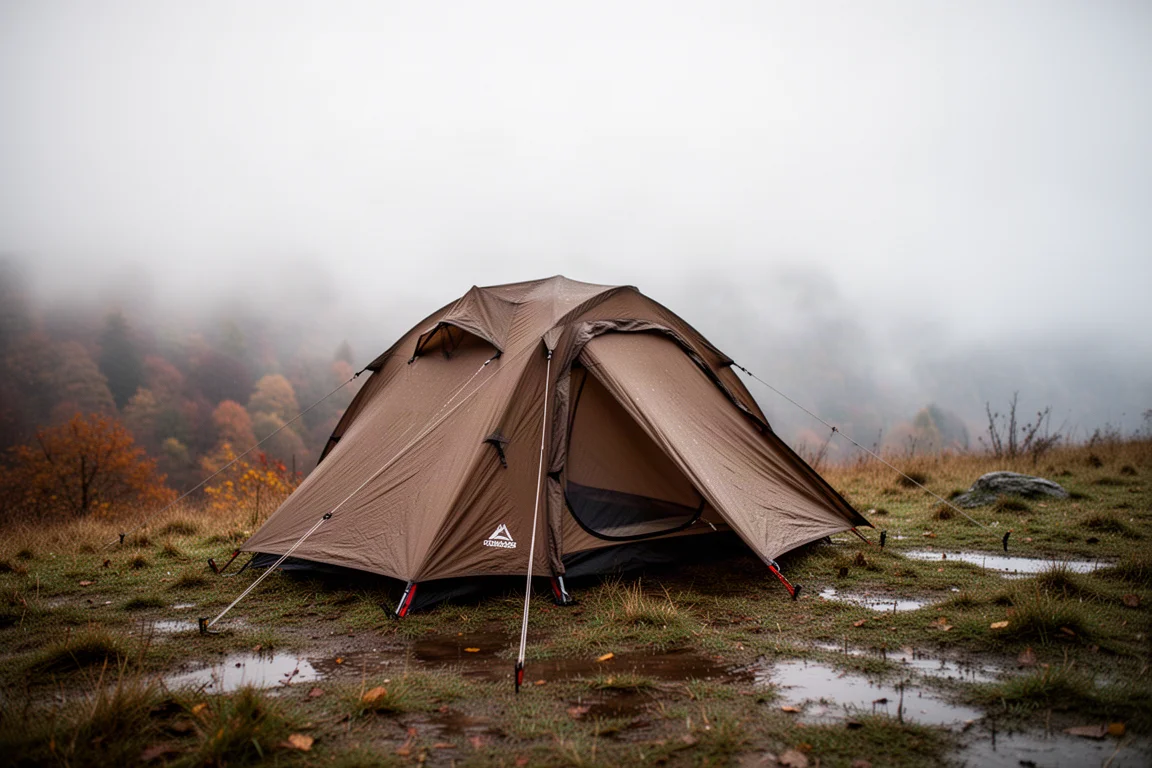
That combination suits spring and autumn conditions better, where wind and sustained rain are more likely. Pricing sits around the same level as the LT2, so the choice between them is really about the conditions you camp in rather than cost.
Fabric and Waterproofing Differences
The headline difference is fabric weight and waterproofing. The LT2’s 20D fly at 1,200 mm hydrostatic head sits at the lighter end of the scale, and ratings of around 2,000 mm are often used as a benchmark for sustained rain. The floor is stronger at 1,800 mm, and both surfaces are taped and seam sealed.
The HD 2 raises both figures through its 30D construction, and its more solid inner adds a layer of warmth and draught protection. The trade-off is that the LT2’s greater mesh coverage breathes better in hot weather, which matters more than fabric strength when the forecast is dry.
Pitching and Packing in Practice
Packed, the LT2 measures 51 cm by 14 cm, which is a chunky bundle for a tent this light. The fix is straightforward: carry the poles separately, strapped to the side of your pack, and the tent body compresses down to very little.
Pitching is fast enough to be reassuring in changeable weather. The inner goes up first, and in light rain it is unlikely to get wet before the fly is on, particularly given how quickly the fly secures with tabs and corner adjusters. In heavy, sustained rain, the optional footprint allows a fly-first approach if that sequence matters to you.
Things to Consider Before Buying
- The LT2’s 1,200 mm fly rating is modest compared with heavier-duty tents, although full taping and seam sealing help close the gap.
- Inner-first pitching is less convenient in prolonged heavy rain without the optional footprint.
- The 51 cm by 14 cm packed size is bulky unless you carry the poles outside the bag.
- The LT2 is a three-season summer tent. If you camp regularly in spring and autumn, the HD 2 is the more appropriate choice.
Buying Advice: Matching the Tent to Your Season
If most of your trips fall in warm, drier months and weight is the priority, the Hubba Hubba LT2 delivers a lot of space and a strong feature set at 1.54 kg. It pitches taut, ventilates well, and the interior dimensions suit two adults with full-size pads.
If your camping stretches into spring and autumn, or you would rather have stronger fabrics and a more solid inner, the HD 2 is the better match for roughly the same money. It keeps the same layout and pitching method while adding weather resistance where the LT2 is deliberately lighter.
For many backpackers, the deciding factor is simply the season they camp in most. Both tents share the same well-sorted design, so neither one asks you to compromise on layout or liveability.
Conclusion
The MSR Hubba Hubba LT2 and HD 2 are two interpretations of the same idea, and both are convincing. The LT2 is the one to choose for summer backpacking, where its 1.54 kg weight, 66 cm twin vestibules, and 224 by 132 cm floor make it an easy tent to carry and a comfortable one to sleep in. The HD 2 is the pick for shoulder-season trips, where 30D fabrics, higher waterproofing ratings, and a more solid inner count for more than a lighter fly. Match the tent to the weather you expect and either version will serve you well for years.
Further reading
Related Reviews
Backpacking Tents
3F UL Lanchan Pro 1 Review: A 1 lb 8 oz Single-Wall Trekking Pole Tent
A practical look at the 3F UL Lanchan Pro 1, a single-wall trekking pole shelter with a 1 lb 8 oz weight, 20D silnylon fabrics, and a roomy 90 x 31 x 49 inch interior.
Backpacking Tents
3F UL Taiji 2-Person Tent: A Convertible Backpacking Shelter Worth a Closer Look
A practical look at the 3F UL Taiji two-person tent, covering its materials, true two-person interior, fly-first pitching, and the seasonal inner swap that lets one shelter cover more of the year.
Backpacking Tents
3FUL Lanshan Twoerson Pro Review: A Light Trekking Pole Shelter That Struggled in Rain
A two-person trekking pole shelter with a 2026 redesign, pitched with sticks and put through a night of steady rain. Here is what worked, what did not, and what to check before buying.