Backpacking Tents
MSR Hubba Hubba LT1 Review: A Freestanding One-Person Tent With a Premium Price
A detailed look at the 2025 MSR Hubba Hubba LT1, covering its freestanding design, interior space, weather protection, and the price question buyers should weigh first.
Introduction
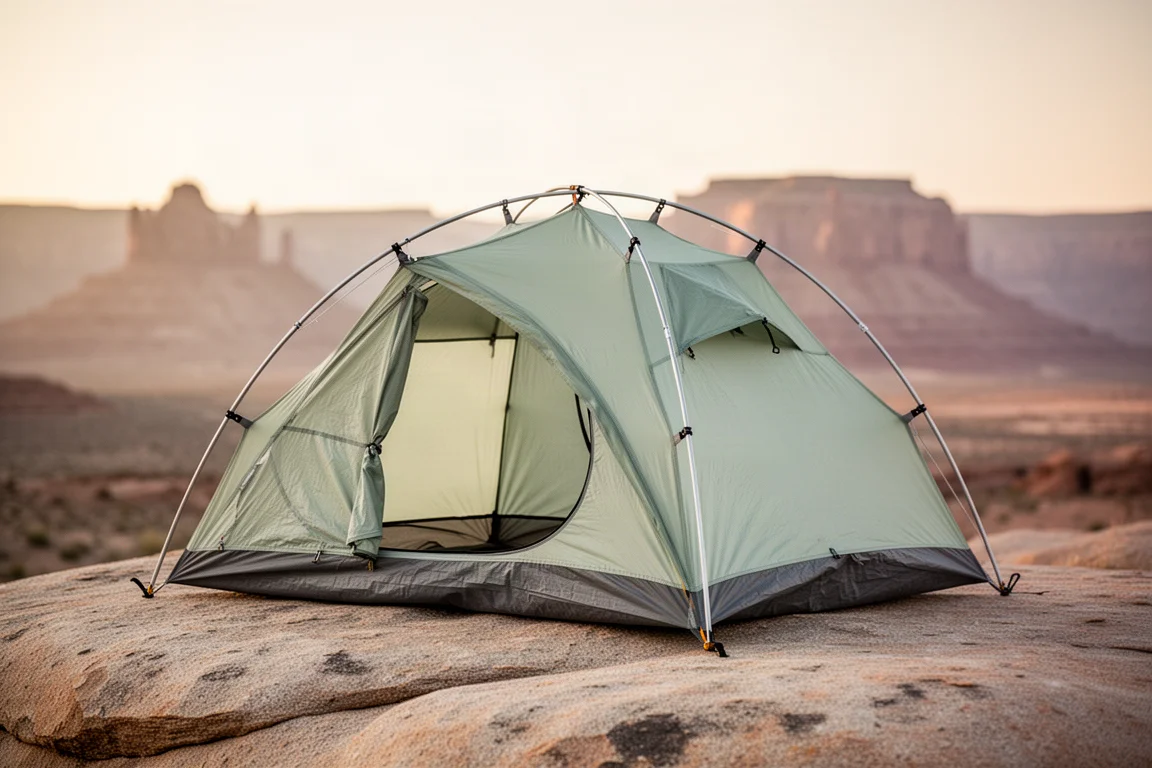
MSR has refreshed its long-running one-person backpacking tent for 2025 with the Hubba Hubba LT1, a double-wall, fully freestanding shelter that keeps the familiar Hubba Hubba shape while changing details that matter on the trail. The most visible updates are a new DAC NFL aluminum pole set in place of the Cyclone Easton poles used on the previous generation, a larger door opening, and a solution-dyed 20-denier nylon ripstop fly and floor.
The tent is easy to pitch on ground where stakes will not go in, comfortable to sit up in, and simple to live with across a multi-day trip. It is also expensive: $470 USD for a one-person shelter, which sits close to the $500 mark and well above several lighter alternatives. That gap between field-friendly design and price is the central question for anyone weighing this tent.
Who This Tent Is For
This is a three-season shelter for backpackers who want a freestanding structure rather than a trekking-pole tent. Because the pole structure reaches all four corners, the Hubba Hubba LT1 can be pitched on rock slabs, hard-packed dirt, and sand where driving stakes is difficult or impossible, which is a real advantage in desert and alpine-basin terrain.
It also suits campers who expect to spend long hours inside the tent. The 88-inch length, 39-inch peak height, and symmetrical rectangular floor make the interior feel more open than the footprint alone would suggest, and the storage pockets keep small gear off the floor.
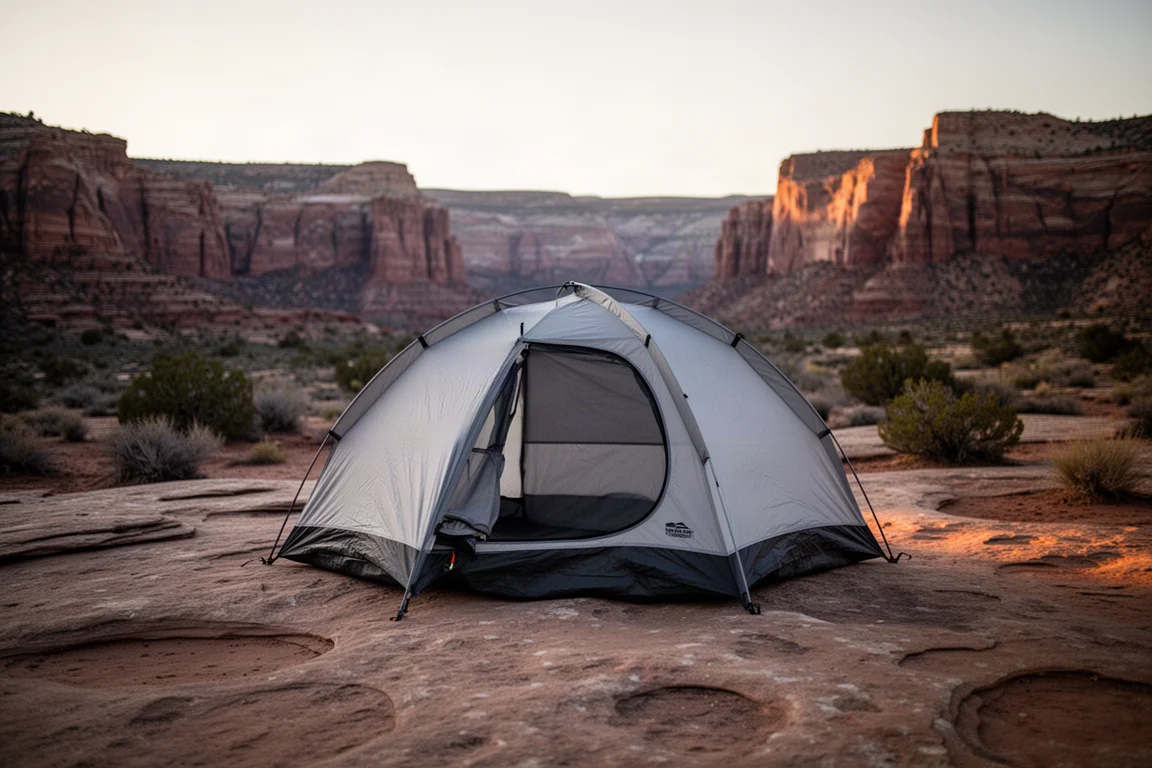
It is not the obvious pick for winter use. The design is three-season focused and is not built to carry a snow load. Buyers whose main priority is the lowest possible weight or the lowest possible price will also find stronger options elsewhere, and that trade-off is worth understanding before committing to this tent.
Design, Materials, and Build
The floor measures 88 inches long and 32 inches wide, with a fully symmetrical rectangular shape and a 39-inch peak height. The tent is double walled and fully freestanding, with the pole structure meeting the ground at all four corners and a brow pole over the door that adds headroom and rigidity at the entrance.
The pole set is a DAC NFL aluminum design, a change from the Cyclone Easton poles used on the previous generation. The fly and floor are both 20-denier nylon ripstop, and the fabric is solution dyed, an approach that reduces the amount of water used in the dyeing process.
Water resistance is rated at 1,200 mm hydrostatic head on the fly, with a higher rating on the floor. That should be sufficient for most three-season conditions, though anyone regularly camping in sustained, very heavy rain may prefer a shelter with a higher fly rating.
The fly also keeps the rain gutter system that runs down the length of the Hubba Hubba series, a channel designed to carry water off the top of the fly and away from the door so that water does not drip into the tent when you enter or exit.
Main Strengths: Liveability and Freestanding Stability
The strongest argument for this tent is how well it works in awkward terrain. A freestanding pitch means you can set it up on a rock ledge or a sandy site, then add guy lines only where you need them. Guy-out points are placed around the fly to add stability in wind and rain, and the structure feels planted once it is tensioned.
The door opening is noticeably larger than on the previous generation, and the zippers run down to the corner of the fly. That means you can reach the zipper from inside without stretching to the edge of the vestibule, and the door does not drop into your face when you open it. It is a small change that makes a daily task easier.
The inner tent uses a tall section of solid fabric along the sides, which helps keep wind-blown sand and dust from passing through the mesh and settling on your sleeping bag. Compared with the previous generation there is more mesh overall, so the balance leans toward better ventilation while still blocking a useful amount of grit.
Interior Space, Storage, and Ventilation
Inside, the tent is 88 inches long and 32 inches wide, with a rectangular floor that lets you sleep with your head at either end depending on how you orient the door. Vertical end walls add usable space, and there is roughly eight inches of room at the foot end for stowing gear.
Storage is generous for a one-person tent. There are two large mesh pockets at the ends that can hold items well beyond small accessories, plus two pockets higher up on the tent body. For anyone used to a single small pocket, this is a meaningful improvement in keeping the floor clear.
Ventilation comes from two vents, one at each end of the tent, along with a gap around the bottom of the fly sheet. The combination allows a steady flow of air through the shelter, which matters on warm nights and on trips where condensation builds up.
The 32-inch floor width is about the minimum most people will want in a one-person tent, and long hours inside can feel narrow. The 39-inch peak height and the freestanding structure keep it from feeling closed in, since the walls do not slope steeply against your face the way they do in some non-freestanding designs.
Things to Consider Before Buying
The tent has one door and one vestibule. That keeps the weight and complexity down, but it also means there is no second entrance and no storage space behind the sleeping area, so gear has to live in the vestibule or inside the tent.
The vestibule door cannot be rolled back and tied out of the way. It opens only so far, which limits how much you can open up the entrance for extra airflow on a still, warm night. It is a small limitation, but it is the kind of detail that becomes noticeable over a long trip.
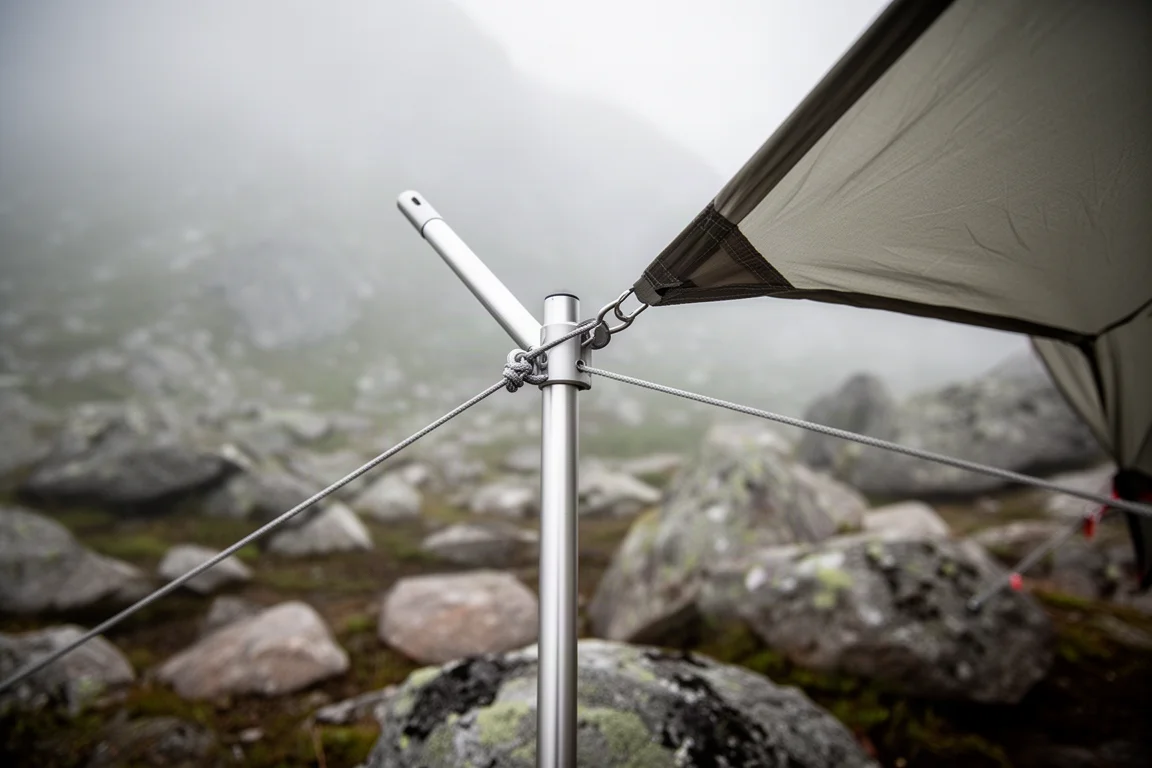
One pole hub failed during field use early on, at the junction where the poles meet. It is an unusual place for a pole to break, and it is unclear whether the hub was already cracked or whether the pole ends were not fully seated. MSR resolved the issue, and it is not a reason to avoid the tent, but it is worth knowing that pole hubs are the part to check before a trip.
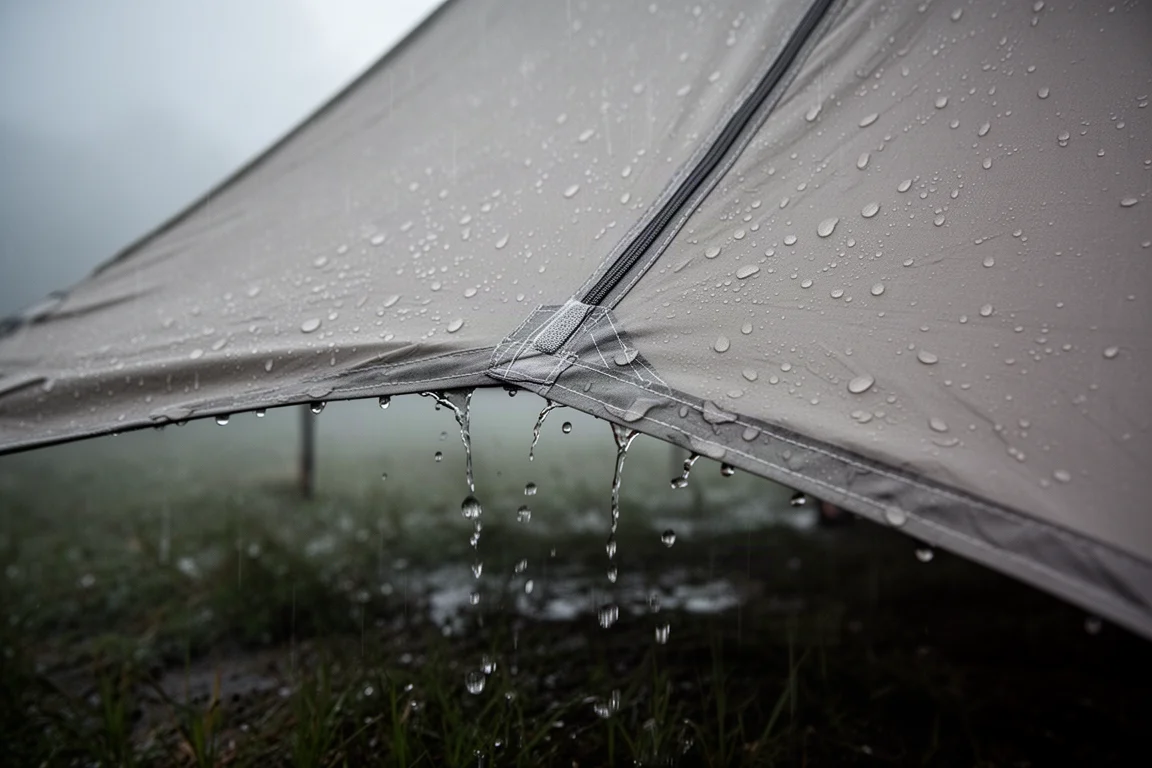
This is a three-season shelter. It is not designed to handle snow load, so winter campers and anyone expecting significant accumulation should look at a four-season tent instead. The fly rating of 1,200 mm hydrostatic head is adequate for typical three-season weather, but people who camp in prolonged heavy rain may want a higher figure.
Price and Alternatives
At $470 USD, the Hubba Hubba LT1 is expensive for a one-person tent, and it is the single biggest obstacle for most buyers. The price sits close to $500 for a shelter built from 20-denier nylon ripstop, which is a lot to ask when comparable designs cost considerably less.
Two alternatives come up naturally in that comparison. The Nemo Dragonfly uses an Osmo fabric, a nylon and polyester blend, and has a tapered foot end that narrows from 35 inches to 32 inches while weighing roughly the same as the MSR. The Tarptent Rainbow is a single-wall design with a polyester body that weighs less, offers a larger floor space, and costs about $200 less.
What the MSR price buys is the freestanding structure, the build quality, the rain gutter on the fly, and the interior storage and headroom. Those are genuine advantages, particularly in terrain where staking out a tent is not an option. Whether they are worth the premium depends entirely on where and how you camp.
Buying Advice
Choose the Hubba Hubba LT1 if you need a freestanding three-season tent that pitches on rock, sand, or hard ground, and if you value a liveable interior with real storage and enough height to sit up comfortably. It is a well-rounded shelter for desert trips, alpine basins, and campsites where anchors are scarce.
Look elsewhere if the budget is tight, if you want the lightest shelter for the money, or if you prefer a single-wall design. The Tarptent Rainbow in particular offers less weight and more floor space for roughly $200 less, at the cost of a freestanding pitch. The Nemo Dragonfly is the closer comparison on fabric and weight, with a tapered floor instead of a rectangular one.
If you do buy this tent, treat it as a long-term three-season investment and match it to the conditions you actually camp in. It handles wind and rain well when guyed out, and the freestanding design removes a lot of the frustration that comes with pitching on difficult ground.
Conclusion
The MSR Hubba Hubba LT1 is a thoughtfully updated one-person backpacking tent. The larger door, the DAC NFL pole set, the solution-dyed fabric, the rectangular floor, and the generous interior pockets all make it easier to live with, and the freestanding structure is a real advantage on ground where stakes will not hold.
The price is the sticking point. At $470 USD it costs more than several lighter and roomier alternatives, and the single vestibule door cannot be tied fully open. For backpackers who need a freestanding three-season shelter and are willing to pay for the design and build quality, it is a strong option. For everyone else, the alternatives are worth a careful look first.
Product link
View more details for MSR Hubba Hubba LT1
This product is mentioned in the review. Check the specifications, options, and compatibility before buying.
View more details for MSR Hubba Hubba LT1Further reading
Related Reviews
Backpacking Tents
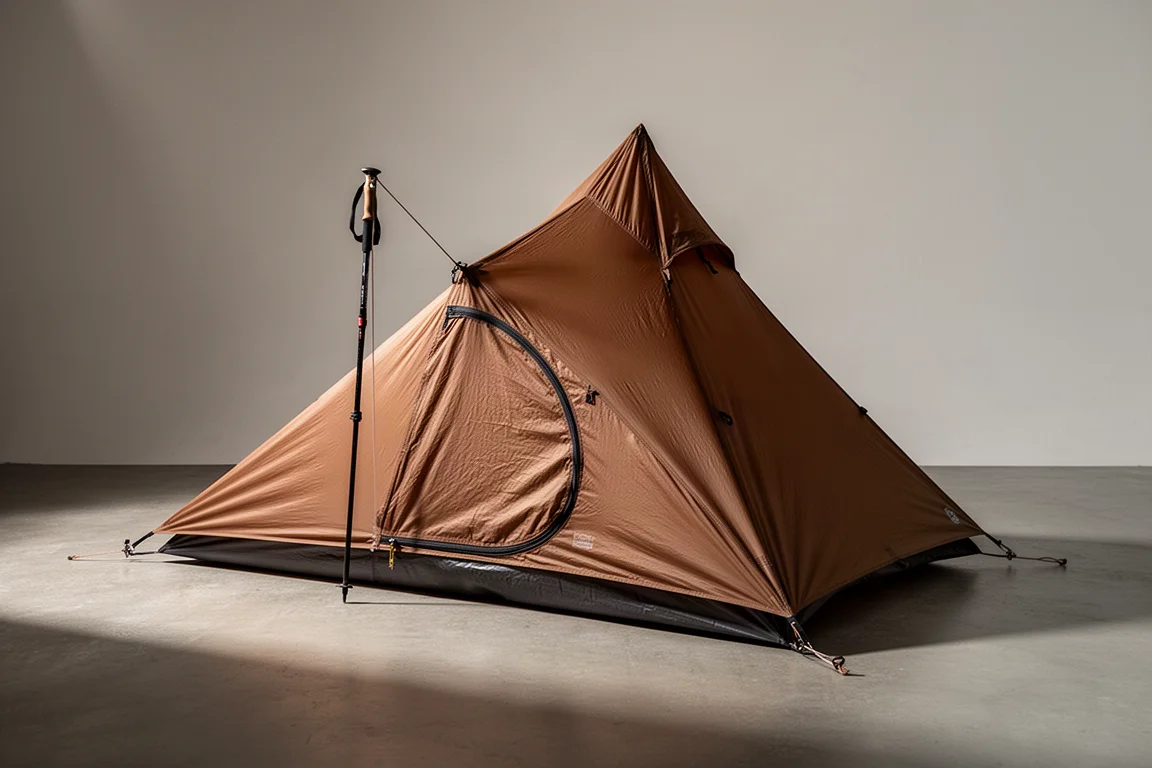
3F UL Lanchan Pro 1 Review: A 1 lb 8 oz Single-Wall Trekking Pole Tent
A practical look at the 3F UL Lanchan Pro 1, a single-wall trekking pole shelter with a 1 lb 8 oz weight, 20D silnylon fabrics, and a roomy 90 x 31 x 49 inch interior.
Backpacking Tents
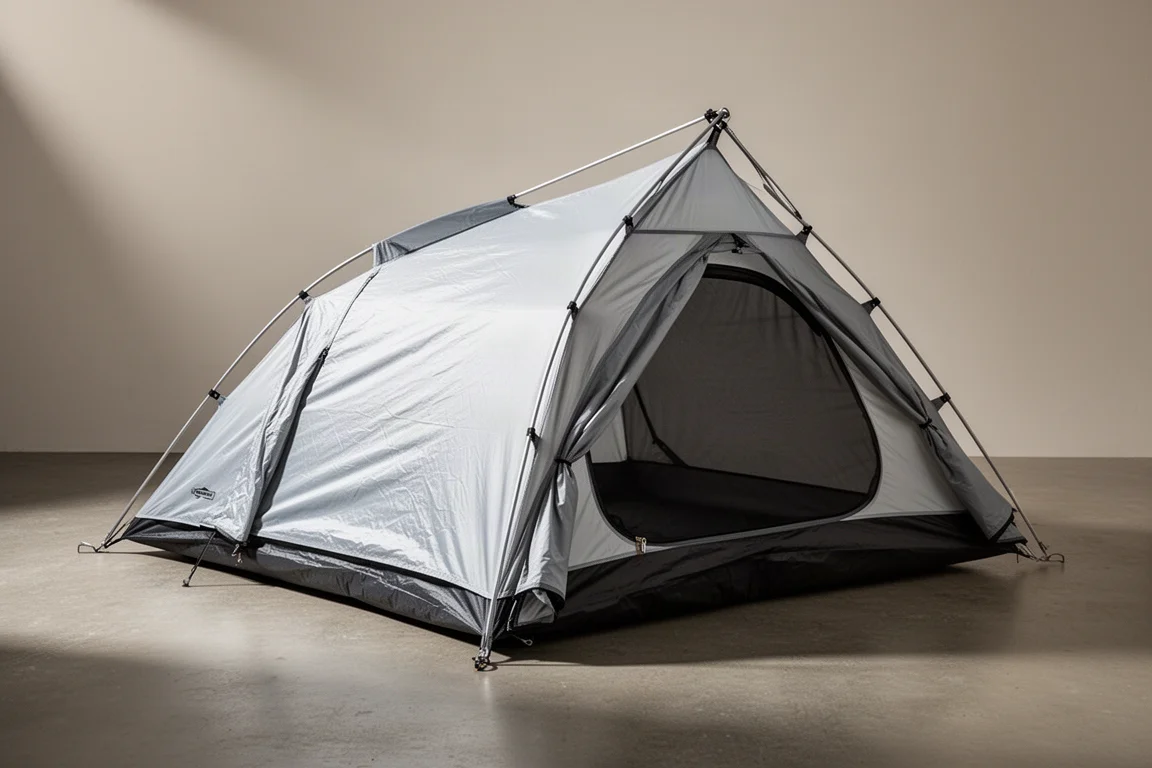
3F UL Taiji 2-Person Tent: A Convertible Backpacking Shelter Worth a Closer Look
A practical look at the 3F UL Taiji two-person tent, covering its materials, true two-person interior, fly-first pitching, and the seasonal inner swap that lets one shelter cover more of the year.
Backpacking Tents
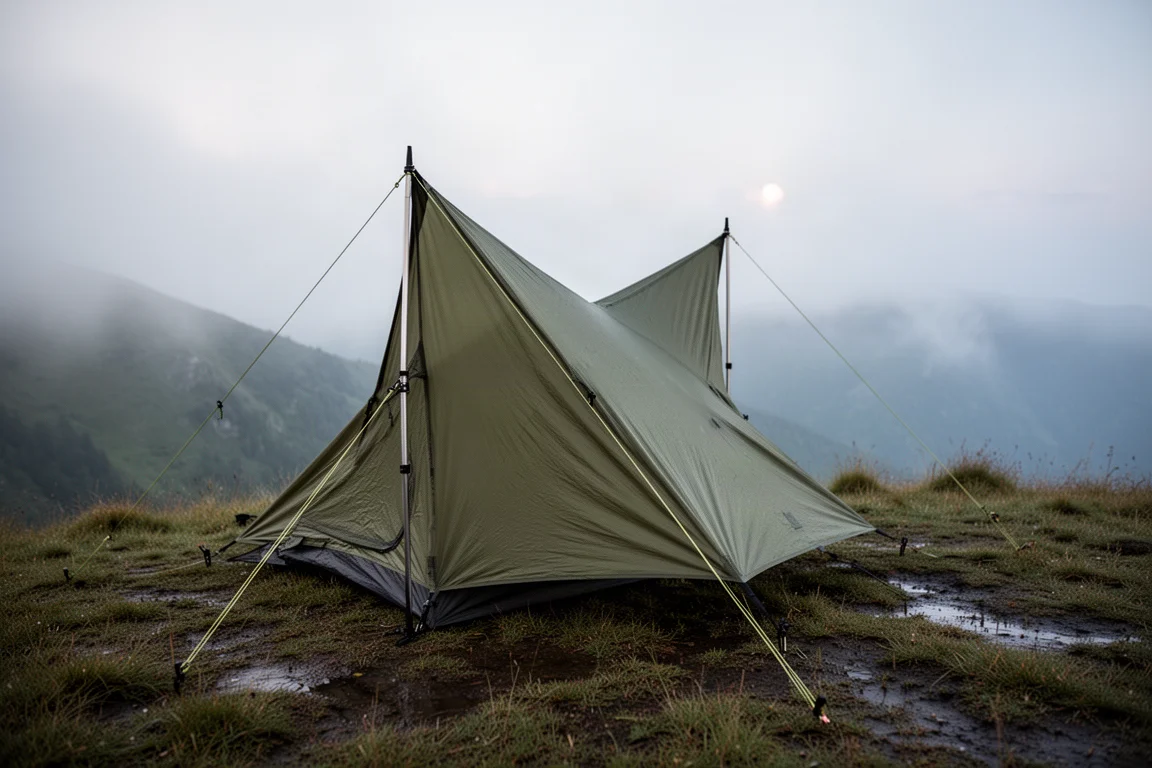
3FUL Lanshan Twoerson Pro Review: A Light Trekking Pole Shelter That Struggled in Rain
A two-person trekking pole shelter with a 2026 redesign, pitched with sticks and put through a night of steady rain. Here is what worked, what did not, and what to check before buying.