Backpacking Tents
MSR Hubba Hubba LT, HD, and NX: Which Backpacking Tent Suits Your Trips?
A practical look at the redesigned MSR Hubba Hubba range, how the lighter LT and the heavier duty HD differ, and where the outgoing NX still fits.
Introduction
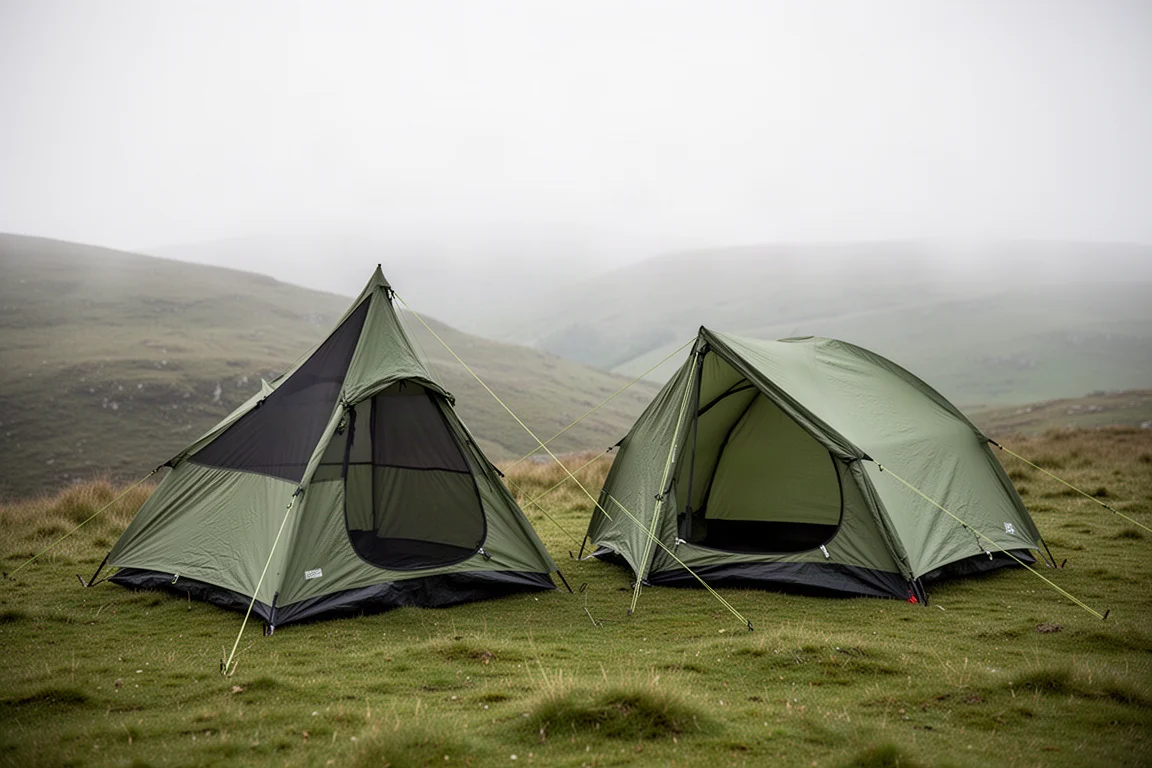
The MSR Hubba Hubba has been a familiar name in backpacking for a long time, and the current generation splits the line into two clearly different tents. The lighter Hubba Hubba LT and the heavier duty Hubba Hubba HD share the same floor shape, the same pole architecture, and the same basic layout, and both are available in one, two, and three person versions. The Hubba Hubba NX, the model this generation replaces, sits alongside them as the long-standing reference point, unchanged in Europe for 13 years.
The redesign was driven largely by a demand for more space and more livability inside the tent. That means wider, longer floors and more head room, largely to accommodate the larger, deeper sleeping mats that backpackers are now carrying.
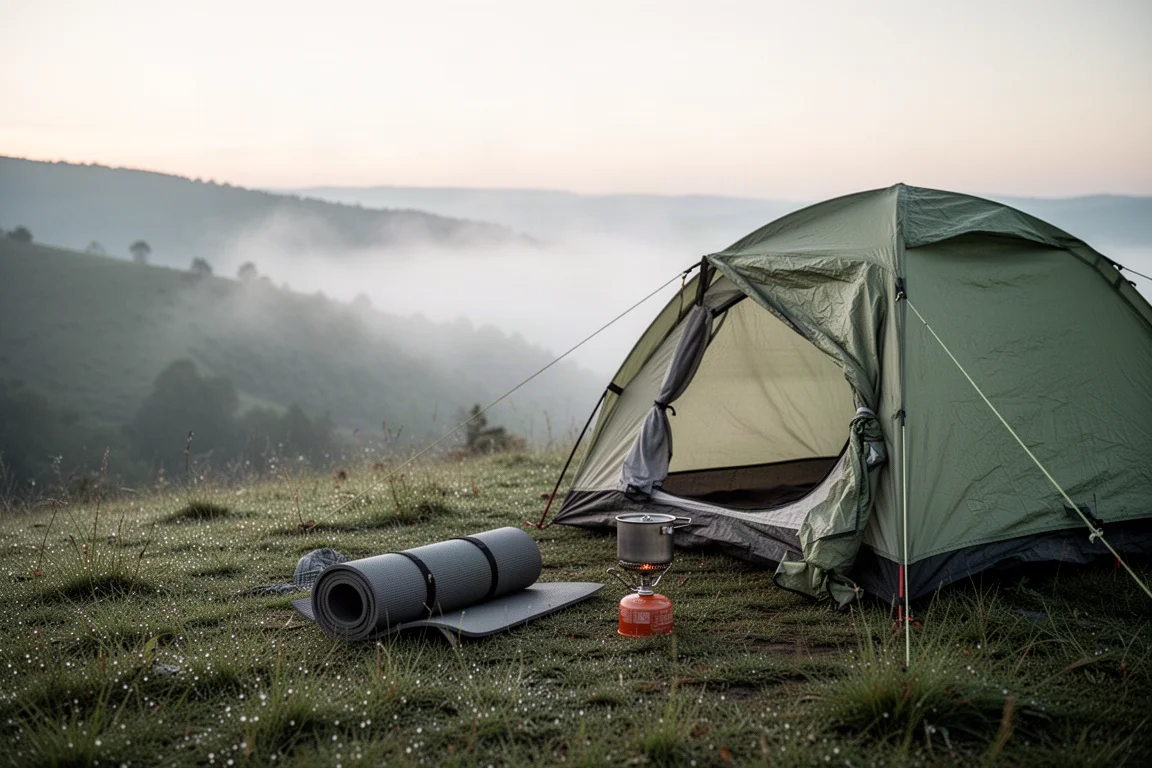
What follows is a practical breakdown of what the three tents share, where the LT and HD diverge, and which conditions each one suits best.
Shared Design and What Changed
All three tents trace back to the same idea. The original Hubba was one of the first tents to use an integrated pole setup, with hubs joining the poles together so that pitching does not involve juggling several separate poles. That hub design gave the tent its name, and the family grew to include the one person Hubba, the two person Hubba Hubba, the Mother Hubba, and the four person Papa Hubba.
The current LT and HD keep that architecture. The poles are shock corded, so they assemble without any guesswork, and the tents are symmetrical, which means there is no right end and no wrong end when you start pitching. The rectangular floor, the vestibule size, and the internal door size are the same across both models.
The changes are in the dimensions. Compared with the NX, the new floor is 5 cm wider and 10 cm longer, with more height throughout. The practical result is that two wide sleeping pads now fit side by side, where the NX could realistically take one wide pad and one regular pad. That extra volume matters most for taller sleepers and for anyone who wants to sit up, read, or cook inside rather than lying flat. Despite the larger interior, the LT is almost 200 g lighter than the previous NX model.
MSR Hubba Hubba LT: Lighter, Airier, and Condensation-Focused
The LT is the weight-conscious option, and its fly is cut slightly higher than the HD’s to let more air move through the tent. Under the fly, the waterproof floor and windproof fabric rise to the same point on both models, but the LT uses a large expanse of mesh across the upper section. That mesh is what strips condensation and moist air out of the tent, and it also lets air in on warmer, drier nights.
The trade-off is weather protection. The LT’s hydrostatic head ratings are 1,800 mm for the floor and 1,200 mm for the fly, which is a reduction on the 3,000 mm rating of the previous Hubba Hubba NX. In damp conditions, a footprint is worth adding for extra protection underneath, and spreading your weight across a mattress as you enter helps limit how much pressure the floor takes.
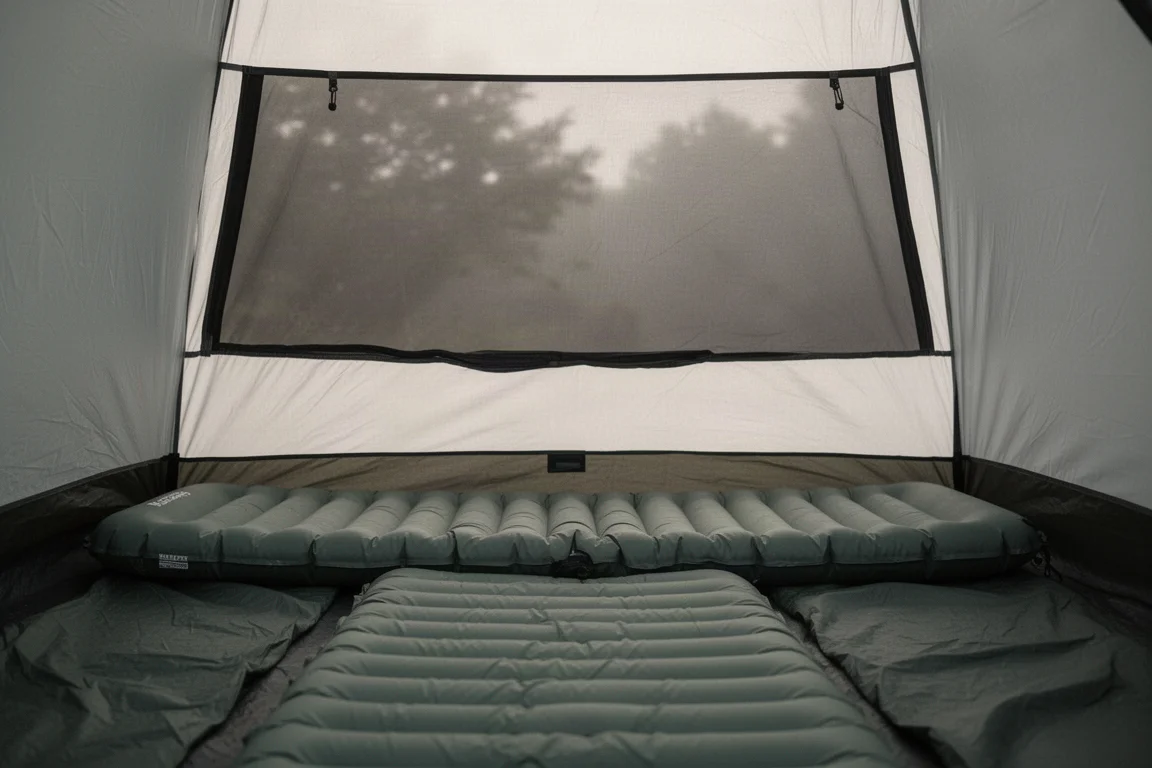
For trips in milder weather, the LT’s combination of low weight, generous interior space, and strong ventilation is a coherent package rather than a compromise.
MSR Hubba Hubba HD: More Protection for Harsher Conditions
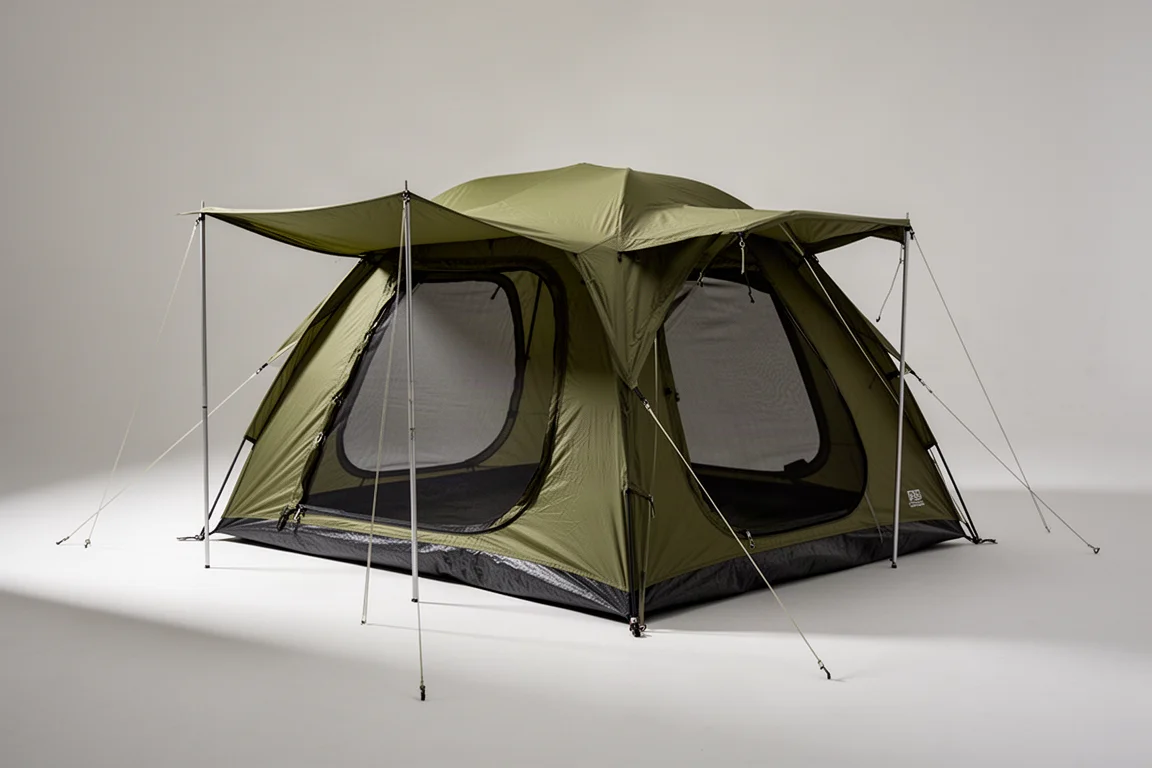
The HD shares the LT’s shape, poles, and layout, but it is built for conditions where wind and cold matter more than grams. Its fly takes a straighter cut to keep wind out, and the inner replaces the LT’s mesh with solid fabric. That reduces airflow through the tent and helps retain a little warmth, while still leaving ventilation in place.
The protection extends to the fabrics themselves. The HD’s floor is rated to 6,000 mm hydrostatic head and its fly to 3,000 mm, which is a substantial step up from the LT. The HD also adds Velcro tabs on the fly that attach directly to the poles, giving the tent an extra level of stability once it is pitched. For exposed pitches and colder nights, those details are the difference between a tent that merely survives the weather and one that stays comfortable in it.
MSR Hubba Hubba NX: The Previous Generation
The NX is the model the LT and HD replace, and it remains a useful comparison point because it shows exactly what changed. Placed side by side with the new tents, its walls are visibly lower and the head room on both sides is noticeably reduced, which makes a difference when you want to sit up in bed.
The geometry is different too. The NX uses a longer ridge pole, and in wind it moves around far more readily, whereas the new design returns to its shape almost immediately. Inside, the NX is the tent that could take a wide pad and a regular pad next to each other, but not two wide pads.
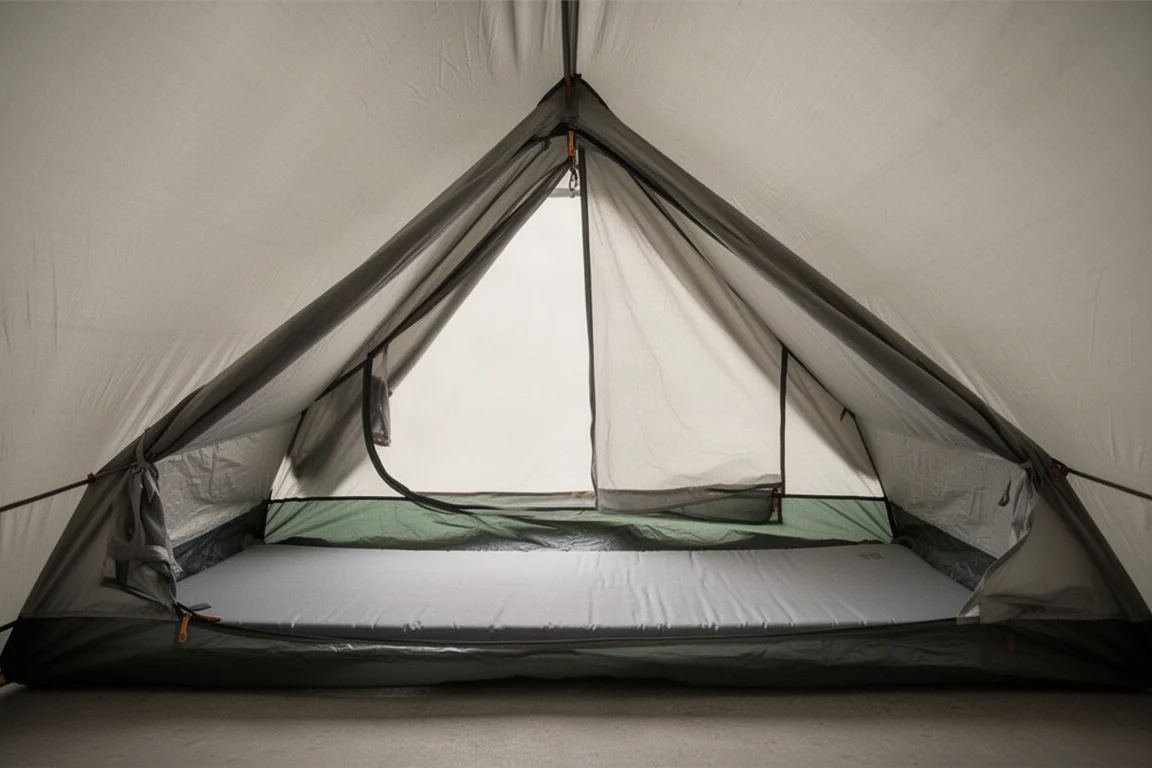
Its hydrostatic head rating is 3,000 mm, higher than the LT’s floor and fly but well below the HD’s. Buyers still choosing the NX are effectively trading interior space and wind stability for the older, established layout.
Choosing Between the LT, HD, and NX
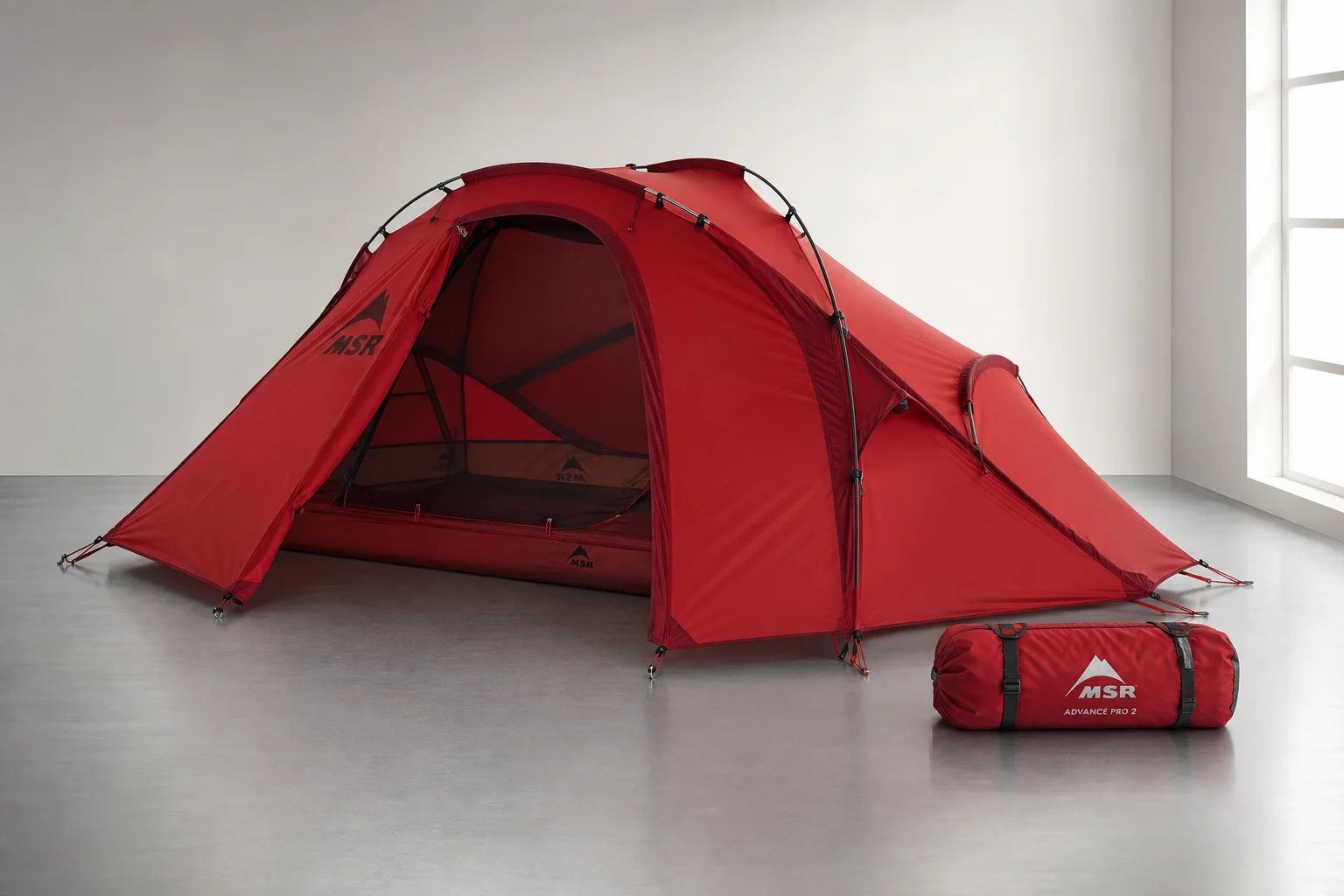
The three tents are not ranked so much as matched to conditions. The LT is the natural choice for warmer, drier trips and for anyone counting weight, provided you accept that a footprint is sensible in damp weather. The HD is the better answer for exposed pitches, colder nights, and trips where wind and rain are likely, and what it costs you is weight rather than protection. The NX remains an option for anyone who prefers the previous layout, but it gives up interior volume, head room, and stability in wind compared with either new model.
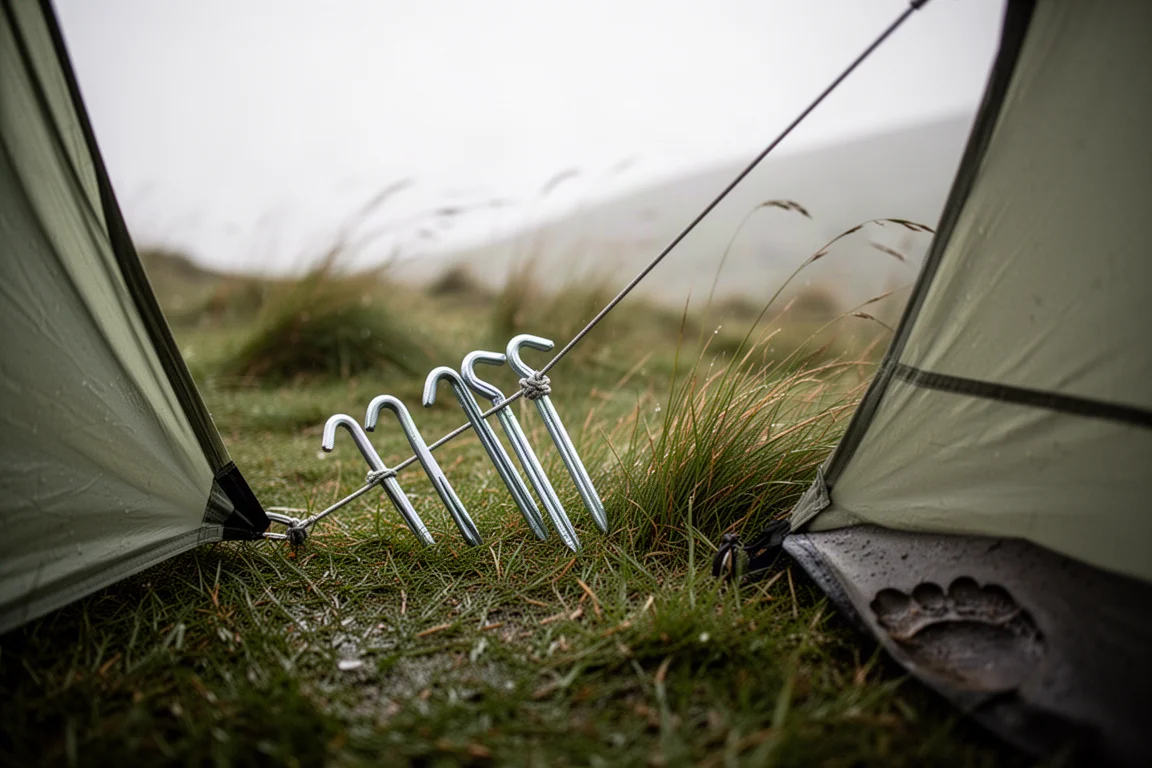
Pitching technique applies across all three. Pegs go in at roughly 45 degrees, ideally angled at 45 degrees to the tent as well, and a footprint protects the groundsheet from stones and heather. The tents use shock-corded poles that should be fully seated in their grommets before you apply any tension, and because the design is symmetrical there is no wrong end to start from. Guy lines are worth deploying, four in total with one on either side and two at each end, plus the low line at the bottom that helps air move through the end of the tent. The kickstand vents at each end should be opened as well.
If you are weighing up the range, decide first what your typical campsite looks like. Mild and sheltered weather points to the LT, while exposed and cold conditions make the HD’s solid inner and higher fabric ratings the more sensible purchase.
Conclusion
The redesigned Hubba Hubba range answers a clear trend: backpackers want more room and more comfort, and they are willing to carry larger mats to get it. The LT delivers that space with a lighter build and strong ventilation, while the HD delivers it with more fabric protection, a solid inner, and extra stability in wind. The NX shows how far the design has moved, with lower walls and a more flexible ridge pole. Match the tent to the weather you actually camp in, and any of the three will do the job it was built for.
Further reading
Related Reviews
Backpacking Tents
3F UL Lanchan Pro 1 Review: A 1 lb 8 oz Single-Wall Trekking Pole Tent
A practical look at the 3F UL Lanchan Pro 1, a single-wall trekking pole shelter with a 1 lb 8 oz weight, 20D silnylon fabrics, and a roomy 90 x 31 x 49 inch interior.
Backpacking Tents
3F UL Taiji 2-Person Tent: A Convertible Backpacking Shelter Worth a Closer Look
A practical look at the 3F UL Taiji two-person tent, covering its materials, true two-person interior, fly-first pitching, and the seasonal inner swap that lets one shelter cover more of the year.
Backpacking Tents
3FUL Lanshan Twoerson Pro Review: A Light Trekking Pole Shelter That Struggled in Rain
A two-person trekking pole shelter with a 2026 redesign, pitched with sticks and put through a night of steady rain. Here is what worked, what did not, and what to check before buying.