Backpacking Tents
MSR Access 2 Review: A Light Two-Person Tent With a Four-Season Question Mark
A roomy, well-ventilated 1.86 kg two-person backpacking tent that shines in spring and autumn, but falls short of a true four-season shelter.
Introduction
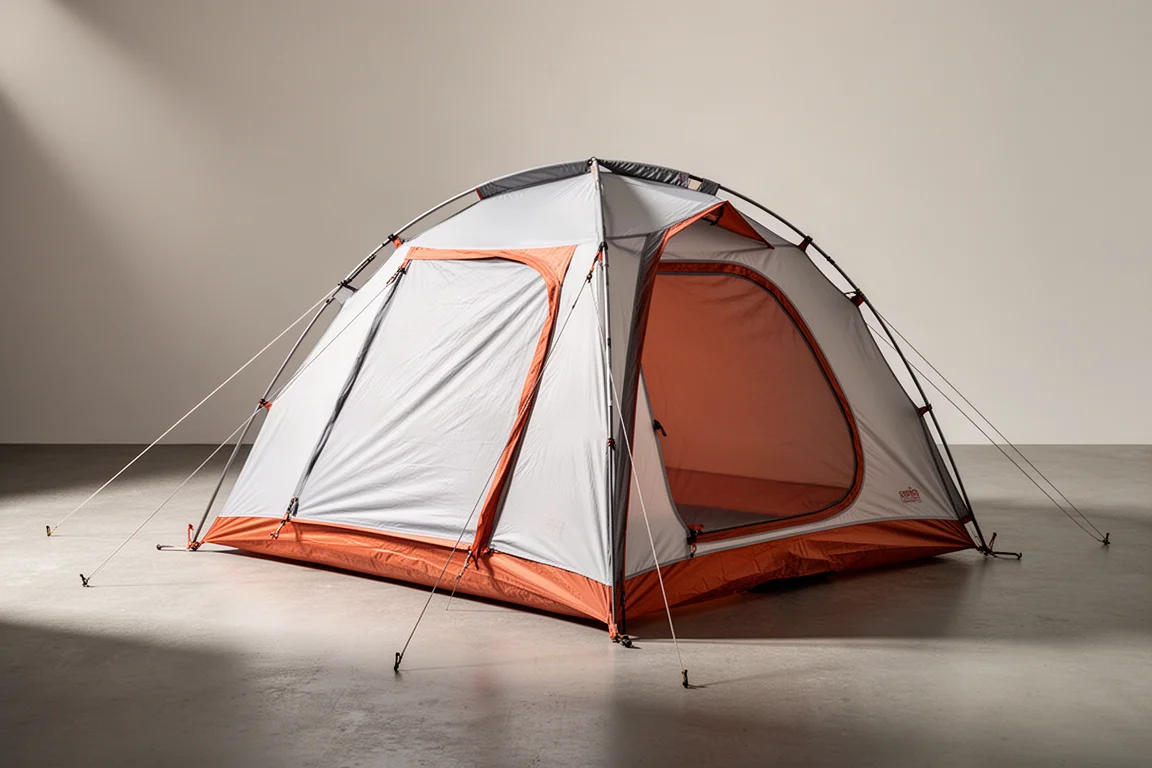
The MSR Access 2 is a two-person backpacking tent that weighs a claimed 1.86 kg and is sold as a four-season shelter. On paper that combination is unusual: a tent light enough for three-season backpacking that also claims to handle colder months. It uses a one-piece composite pole set, a waterproof bathtub floor and a coated fly, and it provides two doors and two vestibules.
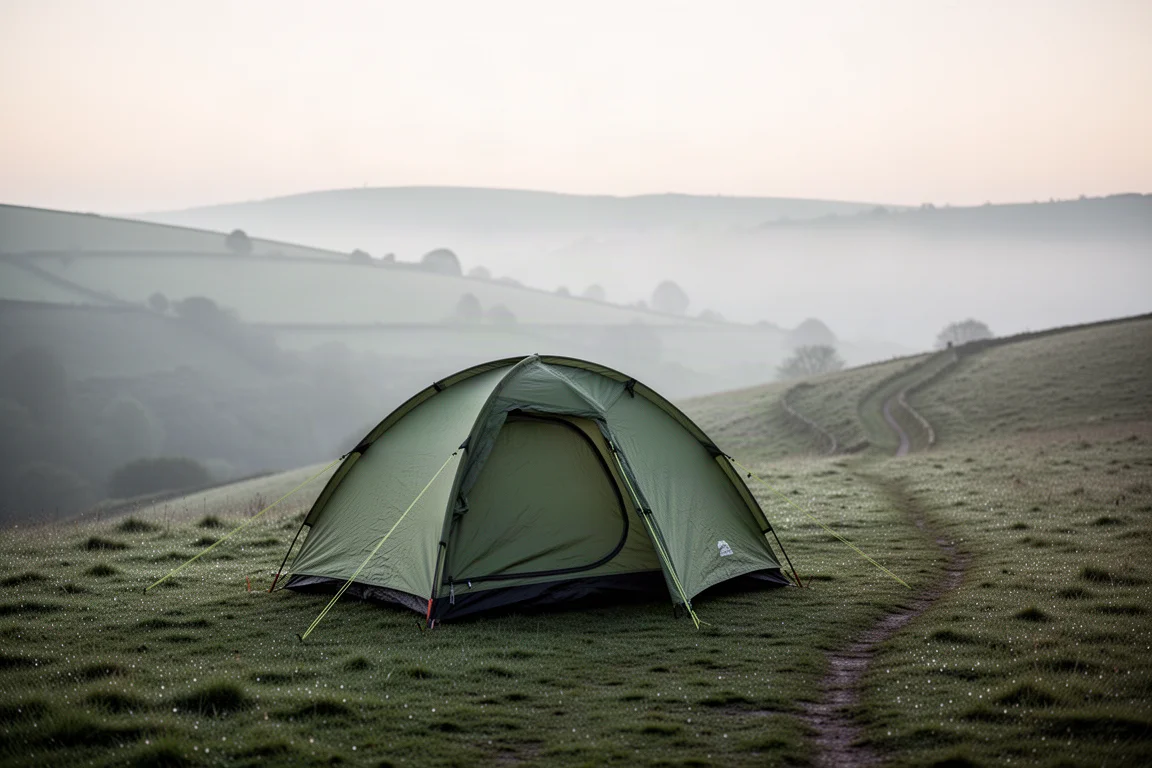
The appeal is clear for anyone who wants a roomy two-person tent without carrying the weight of a traditional winter shelter. The reality is more nuanced. The Access 2 is genuinely spacious and well ventilated, and it performs well in spring and autumn conditions. Its four-season billing, however, deserves close scrutiny, especially for exposed mountain use where wind is a constant factor.
Who This Tent Is For
This tent suits backpackers who want a light, comfortable two-person shelter for spring and autumn trips: long-distance routes, valley camps, forest pitches and shoulder-season overnights. The generous interior and two entrances make it pleasant for two people sharing, and the solid mesh inner adds warmth on chilly evenings without sealing the tent up completely.
It is a less obvious choice for anyone shopping specifically for a winter or high-mountain shelter. Buyers in Europe who purchase it expecting a true four-season tent are likely to be disappointed, because the design does not behave like one in the conditions that matter most.
Main Strengths: Space, Ventilation, and Packed Weight
The interior is the standout feature. The Access 2 measures 213 cm long, 127 cm wide and 107 cm high, and the near-vertical side walls turn those numbers into usable volume rather than just headline figures. A six-foot sleeper has comfortable headroom, and two six-foot occupants can still share the space without feeling compressed.
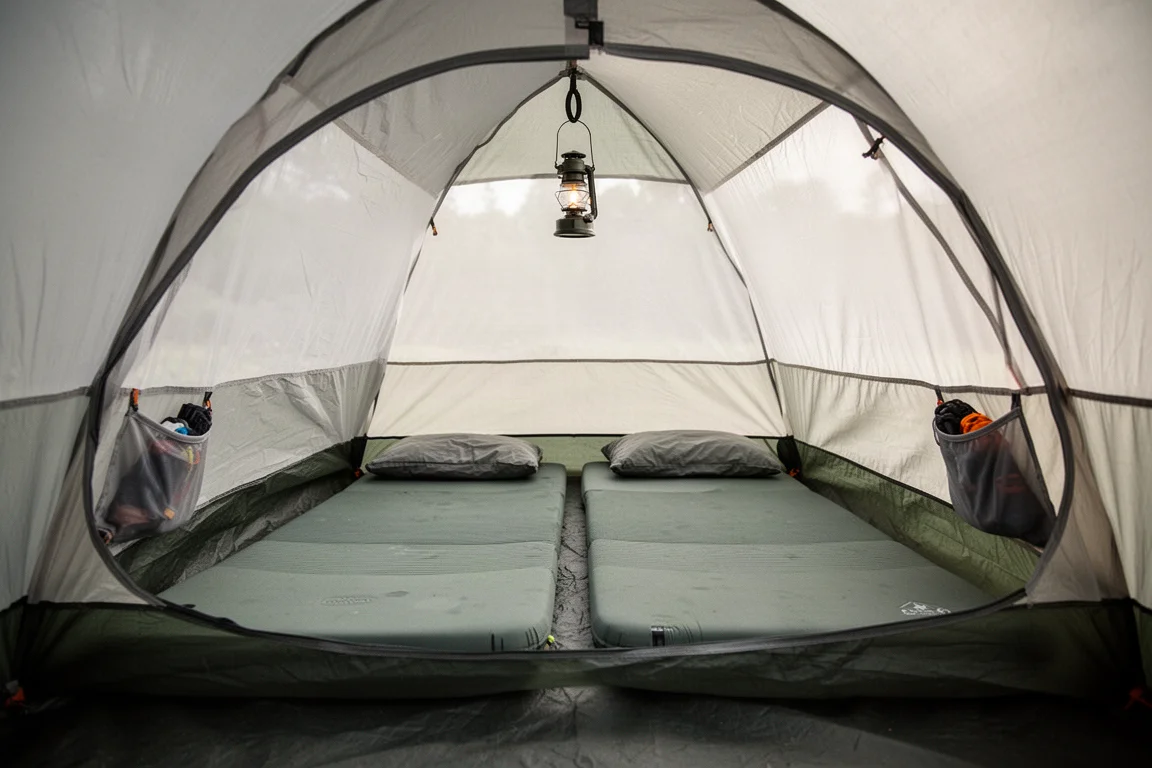
Ventilation is handled well. The inner is mostly solid mesh, which cuts the chill from wind while still letting air move, and small see-through mesh windows at the top of the tent help moisture escape. In practice that combination kept condensation under control. Storage is sensible too: large pockets at each end, a lantern hook, and additional fixings that let you string a short line for drying gear.
Weight is the other headline. At 1.86 kg, the Access 2 is light for the amount of interior space it offers, and the one-piece composite poles keep the packed bundle compact.
Materials, Poles, and Weather Protection
The bathtub floor uses 30D nylon with a 3,000 mm hydrostatic head, which is a solid figure for ground contact. The fly is 20D nylon with a 1,200 mm hydrostatic head, and that sits at the very bottom of the waterproof scale, so it is worth thinking about how much sustained rain you expect to camp in. The inner mixes solid mesh with 20D nylon carrying a durable water repellent finish.
The poles are Easton Cyclone composite, essentially a lightweight carbon-style construction made as a single piece per side. They are described as unbreakable, and in severe weather they do not snap. Instead they bend, which is a deliberate design choice but has consequences for how the tent holds its shape.
Things to Consider Before Buying
Several details work against the four-season label. The fly does not reach the ground, which leaves a gap that wind and driven weather can exploit. The tent pitches inner first, which is slower and less convenient in heavy rain. Only eight pegs are supplied, and that is not enough: the guy lines at the ends and the vent need additional pegs or a longer line run to the ground, so budget for extras.
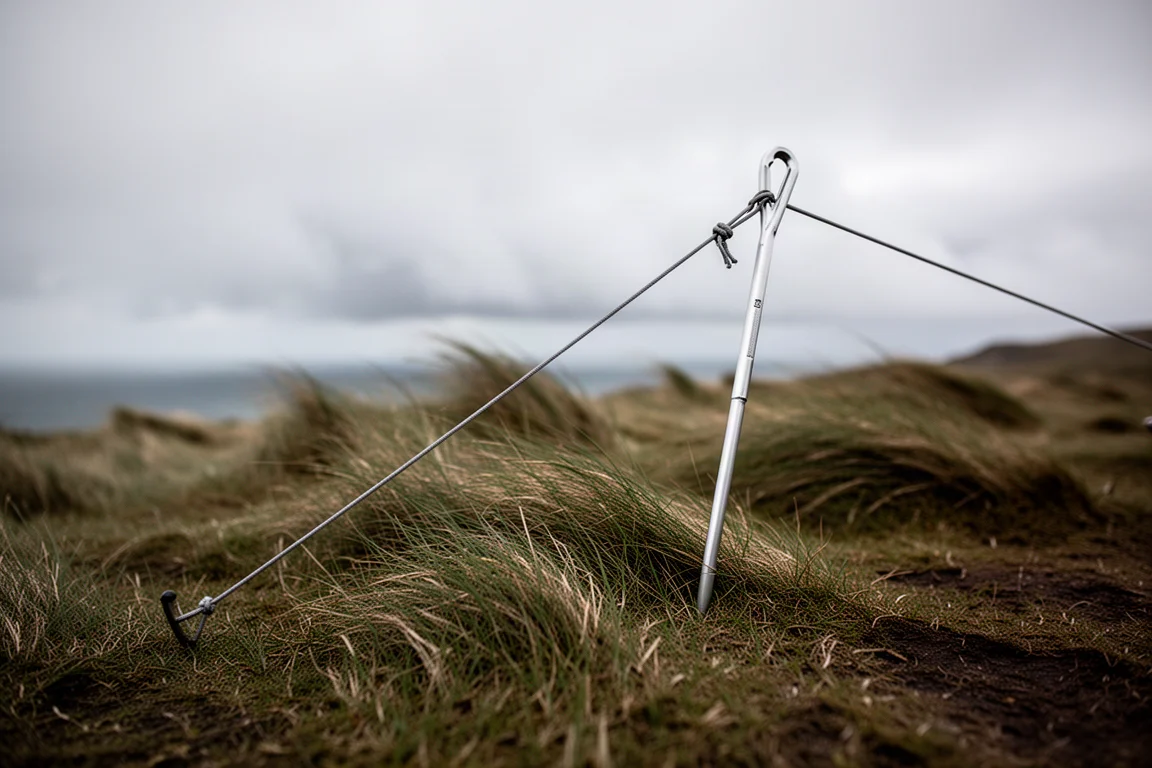
The flex in the poles is the biggest practical concern. In strong wind the shelter deforms, and keeping it stable means pegging it out very thoroughly. That is manageable on a sheltered pitch but much harder on an exposed ridge or near a summit, where the tent takes the full force of the weather.
How It Pitches and What Comes in the Bag
The package includes an oversized fast-pack bag with compression straps, which makes packing simple: stuff the tent in, close it, and cinch it down. The supplied pegs are chunky and long, and they hold well in soft ground.
Setup itself is quick. The inner clips to the pre-assembled pole structure and can be standing in well under a minute once you know the sequence, which softens the inner-first pitching drawback in anything short of torrential rain. The pole fixings are clearly marked, and the fly tensioners pull the outer taut easily.
Buying Advice
The Access 2 lists at $799, or around £735 in the UK, and it is often available for less. At that level it is a premium purchase, so it makes sense to be clear about what you are buying: a light, spacious, well-ventilated two-person tent for spring and autumn trips. On that basis it is a very capable shelter and easy to recommend.
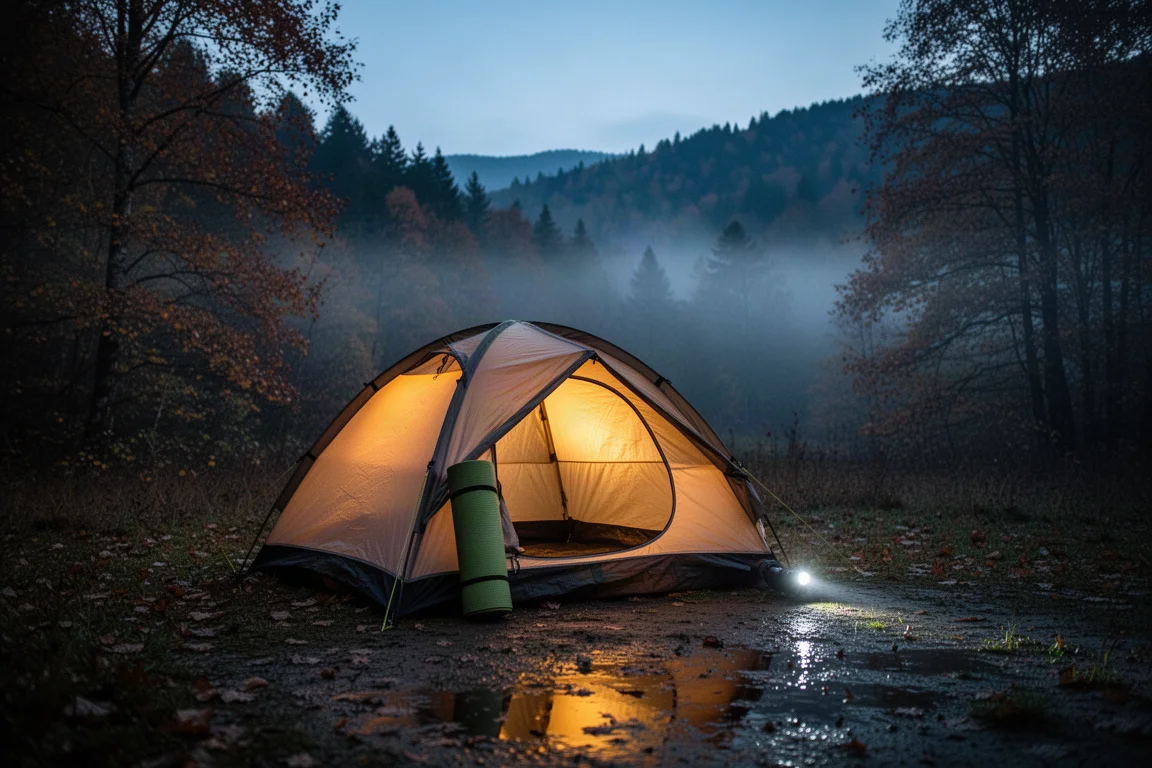
If winter camping, summit camps or sustained high winds are part of your plans, the money is better spent elsewhere. Look for a shelter with a fly that reaches the ground and a pole structure stiff enough to resist deformation, and accept the extra weight that comes with it.
Conclusion
The MSR Access 2 gets a lot right. It is light, remarkably roomy for two people, quick to pitch and well ventilated, and it handles spring and autumn conditions with confidence. The catch is the four-season claim. The fly stops short of the ground, the waterproof rating on the outer is modest, and the flexible poles let the tent distort in strong wind.
Buy it as a generous three-season backpacking tent for two and it will serve you well. Buy it as a winter mountain shelter and you are likely to be disappointed.
Product link
View more details for MSR Access 2
This product is mentioned in the review. Check the specifications, options, and compatibility before buying.
View more details for MSR Access 2Further reading
Related Reviews
Backpacking Tents
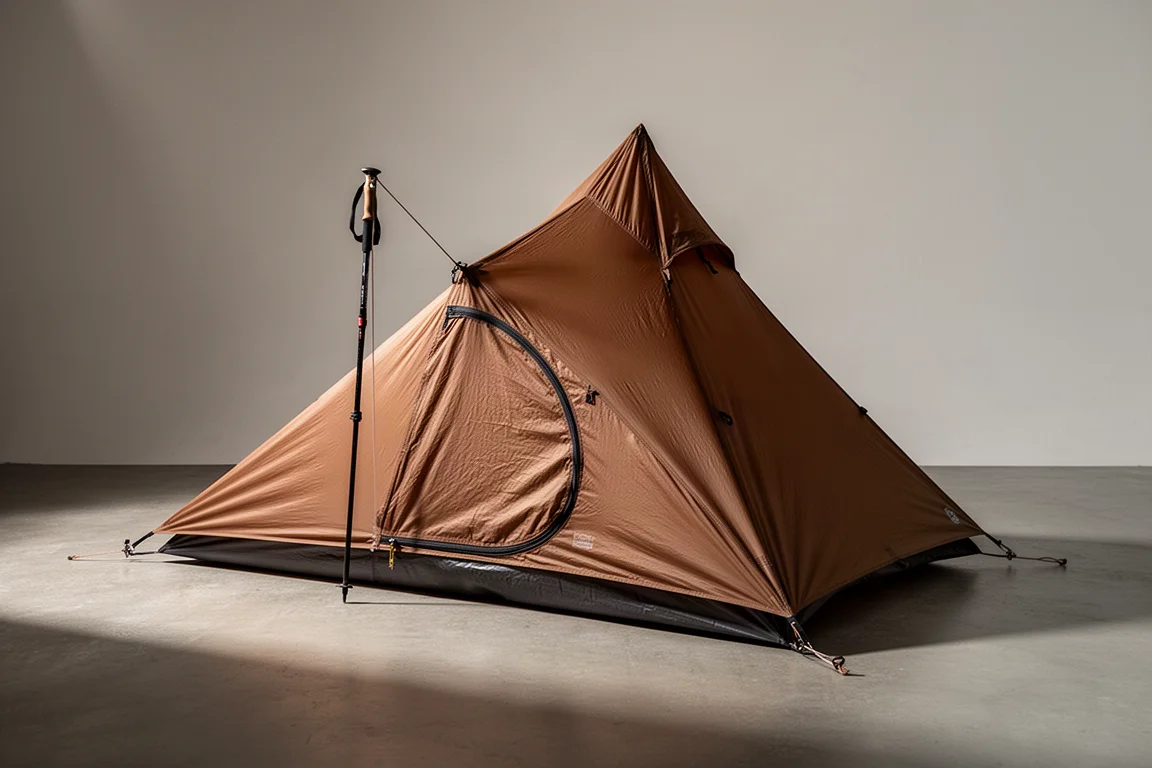
3F UL Lanchan Pro 1 Review: A 1 lb 8 oz Single-Wall Trekking Pole Tent
A practical look at the 3F UL Lanchan Pro 1, a single-wall trekking pole shelter with a 1 lb 8 oz weight, 20D silnylon fabrics, and a roomy 90 x 31 x 49 inch interior.
Backpacking Tents
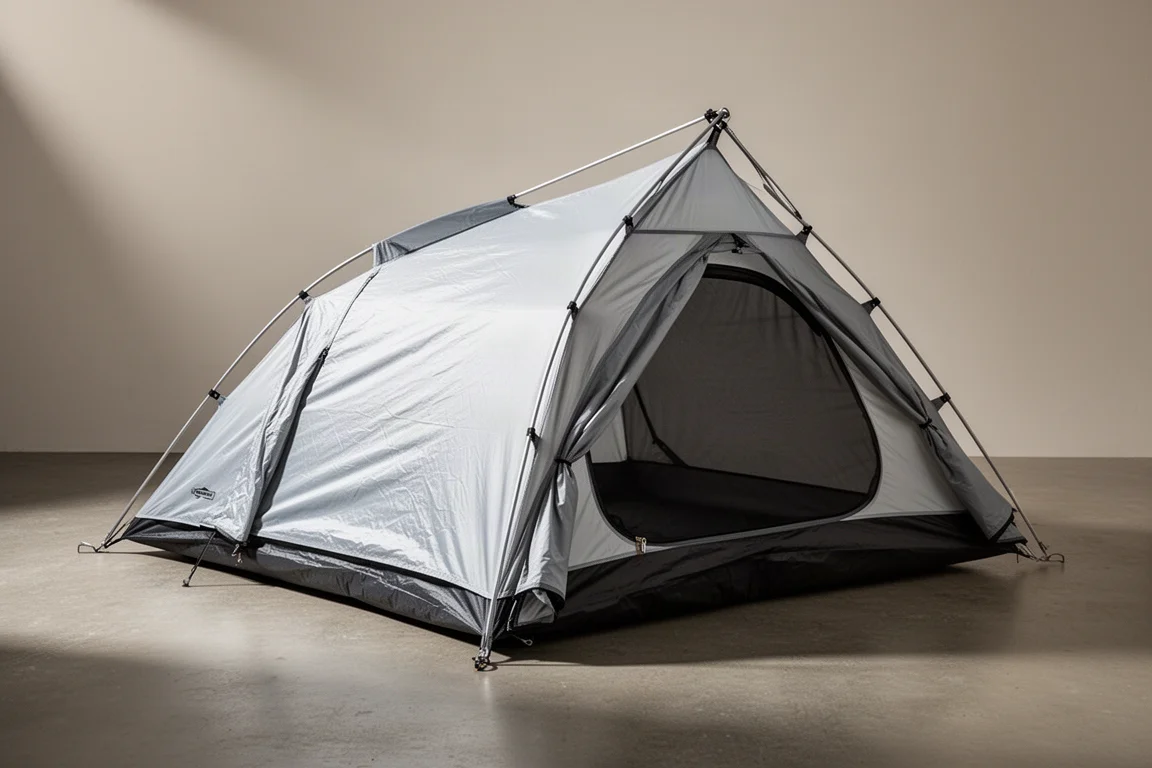
3F UL Taiji 2-Person Tent: A Convertible Backpacking Shelter Worth a Closer Look
A practical look at the 3F UL Taiji two-person tent, covering its materials, true two-person interior, fly-first pitching, and the seasonal inner swap that lets one shelter cover more of the year.
Backpacking Tents
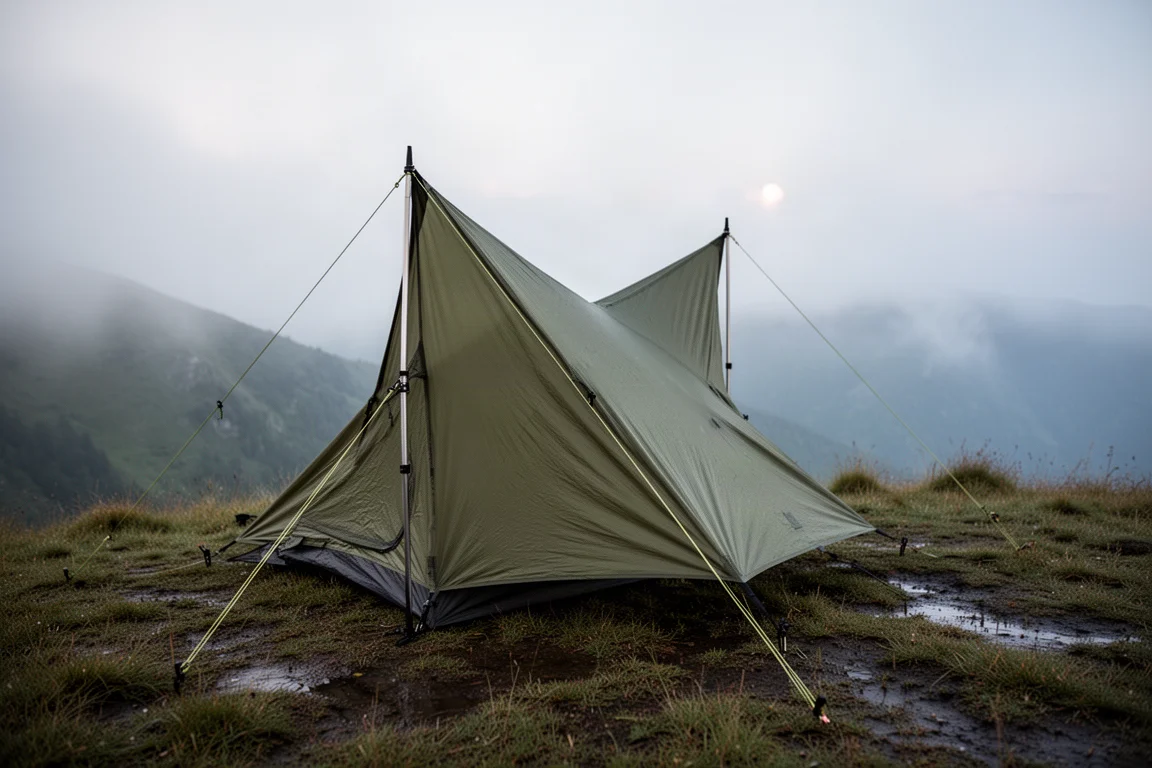
3FUL Lanshan Twoerson Pro Review: A Light Trekking Pole Shelter That Struggled in Rain
A two-person trekking pole shelter with a 2026 redesign, pitched with sticks and put through a night of steady rain. Here is what worked, what did not, and what to check before buying.