Monitors
MSI Computex 2026 Monitor Lineup: Seven New Displays Worth Watching
MSI showed off a range of new monitors at Computex 2026, from a flagship 4K triple-mode OLED to more affordable 1440p and 4K options. Here is what we learned.
Introduction
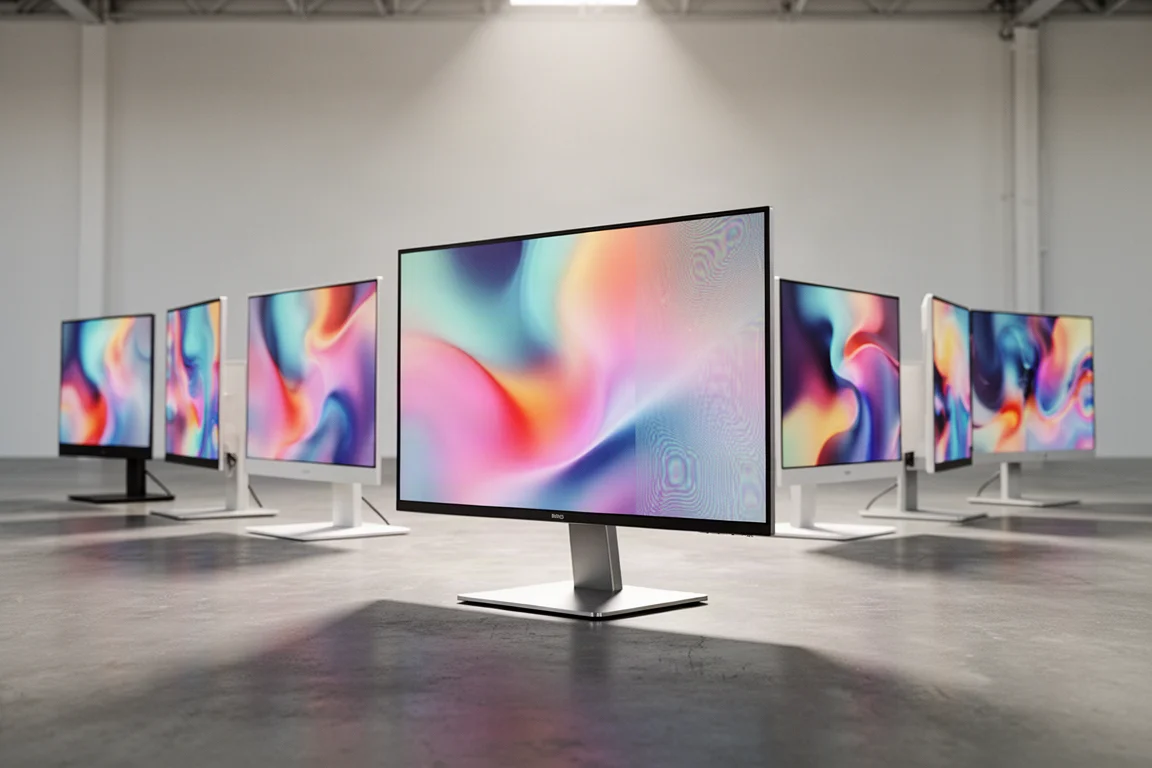
MSI brought a broad range of new monitors to Computex 2026, covering everything from a flagship 32-inch 4K OLED with an innovative triple-mode design to more affordable 1440p and 4K options. While the star of the show was only a prototype, several other models are expected to launch within the next few months. Here is a closer look at what MSI had on display and what it means for buyers.
MSI MPG OLED 322URDX36: The Flagship Triple-Mode 4K OLED
The most anticipated monitor at MSI’s Computex booth was the MPG OLED 322URDX36. This is a 32-inch 4K QD-OLED display that uses Samsung Display’s fifth-generation QD-OLED panel with a pentatandem emissive structure and an RGB stripe sub-pixel layout. The headline feature is its triple-mode design, which offers three resolution and refresh rate combinations: 4K at 360 Hz, 1440p at 520 Hz, and 1080p at 680 Hz.
This is a significant step up from the dual-mode monitors we have seen before, which typically offered 4K at a high refresh rate and 1080p at an even higher rate. The new 1440p midpoint should be far more usable for everyday gaming than 1080p on a 32-inch screen, and the 1080p mode at 680 Hz is aimed squarely at esports. Because this is a native 4K panel, the 1440p and 1080p modes will use scaling rather than integer scaling, which is worth keeping in mind.
The panel also brings several brightness improvements. It is certified for DisplayHDR True Black 600, up from True Black 400 and 500 on previous 32-inch 4K models. MSI indicated a 600-nit 10% window size, full-screen brightness in the 300 to 350 nit range, and a peak of 1500 nits. The first-generation 32-inch 4K panels topped out at 1000 nits, so this is a substantial upgrade. The monitor also includes the AI Care sensor, DisplayPort 2.1 UHBR20, and Dark Armor with 3H hardness coating.
One important caveat: the unit on display was a prototype without the final panel installed. MSI could not demonstrate the triple-mode functionality or the scaling quality. The company expects the final version to arrive in the first quarter of 2027, with a possible reveal at CES next year. Pricing has not been announced.
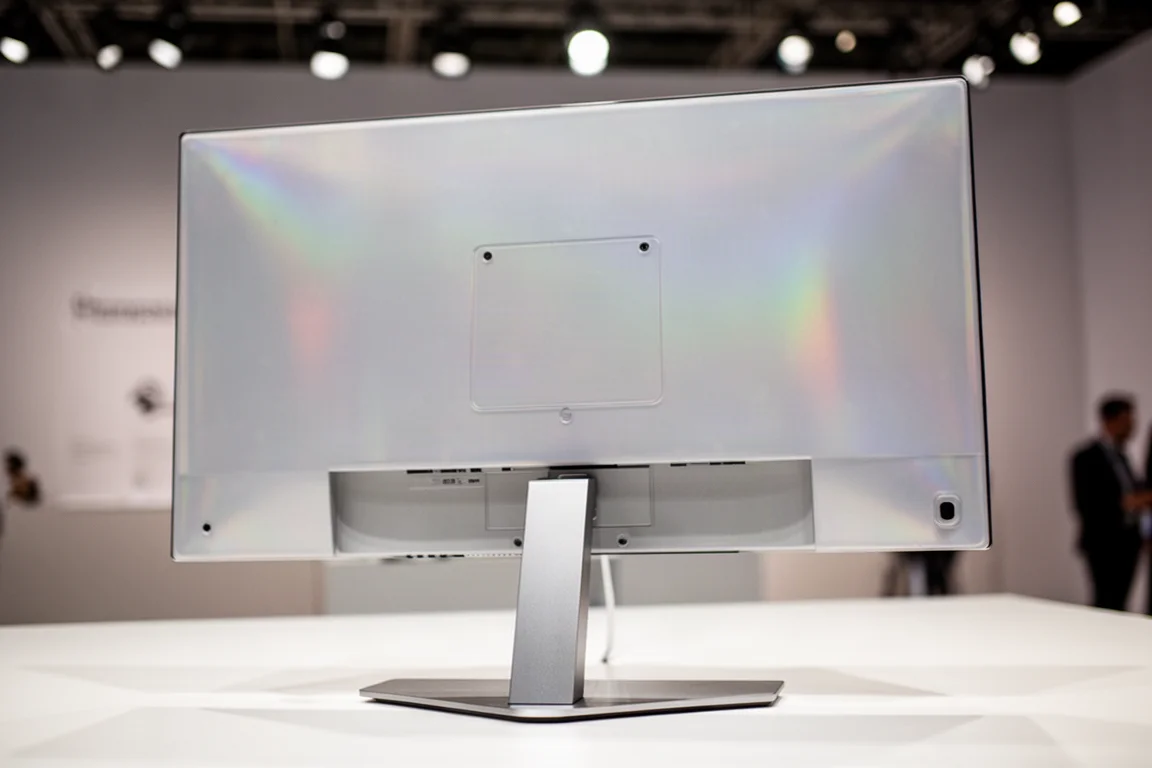
The industrial design is also new. The back panel features a holographic effect, and the monitor sits on a flat metal stand, a design direction we are seeing more often in modern monitors. It is a clear upgrade over previous high-end MSI designs.
MSI MAG271QPX32: A New Mid-High-End 1440p OLED
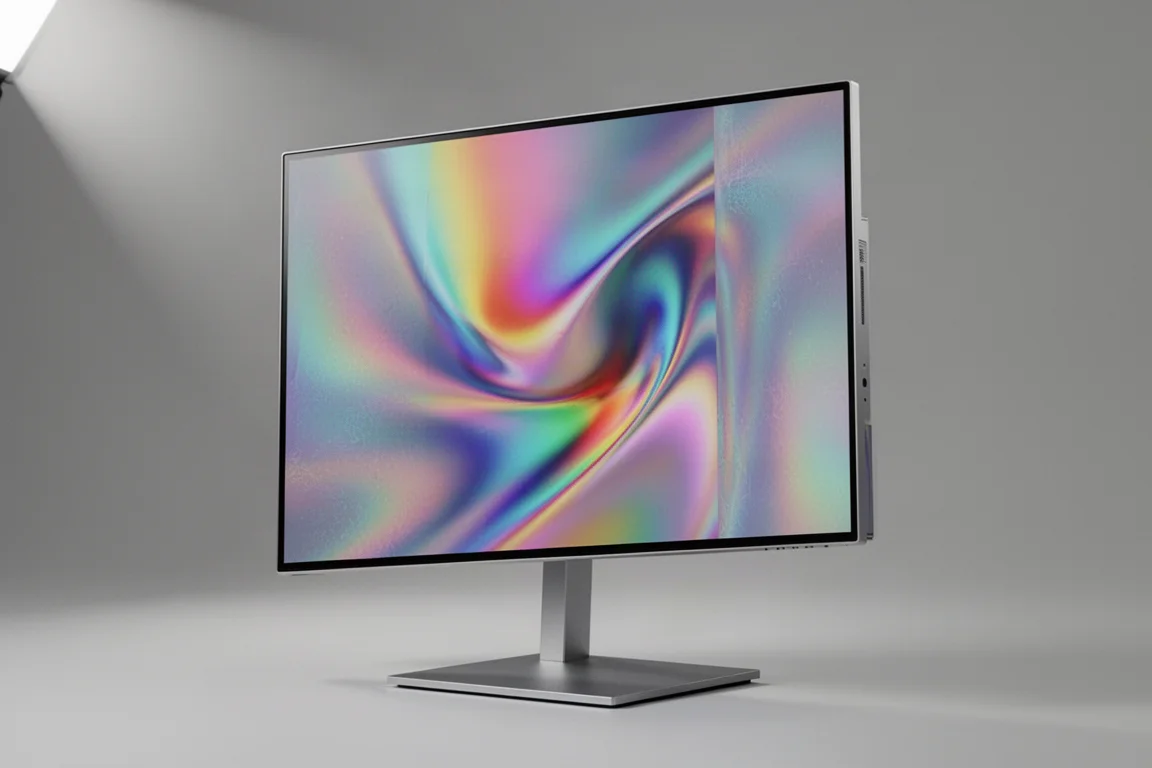
The MAG271QPX32 is a 27-inch 1440p QD-OLED that fills a new spot in MSI’s lineup. It runs at 320 Hz, a refresh rate that sits between the 280 Hz and 360 Hz models MSI has offered before. More importantly, it uses Samsung Display’s latest fourth-generation QD-OLED technology with a pentatandem emissive structure, which MSI says boosts light efficiency by up to 30%.
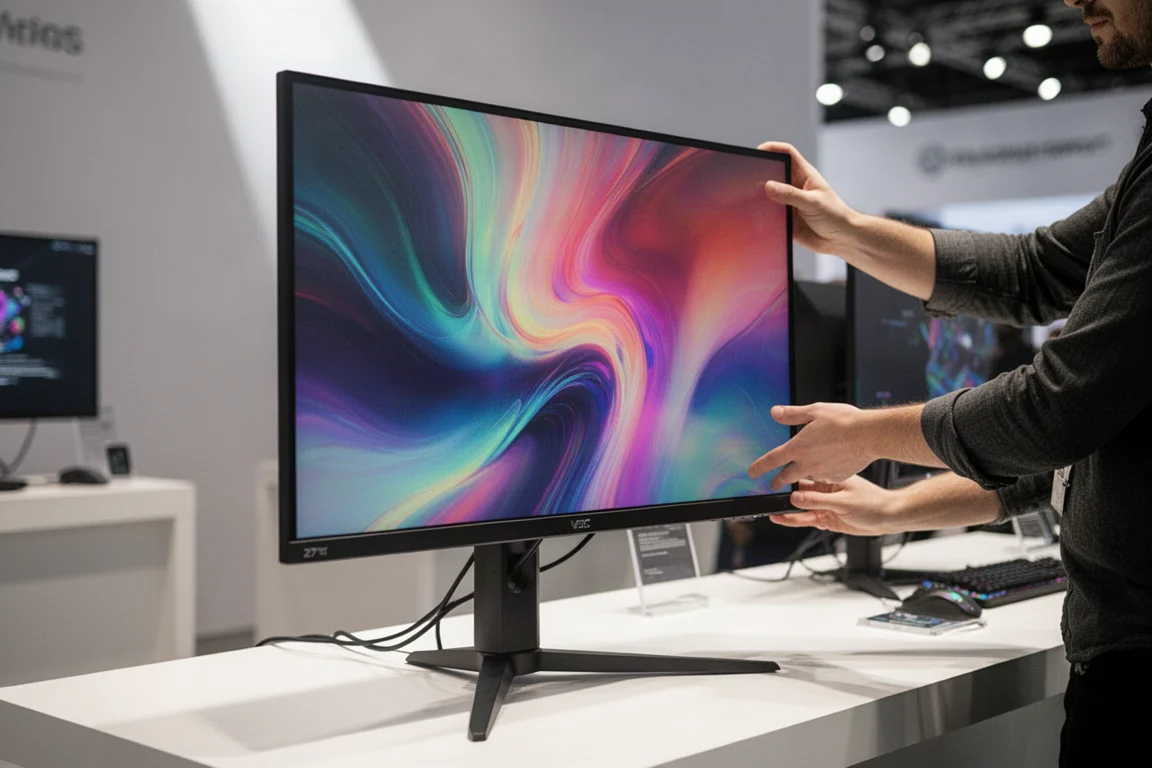
This translates into a higher brightness specification. The monitor is certified for DisplayHDR True Black 500, up from True Black 400 on older 1440p models, and peak brightness is rated at 1300 nits, up from 1000 nits. MSI expects full-screen brightness to be similar to the 360 Hz ultrawide models released earlier in the year, and slightly brighter than the 500 Hz 1440p models. It also includes the new Dark Armor coating for reduced ambient light reflection and 3H hardness.
One thing to note is that this panel still uses the Q-square sub-pixel layout rather than the RGB stripe layout found on the 34-inch ultrawides. This is not a downgrade compared to other 1440p models, but it means text clarity will not be quite as sharp as the stripe layout.
MSI expects this monitor to launch around the fourth quarter of 2026, with pricing not yet confirmed. Given that the 500 Hz models sell for around $750 and the 240 Hz models are in the $400 to $500 range, this 320 Hz model could land around $600. MSI also indicated that this model is intended to replace the 240 Hz models with 1000-nit peak brightness in some markets.
MSI MAG321UPX18: A More Affordable 32-Inch 4K OLED
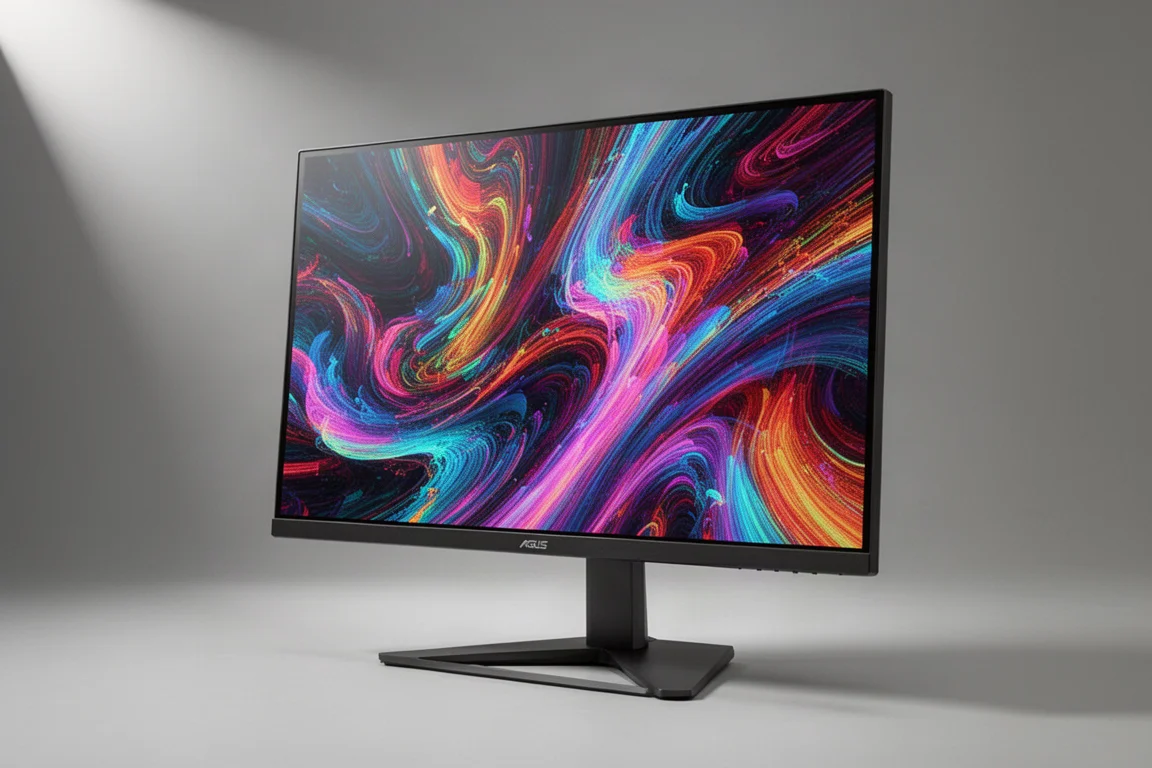
The MAG321UPX18 is a 32-inch 4K QD-OLED designed to be a lower-cost entry point into 4K OLED gaming. It uses a fourth-generation QD-OLED panel with a pentatandem emissive structure and 3H hardness coating, but it skips the Dark Armor anti-reflective film found on higher-end models.
The key difference is brightness. This monitor is certified for DisplayHDR True Black 400, but it does not offer a peak 1000-nit mode. MSI says peak brightness caps out at around 400 nits. This is similar to the approach taken with some 1440p 240 Hz models, but those did not meet the True Black specification. This monitor does, which is a meaningful distinction.
The rest of the specifications are in line with other 32-inch 4K QD-OLEDs. It includes MSI’s customizable HDR mode, which lets you adjust the roll-off curve to avoid harsh brightness clipping given the lower peak brightness. This is a useful feature for a monitor with a 400-nit ceiling.
MSI expects this model to be available around the fourth quarter of 2026, with pricing not yet confirmed. For context, MSI’s 32-inch 4K 240 Hz models with the full brightness spec typically sell for around $800, so this model should come in a bit under that.
MSI MPG271K RAW 18: A 5K Dual-Mode Monitor with Mini-LED
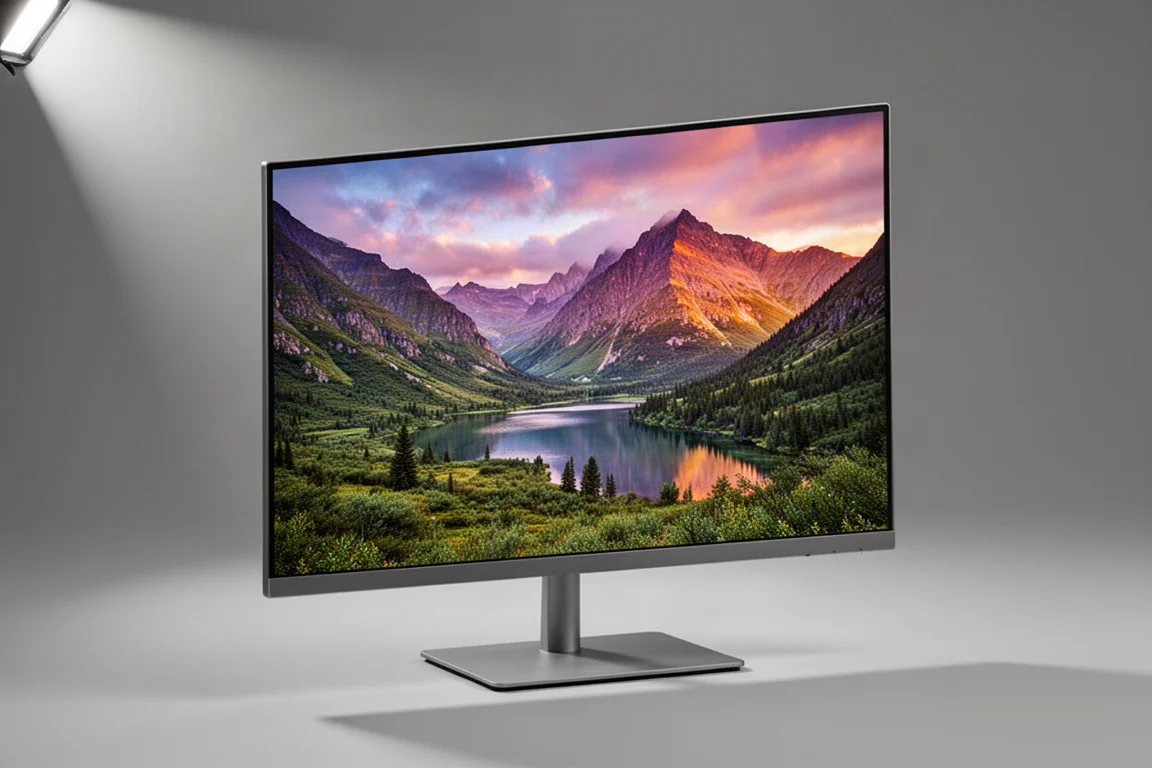
The MPG271K RAW 18 is a 27-inch 5K monitor with a dual-mode design. It runs at 5K 180 Hz in its native mode and can switch to 1440p at 330 Hz for gaming. It uses a mini-LED backlight with 234 zones and has a glossy finish. It is certified for DisplayHDR 400.
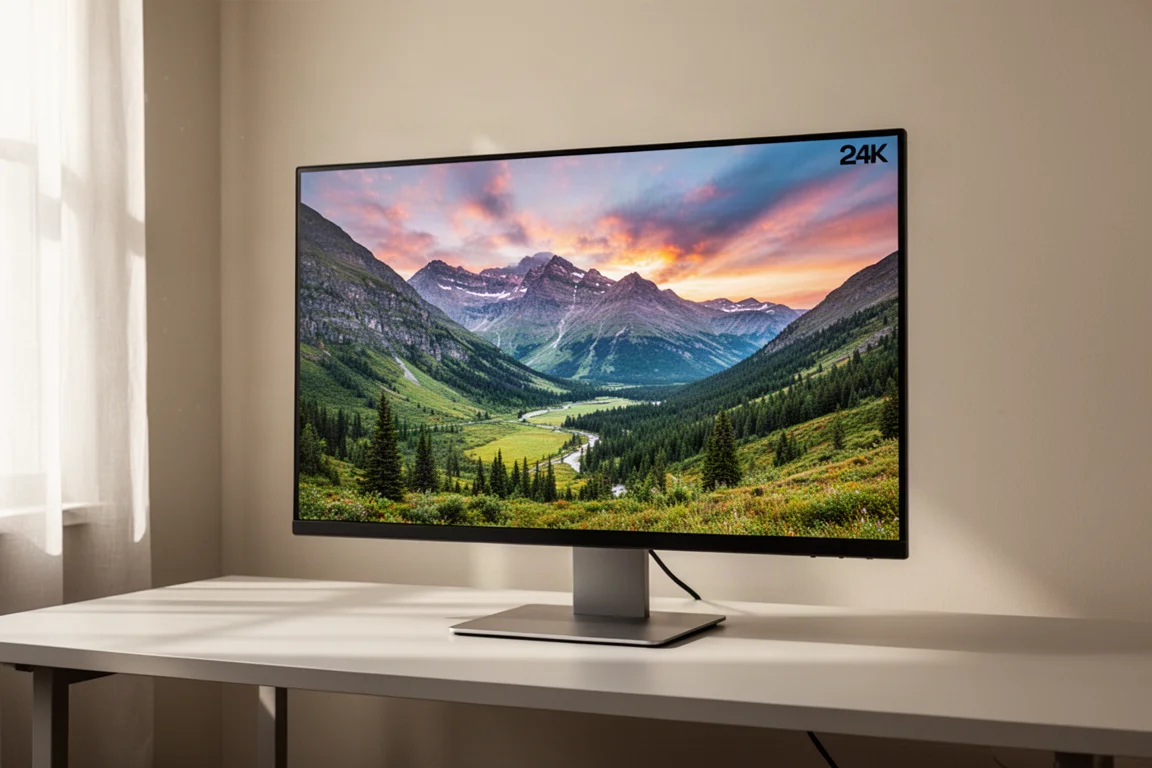
This monitor was first shown at CES 2026, where it was listed as a 5K 165 Hz model. MSI has since bumped the refresh rate to 180 Hz and changed the name from X16 to X18 to reflect that update. At CES, MSI had not confirmed whether the model would go into mass production. At Computex, the company confirmed it will be released, likely in the fourth quarter of 2026, at a price around $800. That is not final pricing, but it would make this monitor significantly cheaper than the LG 5K dual-mode model with mini-LED that we are about to test.
MSI says this monitor uses a different panel than the LG model, and there are some notable differences beyond the glossy finish and HDR400 spec. We will need to test both to understand the full picture.
MSI MAG271KPD7: A 5K Productivity Monitor with a Gaming Mode
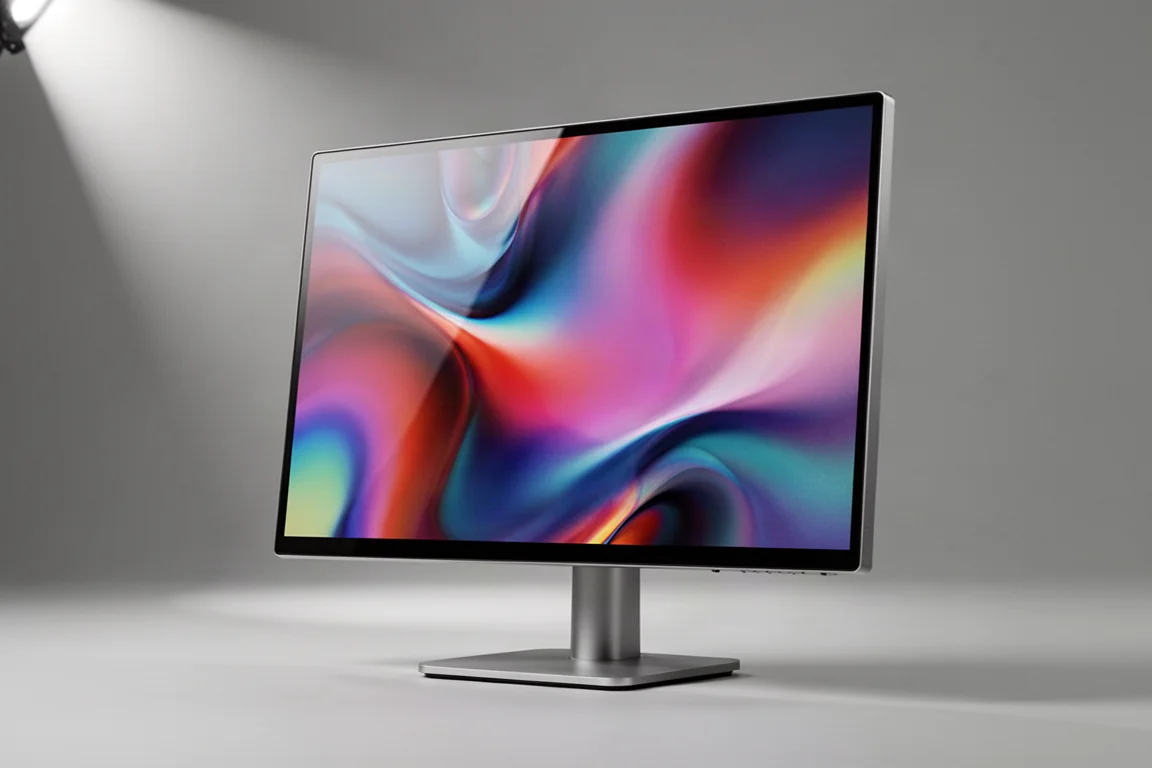
The MAG271KPD7 is another 27-inch 5K monitor, but it takes a different approach. In its native 5K mode, it runs at 75 Hz, which is aimed at productivity users who want the extra resolution for work. When you want to game, it switches to a dual mode at 1440p 300 Hz. MSI calls this a 4x refresh rate boost.
This monitor was also shown at CES 2026, and it is making a return at Computex. MSI has not shared many more details yet, but the concept is interesting: a single monitor that serves both productivity and gaming without compromise. The success of this model will likely depend on pricing. If it comes in below the higher-refresh-rate 5K monitors that are starting to appear in the $700 range, it could be a compelling option for people who want 5K for work and high refresh rates for gaming.
MSI Pro Max 341UPX: A Flat Ultrawide for Productivity
The Pro Max 341UPX is a 34-inch 3440x1440 QD-OLED, but with a twist: it is flat. Most 34-inch QD-OLEDs use an 800R curve designed for gaming, but this model is aimed at productivity users who want to avoid the geometric distortions a curve can introduce when working with side-by-side applications or editing photos and video.
The panel itself is a fifth-generation QD-OLED with a pentatandem emissive structure and RGB stripe sub-pixel layout. It includes Dark Armor film and 3H hardness coating. The refresh rate is 144 Hz, which is lower than the 360 Hz gaming models, but the panel is otherwise largely the same. As a Pro Max monitor, it offers extensive connectivity, including HDMI, DisplayPort, and USB-C with power delivery, so you can connect it to a laptop.
For productivity-focused buyers who want the contrast and color of OLED without the curve, this is a notable option.
MSI Pro Max 271UPX12G: A Black Version with a Different Spec
The Pro Max 271UPX12G looks like a color-swapped version of the white Pro Max 271UPXW12G that was shown at CES, but it is actually a different monitor in terms of hardware. The white model is the flagship, with a three-way KVM switch, more USB-C ports, and an AI Care sensor. The black model drops the KVM switch and the AI Care sensor, and it has only one USB-C port, though that port still delivers 98 watts of power, which is plenty for charging a laptop.
Aside from those differences, this is a standard 27-inch 4K QD-OLED with a 120 Hz refresh rate and a matte screen coating designed for productivity use. The takeaway is that you cannot assume two monitors with similar names are the same product, even when they look identical. It is worth checking the spec sheet carefully.
Overall Buying Advice
MSI’s Computex 2026 lineup covers a wide range of needs and budgets. If you want the absolute best 4K OLED experience with the new triple-mode functionality, the MPG OLED 322URDX36 is the one to wait for, but it will not arrive until early 2027. For a 1440p gaming monitor with strong brightness and a new refresh rate, the MAG271QPX32 looks like a solid mid-to-high-end choice, likely landing around $600 when it launches in Q4 2026. The MAG321UPX18 offers a more affordable path into 32-inch 4K OLED, though you will give up peak brightness. The MPG271K RAW 18 and MAG271KPD7 are interesting 5K options with different trade-offs, and the Pro Max 341UPX and Pro Max 271UPX12G cater to productivity-focused buyers.
Before you decide, think about what matters most: refresh rate, resolution, brightness, or connectivity. The 320 Hz 1440p model is a strong all-rounder for gaming. The 32-inch 4K triple-mode flagship is the future, but it is still a while away. The 5K models are worth considering if you split your time between work and gaming, but pricing will be the deciding factor.
Conclusion
MSI brought a diverse and interesting lineup to Computex 2026. The flagship 32-inch 4K triple-mode OLED is the most exciting product, but it is still in prototype form and will not ship until early 2027. The other monitors, including the 320 Hz 1440p model, the more affordable 32-inch 4K OLED, and the 5K dual-mode options, are expected to arrive in the fourth quarter of 2026. There is a lot to look forward to from MSI’s monitor lineup in the coming months.
Further reading
Related Reviews
Monitors
ASUS ROG PG27AQWP-W Review: Tandem OLED Meets 540 Hz
A 27-inch 1440p OLED monitor with Tandem panel tech, a 540 Hz refresh rate, and serious motion clarity for competitive gamers.
Monitors
ASUS ROG Swift OLED PG27AQDP G Edition 20 Review: A 540 Hz Tandem OLED Gaming Monitor
The ASUS ROG Swift OLED PG27AQDP G Edition 20 brings a tandem OLED panel, 540 Hz refresh rate, and striking 20th anniversary design to competitive gaming.
Monitors
BenQ EX271QZ Review: A 27-Inch QD-OLED Gaming Monitor Built for Immersion
The BenQ EX271QZ pairs a 27-inch QD-OLED panel with a 500 Hz refresh rate, aiming to deliver both competitive performance and rich, story-driven visuals.