Outdoor Heating
Mr. Heater Buddy and Kova Cupid Heater: Portable Propane Heaters for Cold Weather
A long-running portable propane heater and the compact alternative for small tents and vehicles, with real-world runtime, safety features, and trade-offs to weigh before winter.
Introduction
Fall is the right time to sort out heat for cold-weather trips. A portable propane heater turns a tent, a truck bed with a camper shell, or an off-grid cabin into a space you can actually spend time in once the temperature drops.
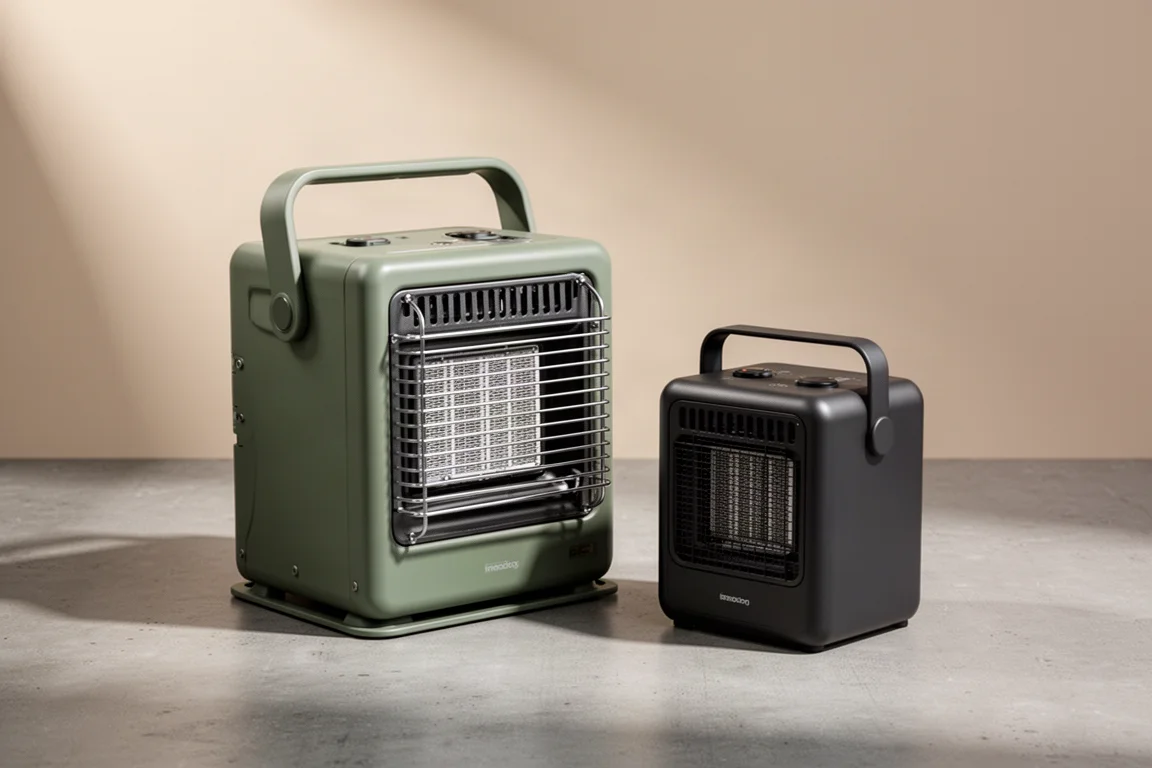
The Mr. Heater Buddy is one of the best-known options in that category. It is a compact, propane-only heater with two output settings, a fold-back handle, and a pair of safety shutoffs. It has been in steady use on cold-weather trips for roughly ten years, which is a long enough run to say something useful about how it holds up.
For smaller spaces, the same category has an answer in a different shape. The Kova Cupid Heater is a compact unit that covers the situations where a Buddy heater puts out more warmth than a small tent or vehicle can absorb.
What to Look For in a Portable Propane Heater
Before comparing models, it helps to know which specifications actually change the experience.
Heat output is the first one. A heater that is too weak will not keep up in a cold tent, while one that is too strong will cycle on and off constantly in a small space. Fuel type is the second. Propane heaters run on propane only, which keeps things simple, but it also means choosing between disposable one-pound cylinders and refillable twenty-pound tanks, each with its own runtime and cost profile.
Runtime per cylinder, weight, physical footprint, and the safety systems built into the unit round out the list. Tip-over shutoff and a low-oxygen sensor are the two features worth confirming before you buy, because they determine how the heater behaves when something goes wrong.
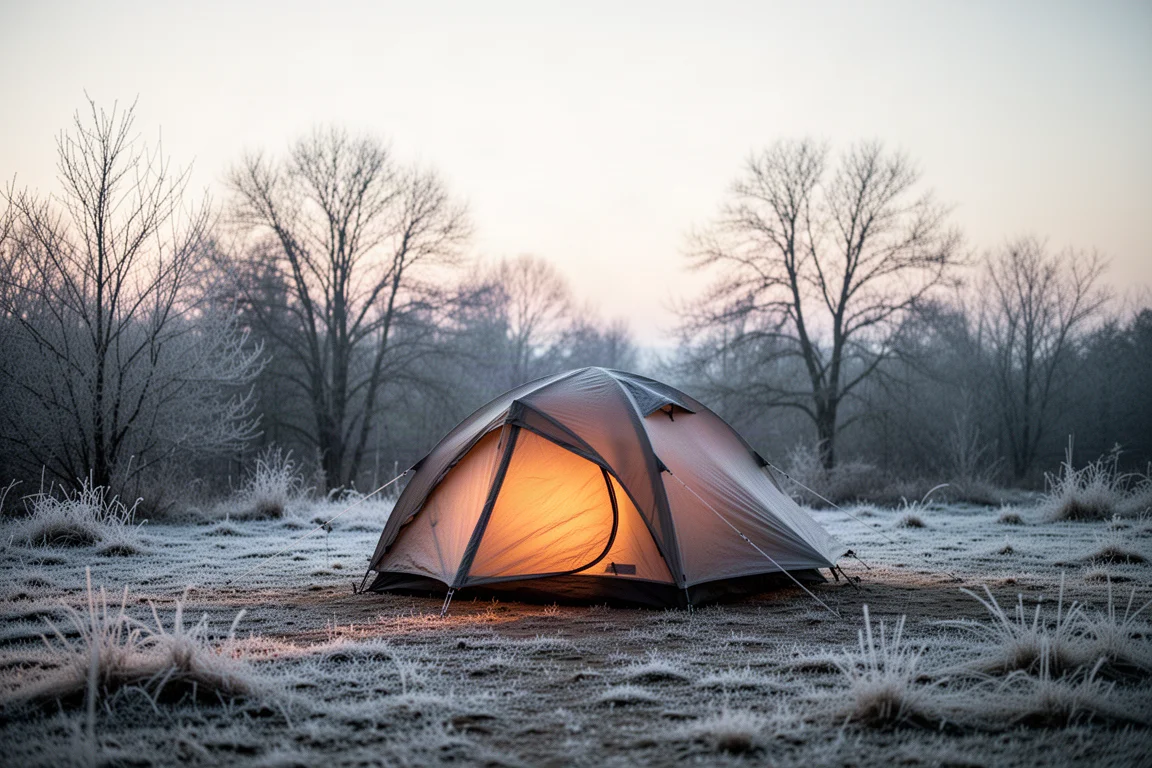
One more practical point: propane combustion releases water vapor. In a tent, that moisture has to go somewhere, so ventilation and condensation management belong in the same conversation as heat output.
Mr. Heater Buddy: Build, Setup, and Operation
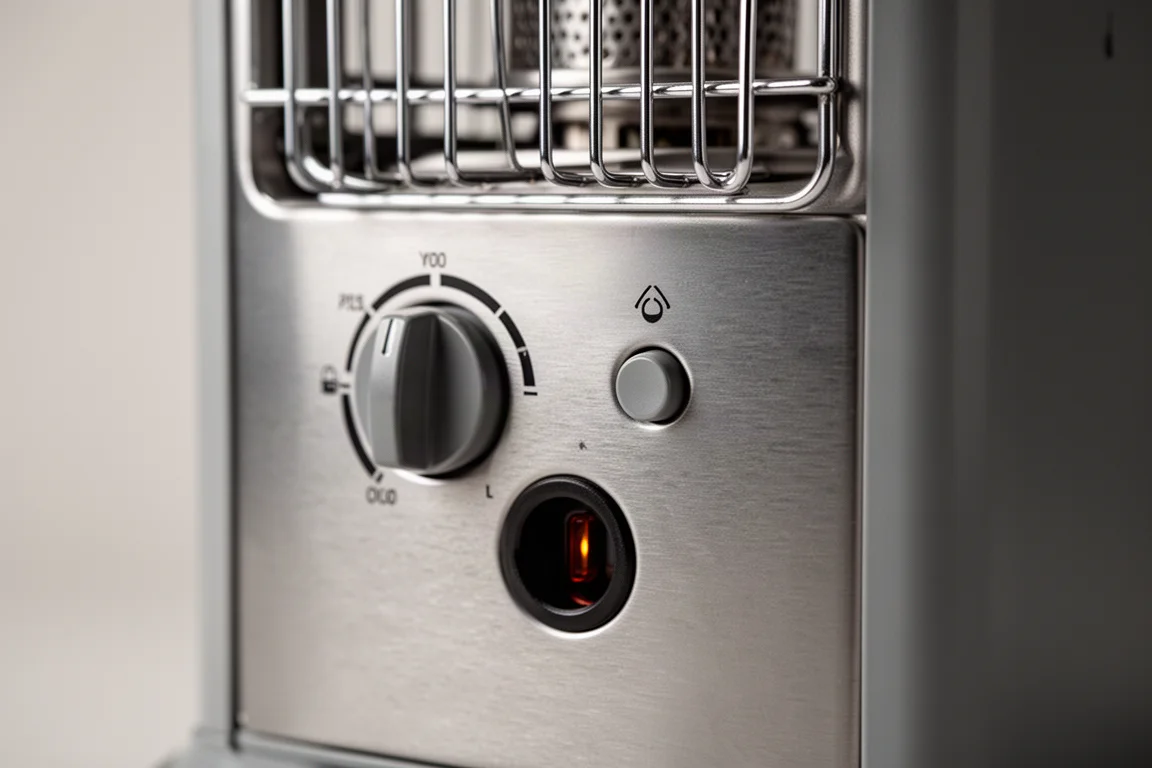
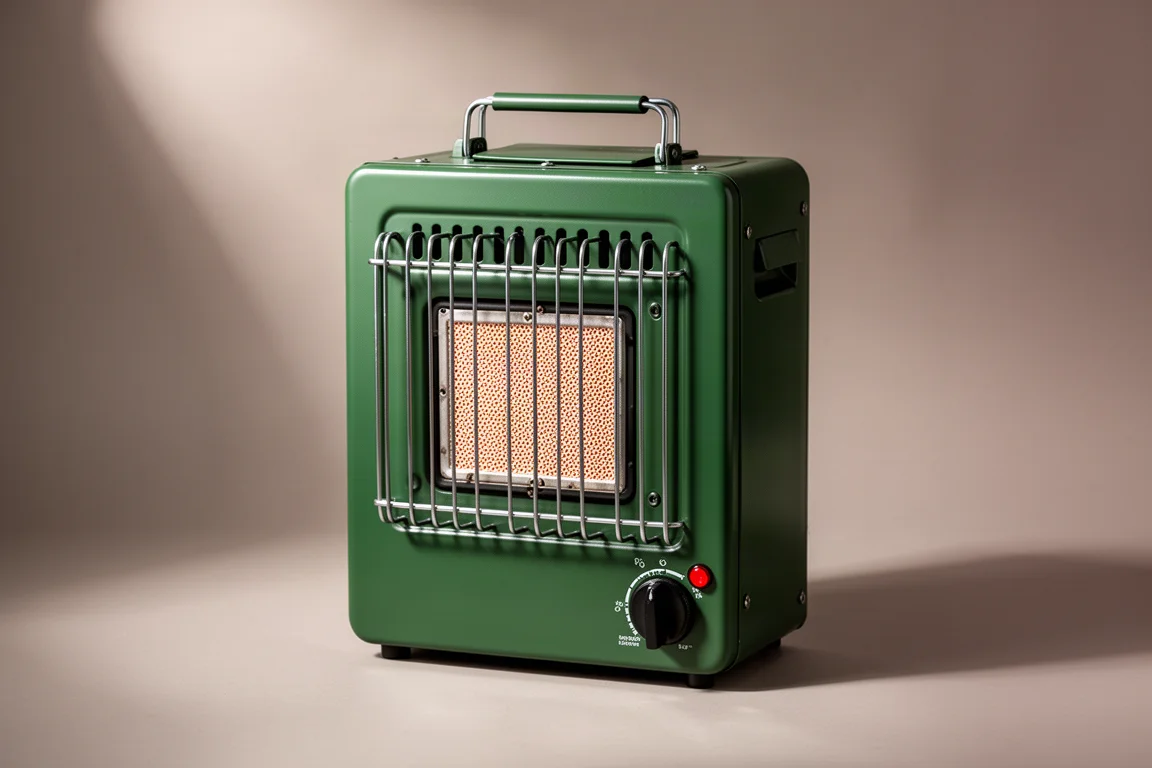
The standard Mr. Heater Buddy is a compact rectangular unit. A grab handle at the top folds back when the heater is in use, and molded ridges underneath give your fingers a place to sit when carrying it. The front panel holds the on/off switch, which doubles as the electric igniter, and the dial that moves the heater between low and high. A steel grate covers the heating element, and the igniter and pilot light sit at the bottom of the front face.
The fuel connection point is on the side, and it is adjustable: it swings inward and outward. Behind it is a recessed area shaped for one-pound propane cylinders, which screw directly into the port and sit flush against the body.
A fuel filter is part of the setup for anyone planning to run the heater from a twenty-pound tank. The filter captures oil that some propane hoses leach into the fuel. Without it, that oil gets burned inside the heater and eventually gums up the system. The filter can be left in place permanently and used with both hoses and one-pound cylinders. Attaching a one-pound cylinder through the filter looks slightly awkward, but the adjustable fuel port swings out far enough that the heater still sits level on the ground.
Starting the heater is straightforward. Push in and turn the dial to the pilot position, listen for gas moving through the unit, and click the igniter. Once the pilot is lit, push down and twist to low or high and the burner lights.
Mr. Heater Buddy: Heating Performance and Fuel Use
The standard Buddy runs 4,000 BTUs on low and 9,000 BTUs on high. The lineup also includes a larger Big Buddy at 4,000 BTUs on low and 18,000 BTUs on high, plus a much smaller Little Buddy with a completely different design. The standard model sits in the middle, and for most tent, vehicle, and cabin use it is the version that makes sense.
Runtime depends on the cylinder. On a one-pound propane cylinder, expect around six hours on the low setting and around three hours on high. Switching to a twenty-pound tank with a hose extends runtime dramatically, which is why longer trips and genuinely cold conditions are better served by the larger tank. One-pound cylinders are the simpler choice for a short trip when the heater will only run for a few hours, and they cost roughly five dollars each.
Cold performance has not been a limitation. The heater has run down to around 0°F without trouble, and the igniter has fired reliably in that range. Operation is quiet: mostly a soft hiss as fuel moves through the system and burns, with an occasional fluttering sound that is noticeable but not disruptive.
Altitude is one variable worth noting. These heaters have been run at around 6,000 feet and below.
Mr. Heater Buddy: Safety Systems and Trade-offs
Two safety systems are built into the heater, and both are worth trusting. A tip-over shutoff cuts the heater if it is moved too aggressively or knocked over, and a low-oxygen sensor shuts it down when oxygen levels drop. Both have been observed working in practice, including a test in a closed vehicle where the heater shut itself off once oxygen dropped.
Those systems are a backstop, not a substitute for judgment. Any propane heater used in a tent, vehicle, or other enclosed space needs airflow, and a carbon monoxide monitor is a sensible addition to the kit. Used with that kind of care, the heater is a safe tool for cold-weather trips.
The trade-offs are worth naming. Propane combustion produces water vapor, so running a Buddy heater in a tent generates real condensation, and that moisture can become a problem in very cold conditions. Plan for ventilation and expect some dampness on tent walls.
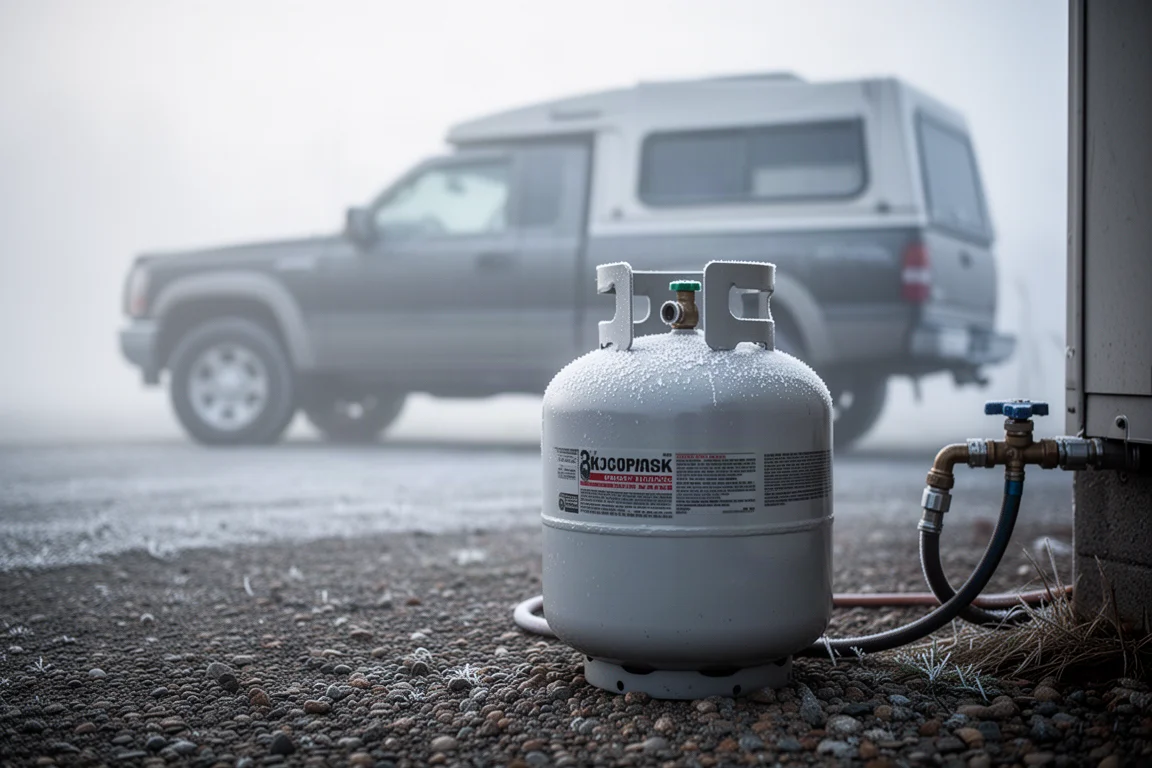
Heat output is the other consideration. This is a powerful heater, and in a small tent or a small vehicle it can be too much. The result is a cycle of running it until the space is uncomfortably warm, shutting it off, and firing it up again once the chill returns. Hose selection matters too: some hoses are made with a rubber compound that contains oil, and if that oil reaches the burner without a filter in the line, it can damage the heater over time.
Kova Cupid Heater: A Compact Option for Small Spaces
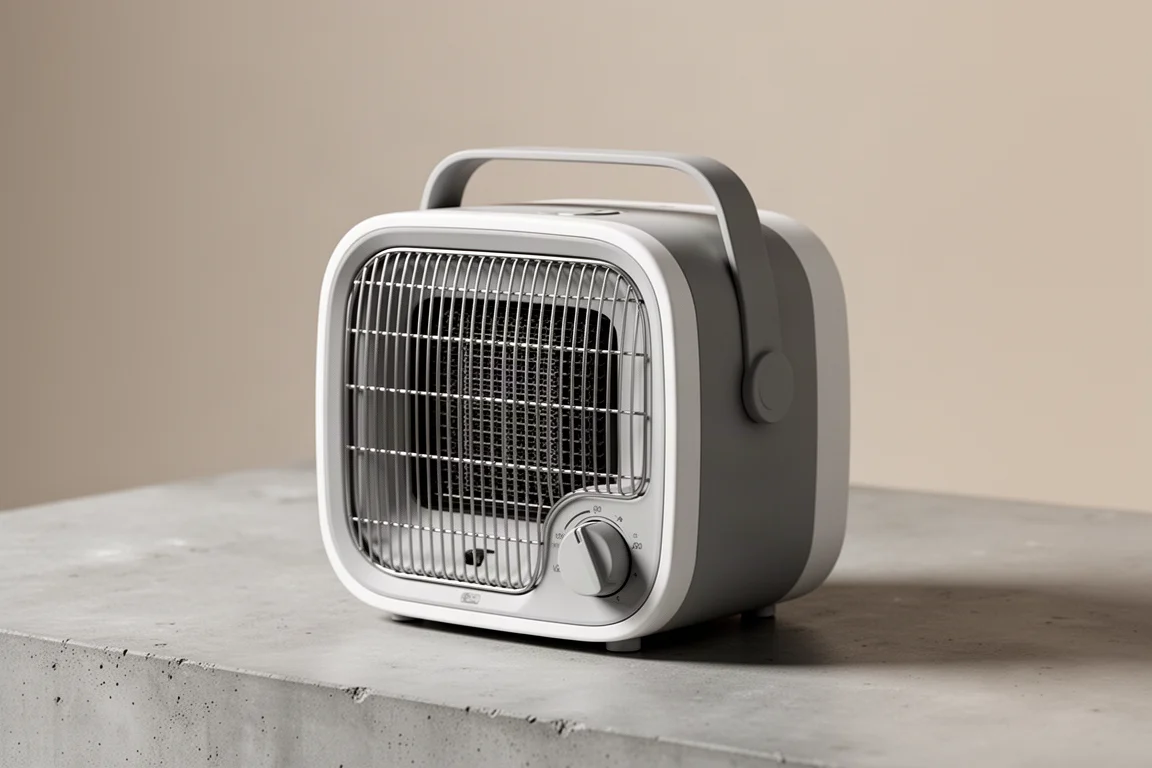
The Kova Cupid Heater is the better answer for exactly the spaces where the Buddy struggles. It is aimed at small tents, small vehicles, and other tight interiors, and it fills the gap that a high-output propane heater cannot cover well.
It also pairs neatly with a Buddy heater rather than replacing it. On a genuinely cold morning, running both at once brings a space up to temperature quickly, and the Cupid covers the smaller spaces where the larger heater puts out too much warmth.
Overall Buying Advice
The decision comes down to the size of the space you need to heat.
If you are heating a tent, a truck bed with a camper shell, an SUV, or a cabin, and you want the option of long runtime from a twenty-pound tank, the Mr. Heater Buddy is a durable and versatile pick. Its two heat settings, reliable igniter, quiet operation, and working safety shutoffs have held up over years of use, and the fuel is inexpensive.
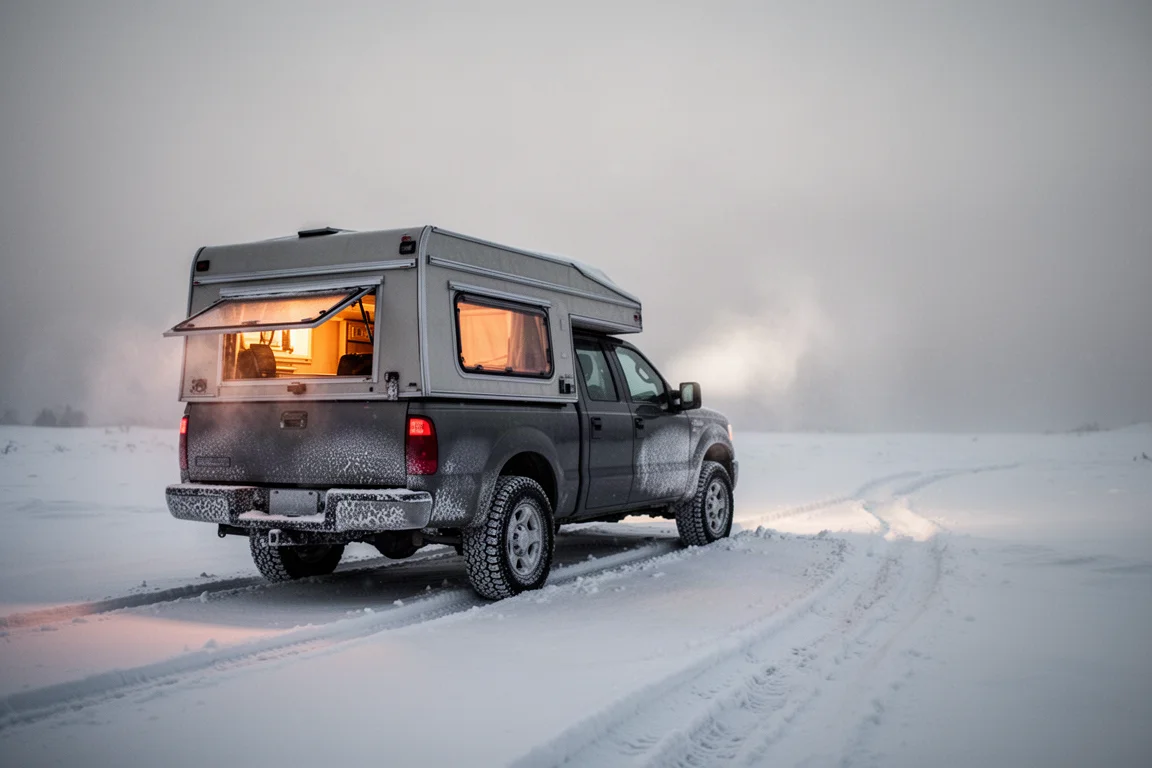
If your space is small, or if you want supplemental heat alongside a larger heater, the Kova Cupid Heater is the more appropriate choice. Many cold-weather campers end up with both, using the larger heater to take the edge off a cold morning and the smaller one for tight quarters.
Whichever way you go, budget for the accessories. A filter belongs in the kit if you plan to run hoses, a carbon monoxide monitor is a reasonable safety addition, and one-pound cylinders are convenient but add up over a season.
Conclusion
The Mr. Heater Buddy has earned its reputation. It is compact, easy to transport, dependable in cold weather, and simple to operate, and its safety systems do what they claim. Its weaknesses are specific rather than general: it produces condensation, and it is more heat than a small tent or vehicle needs.
The Kova Cupid Heater covers that second weakness directly. Together, the two heaters handle everything from a quick warm-up on a freezing morning to a long, cold night in a larger space, which is why both remain worth considering as winter approaches.
Further reading
Related Reviews
Backpacking Tents
3F UL Lanchan Pro 1 Review: A 1 lb 8 oz Single-Wall Trekking Pole Tent
A practical look at the 3F UL Lanchan Pro 1, a single-wall trekking pole shelter with a 1 lb 8 oz weight, 20D silnylon fabrics, and a roomy 90 x 31 x 49 inch interior.
Backpacking Tents
3F UL Taiji 2-Person Tent: A Convertible Backpacking Shelter Worth a Closer Look
A practical look at the 3F UL Taiji two-person tent, covering its materials, true two-person interior, fly-first pitching, and the seasonal inner swap that lets one shelter cover more of the year.
Backpacking Tents
3FUL Lanshan Twoerson Pro Review: A Light Trekking Pole Shelter That Struggled in Rain
A two-person trekking pole shelter with a 2026 redesign, pitched with sticks and put through a night of steady rain. Here is what worked, what did not, and what to check before buying.