Backpacking Tents
Mountain Hardwear Strato 2-Person Tent Review: Headroom Worth the Extra Ounces
A lightweight two-person backpacking tent with close to 2 ft of headroom, two doors and two vestibules, plus the trade-offs to weigh before buying.
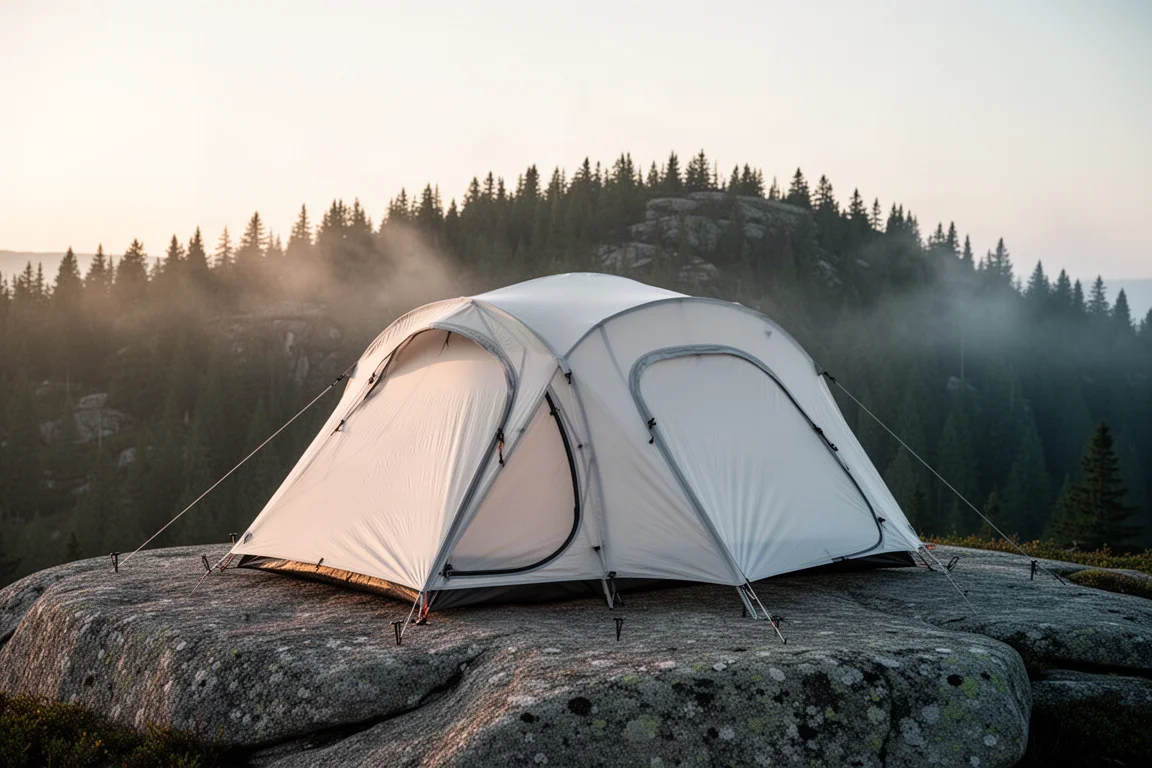
Introduction
Backpacking tents are small by design. When the shelter is folded into a pack, that compact size is exactly what you want: it takes up less room and keeps carried weight down. The compromise shows up at camp, and for most people the most noticeable compromise is headroom.
For years, plenty of backpackers have accepted cramped interiors to protect a low pack weight. Tents with more generous interior space exist, but the added ounces are often hard to justify. The Mountain Hardwear Strato 2-Person Tent is an interesting counterpoint: it carries a modest weight penalty and returns a much roomier interior. This review covers what that trade-off looks like in practice, where the tent shines, and which details are worth knowing before you commit.
Who This Tent Is For
The Strato is built around two-person use. Two-person tents are sometimes treated as solo shelters with extra storage, but this one is designed to be shared, and the interior reflects that.
The most obvious beneficiary is anyone who wants to sit up inside the tent. Putting on or removing a layer, changing clothes, or simply getting organised at the start and end of the day is far easier when there is room to move. Solo campers get that benefit too, along with plenty of space for gear.
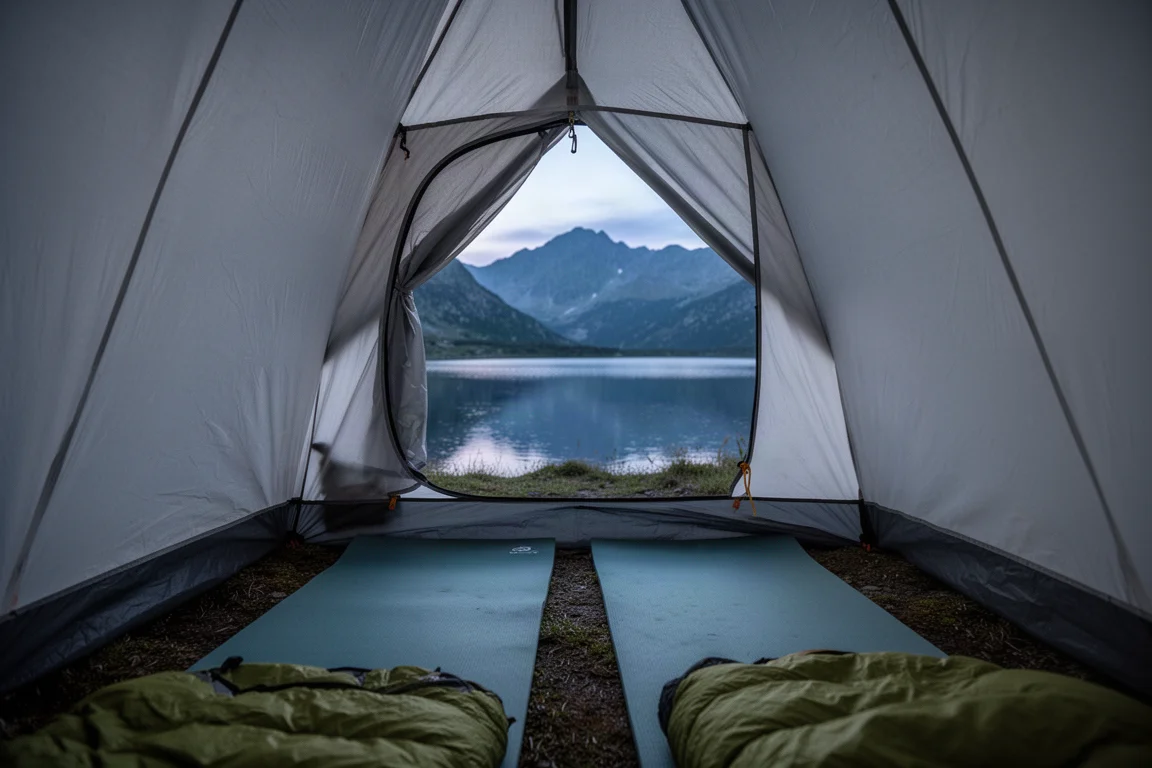
Height is the limiting factor. A 6 ft sleeper lying down found both feet and head touching the tent walls, and that was without inflated sleeping pads. Add a 2 to 3 inch pad and the situation gets tighter still. This is a common constraint in backpacking tents rather than a flaw unique to the Strato, but taller campers should treat interior length as a genuine consideration.
Main Strengths: Headroom and Interior Comfort
Headroom is the headline. Near the top of the tent there is close to 2 ft of clearance, and the sidewalls sit much closer to vertical than on many comparable shelters. The practical effect is that the interior feels open rather than tapered, and sitting up no longer means leaning forward into the middle of the tent.
Weight is the other half of the story. On a home scale, the Strato came in at 2 lb 6.5 oz with all the poles, stakes, and guy lines included. That is a competitive figure for a two-person backpacking tent, and it is roughly 6 oz heavier than the lighter shelters it is being compared against. Those extra ounces buy interior volume rather than extra features, which is a reasonable trade for anyone who spends more time sitting in a tent than carrying it.
A pre-bent pole at the foot end adds a little extra room as well. The benefit is practical rather than dramatic: it gives the toe box of a sleeping bag more breathing space, which helps keep condensation off the fabric at the part of the bag that usually presses against the wall.
Doors, Vestibules, and Packing Details
Two doors and two vestibules are close to essential on a shared tent, and the Strato includes both. Nobody wants to climb over a tent partner in the middle of the night, and with a door on each side, each occupant has their own entry and their own covered storage space.
Each door also uses two zippers. That sounds like a small detail, but it makes one-handed opening noticeably easier, which matters when you are wedged into a small space with another person.
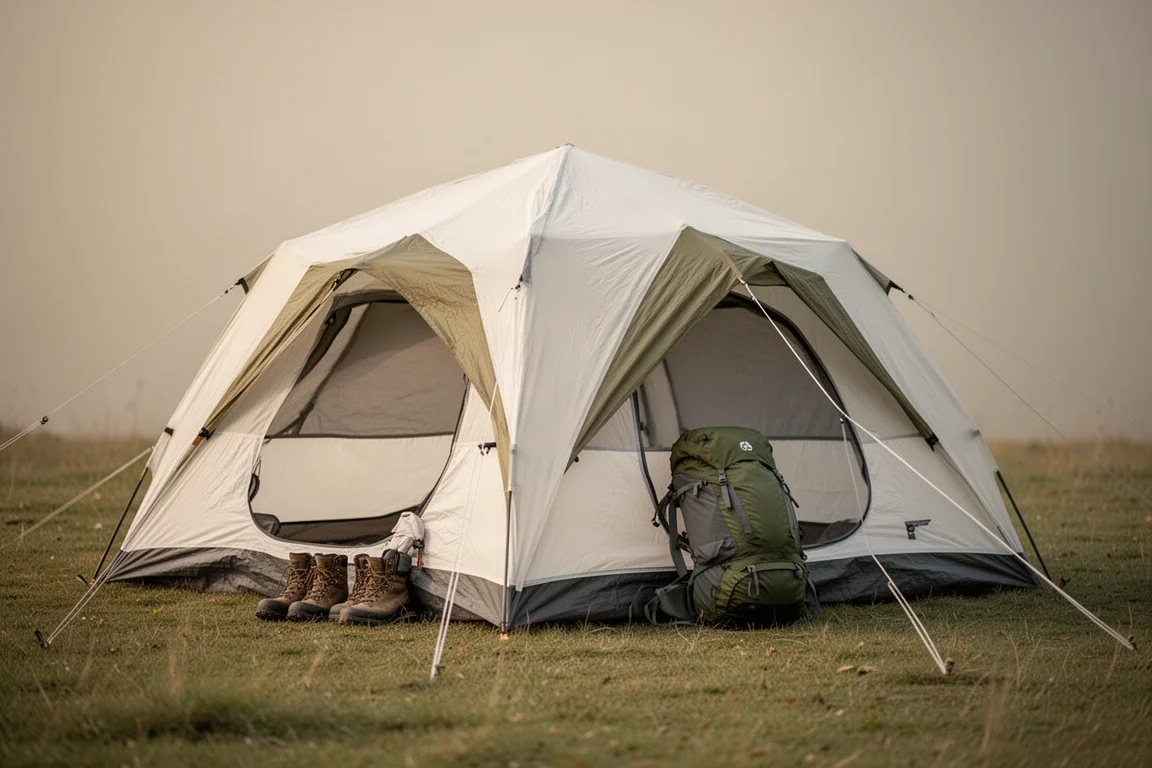
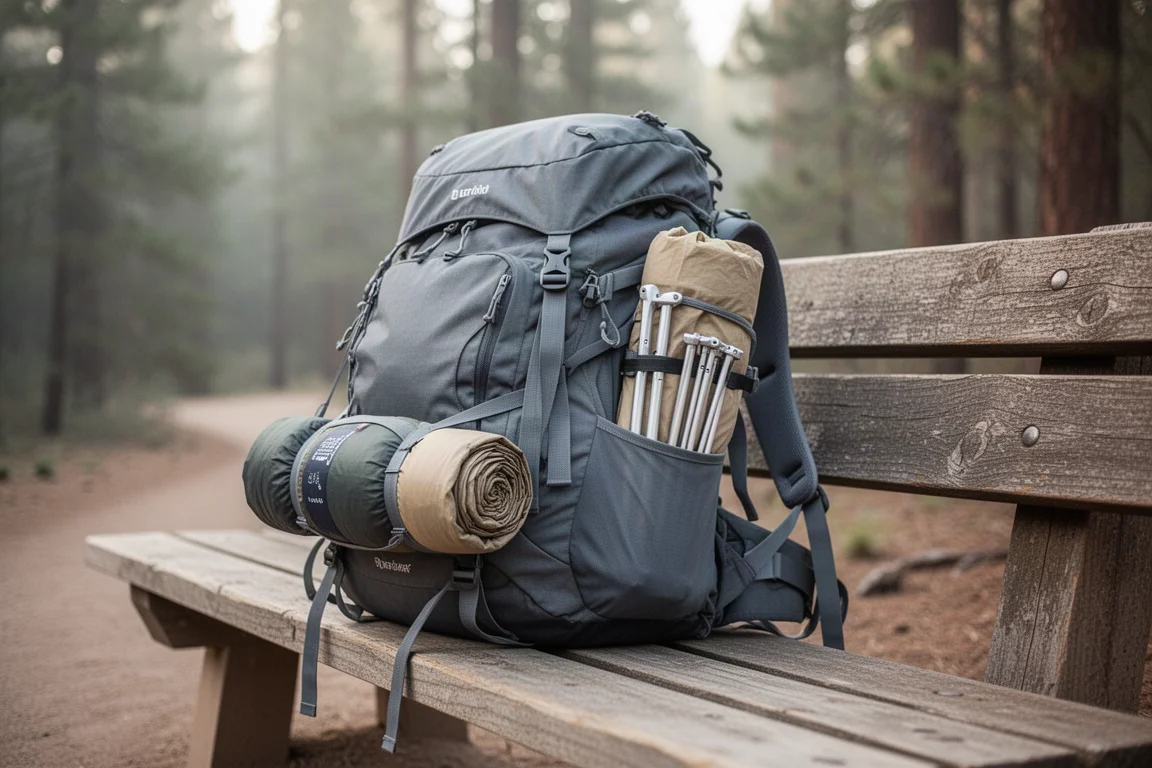
Packing is handled thoughtfully as well. Most of the tent body uses clips that weigh slightly less than conventional clips, and the design thinking extends to pole storage: the tent provides a simple way to keep the poles with the tent rather than forcing them into a separate bag. It is a small, welcome piece of design that makes packing and unpacking more predictable.
Things to Consider Before Buying
A few details are worth knowing before you commit.
Near the bottom front of the tent, the clip design gives way to two fabric loops. Threading the poles through those loops is fiddly, and they are easy to forget during setup. Given how well the clips work elsewhere on the tent, the inconsistency stands out.
The door tie-back sits far back toward the foot of the tent, so reaching it means stretching a long way from the door opening.
The colour is white, which is a deliberate choice: it reduces the amount of dye, energy, and water required to produce the tent. That is a genuine benefit, though anyone who prefers a brighter, more distinctive colour will notice the difference at camp.
Price is the final consideration. At around 400 US dollars, the Strato is neither the cheapest nor the most expensive option in the two-person backpacking category. Whether that represents good value depends largely on how much you value interior space.
Weather Protection and Ventilation
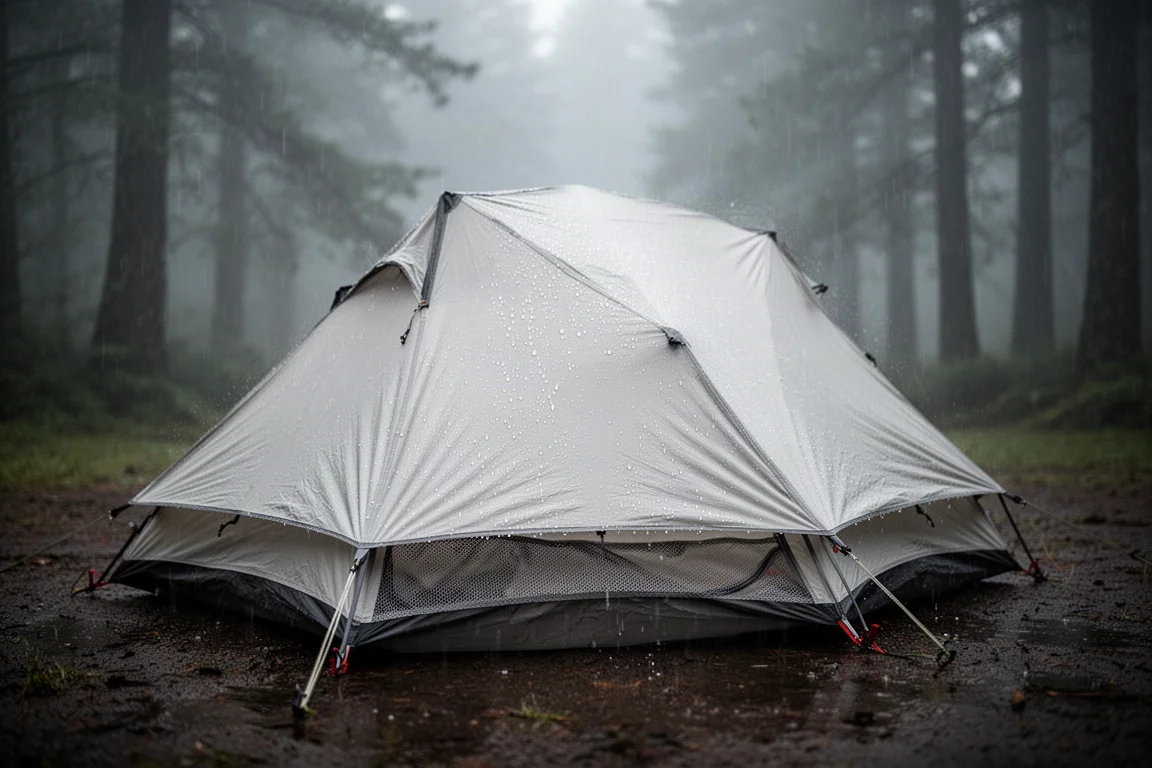
The low mesh profile is a deliberate part of the design. In heavy rain, a low mesh line can allow some splashback to reach the interior, so this is a tent to pitch carefully and pair with thoughtful site selection. The payoff is real: less material means less weight, and the generous mesh area provides strong ventilation, which helps manage condensation on still, humid nights.
Setup, Fly Tension, and Long-Term Durability
Pitching the Strato takes a little patience if you want a tight fly. Getting the flysheet properly taut required going around the tent several times and working through all the guy lines, rather than achieving a clean result in a single pass as is possible with some simpler designs. The result is worth the effort, but expect the first few pitches to take longer than you might assume.
The floor is built from two pieces joined by a seam. Seams are always a point of wear on a tent floor, and a two-piece construction leaves an area where standing water could eventually find its way through. Single-piece floors exist in this category, so it is a detail to monitor over time, especially if you regularly camp on ground that pools water.
Buying Advice
The decision comes down to one question: how much is interior comfort worth to you?
If you mostly camp solo or you are comfortable in a low, tapered shelter, a lighter tent will save weight on every trip. If you regularly share a tent, sit up to change layers, or simply want camp to feel less cramped, the Strato’s headroom is a meaningful upgrade for a modest weight penalty.
Check the interior length first if you are tall. At around 6 ft or above, expect the walls to sit close, particularly once sleeping pads are inflated. For everyone else, the combination of close to 2 ft of headroom, two doors, two vestibules, and a 2 lb 6.5 oz packed weight with all hardware makes the Strato a genuinely appealing two-person option.
Conclusion
The Mountain Hardwear Strato 2-Person Tent does what it sets out to do: it trades a small amount of weight for a noticeably more liveable interior. The headroom is the reason to buy it, the two-door, two-vestibule layout makes shared camping practical, and the packing details show careful design. The fiddly pole loops, the far-reaching door tie-back, and the seamed floor are the compromises to accept, and taller campers should measure expectations against the interior length before buying.
Product link
View more details for Mountain Hardwear Strato 2-Person Tent
This product is mentioned in the review. Check the specifications, options, and compatibility before buying.
View more details for Mountain Hardwear Strato 2-Person TentFurther reading
Related Reviews
Backpacking Tents
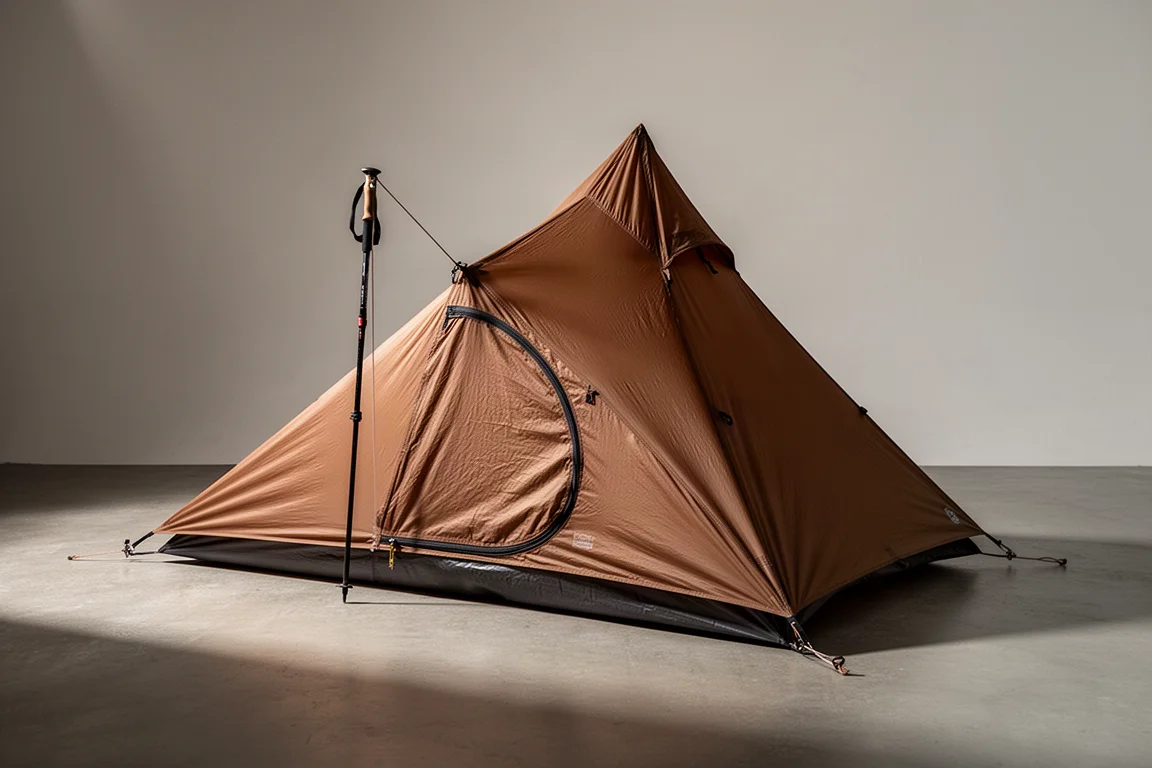
3F UL Lanchan Pro 1 Review: A 1 lb 8 oz Single-Wall Trekking Pole Tent
A practical look at the 3F UL Lanchan Pro 1, a single-wall trekking pole shelter with a 1 lb 8 oz weight, 20D silnylon fabrics, and a roomy 90 x 31 x 49 inch interior.
Backpacking Tents
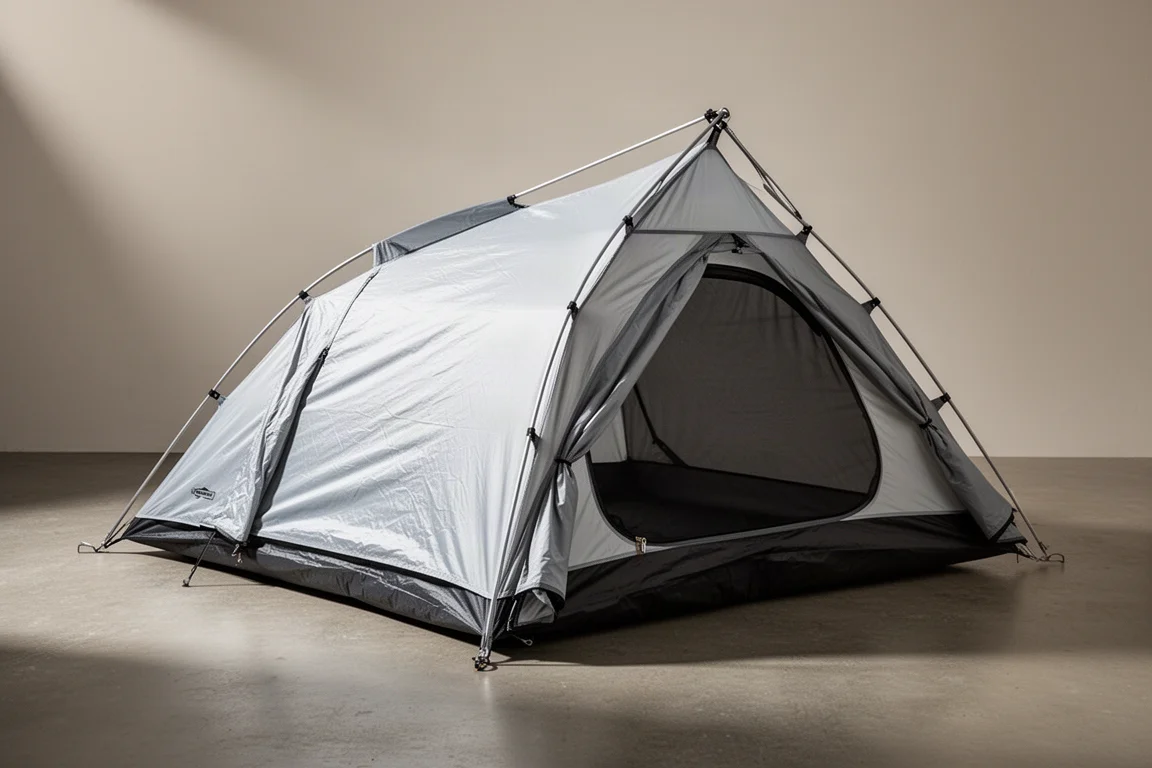
3F UL Taiji 2-Person Tent: A Convertible Backpacking Shelter Worth a Closer Look
A practical look at the 3F UL Taiji two-person tent, covering its materials, true two-person interior, fly-first pitching, and the seasonal inner swap that lets one shelter cover more of the year.
Backpacking Tents
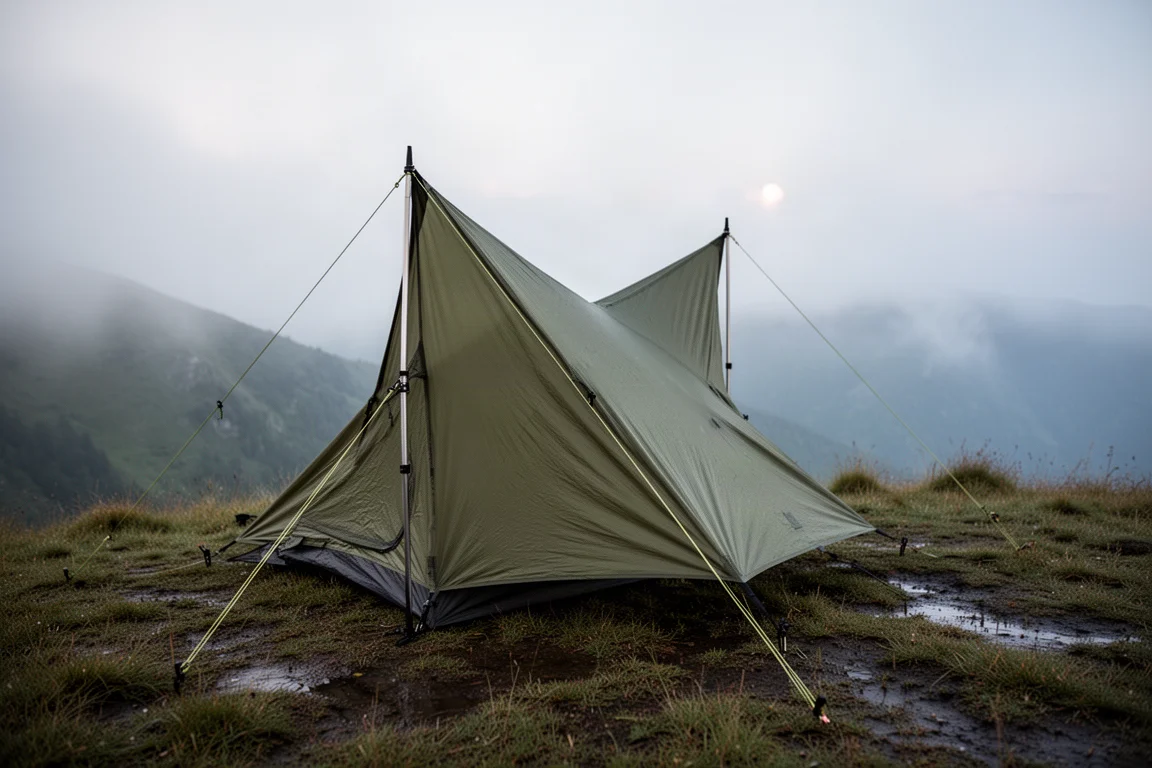
3FUL Lanshan Twoerson Pro Review: A Light Trekking Pole Shelter That Struggled in Rain
A two-person trekking pole shelter with a 2026 redesign, pitched with sticks and put through a night of steady rain. Here is what worked, what did not, and what to check before buying.