Camping Gear
Mountain Camping Gear Field Test: Rab Latok Mountain 2, Atom Packs Mo 50 and Hilleberg Soulo
A wet-weather field test of three pieces of mountain camping gear: a single-skin eVent shelter, a 50-litre ultralight pack and a long-standing one-person tent.
Introduction
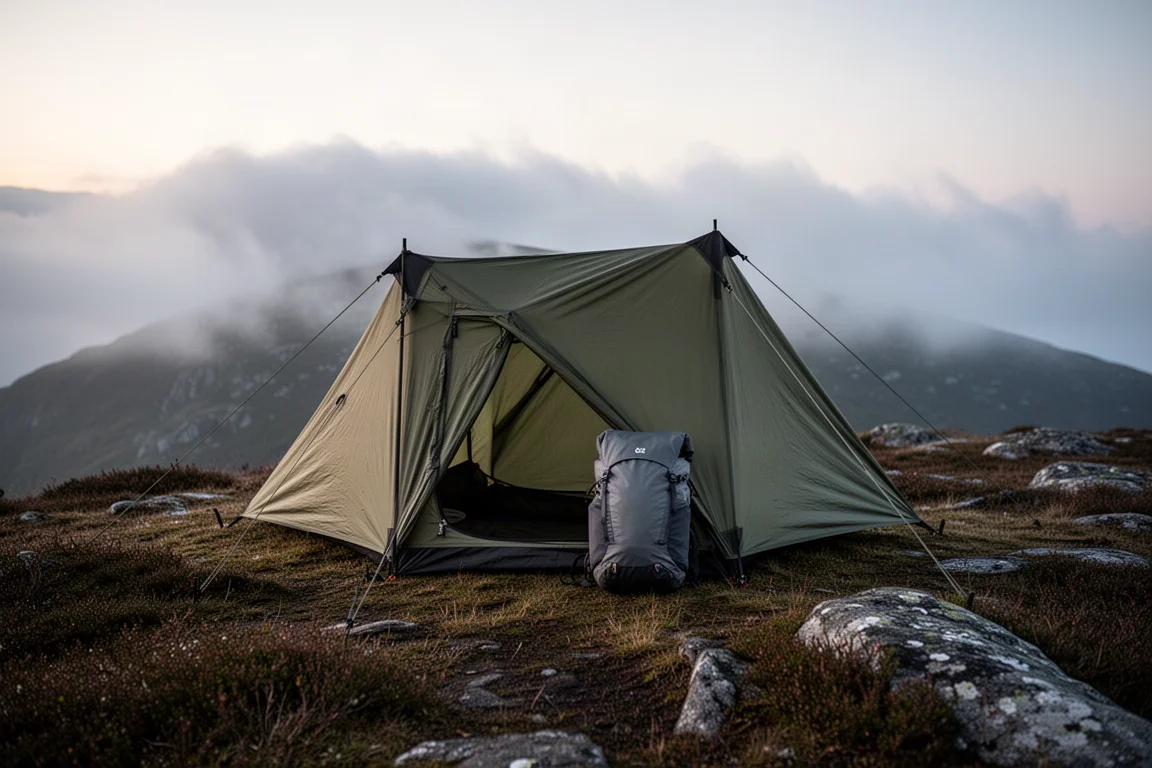
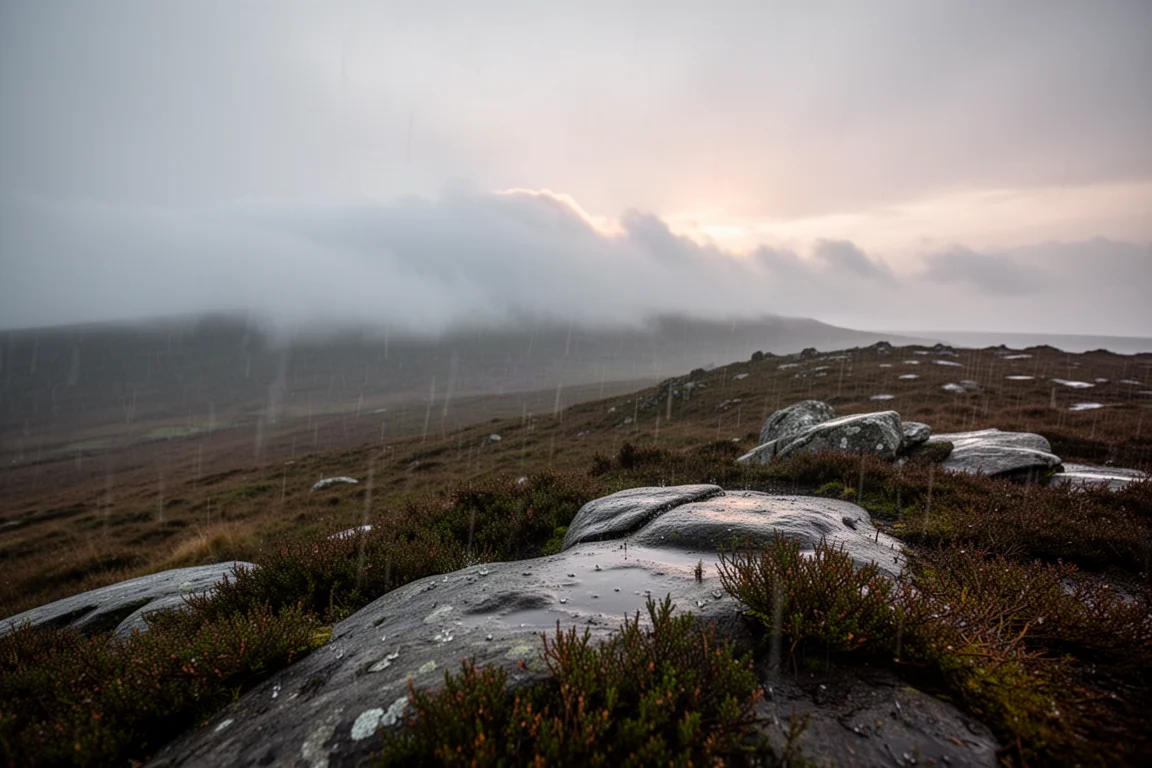
New gear is best judged in conditions that actually push it. A wet and windy overnight on familiar ground is a practical way to find out whether a shelter stays dry inside, and whether a pack still carries comfortably once everything is soaked through.
This field test looks at three pieces of mountain camping equipment: a single-skin shelter built for severe alpine weather, a 50-litre ultralight pack carrying an unusually bulky load, and a long-established one-person tent that has been a benchmark for UK wild camping for years. The focus is on what each item is genuinely like to use, including the compromises that only appear after a night out.
Rab Latok Mountain 2: A Single-Skin Shelter Built for Severe Weather
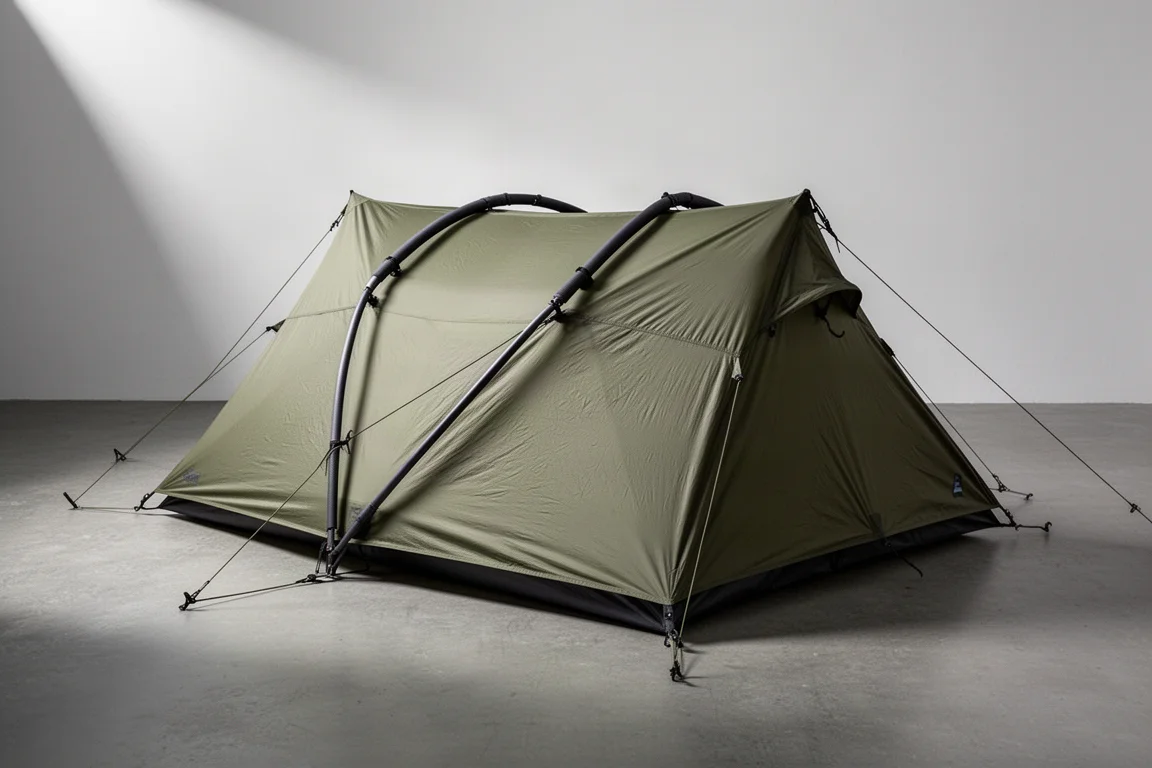
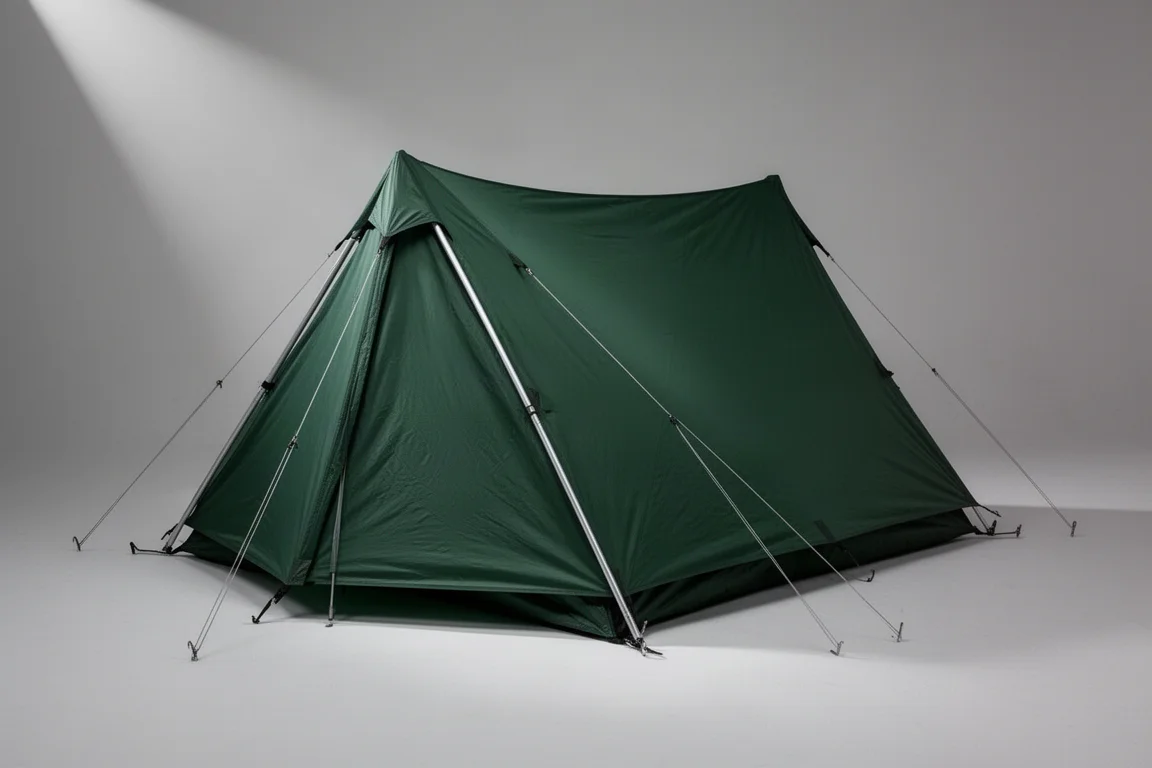
The Rab Latok Mountain 2 is a single-skin shelter made from eVent fabric, which is widely considered one of the most breathable waterproof materials available. That matters because single-skin designs normally struggle with condensation. Here the fabric stays dry to the touch even in wet weather, and after a full night of rain there were only a couple of drops on the poles rather than the drenching a less breathable shelter would produce.
Pitching is simple and quick. The shelter can be staked out and then have its poles fitted from inside, so the whole process can be done under cover while the rain comes down. Once it is standing it holds firm, and it is built for genuinely severe conditions, with reinforced attachment points for securing it in exposed positions and a rear vent that can be opened for airflow or cinched shut.
The interior is the real surprise. There is enough height to kneel upright, enough floor space for two people without feeling cramped, and enough room to get changed and repack a bag. For a shelter intended for high and exposed camping, that is a lot of usable volume.
The compromises are worth understanding before buying. There is no vestibule, so cooking has to happen with arms out of the door, and there is no bug mesh because the design targets high altitude use. Rain also drips into the doorway when the door is opened, so a cloth and a careful technique help. Packed down, it takes up less space than its overall size suggests.
Living With the Latok Mountain 2: Space, Ventilation and Care
Ventilation is the headline. After a night with everything closed up, the fabric was still dry to the touch, with only a little dampness in the corners where the material is not tensioned evenly. The sleeping quilt stayed dry, which is the outcome that matters most on a wet night.
The rear vent does much of the work in managing airflow. It can be opened wide when conditions allow and sealed shut when they do not, and the wire stiffener keeps it in shape rather than letting it flap around.
Care habits matter with a shelter like this. The care instructions recommend stuffing the shelter into its bag rather than rolling it, because repeated creases in the same places can degrade the material over time. Leaving the door partly open while packing helps push the air out and makes the bundle smaller.
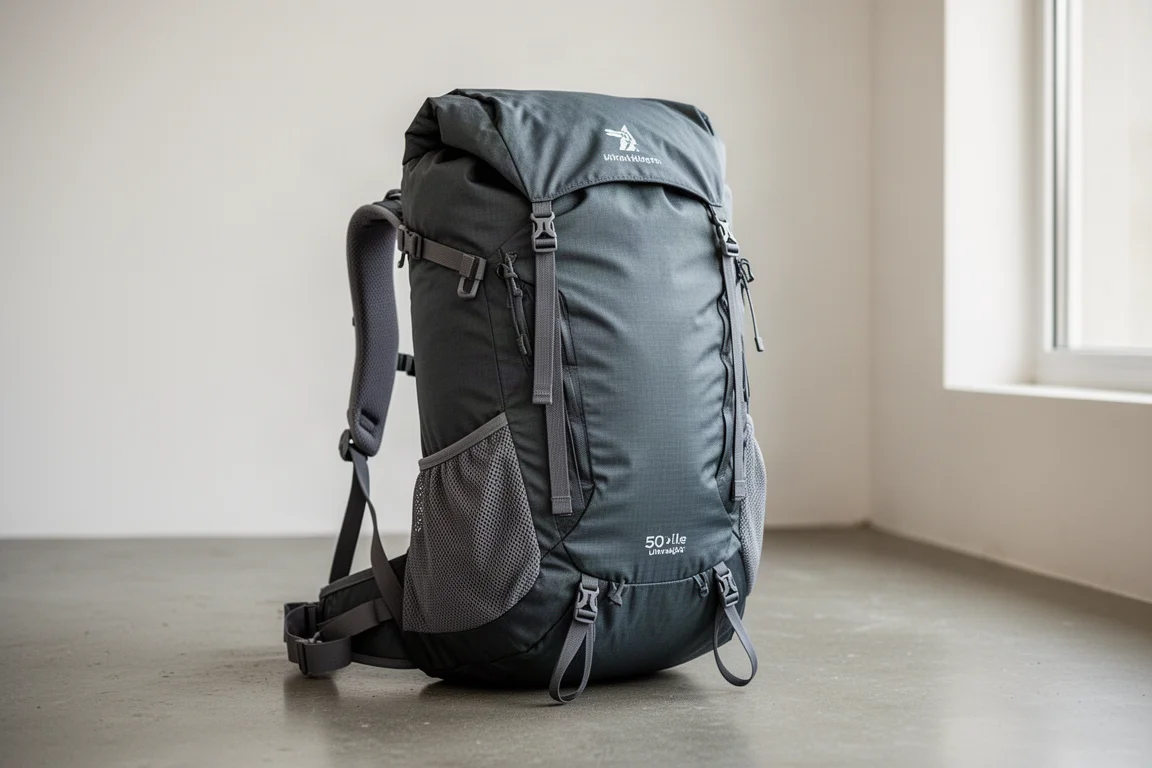
Atom Packs Mo 50: A 50-Litre Pack for Bulky Loads
The Atom Packs Mo 50 is quoted as a 50-litre pack, but the main compartment holds 45 litres, which matters when you are packing bulky items. Fitting a larger shelter, a sleeping pad and the usual overnight kit meant making a few compromises, and the stove stayed at home to keep the load manageable.
First impressions are very good. The pack has not yet covered enough distance for a final verdict, but nothing in the first outing raised a concern, and the build quality looks up to the standard expected in this class.
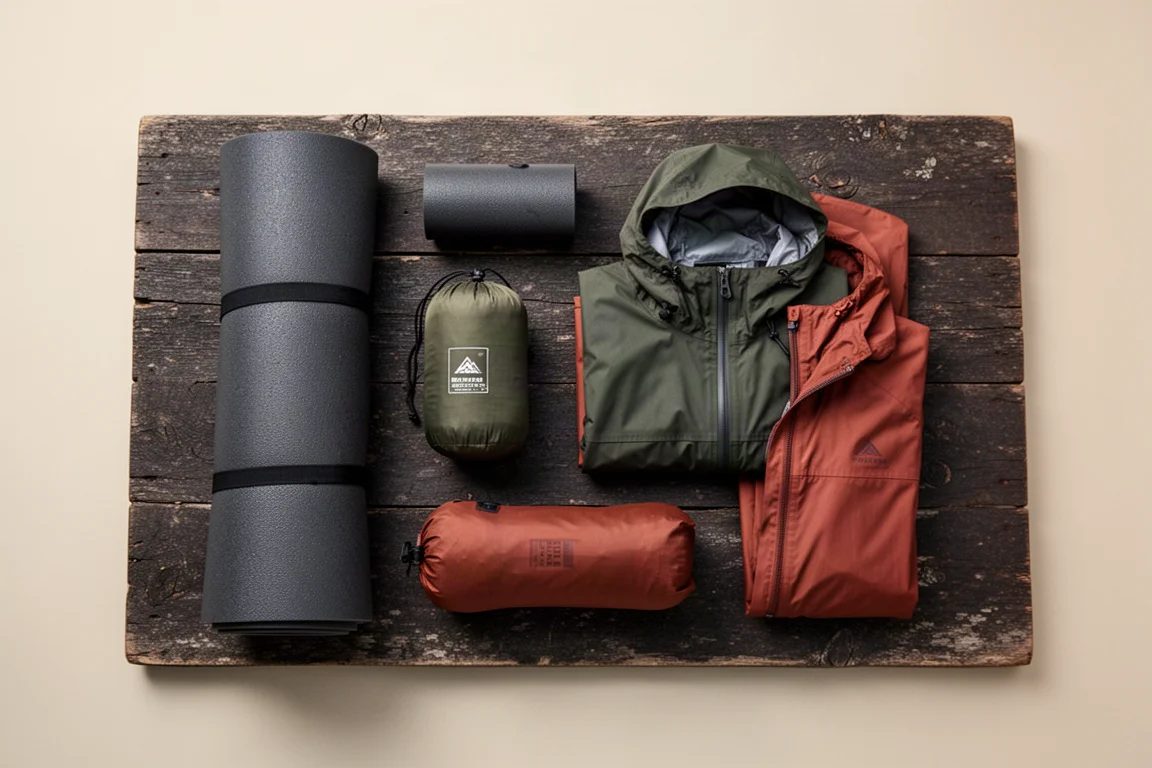
Carrying a shelter that has been compressed out of its original stuff sack is a useful test of how a pack handles awkward, dense loads. The Mo 50 took the squashed bundle without complaint, which is exactly the flexibility you want when the rest of the kit refuses to cooperate.
Hilleberg Soulo: A Benchmark One-Person Tent
The Hilleberg Soulo has been a fixture of one-person wild camping for years, and it is easy to see why. It is extremely well made, tough, and able to handle almost any conditions without letting the occupant down. Ask for the best one-person tent for wild camping and the Soulo is one of the most common answers.
It is not without compromises. Pitching is more involved than a simple single-skin design: there are plenty of clips and guy lines plus a top cover, and it is not a two-minute job. It is also a condensation magnet, with moisture appearing inside no matter what the conditions are.
Those two points are the main reasons it is stepping aside here in favour of a simpler, more breathable shelter. The Soulo remains an excellent tent and its reputation is well earned, but it is also one of the most widely used one-person tents around, which makes it less appealing if you prefer kit that stands apart from the crowd.
What to Consider Before Buying
The biggest decision with a shelter of this type is single-skin versus double-skin. A single-skin design saves weight and pitches faster, but it only works if the fabric breathes well enough to keep condensation under control. Breathability, not just waterproofing, is the specification that decides whether a night inside is comfortable or miserable.
After that, think about how you actually use the space. A vestibule gives you somewhere to cook and somewhere to leave wet boots, and its absence changes your routine more than most buyers expect. Bug mesh matters if you camp at lower altitudes in summer. A rear vent is a small feature that makes a large difference to airflow on still, damp nights.
With packs, the quoted volume deserves a second look. A 50-litre pack with a 45-litre main compartment behaves differently from one where the full figure is usable, especially when the load includes a shelter and a sleeping pad. Check the main compartment figure rather than the headline number.
Pitching, Condensation and Packing: Practical Notes
Pitching from inside is the single most useful habit with a shelter like the Latok Mountain 2. Stake it out first, then fit the poles while you are already under cover, and the worst of the weather never reaches you.
Door management matters in rain. Open the door only a little, reach out, and wipe the inside of the door before stepping through, then mop up any drips that land on the floor. Keep the sleeping bag and pad away from the door zone, and use a small mat inside for boots so the floor stays dry.
Packing is worth doing deliberately. Stuffing rather than rolling avoids repeat creases in the same places, and leaving the door partly open while you compress the shelter helps the air escape. For a shelter of this size, the packed bundle is compact, and the design is intended to cope with winds of around 80 km/h once it is up.
Which Shelter and Pack Suits Which Trip
For exposed summits and rough forecasts, the Latok Mountain 2 makes the strongest case. The breathable single-skin construction keeps condensation manageable, the space inside is generous for the weight, and the simple pitch is a real advantage when the weather turns while you are still outside.
For general three-season backpacking, the Soulo still holds its ground. It is exceptionally well built and has a long track record in tough conditions, so it remains a sensible choice for anyone who values durability above a fast pitch and does not mind managing moisture inside.
For the pack, match the volume to the load rather than the trip length. If your kit is bulky, a 50-litre pack with a 45-litre main compartment can feel tighter than expected, and a little planning around stuff sacks and compression makes a noticeable difference on the hill.
Conclusion
These three items serve different purposes, and the right choice depends on the trips you actually take. The Rab Latok Mountain 2 is the standout for rough, exposed camping, thanks to its breathable fabric, quick pitch and generous interior. The Atom Packs Mo 50 is a strong first impression for carrying bulky overnight loads, with a verdict that will firm up after more miles. The Hilleberg Soulo remains a genuinely excellent one-person tent, best suited to campers who prioritise toughness and a proven design over simplicity and airflow.
Further reading
Related Reviews
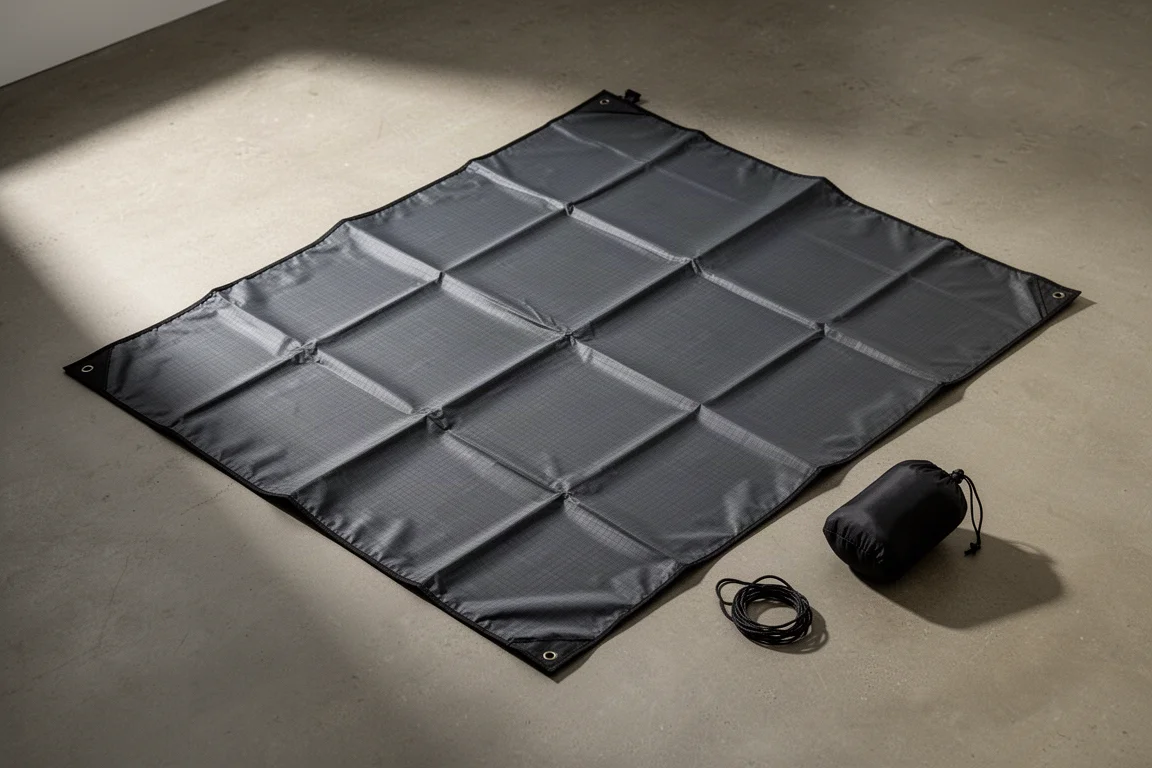
Camping Gear
3FUL Ultralight Ground Sheet Review: A Two-Person Footprint Worth Packing
A 6.7 oz two-person ground sheet in ripstop silnylon, priced around $30. Here is what it protects, what it does not do, and who should pack it.
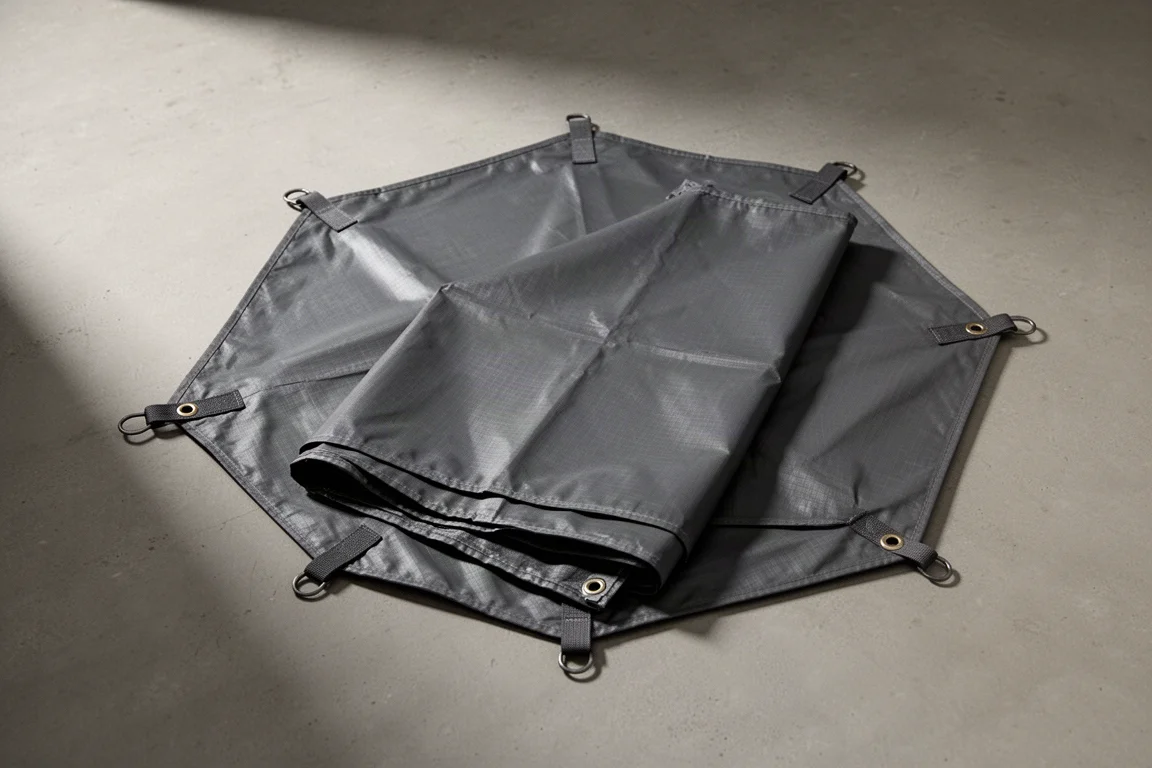
Camping Gear
Backcountry Light Dual-Function Tarp and Floor Review: A Footprint First
A dual-purpose tent floor and tarp that keeps falling rain off you, but cannot block wind. Here is where it works and where it does not.
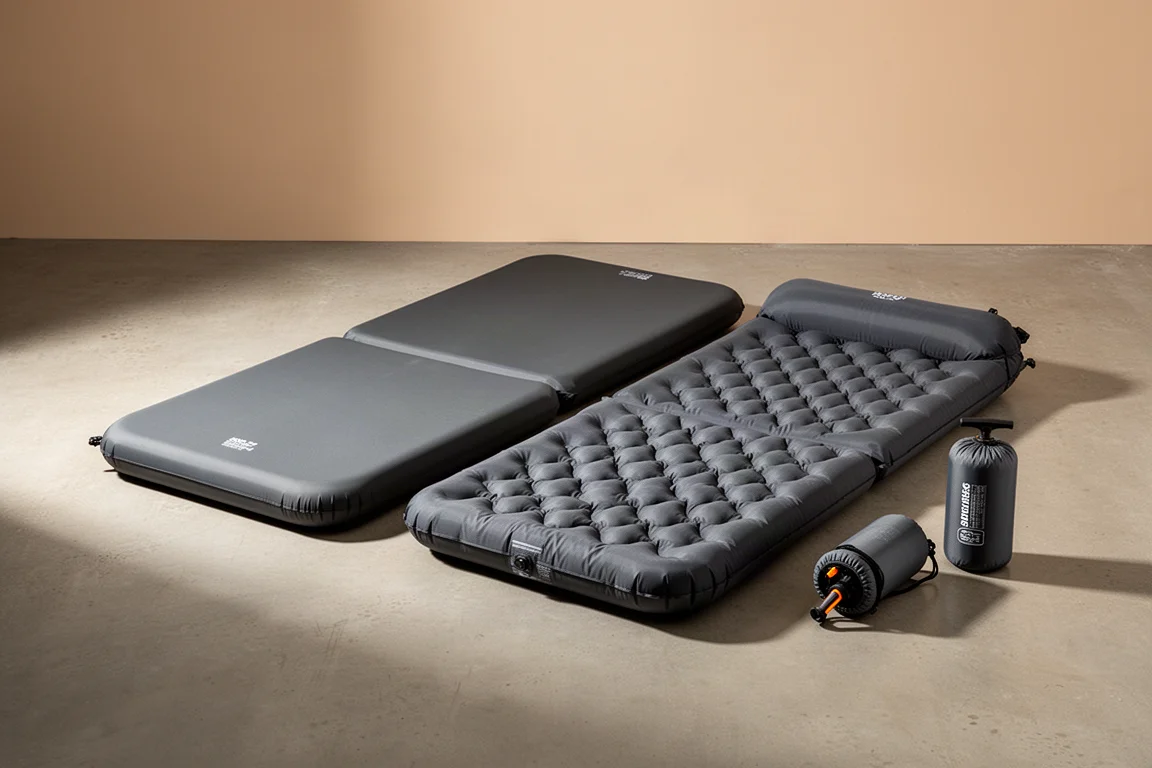
Camping Gear
Best 2-Person Camping Mattresses for Couples: 10 Options Compared
A practical comparison of ten two-person camping mattresses, covering self-inflating pads, air pads and air mattresses for couples.