Trail Running Shoes
Mount to Coast T1 Review: A Confident First Step onto the Trail
Mount to Coast's first trail shoe borrows the R1's DNA and adds a Kevlar-infused upper, a versatile blended midsole, and genuine all-terrain manners.
Introduction
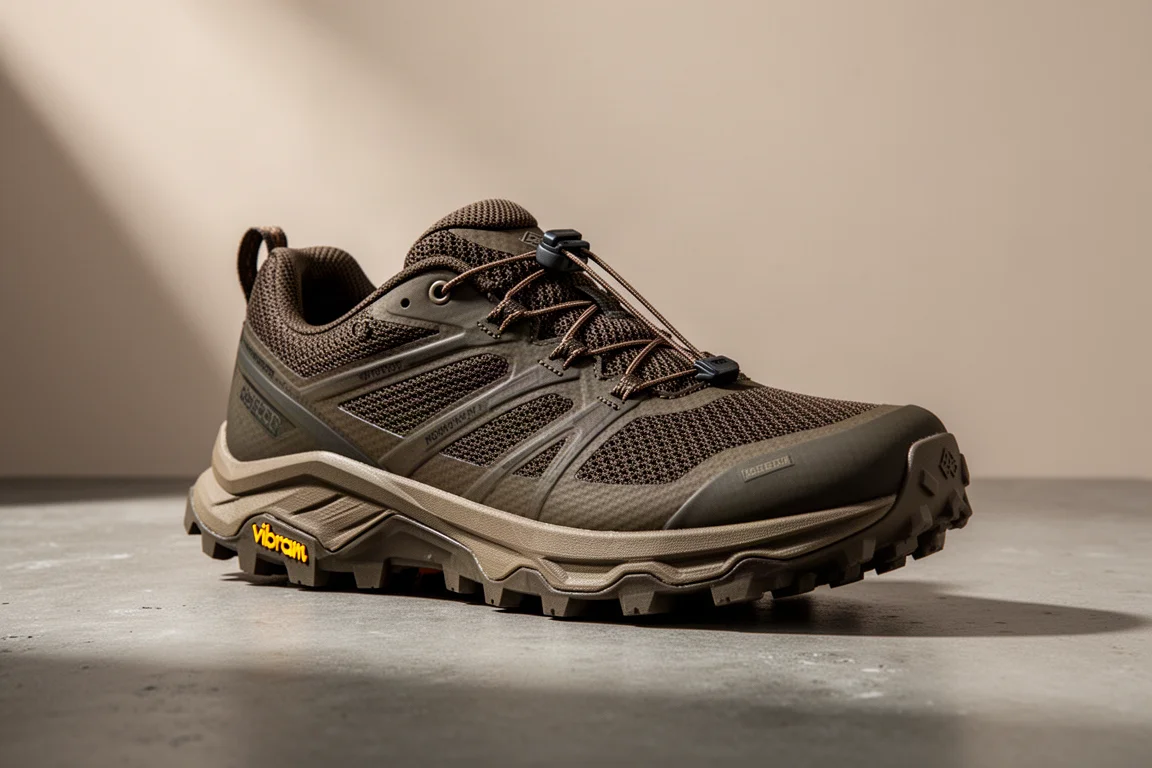
Mount to Coast made its name with the R1, a road trainer that quietly turned out to be far more versatile than its ultra-road focus suggested. The T1 is the company’s first trail shoe, and it leans directly on that foundation: similar geometry, similar materials, but with a more durable build for off-road use. Importantly, this is not a road shoe with a lugged outsole slapped on. The upper, midsole and outsole have all been developed with trail duty in mind, and the result is one of the more well-rounded first trail shoes we have come across.
Who the Mount to Coast T1 Is For
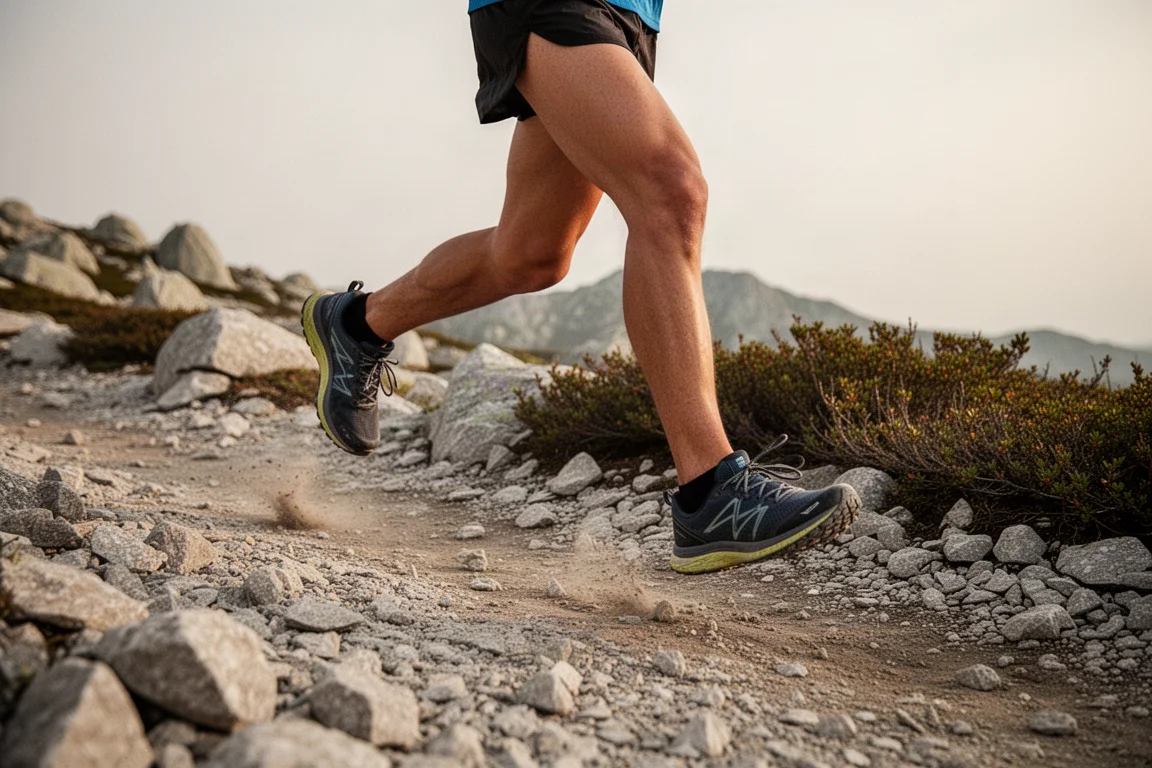
The T1 suits trail runners who want a single, versatile shoe rather than a collection of specialist pairs. It handles gravel roads, rail trails with elevation, dirt roads and genuinely technical mountain terrain without feeling out of place on any of them. It is not the best road shoe and not the best super-technical shoe, but that is not the point. For runners with a moderate to high volume foot who want a dependable daily trail option, it lands squarely in the sweet spot.
Fit and the Tune Fit Lacing System
The upper is a Kevlar-infused engineered mesh, a material rarely executed well in trail shoes. Here it works: it is comfortable, breathable and clearly durable, with only minimal overlays. The toe box is roomy by design, generous in both length and volume through the midfoot and forefoot, though it feels standard in width rather than anatomically wide. Runners who like a spacious fit will love this; those who prefer a locked-in feel may need to work the lacing.
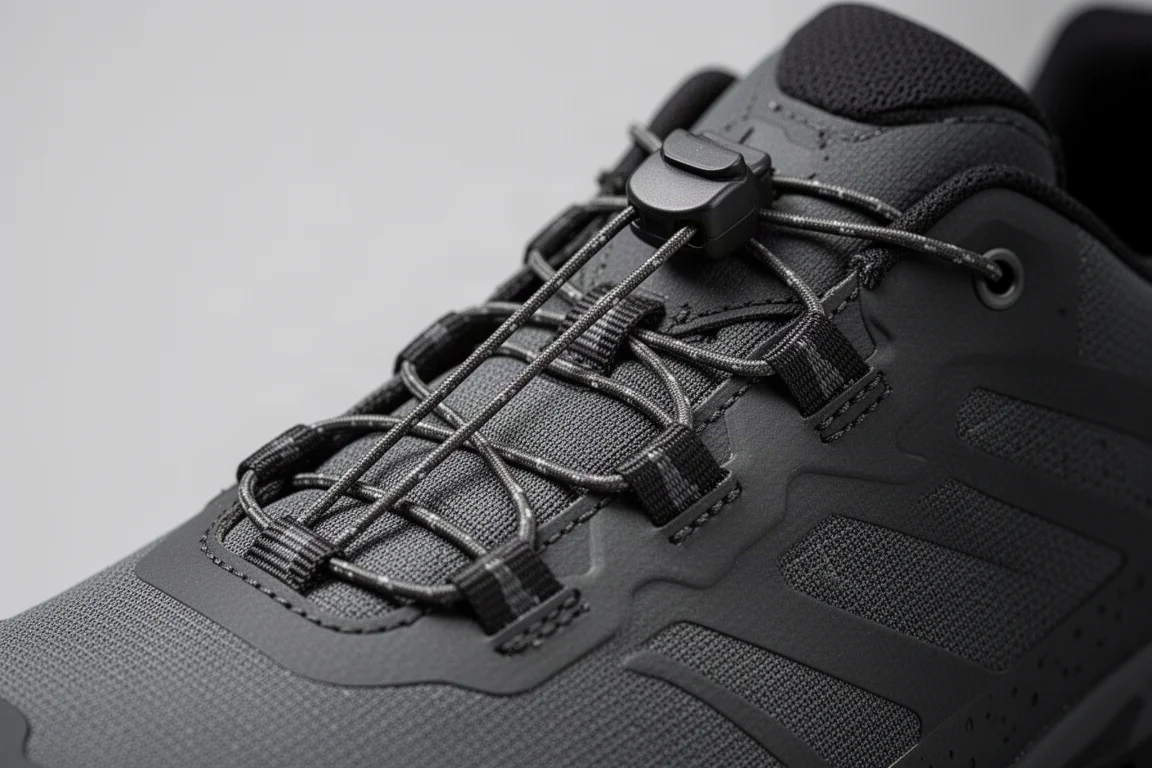
The Tune Fit system uses two zonal toggles, letting you cinch the forefoot and the top of the shoe independently. On loose gravel it can stay relaxed and generous, and on technical trails a quick cinch tightens things up. The catch: it does not automatically distribute tension, so you need to adjust row by row to get an optimal fit, and on rockier terrain the laces gradually loosened over longer runs, requiring re-cinching. The lace garage also lacks a closed pocket for the lower laces, which can pop out the side.
Midsole, Outsole and Ride
The Light Cell midsole carries over from the R1. It is a blended supercritical foam with some PEBA in the mix, and it reads as soft, comfortable and efficient rather than flashy. There is noticeable energy return, but the ride is best described as smooth and balanced rather than exciting, which suits a daily trail shoe well. The stack is 36mm in the heel and 32mm in the forefoot with a 4mm drop, and the rocker is modest.
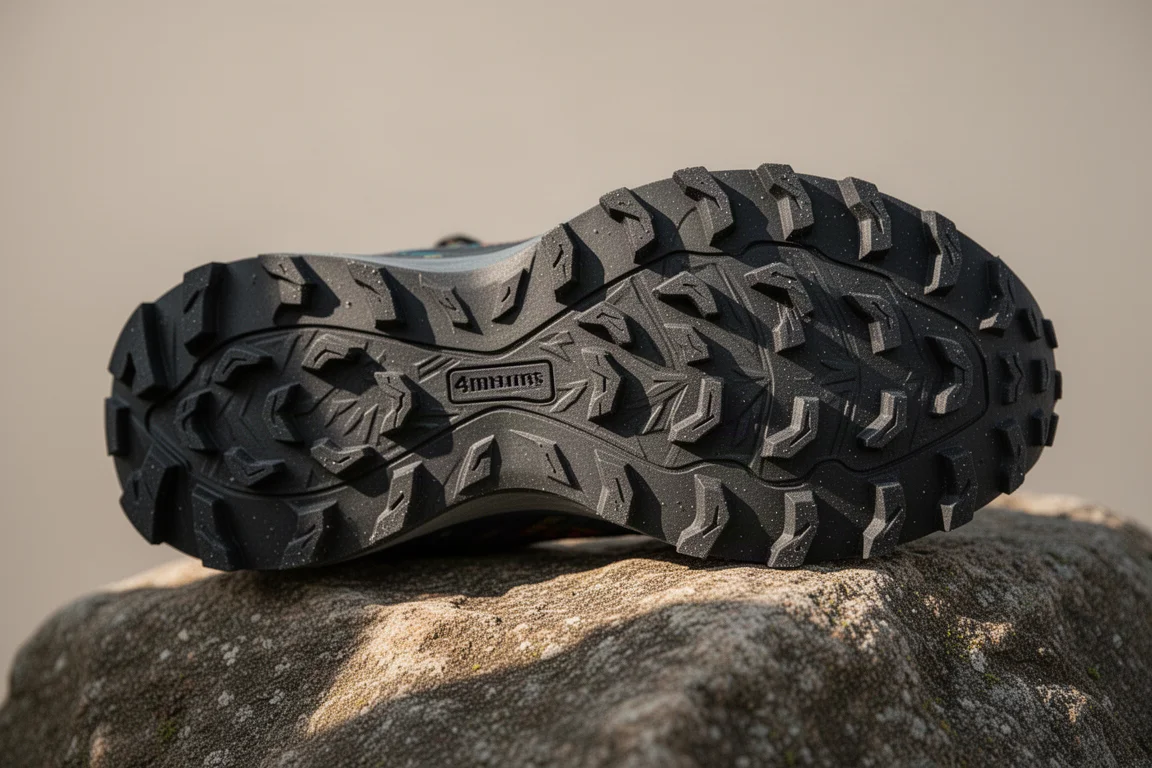
The outsole uses Vibram Megagrip with a Litebase construction, which is about as trustworthy as trail rubber gets. The 4mm lugs are not especially aggressive, but micro-traction lugs on the forefoot add real grip in the details. The one clear weakness is deep mud: once the mud exceeds lug depth, nothing here helps. Exposed midsole foam in the forefoot and heel does not pose a problem in normal use, though on very rocky ground you may feel a bit of pressure through the foam.
At 9.2 oz (260g) in a men’s size 9, and exactly 10 oz in a men’s 10.5, it is light for a shoe with this much cushioning. There is also a heel gaiter attachment point for runners who use them.
Durability and Long-Term Concerns
Around 50 miles in, the upper and lug wear look solid, and there are no issues there. The main question mark is the foam. Some creasing was already visible in the midsole at that mileage, and running on angled terrain may break the foam down faster than flat road use would. Road runners used to 600 to 800 miles per pair should expect a more typical trail lifespan in the 300 to 500 mile range.
Buying Advice
The T1 launched on June 6 for $180. That is a premium price, but the materials, from the Kevlar upper to the Vibram outsole, make the number easier to justify. If you liked the R1 on the road, this is an easy transition, and Mount to Coast is also following up later in the year with an H1 hybrid road-to-trail model using a new foam.

Conclusion
For a brand’s first attempt at a trail shoe, the Mount to Coast T1 is genuinely impressive. It scored 11 out of 15 across form, fit and function, placing it in green-light territory alongside some favorite trail shoes. The lacing needs refinement and the fit will not suit everyone, but the overall package is versatile, comfortable and durable where it counts. Trail runners looking for one shoe to cover most of their terrain should give it a close look.
Product link
View more details for Mount to Coast T1
This product is mentioned in the review. Check the specifications, options, and compatibility before buying.
View more details for Mount to Coast T1Further reading
Related Reviews
Trail Running Shoes
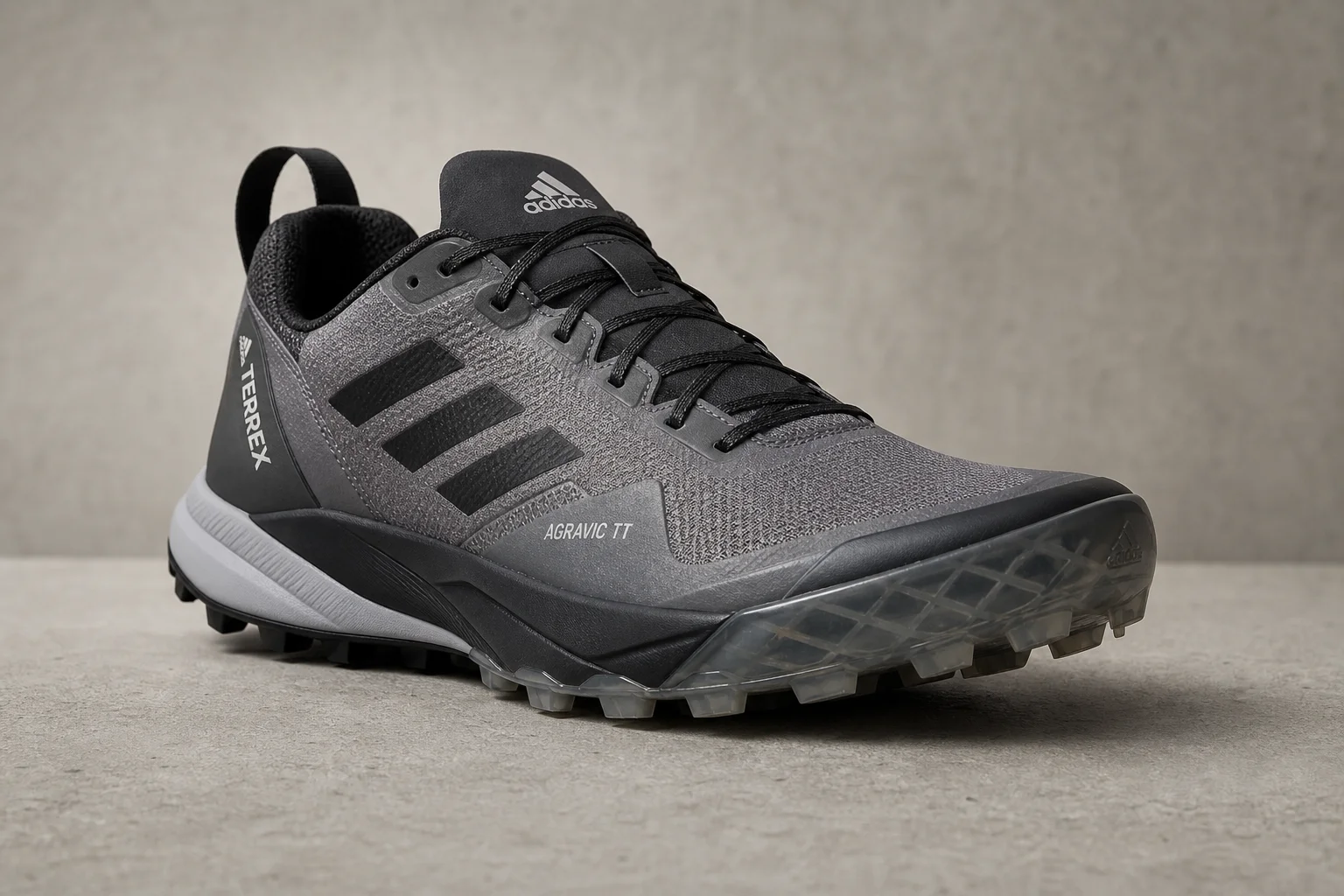
Adidas Terrex Agravic TT Review: A Technical Trail Shoe Built for Rocky Terrain
The Adidas Terrex Agravic TT combines a full-coverage rock plate with a firmer midsole to deliver protection and stability on technical, rocky trails. A capable choice for runners who prioritize underfoot defense over lightweight cushioning.
Trail Running Shoes
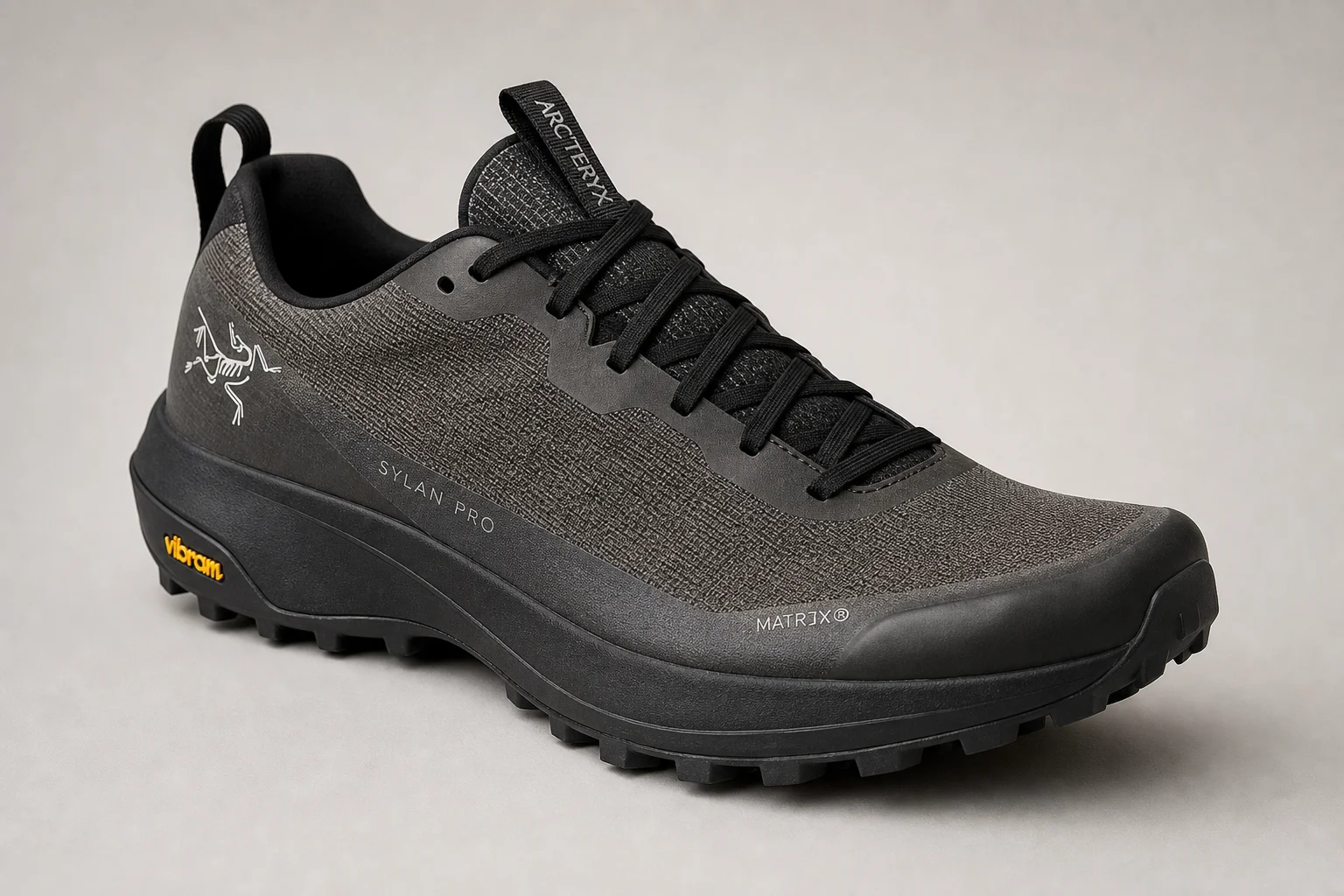
Arc'teryx Sylan Pro Review: A Rocker-Focused Mountain Running Shoe Tested on 20 Miles
The Arc'teryx Sylan Pro brings a pronounced rocker geometry and secure fit to mountain terrain. We tested it on a 20-mile Sawtooth loop to evaluate its climbing efficiency, protection, and handling of technical descents.
Trail Running Shoes
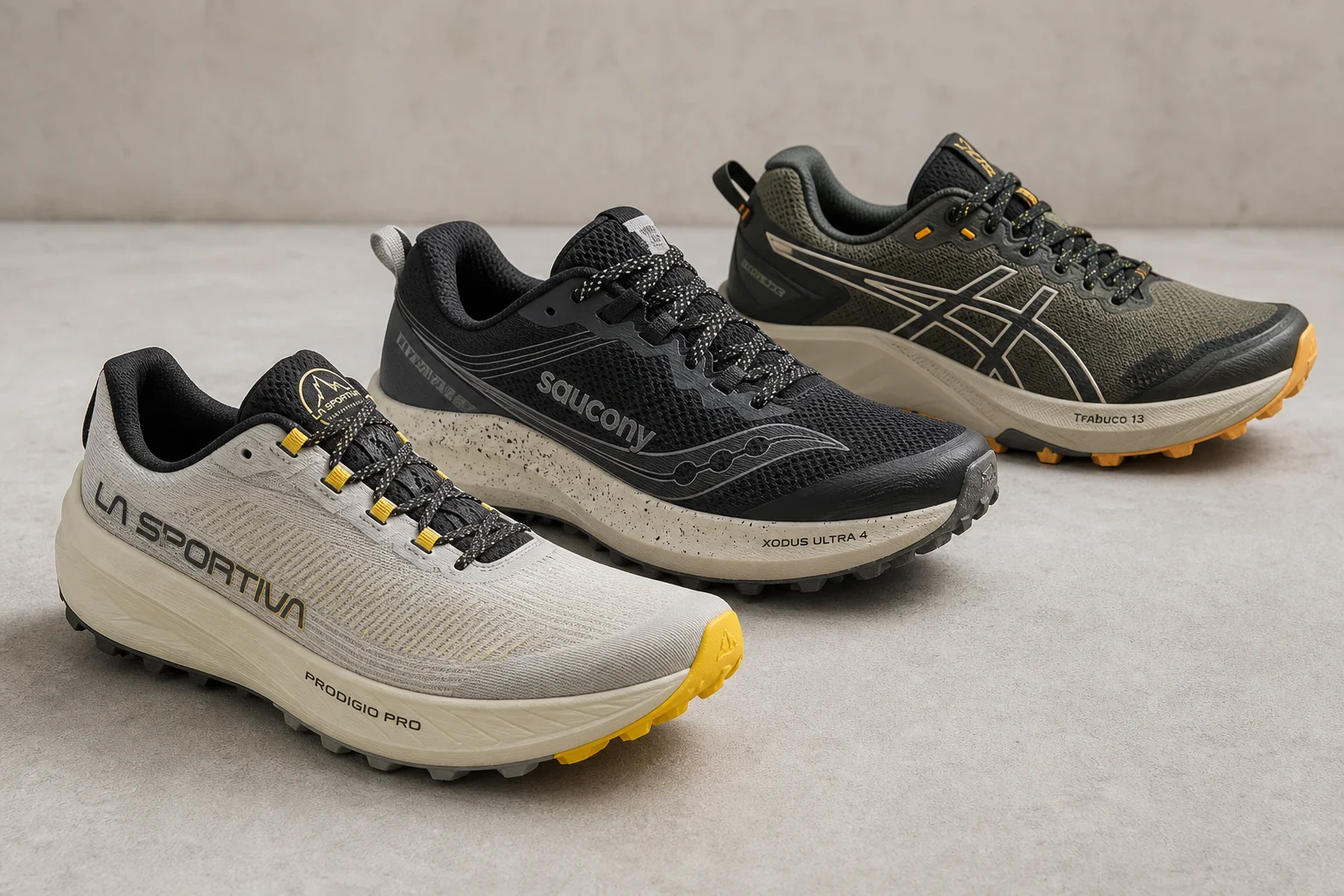
Best All-Mountain Trail Running Shoes: Three Versatile Options for Any Trail
A focused roundup of three all-mountain trail running shoes that handle technical terrain, long distances, and variable conditions with real strengths and practical trade-offs.