Running Shoes
Mount to Coast S1 vs R1: Two Road Runners, One Clear Story
We take a first run in the Mount to Coast S1, the training sibling of the R1 racer, and compare fit, ride, durability and who each shoe suits best.
Introduction
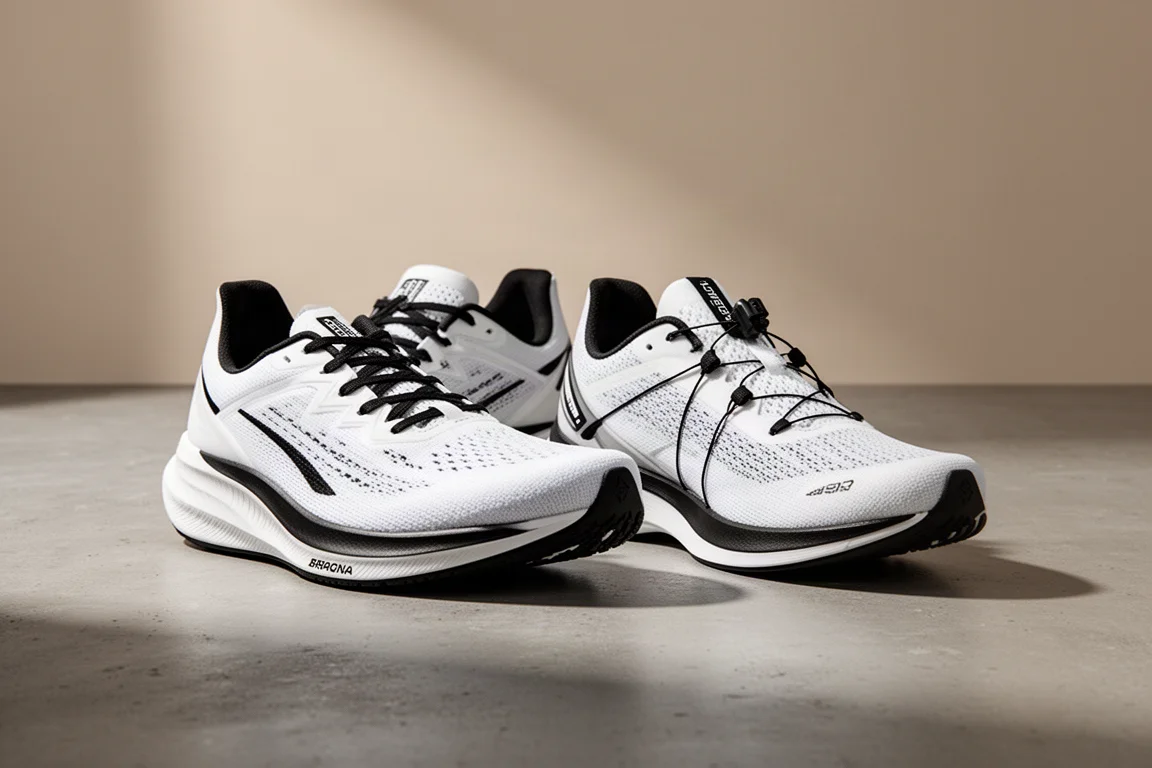
A few weeks after a first run in the Mount to Coast R1, its ultra-distance road racer, the brand’s second road shoe, the S1, steps up as what you might call the younger training brother. It shares a lot of the same construction and character, but it aims squarely at everyday miles rather than race day.
That raises an obvious question for anyone eyeing the line-up: if the R1 impressed on fit, feel and performance, is the S1 simply a softer, heavier version of the same thing, or a shoe that stands on its own? After a first steady run, the answer leans towards the second option, and in some ways the S1 comes out ahead.
Key Differences: S1 vs R1
The changes are easy to spot. Where the R1 uses a clever tuned-fit dual lacing system, the S1 goes with a more traditional lacing setup. The toe box is also narrower on the S1, tapering to a point towards the end of the shoe, while the R1 keeps a squarer, roomier shape.
There is more substance where it matters for training. The S1 adds a more substantial overlay around the toe box, a proper toe bumper, a more structured heel cup and a handy pull tab at the heel. The S1 weighs 293g in a UK 9.5, with a 36mm heel stack, 26mm underfoot at the forefoot and a 10mm heel offset.
Shared DNA: Midsole and Upper
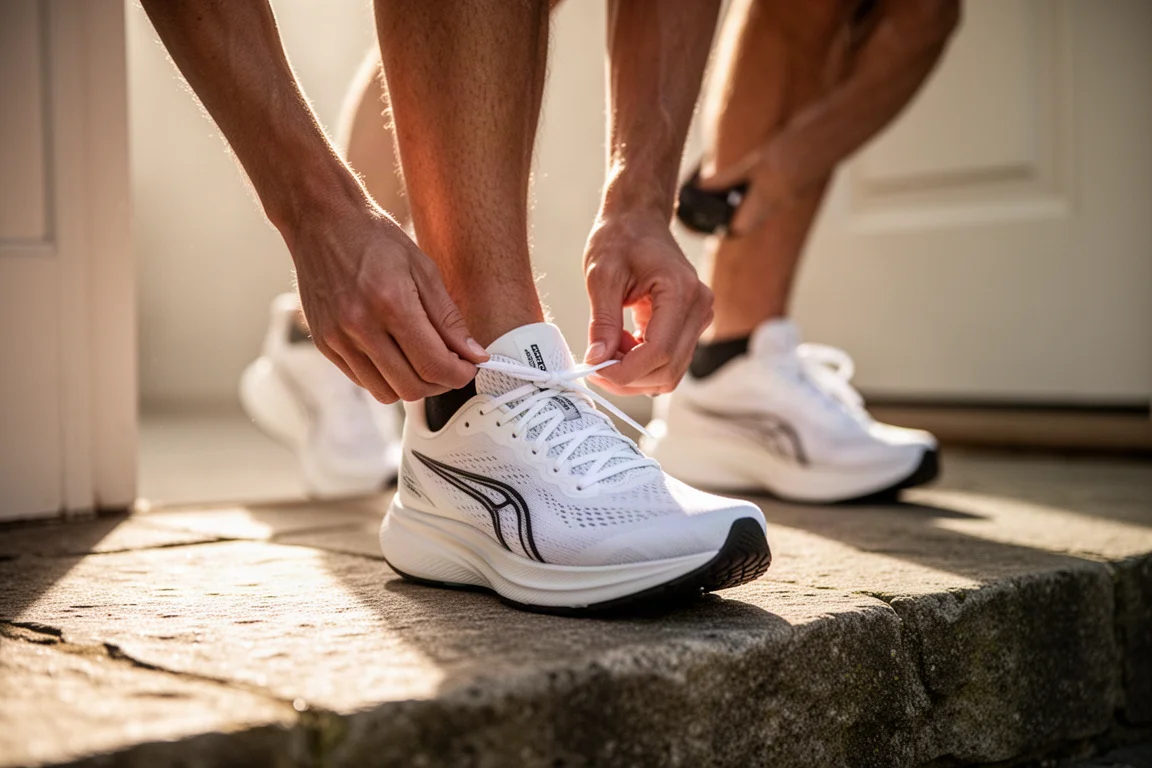
Underfoot, the two shoes are very close. Both use Mount to Coast’s Pe-Bax hybrid light cell compound, nitrogen infused to create a supercritical foam for a soft, comfortable and bouncy ride. The R1’s zero-sag insert and low-sag midsole geometry carry over too, which speaks well for how the cushioning holds its shape over time.
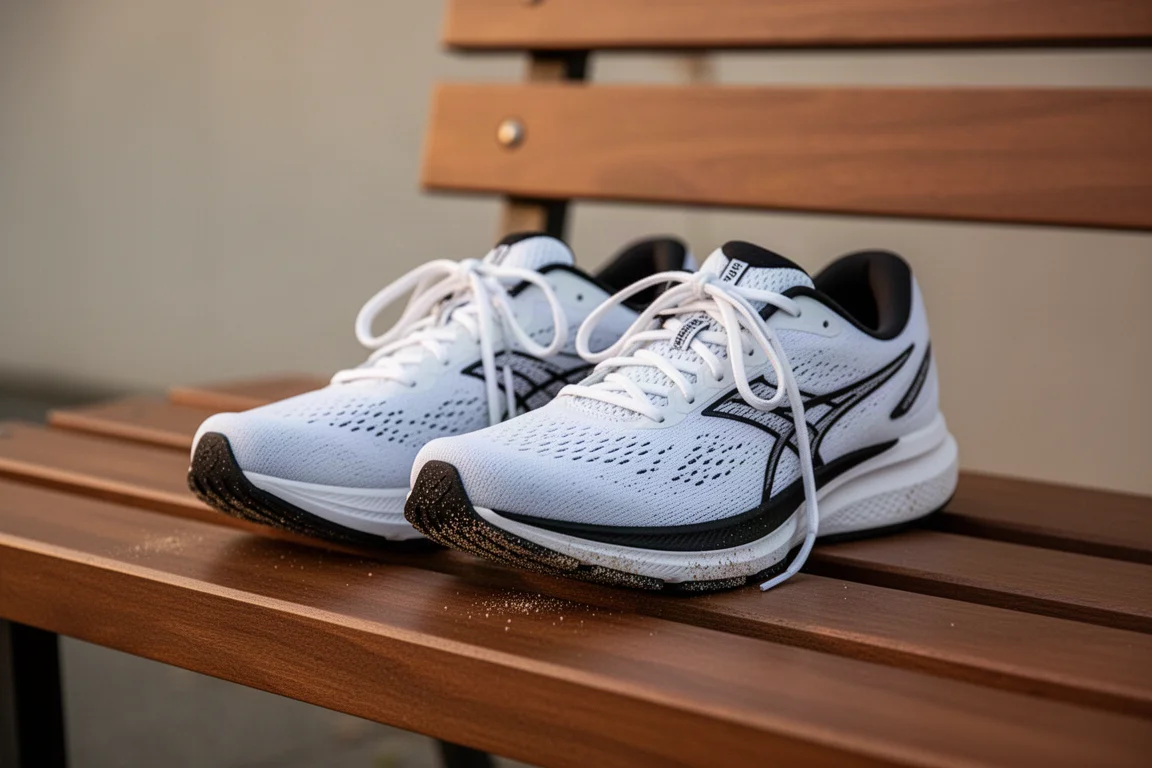
The upper follows the same pattern. The S1 uses a soft, breathable engineered knit mesh built with 100% recycled yarns, plus a near-identical gusseted tongue with a similar amount of padding. Comfort and lockdown around the midfoot feel very much in the same family.
Durability and Weight: The Outsole Trade-Off
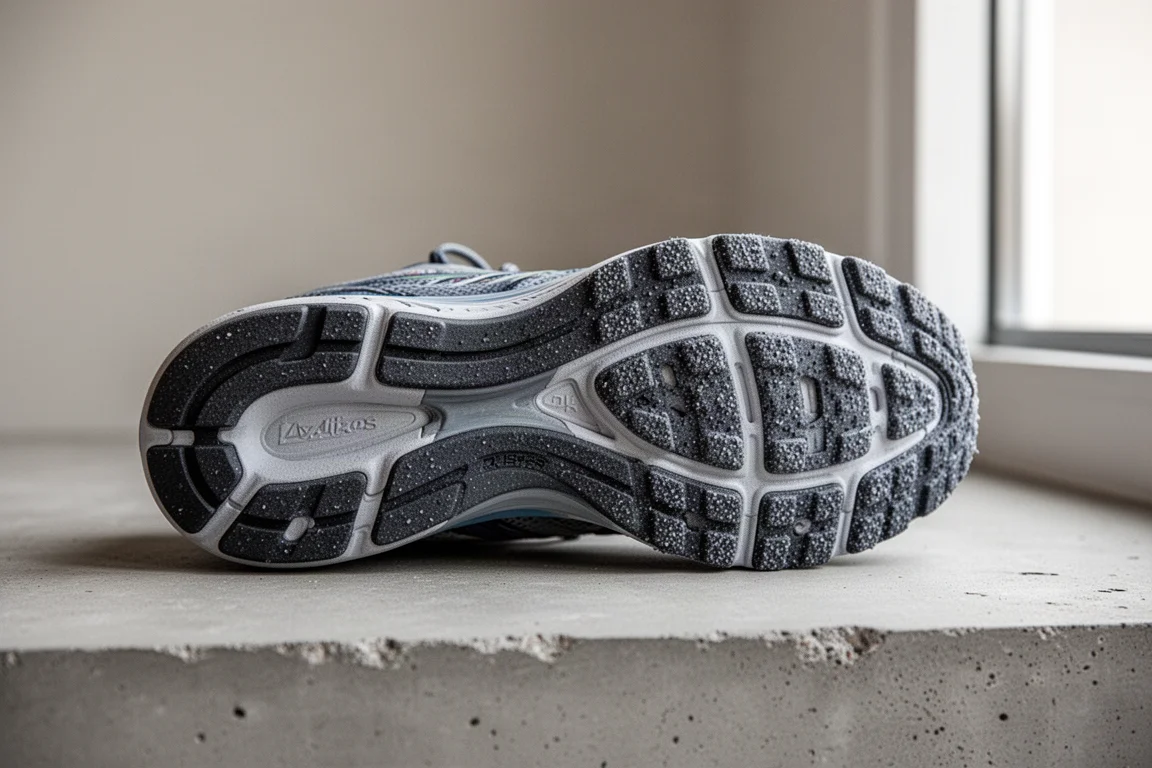
The biggest practical upgrade for training is the much more substantial blown rubber outsole on the S1, with good rubber coverage in all the high-wear areas. That should offer solid durability for big training miles, especially compared with the rubberised EVA-style outsole on the R1, whose long-term durability is harder to vouch for.
The trade-off is weight. Blown rubber is one of the heavier components in a running shoe, and it likely accounts for much of the extra 30g or so over the R1. On the road, though, the S1 does not run heavy at all. It feels nicely balanced and surprisingly nimble, and the added durability seems a fair price for a few grams.
First Run in the Mount to Coast S1
The first outing was meant to be a steady 7 to 8 recovery miles after a 50k trail race and a busy weekend of running. Instead, the legs and the shoes both felt good enough that the run stretched closer to 10 miles, which says a lot on its own.

The midsole felt slightly more responsive than the R1’s, with a touch more energy return, despite the largely shared construction. It sits comfortably in that versatile training sweet spot: cushioned and comfortable on slower steady runs, but seemingly capable of handling quicker sessions in the week with ease.
Fit and Feel on the Road
The upper is the highlight. Internally it feels super plush, with just the right level of padding in the gusseted tongue and around the ankle collar, enough for comfort without hurting fit or lockdown. Midfoot hold is secure, heel retention is solid, and the shoe breathes nicely.
Although the toe box is noticeably narrower than the R1’s, there was still plenty of wiggle room for this foot shape. Runners with wider forefeet will likely prefer the roomier R1 toe box, and that single fit difference may end up being the deciding factor between the two more than anything else.
Things to Consider Before Buying
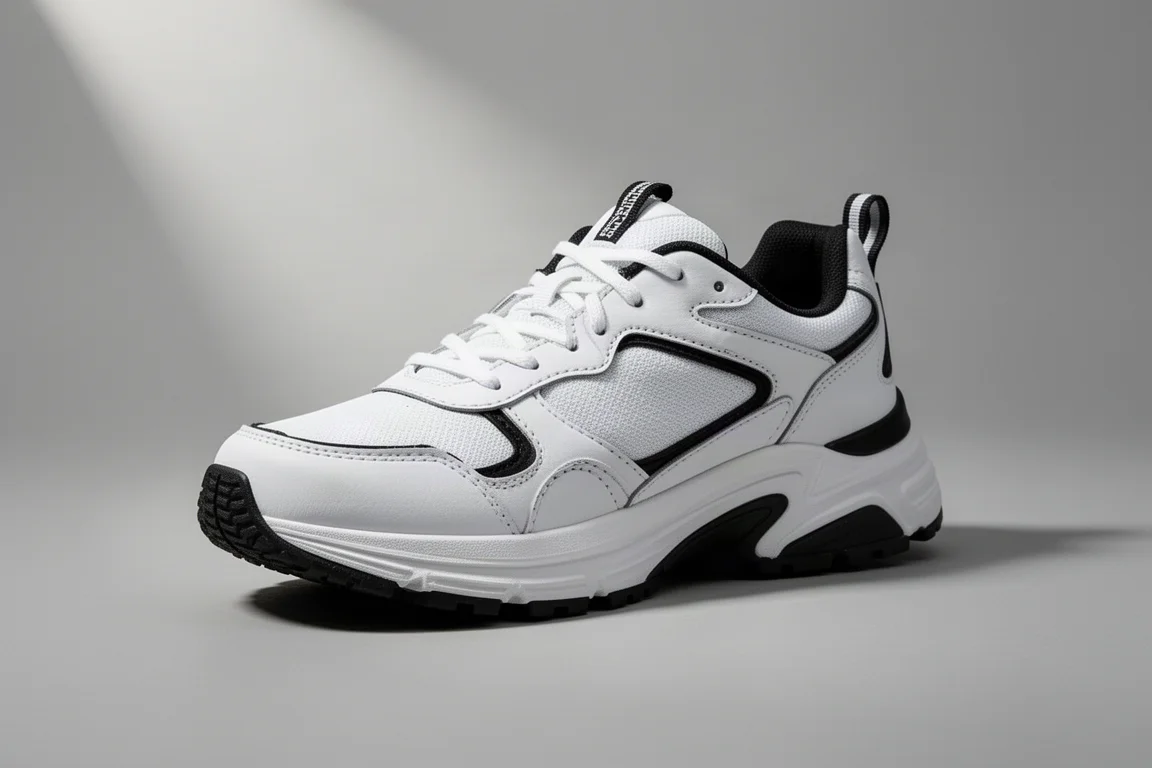
Two niggles are worth knowing before committing. First, the 10mm heel offset. It never felt dominant under the heel, but runners who prefer a lower drop may wish for something closer to 6 or 8mm. Second, the colourways. The white-and-black option looks slick but will not stay bright for long in muddy conditions, and the all-black version is the more practical choice. More colourful designs would be welcome in future updates.
Availability is the other catch. Both shoes currently retail at $150 and are only available in the US at the moment, with the brand working hard to bring them to the UK and across Europe. That limits who can actually get a pair right now.
Mount to Coast R1
The R1 remains the racer of the pair. Its tuned-fit dual lacing system, squarer and roomier toe box, and lighter, more streamlined build make it the pick for ultra-distance road racing and for runners who want maximum room up front. Its outsole is lighter but raises more durability questions over high mileage.
Mount to Coast S1
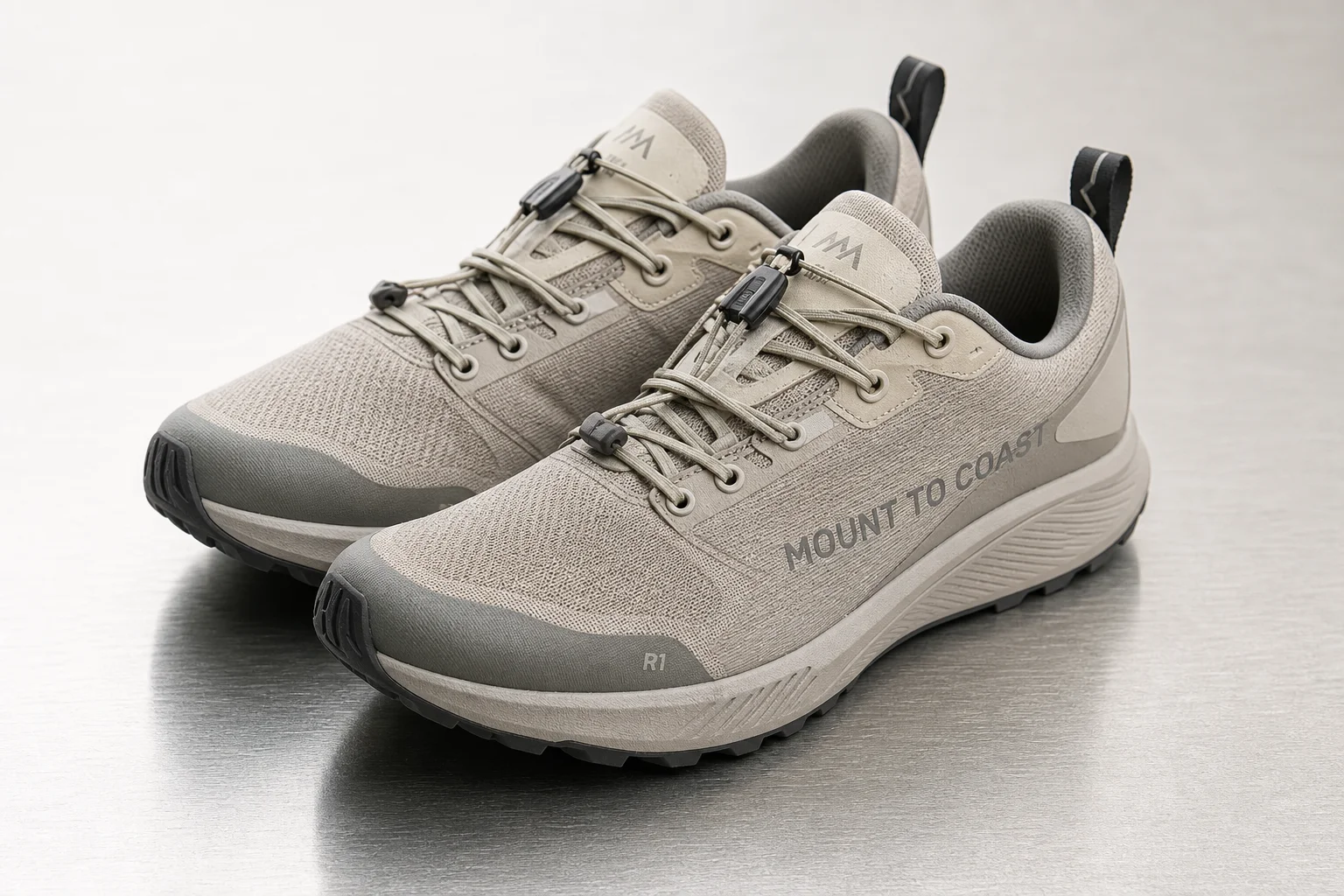
The S1 takes the same core formula and reshapes it for training. A more durable blown rubber outsole, extra toe protection, a structured heel cup, a heel pull tab and a slightly more responsive feel underfoot make it the more versatile everyday option of the two. It remains comfortable, bouncy and balanced, with no sense of running heavy despite the extra grams.
Buying Advice: Which One Should You Choose?
If your priority is everyday training miles with better long-term durability, the S1 is the logical choice, and its slightly more responsive ride makes it a genuinely versatile option for steady runs and quicker sessions alike. If you have a wider forefoot or you want the dedicated racer for long road events, the R1 still earns its place.
One honest note: this is a first-impressions take after a single run, and a full long-term verdict would need many more miles. But as a starting point, the S1 makes a very strong case, and it is fair to say it was the more enjoyable of the two on the very first outing.
Conclusion
Mount to Coast has done a quietly impressive job with its initial two-shoe road line-up. The R1 handles race duty with a roomy toe box and clever lacing, while the S1 takes the same supercritical foam platform and wraps it in a tougher, training-ready package that feels plush, bouncy and a little more lively than expected.
The 10mm drop and the conservative colourways will not suit everyone, and US-only availability is a real frustration for runners elsewhere. But if the brand keeps this direction, and perhaps even turns its attention to a trail shoe with the same fit and comfort, the line-up will be well worth watching.
Further reading
Related Reviews

Running Shoes
Best Road-to-Trail Running Shoes: Three Versatile Options for Mixed Terrain
A practical guide to three road-to-trail running shoes that handle both pavement and mild trails, with clear strengths and trade-offs for different runner types.

Running Shoes
Best Running Shoes for Achilles Tendonitis: Three Options Explained
Three running shoes with different heel drops and support features designed to help reduce Achilles tendon pain during walking and running.

Running Shoes
Best Running Shoes for Women: Five Top Choices Ranked
A ranked guide to five women's running shoes, from versatile daily trainers to high-performance racing options, with real strengths and trade-offs for each.