Running Shoes
Mount to Coast R1 First Run Review: A Road Ultra Shoe That Doubles as a Daily Trainer
The Mount to Coast R1 is built for long road ultras, with a midsole designed to stay consistent over hours of running. Here is how it performs on first contact.
Introduction
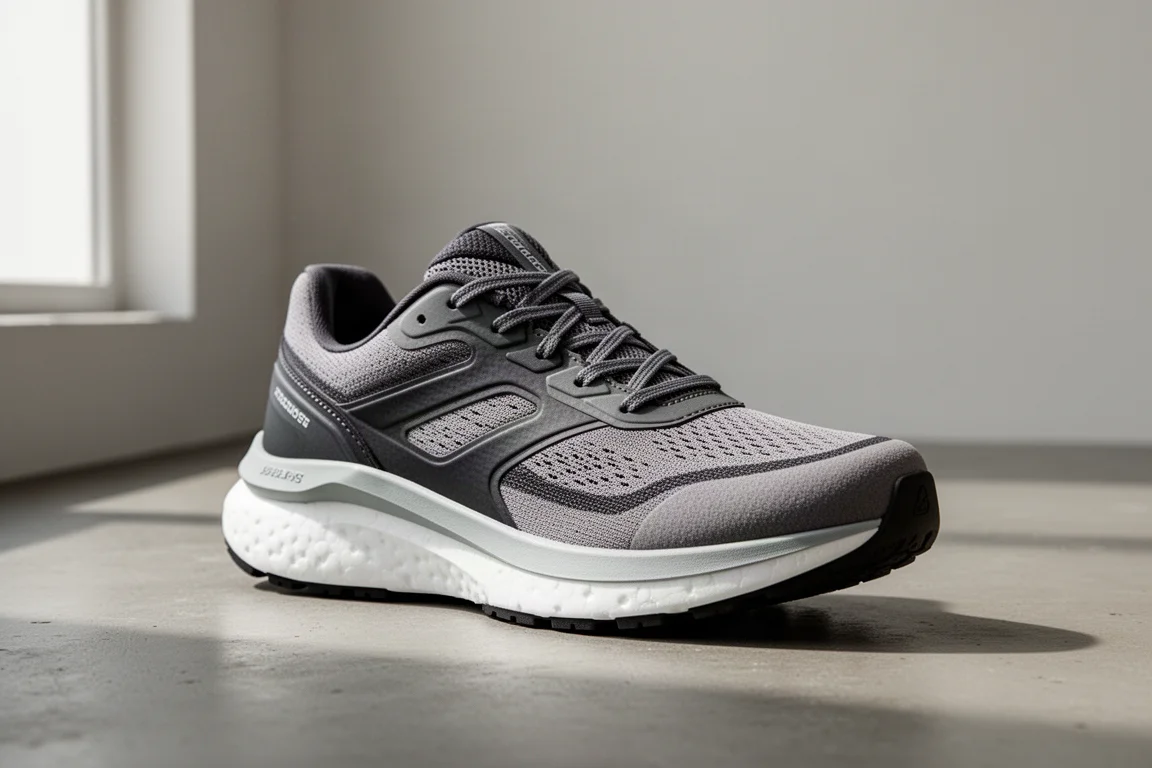
The Mount to Coast R1 is an entirely new shoe from a brand new company, and it arrives with an unusual brief: it is designed specifically for road ultramarathons and multi-stage events, yet its specifications make it look like a surprisingly versatile lightweight daily trainer. At $160 in the US, with no UK price confirmed at the moment, it sits in a competitive price bracket against some well-established trainers.
On paper, the numbers are sensible rather than extreme: 254g (9.0oz) in a UK 8.5 or US 9.5, an 8mm drop, and a stack of 35mm at the heel and 27mm at the forefoot. The real story is in how the midsole is engineered to behave over very long distances, which is also what makes the shoe interesting for everyday running.
Key Features of the Mount to Coast R1
The midsole is built mainly from LightCELL foam, a nitrogen-infused PEBA foam, and adds a Zero Sag insert in the bottom of the shoe. That insert is the key element when it comes to retaining consistency and bounce over the course of a longer event, so the shoe delivers the same cushioning and protection at hour six as it does at the start. The geometry uses what Mount to Coast calls a GoFlow setup: not a pronounced rocker, but a shaping designed to ease you from heel onto toe for a smooth running experience.
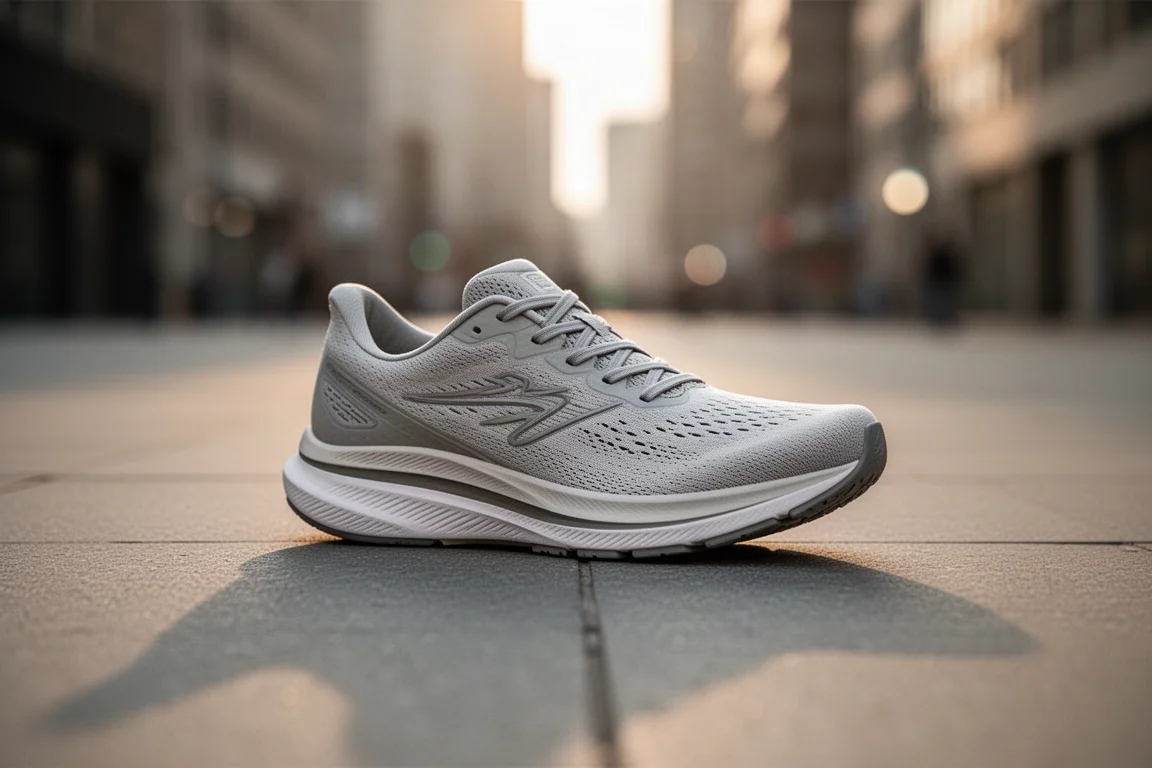
The upper is a double-layered jacquard construction with a fair amount of cushioning at the back and on the tongue, plus a fairly significant heel counter for structure and support. The outsole is a very lightweight material with a textured pattern that gives a little grip, though it can squeak on wet surfaces or wooden floors. A later version with a rubber outsole is expected late this year if that is a dealbreaker.
The most distinctive feature is the Tuned Fit dual lacing system. The first few eyelets use regular laces to lock down the heel and collar, while a quick-lace system handles the forefoot area, letting you loosen or tighten the front of the shoe independently. The idea is to accommodate feet that swell over the course of a long ultra, without disturbing the secure fit at the top.
Fit and Sizing
The reviewer’s pair is a UK 8.5, equivalent to a US 9.5, which is the smaller of the two sizes they typically rotate between in running shoes, and it fits well. They have also been comfortable in their usual UK 9, which suggests the R1 will work in your normal running shoe size. There is enough room around the toes and good hold around the heel and midfoot.
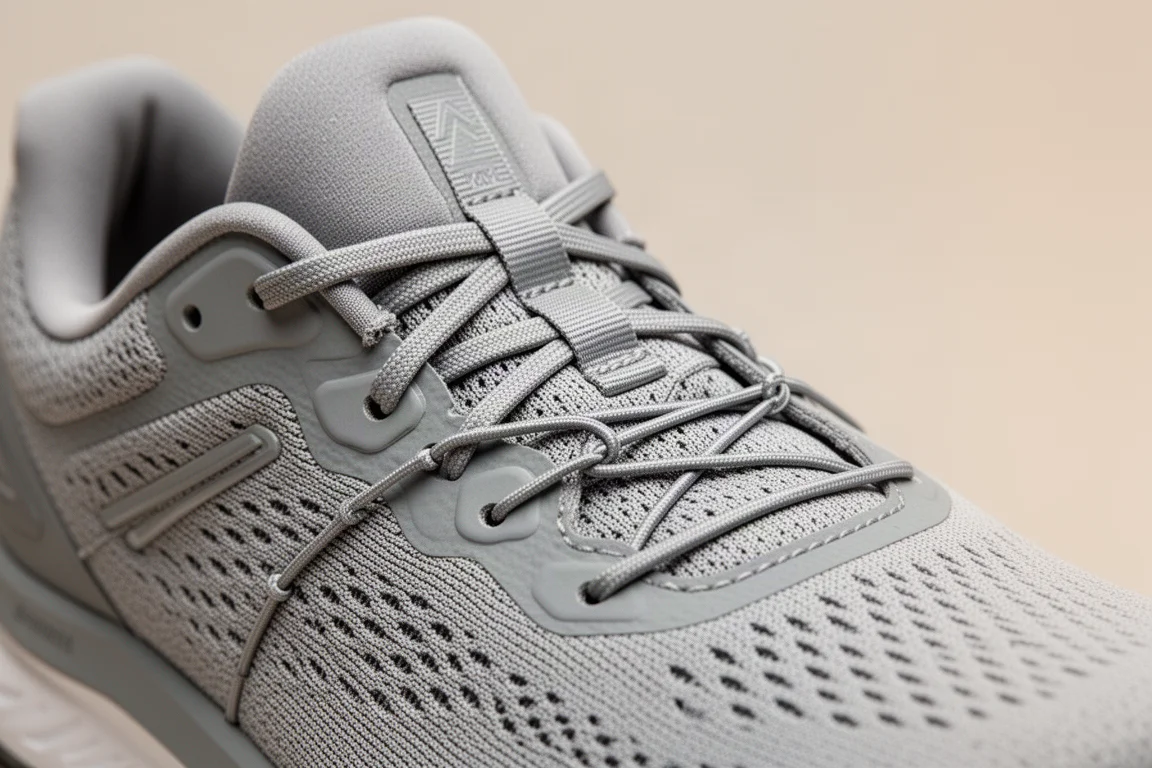
The dual lacing system does not take anything away from the fit while adding flexibility for runners who need it. It is not something most people will reach for on an hour-long run, but over very long distances, being able to open up the forefoot as feet swell could genuinely matter.
First Run Impressions
The first run was an hour of easy to steady running, from around 4:30 per kilometre down to about 3:45, done as a commute with a fairly heavy backpack on mostly flat terrain. That is not exactly an ideal test bed, but the shoe handled it comfortably and, notably, felt softer than expected. Nitrogen-infused PEBA foams often read as firmer underfoot, but the R1 is not harsh at all. It offers a nice level of softness and cushioning that avoids harshness, with just enough bounce back to help the run tick along.

The ride was smoother than expected given the lack of a pronounced rocker, and the shoe rolled nicely through a range of paces. It is not as light as something like the New Balance ReV4, but it feels very light on the foot and never seems to stand in the way of running quickly. Crucially, the feel stayed consistent moving through the gears: the shoe felt much the same at an easy pace as it did when the tempo rose, with enough forefoot cushioning to avoid any harshness even in a shoe that is not maxed out.
For the easy to steady range where you would expect to spend most of your time on very long events, it worked really well. It is probably not built for very fast paces, but as a lightweight daily trainer it comfortably earns its place.
Things to Consider Before Buying
This is an early first-run impression of a shoe from a brand-new company, and it is a genuinely accomplished debut. New brands often need time to tweak materials and geometry before things click, but the R1 feels good on the foot straight out of the gate: comfortable, lightweight, and natural, with a profile that recalls some of the best lightweight daily trainers around right now, such as the HOKA Mach 6, which offers a similar blend of firm-but-comfortable cushioning and a platform to push against.
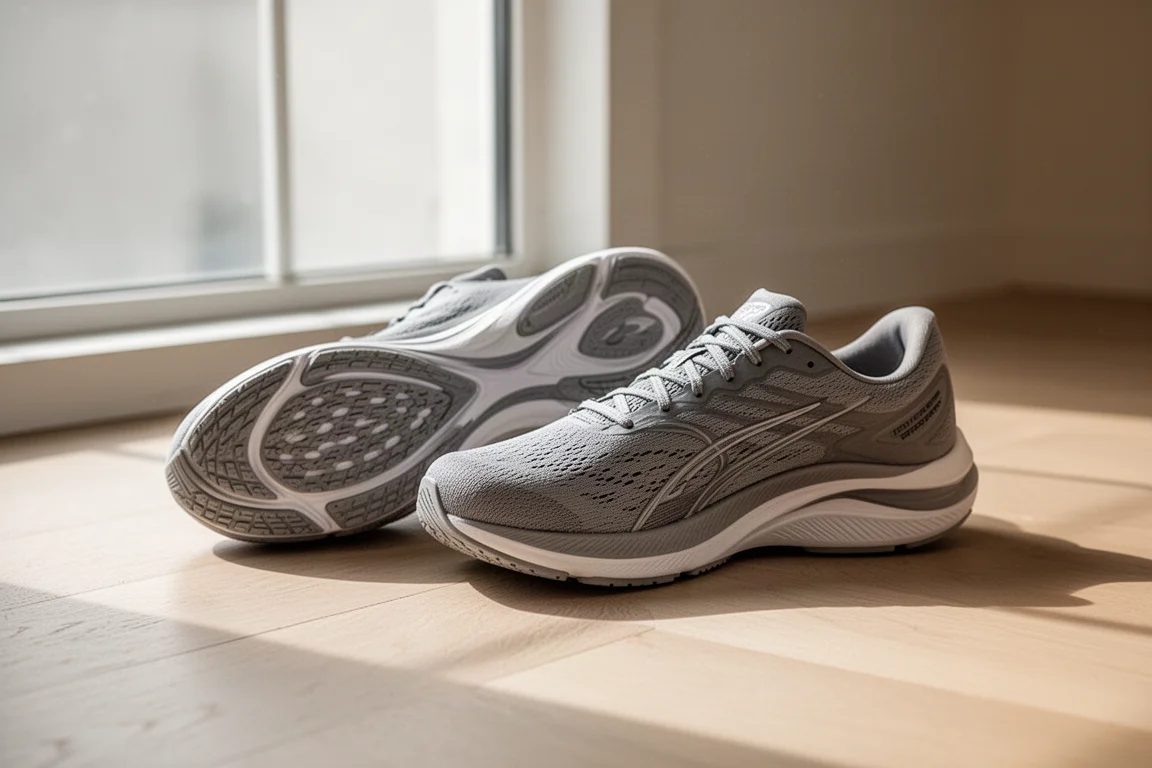
The price is the sticking point. At $160, with unknown UK conversion, the R1 costs more than established alternatives like the HOKA Mach 6 or the New Balance Rebel, both of which are excellent and popular for good reason. If you can put price aside and the R1 competes with them on performance, it is a very encouraging sign for a new brand. It is also worth noting the outsole squeak on wet or smooth indoor surfaces, and the rubber-outsoled version arriving later this year may be worth waiting for if that bothers you.
Conclusion
The Mount to Coast R1 makes a strong first impression. Its ultra-focused features, a consistent long-distance midsole and a swelling-friendly dual lacing system, translate into a lightweight daily trainer that is soft, smooth and naturally quick across easy to steady paces. The $160 price tag and the squeaky lightweight outsole are the main caveats, but as a debut from a new brand, it is a remarkably confident start. If it holds up over more testing, it could carve out a real niche for road ultra runners and everyday trainers alike.
Product link
View more details for Mount to Coast R1
This product is mentioned in the review. Check the specifications, options, and compatibility before buying.
View more details for Mount to Coast R1Further reading
Related Reviews

Running Shoes
Best Road-to-Trail Running Shoes: Three Versatile Options for Mixed Terrain
A practical guide to three road-to-trail running shoes that handle both pavement and mild trails, with clear strengths and trade-offs for different runner types.

Running Shoes
Best Running Shoes for Achilles Tendonitis: Three Options Explained
Three running shoes with different heel drops and support features designed to help reduce Achilles tendon pain during walking and running.

Running Shoes
Best Running Shoes for Women: Five Top Choices Ranked
A ranked guide to five women's running shoes, from versatile daily trainers to high-performance racing options, with real strengths and trade-offs for each.