Trail Running Shoes
Mount to Coast M1 Review: A Durable Long-Distance Trail Shoe Done Right
The Mount to Coast M1 pairs a tough ETPU super foam midsole with Vibram Megagrip for rugged, technical terrain and ultra distances. Here is how it performs after six testers and 50-plus rugged miles.
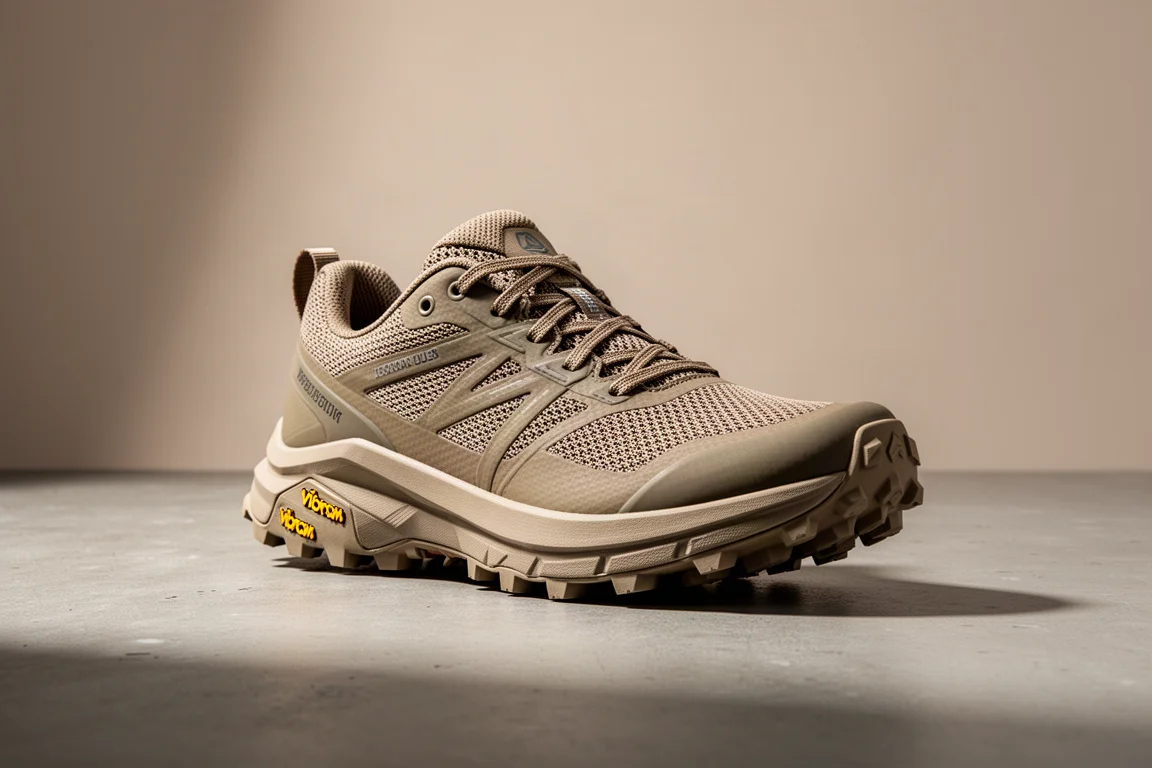
Introduction
Mount to Coast has built real momentum in the trail running space. After the T1 trail generalist and the more versatile H1, the brand now steps into rugged, technical, long-distance territory with the M1, short for Mountain One. It lands in a hot category filled with increasingly capable and performance-oriented shoes, and if it nails the brief, it cements Mount to Coast as one of the biggest players on the trail scene. Spoiler: it largely does.
This review draws on six testers who took the shoe everywhere from the White Mountains to the Rockies, the Great Plains, and even the UK Lake District, covering smooth paths and genuinely unforgiving terrain. Everyone came away impressed, and nearly all of them started with the same talking point: the midsole.
Who the Mount to Coast M1 Is For
The M1 is built for runners who cover long distances on rugged and technical terrain. Think ultra training, big mountain days, and long, slow miles where protection, cushioning, and durability matter more than race-day snap. If your weekly routine is daily miles and steady climbs rather than fast, aggressive descents, this shoe is designed with you in mind.

Main Strengths
The headline feature is the Jetsons midsole, a supercritical ETPU foam that shares many properties with the PEBA super foams seen across road and trail: energetic, soft, and protective. ETPU adds durability and conformability without losing structure. Uniquely, the foam also includes the same anti-scratch chemicals used in car paint finishes, which shows up in real-world resilience. After 50-plus rugged miles in the Whites and the Rockies, testers reported no visible wear. Washed off, one pair could pass as brand new. That durability alone separates it from much of the field.
The stack is a generous 38 mm in the heel and 34 mm in the forefoot, yet the broad platform keeps the ride stable even with softer foam underfoot. A mild rocker keeps transitions reasonably smooth off the toe, and the wide Vibram Megagrip outsole with full rubber coverage adds confident footing on most surfaces.
Up top, a fine-tuned engineered mesh is softer to the touch than the Kevlar-infused upper on the T1, yet showed no durability penalty across rugged miles. It is breathable, well mapped for the foot, and paired with a Tuned Fit system that lets you lace the top and bottom independently for a precise fit. The midfoot is reinforced inside with internal lacing for structure, the semi-gusseted tongue carries breathable padding, and a more structured, padded heel collar rounds out a fit that accommodates a wide range of foot shapes and distances.
Weight is a genuine strength: around 10.2 oz (289 g) for a men’s US 10.5, and 9.7 oz (275 g) for a men’s US 9. That is close to the Salomon S-Lab Ultra Glide and roughly an ounce to an ounce and a half lighter than the Norda 005 and the Nike ACG Zegama, while still packing a protective package.
Things to Consider Before Buying
The most noticeable limitation is a lack of directionality. Without the aggressive rocker used by competitors like the Norda 005 and ACG Zegama, the M1 does not guide you through transitions the way some shoes do. Testers mostly felt this when picking up the pace, descending hills, or hopping around obstacles. It is not a dealbreaker for daily and long, slow miles, but it is noticeable if you want a shoe that drives you forward.
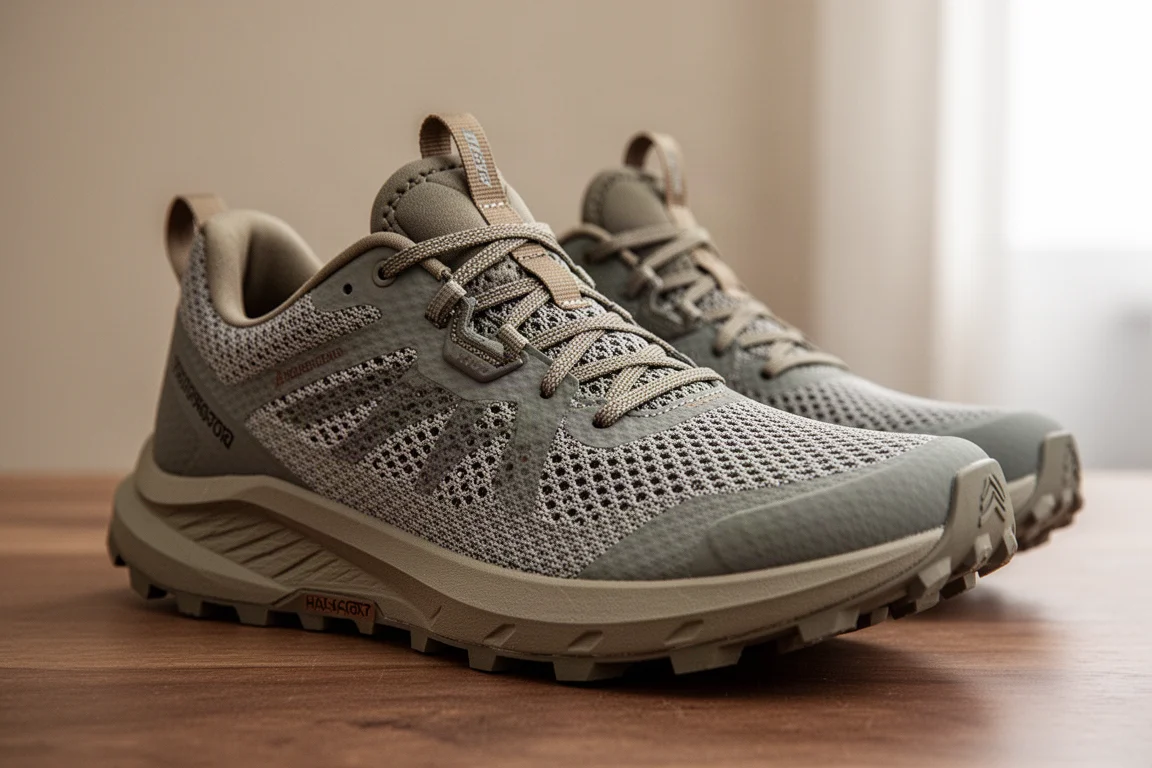
Sizing runs snug in the forefoot and slightly short. The general consensus among testers was to go up a half size, which also helps with width. The lower lacing zone can be left loose for average or wider forefoots, then cinched down for technical terrain and tucked under the lace garage.
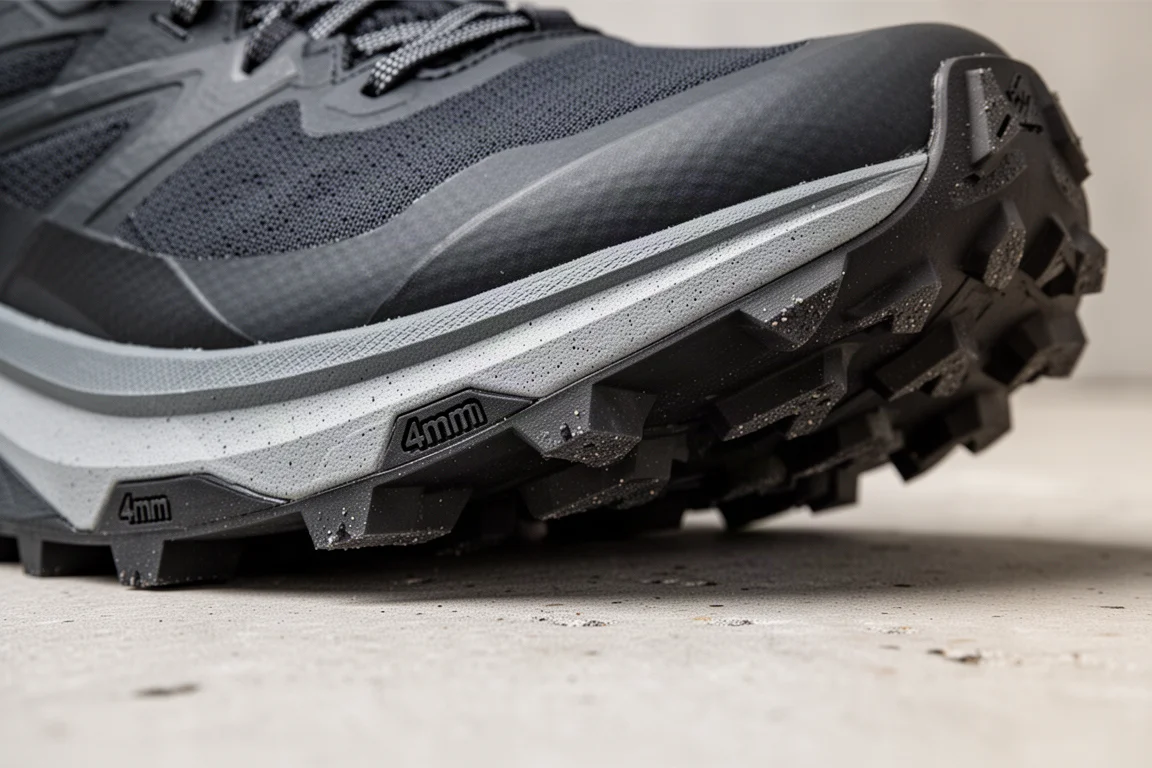
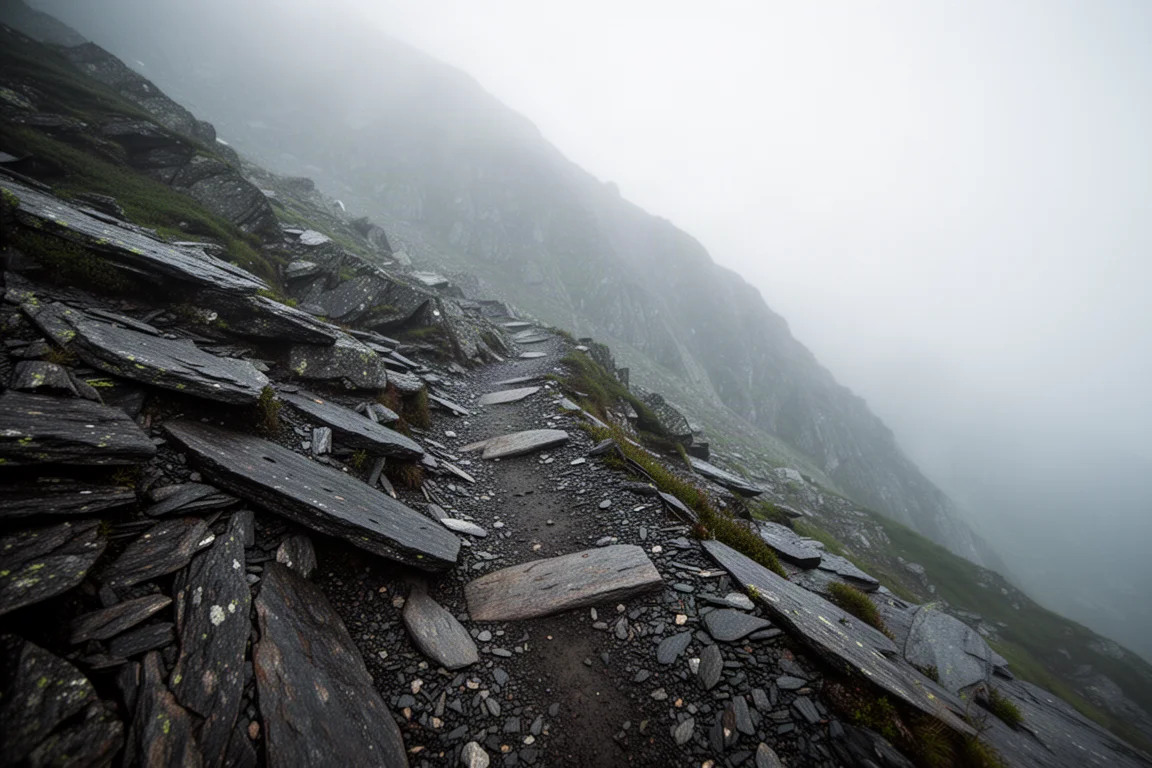
On very wet rock, especially in the White Mountains, the Megagrip did not bite as well as it does elsewhere, though that is terrain where very few shoes excel. Some testers also wanted larger lugs than the 4 mm spec, feeling that a 5 mm design or a revised lug pattern would add purchase on technical ground. Finally, the softer foam can occasionally feel slightly unstable, though the broad outsole mostly counteracts that.
Buying Advice
The closest competitor here is the Kiprun Kipsummit Max, which shares the ETPU midsole, Megagrip rubber, and a robust built-up upper, with a similar ride. The Scott Kinabalu Ultra is another close match, with a softer energetic foam aimed at long distances and similar weight and foam density. Against the Norda 005 and Nike ACG Zegama, the M1 is notably lighter but less mechanized in its ride.
At $195, the M1 is not cheap, sitting above the typical $160 to $180 range. What balances the price is exceptional durability: quality, tough ingredients that look unmarked after heavy use. If you expect to put serious mileage on a shoe, the cost per mile looks very reasonable.
Conclusion
The Mount to Coast M1 is a case of simplicity done extremely well. It does not reinvent anything, but it takes the core ingredients you want in a long-distance technical trail shoe, a cushioned and energetic midsole, a stable broad platform, reliable Megagrip rubber, and a genuinely well-fitted upper, and elevates all of them. Design earns top marks, performance an A, and value an S thanks to its durability, with the overall score an S as well. For ultra training and long days on rugged terrain, it is a shoe that simply does the job very well.
Product link
View more details for Mount to Coast M1
This product is mentioned in the review. Check the specifications, options, and compatibility before buying.
View more details for Mount to Coast M1Further reading
Related Reviews
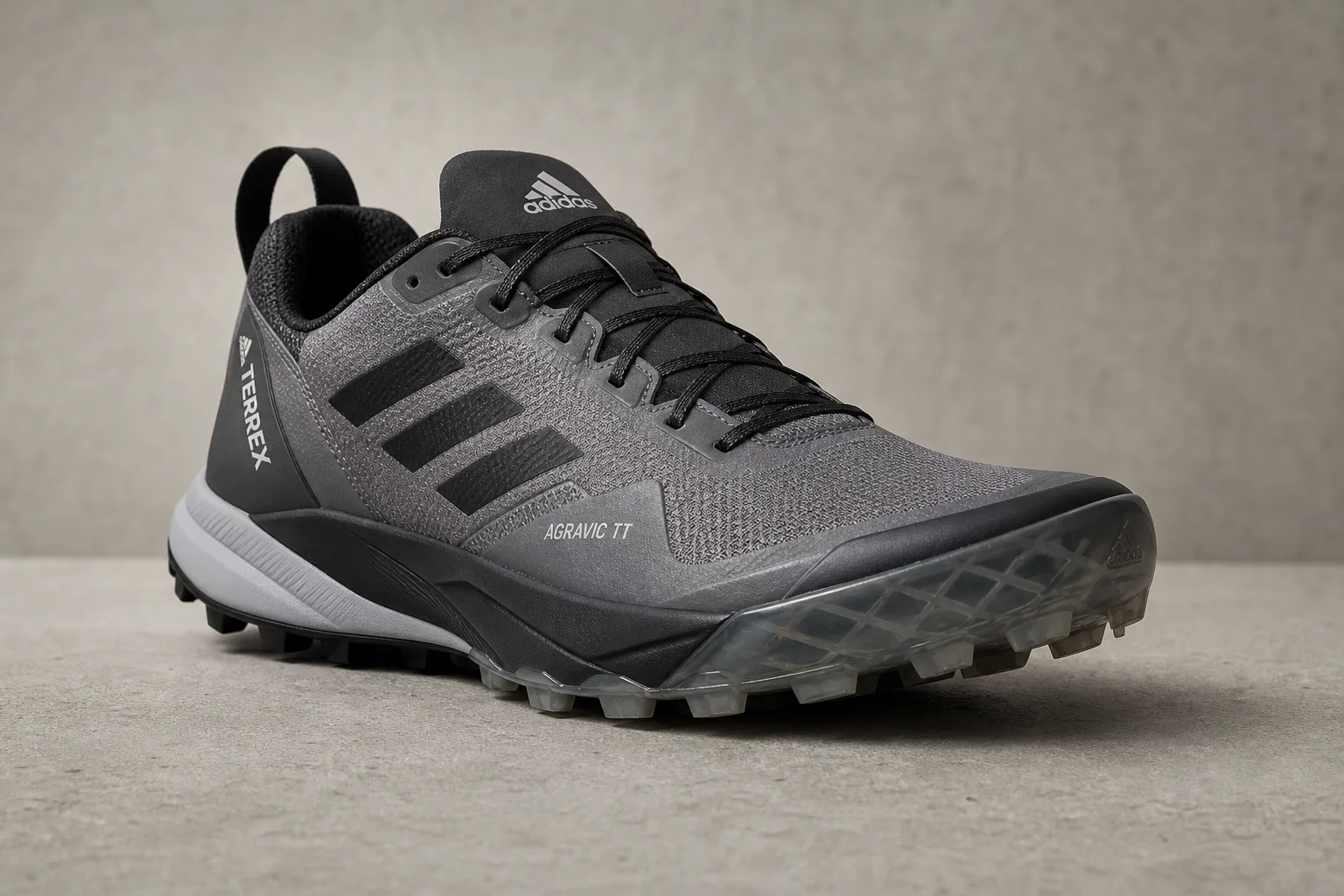
Trail Running Shoes
Adidas Terrex Agravic TT Review: A Technical Trail Shoe Built for Rocky Terrain
The Adidas Terrex Agravic TT combines a full-coverage rock plate with a firmer midsole to deliver protection and stability on technical, rocky trails. A capable choice for runners who prioritize underfoot defense over lightweight cushioning.
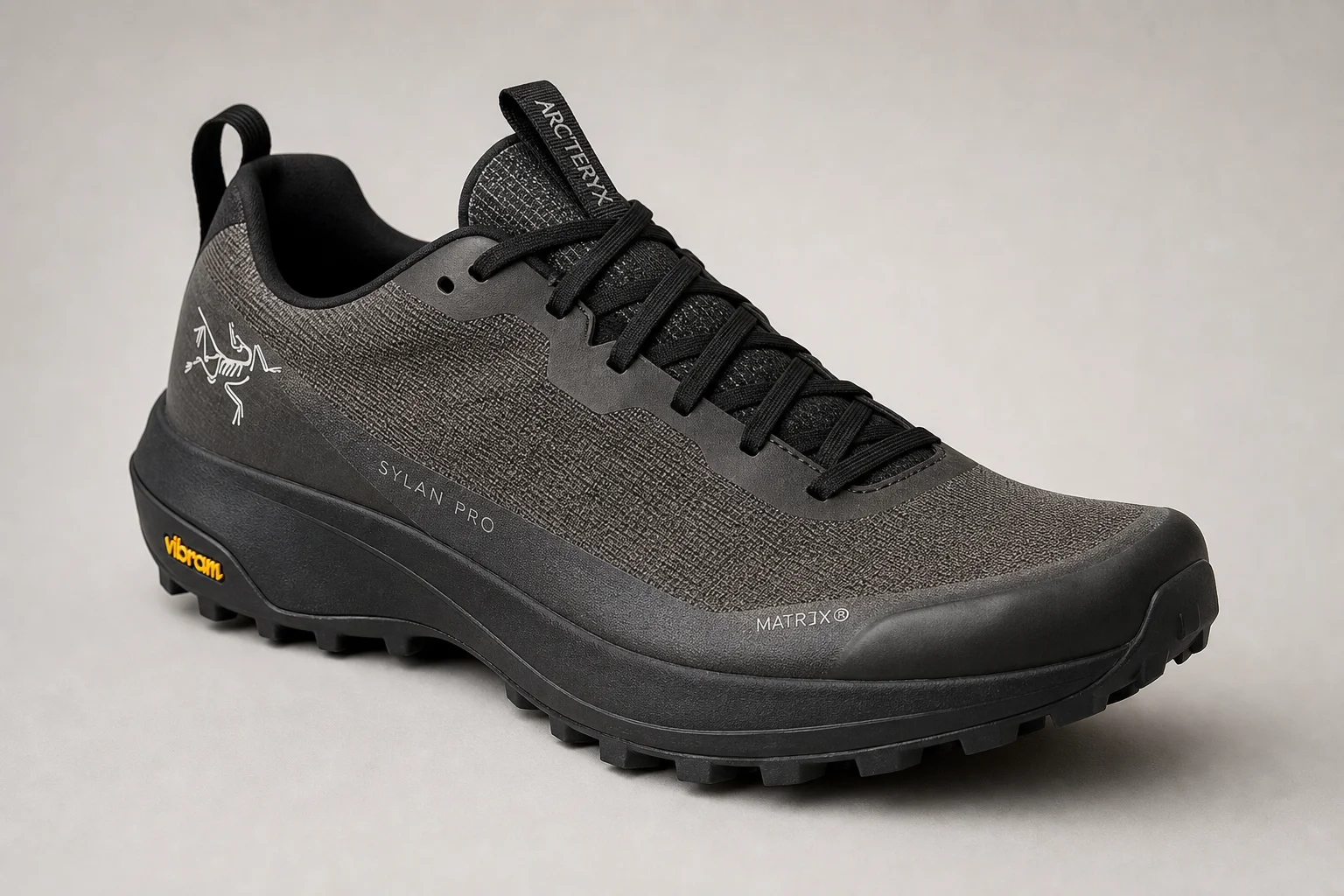
Trail Running Shoes
Arc'teryx Sylan Pro Review: A Rocker-Focused Mountain Running Shoe Tested on 20 Miles
The Arc'teryx Sylan Pro brings a pronounced rocker geometry and secure fit to mountain terrain. We tested it on a 20-mile Sawtooth loop to evaluate its climbing efficiency, protection, and handling of technical descents.
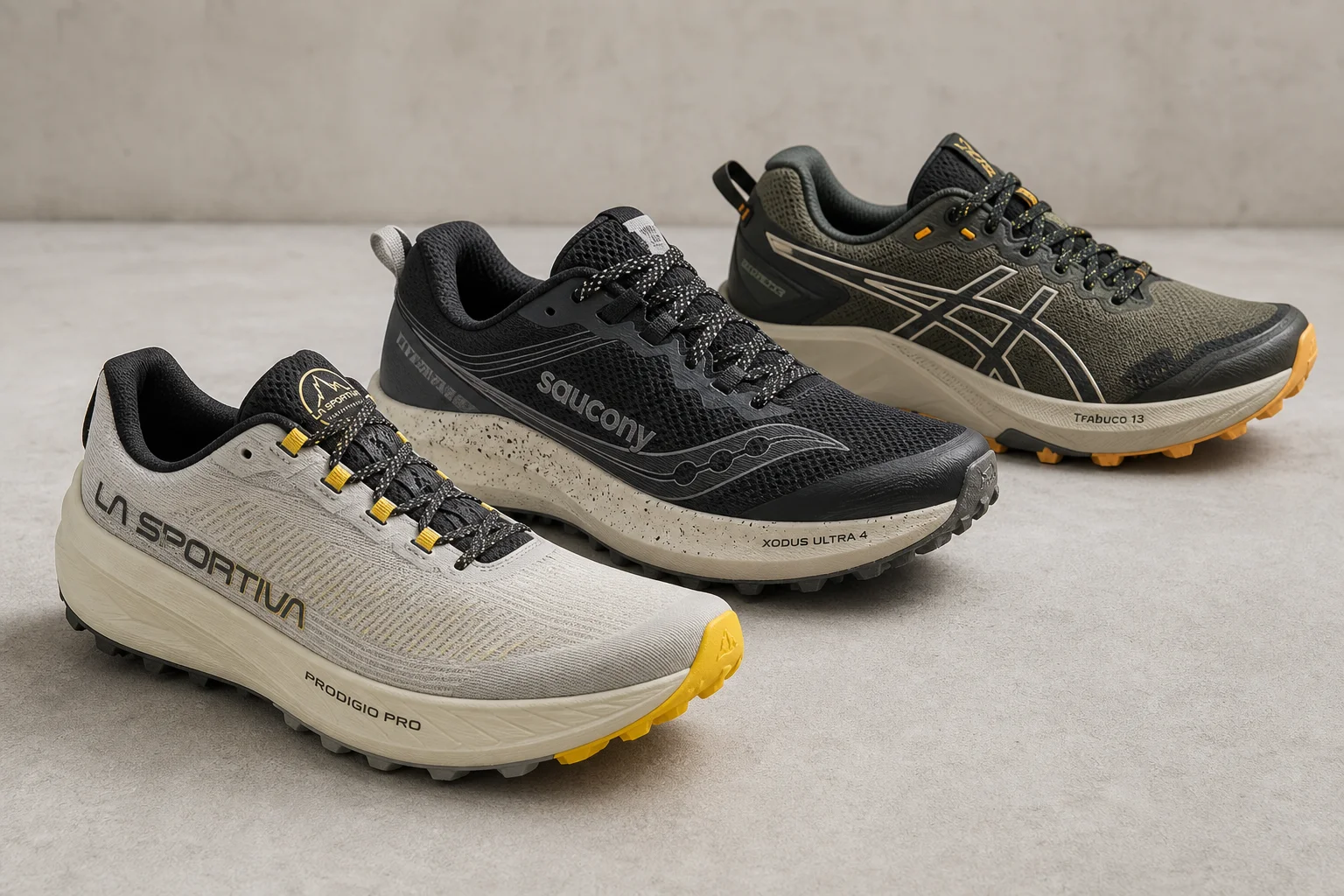
Trail Running Shoes
Best All-Mountain Trail Running Shoes: Three Versatile Options for Any Trail
A focused roundup of three all-mountain trail running shoes that handle technical terrain, long distances, and variable conditions with real strengths and practical trade-offs.