Trail Running Shoes
Mount to Coast M1 First Thoughts: A Trail Shoe Put Through the White Mountains
First impressions of the Mount to Coast M1 after a demanding day on technical New England mountain terrain, including a look at its Jet Cell foam and Vibram outsole.
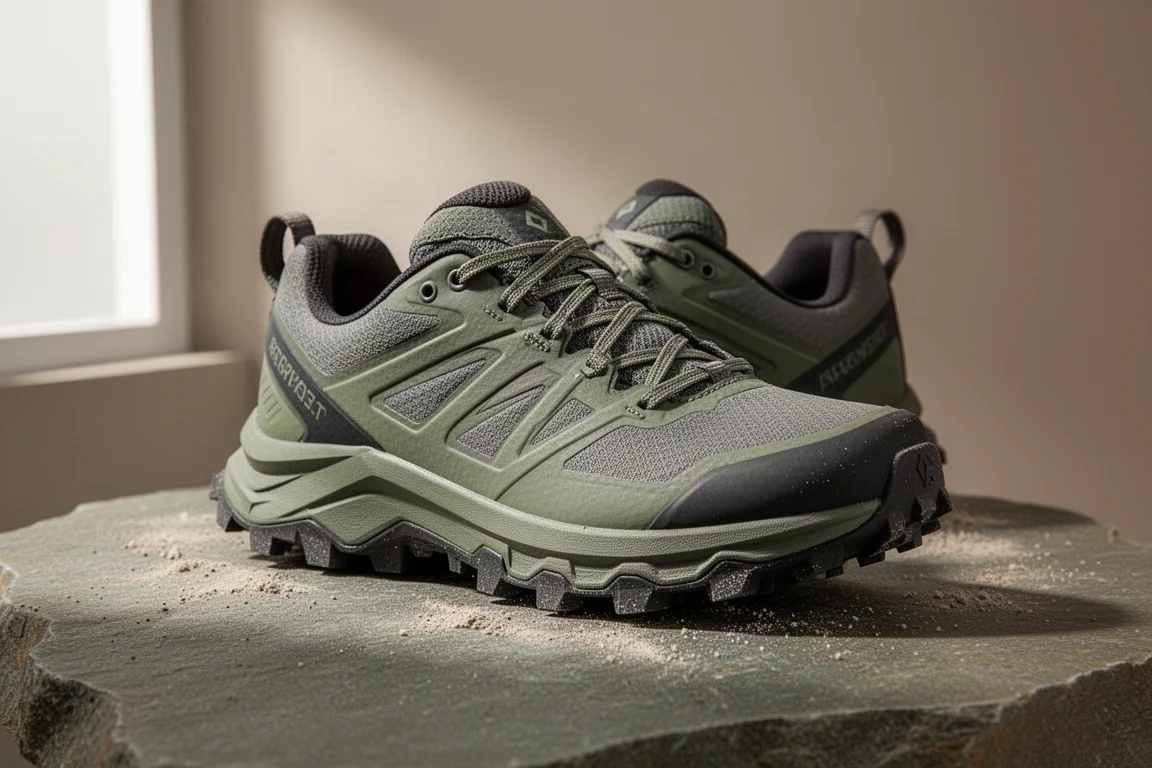
Introduction
Some shoes get tested on smooth groomed paths. The Mount to Coast M1 got its first big outing somewhere considerably less forgiving: a day in the White Mountains of New Hampshire, on terrain that turned out to be far more demanding than anyone in the group expected. This is not the full review yet, but the early signs are worth talking about, especially for runners and hikers who regularly take on rocky, wet, technical ground.
The plan was ambitious. Mount to Coast is releasing the M1, and the idea was to take it on a big, infamous route covering some of the tallest peaks in the range, all in one go. Reality had other ideas about pacing, but the shoe still got a serious workout on exactly the kind of ground it was built for.
A Trial by Terrain: The Presidential Traverse Test
The route in question was the Presidential Traverse, an 18-mile push across peaks named after US presidents, all in a single day. The crew set alarms for the middle of the night, planned a pre-dawn start, and set off with a guide on the Valley Way approach. From the very first miles, it was clear this would not be a normal test run.

Progress was slow in the best sense of the word. Roughly four miles took about two hours, with around 3,500 feet of climbing packed into that stretch. The group described the route bluntly: steep, rocky, wet and slippery, with the terrain only getting more serious above tree line, where high winds rolled in and rain followed. There was very little actual running happening, and everyone knew it. As one of the group put it, this was a meat grinder, and the White Mountains earned their reputation.
By the time the group wrapped up the day well short of the full 18 miles, legs were shot and the takeaway was clear: this terrain humbles everyone. That matters for a shoe review, because it means the M1 was never given an easy morning. It was dragged over wet slab, jagged rock and loose ground in genuinely poor weather.
Under the Hood: Jet Cell Foam and a Vibram Outsole
The two headline technologies in the M1 are its midsole and outsole. The shoe uses Jet Cell foam, which is based on ATPU with a special film worked into the material. The stated purpose of that film is durability: the foam is designed to hold up over time and won’t chunk out when the going gets rough.
Beneath that sits a full body of Vibram outsole, the kind of rubber compound long trusted for grip on demanding ground. On paper, that combination points squarely at trail users who want a shoe that survives rocky, abrasive terrain without the midsole compressing prematurely or the outsole wearing down fast.
Durability After a Day on the Rocks
The most telling moment of the trip came at the end, when the group examined the shoes after a full day of hard scraping against rock. On the upper, there was dirt everywhere, which is exactly what you would expect. The surprising part was what was missing: abrasion. The person wearing them had been scraping the shoe hard against rocks all day, and the material showed essentially no visible damage.
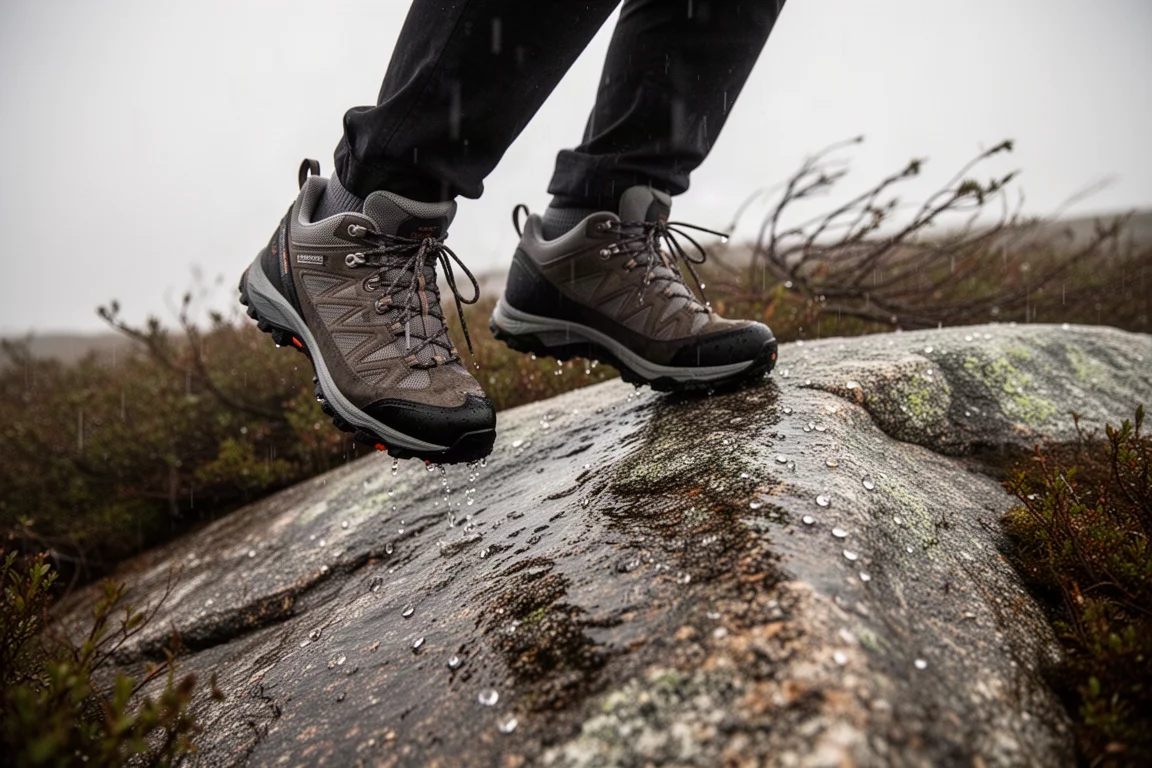
That kind of result lines up with the durability story Mount to Coast tells about the Jet Cell foam and its reinforcing film. On terrain that had battered the people wearing the shoes, the shoes themselves came out looking composed. For a first outing, that is about as encouraging as a durability signal gets.
Early Verdict: Promising First Thoughts
Overall, these first impressions are hopeful. The shoe held up on some genuinely technical trails, in wet weather and wind, over a day that included more than 3,500 feet of climbing. Nobody in the group was running much of it, which says more about the White Mountains than the shoe, but the M1 did its job without complaint.
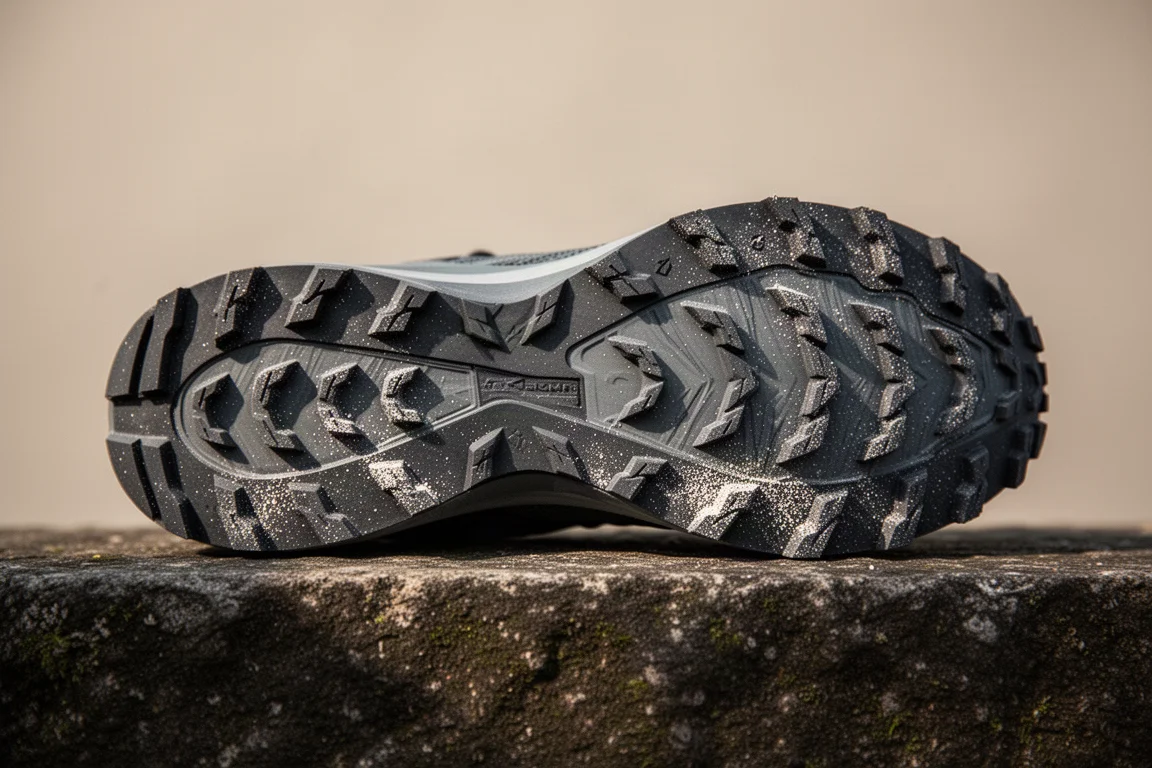
The outsole inspection was the standout detail: an impressive lack of abrasion despite hard contact with rock throughout the day. A fuller review will follow once the shoe has been put through its paces more thoroughly, including testing planned in the Colorado mountains, with additional wear testing happening across the country. For now, though, the early picture is positive.
Who Should Be Watching This Shoe
If your riding, running or hiking life involves rocky, wet and steep mountain trails, the M1 deserves a spot on your shortlist when it launches. The durability-first design, pairing Jet Cell foam with a full Vibram outsole, is aimed at people who wear through shoes quickly or take them into terrain that punishes fragile builds.
It also suits the growing number of runners who blur the line between trail running and mountain hiking. This trip was, by the group’s own admission, far more hiking than running, and that is a realistic use case for a lot of people who buy trail shoes. The M1 appears built for exactly that mixed, unforgiving reality.

Conclusion
The Mount to Coast M1 is off to a strong start. Its debut outing involved brutal terrain, poor weather and plenty of hard rock contact, and the shoe emerged with its upper undamaged and its reputation enhanced. The Jet Cell foam and full Vibram outsole combination looks like a genuine selling point for durability-minded trail users.
This is not the final word. A full review will come once the shoe has been tested more extensively, including in the mountains of Colorado. But as first thoughts go, these are very promising: so many thumbs up for the M1 after a big day in the Whites.
Product link
View more details for Mount to Coast M1
This product is mentioned in the review. Check the specifications, options, and compatibility before buying.
View more details for Mount to Coast M1Further reading
Related Reviews
Trail Running Shoes
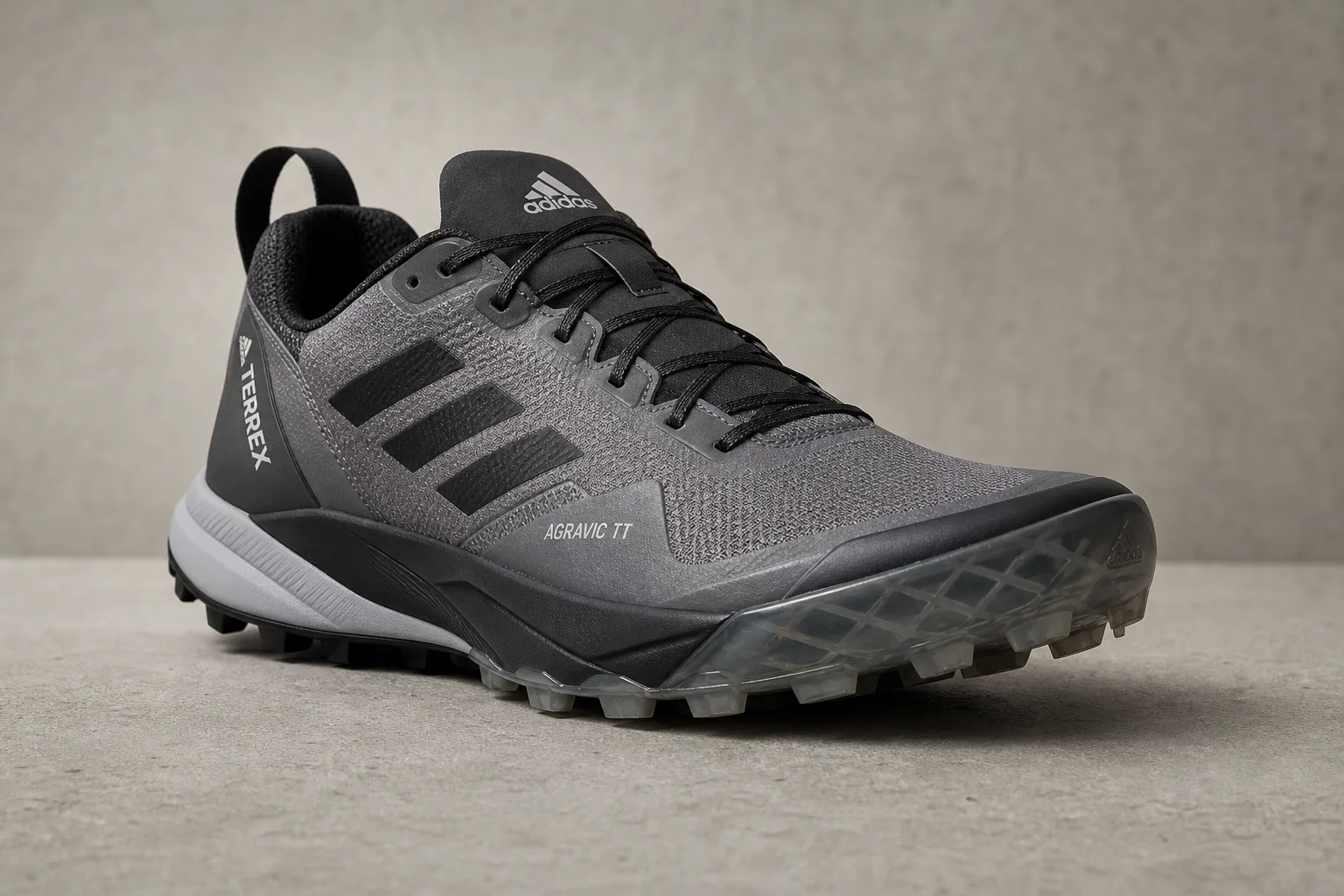
Adidas Terrex Agravic TT Review: A Technical Trail Shoe Built for Rocky Terrain
The Adidas Terrex Agravic TT combines a full-coverage rock plate with a firmer midsole to deliver protection and stability on technical, rocky trails. A capable choice for runners who prioritize underfoot defense over lightweight cushioning.
Trail Running Shoes
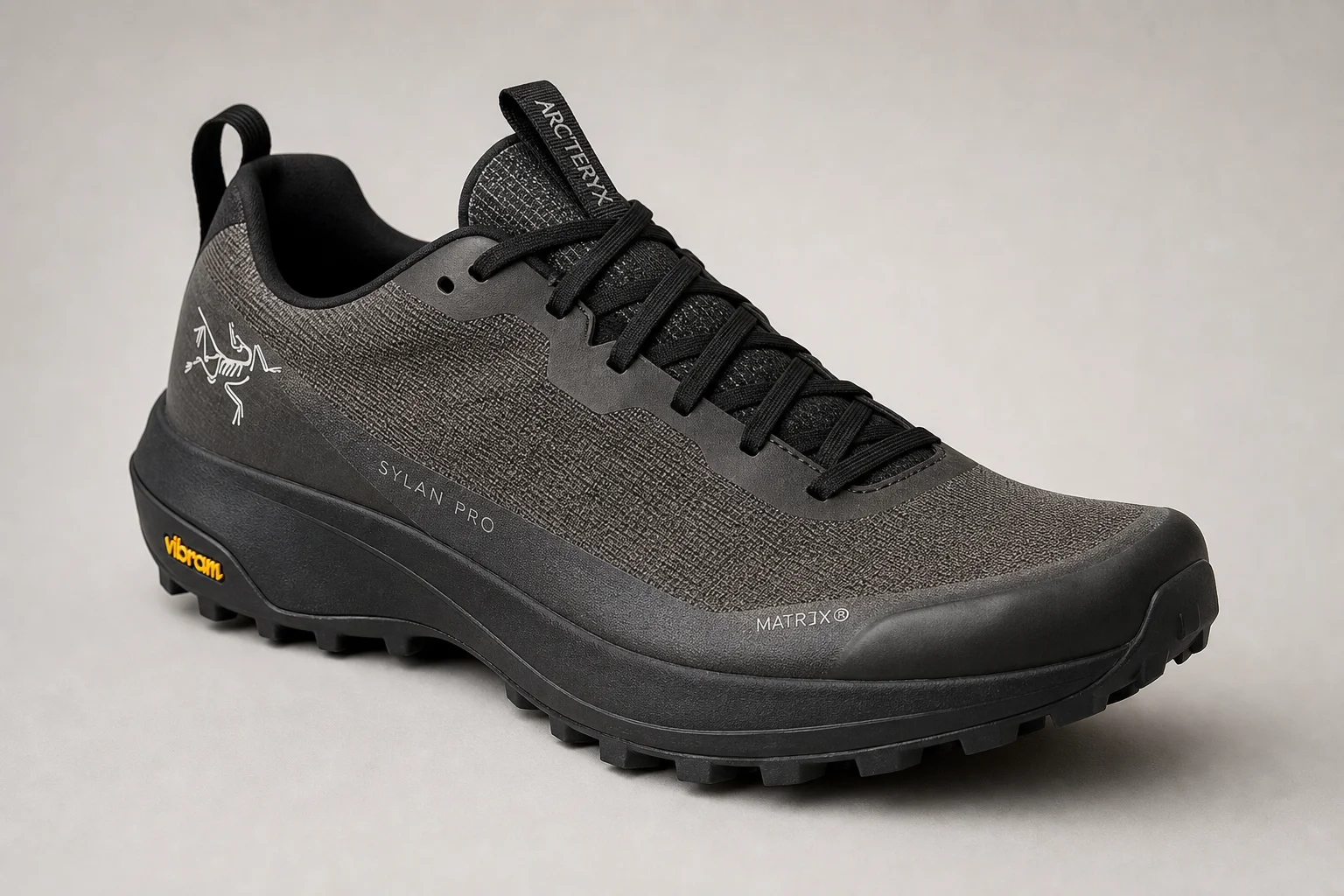
Arc'teryx Sylan Pro Review: A Rocker-Focused Mountain Running Shoe Tested on 20 Miles
The Arc'teryx Sylan Pro brings a pronounced rocker geometry and secure fit to mountain terrain. We tested it on a 20-mile Sawtooth loop to evaluate its climbing efficiency, protection, and handling of technical descents.
Trail Running Shoes
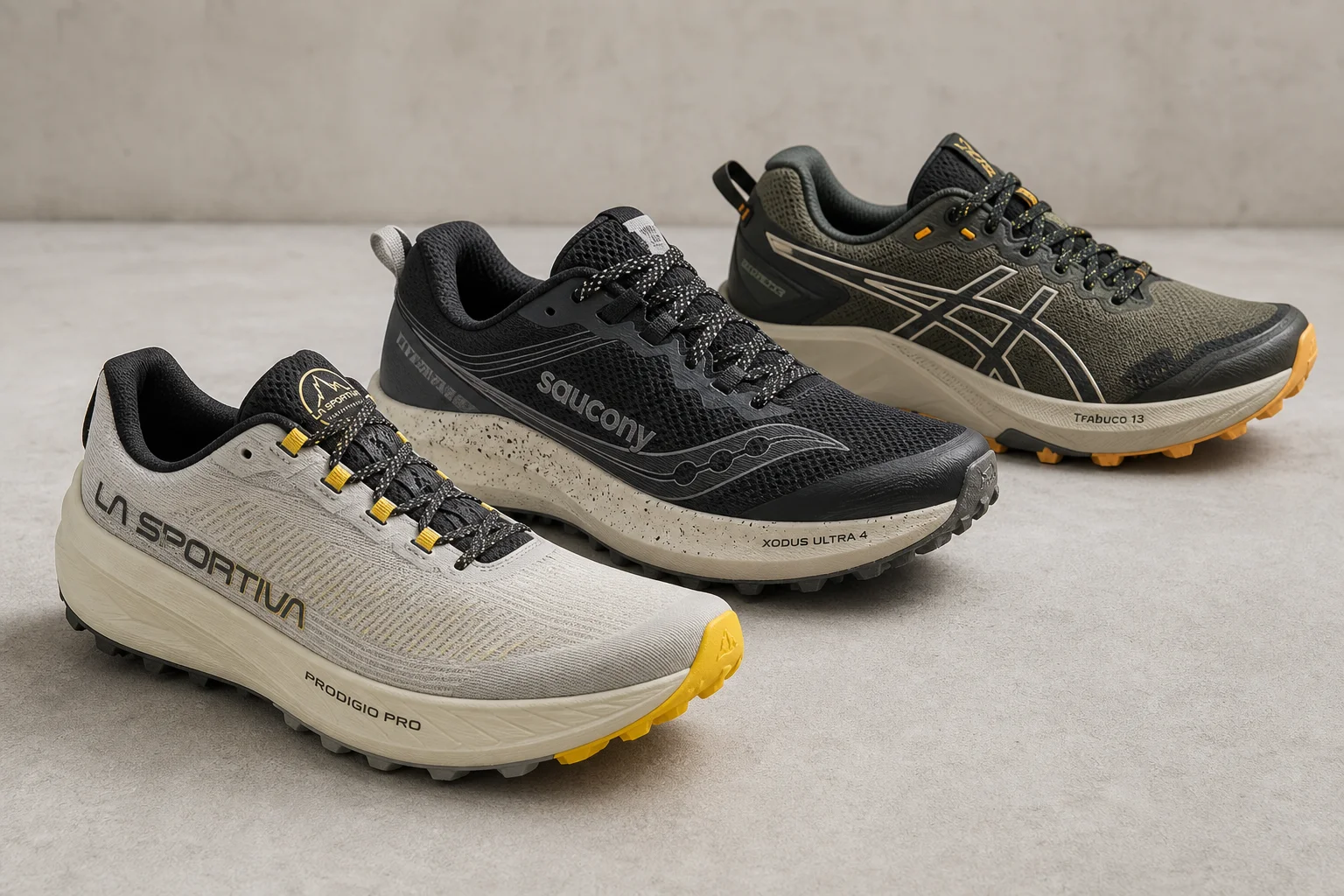
Best All-Mountain Trail Running Shoes: Three Versatile Options for Any Trail
A focused roundup of three all-mountain trail running shoes that handle technical terrain, long distances, and variable conditions with real strengths and practical trade-offs.