Running Shoes
Mount to Coast H1 Review: A Road-to-Trail Hybrid That Gets the Balance Right
Mount to Coast's first hybrid running shoe blends plush cushioning, clever dual-zone lacing, and surprisingly capable grip for road, gravel, and dry trail running.
Introduction
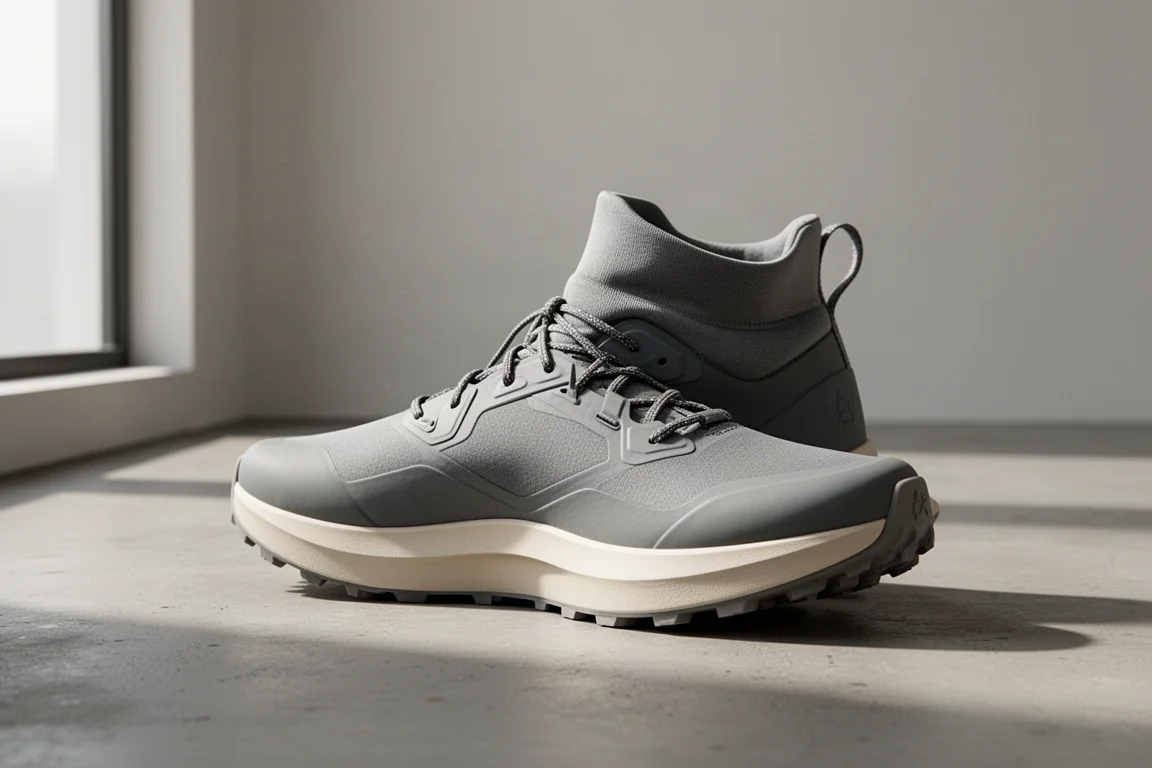
Mount to Coast made a strong impression as a new running brand, first with the R1 road ultra racing shoe and then with the T1 trail shoe. The H1 is their next step: a road-to-trail hybrid built for runners who want one shoe to cover mixed surfaces. It launched alongside the brand’s growing lineup and sits at a similar price point to the R1 at £150, a little below the T1 at £170.
This review covers the key specs, first-run impressions, and who the H1 actually makes sense for.
Key Specs and Design Details
The H1 weighs in at 261g in a UK 9.5, which is genuinely light for a shoe with a deeply cushioned midsole. Plenty of recent trail shoes in the same size land at 330g or more, so this shows a well-cushioned crossover shoe does not have to feel heavy. The midsole uses a 35mm stack at the heel and 29mm at the forefoot, giving a 6mm heel offset, a sensible geometry for this kind of shoe.
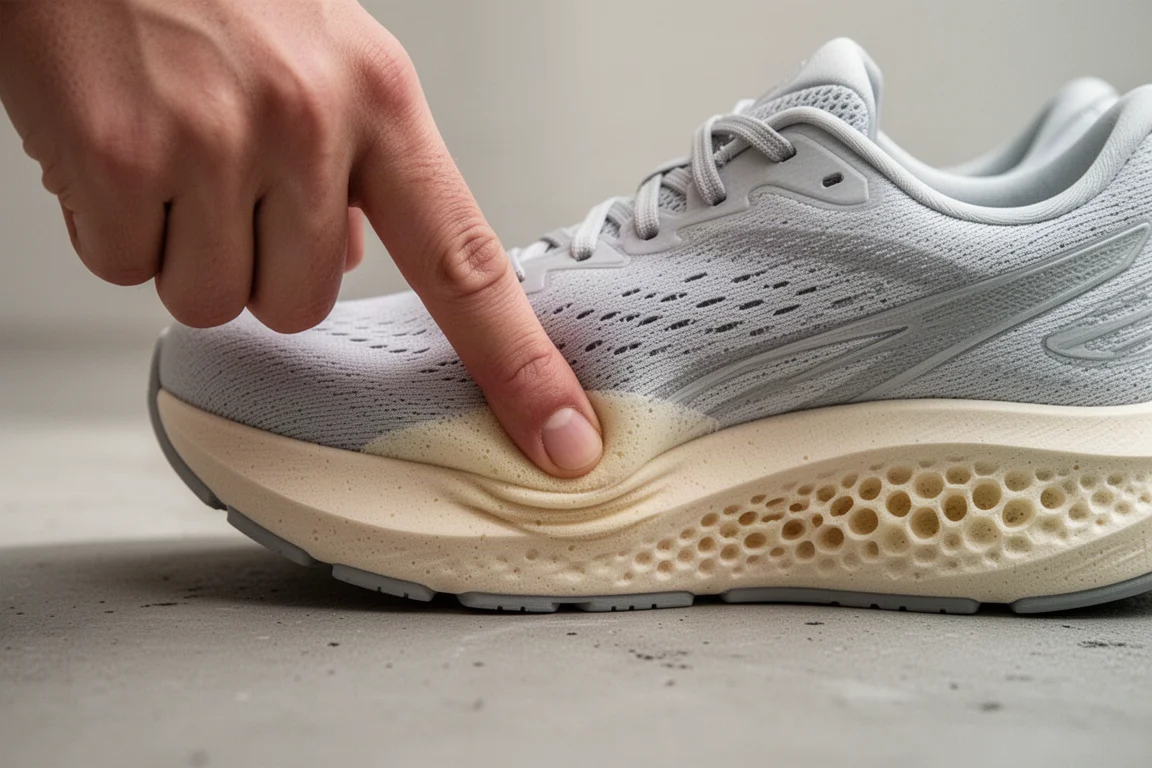
Underfoot sits the Versa Grip outsole, developed for a good mix of grip, traction, and durability across varied terrain. Inside, the midsole is built with Circlesol technology, constructed using 9kg of organic waste and residual biomass, making it a notably sustainable component. The brand claims it delivers a feel similar to a PEBA midsole with double the running lifespan. A nicely cushioned insole adds another layer of plushness close to the foot.
Upper Comfort and Fit
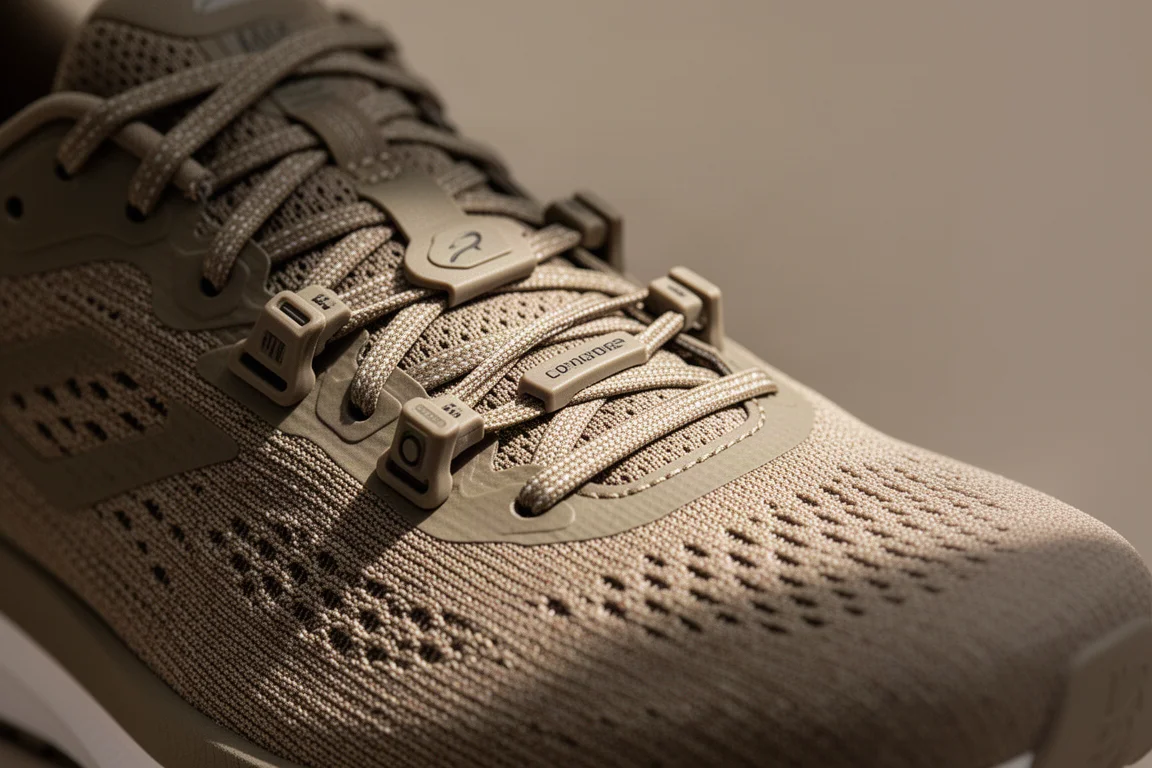
The upper carries plenty of the features the brand is known for. The Tuned Fit dual lacing system combines a traditional lace-up at the top with a cord and toggle system lower down, letting you adjust the midfoot and forefoot independently for a personalized lockdown.
The fabrics are dual-zone too: a jacketed material across the top half for adaptive fit and comfort, and a performance woven fabric on the lower sections reinforced with aramid fibers that are five times stronger than steel. Add a substantial heel cradle, padded ankle collar, high-vis detailing for nighttime visibility, and a decent toe bumper up front, and the upper reads as well thought out.

Out on the Run
Sizing runs true in my experience: a UK 9.5 gave good toe length, with an average-width toe box that feels slightly narrower than the R1 and T1. Runners with wider forefeet may notice the taper toward the toe, though it was not an issue on a narrower foot shape.
Comfort was excellent straight out of the box, with no rubbing, irritation, or hot spots. At 261g with midsole and upper of similar weight, the shoe feels well balanced, nimble, and responsive underfoot. Over roughly eight miles of tarmac, gravel, trail, mud, and wet grass, the Circlesol midsole gave a comfortable ride on hard surfaces and good underfoot protection and stability on the trail. It feels slightly less poppy than the T1’s midsole, but it is nicely cushioned everywhere.
Grip and Outsole Performance
The Versa Grip outsole was the biggest surprise. Despite very shallow lugs, traction held up well on a big mix of trail, light mud, and wet grass. It also felt sticky on slippery algae-covered pavement sections and wet autumn leaves, performing better than expected for a hybrid shoe.
The caveat is clear: shallow lugs are not built for super muddy conditions. If your routes involve technical, muddy, wet winter trails, the T1 with its Vibram Megagrip outsole and deeper lugs is the better tool.
Buying Advice
If you want a one-stop shoe that soaks up road miles before rolling onto dry canal paths or fire roads, the H1 is worth a close look at £150. The plush upper, balanced feel, sustainable Circlesol midsole, and independent fit adjustment all add up to a convincing hybrid.

If muddy or technical winter terrain dominates your week, skip it in favor of a proper trail shoe.
Conclusion
The H1 is another solid performing shoe from Mount to Coast. It is plush, light, and confident on exactly the terrain it was built for, and it only asks that you respect its limits when the trails turn to mud.
Product link
View more details for Mount to Coast H1
This product is mentioned in the review. Check the specifications, options, and compatibility before buying.
View more details for Mount to Coast H1Further reading
Related Reviews

Running Shoes
Best Road-to-Trail Running Shoes: Three Versatile Options for Mixed Terrain
A practical guide to three road-to-trail running shoes that handle both pavement and mild trails, with clear strengths and trade-offs for different runner types.

Running Shoes
Best Running Shoes for Achilles Tendonitis: Three Options Explained
Three running shoes with different heel drops and support features designed to help reduce Achilles tendon pain during walking and running.

Running Shoes
Best Running Shoes for Women: Five Top Choices Ranked
A ranked guide to five women's running shoes, from versatile daily trainers to high-performance racing options, with real strengths and trade-offs for each.