Running Shoes
Mount to Coast C1 Review: A Max-Stack Trainer Built to Go the Distance
A dual-density max-cushion road trainer with bio-engineered foam, a dual lacing system, and durability that makes the $180 price easy to justify.
Introduction
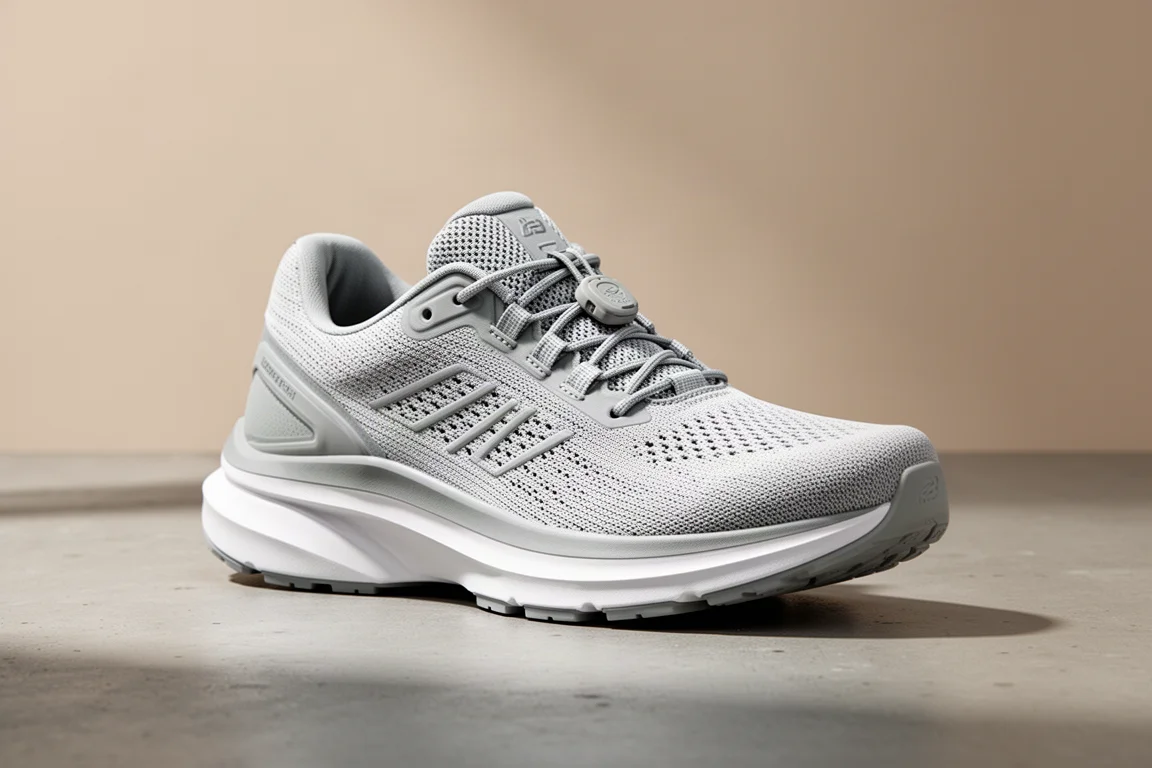
Mount to Coast is still a young brand, but its lineup keeps filling out convincingly: the P1 for stability, the T1 for trails, the H1 hybrid, and now the C1, a max-stack road trainer built for long miles. The C1 pairs a bio-engineered foam top layer with a dense rubberized EVA base, wraps it in a breathable engineered mesh upper, and adds a signature dual lacing system aimed squarely at ultra-distance runners. At $180, it sits in a competitive price bracket, and after a proper break-in it delivers a ride that is smooth, stable, and remarkably durable. Here is how it all comes together.
Who This Shoe Is For
The C1 is aimed at runners who stack up long road miles and want a high-cushion shoe that stays comfortable the whole way. It is particularly interesting for heavier or more powerful runners, who tend to appreciate the firmer, more stable underfoot feel that the dense EVA base provides. It can also pull double duty as a long-distance race shoe for runners who prefer comfort over a traditional lightweight racer, since it is designed to feel good on the foot deep into a race.
Upper and Fit
The engineered mesh upper is simple but well executed: breathable, with quality construction that fits the foot naturally. Padding around the heel collar is decent without being excessive, and the gusseted tongue is stretchy and lightly padded, which helps keep overall weight down on a shoe with a substantial foam stack.
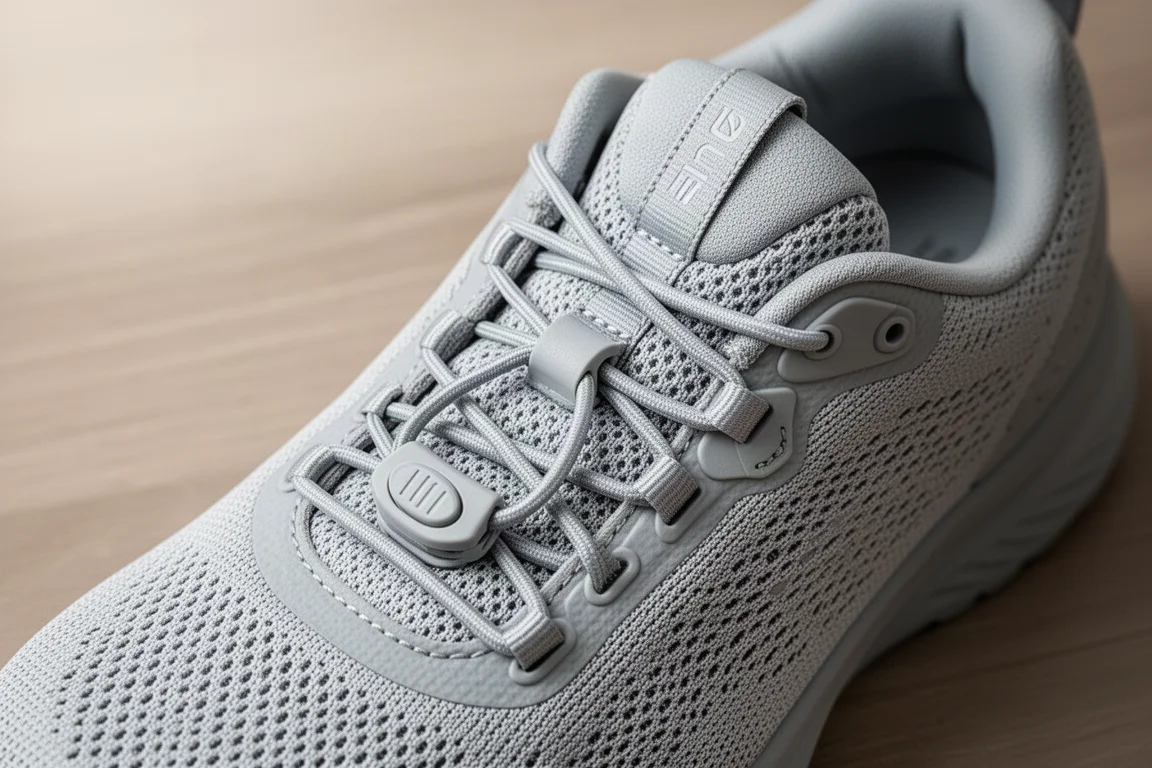
The standout feature is the dual lacing system, which lets you adjust the lower midfoot-to-forefoot zone and the upper part of the foot independently. It is a signature element of Mount to Coast uppers and makes sense for the ultra scene, where fit needs often change as miles accumulate. If you run shorter distances you may set it once and forget it, but it is genuinely useful to have.
Midsole: Dual-Density Cushioning
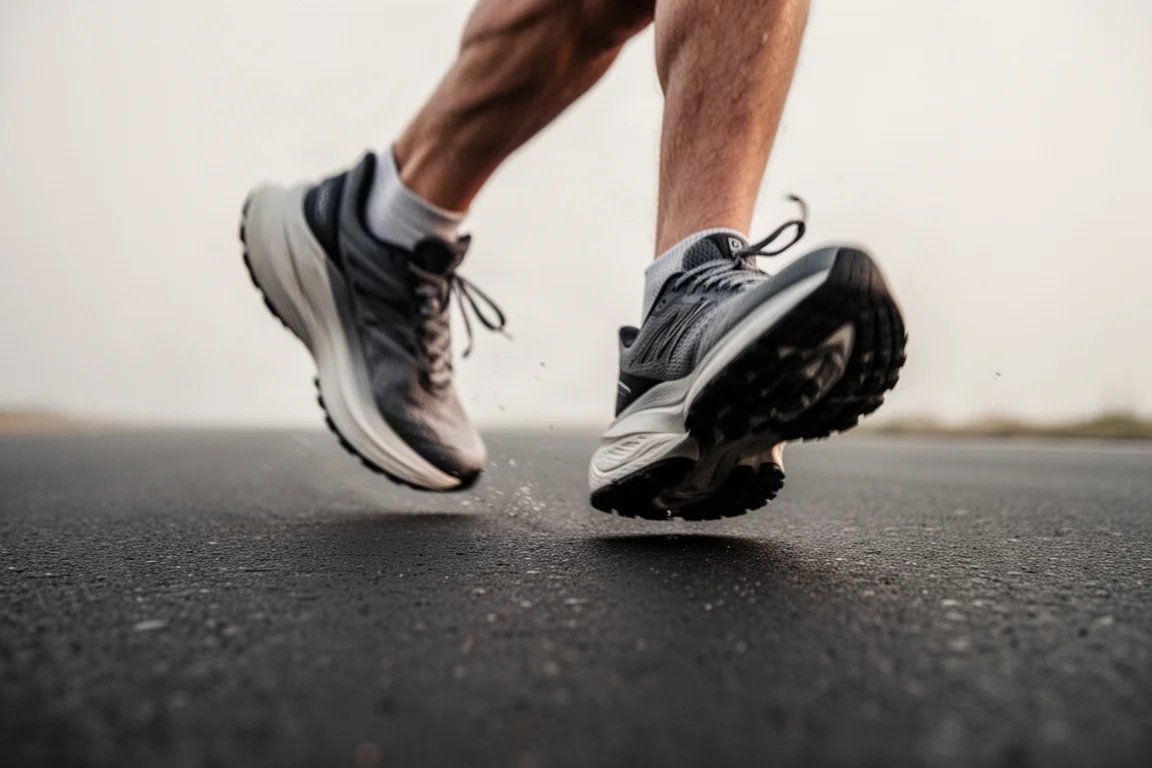
Underfoot, the C1 uses a dual-density setup: CircuCell, the brand’s bio-engineered foam, sits on top, with rubberized EVA underneath. The CircuCell layer provides cushioning, sink-in, and response, while the rubberized EVA adds stability to a foam that can otherwise feel quite soft. The geometry lands at 42 mm in the heel and 36 mm at the forefoot with a 6 mm drop, firmly in max-stack territory.
There is more CircuCell under the forefoot, which gives forefoot strikers a lively toe-off sensation. One caveat: the shoe can feel firmer than expected out of the box, especially in the heel where the EVA slab is thick, so a thumb-squish test can be misleading.
Ride and Performance
Early runs can feel a bit blocky, and there does appear to be a break-in period, likely tied to the bio foam settling in. After that, the ride comes together: the shoe feels lighter on the foot than in hand, more pep, a decent rocker, and an easy rhythm once you lock into your pace. In terms of underfoot character, it is reminiscent of dual-density trainers known for blending stability with long-distance comfort at a high stack.
Weight is reasonable for the category: about 9.9 oz (283 g) in a US men’s 10.5, and roughly 10.5 oz (298 g) in a size 12. The rebound from the CircuCell layer helps the shoe feel lighter than the scale suggests.

It has already proven itself at distance, including being raced to a half marathon personal best with the miles clicking off comfortably from start to finish. As a set-it-and-forget-it long-run and potential race-day shoe, it holds up well, and it leaves your legs feeling fresh enough the next day.
Outsole and Durability
Durability is a clear strength. The rubberized EVA that forms the lower half of the shoe is largely exposed and doubles as the traction surface, with additional pads of a tackier EVA rubber adding extra outsole life. Grip has been solid, including on race day streets littered with water, gels, and spillage, with no traction issues.
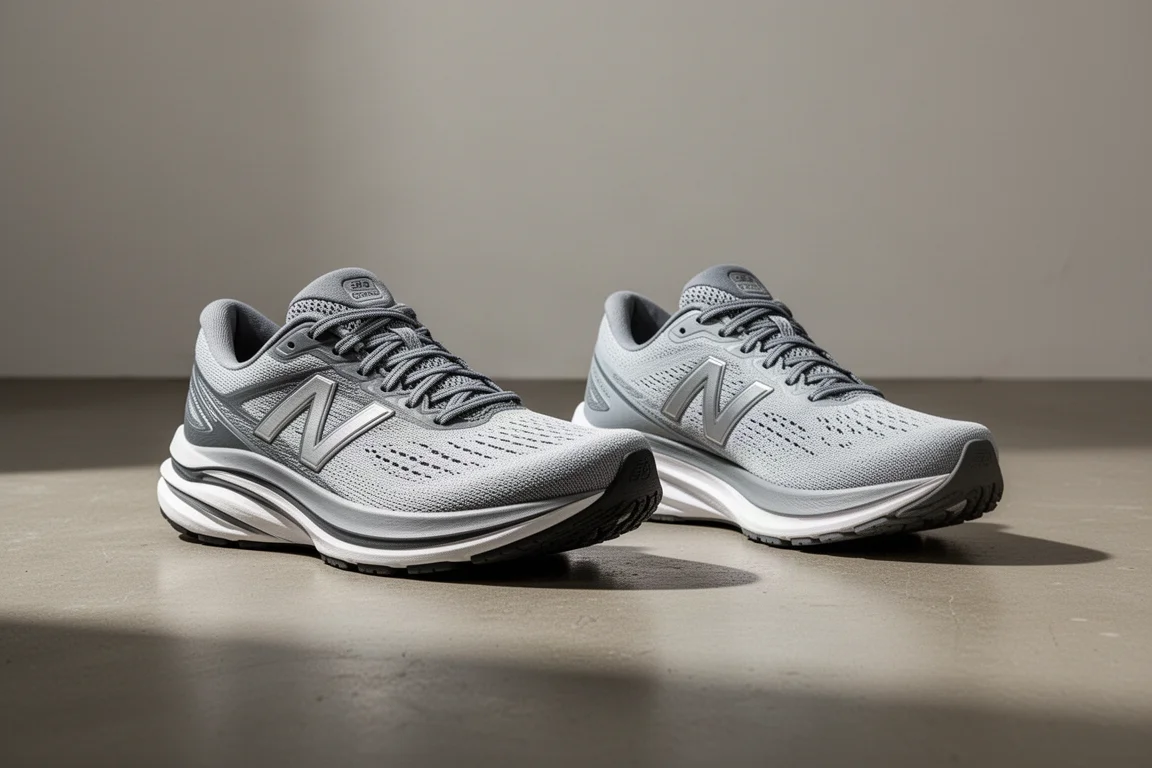
This is a shoe designed to be run into the ground, and 500 to 600 miles out of a pair seems easily achievable, possibly more.
Things to Consider Before Buying
- The ride is firmer than the max-stack label might suggest, particularly in the heel. Runners who prefer a plush, soft feel may want to look elsewhere or allow a longer break-in.
- It is very close to super-trainer territory but stops just short of it, both in weight and in overall softness.
- It was available from April at $180, though no specific release date was set at the time of writing.
- Traction in genuinely wet weather has not been thoroughly tested, so heavy rain performance remains an open question.
Buying Advice
At $180, the C1 is a strong value in a price bracket full of max-stack options, largely because it is essentially indestructible. If you are a bigger runner, you may find the firmer platform works in your favor, delivering more of the midsole’s energy return. If you want a durable long-run trainer that can also handle a half marathon or even a marathon on race day, this is an easy recommendation. If softness is your top priority, compare it against softer alternatives in the same price range before committing.
Conclusion
The Mount to Coast C1 rounds out an impressively coherent young lineup, and it does so with a shoe that is stable, smooth, breathable, and built to last well beyond the typical trainer lifespan. It will not suit everyone’s taste for plushness, but for long-distance runners who value durability and a firm, dependable ride, it earns a confident green light.
Product link
View more details for Mount to Coast C1
This product is mentioned in the review. Check the specifications, options, and compatibility before buying.
View more details for Mount to Coast C1Further reading
Related Reviews

Running Shoes
Best Road-to-Trail Running Shoes: Three Versatile Options for Mixed Terrain
A practical guide to three road-to-trail running shoes that handle both pavement and mild trails, with clear strengths and trade-offs for different runner types.

Running Shoes
Best Running Shoes for Achilles Tendonitis: Three Options Explained
Three running shoes with different heel drops and support features designed to help reduce Achilles tendon pain during walking and running.

Running Shoes
Best Running Shoes for Women: Five Top Choices Ranked
A ranked guide to five women's running shoes, from versatile daily trainers to high-performance racing options, with real strengths and trade-offs for each.