Outdoor Gear
Mount Kilimanjaro Gear List: 14 Items Worth Carrying Up the Mountain
A practical Kilimanjaro packing list covering the daypack, sleep system, hydration, rain gear, and electronics that make the biggest difference on the mountain.
Introduction
Climbing Kilimanjaro is a packing problem as much as a physical challenge. Porters carry a capped duffel weight, the days are long and exposed, and summit night asks for every warm layer you own. Getting the kit right is the difference between a trip you enjoy and one you simply survive.
On a ten-day Lemosho itinerary, with eight days actually spent on the mountain, the trek operator supplies more than most people expect: four-season tents, a thick sleeping pad, all kitchen equipment, and water both at camp and during the day. Toilet paper and a private toilet tent were part of the package as well, although that varies between companies. That leaves trekkers to cover their own daypack, duffel, sleep system, clothing, and electronics.
What follows is the gear that worked on that route, including the handful of items where a different choice would have been smarter.
The Daypack: Moment Strohl Mountain Light Pack
A 30 to 35 litre daypack is the usual recommendation and it is plenty for most trekkers. Photographers often need more. The Moment Strohl Mountain Light Pack is a 45 litre pack built specifically around camera gear, which meant both the extra capacity and, more importantly, a harness designed to carry a full camera kit comfortably rather than grudgingly.
The standout feature is not the volume. It is the ability to mount a camera clip on the hip belt, which takes the load off the shoulders entirely on long days. The only real adjustment was muscle memory: years of drawing a camera from a shoulder mount had to be relearned from the hip, and a few shots were missed while that settled in. Once it clicked, it was hard to imagine going back.
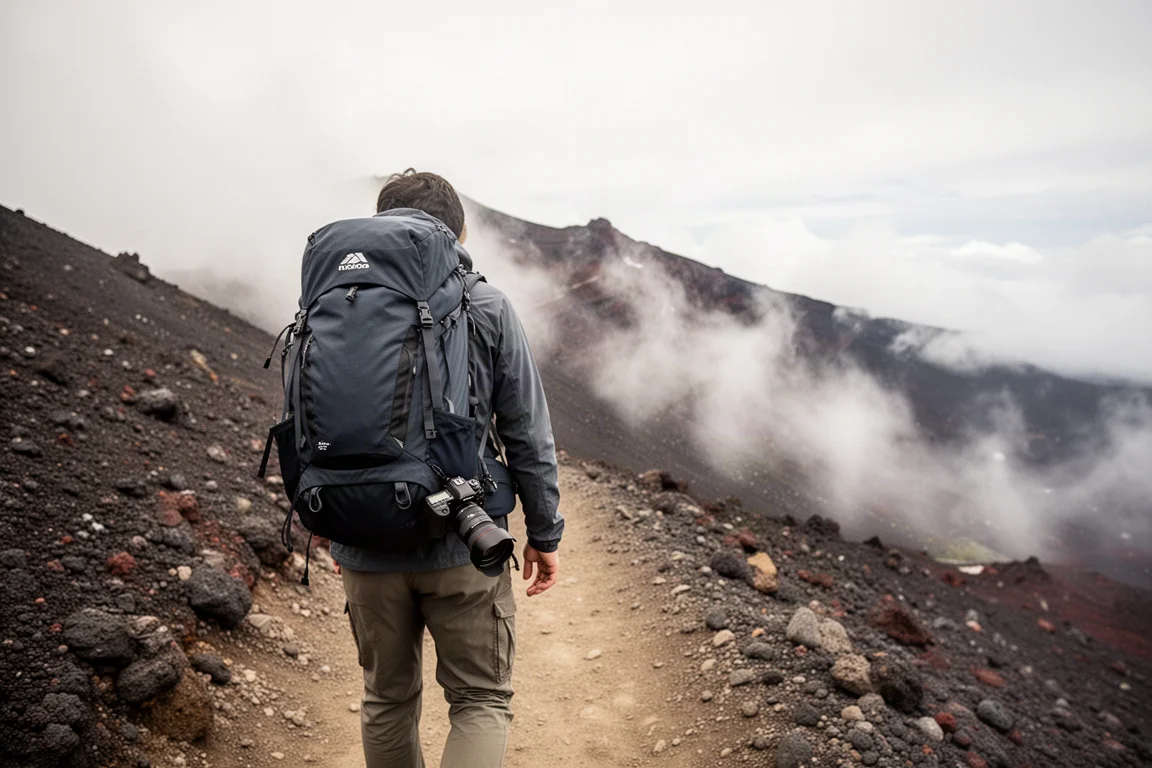
If you are carrying a camera up Kilimanjaro, this is the kind of pack that makes the weight feel intentional rather than accidental.
Camera Carry: Peak Design Capture Clip
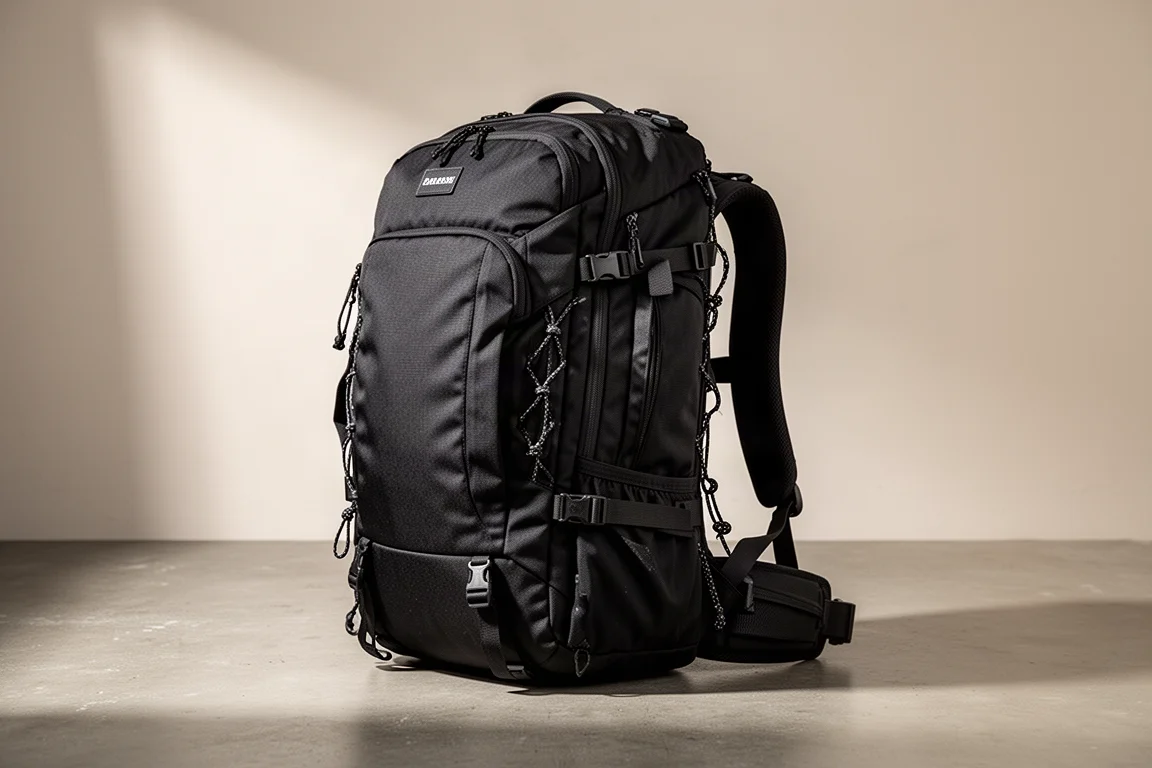
The Peak Design Capture Clip is what makes hip-belt camera carry possible in the first place. Mounted on the hip belt, it holds the camera securely at waist level so it can be drawn one-handed while walking and stowed just as quickly when the terrain demands both hands.
The trade-off is purely habitual. Anyone used to a shoulder-mounted system will spend the first day reaching for the wrong spot, but the relief in the shoulders on a multi-hour climb is worth the short relearning period.
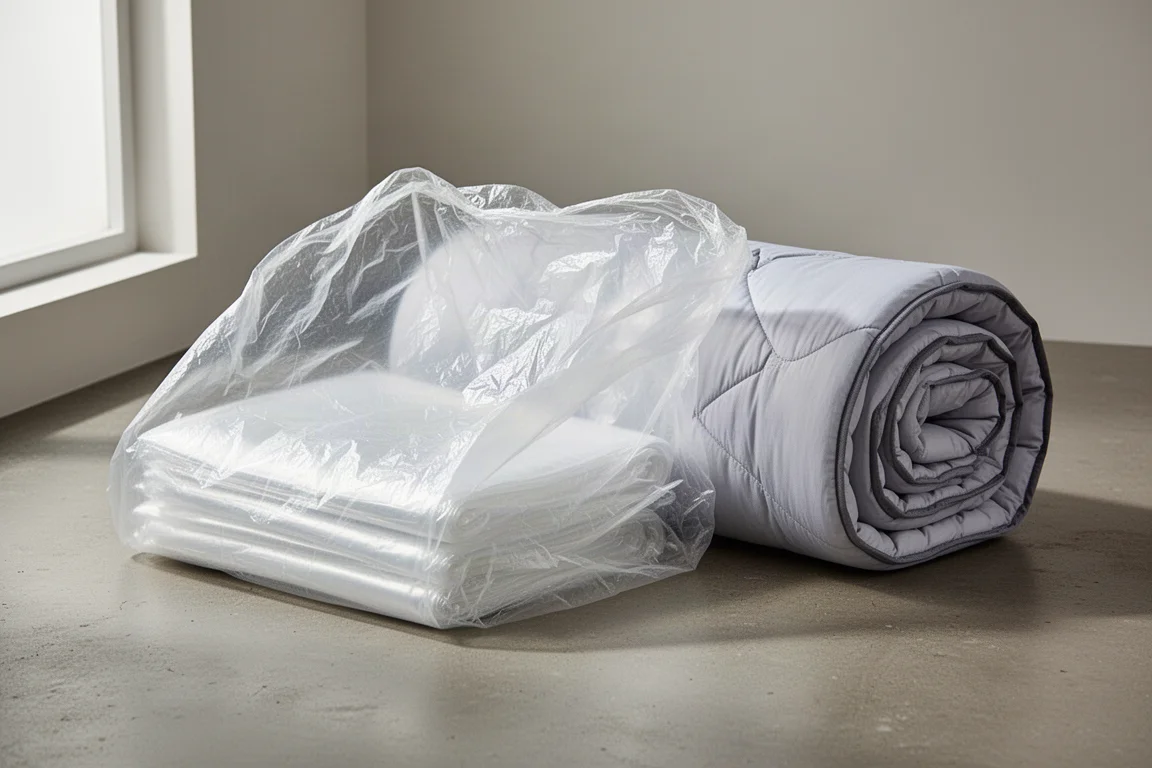
Keeping Gear Dry: Nylofume Pack Liner
Pack covers are widely recommended and widely overrated. On the rainy day of this trek, several trekkers who relied only on a pack cover found their gear soaked inside anyway. A liner is the more dependable approach.
The Nylofume pack liner is lightweight and inexpensive, and it does the one job that matters: keeping spare layers dry inside the pack. A trash compactor bag works as a substitute if you cannot find one. Even a pack advertised as waterproof is worth lining, because a single pinhole is enough to soak a bag full of clothing.
Waterproofing the Duffel: Zpacks Airplane Case
Duffel bags for the porters are usually specified at 75 to 90 litres, with a 15 kilogram (33 pound) weight limit. That limit deserves respect: a person carries the bag up the mountain, so lighter genuinely means kinder.
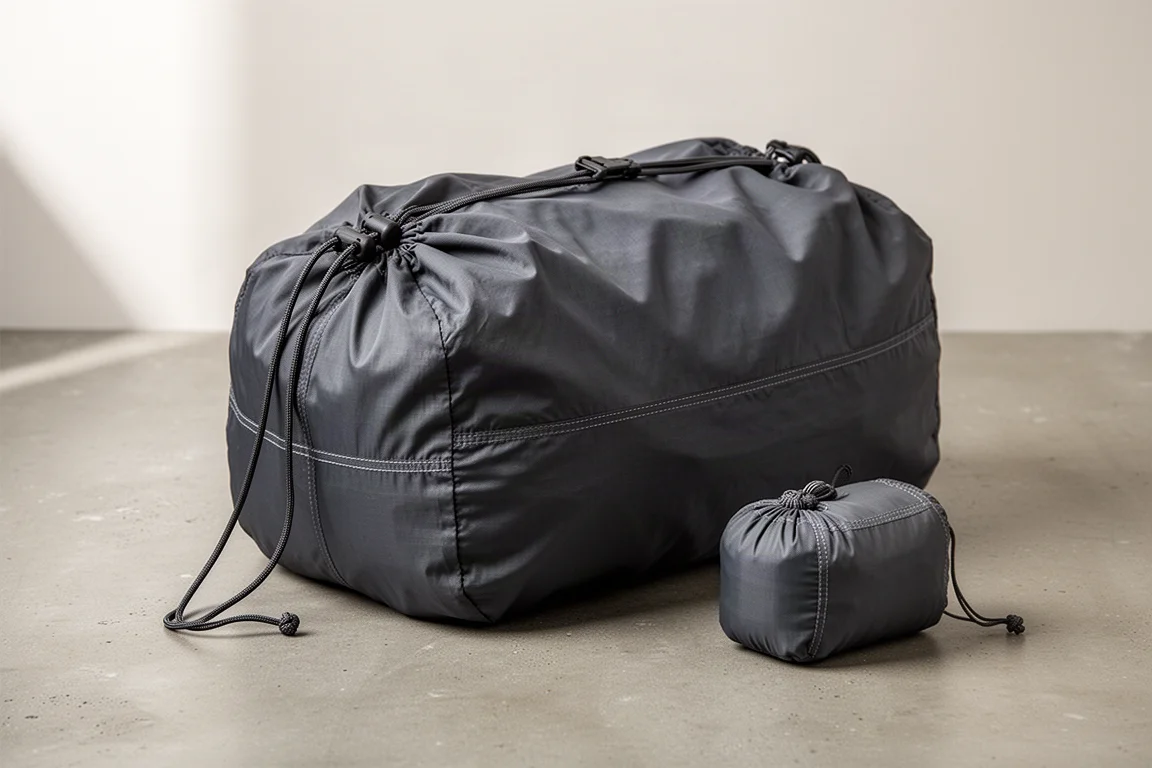
An existing non-waterproof duffel handled the capacity fine, but it needed a waterproofing layer. The Zpacks Airplane Case was designed to wrap packs during air travel so straps do not snag, and it happens to be made from Dyneema, which makes it waterproof. At 3.2 ounces it adds almost nothing to the load. On the one rainy day the case was left behind and the duffel got soaked. Dry sacks saved the sleeping bag and clothing, but other items came out damp.
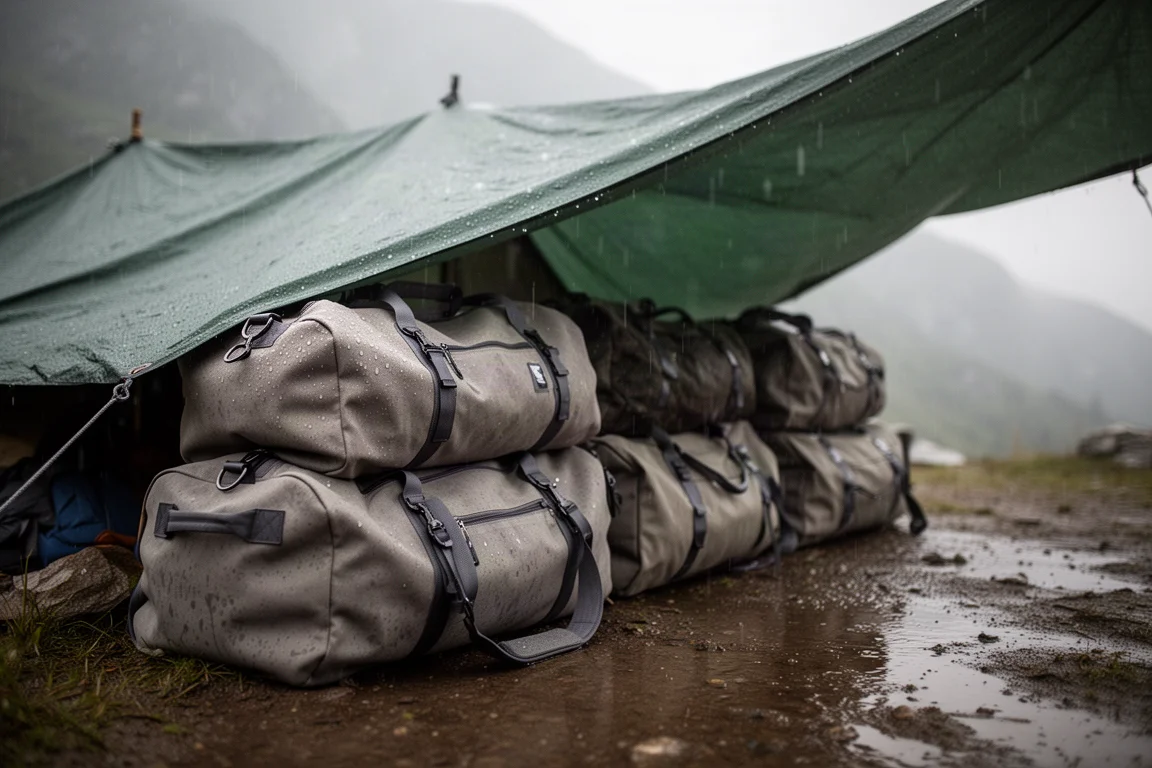
For anyone packing a duffel that is not already waterproof, this is a light and practical solution.
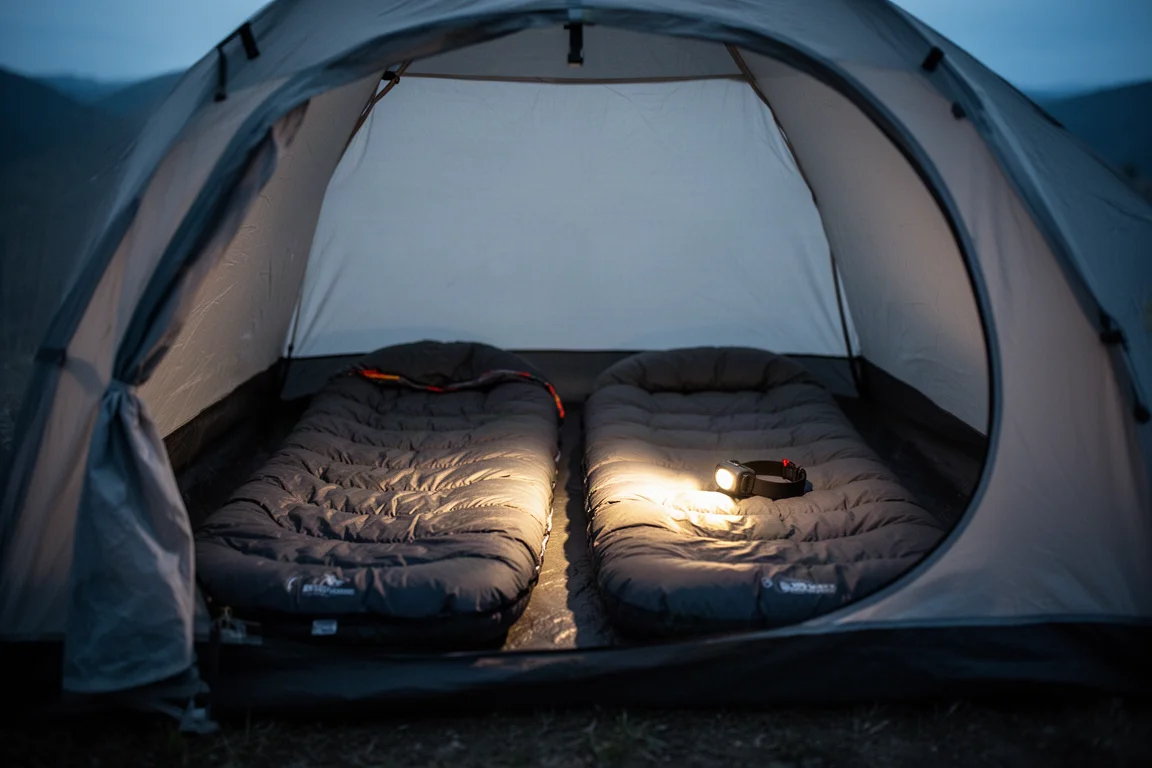
Sleeping Bag: Enlightened Equipment Enigma
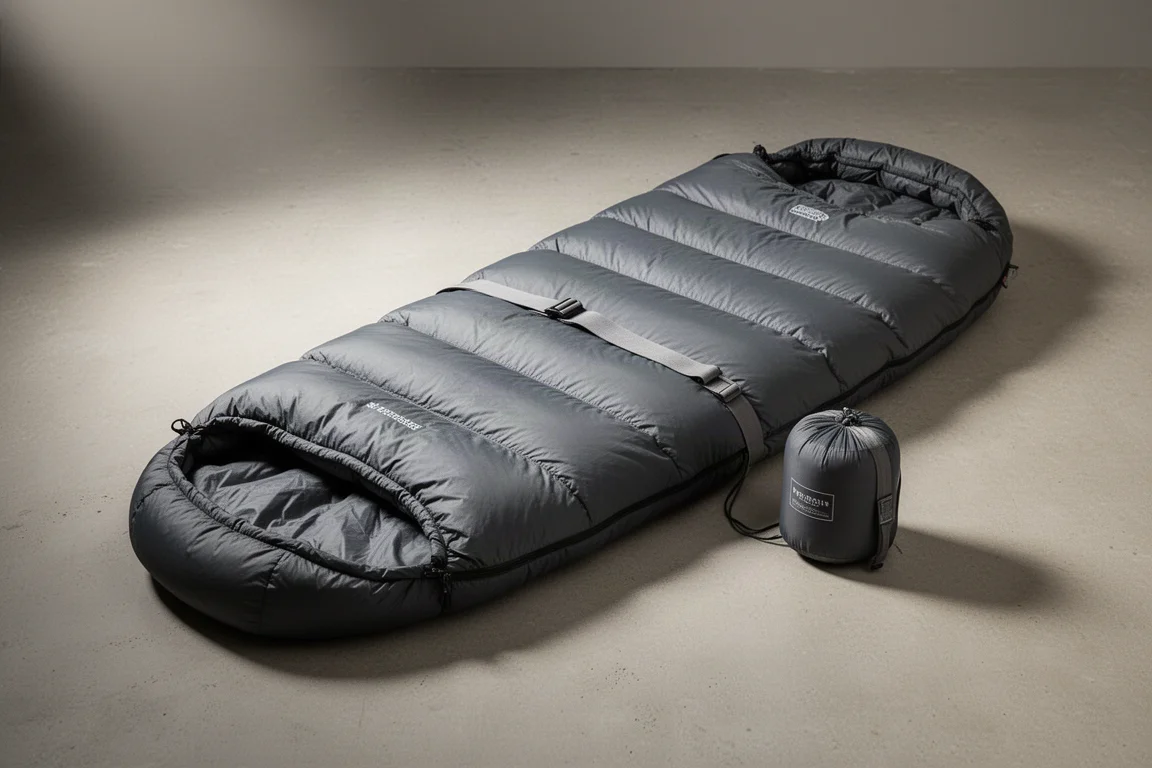
A zero degree bag is the standard recommendation for Kilimanjaro. The Enlightened Equipment Enigma used on this trek is rated to 20 degrees, which is warmer than ideal on paper, but a down allergy narrows the options considerably and this was already on hand.
The fix is straightforward: pair a bag like this with a liner to close the warmth gap rather than buying a second bag for a single trip. For anyone who sleeps cold, that combination is more realistic than relying on the bag rating alone.
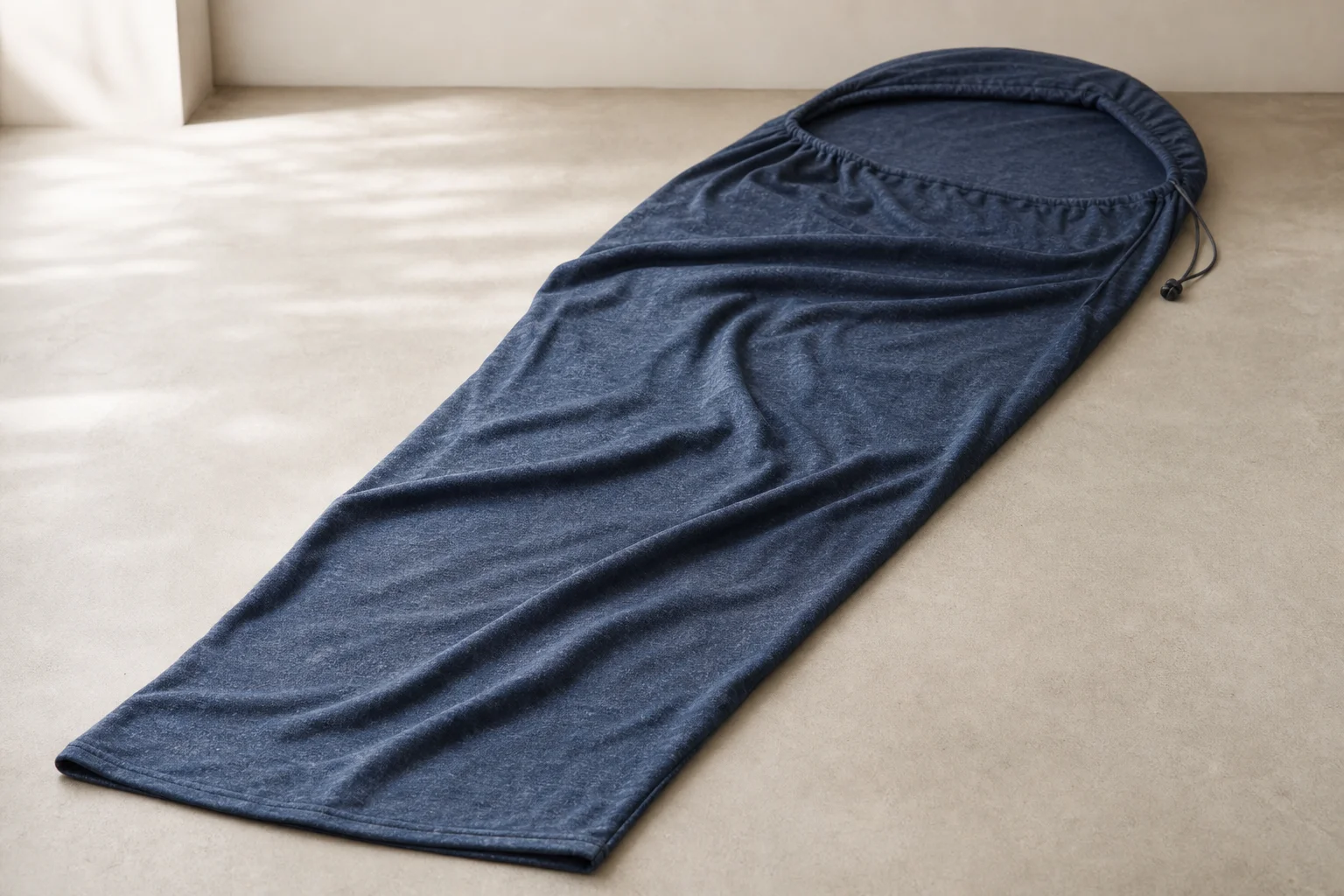
Sleep System Boost: Sea to Summit Thermolite Reactor Extreme
A liner is the simplest way to extend a sleeping bag that is rated a little warmer than the mountain demands. The Sea to Summit Thermolite Reactor Extreme adds up to 25 degrees Fahrenheit of warmth, which turns a 20 degree bag into something genuinely comfortable on cold nights at altitude.
It also adds very little bulk, which matters when everything else has to fit inside a weight-limited duffel carried by someone else.
Sleeping Pad: Nemo Tensor Insulated
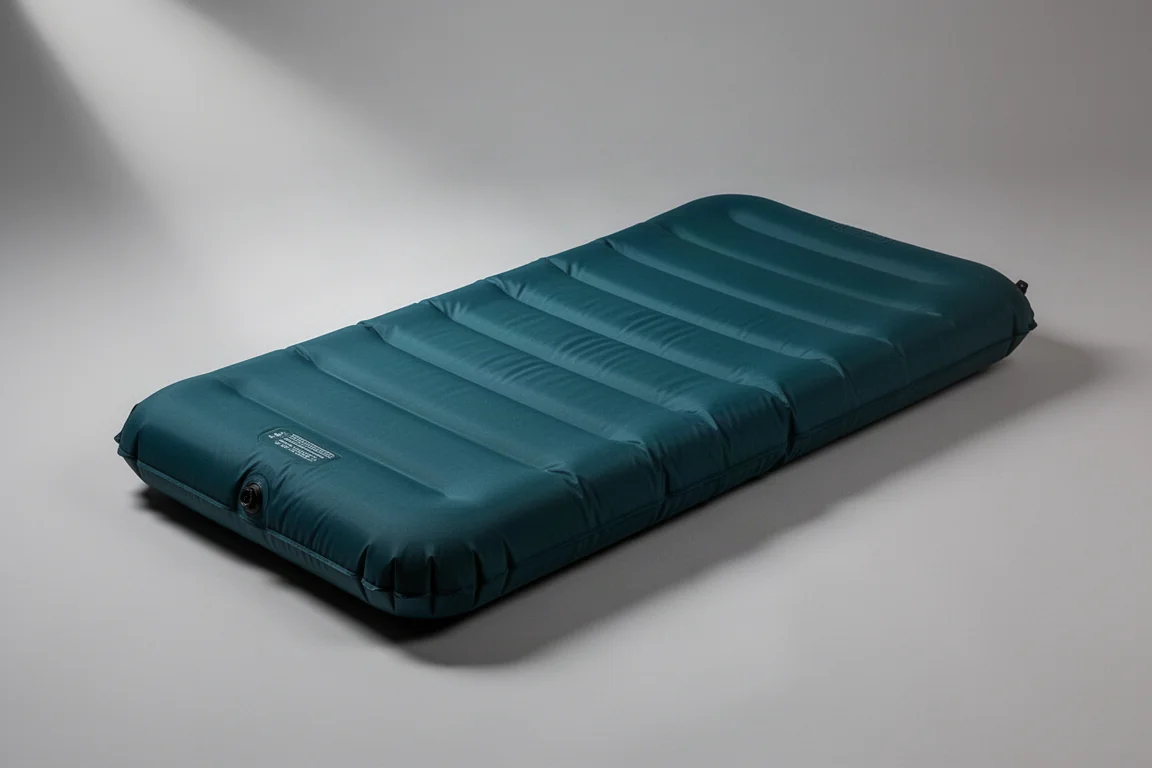
The operator supplied a thick pad, but a personal pad came along anyway as warmth and comfort insurance. The Nemo Tensor Insulated has an R value of 4.2, comes in a regular length, and weighs 15 ounces.
Full-length coverage was the real upgrade. Sleeping on a knee-length pad is a common ultralight compromise, and a full-length insulated pad is noticeably warmer and more comfortable once the temperature drops at camp.
It is light enough that the weight penalty is easy to justify on a cold mountain.
Trekking Poles: Black Diamond Alpine Carbon Cork
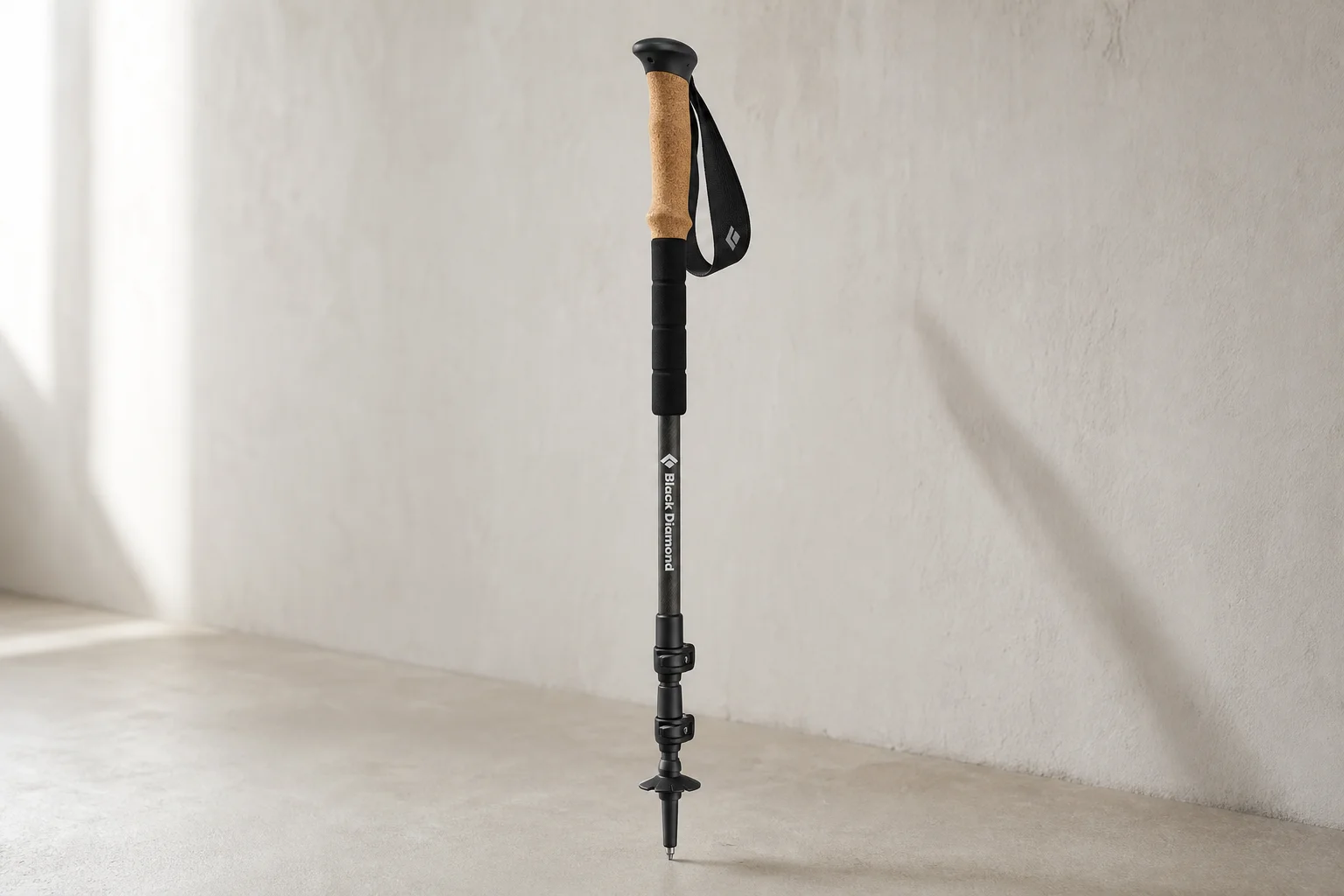
Trekking poles are strongly recommended on Kilimanjaro, and not only for steep terrain. They reduce the load on the legs during long descents and give the hands something to do on the flatter stretches, which helps with the hand swelling some trekkers notice over consecutive days.
The Black Diamond Alpine Carbon Cork poles are a familiar, proven choice: carbon shafts for low weight and cork grips that stay comfortable through long days of use.
Gloves: Showa Temres 281
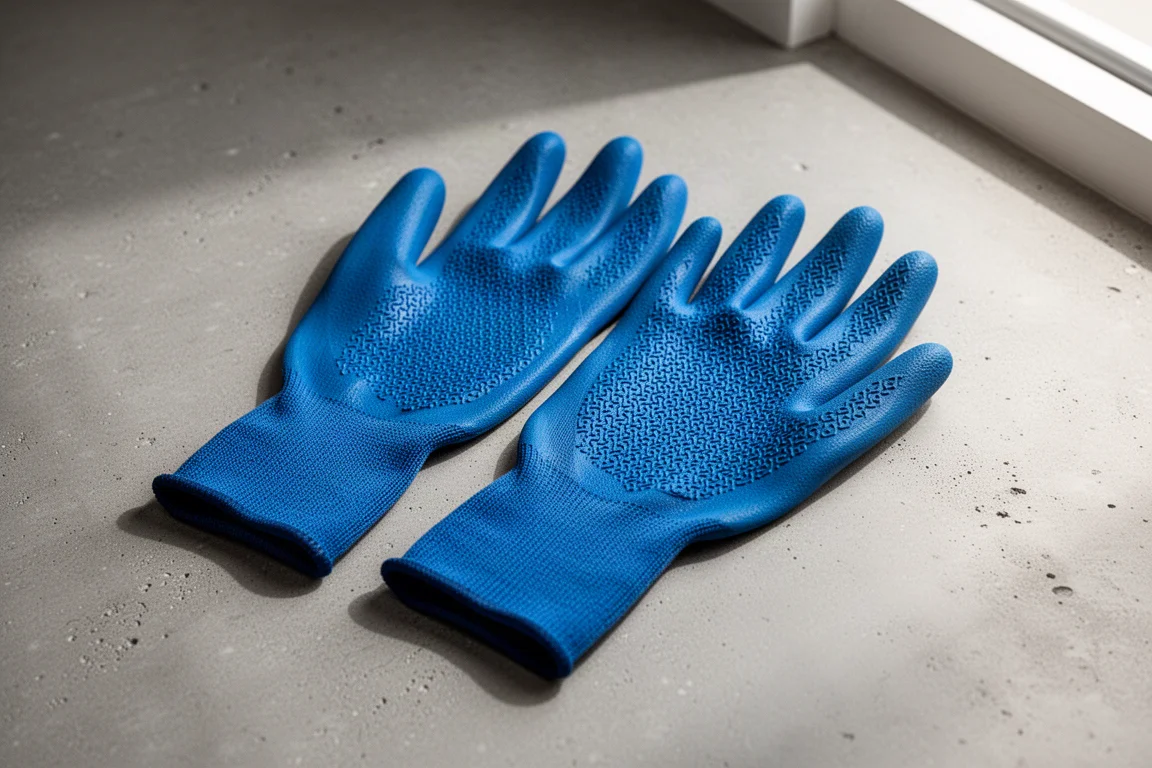
The standard glove advice is one thin pair for dexterity and one warm, heavy duty, waterproof pair. The Showa Temres 281 is a fully coated waterproof glove that has built a strong reputation among long-distance hikers, and it handled cold, wet conditions well.
Whatever gloves you take, test the waterproofing before you go. Several trekkers assumed their gloves were waterproof and ended up with painfully cold hands. Submerging them under a tap at home is a five-minute check that is well worth doing.
Hydration: Nalgene Water Bottle
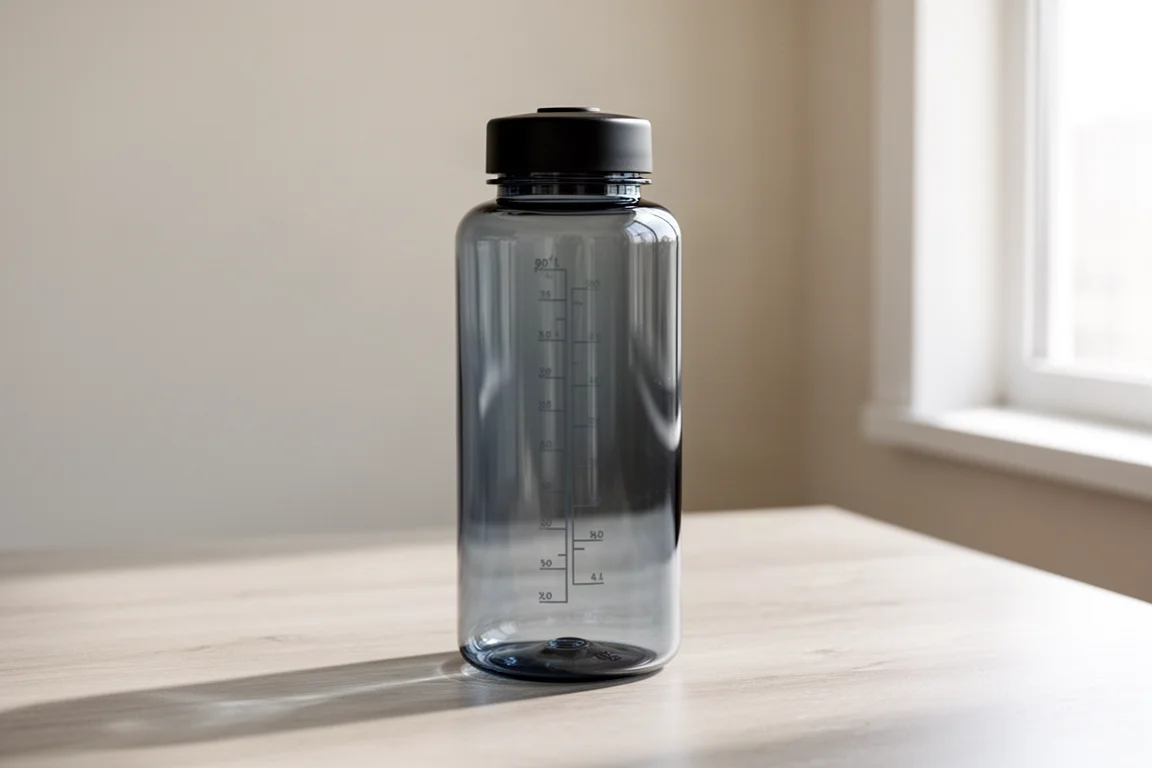
Disposable single-use bottles are not permitted on Kilimanjaro, so a durable bottle is essential. A lightweight Nalgene is the straightforward answer: it handles drink mixes, it survives being knocked around in a pack, and it keeps working when temperatures fall.
On summit night that last point becomes the whole point. A bladder and tube will freeze solid, but a Nalgene can be carried upside down so the base freezes first and the water underneath stays drinkable.
Hydration Backup: Platypus 3L Bladder
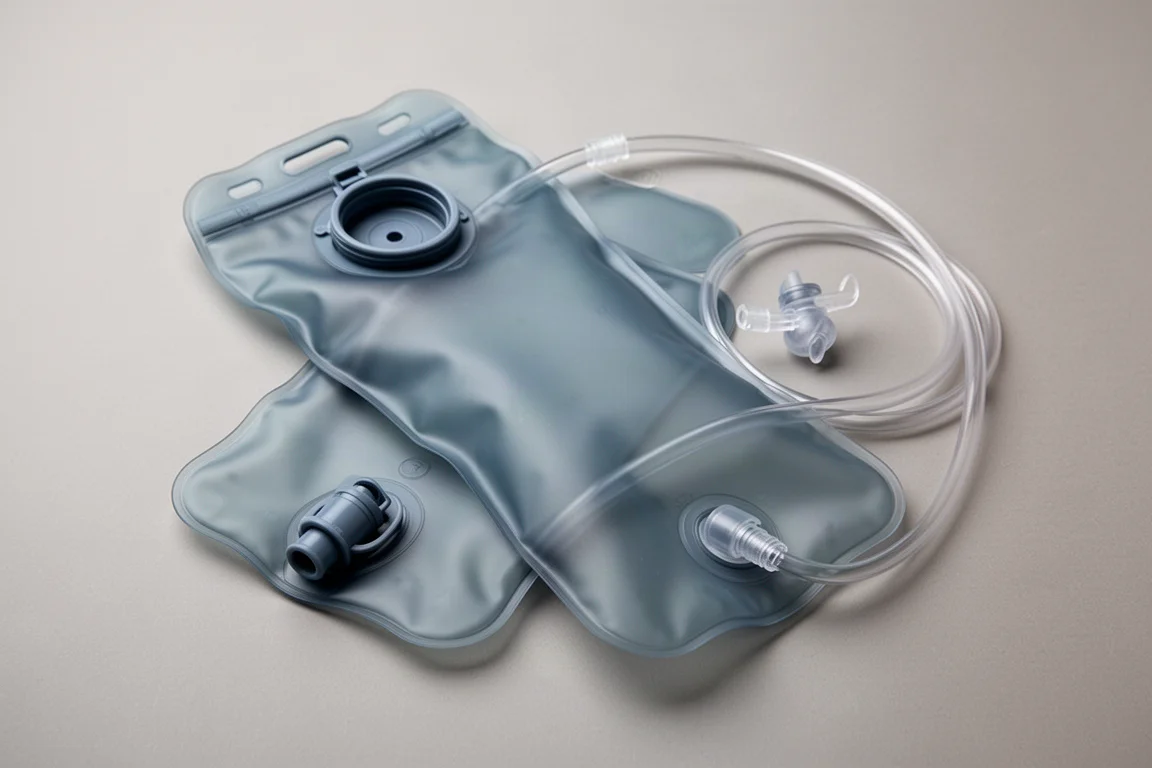
A 3 litre bladder with a hose is the more convenient way to drink while moving. Sipping through a tube is far easier than stopping to wrestle a bottle out of a pack, especially on uneven ground.
The catch is the cold. On summit day the bladder and tube freeze and stop being useful, which is exactly why carrying both systems makes sense. Most guidance suggests three to four litres per day, and a bottle plus a bladder covers that comfortably without needing to refill mid-trail.
Off-Grid Communication: Garmin inReach Mini
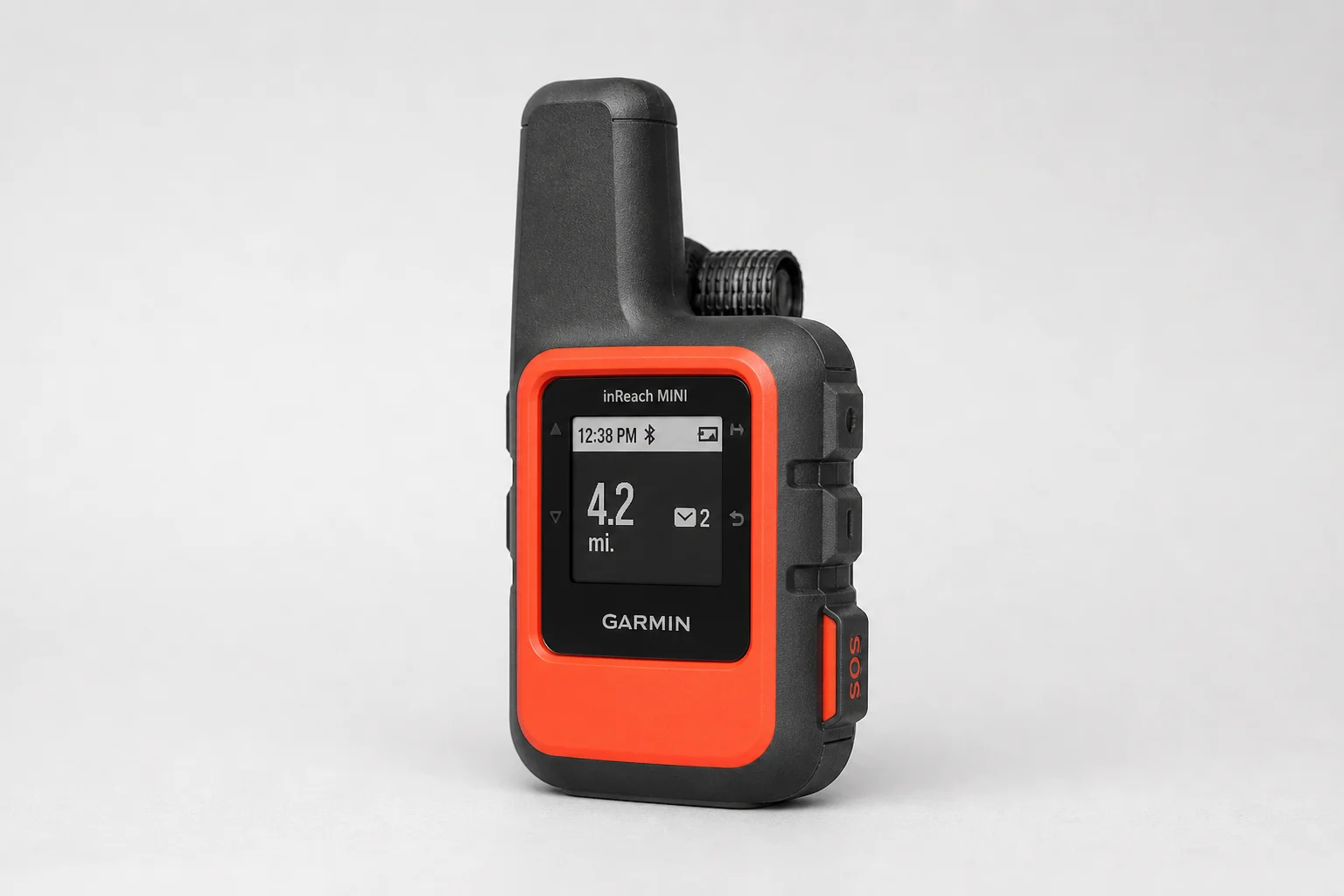
Mobile service on the trail is unreliable, and the Garmin inReach Mini handled messages home when phone signal disappeared entirely. For anyone travelling with family following along at a distance, that reliability is the main reason to carry one.
A local SIM card can improve coverage in some areas, but it is not something to count on. A satellite communicator works independently of local networks, which is the point.
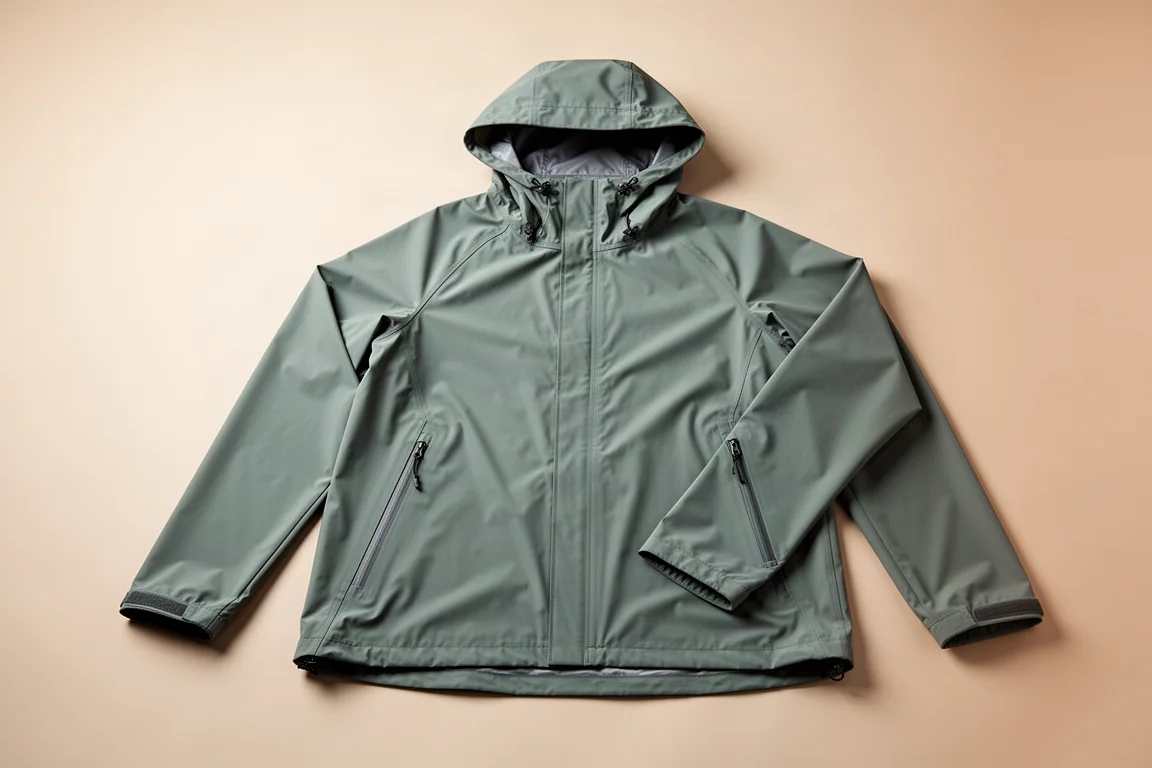
Rain Protection: AntiGravityGear Rain Jacket
Rain gear is one of the few categories where the ultralight option is genuinely enough. The AntiGravityGear rain jacket was the heaviest of the ultralight shells available and it handled the wet day without anyone wishing for something thicker. Pit zips were the detail that mattered most, since they let you dump heat while staying covered.
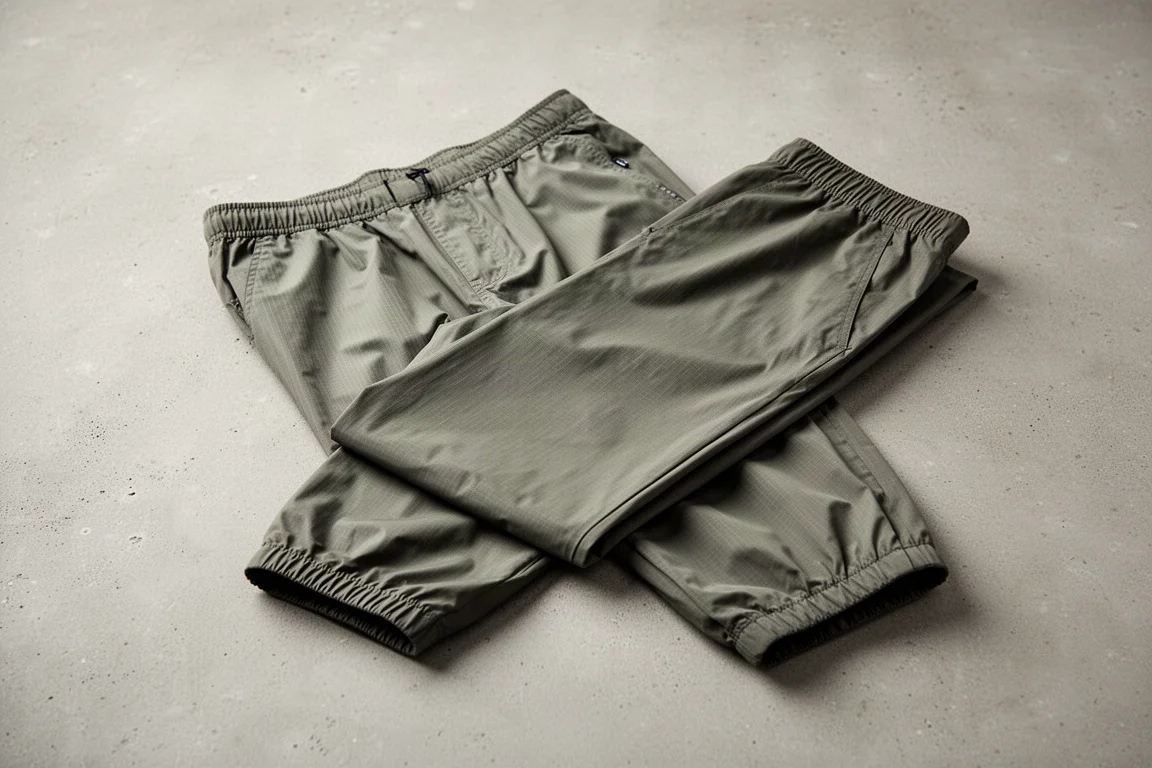
Rain Pants: AntiGravityGear Rain Pants
Rain pants matter more than most people expect, particularly on summit night, when they become an insulation layer as much as a waterproof one. The AntiGravityGear rain pants pair with the jacket, pack down small, and layer over leggings without restricting movement.
On the coldest part of the climb, the outfit was five layers on top and four or five on the bottom, with the rain shell and pants as the outer barrier against wind. That combination was enough.
Overall Buying Advice
The items above fall into two groups. The first is gear that solves a specific, high-consequence problem: a pack liner that keeps spare layers dry, a waterproof layer around a non-waterproof duffel, a satellite communicator when phone signal disappears, and a bottle that still works when a bladder freezes. Those are the purchases that matter most, because the failure mode is being cold, wet, or out of contact at altitude.
The second group is comfort and warmth: a full-length insulated pad, a liner that extends a sleeping bag’s range, cork-gripped poles, and rain gear with pit zips. These make long days easier without adding much weight to the load.
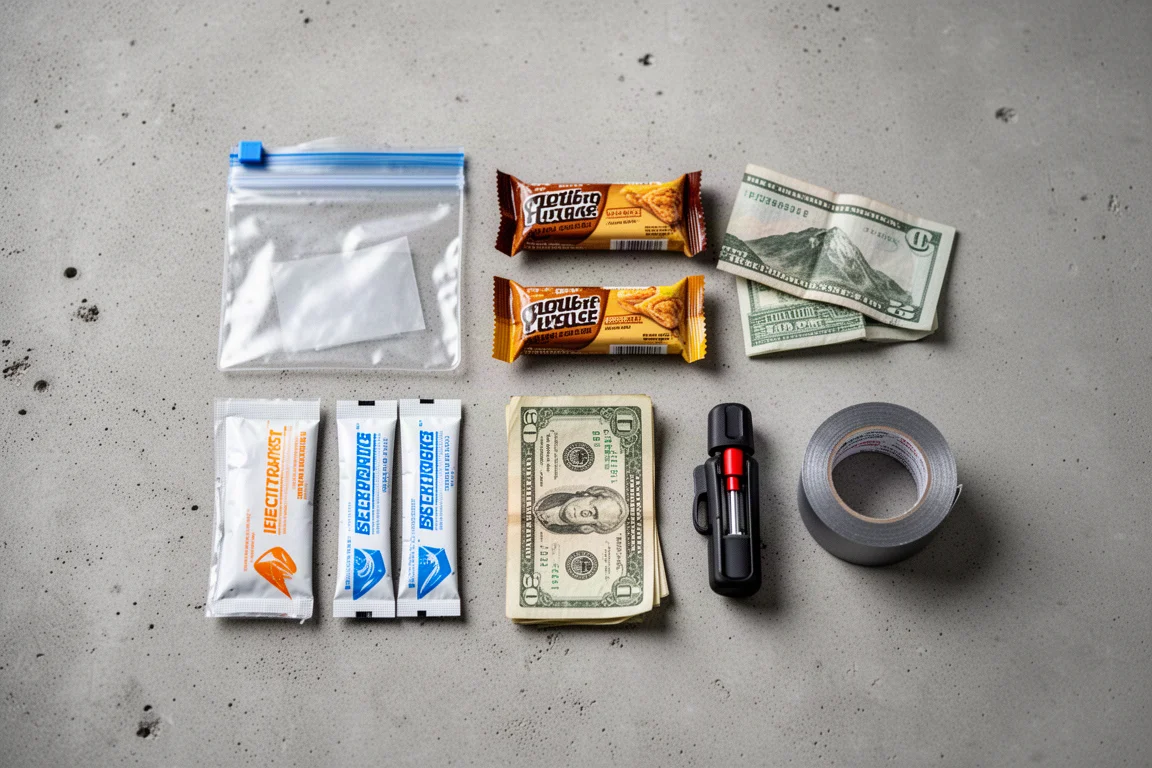
Budget is a real consideration, and there is a practical shortcut. Many operators rent out gear such as insulated jackets, duffel bags, and hiking pants. Asking what a company has available is a sensible first step, and it can even influence which operator you choose.
Two smaller logistics notes are worth planning for. Bring a little cash for the shop at the park gate and for tips to guides and porters at the end of the trek, since tips are given in cash. And if you are continuing to a safari afterwards, or simply want to travel lighter, lodges used before and after the climb will often store luggage you do not need on the mountain. Add a handful of zip bags, some snacks, electrolyte mixes, and something to block camp noise, and the kit is complete.
Conclusion
A Kilimanjaro kit does not have to be expensive, but it does have to be deliberate. The operator covers tents, cooking, water, and camp logistics, which leaves trekkers to handle the personal parts of the trip: the pack on your back, the layers and sleep system that keep you warm at altitude, hydration that still works on summit night, and rain gear that holds up when the weather turns.
Get those right and the mountain becomes a memorable experience rather than a test of endurance. The items above all earned their place on the route, and each one is a reasonable purchase for future high-altitude treks as well.
Further reading
Related Reviews
Outdoor Gear
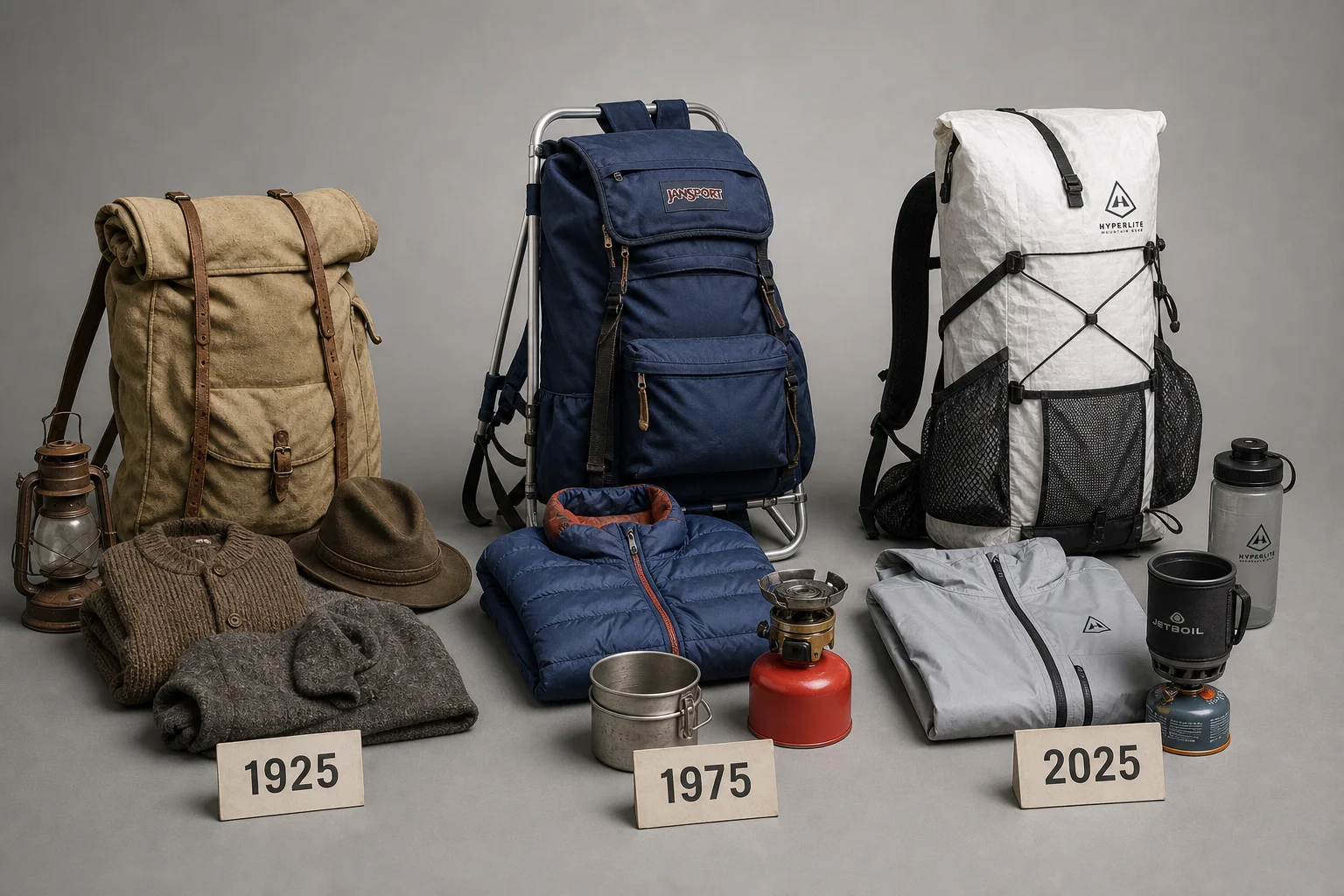
Backpacking Gear Evolution: 100 Years of Technology Compared
We tested backpacking gear from 1925, 1975, and 2025 across a three-day hike in Yosemite. Here's how technology has transformed comfort, weight, and the outdoor experience.
Outdoor Gear
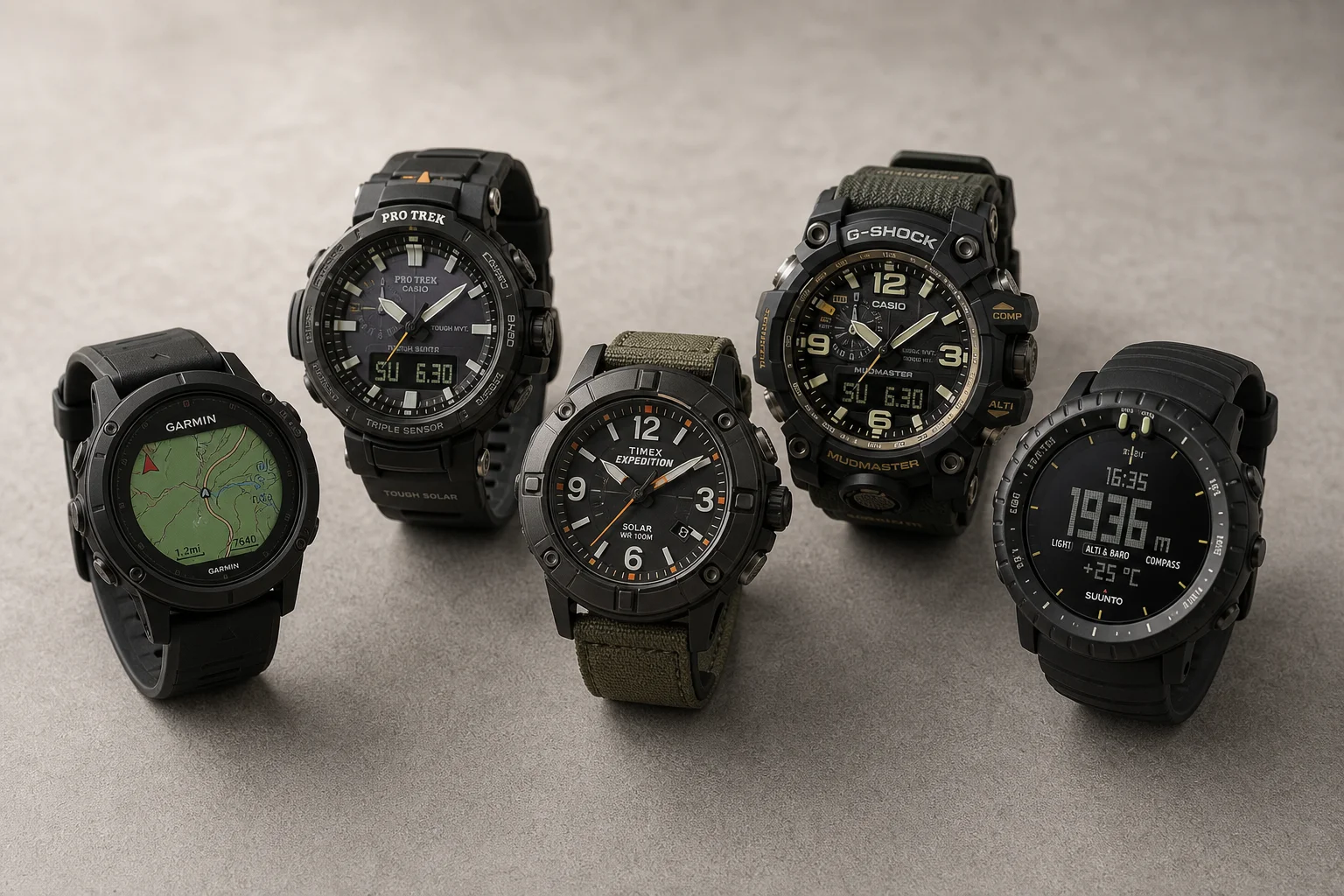
Best Affordable Hiking Watches: Five Rugged Options for Outdoor Adventures
Five durable hiking watches that balance ruggedness, functionality, and value for outdoor enthusiasts who need reliable GPS tracking and weather resistance.
Outdoor Gear
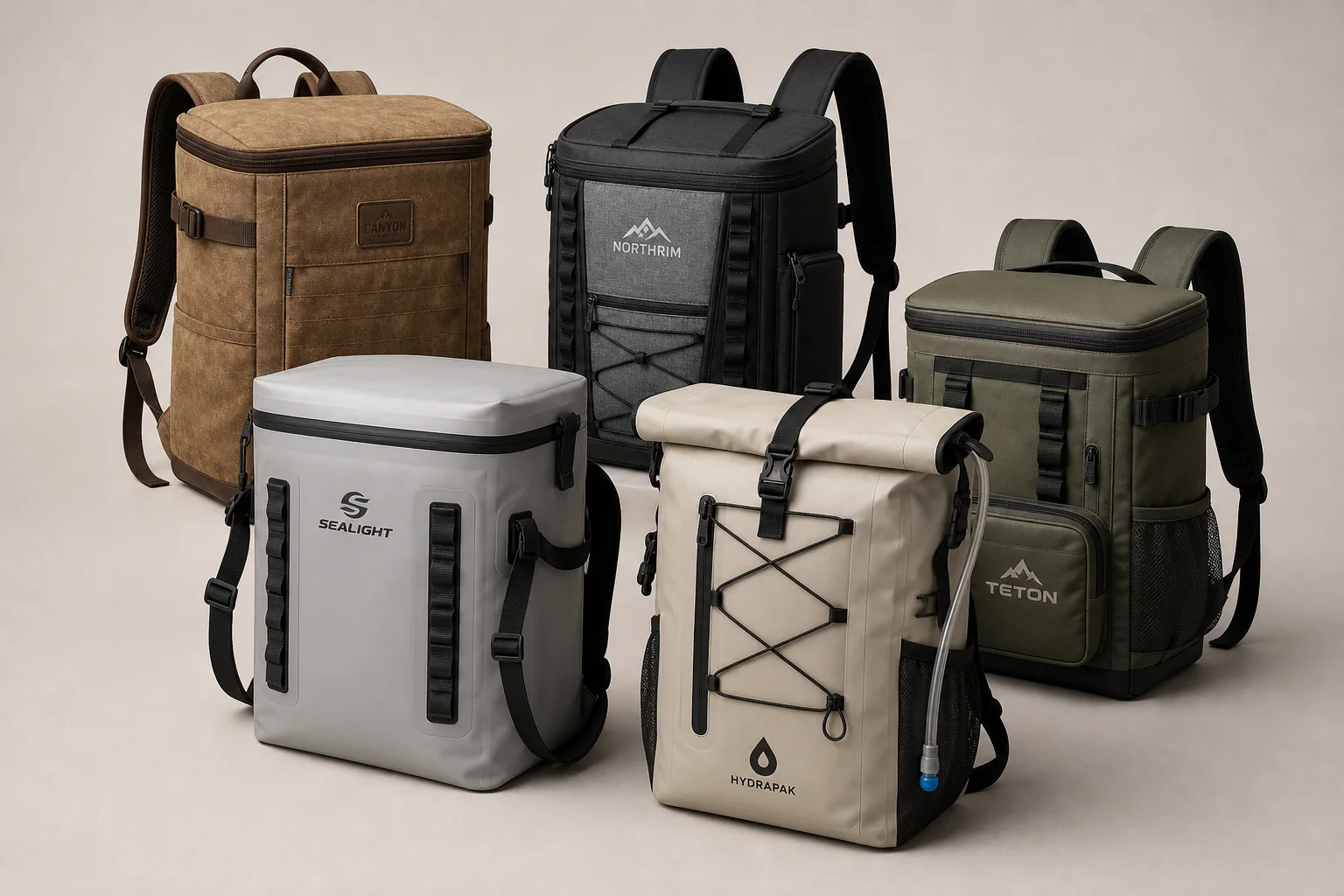
Best Backpack Coolers 2026: Five Practical Options for Outdoor Adventures
Five backpack coolers with distinct cooling capabilities, storage features, and design trade-offs to help you choose the right one for your outdoor needs.