Running Shoes
Most Versatile Running Shoes Under $200: Five Trainers That Punch Above Their Price
Five daily trainers under $200 that handle easy miles, long runs, and faster work without the premium price tag.
Introduction
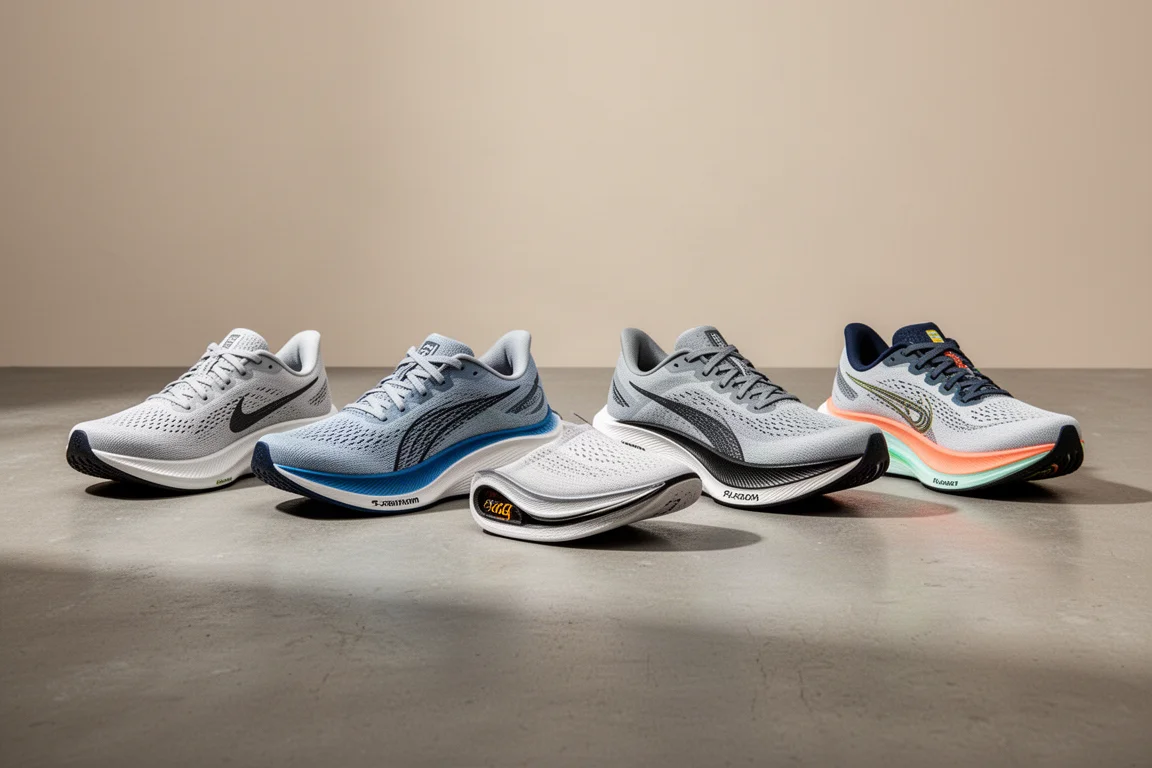
The Hoka Skyward X sits at $225 and delivers plenty of foam plus a carbon plate, and it earned a reputation as one of the more versatile shoes of the year. But versatility does not require a $200-plus price tag. Plenty of trainers under that line handle easy recovery days, steady everyday miles, long runs, and even faster work without asking you to pay a premium.
This list covers five of the most versatile shoes on the market under $200, ordered from most affordable to most expensive. The common thread: most of them use a dual-foam setup, where a softer or firmer base foam adds stability at slower paces while a livelier top foam delivers pop when you pick up the pace. That combination is a big reason these shoes punch above their weight.
Why Versatility Matters More Than Price
When training shoes average roughly $160, paying $200 or $225 should mean you get a shoe that works for more types of runs. That is the standard for judging the premium options: more fun, more comfort, and more range. Higher price does not automatically mean better quality, but most of the time you do get more technology and a better ride experience as you climb the price ladder. The good news is that the shoes below prove you do not need to climb that high.
Adidas Adizero SL 2
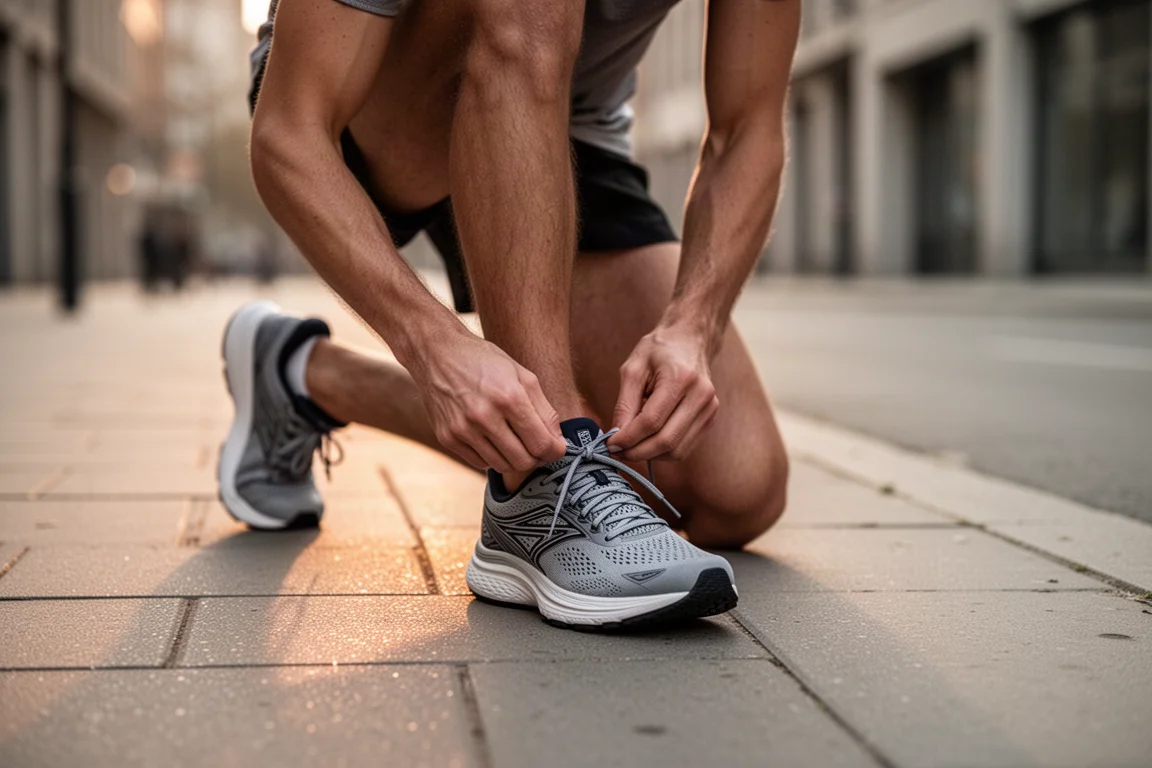
The Adizero SL 2 is the most versatile shoe you can get at the lowest price right now, with a $130 MSRP. The first version was a tougher sell, but Adidas softened the platform significantly, made it more flexible, and added far more pop by inserting a strip of Lightstrike Pro race foam into the midsole. That race foam layer is what gives the shoe its bounce.
It has been used for everything from 23-mile long runs to short strides and speed work at five-minute pace and faster. The stack is not the highest and the forefoot runs a little thinner, so it will not offer the deepest cushioning, but as a fun, bouncy, comfortable do-it-all shoe at a modest price, it is the pick. It also shows up on sale often, so waiting for a promo code can bring it down well below MSRP.
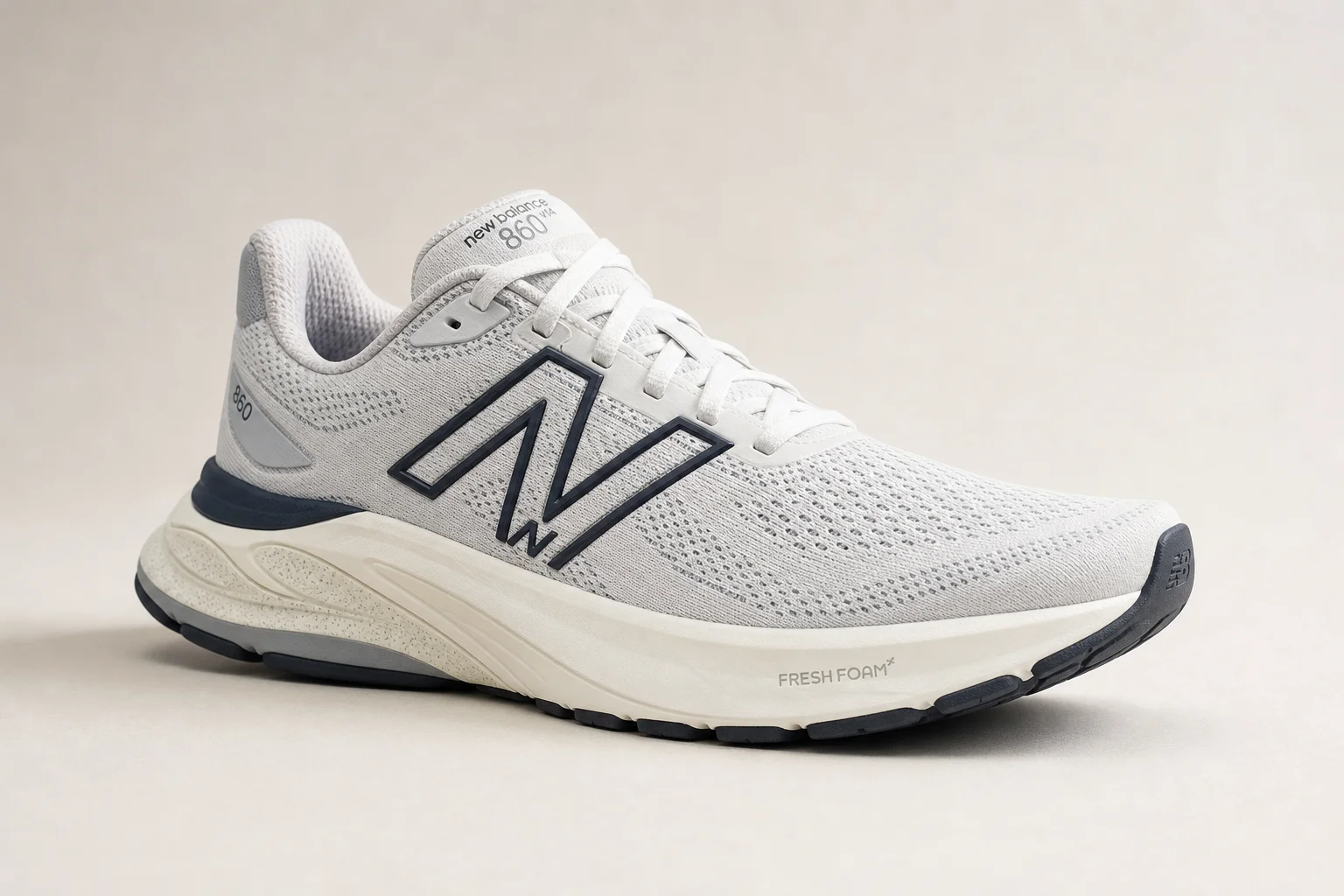
New Balance 860 v14
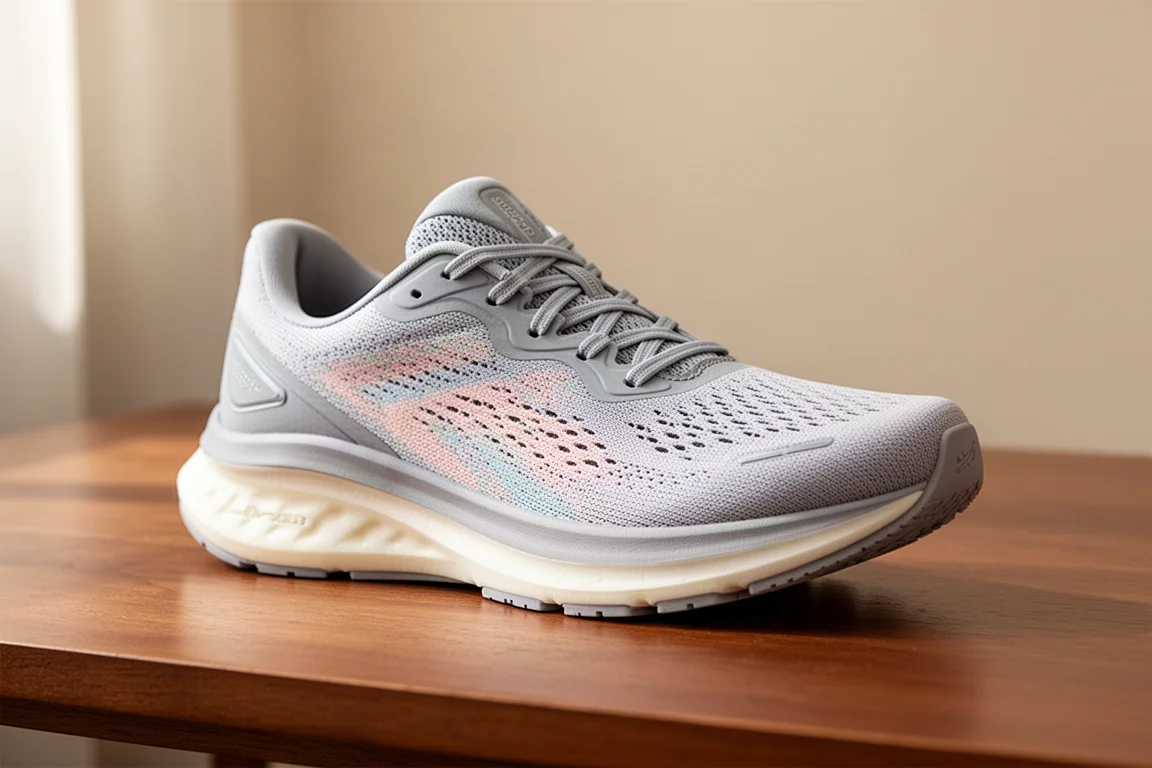
The 860 v14 is a stability shoe that doubles as one of the most versatile trainers around, thanks largely to the Fresh Foam tuning. It sits softer than the 880, the standard daily trainer in the Fresh Foam lineup, but firmer than the 1080, and it rides bouncy with a nice rocker and a plastic plate New Balance calls the stability plane. The result feels similar in spirit to other plastic-plated trainers with a smooth rolling experience.
It has handled everything up to 20-mile long runs and shines for steady everyday miles in the 6:20 to 6:40 pace range and everything between. With two types of foam, a plate, and a smooth roll, it is an underrated workhorse that does not get hyped as the next high-tech trainer but delivers real value. It offers a bit more cushion than the SL 2 while not being a max-stack shoe, and it leans durable, consistent, and reliable. If you want a do-it-all shoe with structure and a more traditional feel, this is the one.
Saucony Tempest 2
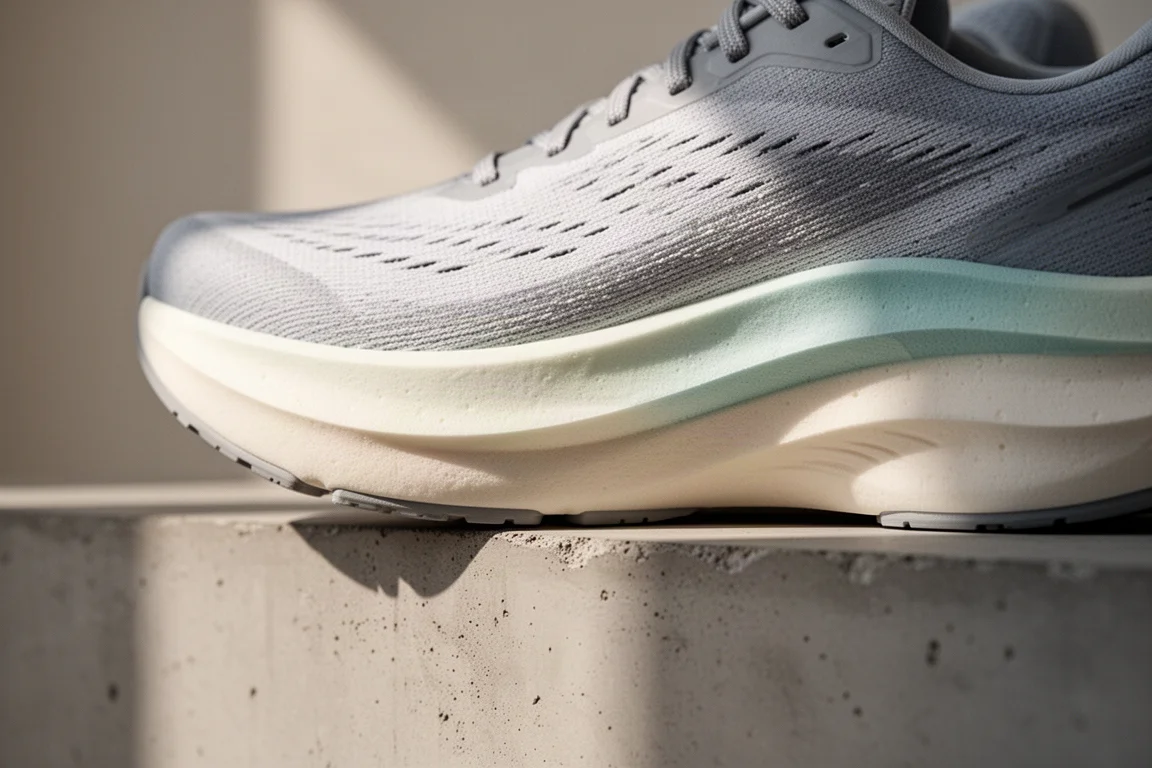
The Tempest 2 carries a $160 MSRP, but the original Tempest shares the same midsole and can often be found for around $120 on sale, which makes it excellent value. Like the 860, it uses dual foam: a softer race foam on the bottom with a firmer cradle on top, plus a rocker. There may be a touch more bounce to the platform than the 860, and the heel lockdown feels a bit more pronounced, giving it a more standard stability feel.
It has been taken up to 20 miles with some faster sprints mixed in, and it earns consistent praise from the running community. If you want a do-it-all shoe with support and bounce, the Tempest fits. Neutral runners who do not need as much structure may prefer the 860, but if you want a touch more support, this is the better match.
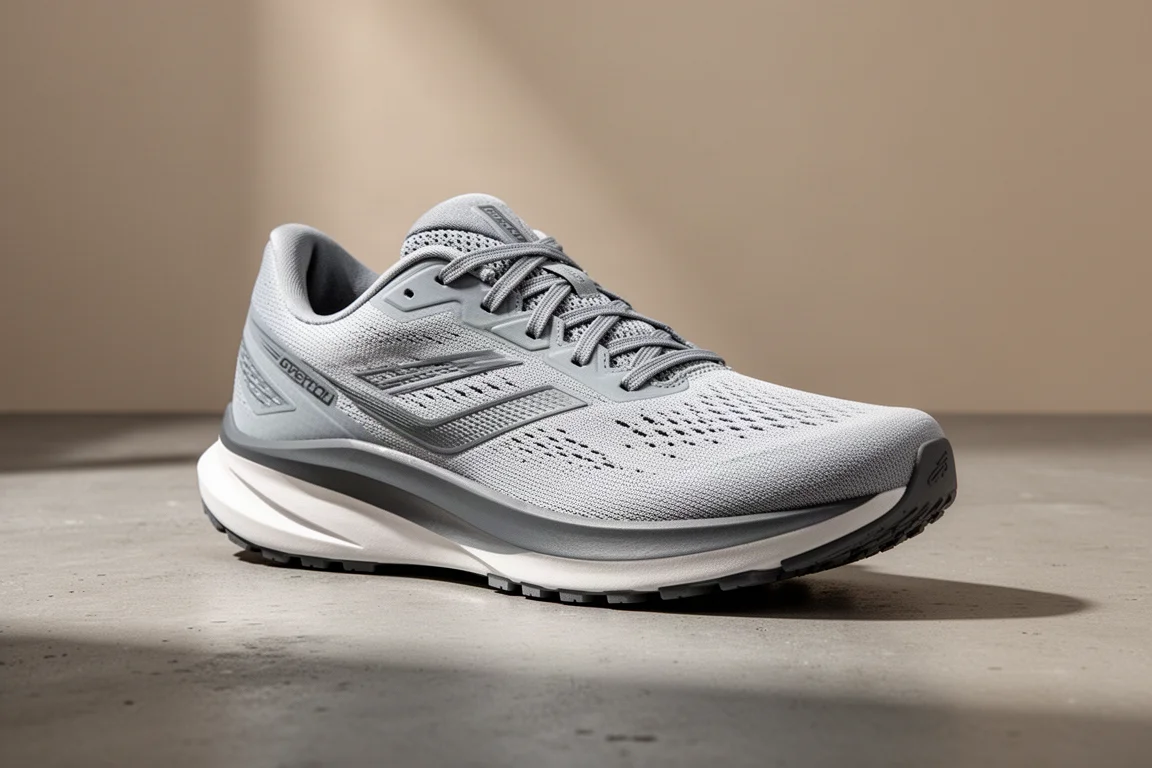
Puma Deviate Nitro 2
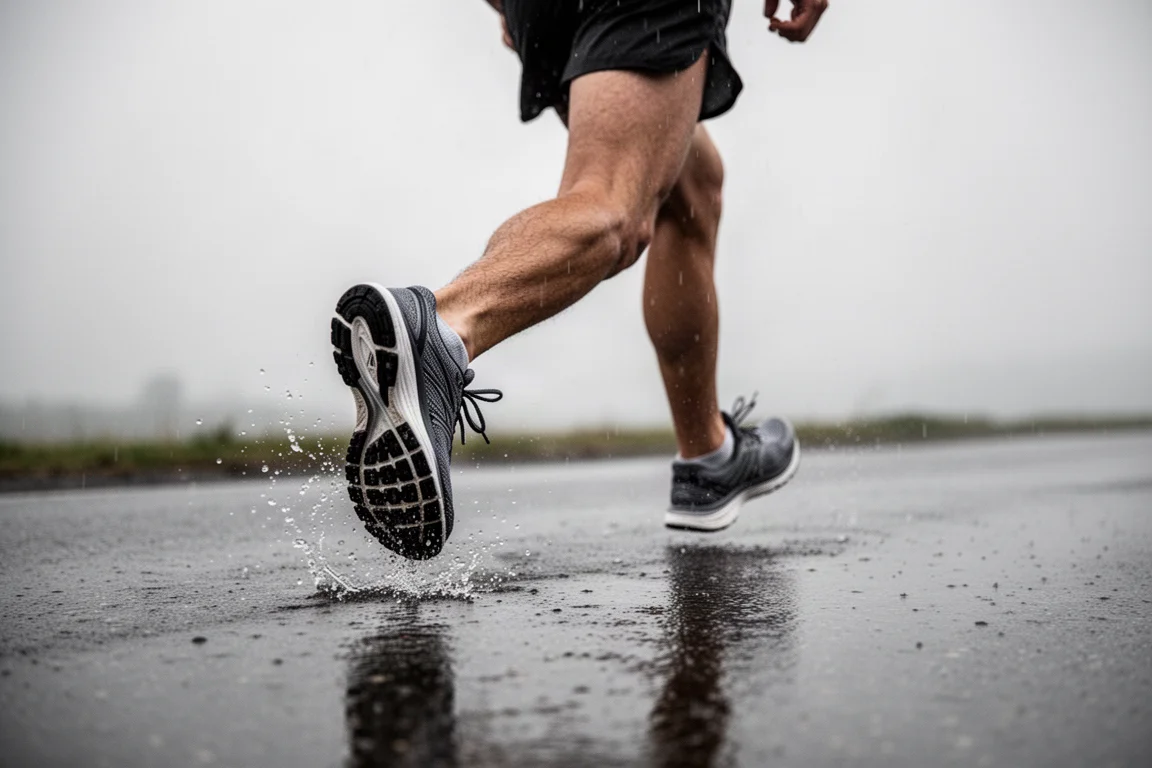
The Deviate Nitro 2 is a carbon-plated trainer with dual foam that stays soft, bouncy, and usable across a wide pace range. It has handled recovery runs around 8:00 to 8:30 pace as comfortably as workouts in the sixes, with strides mixed in. It also held up well in a 20-mile double-day test run in the rain, which speaks to the outsole grip.
The main trade-off is fit: the toe box runs a little narrow and the shoe feels tighter on foot than some rivals, so runners with narrower feet will be happiest, though wide sizing may be available. It does not offer the most stability, but as a plated trainer for marathon training with strong wet-weather grip, it earns its spot.
Hoka Mach X 2
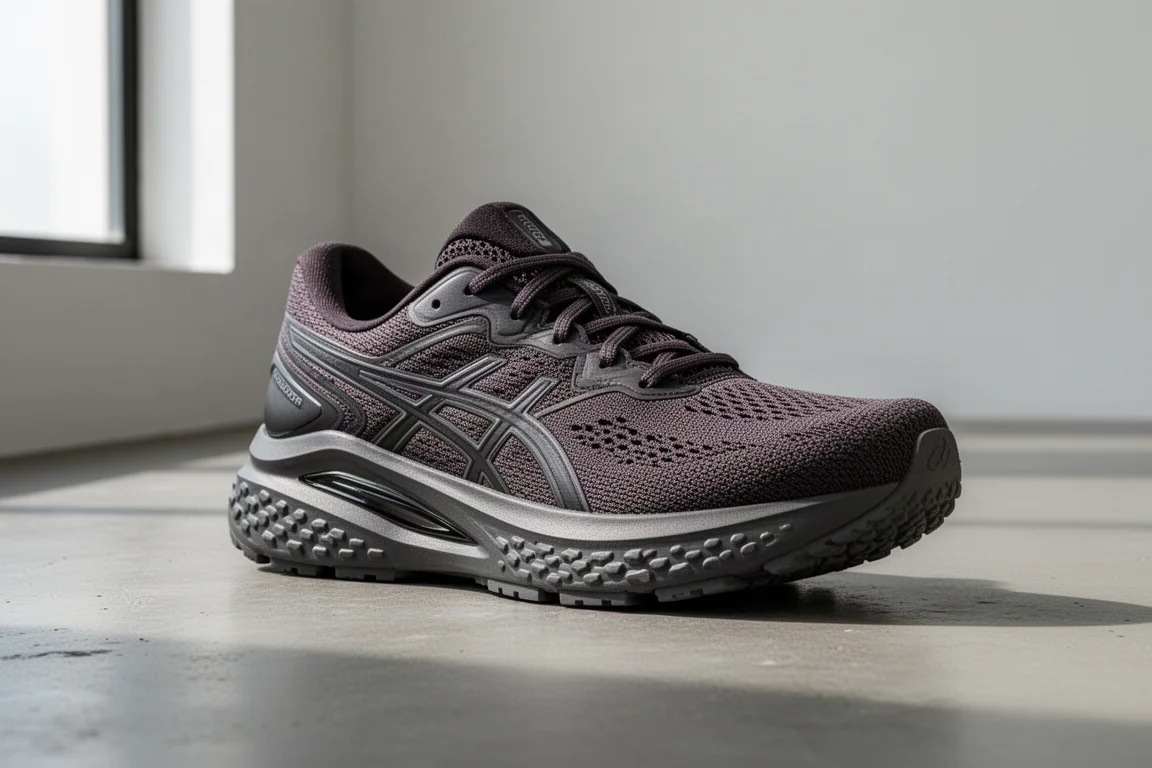
At $190, the Mach X 2 is the most expensive shoe here, but it is a standout among plated trainers this year. It uses Pebax race foam over a plastic plate for stabilization, and the range is remarkable: it crushed a threshold session with two-mile repeats down to around 5:20 to 5:30 pace and about eight miles of total threshold work, then handled a relaxed 10:30-pace family run around the neighborhood the next day. It can do 10:30, it can do 5:30, and everything in between.
Because it is lighter than a super-max-stack option like the Skyward X, it offers a touch more range at faster paces. The upper is not perfect, as some runners have reported heel scraping, though a padded sock solved it for one tester who otherwise found the fit dialed in. If you are approaching the $200 mark and want one shoe that can train, race, and cover marathon pace, everyday runs, and recovery miles, this is the pick, and it comes recommended over most other plated trainers of the year.
Which One Should You Buy
Each shoe here leans a different direction. The Adizero SL 2 leans the fastest and offers the best bargain potential, especially if you wait for a promo code. The 860 v14 is the most durable, consistent, and reliable of the group. The Tempest 2 is the best choice if you need stability and versatility together. The Deviate Nitro 2 suits runners with a narrower foot who want a carbon-plated shoe for marathon training with excellent grip. And the Mach X 2, at $190, is the one to buy if you want a single shoe that can genuinely do it all.
For bigger runners who want more stability and a solid long-run shoe, the Saucony SC Trainer V3 is also worth a look, though it is not the most aggressive option for faster workouts.
Conclusion
Versatile training no longer requires a $225 shoe. From the $130 Adizero SL 2 to the $190 Mach X 2, these five trainers prove that dual-foam midsoles, plates, and rockers can deliver range across paces at well under the premium tier. Match the shoe to your foot shape, stability needs, and budget, and any of them can anchor a rotation for marathon training and beyond.
Further reading
Related Reviews

Running Shoes
Best Road-to-Trail Running Shoes: Three Versatile Options for Mixed Terrain
A practical guide to three road-to-trail running shoes that handle both pavement and mild trails, with clear strengths and trade-offs for different runner types.

Running Shoes
Best Running Shoes for Achilles Tendonitis: Three Options Explained
Three running shoes with different heel drops and support features designed to help reduce Achilles tendon pain during walking and running.

Running Shoes
Best Running Shoes for Women: Five Top Choices Ranked
A ranked guide to five women's running shoes, from versatile daily trainers to high-performance racing options, with real strengths and trade-offs for each.