Running Shoes
The Most Underrated Running Shoes Right Now: Six Trainers That Deserve More Attention
Six running shoes that quietly deliver where it matters: daily miles, workouts, stability, and value. Here is what makes each one worth a closer look.
Introduction
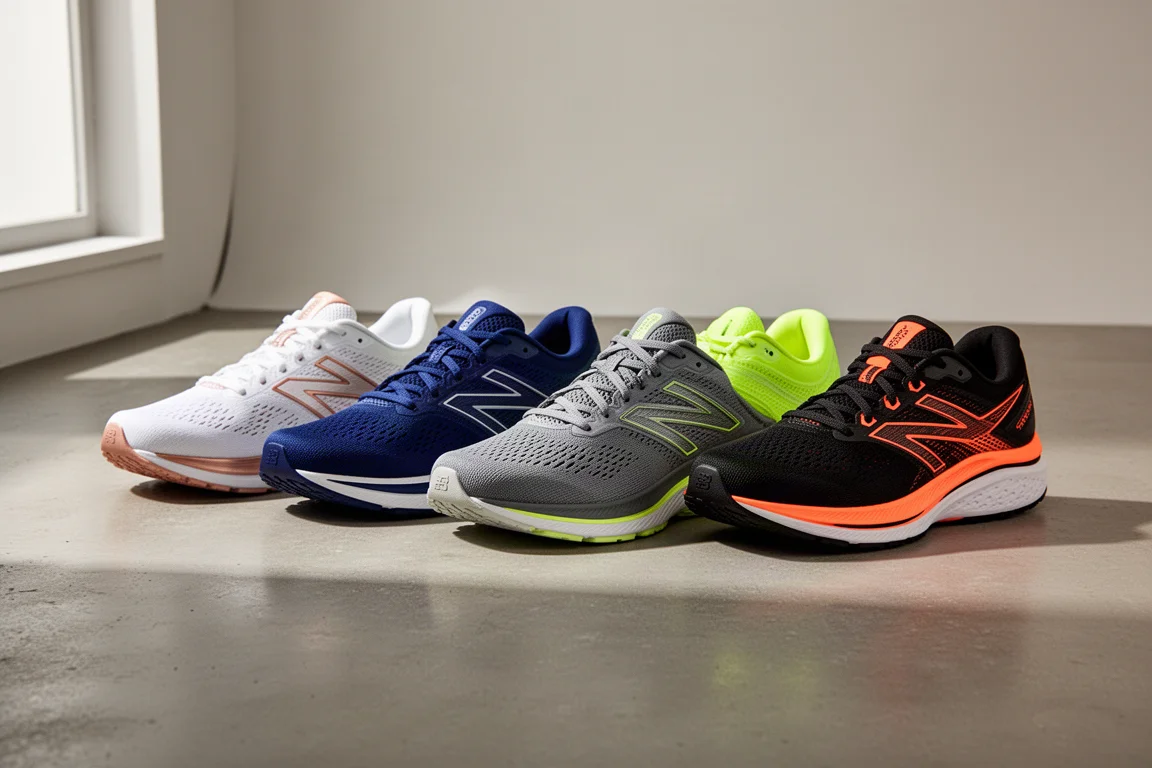
Every running shoe lineup has its headline acts: the max-stack racers, the award-winning bounce machines, the shoes that dominate social feeds. But somewhere below the hype sits a quieter tier of trainers that simply do their job extremely well and never get the conversation they deserve.
This roundup pulls together six of those shoes across three themes: underrated daily trainers, workhorses for specific jobs, and picks that deliver unusual value for the money. The goal is not to crown a single winner, but to help you match a shoe to what you actually need, whether that is easy mileage, track intervals, a touch of stability, or one shoe that can do nearly everything.
Evaluation Criteria
A few threads run through every pick here. First, ride quality that fits the shoe’s intended job, without gimmicks. Second, fit and lockdown, because a shoe that moves well but secures the foot poorly rarely earns long-term miles. Third, durability and outsole coverage, especially for shoes positioned as value picks.
Value, in particular, is personal. It depends on your budget, how often you run, and what you ask of the shoe. Treat these picks as starting points, then define value on your own terms.
Hoka Skyflow: The Quiet Clifton Alternative
The Skyflow flies under the radar in Hoka’s lineup, largely overshadowed by the Clifton and the Bondi. That is a shame, because it occupies a genuinely useful middle ground. It uses a supercritical EVA midsole with a decent amount of stack underfoot, rides flowy and balanced, and works well as a neutral daily trainer.
At around 10 ounces (283 grams) in a men’s size 9, it sits a touch heavier than the Clifton, but the comparison that matters most may actually be the Bondi. The Skyflow feels like a more natural, less aggressively flared progression of the Clifton formula, with slightly nicer foam and a balance the bulky Bondi lacks. The heel bevel is a little sharper and quicker in its angle rather than gradually rounded into the midfoot, so runners who land far back on the heel may find it jarring, while more midfoot-forward strikers should feel right at home. It walks, runs, and stands comfortably, which makes it an easy shoe to live in.
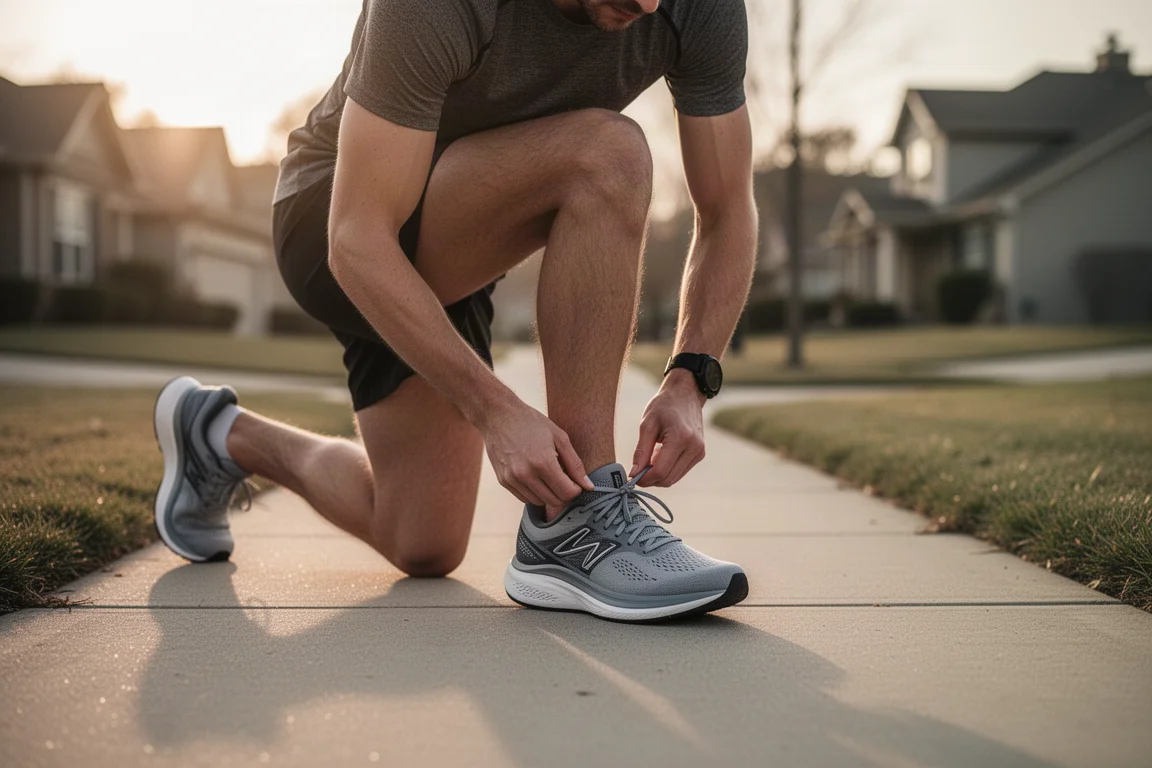
If you do not need a dramatic heel bevel and want a balanced, flowy neutral trainer, this is an easy shoe to undervalue and an easier one to enjoy.
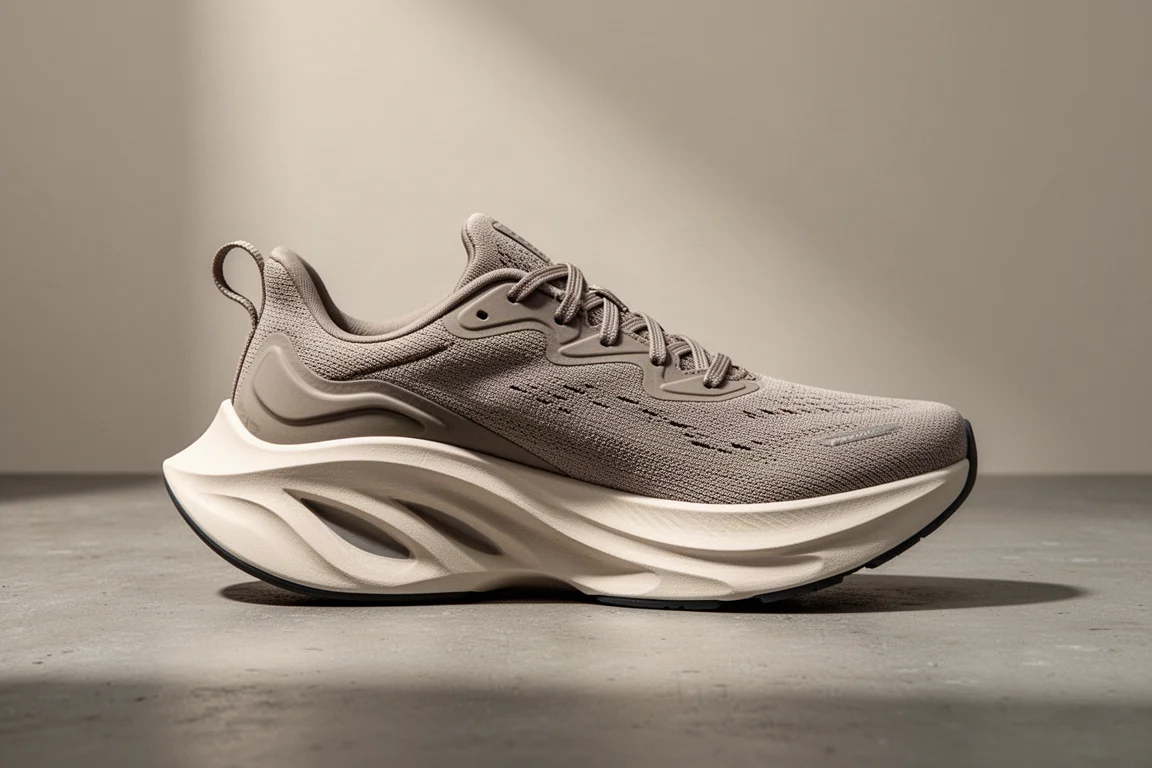
Asics Novablast 4: Underrated for the General Runner
Within the shoe-nerd community, the Novablast 4 gets plenty of praise and awards. Outside that bubble, it barely registers. Ask most casual runners about Asics trainers and they reach for the Nimbus or the Cumulus, leaving one of the brand’s most fun and capable trainers on the shelf.
The platform has been firmed up and stabilized compared with earlier generations, making the ride more dependable without losing the bouncy character that made the line popular. For anyone choosing between Asics daily trainers, it is a stronger pick than the Cumulus in essentially every scenario, and it holds its own against the Nimbus 25 as a primary trainer.
For the general runner who does not follow shoe releases, this is the Asics trainer that deserves mainstream attention. It is not underrated among enthusiasts, but it absolutely is for the global populace.
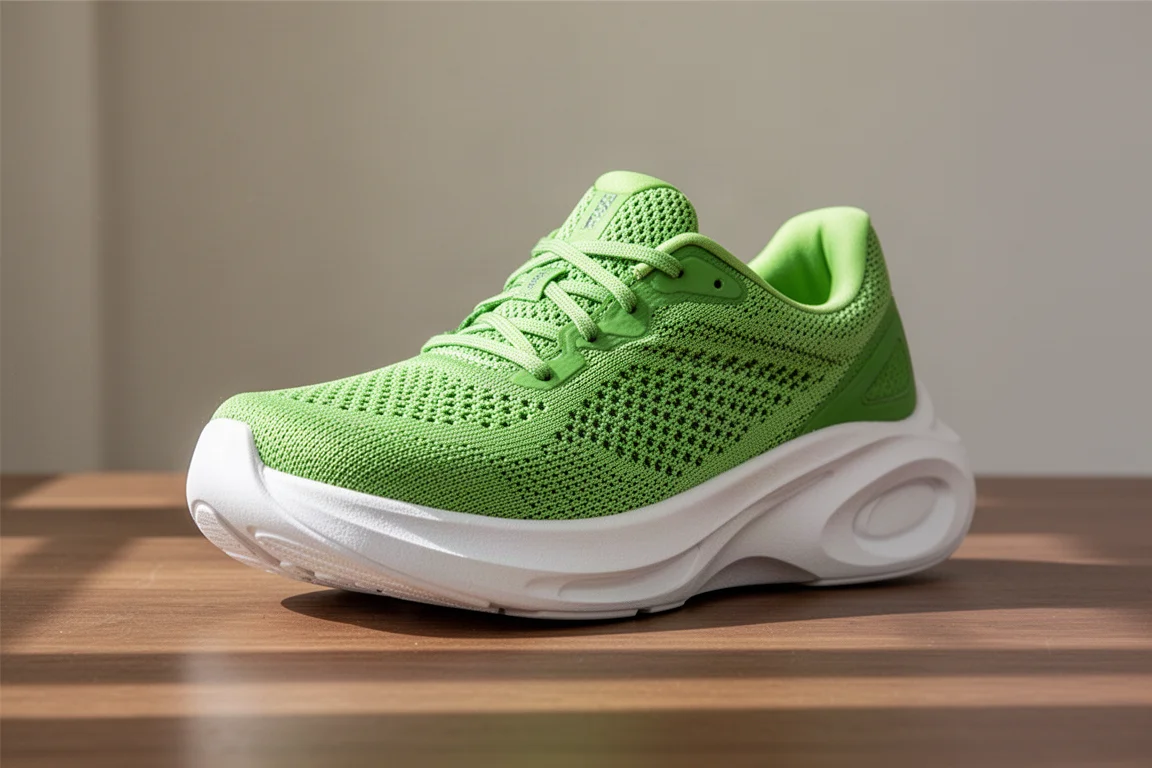
Brooks Hyperion GTS 2: Mild Stability for Track Work
When people talk about Brooks this year, the conversation is all about the Hyperion Max 2, and the rest of the Hyperion line gets forgotten. That is where the Hyperion GTS 2 lives, and it has quietly become a favorite workout companion.
It uses DNA Flash 2 foam, which is firmer and less bouncy than PEBA-based midsoles but delivers a connected, responsive feel. Guide rails hold the heel together and extend through the midfoot, providing just enough added guidance without turning the shoe into a heavy stability trainer. At roughly seven and a half ounces, it stays light enough to rip intervals and shorter track sessions.
Durability and traction are strong points, and the GTS version over the standard Hyperion 2 comes down to that mild, well-executed stability: not dramatic, just enough to add rigidity where it counts. This is not a long run or high daily mileage shoe, but for track workouts and intervals with no plate and minimal nonsense, it excels.
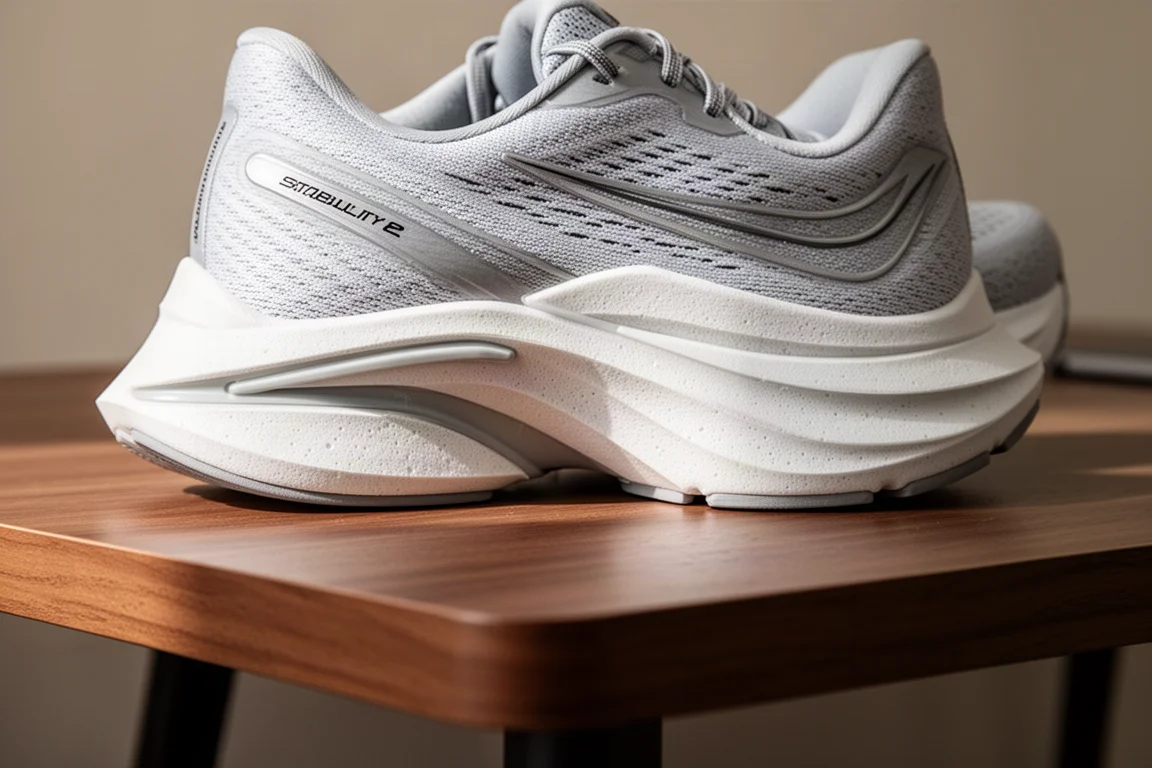
Runners who want a little guidance, great ground connection, and a lightweight workout shoe should give this forgotten Hyperion a serious look.
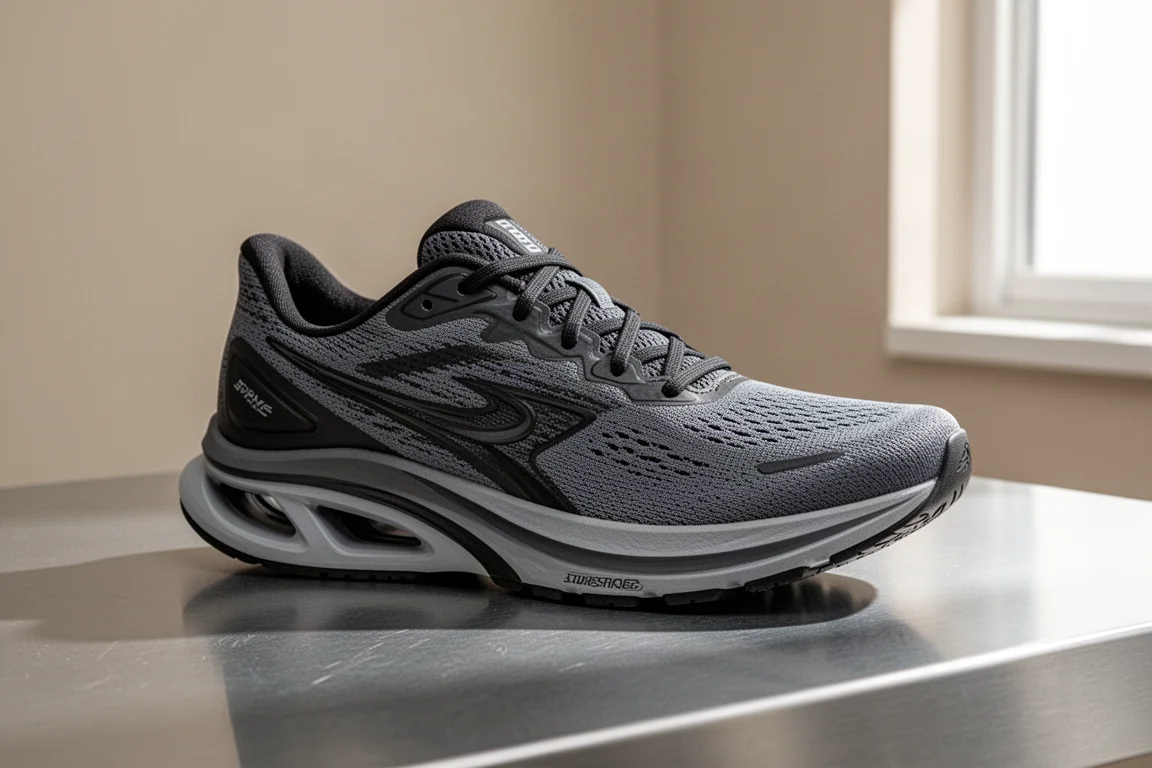
Topo Phantom 3: A Simple Workhorse Daily Trainer
Topo Athletic is a smaller brand that many runners have never encountered, which is part of why the Phantom 3 stays underappreciated. As a daily trainer, it does nearly everything right without doing anything flashy.
The cushioning is consistent rather than bouncy, the rocker is subtle enough to settle you into rhythm, and the fit is a genuine highlight with excellent lockdown. The platform sits in Topo’s moderate drop category rather than zero drop, making it accessible to a wide range of runners, and the wide base gives it stable-neutral characteristics.
This is not the shoe for hard long runs, but for medium-long efforts and daily miles it is a dependable workhorse. If you are getting into running and asking what shoe to buy for straightforward daily training, the Phantom 3 is a great answer that too few people hear.
Asics GT-2000 13: The Best Version of a Longtime Mainstay
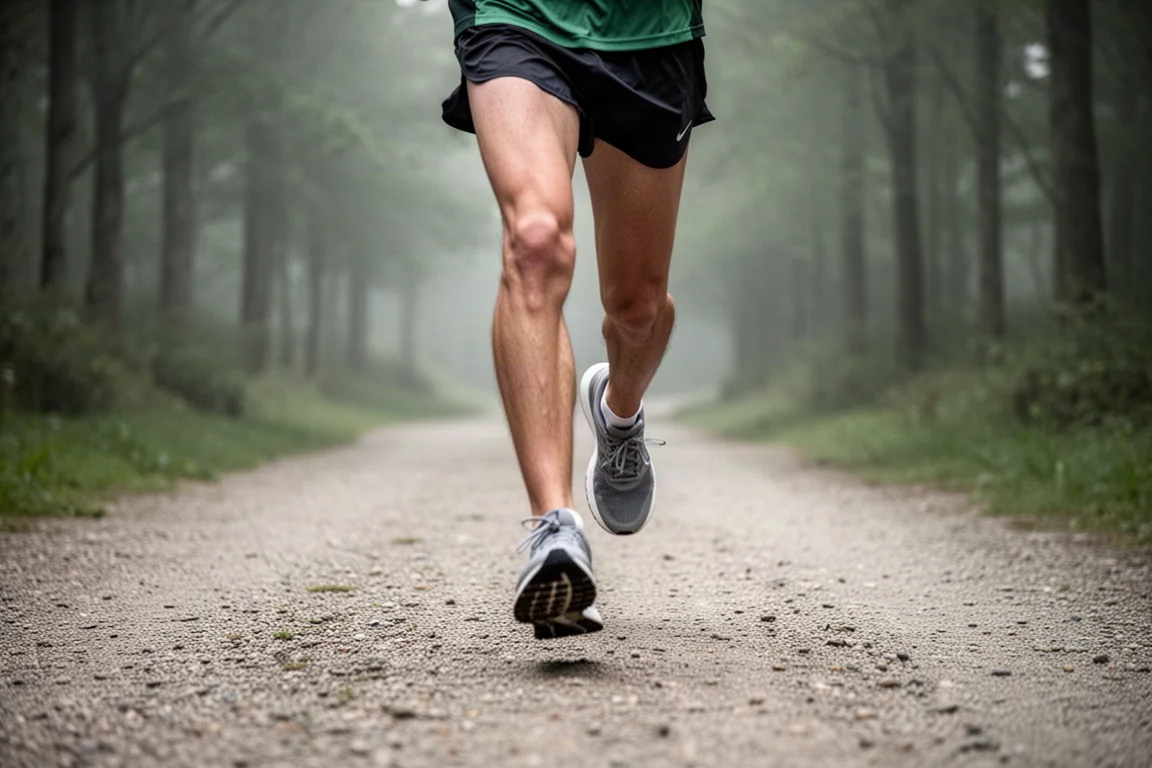
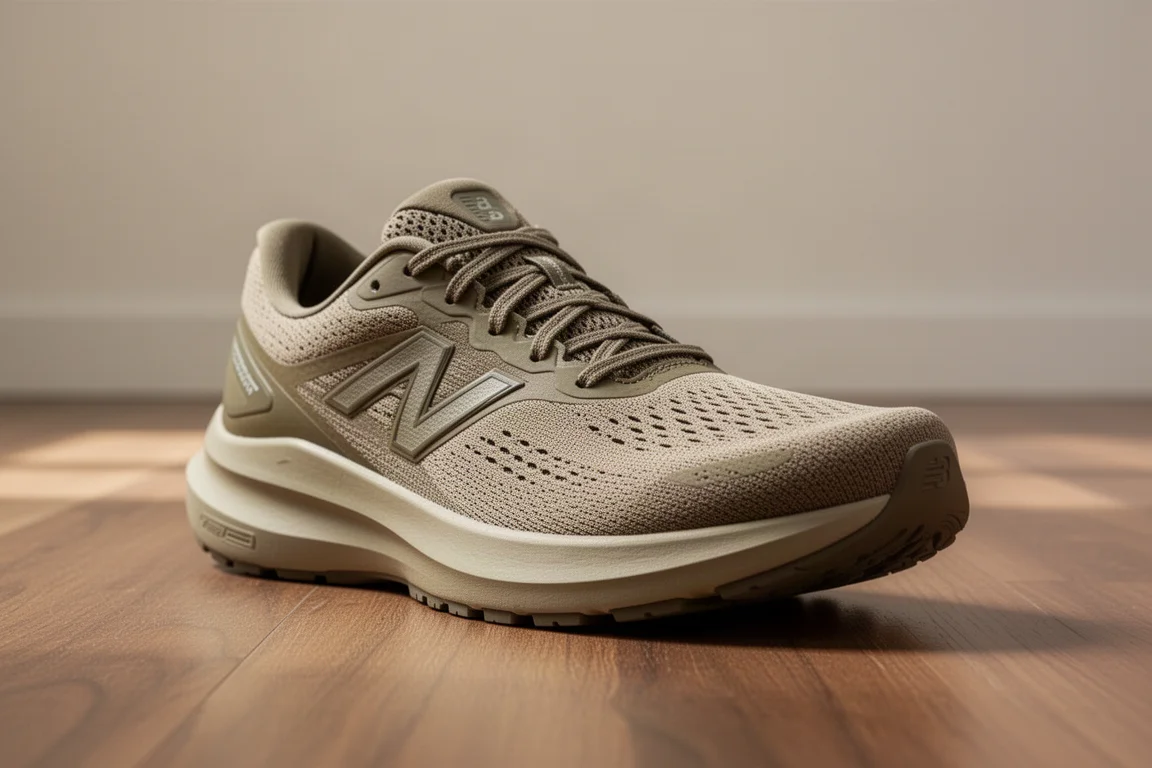
The GT-2000 has been around for thirteen versions, and for most of that run it was a pleasant but forgettable shoe: fine to stand and walk in, hard to choose for running against more exciting alternatives. The GT-2000 13 changes that by upgrading the midsole to FF Blast Plus foam, paired with Pure Gel in the heel and what Asics calls a 3D Guidance system.
The result is a light-to-moderate stability trainer with solid sidewall flaring and a cradle-like feel through the heel. At 35mm of heel stack, 9.5 ounces in a men’s size 9, and around $140 retail, it is a competitive weight for a daily trainer with plenty of outsole coverage and real grip on dirt and trails. The heel bevel is nicely rounded, the ride is fluid, and the shoe takes a beating while holding the foot securely.
Twenty-mile long runs, daily miles, and everything in between all work here. It is not a hype shoe, but it may be one of the best-built trainers of the year, and almost nobody is talking about it.
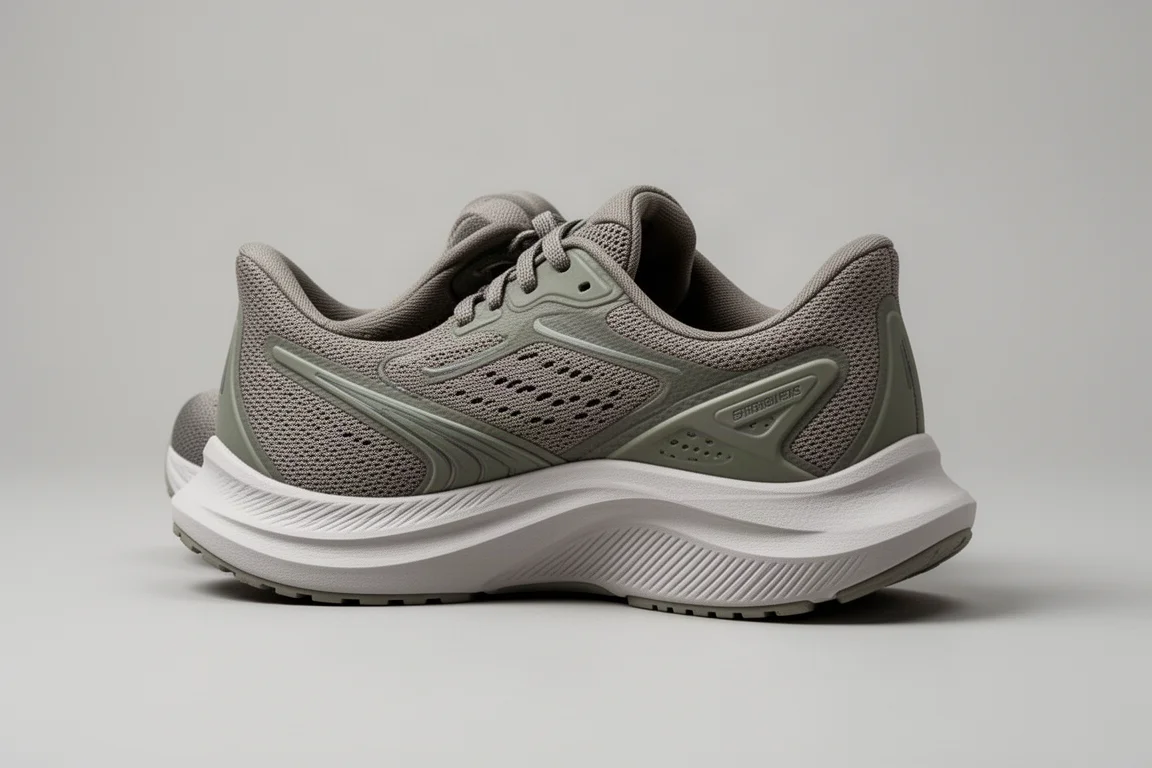
Saucony Endorphin Speed 4: Do-Everything Performance Value
At $170, the Endorphin Speed 4 is not cheap, but it is also not $200 or $250, and what you get for that money is remarkable. The PowerRun PEBA midsole is responsive and beautifully shaped, rolling smoothly off the toe, and the shoe has proven itself across multiple iterations as both durable and versatile.
Easy runs, long runs, workouts, and even racing all fit inside this shoe’s range. Unlike performance shoes that fade after a hundred miles, it delivers typical training-mile durability from the midsole and outsole, so the price stretches further than most of the super shoe category.
That versatility extends to travel: it is the kind of shoe you can run easy in one day and hard the next, pack it as your only pair, and never feel shortchanged. If you want one shoe that genuinely does everything and you do not want to enter the $250 racer tier, this is the option that has earned trust over years of consistent iterations.

For runners seeking a single performance trainer that handles the full week, few shoes at any price match what the Endorphin Speed 4 offers.
Overall Buying Advice
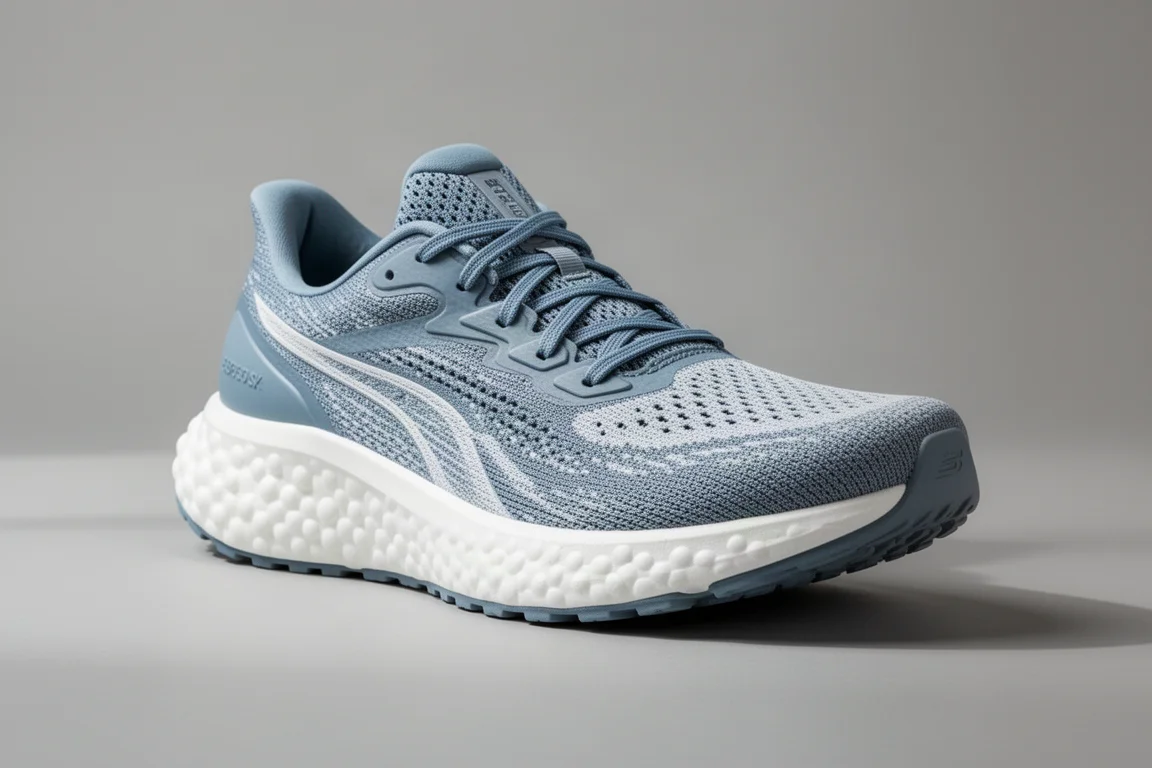
Matching a shoe to your actual needs matters more than chasing hype. If you want a balanced neutral daily trainer, the Hoka Skyflow and Topo Phantom 3 are the straightforward picks. If you want a fun, bouncy ride from a major brand that casual runners overlook, the Asics Novablast 4 delivers. Runners needing a touch of guidance for faster work should look at the Brooks Hyperion GTS 2, while those wanting everyday stability should strongly consider the Asics GT-2000 13.
On pure value, the GT-2000 13 at $140 and the Endorphin Speed 4 at $170 stand out as shoes where your money goes unusually far. Decide what job the shoe needs to do first, then let the category choose for you.
Conclusion
The most underrated shoes are rarely the flashiest. They are the ones that fit well, ride smoothly, hold up over hundreds of miles, and quietly outperform their reputation. Any of these six can be exactly that shoe, provided it matches the mechanics, mileage, and goals you bring to it.
Further reading
Related Reviews

Running Shoes
Best Road-to-Trail Running Shoes: Three Versatile Options for Mixed Terrain
A practical guide to three road-to-trail running shoes that handle both pavement and mild trails, with clear strengths and trade-offs for different runner types.

Running Shoes
Best Running Shoes for Achilles Tendonitis: Three Options Explained
Three running shoes with different heel drops and support features designed to help reduce Achilles tendon pain during walking and running.

Running Shoes
Best Running Shoes for Women: Five Top Choices Ranked
A ranked guide to five women's running shoes, from versatile daily trainers to high-performance racing options, with real strengths and trade-offs for each.