Running Shoes
Most Surprising Running Shoes of 2024: Three Overdeliverers and Two to Skip
Five 2024 running shoes that either wildly exceeded expectations or fell short: the Adidas SL2, Hoka Skyward X, Nike Zoomfly 6, plus the Nike Pegasus 41 and Hoka Rincon 4.
Introduction
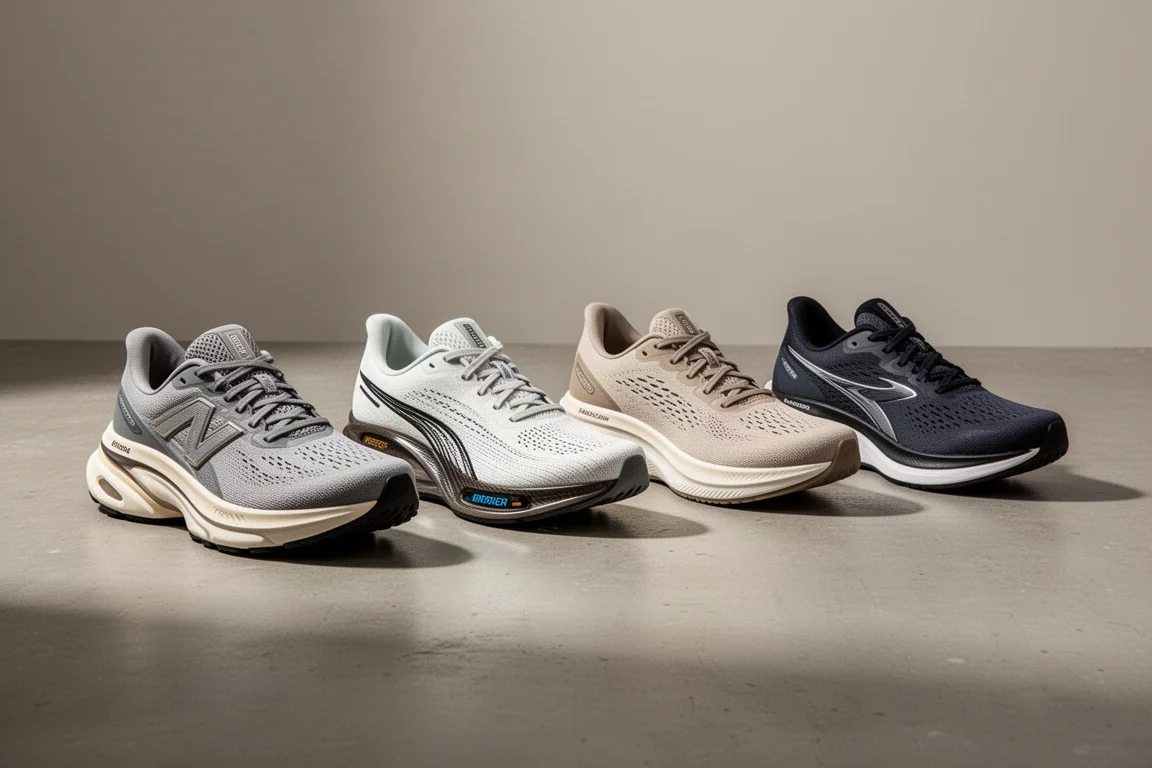
2024 has been a genuinely strong year for running shoes. Every major brand brought updates to market, the bar keeps rising, and standing out gets harder each season. What made this year interesting is how uneven the results were: some shoes that looked like sure things on paper landed with a thud, while a few under-the-radar releases massively overdelivered.
This roundup covers five shoes in two camps: the three that surprised us for the right reasons, and two updates that were, frankly, a bit of a letdown. Every pair here was bought and tested with personal funds over real training miles, so the impressions below reflect what it is actually like to run, race, and live in these shoes.
How We Picked These Shoes
The criteria were simple. A shoe earns a spot as a surprise if it delivered well beyond what its price, spec sheet, or predecessor suggested. A shoe earns a spot as a letdown if it failed to justify an upgrade, a price increase, or both. Stack height, weight, foam, upper, outsole, fit, and price all factored in, but the deciding factor was always the ride underfoot across easy runs, workouts, and long efforts.
The Letdown: Nike Pegasus 41
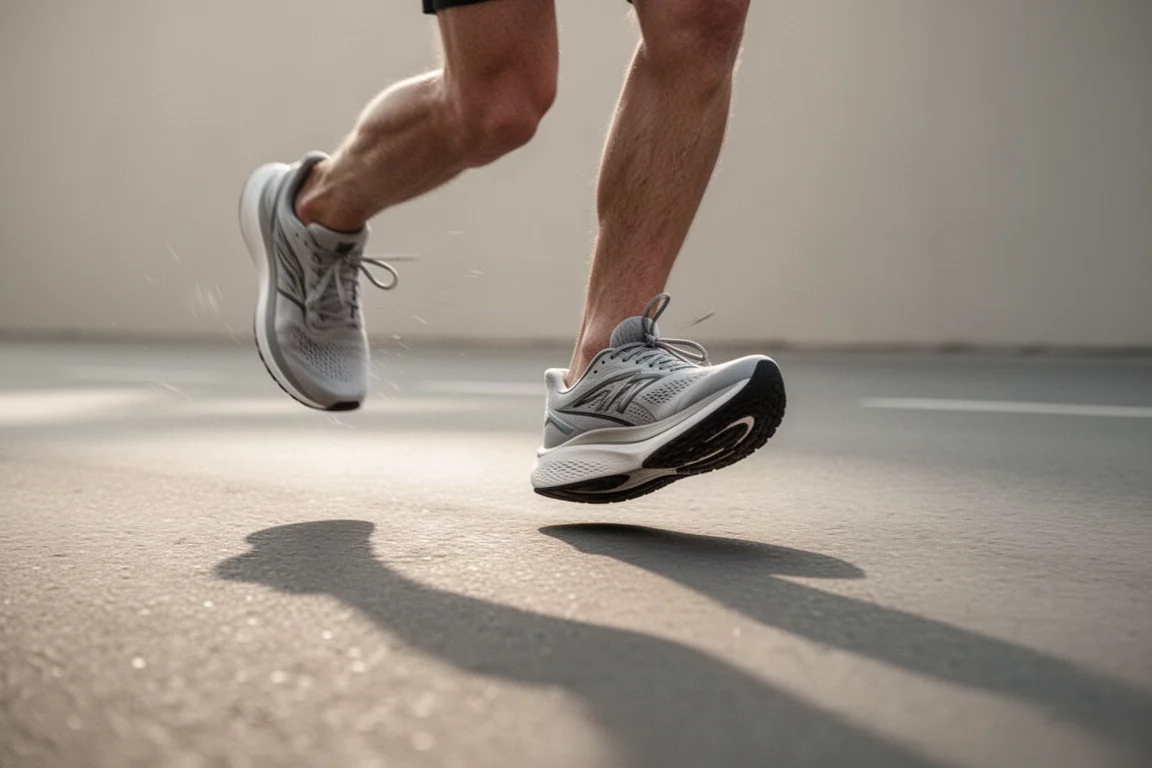
Nike’s classic daily trainer is in its 41st version, and it still is not quite there. The update promised a new foam and a better upper, which sounded like exactly what was needed to make the Pegasus a daily shoe worth recommending again. Instead, it fell short. The spec: a 37 mm heel stack, a 10 mm drop, a 347 g weight, and an engineered mesh upper that is actually not bad at all. The price went up too, landing around £130, which puts it firmly in the mid-range with stiff competition.
The ReactX midsole is a step up from version 40, with extra stack and a slightly softer feel, and the Air pods remain in place. The waffle outsole is genuinely excellent, hardwearing, true to size, and available in a wide fit. The upper offers good lockdown, good comfort, a nice wide toe box, and a stable ride. Where it falls apart is the ride itself: the Air pods in this foam do very little work, energy return is minimal, and the shoe feels fairly dead underfoot. The thought of racing anything in it, let alone a marathon, is off the table.
In practice, it quickly became a gym and casual shoe. It is very comfortable for walking, travel, and everyday wear, and it can handle the occasional run if you insist. But at this price, the Novablast, the Mach, or Nike’s own Vomero and Pegasus Plus are far better running shoes. The Vomero is the smarter buy for a Nike daily shoe, and the Pegasus Plus brings the full ZoomX midsole with real pop. If you only want a dependable casual-and-gym shoe with a couple of weekend runs mixed in, it does that job. It just no longer cuts it as a running shoe at £130.
The Letdown: Hoka Rincon 4
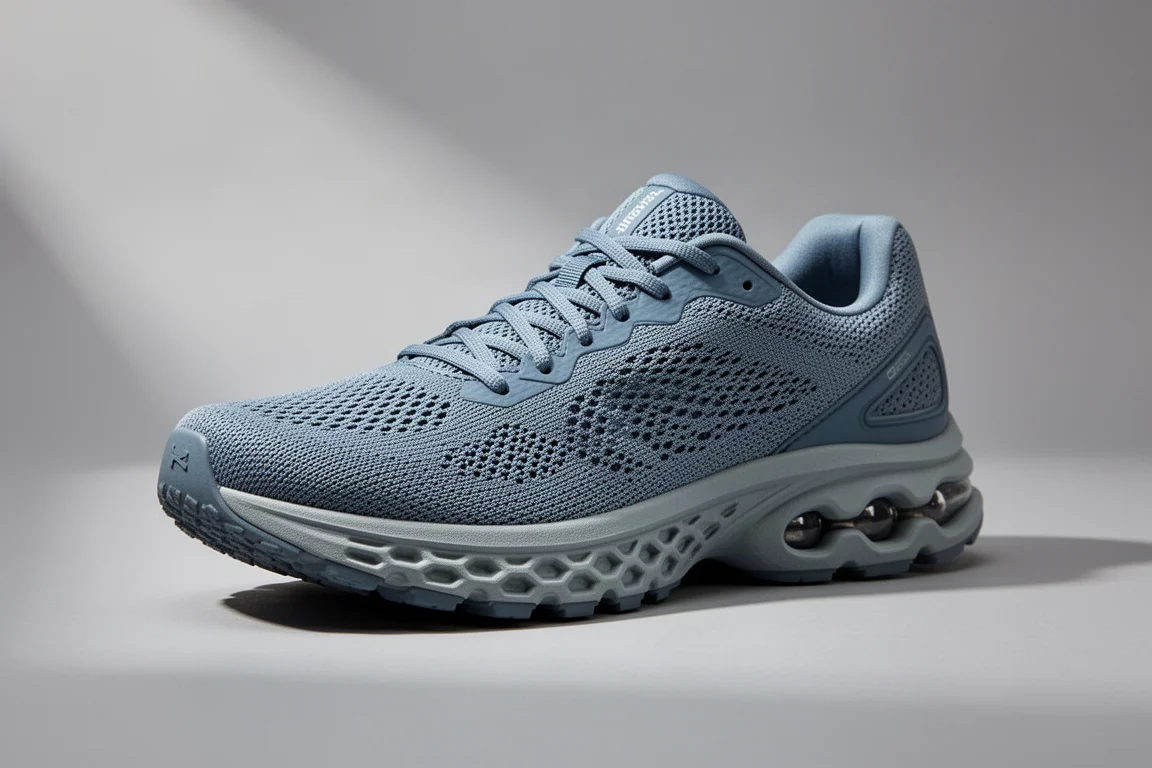
The first three versions of the Rincon were easy recommendations: an entry-level daily trainer that doubled as a lightweight tempo shoe, all at a wallet-friendly price. Version 4, sadly, did not deliver, and compared to its predecessors it is a spectacular fail. The spec: a 33 mm heel stack, a 5 mm drop, around £100 to £110, and a very light 280 g in a UK size 12. The purpose is the same as always, an entry-level beginner daily trainer or a speed-day shoe for shorter distances up to the half marathon.
The problems start with the midsole. The injection-molded EVA feels stiff and firm, with a real dead sensation underfoot, and there is no proper rubber outsole, just a rubberized EVA blend that will not last long. Sizing was dreadful: it runs very small, so go at least half a size up, possibly a full size, and the fit is much narrower than version 3, with a cramped, low-volume toe box. Heel slip is common, the lockdown is weak, and while heel-lock lacing does cure the slip, the oddly short tongue makes even that awkward.
It is not all bad. At around 3:20 per kilometre pace it feels genuinely smooth, and some runners will enjoy the extra stiffness and firmness at speed. As a tempo shoe in a bigger rotation for an experienced runner, it can work. As an all-round entry-level shoe it misses the mark. If you want to stay with Hoka, the Mach is better at all paces, and the Clifton offers fantastic durability. At the same budget, a discounted Mach or Clifton will serve you far better.
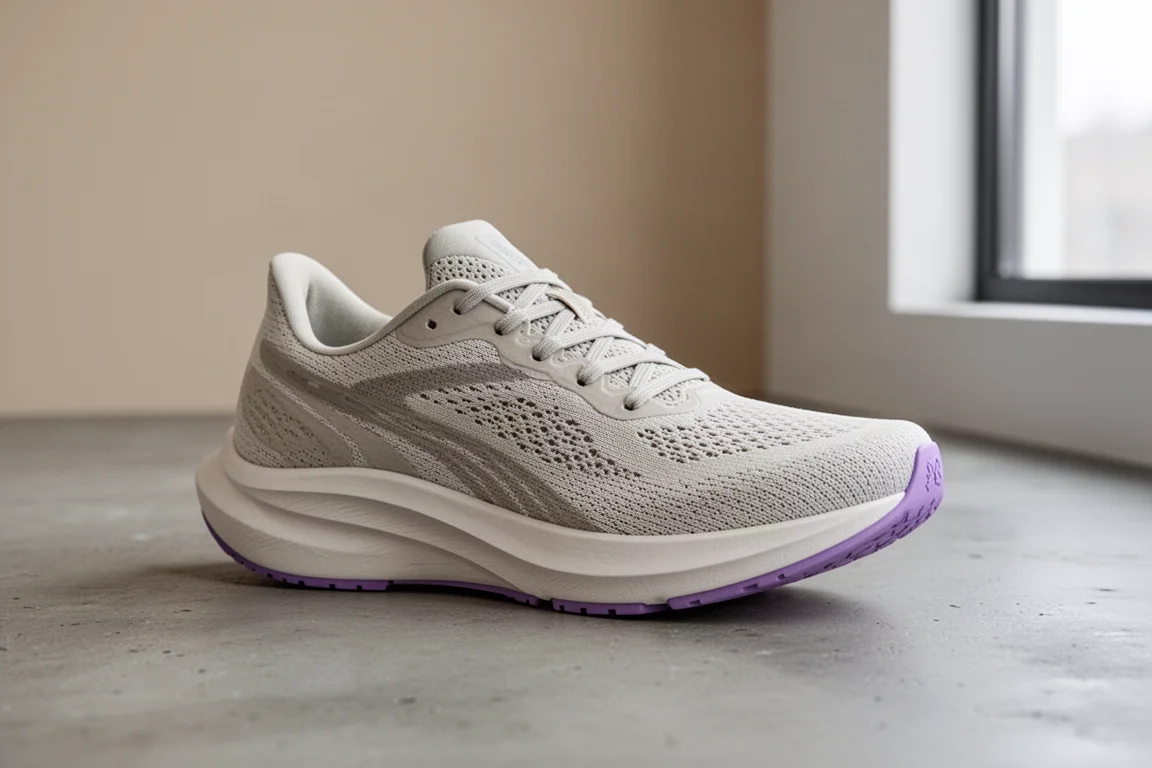
The Surprise: Adidas SL2
Adidas ripped up the rulebook with the SL2. Entry-level shoes are often where manufacturers cut corners, hard foam, cheap materials, a bit boring. The SL2 instead delivered roughly £150 of value for around £100, and at a suggested price of about £110 it cost nearly the same as the SL1 it replaces. The spec: a 36 mm stack height, a 9 mm drop, and a very light 287 g in a UK size 12.
The headline feature is the midsole: a layer of Lightstrike Pro, Adidas’s premium foam, sandwiched between two layers of Lightstrike 2.0 for durability. That combination of poppy, responsive premium foam wrapped in a tougher compound simply does not happen at this price, and the shoe still came out lighter than before. The engineered mesh upper is pretty breathable, the standard rubber outsole grips well even if it is not the famous Continental compound, and cornering felt trustworthy. It runs a little small, so if unsure, go half a size up, and runners with particularly wide feet may want to look elsewhere.
The versatility is the real story. It handles easy runs, recovery runs, reps, thresholds, tempos, and would even hold up on race day from 5K to the half marathon. A marathon is the one place most runners would rather have more plate and protection. For anyone wanting a no-nonsense daily shoe that does nearly everything well without breaking the bank, the SL2 is the pick of this list for pure value.
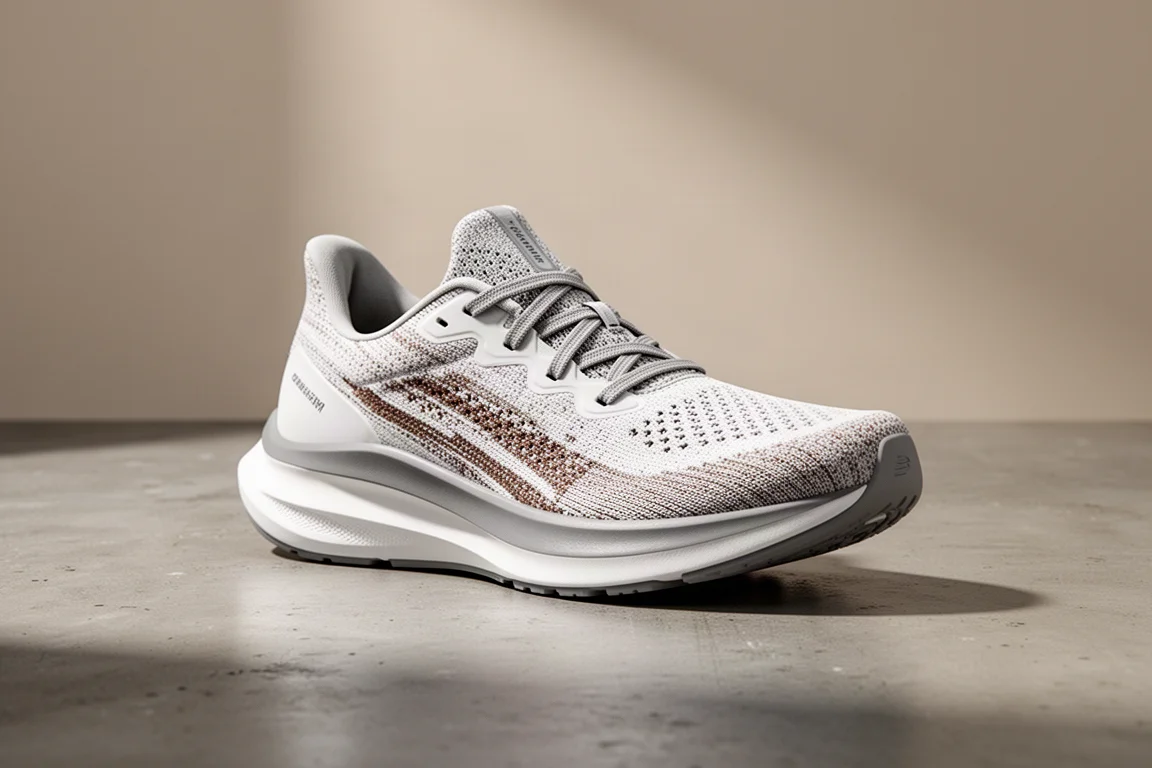
The Surprise: Hoka Skyward X
Expectations were low for the Skyward X. Its predecessor, the Bondi X, was one of the worst shoes in recent memory: a dead-feeling combination of foams and a carbon plate on a shoe meant for easy days, complete with heel slip. The Skyward X is a complete redesign, and it absolutely delivered. The spec: a whopping 48 mm stack height, the tallest ever tested here, a 5 mm drop, 378 g in a UK size 12, and a price around £185.
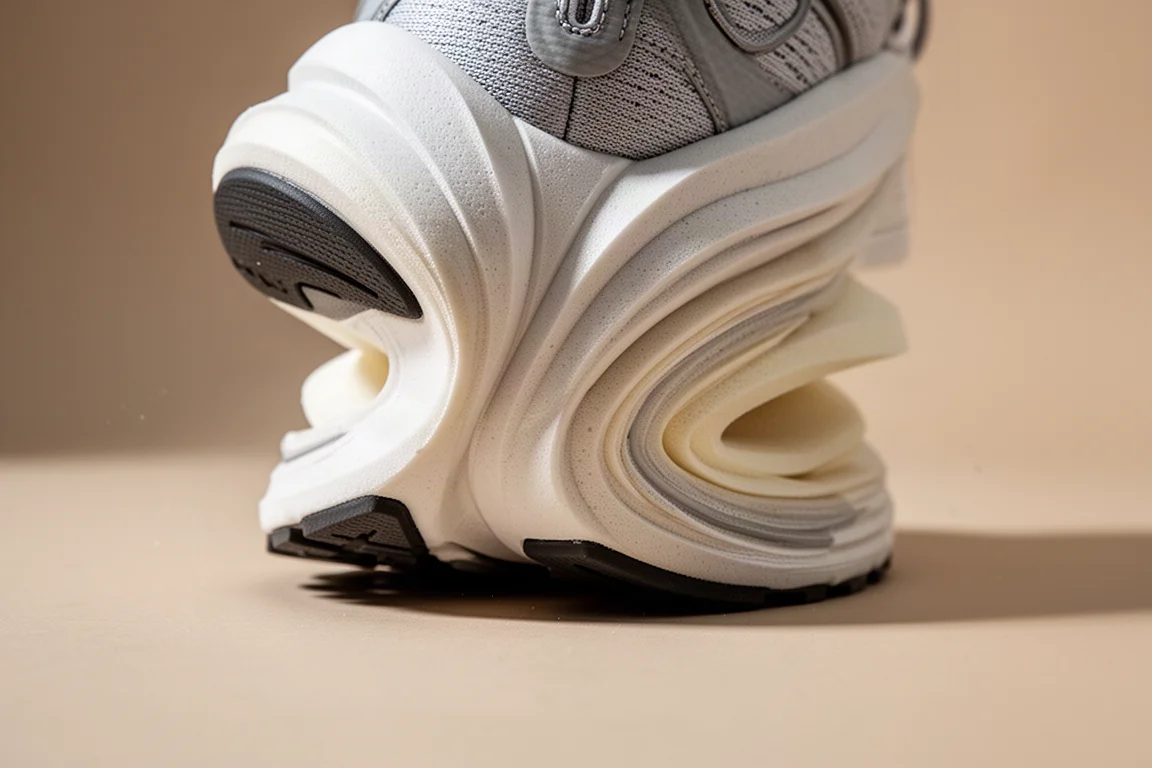
The midsole stacks two layers, EVA for durability and PBA for responsiveness, with a huge amount of bounce and travel in the foam. The carbon plate is not there for outright speed; it adds crucial stability with this much foam, holding the whole combination together. The outsole uses high-abrasion rubber pads that are wearing well at 80 miles, the flat-knit, sock-like upper is breathable, and sizing ran true to size. Despite the bulk, it is genuinely fun to run in and supremely comfortable, with no issues over long distances.
It has earned its place as the go-to shoe for easy runs, recovery runs, and second runs of the day, with all that foam absorbing impact and looking after tired legs. It is also a great fit for heavier runners worried about bottoming out foam, since that is very hard to do in this shoe. For anyone wanting to run a long way at a relaxed pace in maximum comfort, there is not much better available right now.
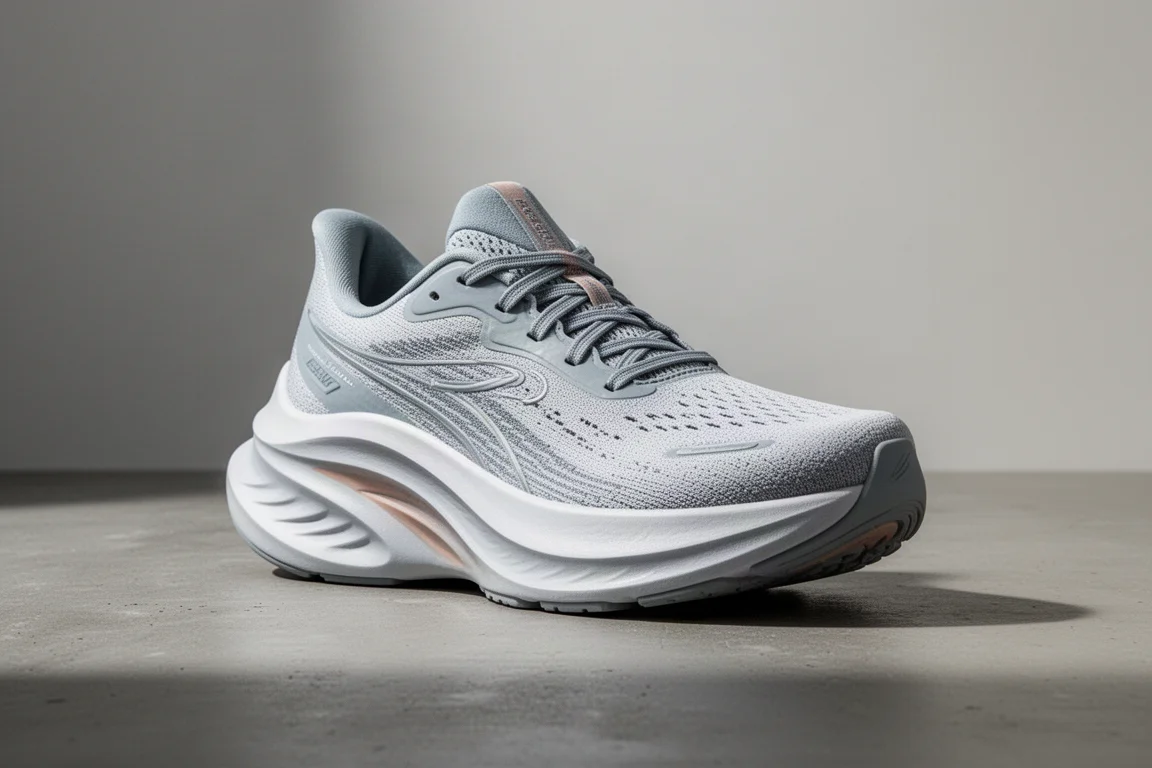
The Surprise: Nike Zoomfly 6
The Zoomfly 5 was a flop: heavy, dead, and widely panned. The Zoomfly 6 is the opposite, and it feels like Nike genuinely listened to feedback. The hard recycled foam is gone, replaced by a huge slab of premium ZoomX, the same foam used in the Vaporfly and Alphafly, layered above a carbon plate and an EVA layer for training durability. The result is 10% lighter at 322 g, with a 42 mm heel stack, an 8 mm drop, and a price of £155, which is strong value for a plated shoe with this foam.
The two-layer woven mesh upper is comfortable, the waffle outsole offers fantastic grip and excellent durability after 100 miles, and sizing ran true to size. This is the everyday race shoe and training partner to Nike’s top-end racers: speed runs, long runs, tempo and threshold sessions, and even race day itself. It is not the best choice for easy and recovery jogs; it is a shoe you put on to go fast. It is also simply fast: the pace achieved versus effort put in has been a genuine surprise, and while the Alphafly is quicker, this saves the super shoes from being worn out in training.
At 90% of the performance of a Vaporfly or Alphafly for a much lower price, it is an easy recommendation. Anyone wanting a durable, comfortable shoe for speed work, long runs, and races without spending super-shoe money, or anyone who already owns super shoes and wants to save them for race day, should have this on their list.
Buying Advice: Where to Spend and Where to Save
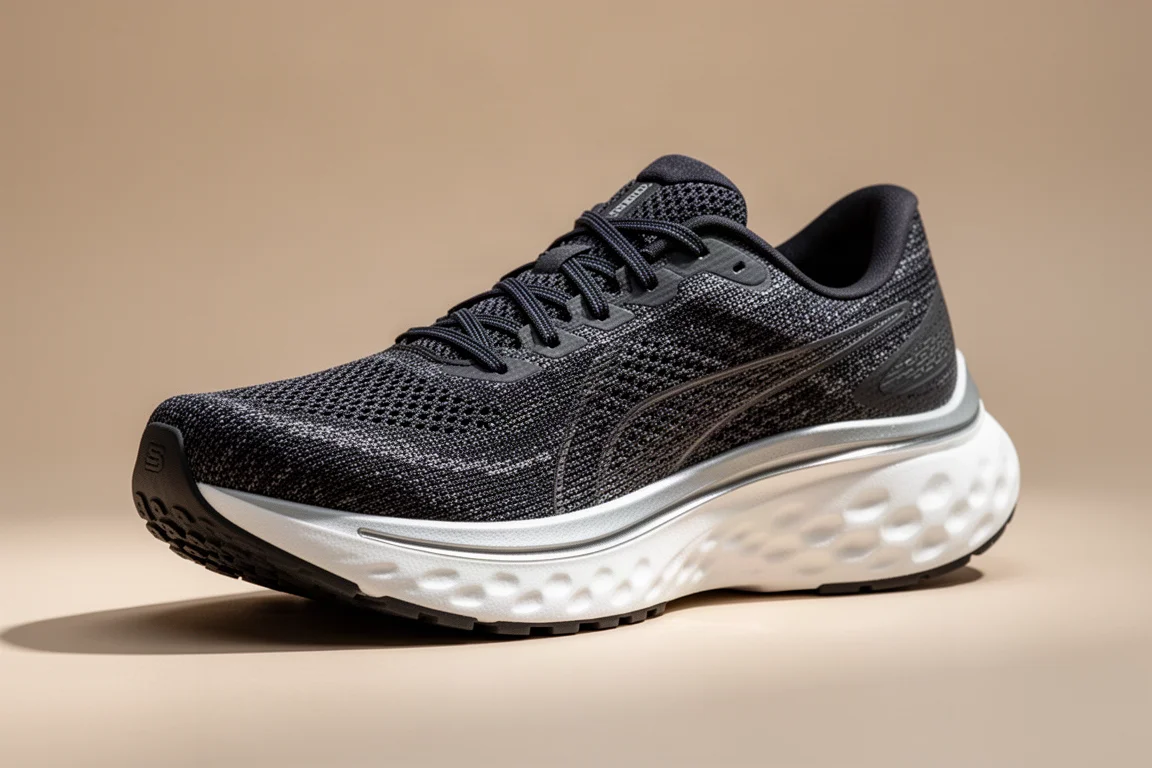
The clearest lesson from 2024 is that price no longer predicts quality. The SL2 proves that a sub-£100 shoe can carry premium foam and do nearly everything well, and the Zoomfly 6 shows that a plated trainer with top-tier foam can land at £155 instead of super-shoe money. Spend up, and it should be for a specific reason: the Skyward X earns its price tag for maximum cushioning and recovery-day comfort, not flashy specs.
Conversely, do not pay up just for a familiar name. The Pegasus 41’s price hike pushed it past the point where its ride justifies the cost, and the Rincon 4 shows that a light weight and a low price do not make up for poor fit and a dead foam. In both cases, the same money or slightly less buys a clearly better running experience elsewhere.
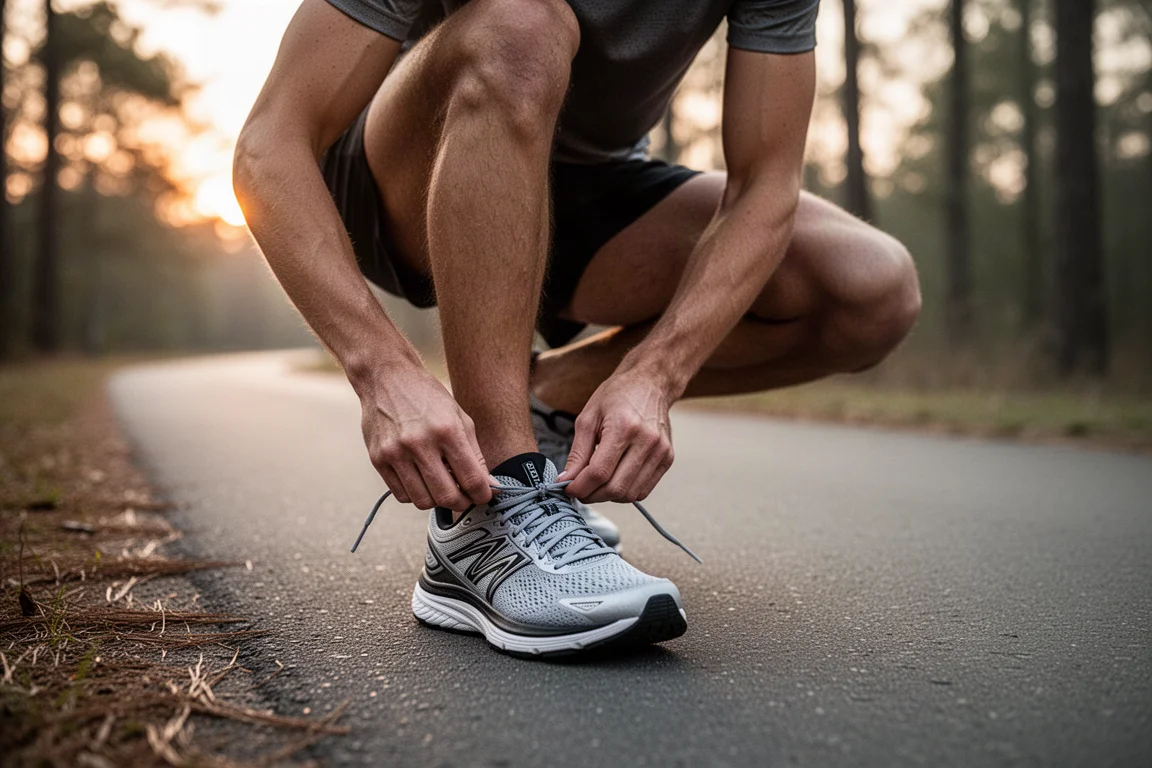
Match the shoe to the job: a versatile daily trainer for most of your miles, a plated tempo and race-day trainer for faster work, and a max-cushion option for recovery and long, easy efforts. Get that mix right and even a modest budget covers a very capable rotation.
Conclusion
2024 rewarded brands that took chances and punished those that played it safe. The Adidas SL2, Hoka Skyward X, and Nike Zoomfly 6 all overdelivered in ways that were hard to see coming, and each earns a genuine recommendation for a specific type of runner. The Nike Pegasus 41 and Hoka Rincon 4, meanwhile, are worth approaching with caution: both have real strengths, but better options exist at their price points. Check the fit notes, match the shoe to your training, and every one of the three winners here has a very good chance of putting a smile on your face out on the road.
Further reading
Related Reviews

Running Shoes
Best Road-to-Trail Running Shoes: Three Versatile Options for Mixed Terrain
A practical guide to three road-to-trail running shoes that handle both pavement and mild trails, with clear strengths and trade-offs for different runner types.

Running Shoes
Best Running Shoes for Achilles Tendonitis: Three Options Explained
Three running shoes with different heel drops and support features designed to help reduce Achilles tendon pain during walking and running.

Running Shoes
Best Running Shoes for Women: Five Top Choices Ranked
A ranked guide to five women's running shoes, from versatile daily trainers to high-performance racing options, with real strengths and trade-offs for each.