Running Shoes
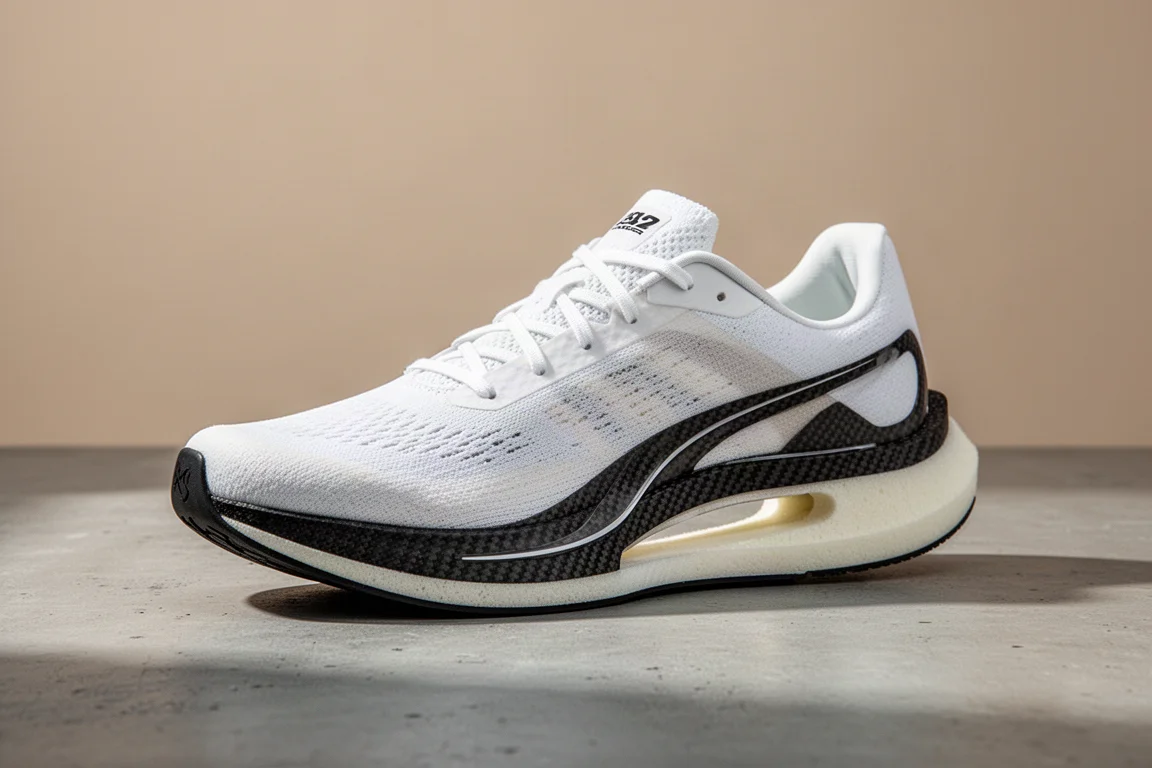
The Most Stable and Supportive Race Shoes: Top 5 Plus 3 Worth a Look
From purpose-built stability racers to firmer all-rounders, these are the best race shoes for overpronation support, long time on feet, and a more forgiving marathon ride.
Introduction
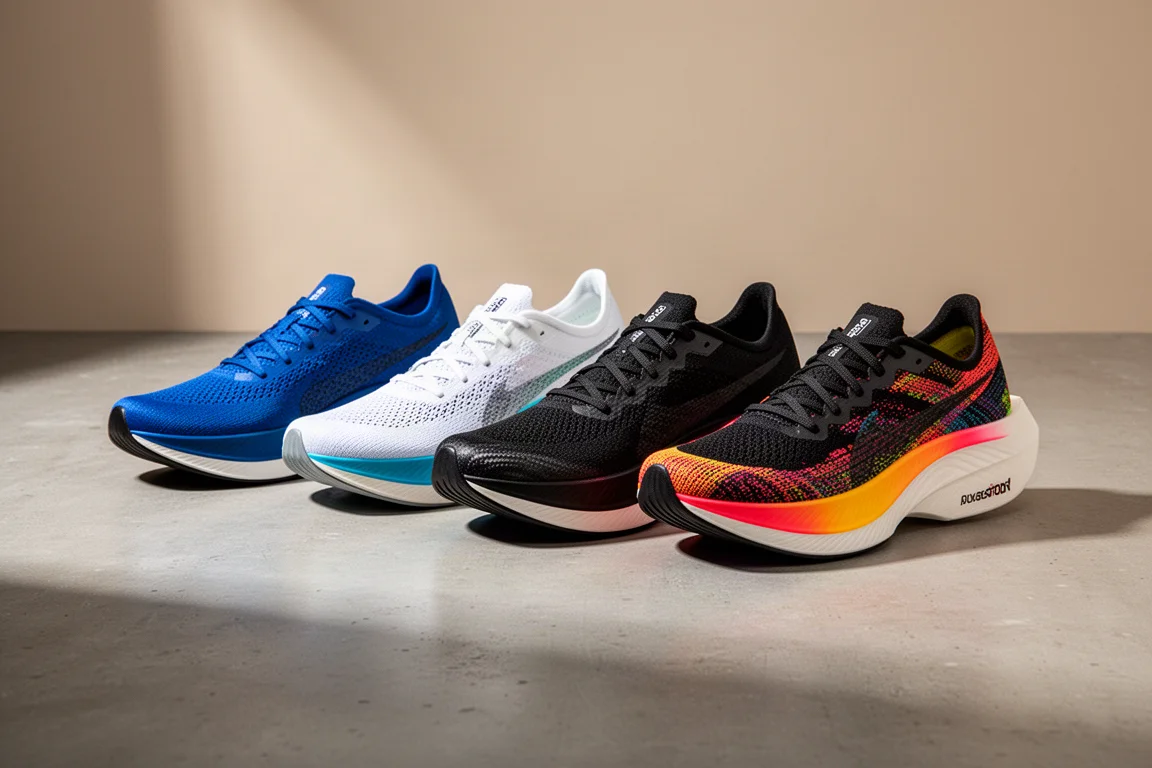
Not every runner wants the most aggressive carbon racer on the market. If you are spending three to five hours on your feet in a marathon, dealing with overpronation, or simply want a race shoe that will not trash your legs, a more stable and supportive option often makes more sense. This list focuses on exactly that: race shoes that guide the foot, protect it deeper into long efforts, and still deliver genuine speed.
What Makes a Race Shoe Stable and Supportive
Stability and support are two different things. Stability means control for overpronation. Support means guidance: directing the foot forward, preventing the midsole from bottoming out, and keeping the ride from getting too squishy under heavier or more powerful runners.
Any shoe on this list should hold up across three use cases: better performance over long time on feet, better tolerance for overpronation, and a more comfort-oriented ride than a traditional razor-sharp racer. That is why familiar super-fast options like the Adizero Adios Pro family are left out entirely here.
Honorable Mentions
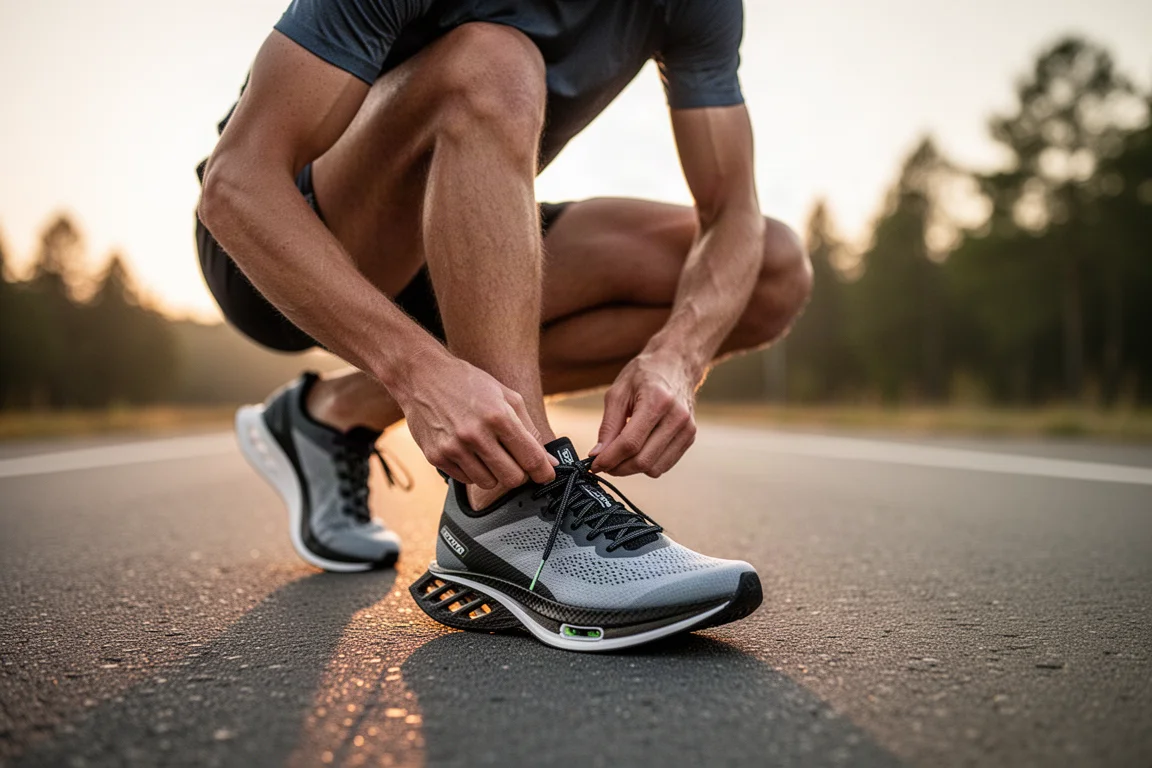
There were more great stable and supportive race shoes than slots on the main list, so three very solid options deserve a highlight first. Two of them are not technically race shoes at all, which is why they miss the top five.
Saucony Endorphin Trainer
The Saucony Endorphin Trainer is simply too good a deal to leave off entirely. You get PWRRUN PB-style race foam on top, a stability foam on the bottom, and a partial carbon fiber plate. At around $90, it is a very protective but fun shoe, ideal if your race paces sit at 10 minutes per mile or slower, or if you are not even racing and just want an energetic midsole as you get into running.
ASICS Metaspeed Edge Paris
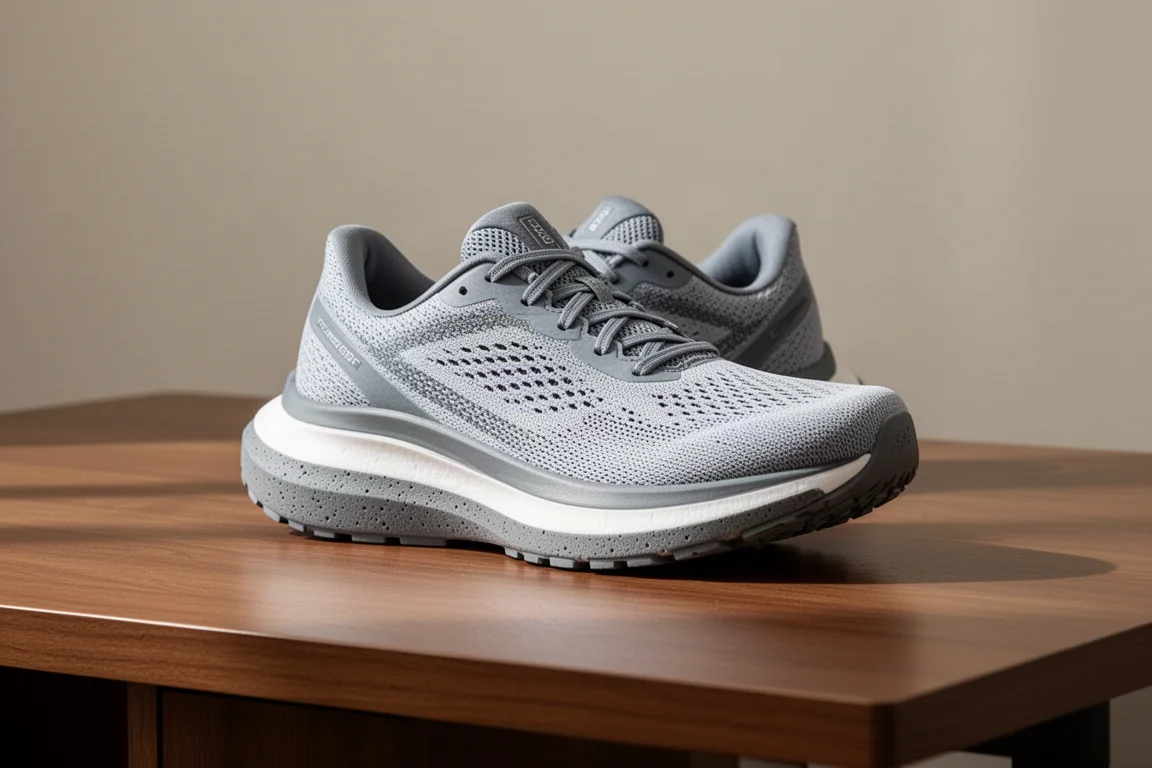
On the opposite end of the spectrum, the ASICS Metaspeed Edge Paris is a very aggressive race shoe with two layers of top-tier race foam: firmer on the bottom, softer on top. That big firmer base layer creates a decently stable platform, and at around 180 grams it is seriously light. It is not the most supportive option, but if you want a fast shoe with just a touch of stability in the back, this is the pick. The softer, more comfort-oriented feel is the main difference from the Sky Tokyo.
Salomon S/Lab Spectur
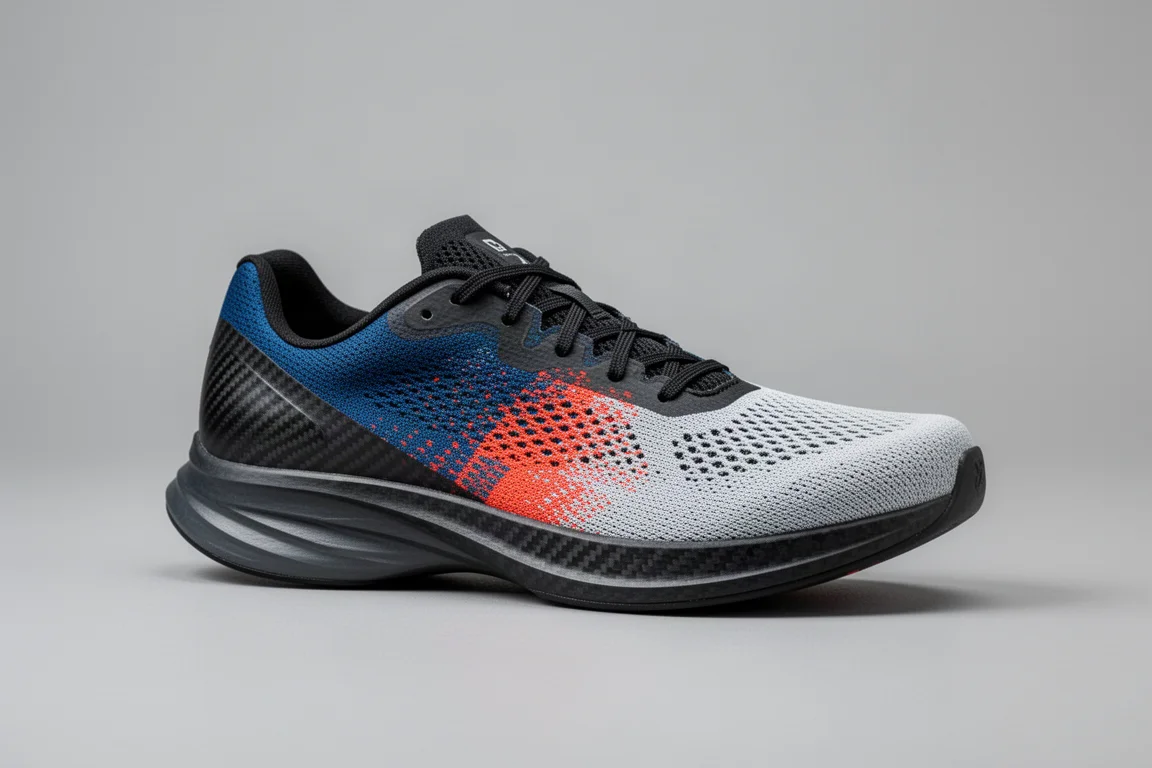
The Salomon S/Lab Spectur is a deep cut, and one of the few race shoes purpose-built for stability. The carbon plate wraps up around the sides and the medial area of the foot, while the midsole pairs soft, bouncy PEBA race foam on top with a standard support foam underneath. The result is very stable and supportive at the rear without being heavy, and it clearly favors heel and mid-midfoot striking as a half or full marathon shoe.
5. ASICS Metaspeed S4 Plus
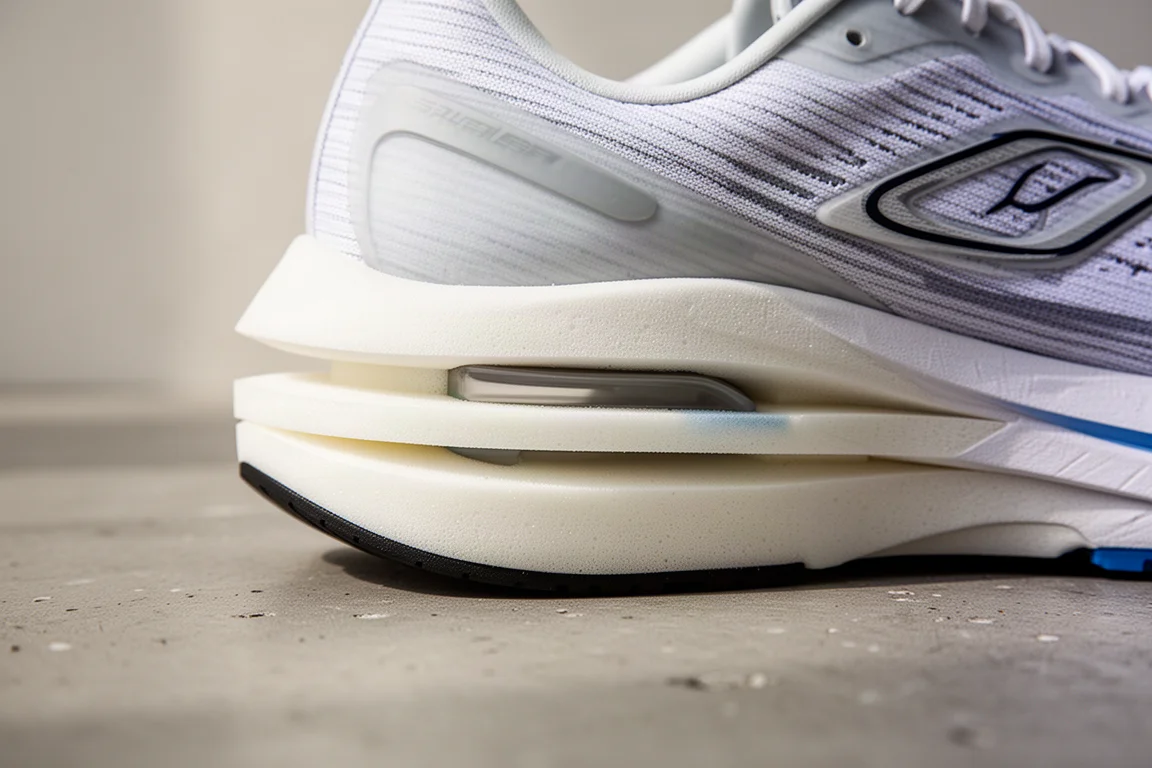
The ASICS Metaspeed S4 Plus is built on the same platform as the Metaspeed Edge Paris and Edge Tokyo, but the foam stack is inverted: FF Turbo on top with a firmer, more standard EVA-like foam on the bottom. It feels a bit like an old-school Boston setup, with race foam up top and firmer foam below. The ride is smooth, controlled, and pleasant, with no aggressive carbon snap.
The four in the name nods to 4-hour marathoners, and that is exactly who this shoe is for: long runs, marathon training, and big time-on-feet efforts. On this list it is the slowest option, but also the smoothest and most supportive of the group.
4. Hoka Rocket X3
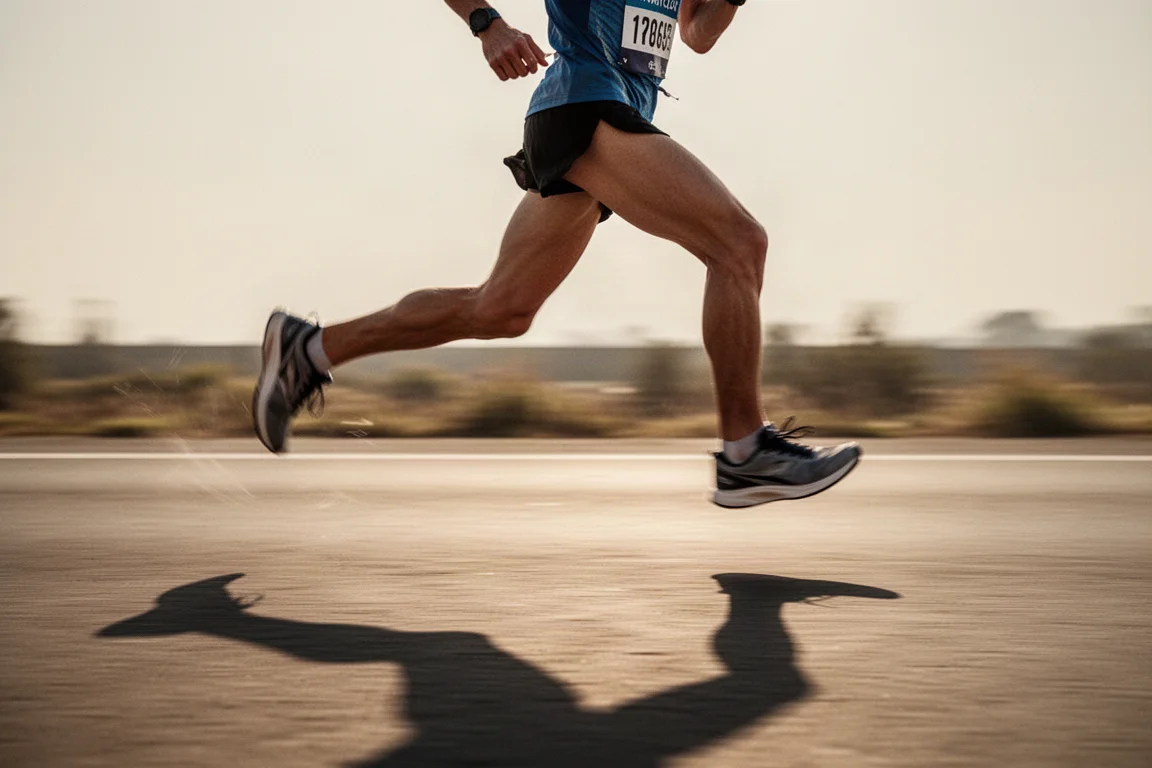
The Hoka Rocket X3 is polarizing. For fast paces down into the fives, the toe-off can feel gummy, and the plate placement on the outside can get in the way at speed. But this shoe was never designed for those paces. Runners at 8, 9, or 10 minute paces tend to love it, because it is very comfortable and very supportive.
You get two layers of PEBA race foam and a winged plate design that locks the foot in place, plus a quality padded upper at the heel. It is probably the least aggressive 100% race foam shoe on the market, which makes it a strong injury-prevention-style racer and a capable long run trainer.
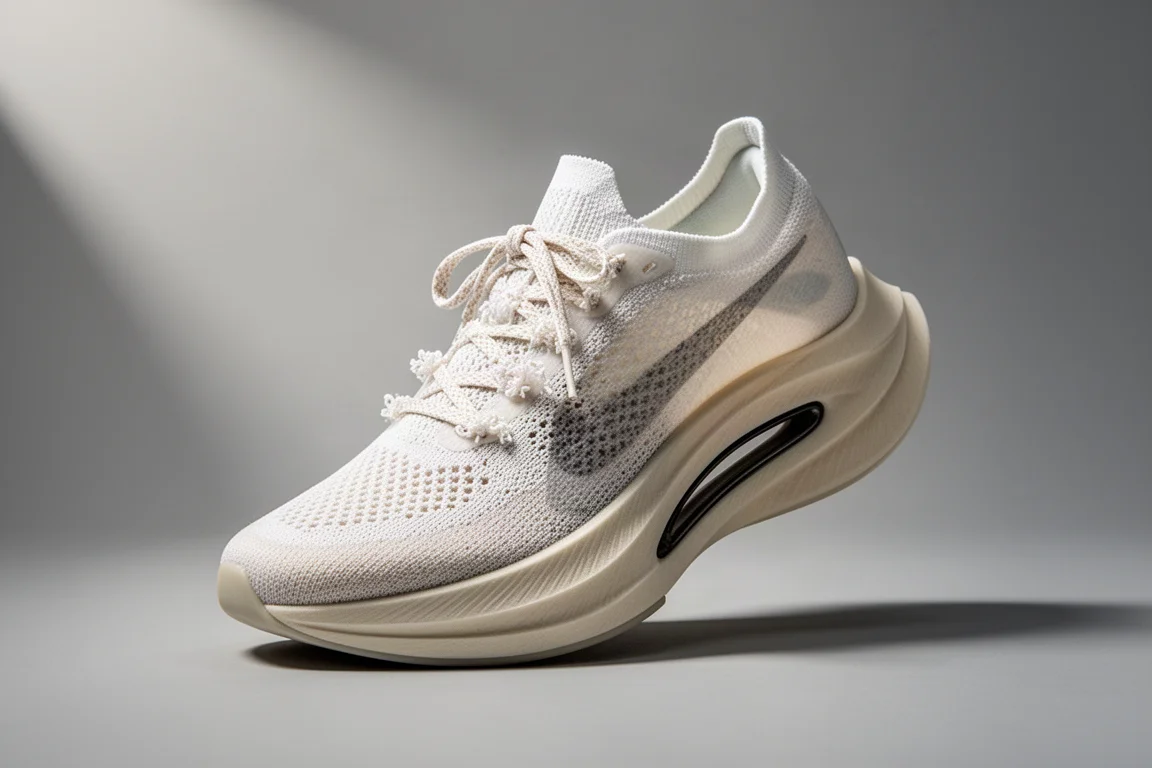
3. Mizuno Hyperwarp Pro
The Mizuno Hyperwarp Pro inspired this list, and it is the most aggressive shoe here. It uses a carbon infused nylon plate rather than a full carbon plate, which makes it more flexible and less pushy than most elite racers while still delivering snap and forward-directed motion. The supercritical TPE foam sits right in the sweet spot, not too soft and not too firm, and fans of the Adios Pro 3 should feel at home.
Stability comes from a wider base at the heel, slightly firmer foam, and winglet plates on the inside and outside that cradle the foot like the Rocket X3. On an 8-mile test run in the six-minute range with hill repeats down to 5:00 pace, it felt quick and supportive at the same time. Rated around a 6 out of 10 for stability versus an 8 for the Rocket X3, it is less stable but far more fun. It makes the most sense for 3:30 marathoners and faster, and aggressive overpronators should look at the Rocket X3 or the top two picks instead.
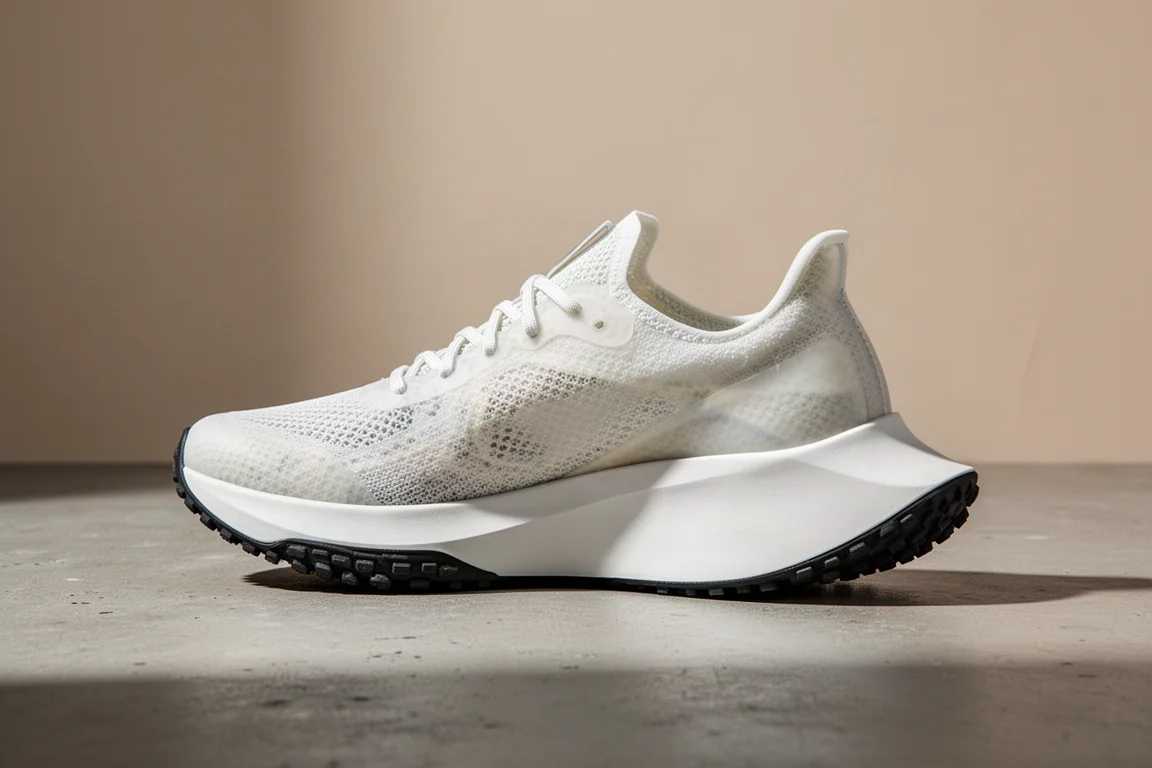
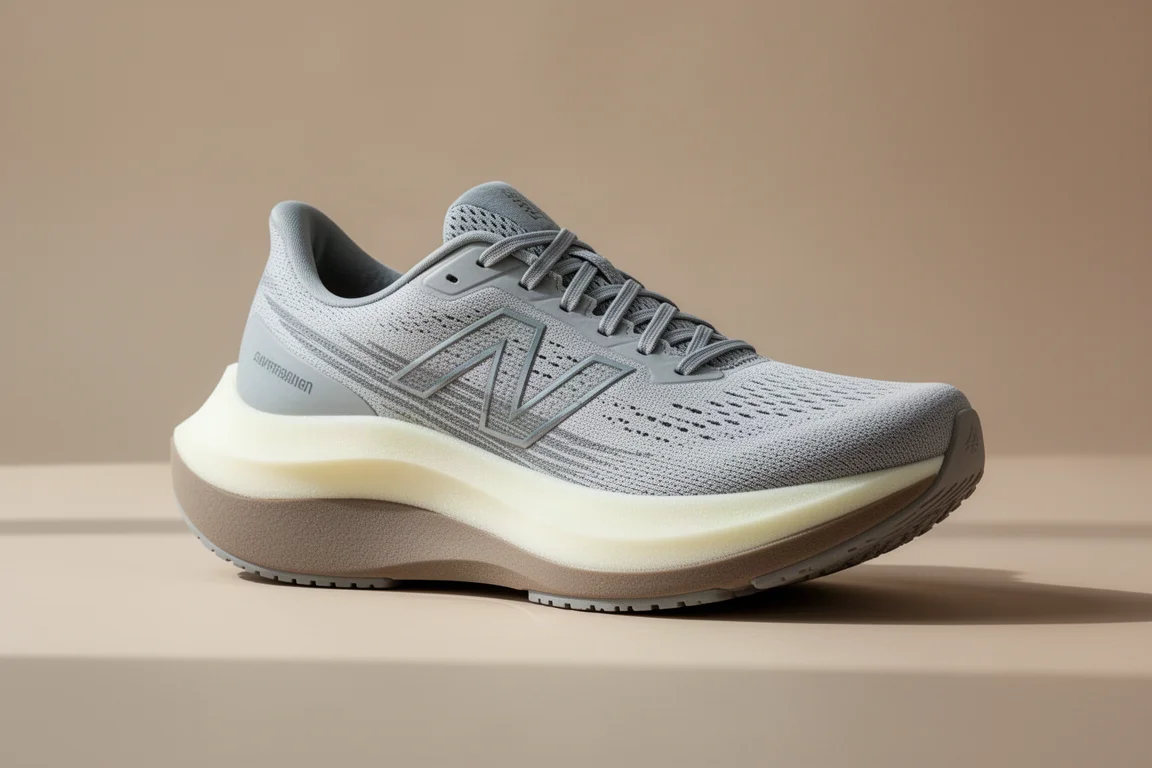
2. New Balance SC Elite v5
The New Balance SC Elite v5 is one of the best-balanced stable race shoes available. It has a great geometry, a real carbon fiber plate, and a 100% PEBA foam midsole, and it clearly rewards a midfoot to heel strike. That is no bad thing in a marathon shoe, since it is very hard to run on the forefoot for two and a half to three and a half hours.
It is soft but not overly so, not too firm or aggressive, and you can still feel the plate. The upper is comfortable with a padded heel counter, making the whole package approachable and accommodating. Elite results back up the speed credentials, with marathon times as quick as 2:06 run in this shoe. Around $180 at the time of testing, it is the slightly softer of the two best options here.
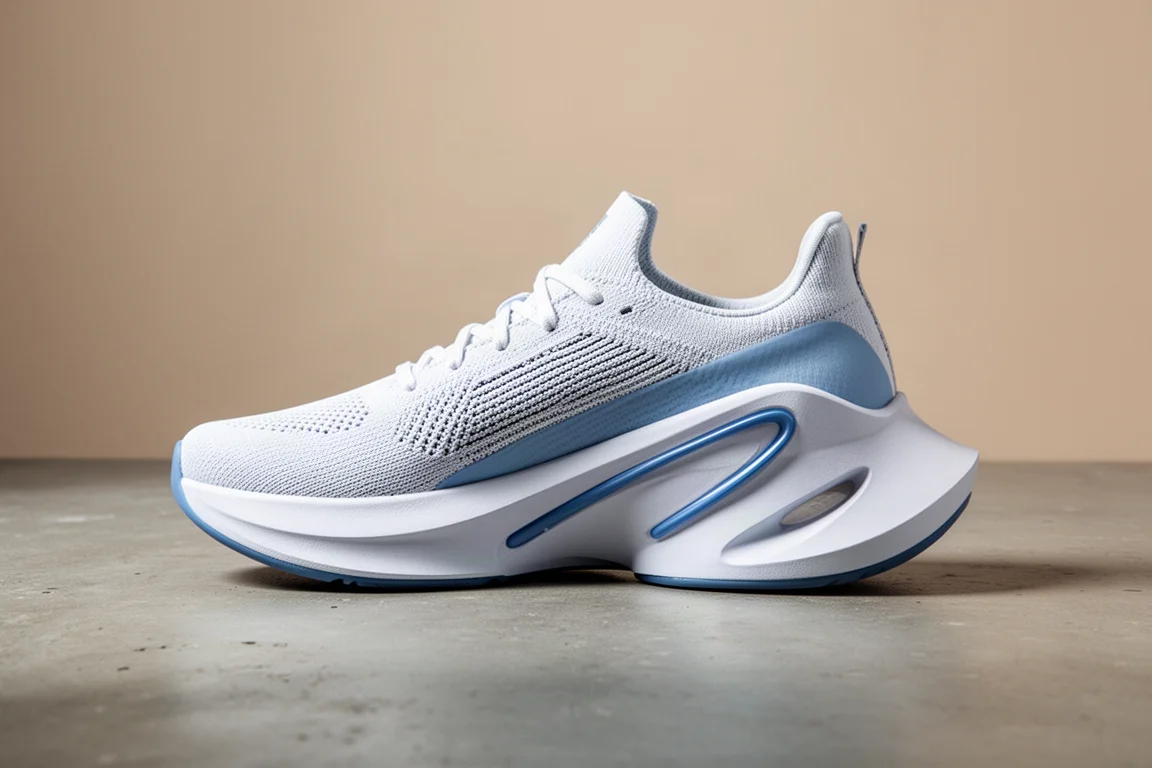
1. Puma Deviate Nitro Elite 3
The Puma Deviate Nitro Elite 3 takes the top spot. You get a full midsole of aliphatic TPU foam, a real carbon fiber plate, and Puma Grip rubber front and rear, with a forefoot that is more accommodating than most Puma shoes. The magic is in the foam: it is firmer at first, breaks in over time, and returns more energy the faster and harder you run it, which makes it especially good for bigger, more powerful runners.
It rates around a 7 out of 10 for stability and a 9 for support, because the foam resists compression and will not bottom out. Speed rates an 8 to 9 as well, with tempo runs in the 5:30s feeling entirely manageable. The midfoot bump from the heel bevel will not suit everyone, but for the vast majority of runners seeking a stable and supportive racer, this is the most well-rounded package on the list.
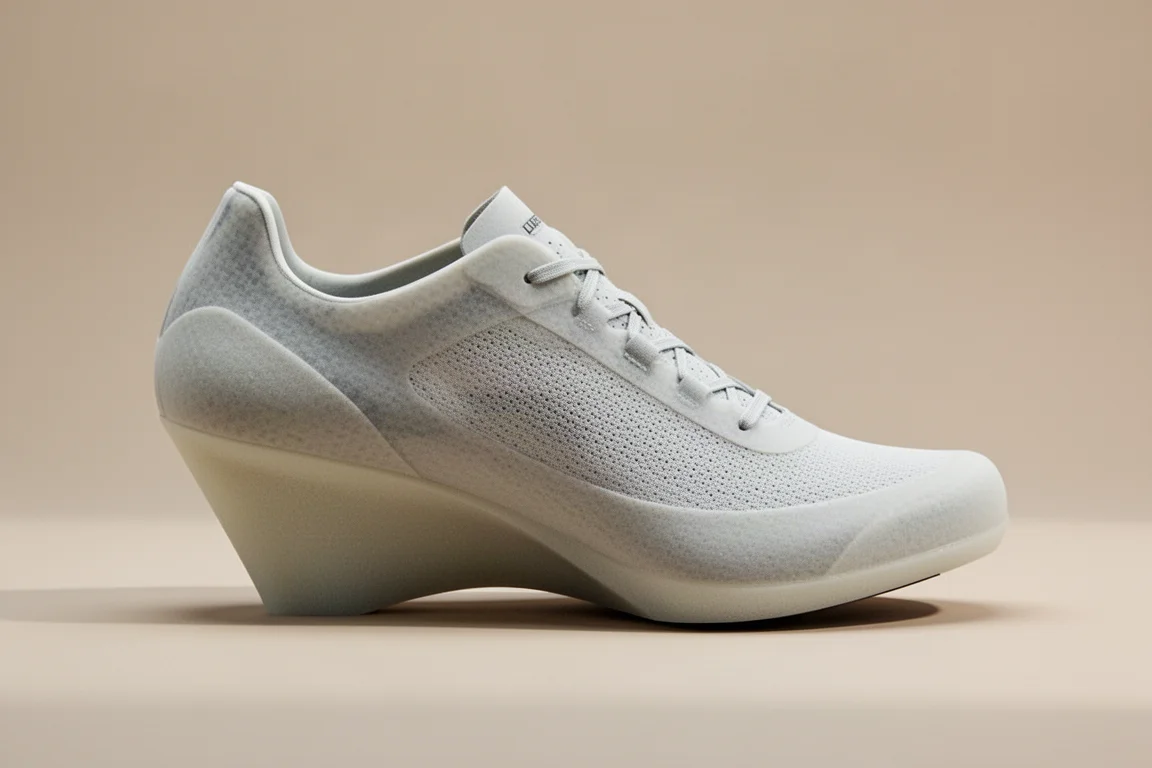
How the Top Picks Compare
The SC Elite v5 is the softer, plusher stable pick, while the Deviate Nitro Elite 3 is the firmer one. Go Hyperwarp Pro if you want the most aggressive and experimental feel with a strong rocker. The Rocket X3 has plenty of fans and works as a gentler race foam option, and the Metaspeed S4 Plus remains the smoothest and slowest of the group for pure long-run comfort.
Buying Advice
If you are an aggressive overpronator, prioritize the Rocket X3, the SC Elite v5, or the Deviate Nitro Elite 3 over the Hyperwarp Pro. If you are a 4-hour marathoner focused on comfort, the S4 Plus is purpose-built for you. Heavier runners putting more force into the shoe over long periods will get the most from the firmer TPU foam of the Deviate Nitro Elite 3, while heel strikers looking for something different should give the S/Lab Spectur a serious look.
Conclusion
Stable and supportive race shoes no longer mean slow race shoes. The Puma Deviate Nitro Elite 3 leads the pack as the best all-rounder, the New Balance SC Elite v5 is the softer sibling, and the Mizuno Hyperwarp Pro brings aggression to the category. Match the shoe to your pace, strike pattern, and how long you will be on your feet, and any of these can make marathon day a lot more comfortable.
Further reading
Related Reviews

Running Shoes
Best Road-to-Trail Running Shoes: Three Versatile Options for Mixed Terrain
A practical guide to three road-to-trail running shoes that handle both pavement and mild trails, with clear strengths and trade-offs for different runner types.

Running Shoes
Best Running Shoes for Achilles Tendonitis: Three Options Explained
Three running shoes with different heel drops and support features designed to help reduce Achilles tendon pain during walking and running.

Running Shoes
Best Running Shoes for Women: Five Top Choices Ranked
A ranked guide to five women's running shoes, from versatile daily trainers to high-performance racing options, with real strengths and trade-offs for each.