Running Shoes
10 Running Shoes Ranked From Least to Most Stable
Ten popular trainers and racers ordered by how much support and guidance they actually deliver, from soft neutral performers to true stability workhorses.
Introduction
Stability footwear has changed a lot. Traditional foam posts have largely disappeared from modern trainers, replaced by guide rails, sidewalls, wider platforms, and firmer frame elements that support the foot without forcing it in one direction. A new category has even emerged: the stable neutral shoe, which offers support through geometry rather than through a dedicated stability structure.
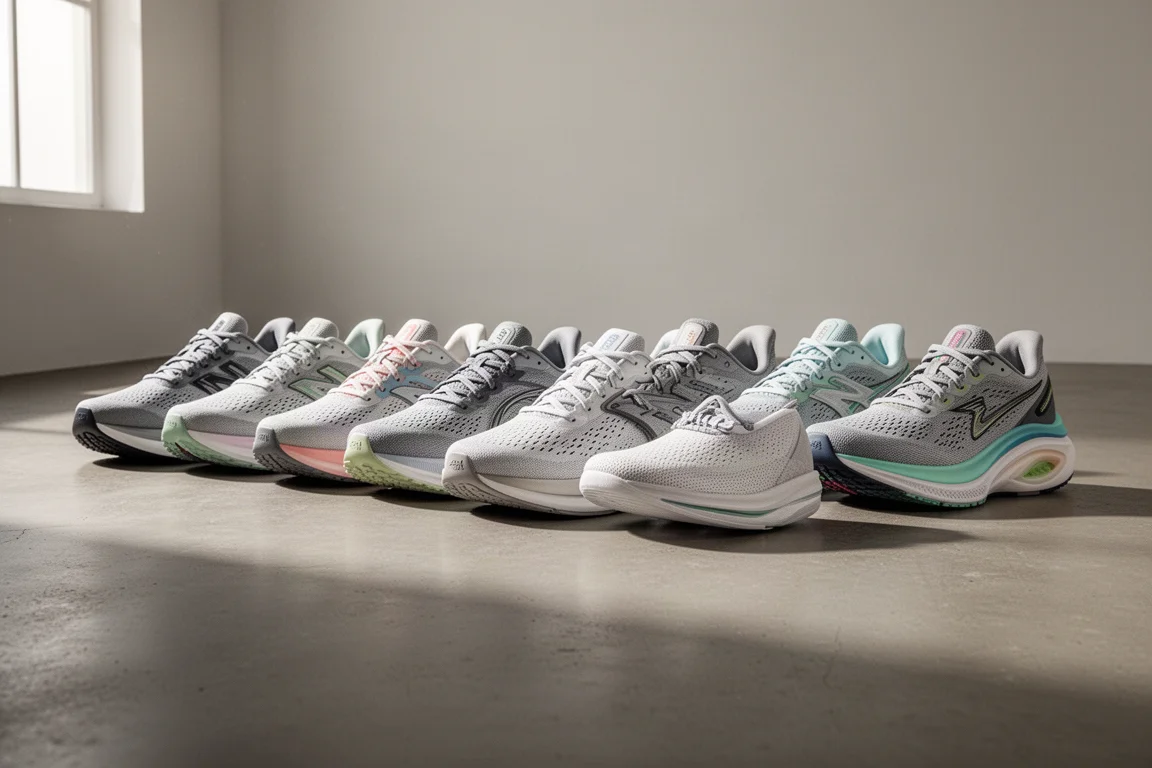
To make sense of all this, we ranked ten popular shoes from least to most stable based on hands-on running experience. The list includes the Saucony Guide 16, Hoka Arahi 6, New Balance FuelCell Rebel v3, Altra Escalante 3, Adidas Boston 12, Hoka Stinson 7, Asics Kayano 30, On Cloud Go, Brooks Adrenaline, and Nike Vomero 17. The takeaway up front: the traditional stability labels on the box do not always match how stable a shoe actually feels underfoot.
How Stability and Guidance Were Judged
Stability here is not just about whether a shoe is marketed as a stability model. It is about how trustworthy the platform feels: whether the foam collapses under load, whether the midfoot narrows so much that the foot rolls off the edge, and whether the shoe keeps the body centered through the heel, midfoot, and forefoot.
Guidance is related but different. A guidance element, such as a pronounced rocker or a sidewall, tries to keep you moving forward and centered without biasing the foot hard in one direction. A stability element actually resists movement, for example through a firmer frame or a medial support piece. Shoes that combine both, like the Hoka Stinson 7 and Saucony Guide 16, ended up at the top of this list.
The Least Stable Picks: Soft, Light, and Uncommitted
New Balance FuelCell Rebel v3
The Rebel v3 is a genuinely enjoyable performance trainer: lightweight, streamlined, and built on soft, bouncy FuelCell foam. That softness is exactly why it ranks last for stability. On the track, where the shoe should theoretically shine, constant turning felt uncomfortable, and runners with stability needs can roll off the narrow platform. It works best for shorter distances, or for runners with stiffer mechanics who can handle longer efforts in it.
View more details for New Balance FuelCell Rebel v3
Altra Escalante 3
The Escalante 3 is not an unstable shoe, it is simply a well-cushioned traditional flat. It is low to the ground, relatively flexible, and has no sidewalls or formal stability elements, just a decently wide sole. The upper has some flex, which shows up when running fast or making turns. It is a natural-transitioning, no-nonsense shoe that lets the foot do what it wants, and the foam feels nicer than the price of the shoe would suggest. But as a stability pick, there is nothing there beyond the wide base.
The Middle of the Pack: Comfortable Neutrals With Hints of Support
Nike Vomero 17
The Vomero 17 is a true neutral mileage shoe, and it is a very good one, easily handling long efforts like a 19-miler. The midfoot is fairly narrow and the top layer of ZoomX foam is soft, but the large ZoomX sidewall wrapping around the heel makes a real difference. It takes what could have been an unstable platform and makes it stable enough to remain a comfortable neutral. Runners with mild stability needs can put serious miles in it, just do not expect true stability features.
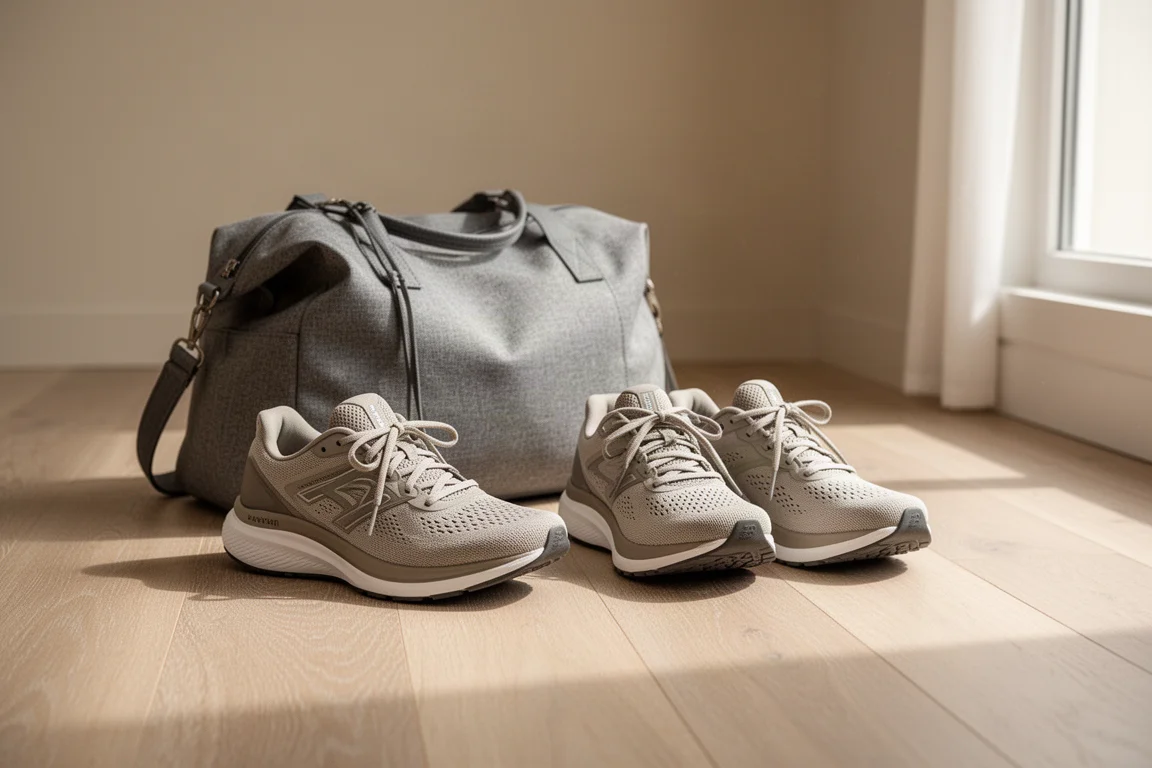
On Cloud Go
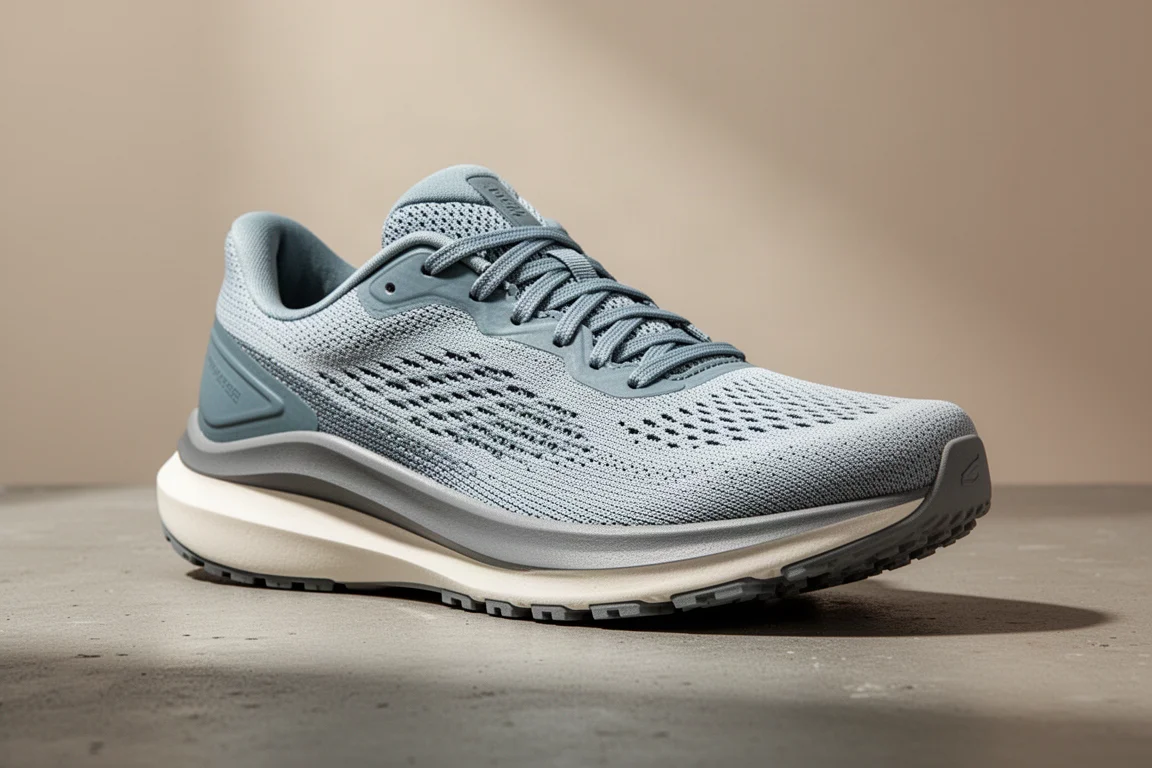
The Cloud Go sits right beside the Vomero in this ranking. It is a standard neutral road trainer with a firmer ride, a decently wide base, and a midline groove. The sidewalls look mild and were barely felt underfoot, and the narrow midfoot means some collapse for runners who pronate. It locks down well in the upper and rolls forward nicely, making it a good option for logging long, steady miles as a neutral shoe.
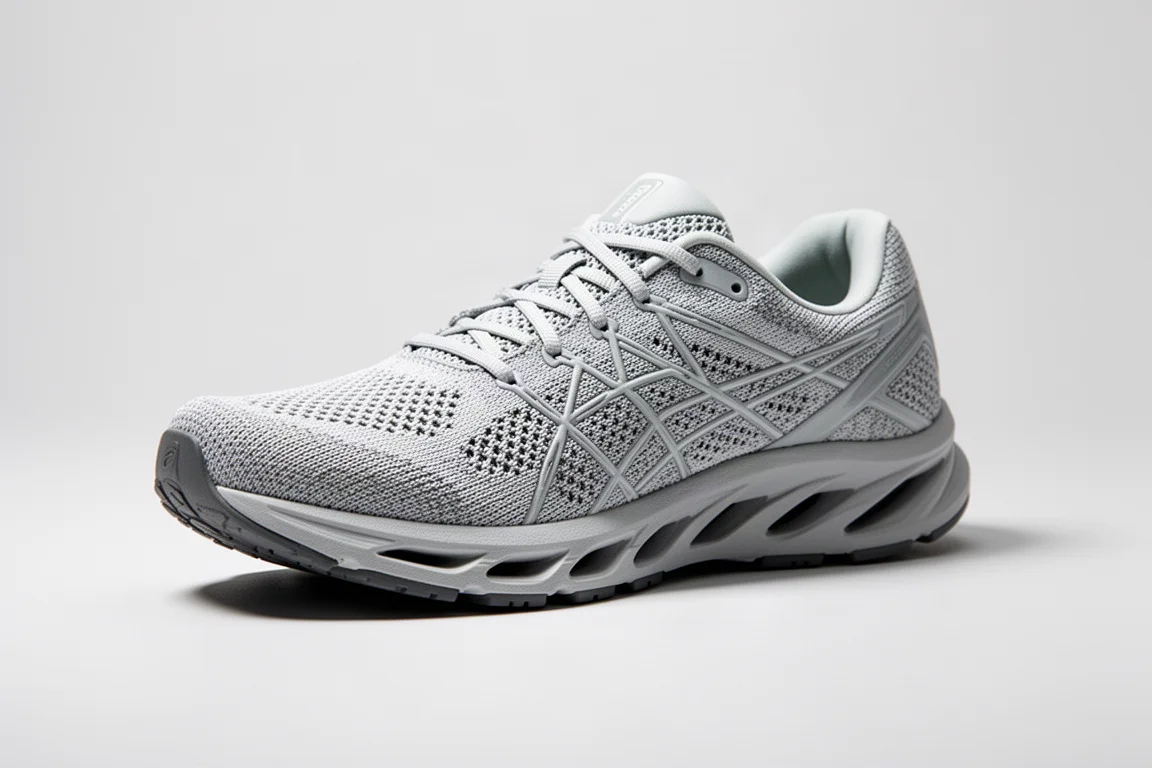
Adidas Boston 12
The Boston 12 is one of the more fun shoes of its year and a serious candidate for long racing without paying super shoe prices. It leans forward quickly with a noticeable posterior-lateral bevel, a narrow midfoot, but a very wide forefoot with propulsion rods and mild sidewalls that deliver a strong toe-off. The rearfoot works beautifully for runners who collapse medially, though the lateral rod extension can toss medial strikers inward. Stay locked in and rhythmic and it feels great; fall off that rhythm and it fights back.
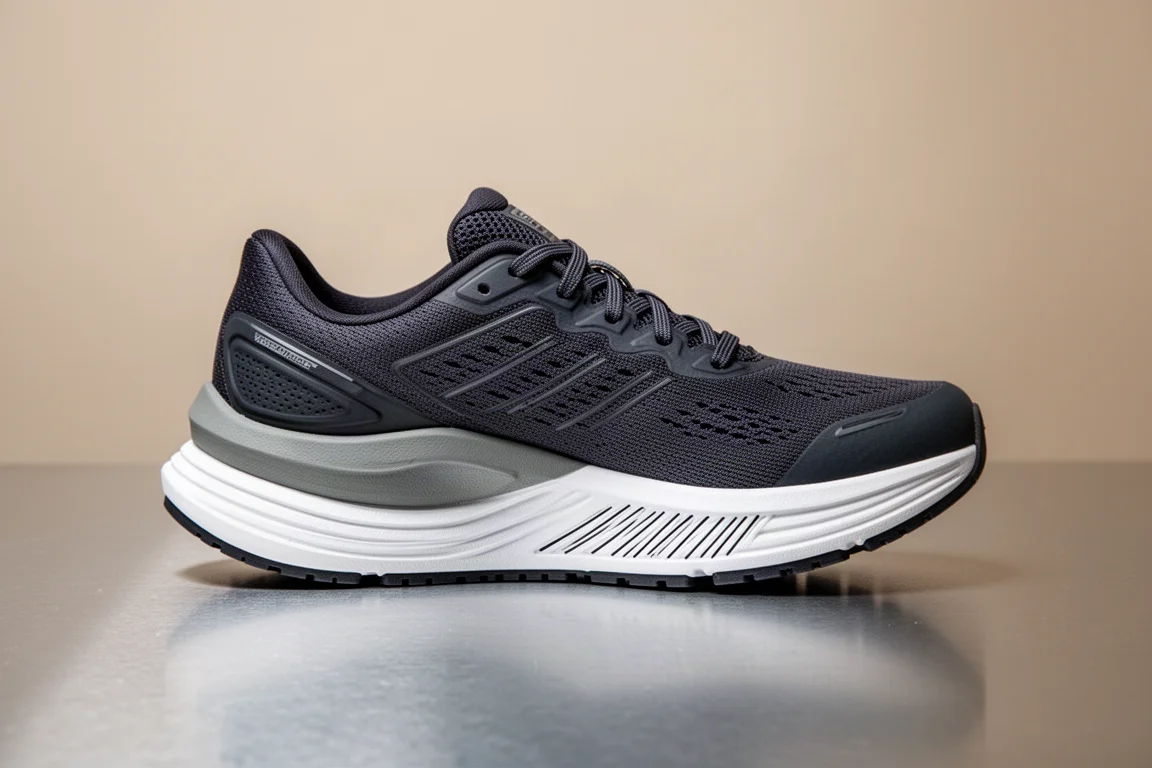
True Stability Shoes: Guidance You Can Feel Every Step
Asics Gel-Kayano 30
The Kayano 30 is much more of a guidance shoe than a true stability shoe. The 4D guidance line, wide sidewalls, and wide base deliver plenty of directional help, and the firmer foam feels more controlled than softer rivals. It is a solid stable walking and jogging shoe, but runners looking for aggressive stability support may not feel enough of it. In that sense, the GT-2000 line may actually deliver a higher feeling of stability while the Kayano emphasizes guidance.
View more details for ASICS Gel-Kayano 30
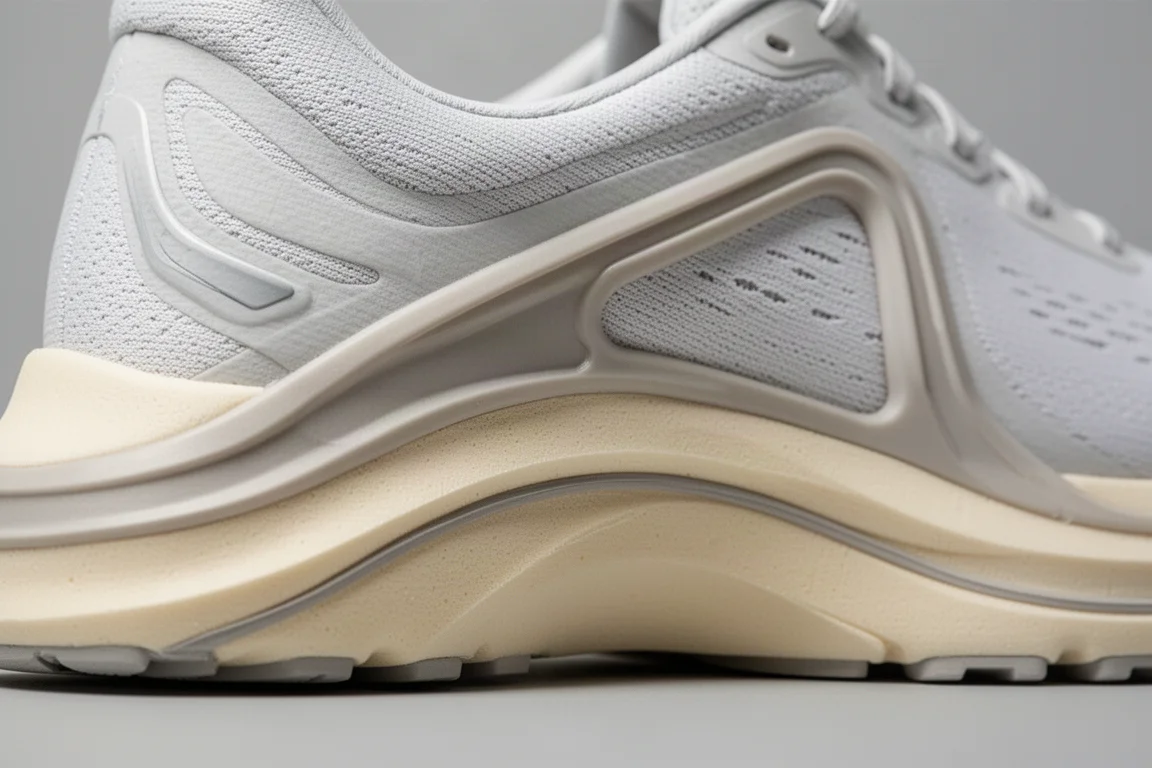
Hoka Arahi 6
Think of the Arahi 6 as a slightly more stable Clifton. The J-Frame firms up the platform and adds real guidance, keeping the heel centered and carrying support through the forefoot along the full medial length, which is rare and valuable. But the shoe still sits fairly high off the ground and the foam retains some give, so the platform underneath can compress. It checks a lot of boxes: wide base, decent traction, genuine stability categorization, yet it does not feel rock solid under heavier collapse.
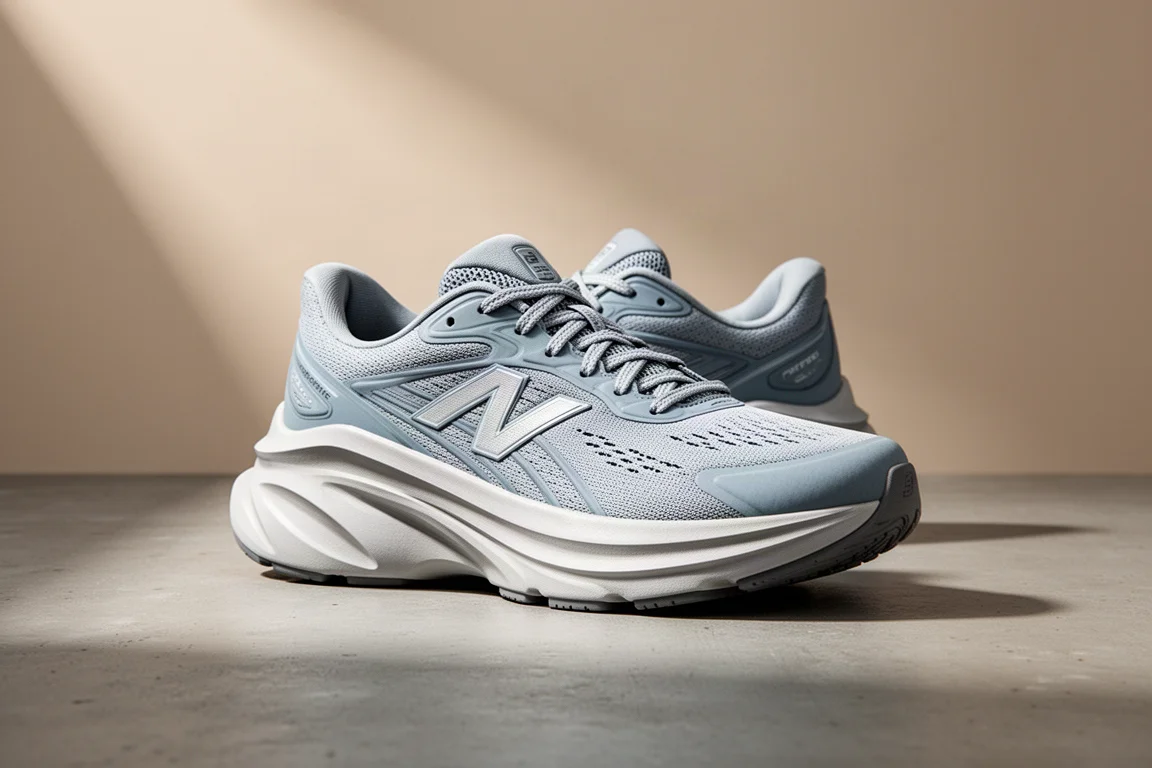
Brooks Adrenaline
The Adrenaline is like a Ghost or Pegasus frame with guide rails added and the ride firmed up, and it simply works everywhere. What pushes it this high is how aggressive the stability is, particularly in the heel: a rigid heel and midfoot, a soul flare, and reportedly even a medial post alongside the guide rails. For runners who want maximum rearfoot security, this can feel almost too stable, and the forefoot remains fairly neutral. It is the shoe you can beat into the ground and still trust underneath you.
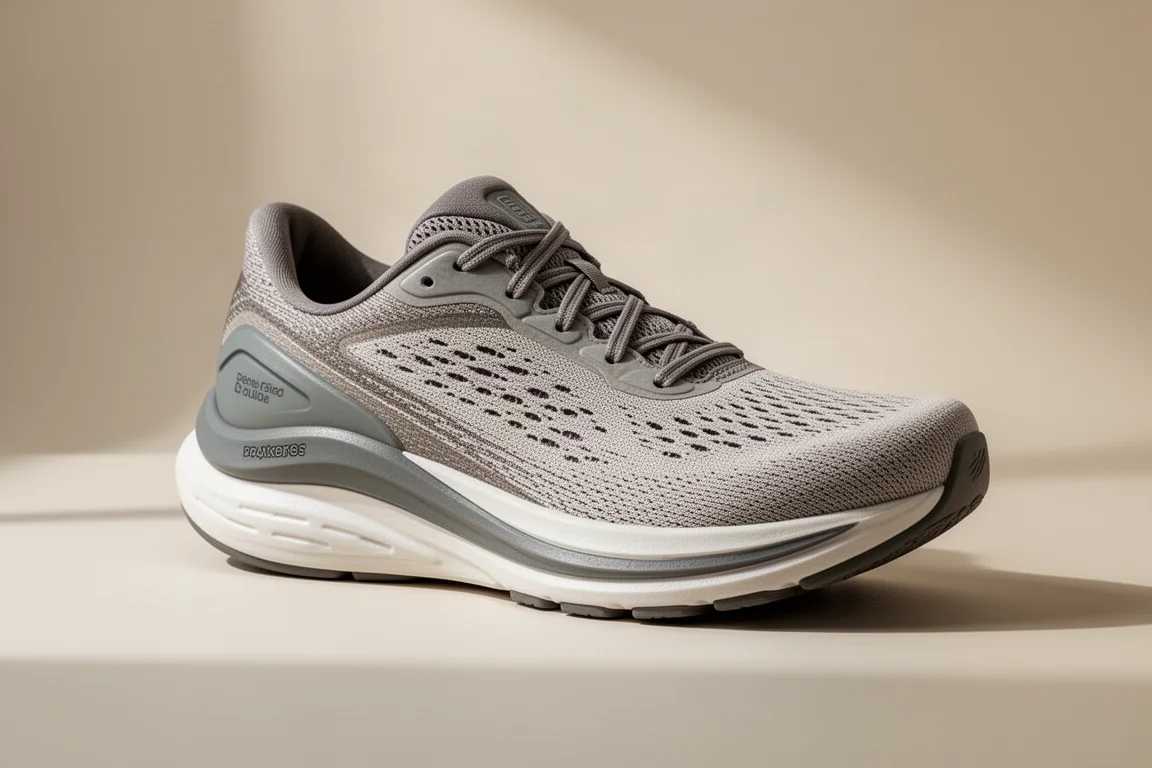
The Most Stable Picks: All-Surface Confidence
Hoka Stinson 7
The Stinson 7 is the surprise of this ranking and arguably the most stable trail-capable shoe available. Despite a very tall stack around 43.5mm, it uses an H-Frame element combining high sidewalls in the heel and forefoot with midfoot pods for stiffness, delivering zero flex in any direction and a strong rocker. Lateral stability is exceptional: attempting to roll an ankle in this shoe feels nearly impossible. The only real drawback is weight; runners with strong hip flexors will notice every ounce over long miles, and a lighter version would be an instant classic.
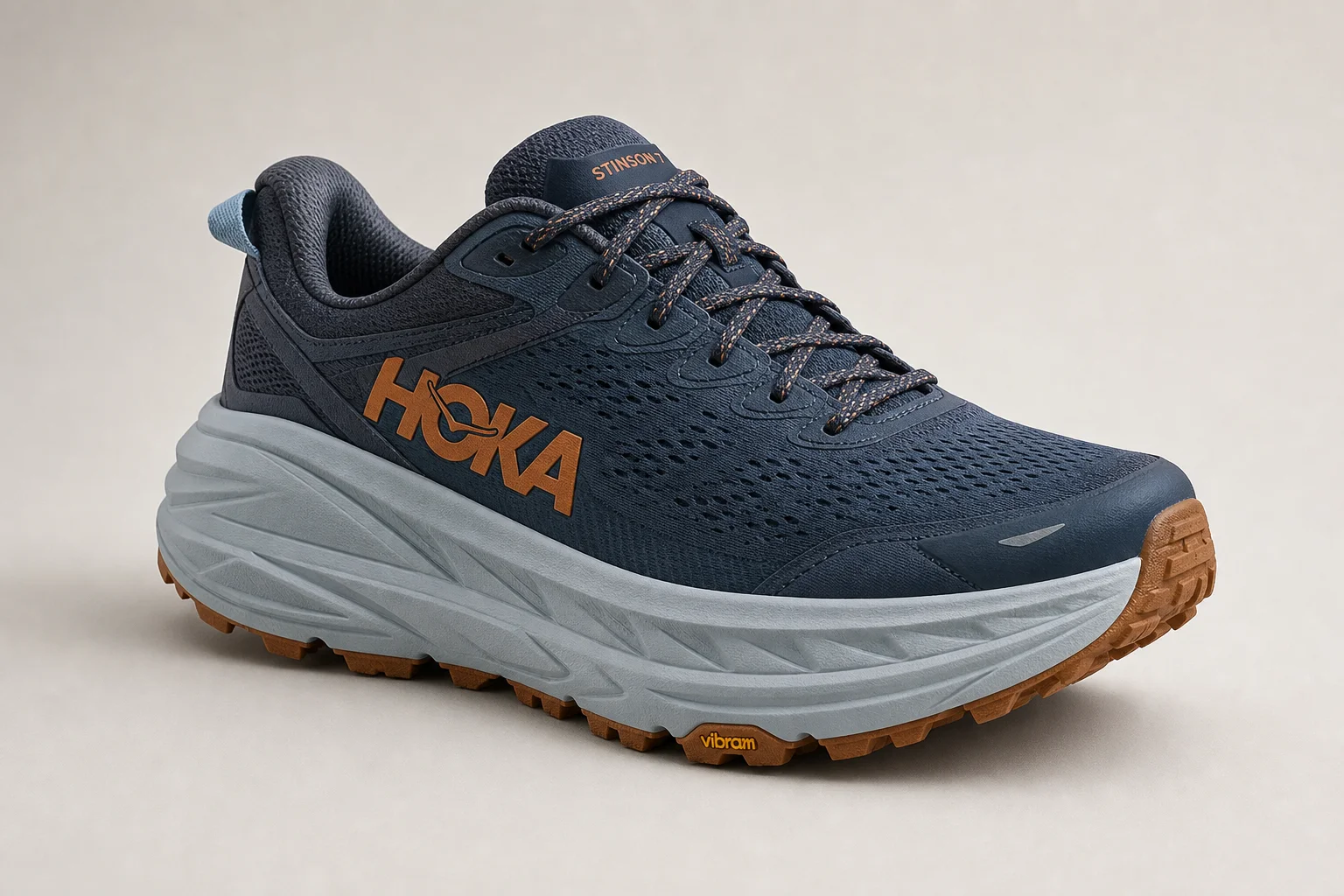

Saucony Guide 16
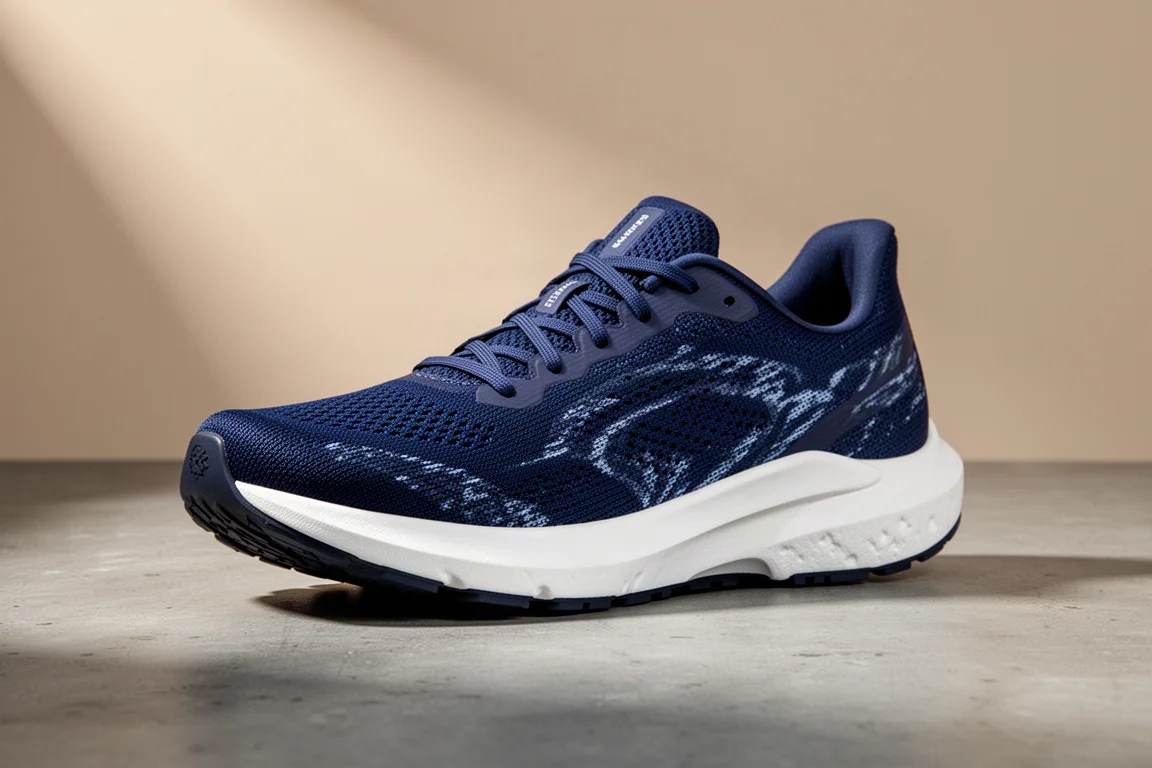
The Guide 16 claims the top spot for pure road stability. It has gotten lighter and snappier, feeling nimble despite a surprisingly tall stack, and it handles workouts like a daily trainer rather than a plodding stability shoe. The integrated full-length sidewalls pair with a prominent medial support piece that you feel every single step: the heel and midfoot are constantly held in place while the forefoot still pops. For anyone who wants that classic medial support sensation in a modern, fast package, the Guide 16 delivers it better than anything else on this list.
Buying Advice: Do You Need a Stability Shoe?
One of the most common questions: if you run in a neutral shoe but want more support for marathon training, should you jump straight to a stability model? Probably not immediately. A smarter move is to stay in the neutral category and choose a stable neutral shoe, one with sidewalls, a wider base, or a stiffer chassis that keeps you centered without an aggressive post. This is a smaller transition for your body, and small changes are easier to adapt to than big jumps between categories.
For example, a plusher bouncy racing shoe with a narrower platform may feel unstable over a full marathon, while a slightly wider, more centered alternative in the same category can hold rhythm much better. If you do switch categories, ease in gradually, especially if you have a history of posterior tibial tendinopathy, Achilles tendinopathy, or chronic ankle instability. With chronic ankle instability in particular, lateral support and central guidance matter as much as medial support, which is why the Stinson 7 earns such high marks for all-surface confidence.
Conclusion
The biggest lesson from this ranking is that marketing labels only tell part of the story. A soft, narrow neutral shoe can be the least stable option on the shelf, while a tall, plush trail hybrid can out-support dedicated stability trainers. Match the shoe to how your foot actually behaves: soft foam lovers with stable mechanics can enjoy the Rebel v3 or Escalante 3, neutral mileage runners get subtle help from the Vomero 17 or Cloud Go, and anyone needing real support should look hard at the Adrenaline, Stinson 7, or Guide 16. The right shoe is the one you trust over long miles on the surfaces you actually run.
Further reading
Related Reviews

Running Shoes
Best Road-to-Trail Running Shoes: Three Versatile Options for Mixed Terrain
A practical guide to three road-to-trail running shoes that handle both pavement and mild trails, with clear strengths and trade-offs for different runner types.

Running Shoes
Best Running Shoes for Achilles Tendonitis: Three Options Explained
Three running shoes with different heel drops and support features designed to help reduce Achilles tendon pain during walking and running.

Running Shoes
Best Running Shoes for Women: Five Top Choices Ranked
A ranked guide to five women's running shoes, from versatile daily trainers to high-performance racing options, with real strengths and trade-offs for each.