Camping Gear
Most Overrated Camping Gear: Seven Items That Still Earn Their Place
Seven camping products that attract the overrated label, what each one actually does well, and who should spend their money elsewhere.
Introduction
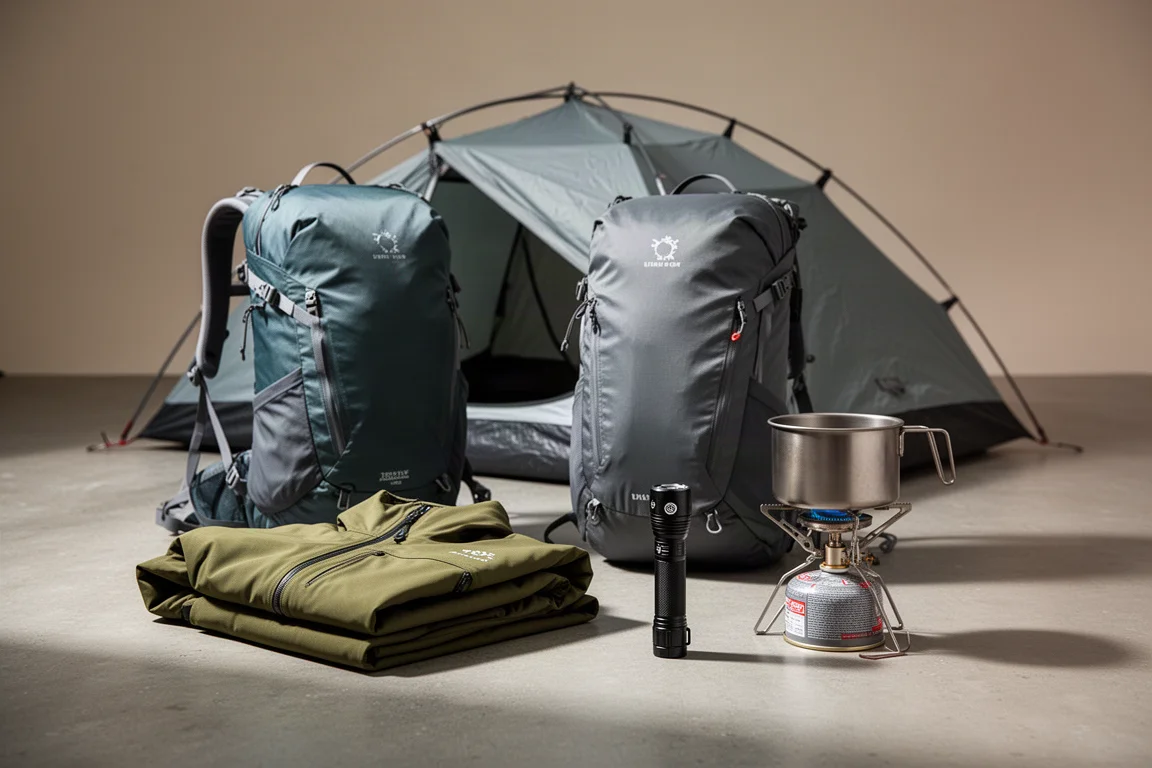
Every few seasons a piece of outdoor kit picks up the overrated label. Sometimes it is deserved. Sometimes a product is simply expensive, widely copied, and judged against cheaper imitations that arrived later. The seven items below all sit somewhere on that spectrum.
This guide looks at each one on its own terms: what it was built to do, where it still makes sense, and who is better off spending their money elsewhere. None of it is a blanket recommendation. The aim is to help you decide whether a premium price buys something you will genuinely use.
How the Overrated Label Gets Applied
Three things tend to drive the overrated verdict. The first is price. Once a product costs several times more than a workable alternative, every small compromise feels larger than it is. The second is copying. When a design succeeds, cheaper versions appear, and the original starts to look like poor value even though it did the difficult work first. The third is mismatch. Gear designed for severe conditions gets judged by people camping in mild ones.

Keeping those three factors separate makes the decision much easier. A shelter that is overkill for a summer weekend can still be exactly the right purchase for someone who camps through winter.
Hilleberg Soulo: A Tiny Shelter Built for Bad Weather
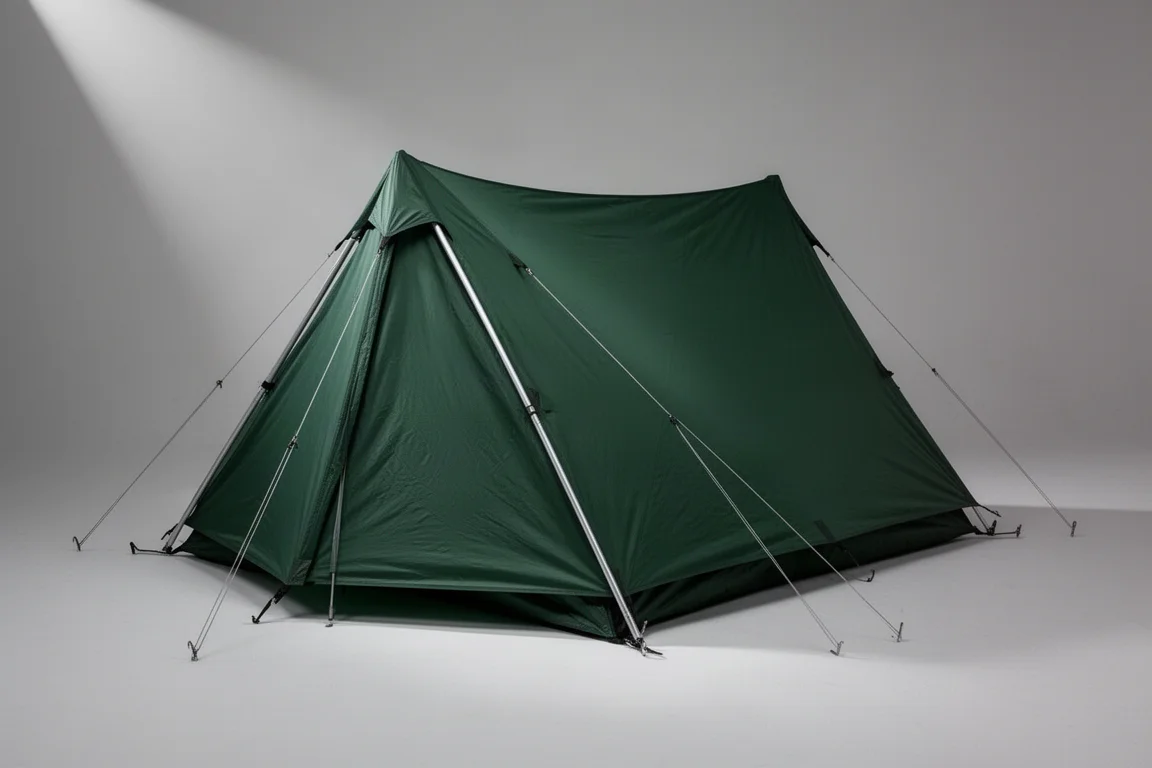
The Hilleberg Soulo is a compact solo shelter from a brand known for four-season tents, and it is one of the most frequently called overrated pieces of camping gear. The usual objection is price. Comparable protection can be found for less from other brands, and for most people who camp in fair weather, a Soulo is far more tent than the trip requires.
The counter-argument is conditions. For anyone heading out repeatedly into snow, storms and sustained wind, a shelter that holds up without drama is worth paying for. This is a tent that has been used through exactly that kind of weather and has never given cause for concern.
So the honest position is a conditional one. If your camping is mostly lowland and summer, the money is better spent elsewhere. If you go out in winter or on exposed upland ground and want one shelter you can trust, the Soulo earns its keep.
Atom Packs Backpack: Made to Order, Priced Accordingly
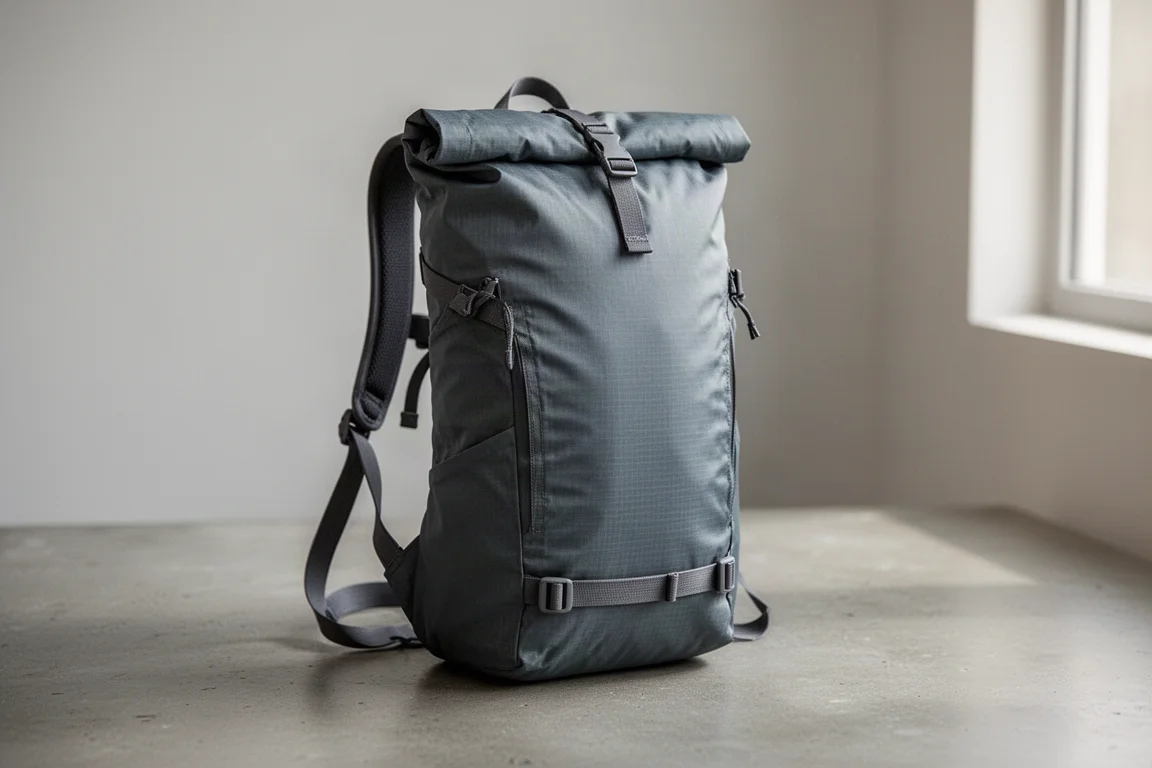
Atom Packs builds ultralight backpacks to order. You choose the colours and the specification, and the pack is hand-stitched to match, which is the reason the price sits above £300. That level of customisation is the whole proposition: a pack that is genuinely yours rather than one of thousands off a production line.
The design is deliberately simple. There is no air-sprung suspension, no adjustable torso length, and very little of the hardware you find on a mainstream Osprey or Gregory. That simplicity works well with a light load on a multi-day trip, where the pack carries comfortably. Load it heavily and the lack of structure becomes obvious, which is the fairest criticism of the format.
If you want one pack adjusted to your measurements and you keep your base weight low, it is a sound buy. If you regularly carry heavier loads, or you want a harness you can tune, an off-the-shelf pack with a proper suspension system will serve you better.
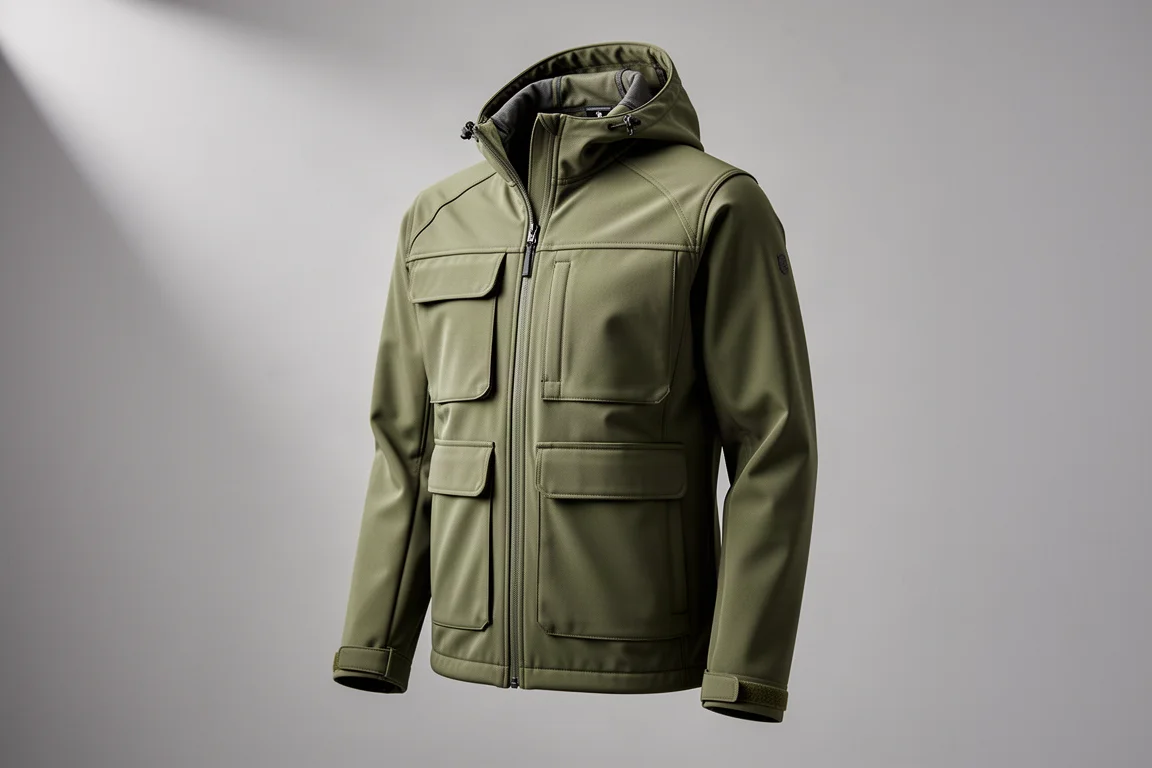
Paramo Jacket: Comfort Rather Than a Waterproof Barrier
Paramo jackets divide people, and the reason is the fabric philosophy. It is not a conventional waterproof shell. The design accepts that in heavy rain everyone gets damp from their own sweat, because a membrane cannot move moisture outwards when the outside air is already saturated. Paramo’s answer is to keep you comfortable and warm while that happens.
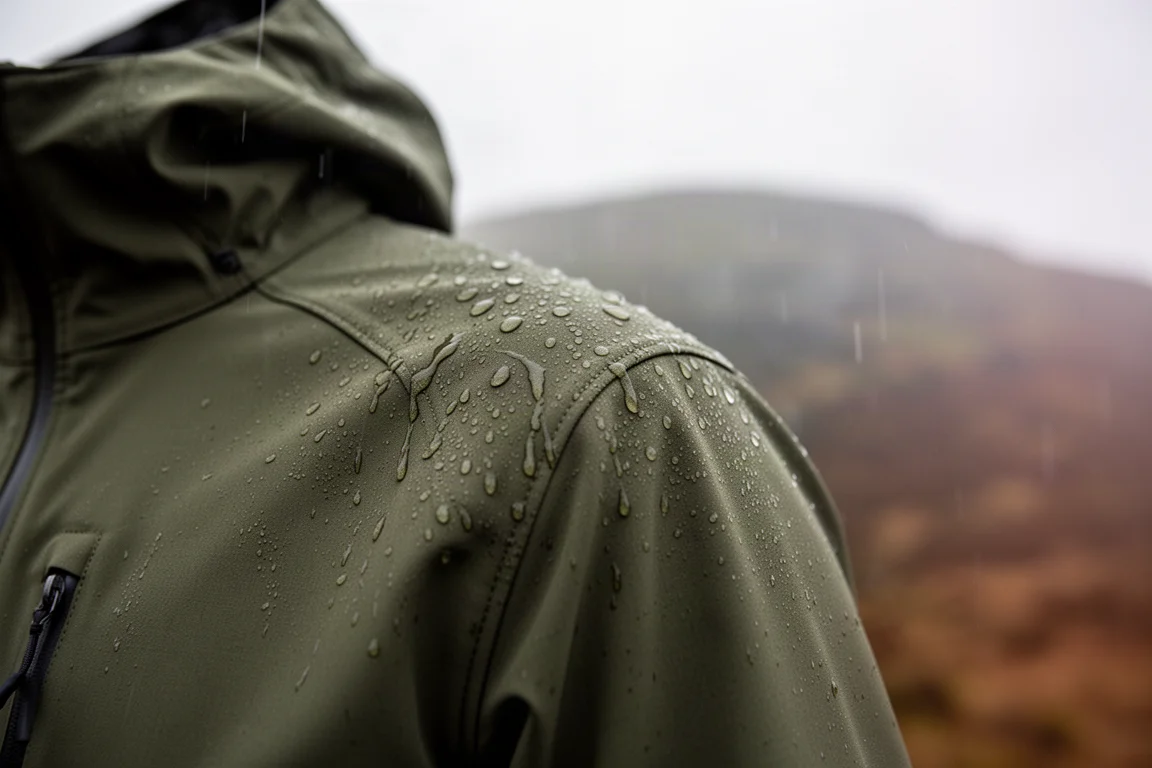
The practical result is a jacket that stays comfortable in wet weather, which is the quality its fans value most. It is also built to last. One example is still in regular use after 11 or 12 years, with a small repair stitched into the fabric, and the material can be repaired in ways that a punctured membrane cannot.
Two things put people off. The price is high, and the styling is distinctive enough to be genuinely polarising. If neither bothers you and you run warm, this is a jacket you can keep for a very long time.
Olight Seeker 2: A Torch With More Output Than Most Trips Need
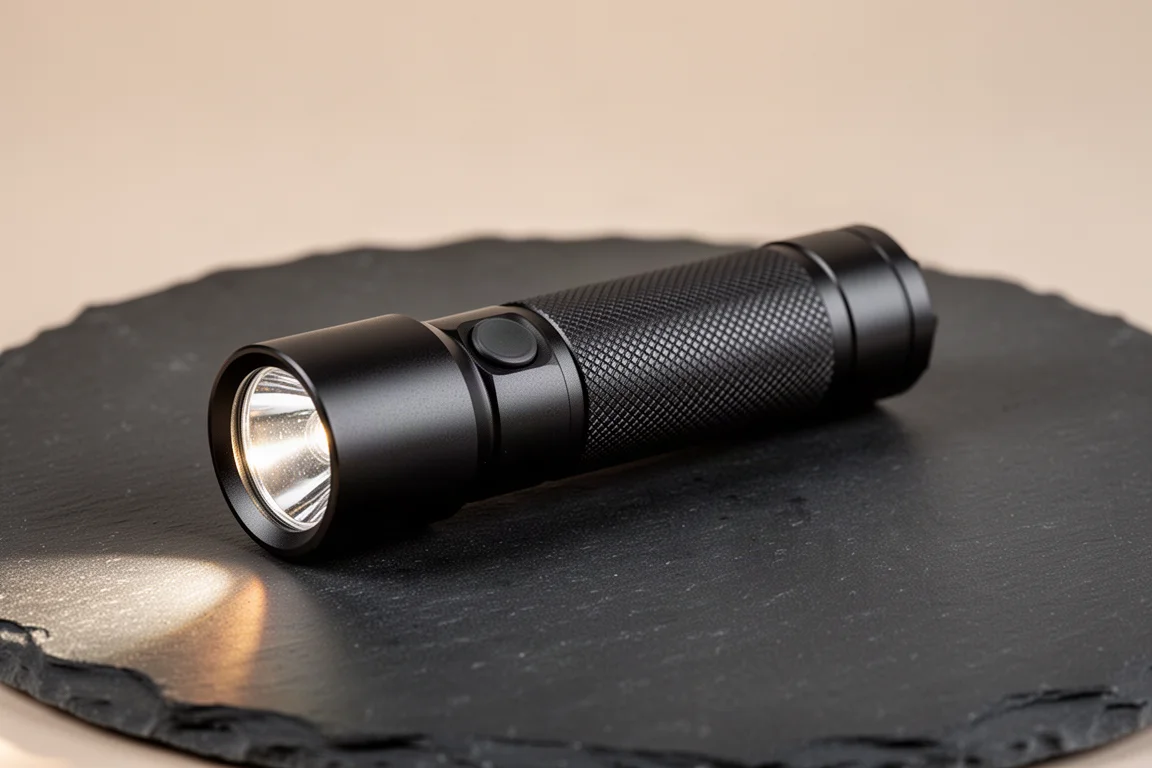
The Olight Seeker 2 is a handheld torch built around high output. Switch it on in woodland and it lights up the whole area in front of you, which is genuinely impressive the first time you see it. For search-and-rescue style tasks, or for locating something at a distance in the dark, that kind of reach has real value.
For ordinary camping it is hard to justify. Most camp tasks need a few lumens rather than a floodlit clearing, and a small head torch running on a low setting will last for weeks without being noticed on your head. The Seeker 2 is best understood as a specialist light rather than a daily camping tool.
Jetboil PCS: The Stove That Started a Category
Jetboil’s Personal Cooking System was the product that made integrated stove systems mainstream. When it arrived in the early to mid-2000s it combined a burner and a heat-sink pot into a single package, which was genuinely new for camping gear, and the brand was built on that idea.
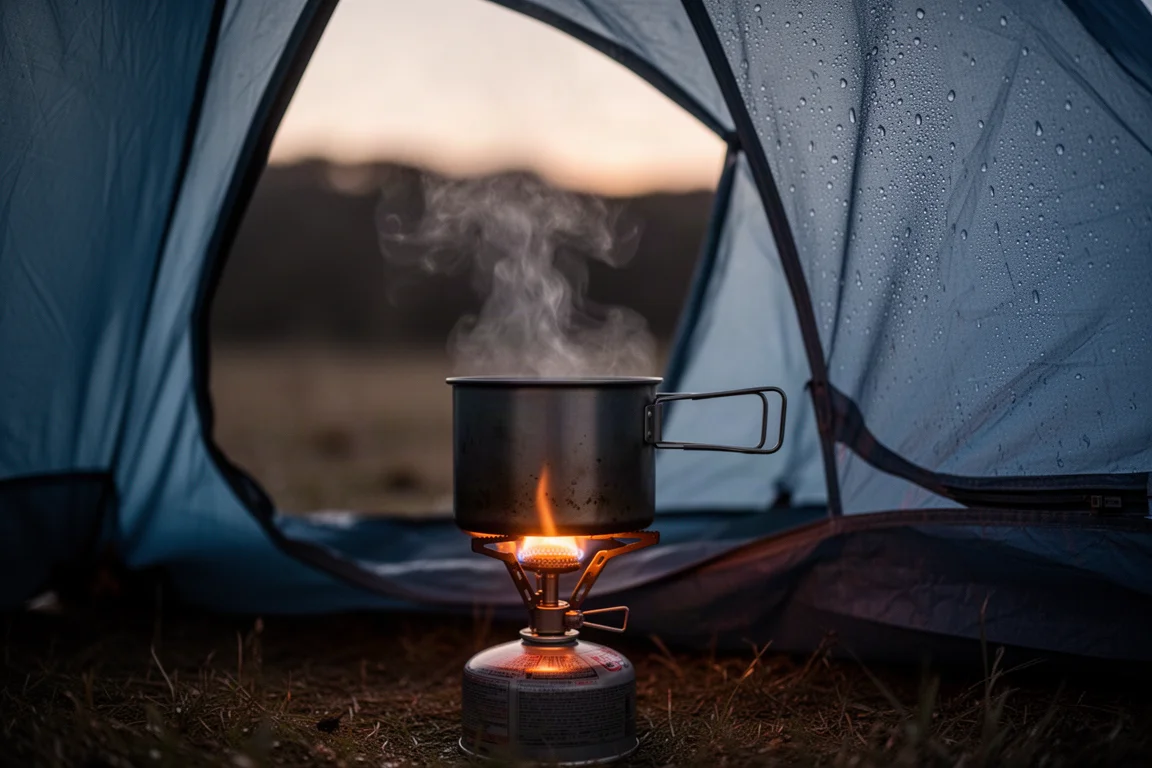
The criticism is that the advantage is narrower than the marketing suggests. Windshielding matters most when you are cooking in the open, and if you are boiling water in a tent porch you already have shelter. Integrated systems also weigh more than a simple burner and pot, and the price is higher.
What the complaints often miss is durability. Plenty of Personal Cooking System units have been in service for 10 to 15 years, which is a long run for a stove that has been superseded several times over.
Jetboil Flash: Simple, Boil-Focused, Mild-Weather Gear
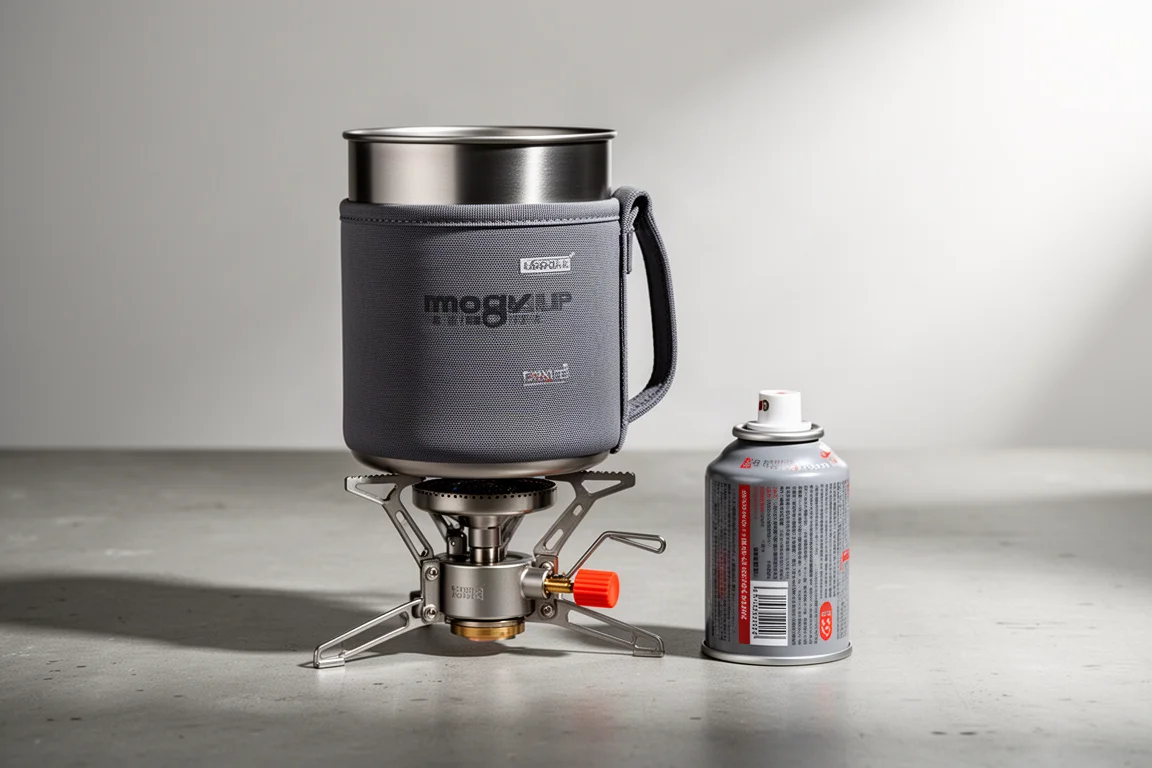
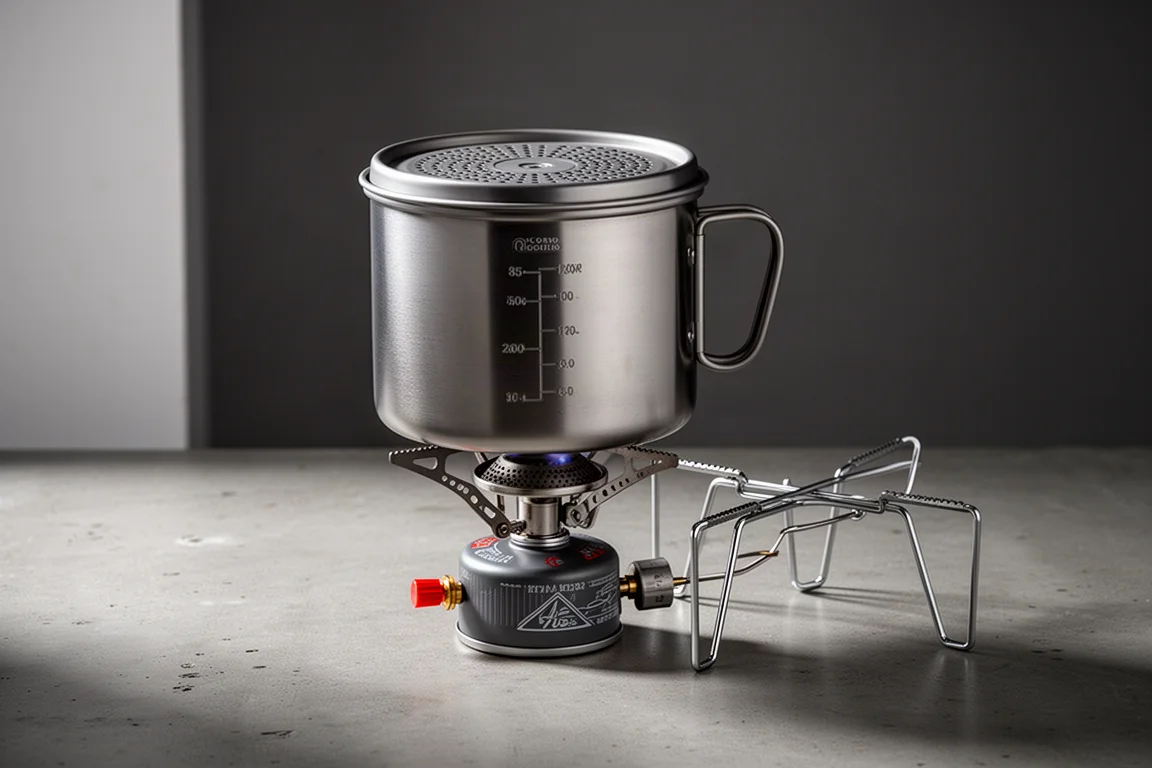
The Jetboil Flash is the straightforward version of the formula. It boils water quickly and packs down into a single unit, and that is essentially the whole job description. There is no pressure regulator, so performance is less impressive once temperatures drop, and it is not the stove to choose if you want to simmer a real meal rather than rehydrate one.
For three-season trips where hot water is the main requirement, it remains a tidy and reliable choice.
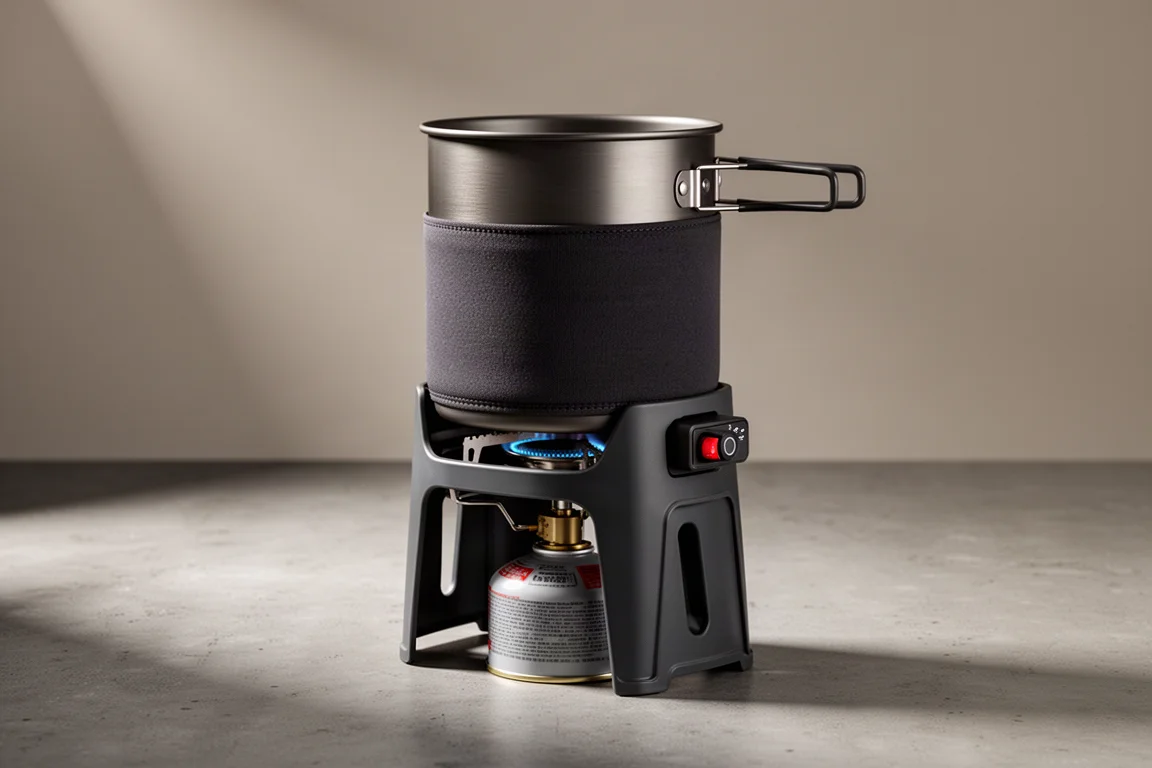
Jetboil Minimo: The Regulated All-Rounder
The Minimo is the Jetboil that answers most of the usual objections. It has a regulator, which makes the burner easier to control and more usable in cold weather, and it handles actual cooking rather than only boiling. Warming a proper meal through in the pot is exactly the kind of job it does well.
It is still heavier and more expensive than a minimalist burner and pot, so the same question applies: are you boiling water, or are you cooking? If it is the second one, the Minimo is the model in the range that justifies the integrated format.
Buying Advice: Matching Gear to Real Trips
The pattern across all seven products is the same. None of them is bad. Each one is designed for a specific job, and each one looks overpriced when it is used for something else.
Work out what your trips actually involve before you spend. A winter camper who meets sustained wind and snow will get real value from a four-season shelter, a regulated stove and a jacket that manages sweat. A summer camper who walks a few miles from the car will get the same enjoyment from far less expensive kit, and will carry less weight doing it.
Custom and premium gear also holds value in a different way. A hand-stitched pack, a repairable jacket and a stove that lasts 15 years all spread their cost across a long period of use. That is the argument for paying more, and it only works if you are actually going to use the thing.
Conclusion
The overrated label is usually about value rather than quality. The Hilleberg Soulo, the Atom Packs custom pack, the Paramo jacket, the Olight Seeker 2 and the three Jetboil models all do a specific job well, and all of them cost more than the minimum needed to get out camping.
Buy for the conditions you actually camp in. If that means winter storms, pay for the shelter and the stove that handle them. If it means summer weekends, put the money towards more trips instead.
Further reading
Related Reviews
Camping Gear
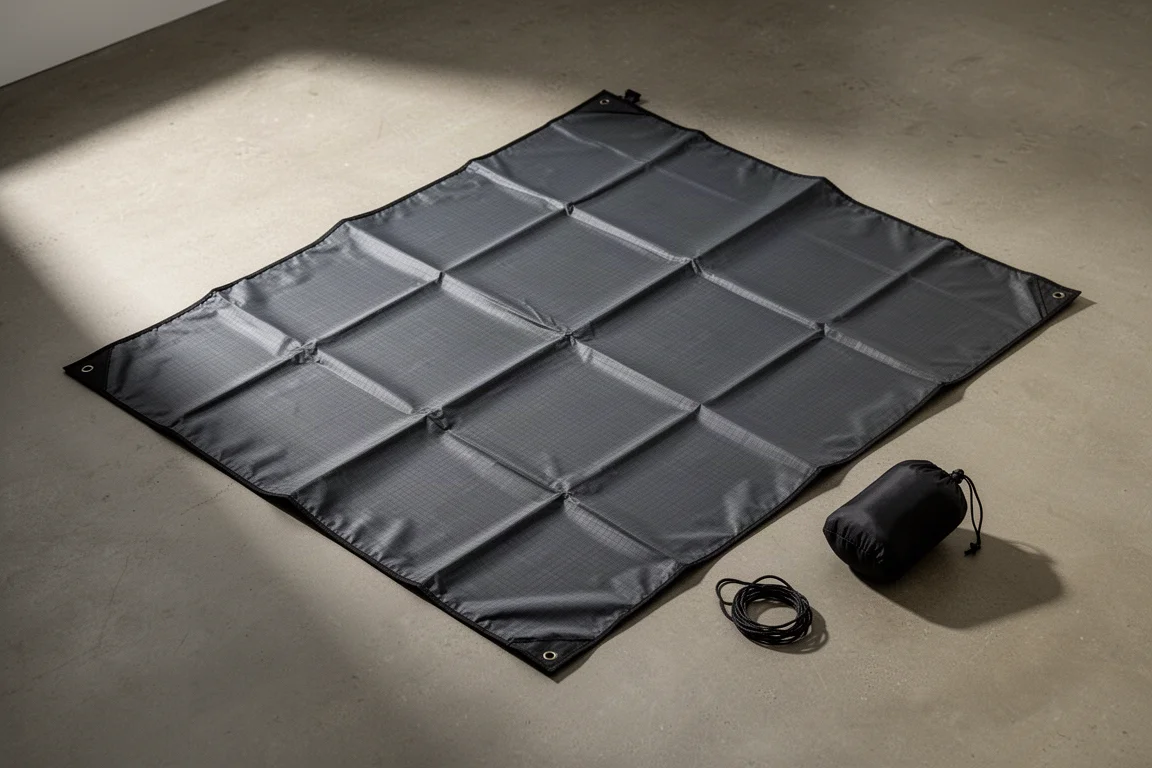
3FUL Ultralight Ground Sheet Review: A Two-Person Footprint Worth Packing
A 6.7 oz two-person ground sheet in ripstop silnylon, priced around $30. Here is what it protects, what it does not do, and who should pack it.
Camping Gear
Backcountry Light Dual-Function Tarp and Floor Review: A Footprint First
A dual-purpose tent floor and tarp that keeps falling rain off you, but cannot block wind. Here is where it works and where it does not.
Camping Gear
Best 2-Person Camping Mattresses for Couples: 10 Options Compared
A practical comparison of ten two-person camping mattresses, covering self-inflating pads, air pads and air mattresses for couples.