Running Shoes
The 5 Most Misunderstood Running Shoes of 2025
Five running shoes that flopped or got overlooked this year, but deserve a closer look once you understand what they were actually built for.
Introduction
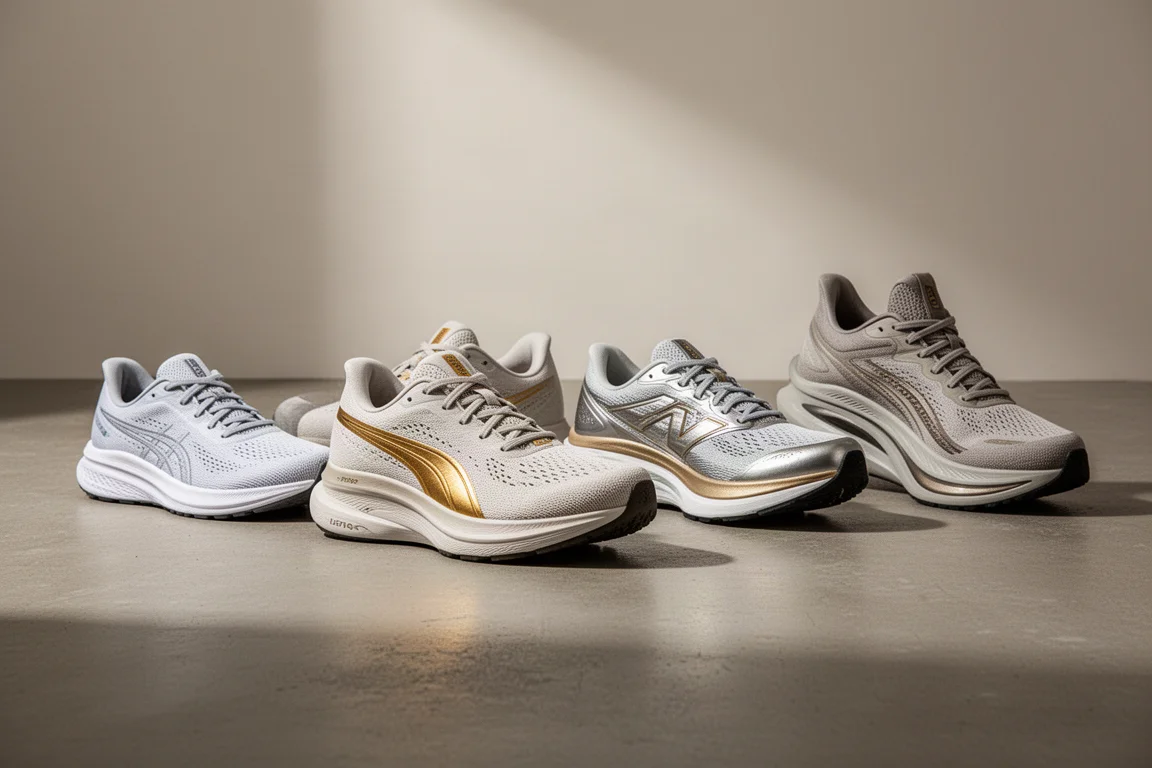
Every year, a handful of running shoes flop or fly under the radar for the wrong reasons. Not because they are bad shoes, but because of confusing names, awkward positioning, brand biases, or early reviews from runners who tried to use them for the wrong job. This list covers five such shoes from 2025 that are genuinely worth a second look.
Why Shoes Get Misunderstood
A great shoe usually has a clear intended purpose that it executes well. An aggressive race shoe like the Puma Fast R3 can be an A+ shoe, and so can a no-nonsense comfort shoe like the Brooks Ghost Max. They just serve completely different runners.
The shoes below run into trouble when that purpose gets muddled. Sometimes a brand names a mileage tool something that sounds like a speed weapon. Sometimes a shoe is pitched as a race shoe when it is really a long run shoe. And sometimes enthusiasts simply write a shoe off because of the brand on the side. None of these are problems with the shoes themselves.

Brooks Hyperion 3
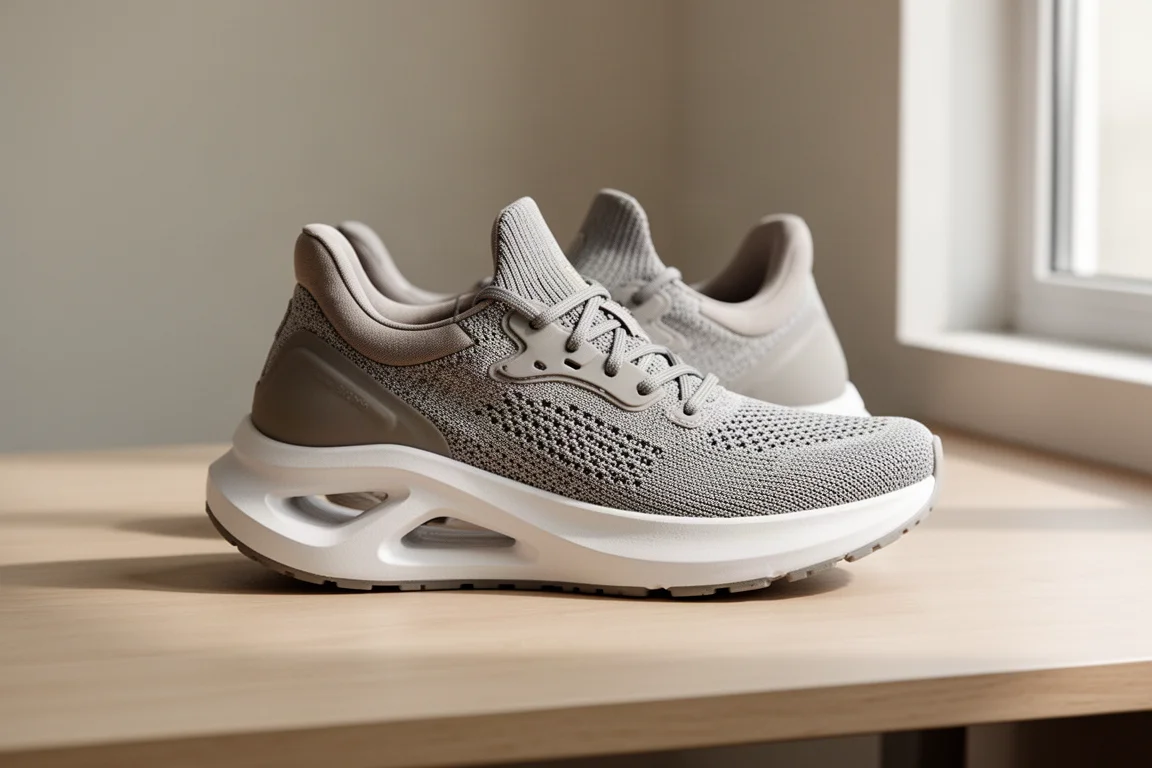
The Hyperion 3 was not a mainstream sales disaster, but it barely registered in the enthusiast community, and that is a shame. It rides a lot like a daily trainer built for versatility, bounce, and just having a good time on your feet, closer in spirit to something like the ASICS Nova Blast 5 than to a strict speed day tool.
You get generous rubber coverage underfoot, a well-shaped rocker geometry, and a substantial chunk of foam in the heel, so heel, midfoot, and forefoot landing all feel at home. At $140 it also sits at a friendlier price point than most premium trainers. It was overshadowed by its own sibling, the Hyperion Max 3, and by the perception that Brooks only makes boring shoes, but runners who put real miles into it consistently loved it. If you want a versatile daily trainer that leans fast, or you are shopping for a track or cross-country athlete who needs a daily trainer, it is an easy recommendation.
Tracksmith Elliot Racer
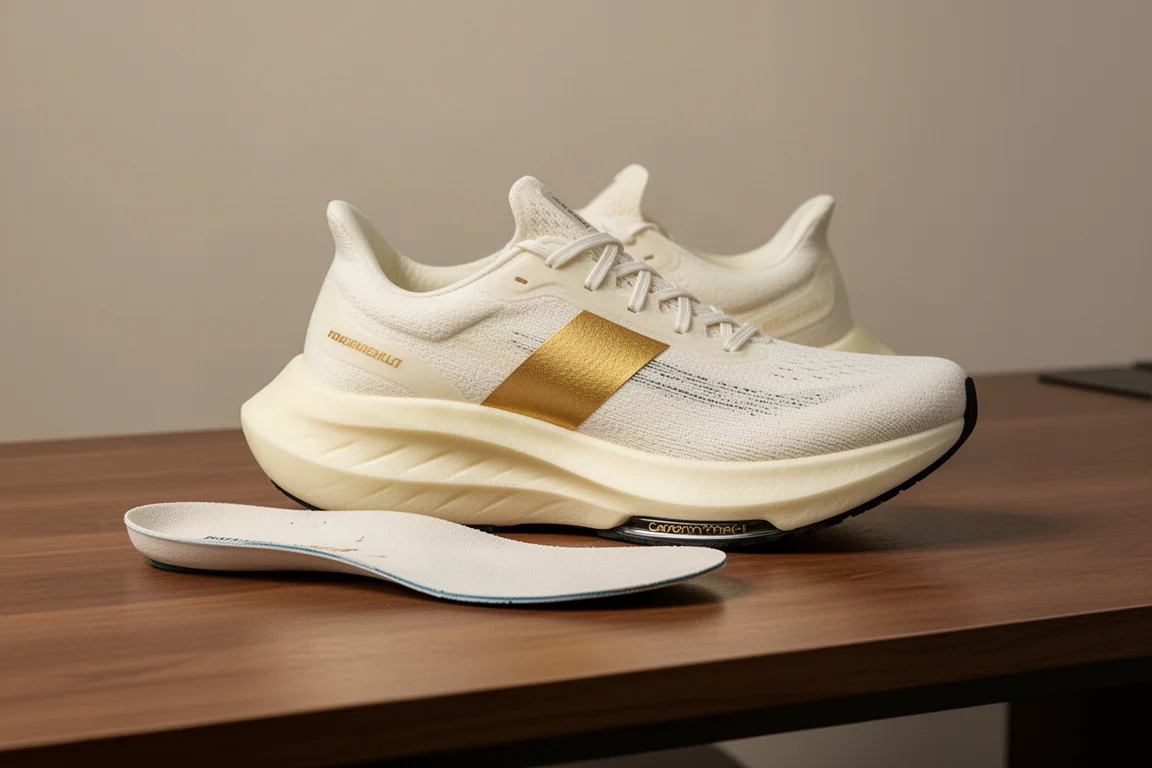
The Elliot Racer is the classic case of a brand calling a shoe faster than it actually is. Tracksmith positions it as a race shoe at $280, and yes, you can run fast in it. But with its high stack, soft and bouncy foam, and a carbon plate that flexes more than some plastic plates on the market, it is really an elite long run shoe.
Think of it as an SC Trainer-style ride: big stack, soft foam, very bouncy, extremely comfortable, and protective on the legs for high mileage. A thick PEBA insole adds to the plush feel, and the large gold side stripe gives it a look that is either charming or too flashy depending on your taste. The pricing is the sticking point, since $280 is race shoe money for a long run trainer, though it is worth remembering that niche brands lack the economies of scale of the big players. As a comfort-oriented marathon or long run option, it is genuinely excellent.
ASICS Sonic Blast
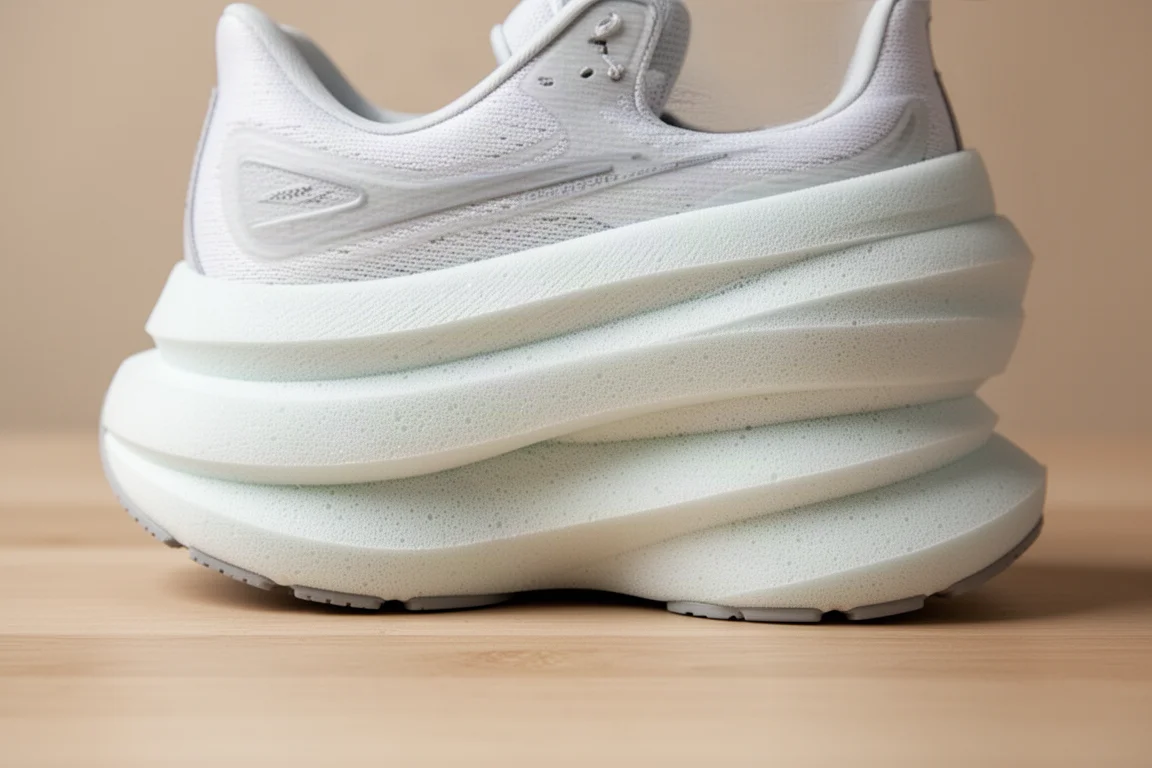
The name Sonic Blast promises supersonic speed and explosive propulsion. What you actually get is a firmer, denser, more protective shoe that is not the fastest thing in the ASICS lineup. That gap between name and reality is exactly why this shoe got misread.
The construction tells the real story: a fairly firm training foam on the bottom layer, a firm plastic plate to stiffen things up, and a high-end speed foam on the top. The plate stabilizes and protects the foam rather than making it fast, and the ride absorbs impact in a way that feels more like a comfortable long run cruiser than a race weapon. It is likely optimized for runners moving at around two-hour half marathon or four-hour marathon paces, and one ASICS product manager has even described it as a shoe for people who cannot get the full benefit from carbon shoes. It is not slow, it just is not what the name suggests. Judge it as a smooth, protective long run shoe with some speed capability and it makes a lot more sense.

Hoka Mach X 3
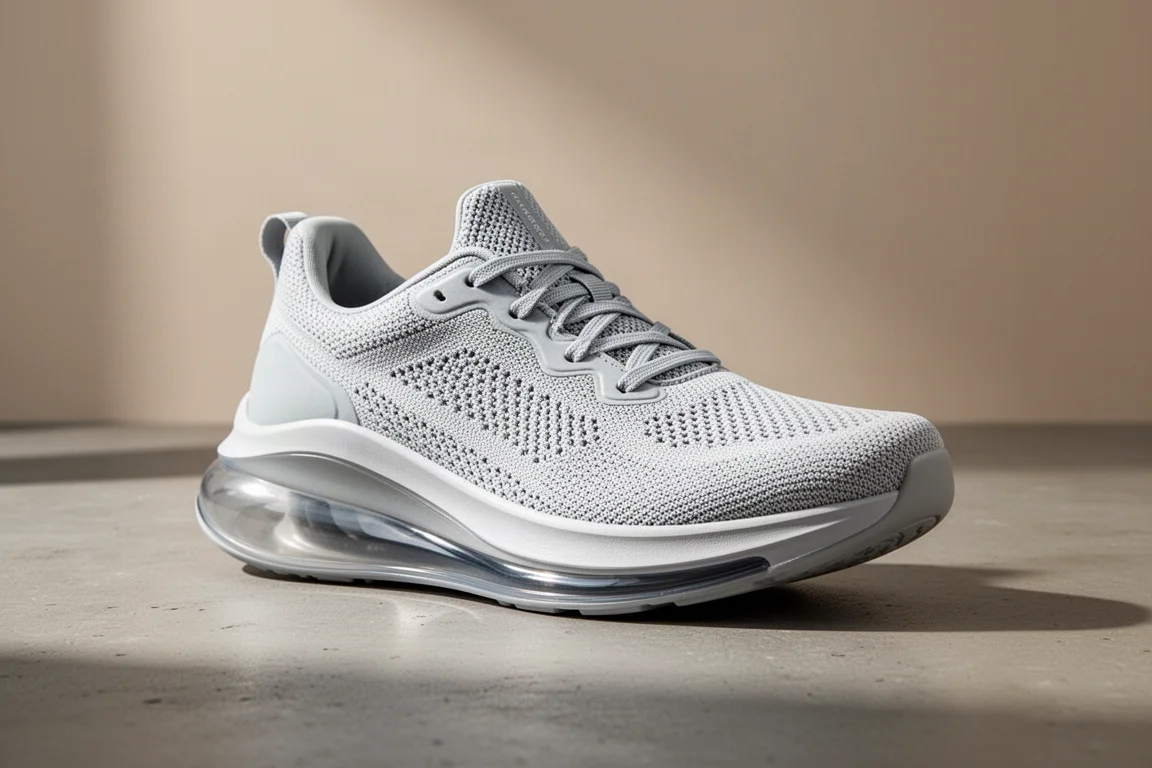
The Mach X 3 is a very solid shoe caught in no man’s land. Its most obvious rival, the Saucony Endorphin Speed 5, is the default recommendation when you walk into a running store looking for a plated speed shoe. Meanwhile, enthusiasts gravitate toward the Hyperion Max 3, Mega Blast, and Rad UFO. The Mach X 3 slipped down the rankings even though it arguably works for more runners than any of them.
Compared to the Endorphin Speed 5, it feels slightly more supportive and stable, with more stack, better behavior over time on feet, and more security for bigger runners or harder efforts, where it does not bottom out or feel mushy. It is more approachable and comfortable than the Adidas Evo SL as well, and the upper is noticeably better, even if the Evo SL costs less. If someone asks for a first half marathon shoe, this is exactly the kind of shoe that should be on the shortlist. The frustration is that Hoka has not followed it up with much innovation, which makes the Mach X 3’s quiet competence easy to overlook.
Saucony Endorphin Trainer
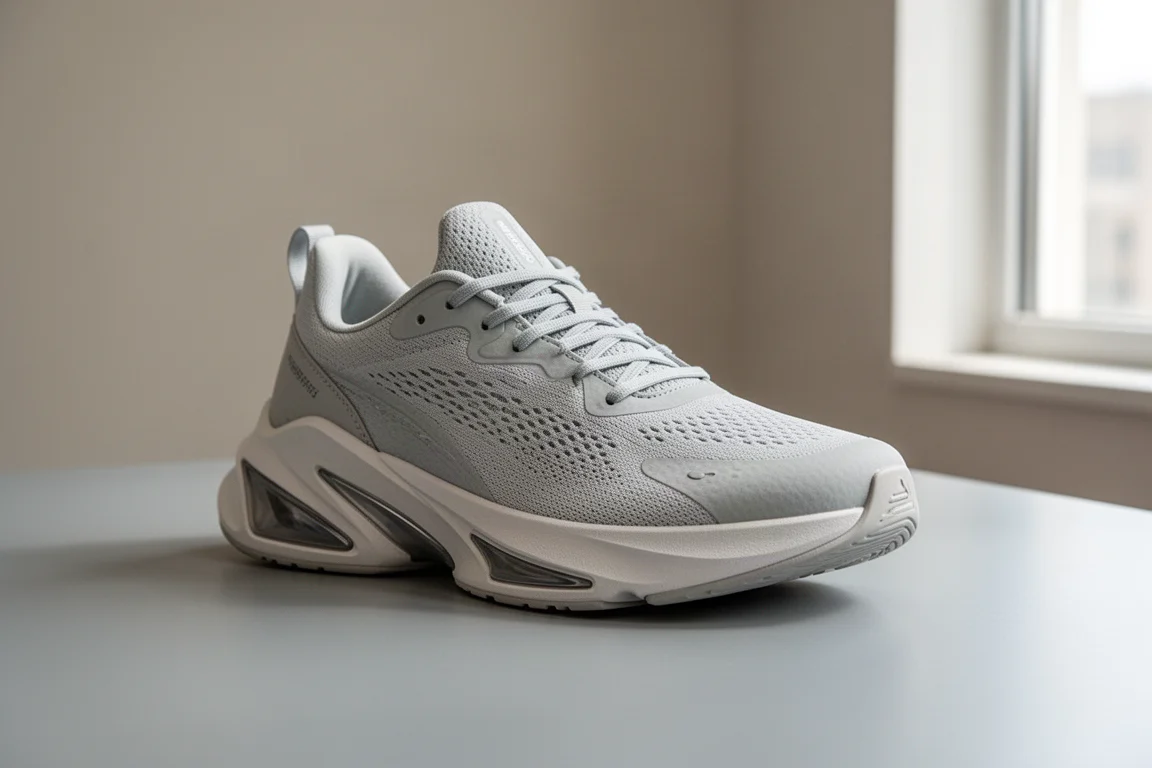
The most misunderstood shoe of the year, and the one with perhaps the worst reputation to best-ride ratio. The Endorphin line has historically been all about speed, so a shoe wearing that name but built with standard EVA set off every alarm for internet-savvy buyers. Add early negative reviews from testers who tried to use it as a speed shoe, and the Endorphin Trainer flopped hard.
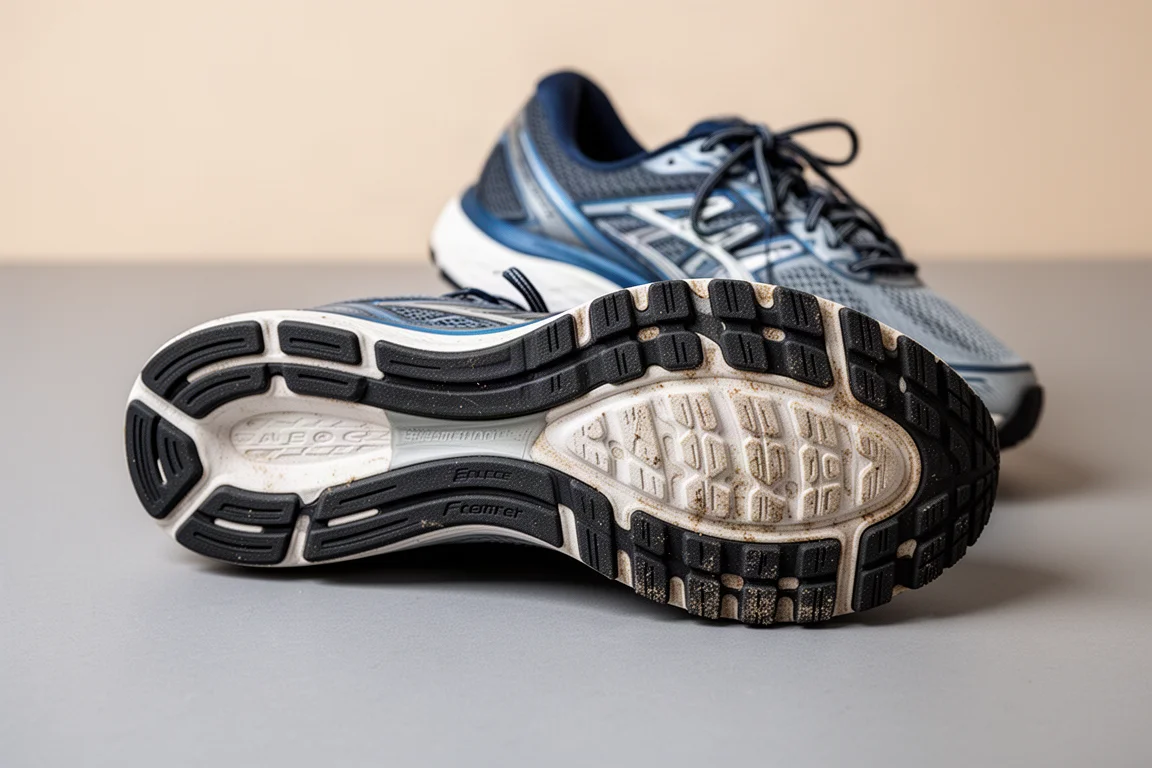
The reality is the opposite of its reputation. The standard EVA on the bottom is the same foam family as the beloved Endorphin Shift 3, and it brings serious durability, support, and a stable platform that does not squish or bottom out when you push harder through it. On top sits a really good INCREDUN foam layer. Put together, this is one of the top long run and time-on-feet shoes of the year, ideal for high mileage days when you are beat up. Think of it like a Mag Max with a bouncier foam, not an interval session tool. With roughly 60 to 70 miles on the test pair, the outsole looked barely touched. It can now be found for around $90, which makes it an outstanding budget long run trainer. Almost everyone who actually tries it likes it.
Overall Buying Advice
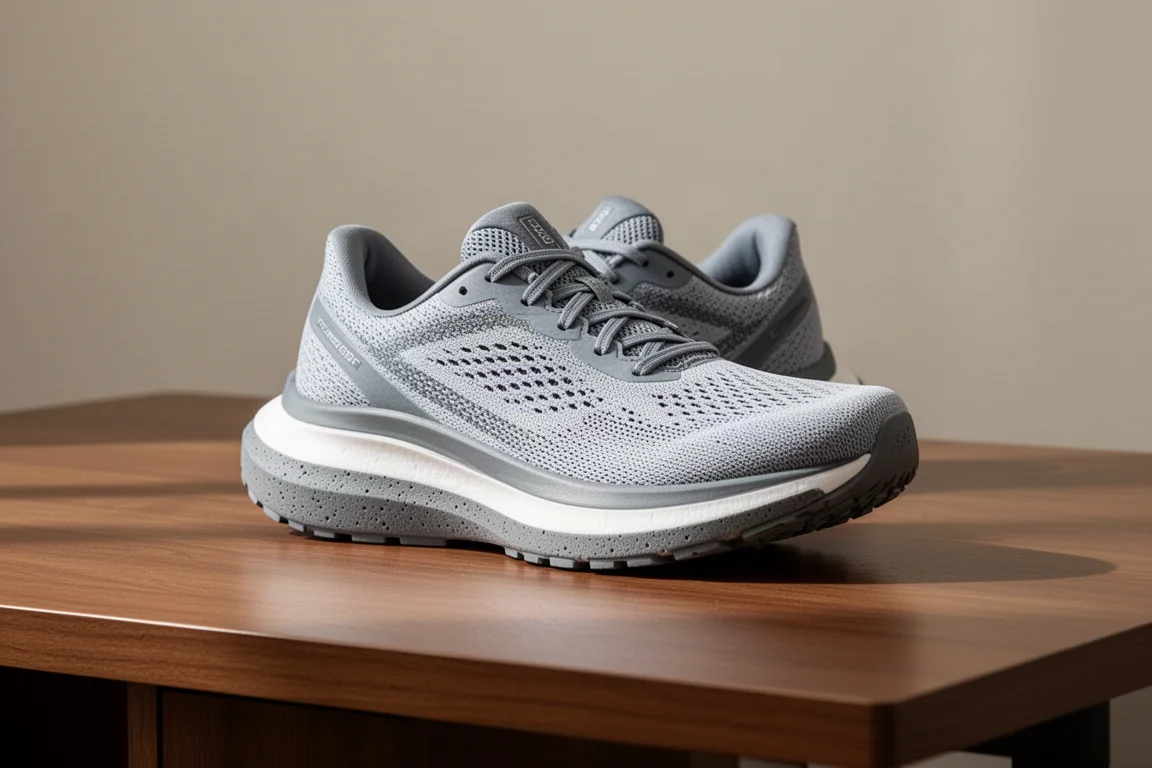
The thread through all five of these shoes is the same: buy the shoe for the job you actually need done, not for the name on the box. If you want a versatile daily trainer that leans fast, the Hyperion 3 fits. If comfort and soft bouncy long runs are the priority, the Elliot Racer delivers, at a price. If you want impact protection and a smooth cruiser, the Sonic Blast is better than its name suggests. If you want a do-everything plated trainer with support, the Mach X 3 is quietly one of the most universal options of the year. And if you want a durable, stable long run shoe on a budget, the Endorphin Trainer might be the bargain of 2025.
Conclusion
These five shoes flopped or went overlooked for reasons that had very little to do with how they perform. Clear up what each one was actually built for, and every one of them becomes easy to recommend to the right runner.
Further reading
Related Reviews

Running Shoes
Best Road-to-Trail Running Shoes: Three Versatile Options for Mixed Terrain
A practical guide to three road-to-trail running shoes that handle both pavement and mild trails, with clear strengths and trade-offs for different runner types.

Running Shoes
Best Running Shoes for Achilles Tendonitis: Three Options Explained
Three running shoes with different heel drops and support features designed to help reduce Achilles tendon pain during walking and running.

Running Shoes
Best Running Shoes for Women: Five Top Choices Ranked
A ranked guide to five women's running shoes, from versatile daily trainers to high-performance racing options, with real strengths and trade-offs for each.