Running Shoes
The Most Innovative Running Shoes of 2025: 8 Designs That Pushed the Category Forward
From a full-length air unit to removable carbon plates, these eight shoes represent the most interesting running shoe ideas of 2025.
Introduction
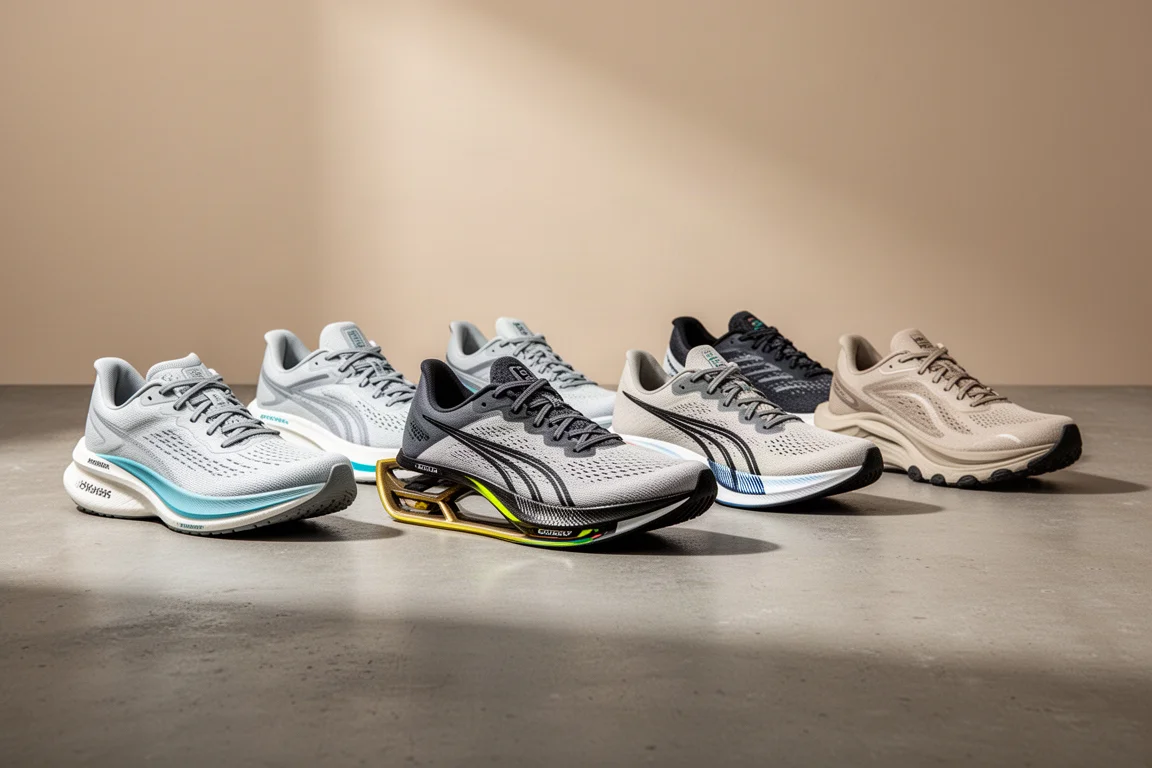
After roughly five years of explosive progress in racing foam, the pace of headline innovation in running shoes has slowed, and 2025 marks an interesting turning point. Instead of brand-new foam compounds, this year’s most interesting designs rework geometry, layering, and the very idea of what a running shoe is for. Some of these shoes chase measurable efficiency, while others exist purely because brands finally acknowledge that enthusiasts buy shoes for the experience, not just the function.
This list pulls together eight of the most inventive designs of the year, from a full-length air unit to a removable carbon plate. A quick note before diving in: the most innovative products are rarely the most polished. Like the first model year of a new car generation, fresh designs often carry real trade-offs, so treat this list as a showcase of ideas rather than a ranking of perfection.
Nike Pegasus Premium
The Pegasus Premium is Nike’s most responsive Pegasus ever, and it earns its place here for one reason: a full-length Air Zoom unit running from front to back, sandwiched between a top layer of ZoomX race foam and a bottom layer of React X for stability, with generous rubber outsole coverage. It brings supreme comfort and race-day technology into an everyday running shoe, something no other trainer in this lineup attempts.
The result is a genuinely fun, floaty ride. It works best when you land on the heel or midfoot, where the air unit absorbs impact and the ZoomX pops you along. It is not a speed shoe, and it is not the most economical choice in terms of dollars or running economy, but as an enthusiast purchase it delivers an experience you cannot get elsewhere. The two main drawbacks are mediocre stability and a slightly awkward toe-off, since the air unit has to stop somewhere and the forefoot lacks the pop of the rest of the shoe.
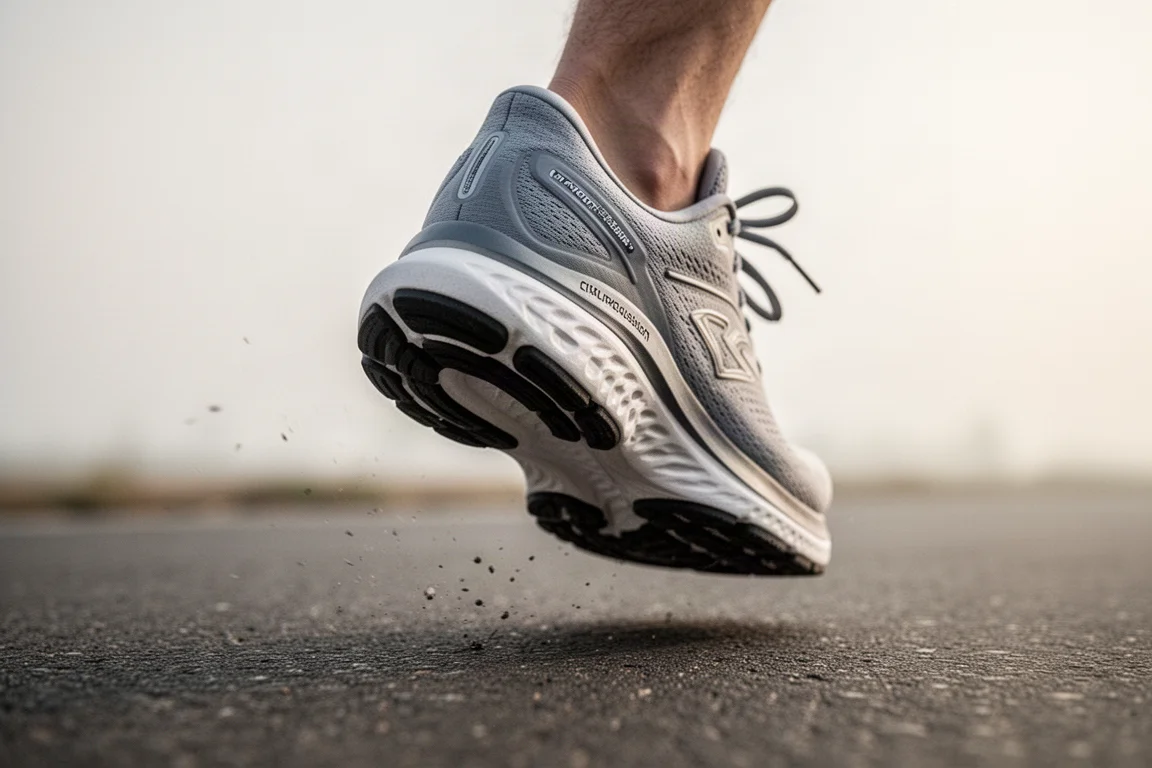
If you are used to a standard Pegasus, this is a completely different animal: big, tall, visually striking, and unapologetically built for enjoyable miles rather than pure utility.
ASICS Meta Speed Sky Tokyo
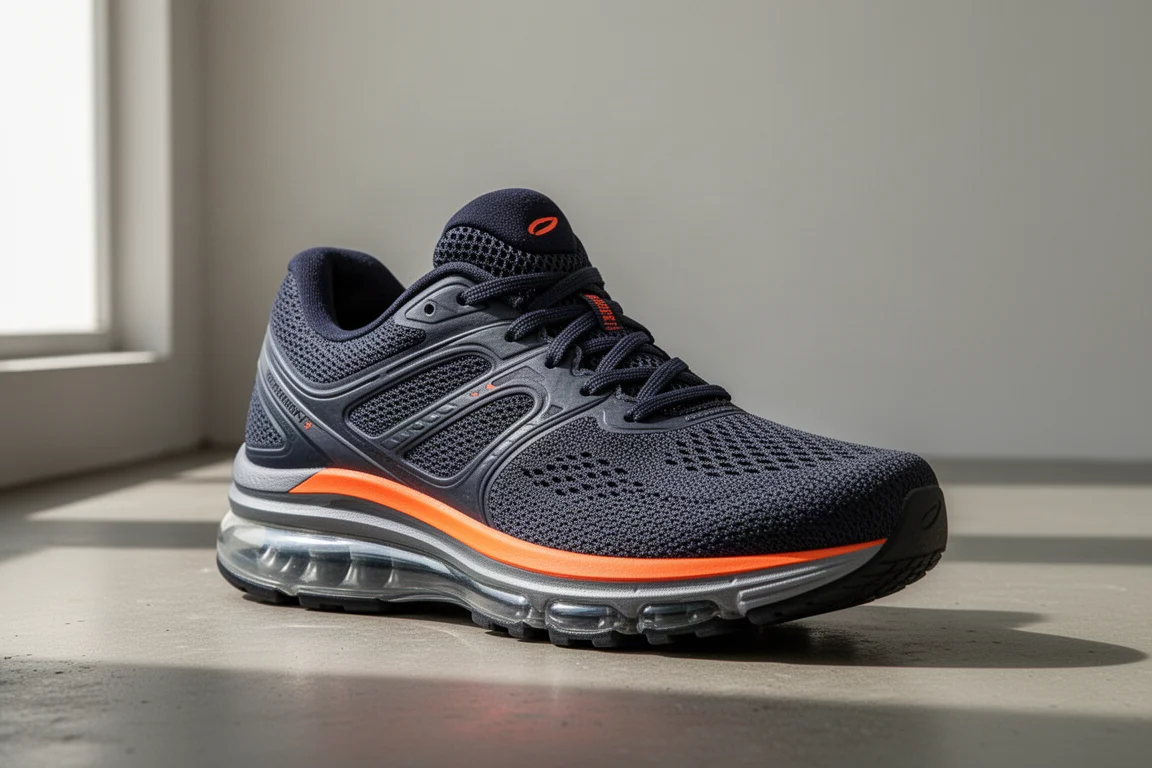
The latest ASICS marathon racer takes a simple but clever frame shift: in most dual-foam shoes, the softer compound sits on top for comfort while the firmer foam below adds stability. The Meta Speed Sky Tokyo flips that arrangement, placing the softer layer on the bottom and the firmer foam on top.
It sounds minor, but the ride character changes noticeably. The shoe reads as soft yet not overly squishy, which makes it more palatable for runners who find fully soft race foams distracting. Expect to see more brands experiment with this kind of inverted dual-foam layout in the future.
Puma Fast R3
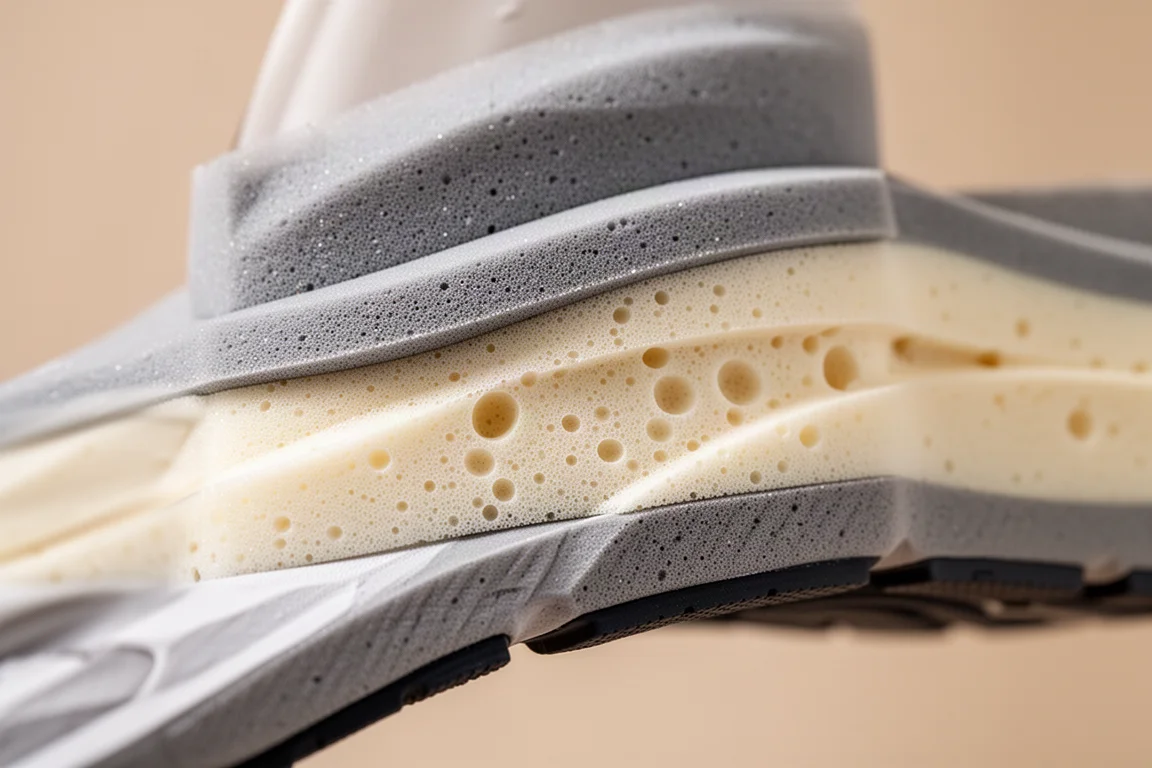
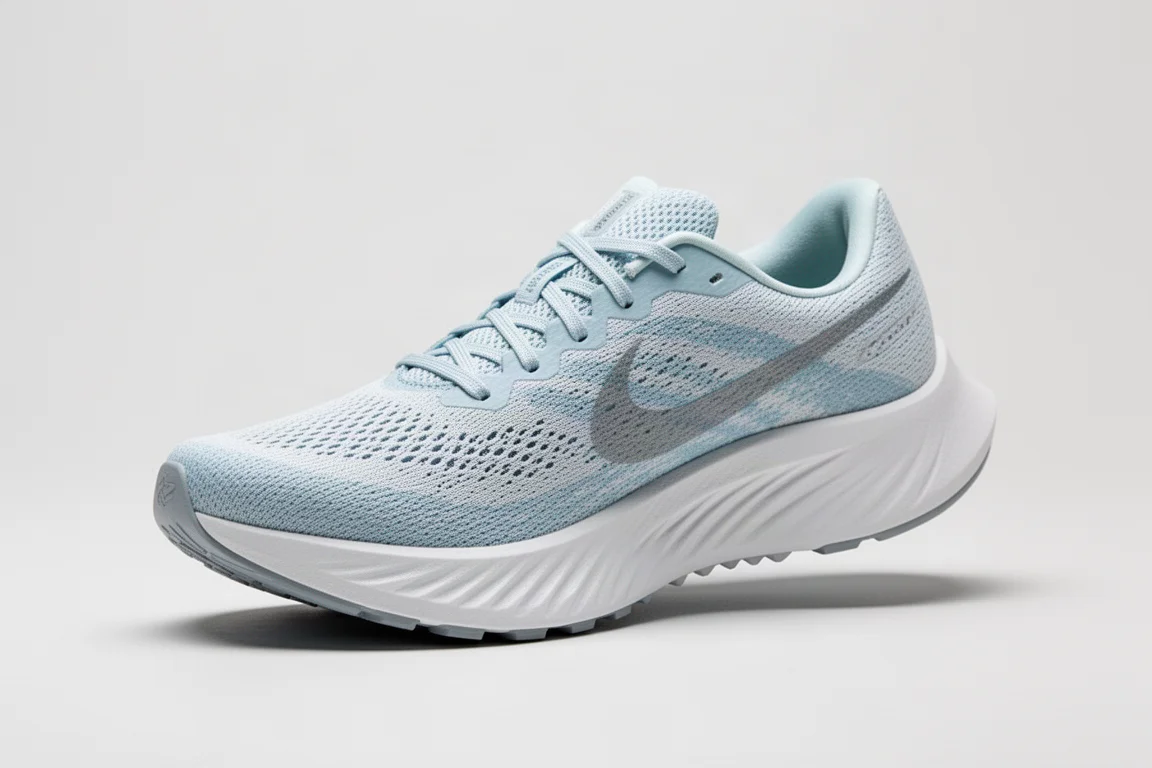
The Fast R3 stands out for three reasons. First, its carbon fiber plate extends past the end of the foot, designed to return more energy with each stride and keep energy from leaking laterally. Second, Puma developed the shoe through zonal identification and lab testing, mapping where runners actually land to decide where foam matters and where it can be trimmed. Crucially, independent testing has repeatedly confirmed it as one of the most efficient race shoes available, with benefits shown for recreational runners at around six-minute pace, not just elites.
Third, the aliphatic TPU foam is an innovation in its own right. For years, PEBA was the standard in racing, but Puma engineered a TPU foam that tests even faster. Rather than a single leap, the Fast R3 is the product of many one-percent gains compounding into something genuinely new.
Saucony Endorphin Elite
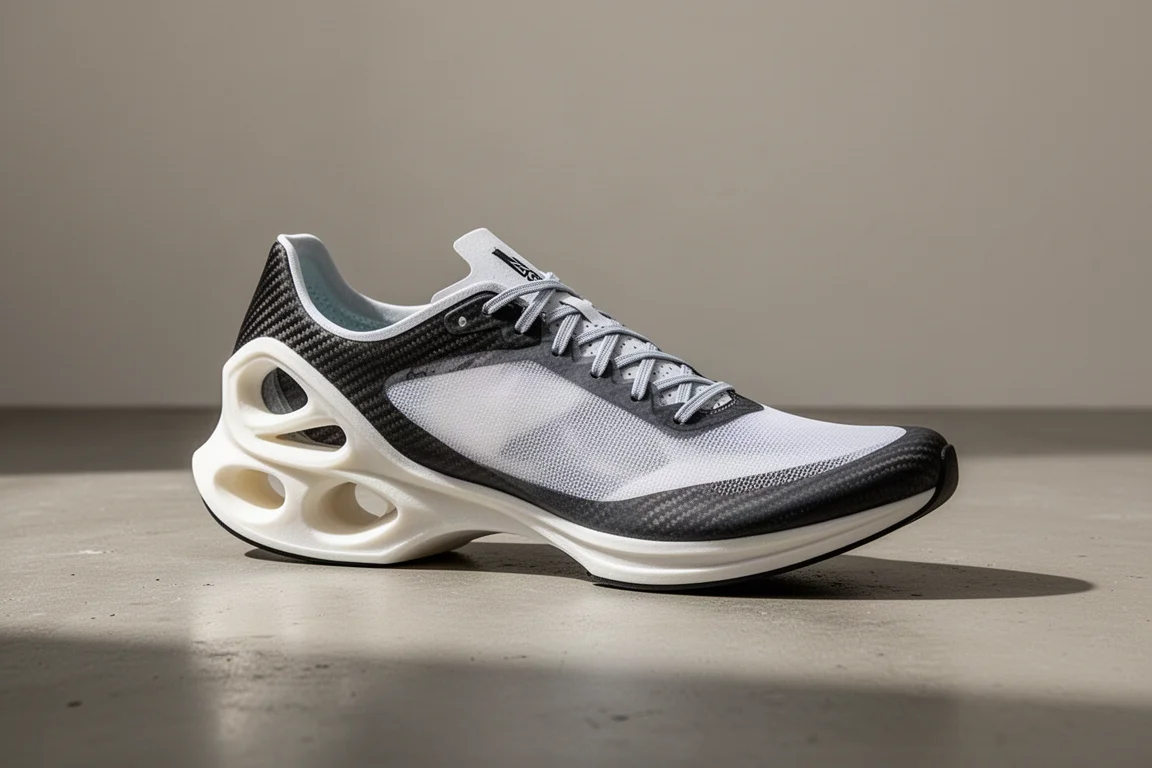
Saucony helped popularize PEBA foam in race shoes with the Endorphin Pro, opening super shoes up to a wider range of runners with a wider, more stable, more forgiving platform than the original Nike racers. With the Endorphin Elite, Saucony shifted to a different non-PEBA compound at the top of its lineup, priced at $290.
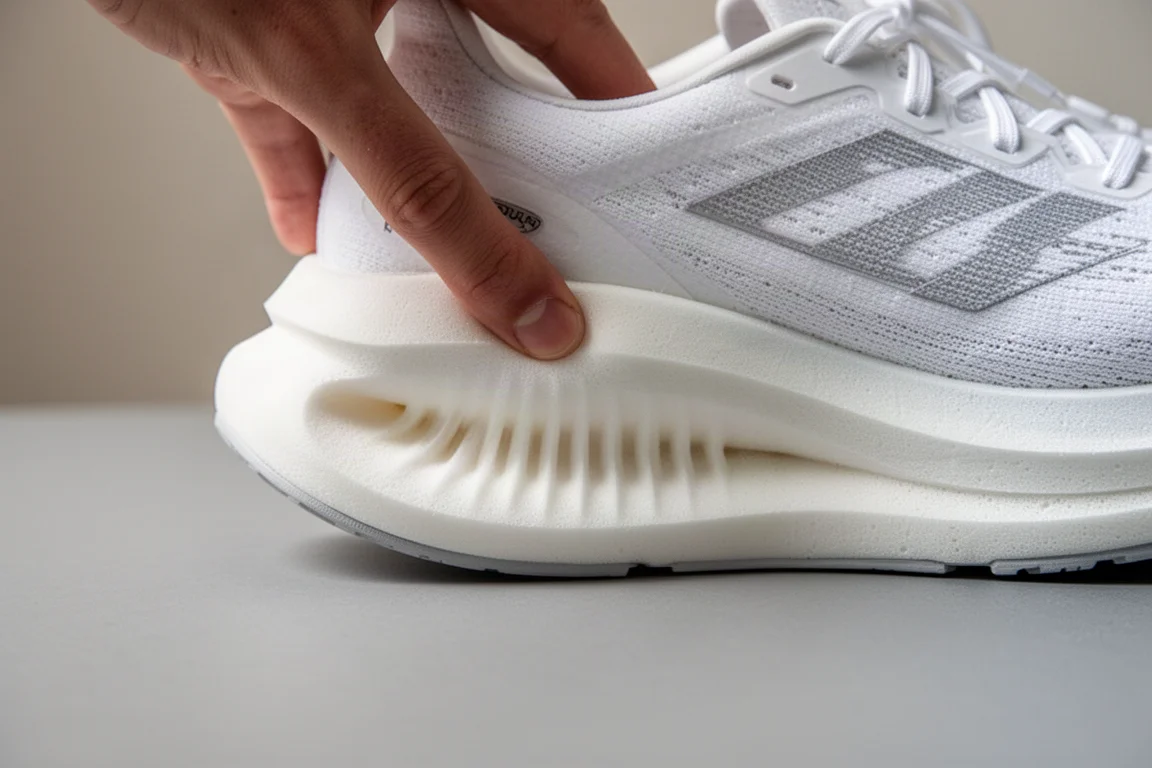
The innovation here is not the letters of the foam chemistry but the experience: this is by far the softest shoe you can actually run in, with a wildly compressible midsole that has no real equivalent on the market. That extreme softness is also its limitation. It works best for runners around the four-hour marathon range who prioritize comfort, while faster runners generally have better-suited options.
Saucony Endorphin Elite 2
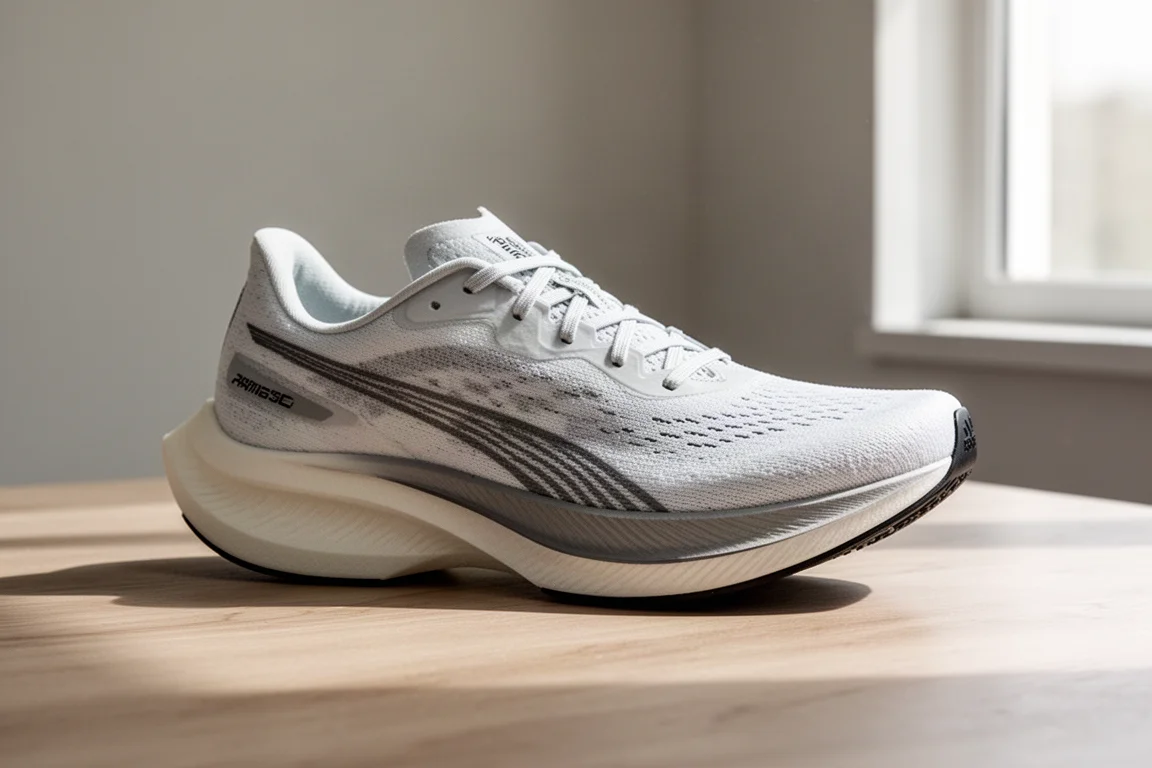
The Endorphin Elite 2 earned a devoted following. Its carbon plate and rocker geometry paired with extremely soft foam made it one of the most common shoes seen at races among sub-three-hour runners, right up there with the most popular elite racers.
It also demonstrates why the plate matters: in a midsole this soft, the plate is essential to make the shoe runnable at all. As a showcase of just how cushioned a plated race shoe can get while remaining functional, it remains a benchmark, even as its successor foam lineup has moved on.
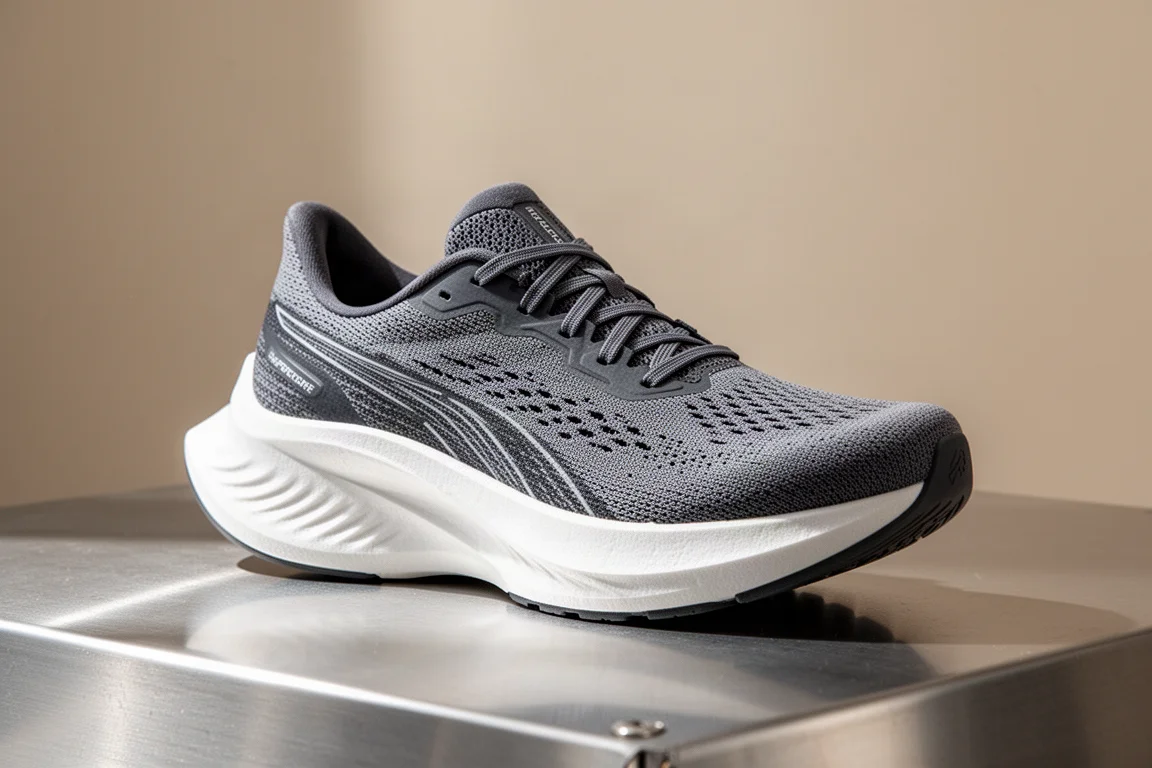
Nike Streak Fly 2
The Streak Fly 2 brings the track spike feel to the road. There is nothing exotic in the materials: it uses essentially the same ZoomX foam and carbon fiber plate Nike has run since 2017. The innovation is geometry and weight. It has an aggressive forefoot rocker with minimal foam at the heel, sitting several millimeters higher at the toe, so you must land on the front of the foot at all times.
That makes it a highly specialized shoe for 5Ks, 10Ks, and very fast efforts, a compromise design that simply could not have existed six years ago because the market for hyper-specialized shoes did not exist yet. It also works well as a single-shoe solution for high school and college runners who want more versatility than a spike for track work and road workouts.
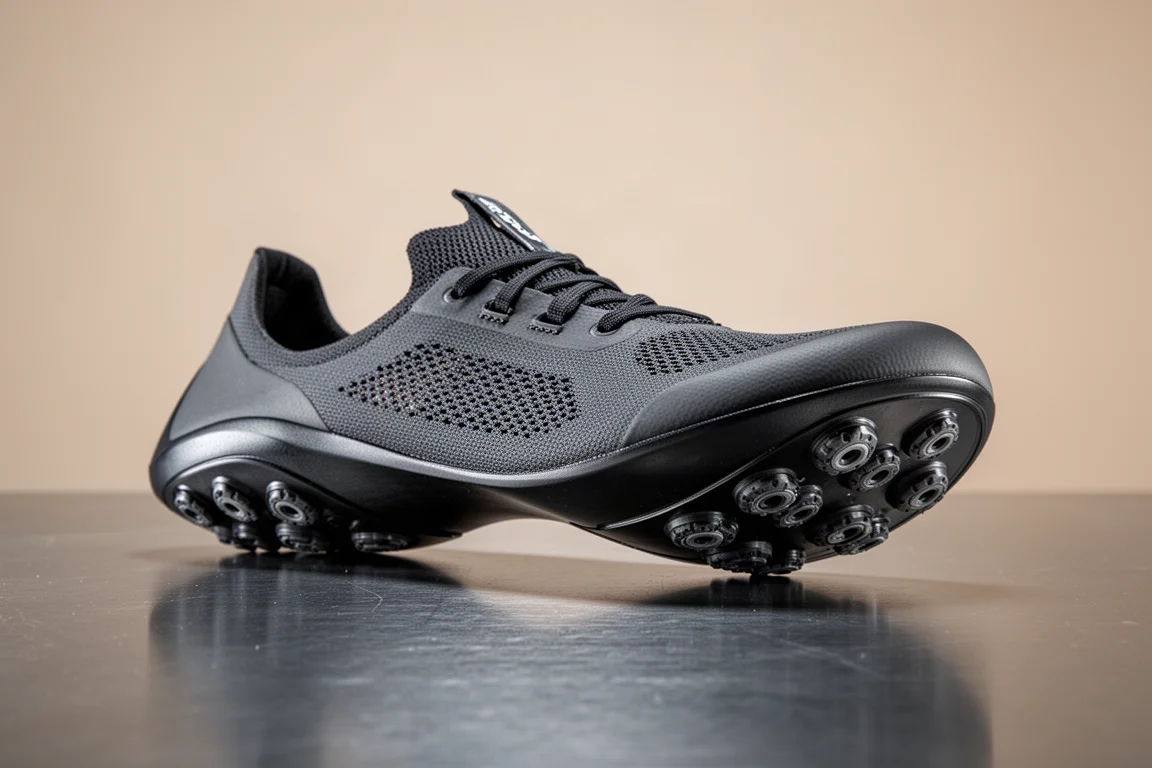
Adidas Prime X Strong 3
Now on its third generation, the Prime X Strong 3 stacks a top carbon plate, energy rods underneath, and roughly 50 mm of foam in the heel and nearly as much in the forefoot. The components are not new; Lightstrike Pro, plates, and rods have existed for years. The innovation is how they come together into a shoe built purely for fun.
Unlike the Pegasus Premium, this one demands forefoot landings, and the bounce rewards speed and power: the faster you go, the better it feels. Adidas has stopped pretending this is a fast race shoe, and that honesty is part of the appeal. It is a bouncy, tall, enthusiast-first shoe that leans completely into the experience.
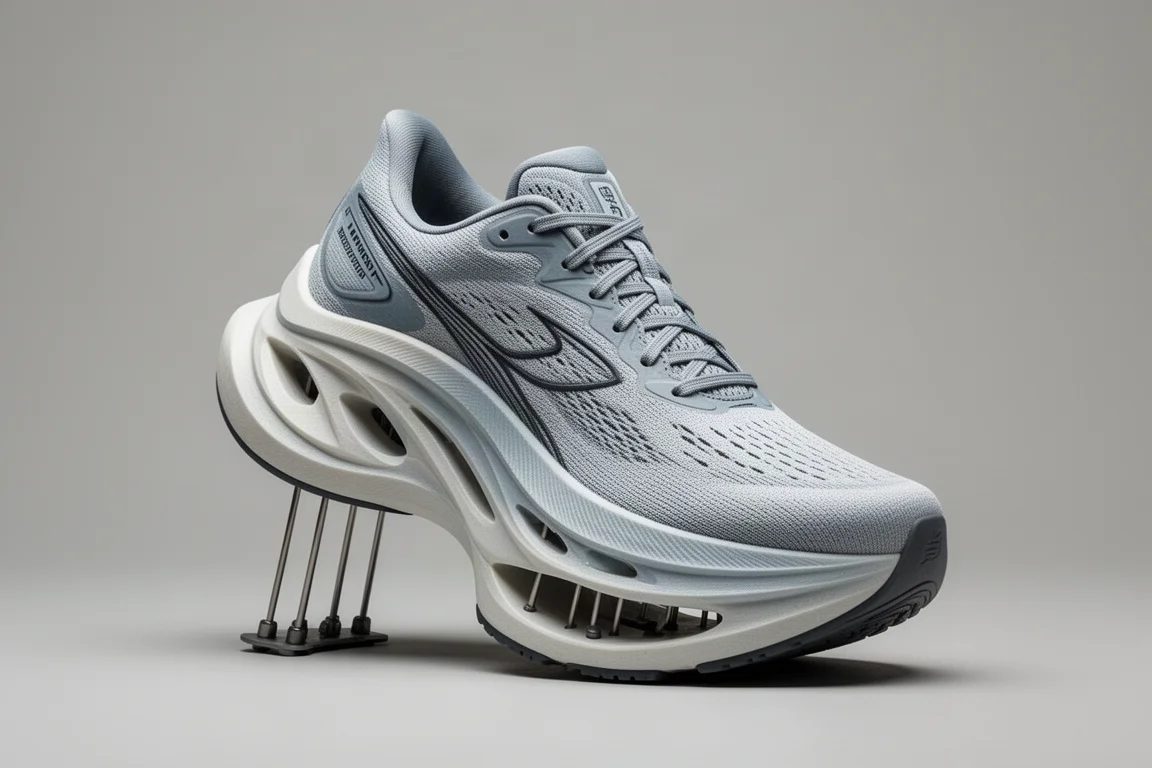
Speedland RX 50
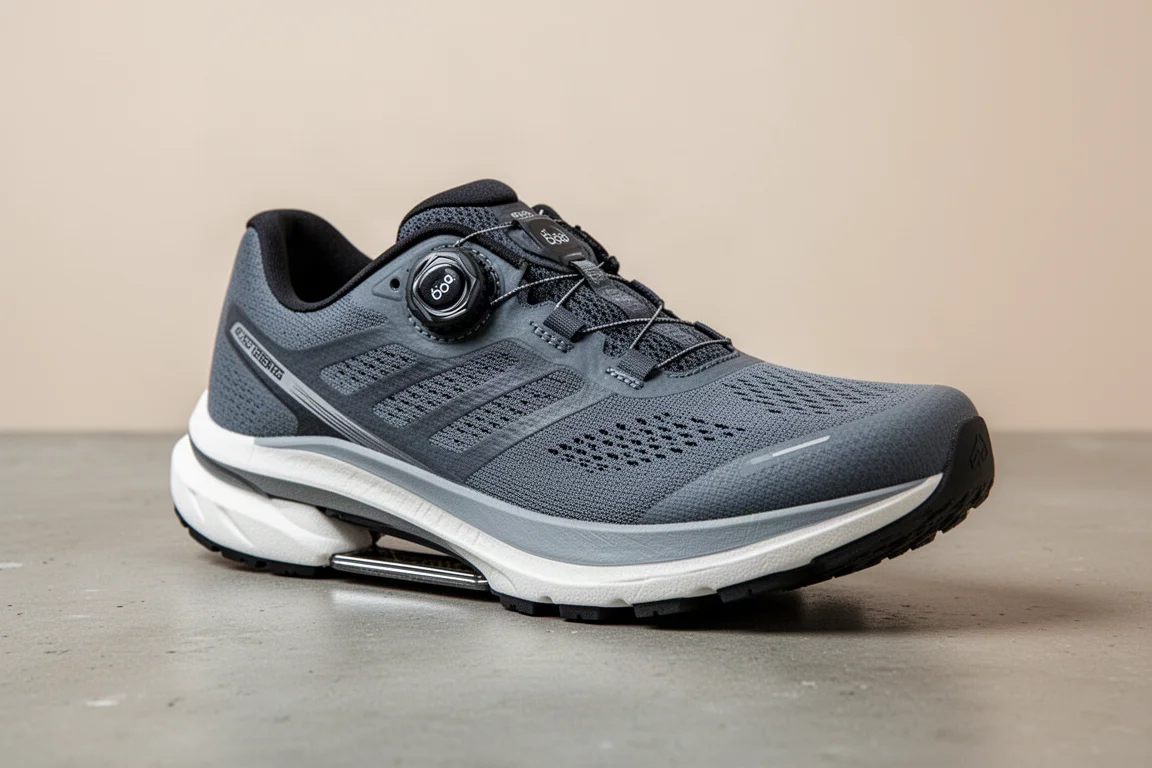
The Speedland RX 50, a road shoe from a brand known for trail designs, offers the most unusual idea on this list: a removable carbon fiber plate. The concept is not new to Speedland, but bringing it to the road is, and the execution is thought-provoking.
In practice, the shoe rides better without the plate. The foam is not soft enough and the platform not unstable enough to need reinforcement, so the plate adds little. But the idea is compelling: imagine a major brand like ASICS or Adidas building a hybrid road training and racing shoe where you could remove the plate to change the ride character. Speedland also uses a Boa-style lacing system, rare on road shoes, adding another unusual touch.
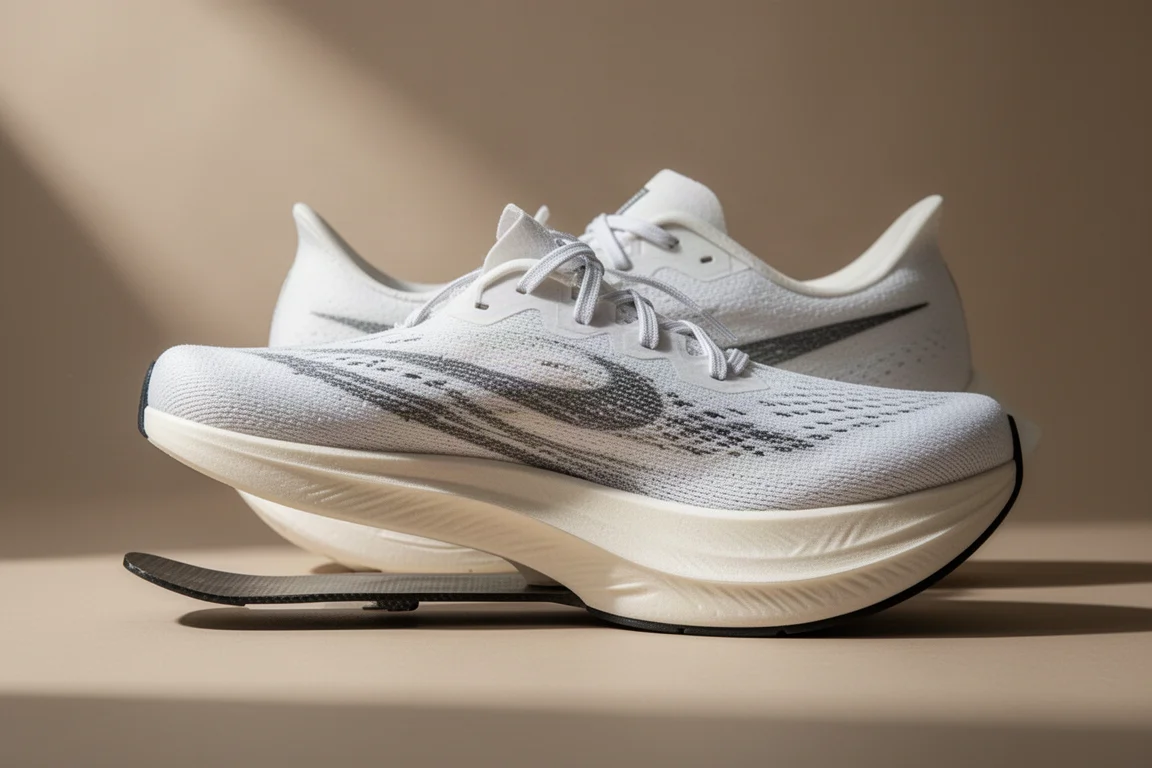
Buying Advice
The throughline of 2025 is that brands now design for enthusiasts, not just performance. The Pegasus Premium and Prime X Strong 3 are experience-first purchases, the Streak Fly 2 is hyper-specialized, and the Fast R3 chases measurable efficiency. Decide which camp you fall into before buying. If you want the safest possible choice, an established, unchanged daily trainer will always beat an experimental design.
Also match the shoe to your actual pace and use case. Extremely soft race foams suit comfortable marathon efforts more than fast finishing kicks, and aggressive forefoot geometry demands the fitness to use it. Innovation is exciting, but the best shoe is still the one that fits how you actually run.
Conclusion
No single 2025 release was as revolutionary as the original super shoes, but the year delivered real progress in foam chemistry, geometry, and product philosophy. These eight designs show a category maturing into something richer, where efficiency gains and pure enjoyment can coexist on the same shelf.
Further reading
Related Reviews

Running Shoes
Best Road-to-Trail Running Shoes: Three Versatile Options for Mixed Terrain
A practical guide to three road-to-trail running shoes that handle both pavement and mild trails, with clear strengths and trade-offs for different runner types.

Running Shoes
Best Running Shoes for Achilles Tendonitis: Three Options Explained
Three running shoes with different heel drops and support features designed to help reduce Achilles tendon pain during walking and running.

Running Shoes
Best Running Shoes for Women: Five Top Choices Ranked
A ranked guide to five women's running shoes, from versatile daily trainers to high-performance racing options, with real strengths and trade-offs for each.