Snowboarding Gear
The Most Hyped Snowboards of the 2023-2024 Season: Seven Models Worth a Closer Look
Seven high-demand snowboards, what each one actually rides like, and how to work out which hype is worth buying into.
Introduction
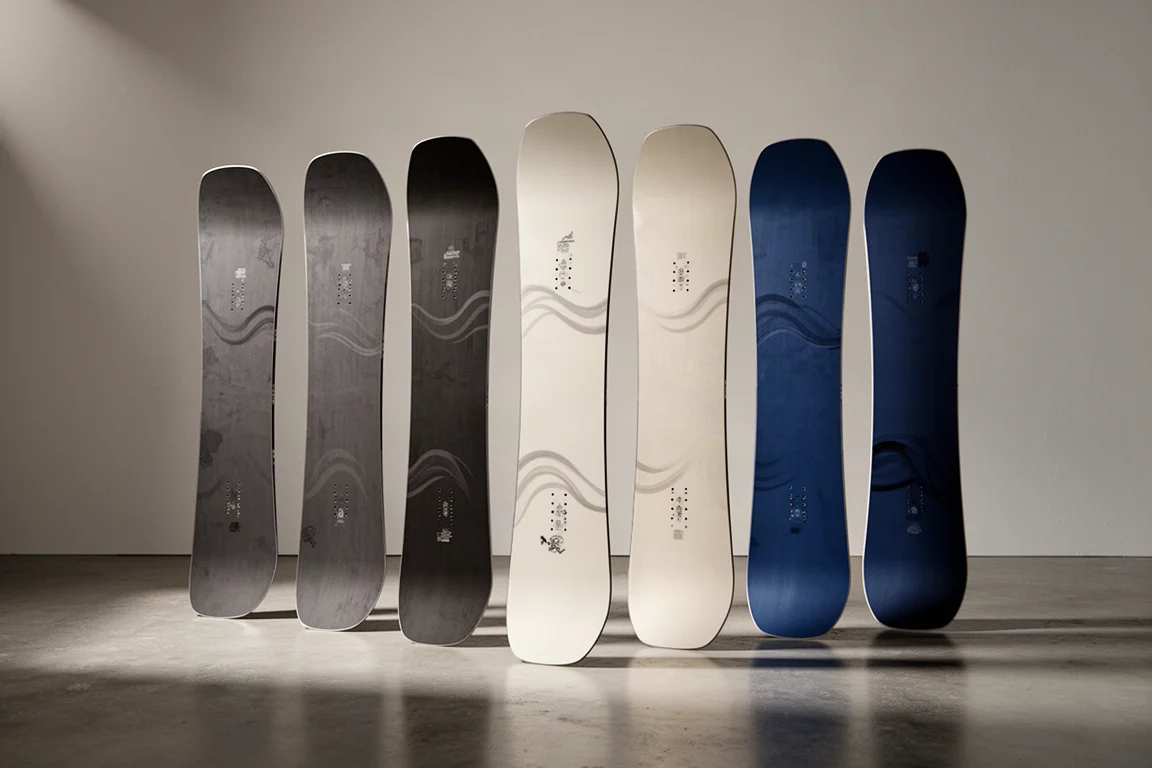
Every season a handful of snowboards get pushed hard, sell out quickly, and end up on more wish lists than shop walls. Hype is not the same thing as quality, and it is certainly not the same thing as fit. Some of these boards genuinely deliver on the promise. Others suit a narrower rider than the attention around them suggests.
This guide covers seven models that drew the most attention for the 2023-2024 season. For each one, the goal is the same: describe what the board actually does well, note where it asks more of the rider, and help you decide whether it belongs under your feet.
Why Some Snowboards Sell Out Fast
A board usually becomes hard to find for a few overlapping reasons. A recognizable rider name on the topsheet helps. So does a shape that looks distinctive on a shop wall. Limited production runs add scarcity before anyone has even ridden the thing, which turns a purchase decision into a timing decision.
None of that is a knock on the board itself. It simply means demand often outruns supply, and riders end up buying on reputation rather than on how they actually ride. That is the gap this guide tries to close.
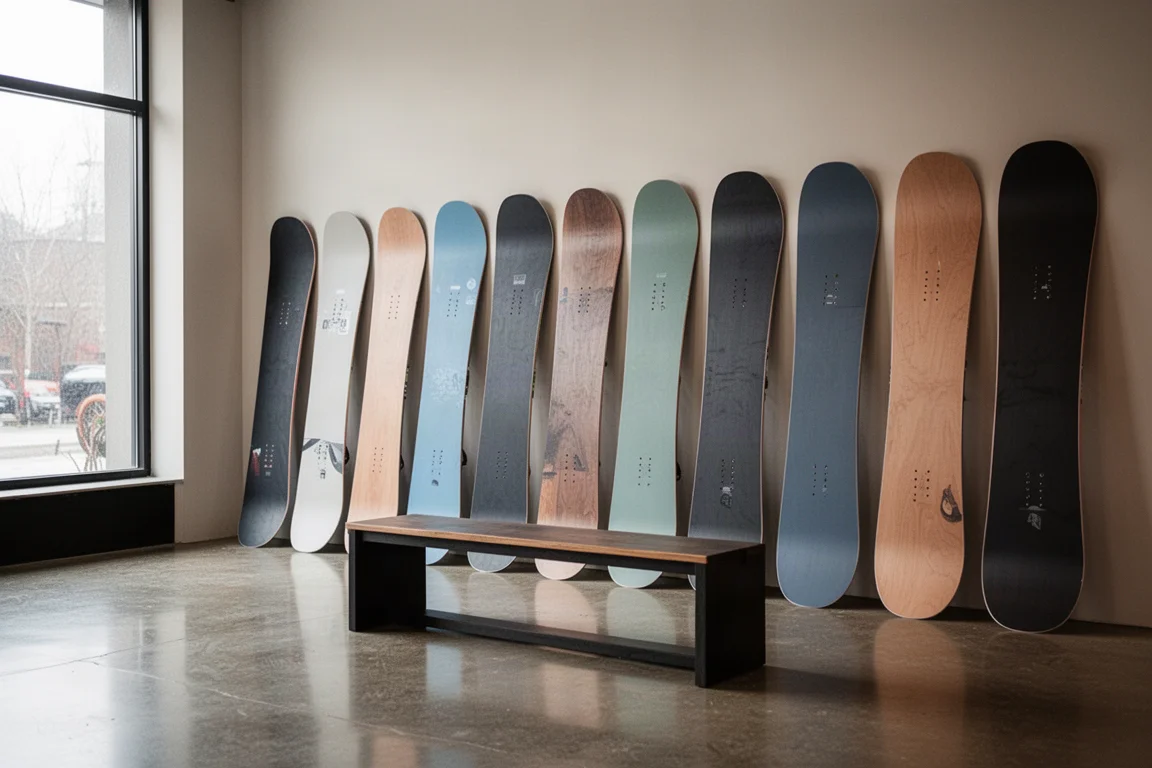
The more useful question is whether a board’s design matches your terrain and your style. A stiff, aggressive freeride deck can feel brilliant under a strong rider and lifeless under a lighter one. A carving-focused board can be the most fun thing on a groomer and a compromise everywhere else. Working out which category you fall into matters far more than which board happens to be trending this month.
Rome Renegade
The Rome Renegade is a traditional cambered board with a distinctly old-school feel. It rides like something pulled out of the late 1990s or early 2000s in the best sense: camber underfoot, a predictable flex, and a shape built around charging and hitting jumps rather than chasing novelty.
It is a meat-and-potatoes snowboard. There is no gimmick to learn and no adjustment period, which is exactly why it appeals to riders who want a deck that simply gets the job done on groomers, in the park, and anywhere in between.
That throwback character is also the main caveat. Riders who have moved on to more forgiving rockered or hybrid profiles may find it asks for a more committed riding style. If you want a classic cambered freestyle-charger, that is a feature rather than a flaw.
Jones Free Carver 6000
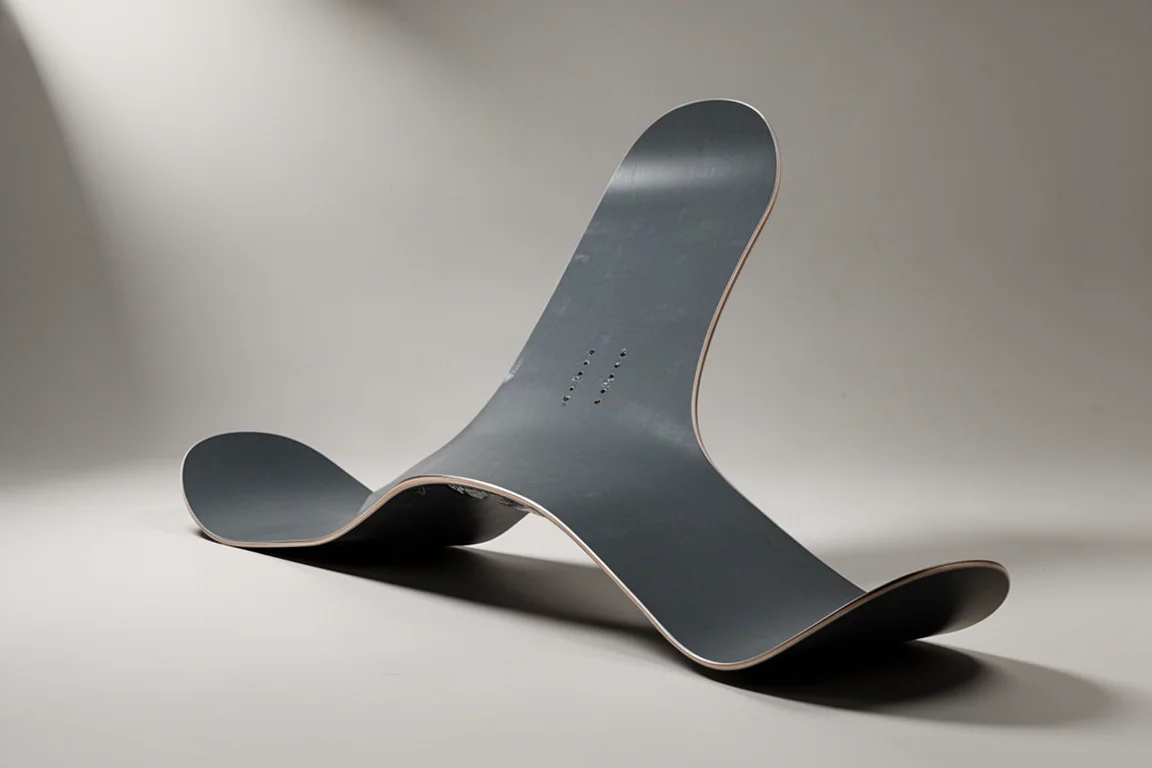
The Jones Free Carver line is built around carving, and the 6000 is the model most riders will realistically find. It grips, it holds a long turn, and it lays trenches in a way that makes an ordinary groomer day feel like a different sport.
It is also more versatile than the name suggests. This is not a one-trick carving board that turns into a liability the moment the terrain changes.
The practical consideration with Jones is production volume. The brand does not build enormous numbers of boards, so when the Free Carver 6000 appears, it tends to move quickly.
Jones Free Carver 9000
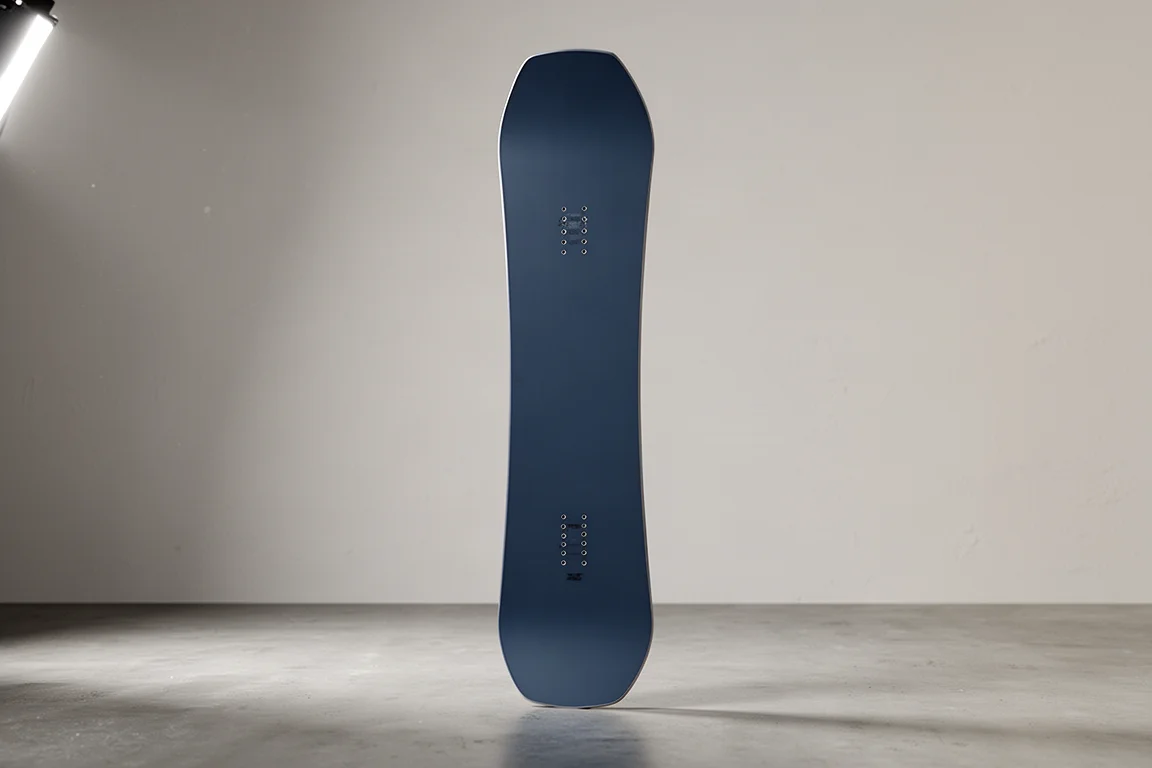
The 9000 sits alongside the 6000 in the same carving-focused family, with the same trench-laying character and the same ability to handle more than perfect corduroy.
In practice, the 6000 is the one that tends to disappear from shelves first, which makes the 9000 the more realistic target for riders who decide they want in on this shape but shop a little later in the season.
Either way, the buying advice is the same. This is a board for riders who genuinely enjoy carving and want a deck that rewards edge pressure.
Ride Deep Fake
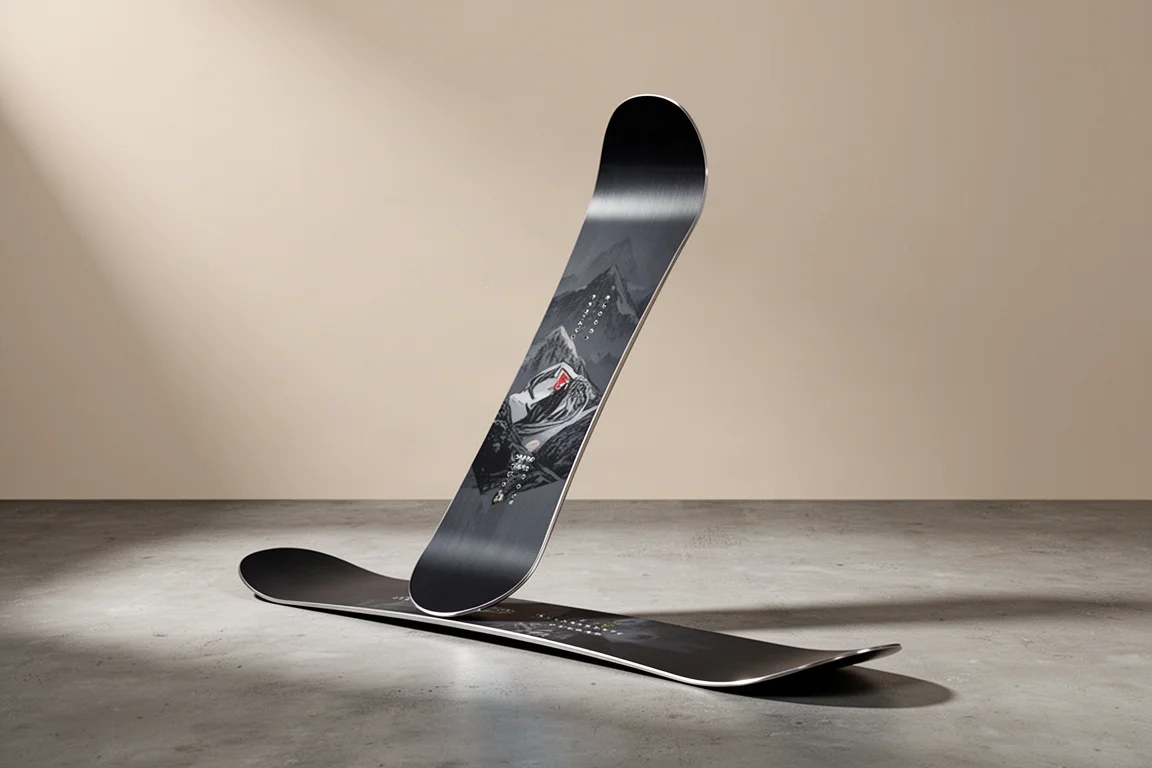
The Ride Deep Fake blends two ideas into one board. It carries the all-mountain freeride brief with the freeride feel still intact, and it uses a metal sidewall construction that adds snap and rebound along the edge while also damping the ride.
The result is a board that does not feel like anything else in the category. It can sink the tail, float the nose, hold a carve, and pop off a roller, which covers a lot of ground in a single deck.
That range is the reason it stands out. Riders who want one board for powder mornings, groomer afternoons, and side hits in between will find the Deep Fake covers all three without feeling like a compromise.
Capita Mega Death
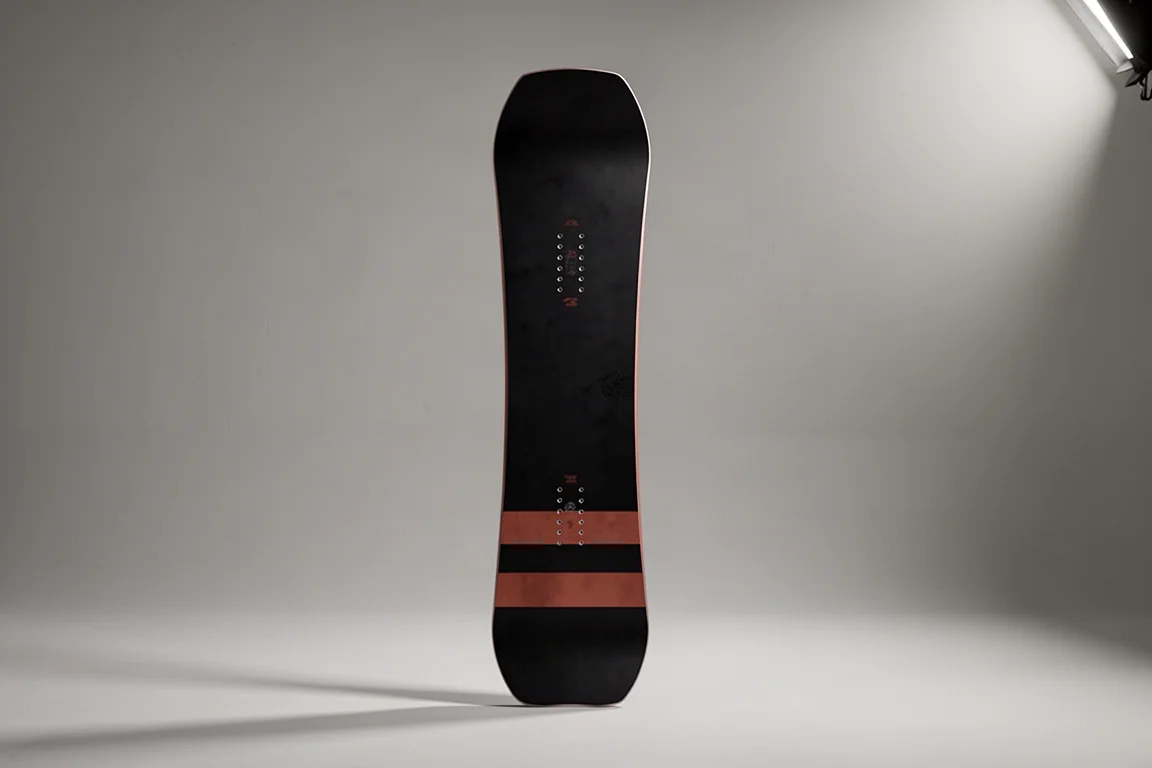
The Capita Mega Death is the larger sibling of the Black Snowboard of Death, and the assumption going in is usually that bigger means stiffer. It does not. The Mega Death is more approachable, more lively, and easier to flex than its reputation suggests.
What it keeps is performance. It locks in and holds a carve, floats well in powder, and works as a genuine all-mountain freeride board rather than a narrow specialist.
That capability comes with a higher price tag, and it is the main thing to weigh before committing. The build includes lightweight construction, a high-end base tune, and razor sharp edges out of the box, so the money shows up where it matters on the snow.
View more details for Capita Mega Death
Lib Tech Apex Golden Orca
The Apex Golden Orca is the board with the biggest following in this group, and it earns attention for reasons beyond the name. It is not as stiff as many riders expect, which makes it more accessible than its silhouette suggests.
The 3D anti-matter tips reduce swing weight, so the board feels easier to throw around than its size implies. That also means riders who normally size up can consider dropping down a length without losing stability.
The trade-off is price. There is a real barrier to entry here, and it is worth being honest with yourself about whether the shape suits your riding or whether you are buying the reputation.
Capita Aeronaut Arthur Longo
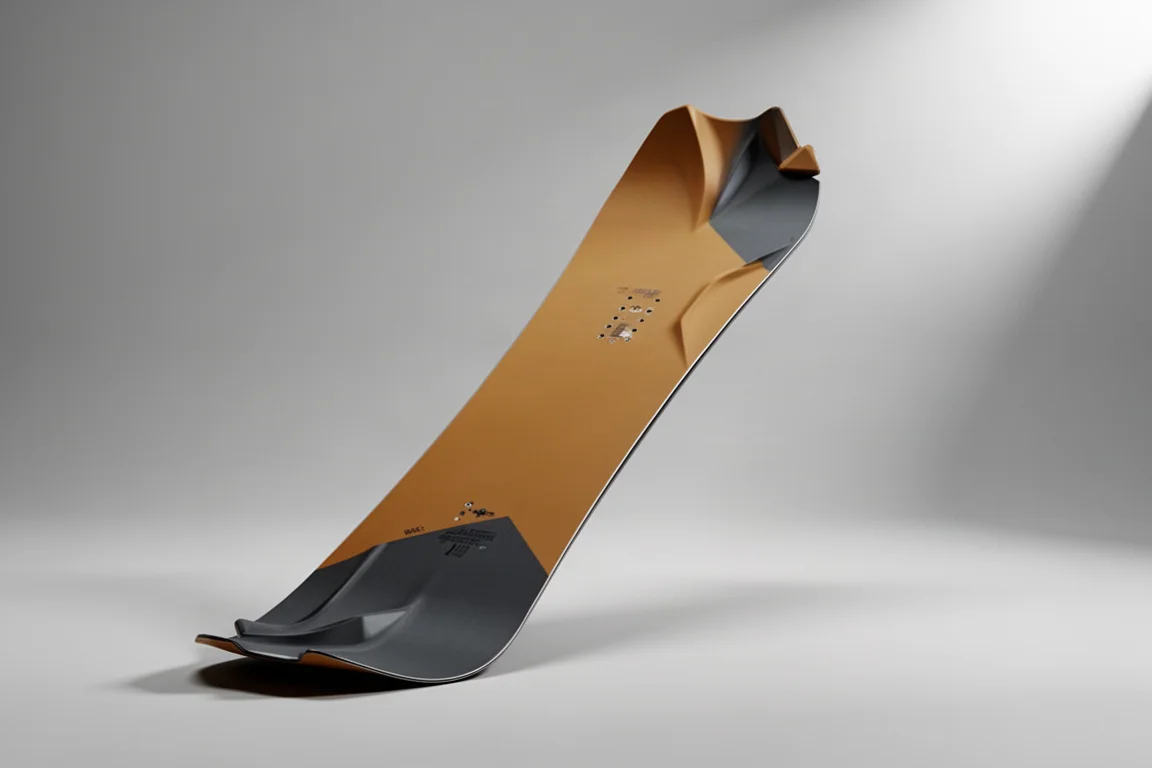
The Capita Aeronaut is a pro model built for a rider who goes full send, and it behaves accordingly. It asks for commitment: give it everything and it gives a great deal back.
That means it rewards aggressive riding and can feel like a lot of board for someone still building confidence. Side hits and fast, committed runs are where it makes the most sense.
If that describes how you ride, the Aeronaut is a legitimate choice. If it does not, this is one to admire from a distance.
Buying Advice
Across all seven boards the pattern is the same. Hype shortens the window to buy, but it says nothing about whether the board fits you. A carving specialist, a freeride charger, and a classic cambered throwback all ask for different things from a rider, and buying the trending shape in the wrong category is an expensive way to find out.
Start with terrain. If most of your days are groomers and you love edge pressure, a carving-focused board is money well spent. If you split your time between powder and rollers, an all-mountain freeride shape is the safer bet. If you want something that feels like a classic cambered deck, that option still exists and it still works.
Second, think about supply. Several of these models are produced in limited numbers, so waiting for a deep discount is not a reliable strategy. If a board matches your riding and you find it in your size, that is usually the moment to decide rather than the moment to keep researching.
Conclusion
Seven boards, seven different answers to the same question. The Rome Renegade suits riders who want a classic cambered charger. The Jones Free Carver 6000 and 9000 reward anyone who loves laying a trench. The Ride Deep Fake covers more terrain than most freeride decks. The Capita Mega Death is more forgiving than its name implies. The Lib Tech Apex Golden Orca trades on a big following and a big price. The Capita Aeronaut is for riders who commit fully.
The boards that sell out fastest are not automatically the boards you should buy. Match the shape to your terrain, be honest about how you ride, and the hype becomes a lot less relevant to your decision.
Further reading
Related Reviews
Snowboarding Gear
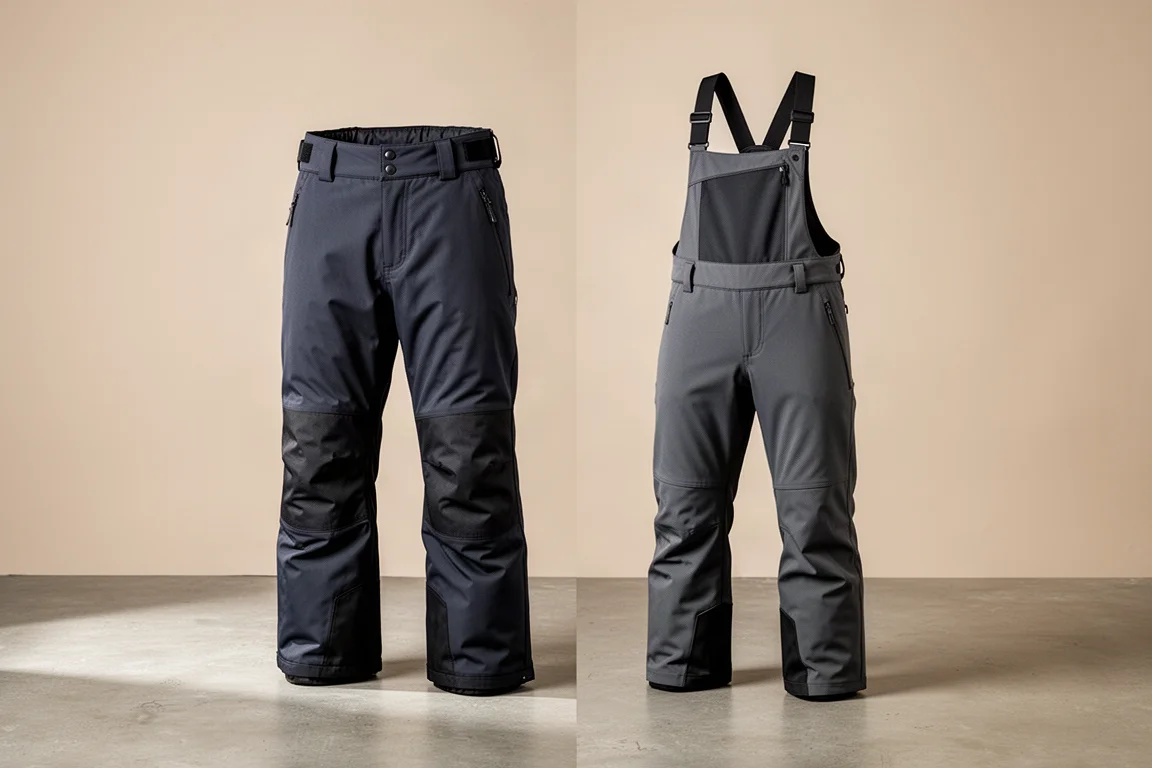
686 Smarty Pants vs 686 Dispatch Bib: Traditional Pants or Bib Pants?
A head-to-head look at two 686 snow pants, weighing warmth, comfort, durability, and breathability to help you pick the right style for your riding.
Snowboarding Gear
Bataleon Thunderbolt Review: A Powerful All-Mountain Freeride Snowboard
A deep-camber freeride snowboard with 3BT and SideKick shaping, tested in powder, chop, ice and soft groomers. Here is who it suits and what to weigh up.
Snowboarding Gear
Best All-Around Park Snowboards: Five Balanced Freestyle Picks
Five park snowboards that balance jumps, rails, and everyday freestyle riding, plus three honorable mentions worth a closer look.