Ski Travel
Most Expensive Ski Lift Tickets in North America: 10 Resorts and What Their Pricing Means
Ten North American resorts now charge up to $279 for a single day on the mountain. Here is what each one delivers, and how to avoid paying window rates.
Introduction
A single day on the mountain has become one of the most expensive line items in a winter vacation. At the top end of the North American market, walk-up window rates on peak dates now sit between $239 and $279, and the resorts charging them show no sign of backing down.
This guide covers ten resorts with the highest one-day cost of entry for the coming winter, what each mountain delivers in return, and where cheaper access still exists. Most of the figures below are window prices on peak days. Advance purchase and off-peak dates change the picture substantially at nearly every resort on the list.
The gap between the worst and best price at a single resort is often $80 or more, which means the practical question is rarely whether a mountain is worth visiting, but which route gets you onto it.
How Lift Ticket Prices Reached These Levels
Three patterns explain most of the increases. First, demand-based pricing: rates now rise and fall with the calendar, so holidays and March weekends carry the heaviest premiums. Second, a deliberate shift toward pass products: resorts would rather sell season passes and multi-day bundles than single-day tickets, because pass revenue arrives before the season starts. Third, hard early-bird deadlines: several of the best-value products on this list go off sale in the first week of December, which pushes skiers to commit months in advance.
The practical consequence is that the window rate is rarely the rate anyone should pay. Across the ten resorts below, the cheapest advance price is often $60 to $130 lower than the peak walk-up price.
Big Sky: Montana’s Largest Resort
Big Sky is Montana’s largest resort and the third largest ski area in North America. Its footprint is enormous, with terrain for every ability level and a dramatic presence thanks to the steep, jarring terrain that falls away from Lone Peak. The layout is not the easiest to navigate and the on-mountain lodges are not the strongest part of the package, but four enclosed bubble chairs keep guests comfortable through a full day on the slopes.
Peak-day window tickets run $239 for one day, with discounts as low as $165 for advance purchases or off-peak dates. Those rates remain out of reach for many travelers.
One detail matters a great deal here: a standard Big Sky lift ticket does not include Lone Peak Tram access. A one-day tram pass costs an additional $30 to $100, and tram access cannot be bought ahead of the day of the visit. Combining a walk-up lift ticket with a tram pass can push a single day to $339.
Winter Park: Demand-Based Pricing in Colorado
Winter Park is one of Colorado’s largest and most popular resorts, with more than 3,000 acres of well-rounded terrain, strong lodges and a standout Mary Jane zone. It has also always been a busy mountain, and crowds have grown as the Denver metropolitan area has expanded.
The pricing reflects that pressure. A one-day walk-up ticket costs $249 on holidays and Saturdays, and $239 on weekdays and Sundays. Advance prices are demand-based, falling as low as $143 on off-peak Wednesdays, and early-bird rates rise by design as the season approaches.
Winter Park sits on the Ikon pass lineup, and it also sells two, three and four-pack Flex lift tickets that stay on sale until December 8. At prices in the low $100s per day, those packs are the strongest value for anyone who is not planning to visit other resorts this season.
Breckenridge: Colorado’s Most Popular Resort
Breckenridge is Colorado’s most popular resort, and it earns the crowds with a rare mix of terrain types and one of the best ski towns in the country. High demand brings high prices: one-day window rates reach $255 on holidays and through the entire month of March, while off-peak weekdays and weekends cost less. Even with early-bird purchasing, the starting one-day adult rate is $186.
The year-over-year shift is worth noting. Average ticket costs at Breckenridge rose by about 15 percent compared with the previous season.
Cheaper access exists, but the window is short. Breckenridge is part of the Epic Pass suite, and one-day access was available for as little as $104 until December 4.
Park City: The Largest Resort in the United States
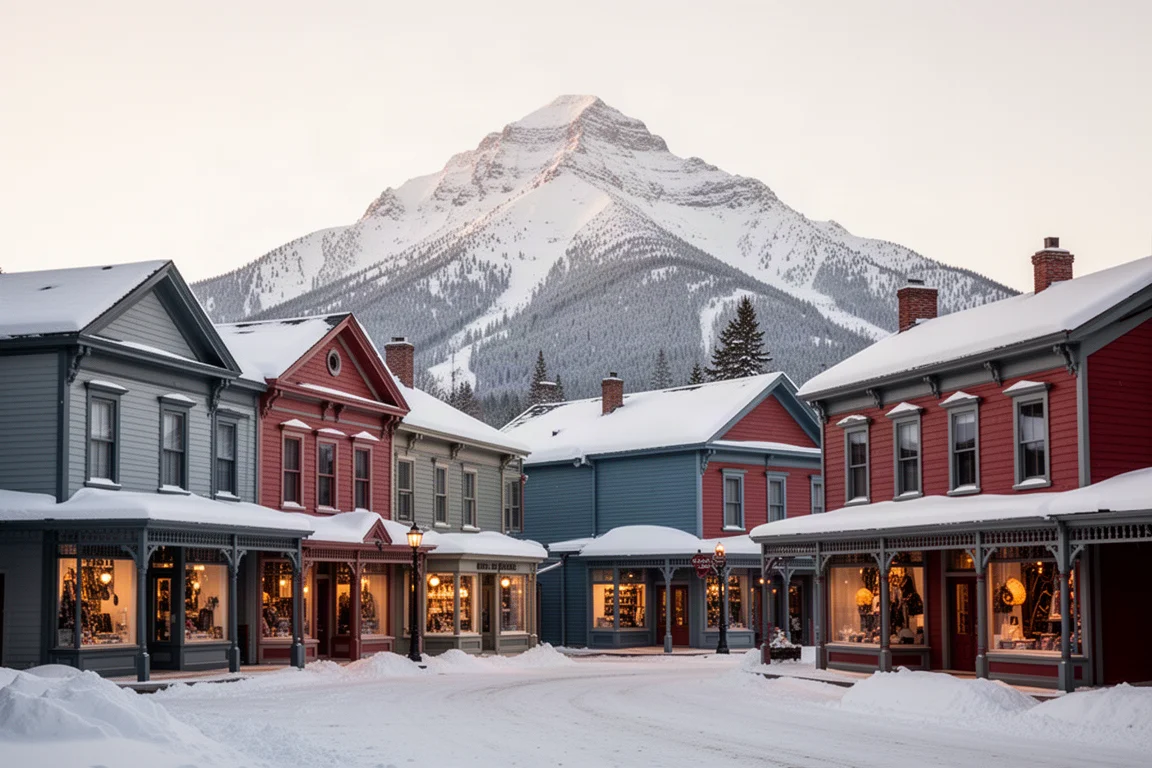
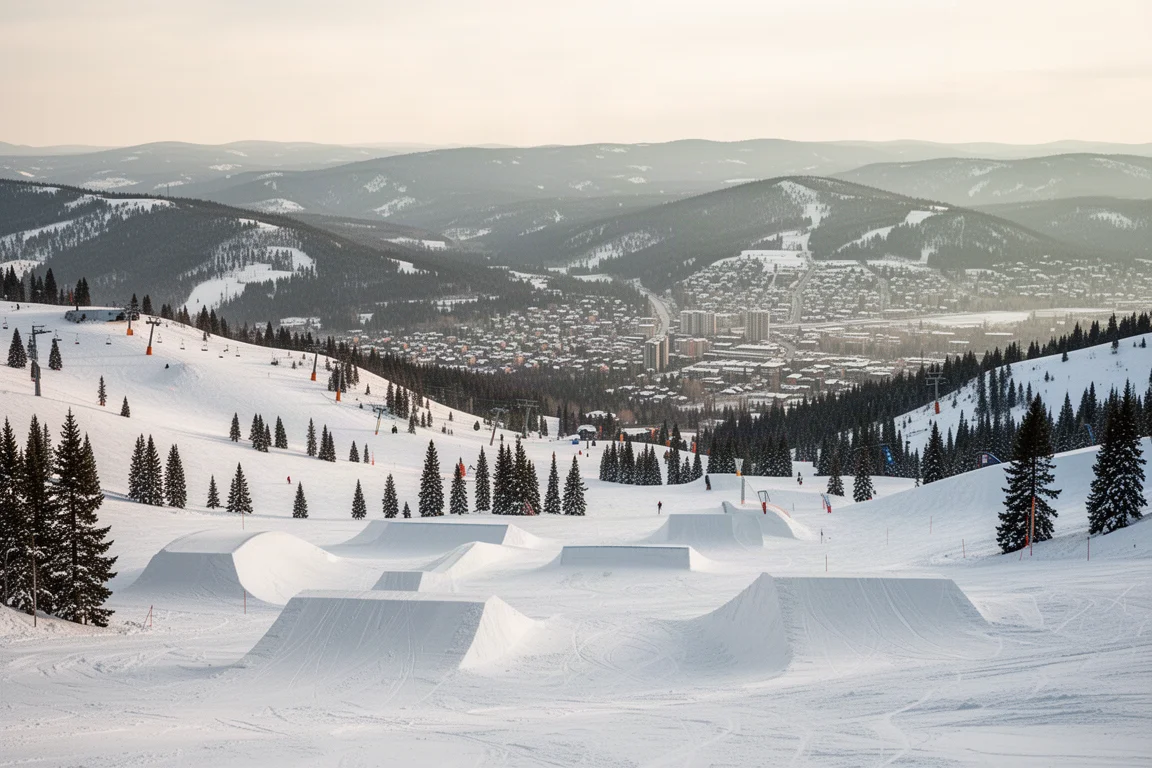
At 7,300 acres, Park City is the largest ski resort in the United States. It is anchored by the best ski town in Utah and some of the best terrain parks in North America. Crowds have grown in recent years, and on-mountain operations, including lift line management and restaurant service, have felt the strain.
Tickets are not cheap. One-day rates top out at $259 on holidays and throughout March, and advance off-peak weekday purchases bottom out around $182.
Park City is owned by Vail Resorts, which means the Epic Pass window applies here as well. For anyone planning more than a day or two, that window is worth watching before it closes.
Deer Valley: Luxury Service at a Premium
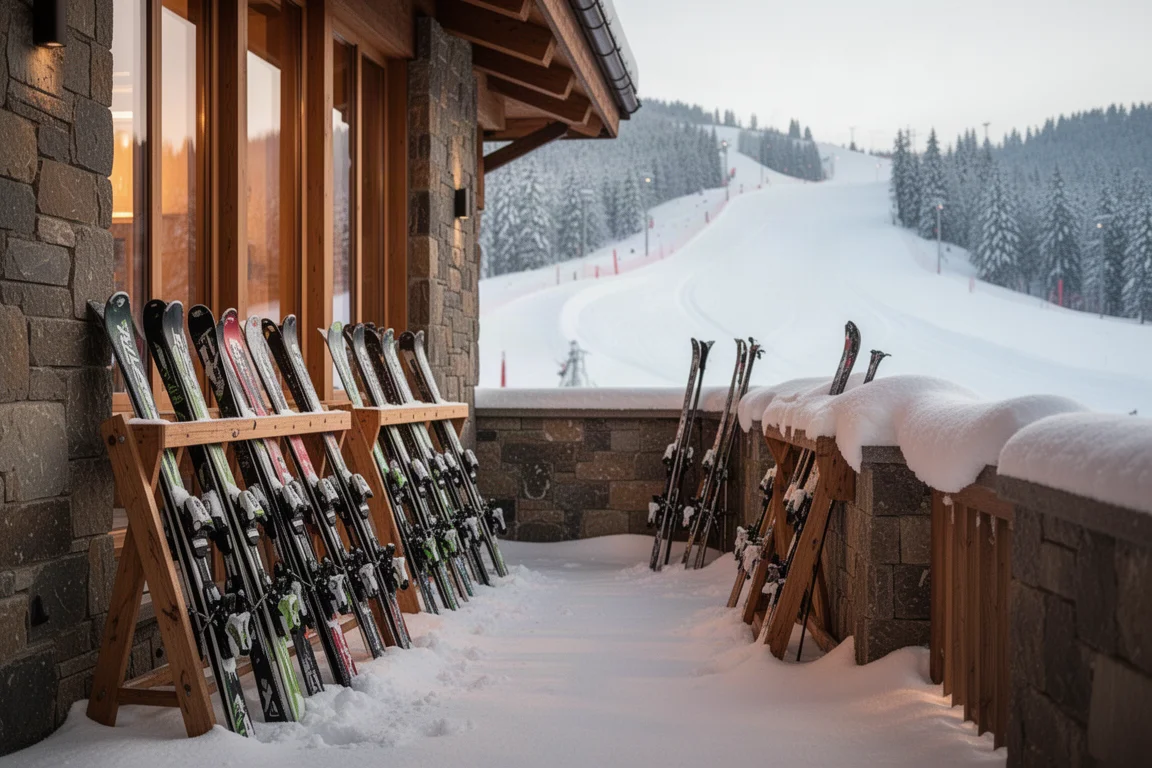
Deer Valley is known more for luxury than for the quality of its terrain. Snow and terrain are less of a draw than at other Rocky Mountain destinations, with limited bowl terrain, roughly half the natural snowfall of some other Utah mountains, and a heavily built-up footprint. What the resort does exceptionally well is service: complimentary overnight ski storage and on-site staff ready to handle almost any request.
That service is expensive. Deer Valley tops out at the same $259 one-day rate as Park City, and even an advance purchase on an off-peak weekday never falls below $199 for adults. Children four and under pay $48 for a day, where most other resorts admit that age group free.
Deer Valley is on the Ikon Pass, but not the base Ikon Pass or a session pass. The cheapest pass product that includes five days of Deer Valley access with holiday blackouts still costs more than $1,000.
For families and travelers who weight service and amenities above terrain, the resort still delivers a distinct experience. The cost of entry simply reflects that positioning, and it is a steep one.
Palisades Tahoe: A Linked Resort With Higher Rates
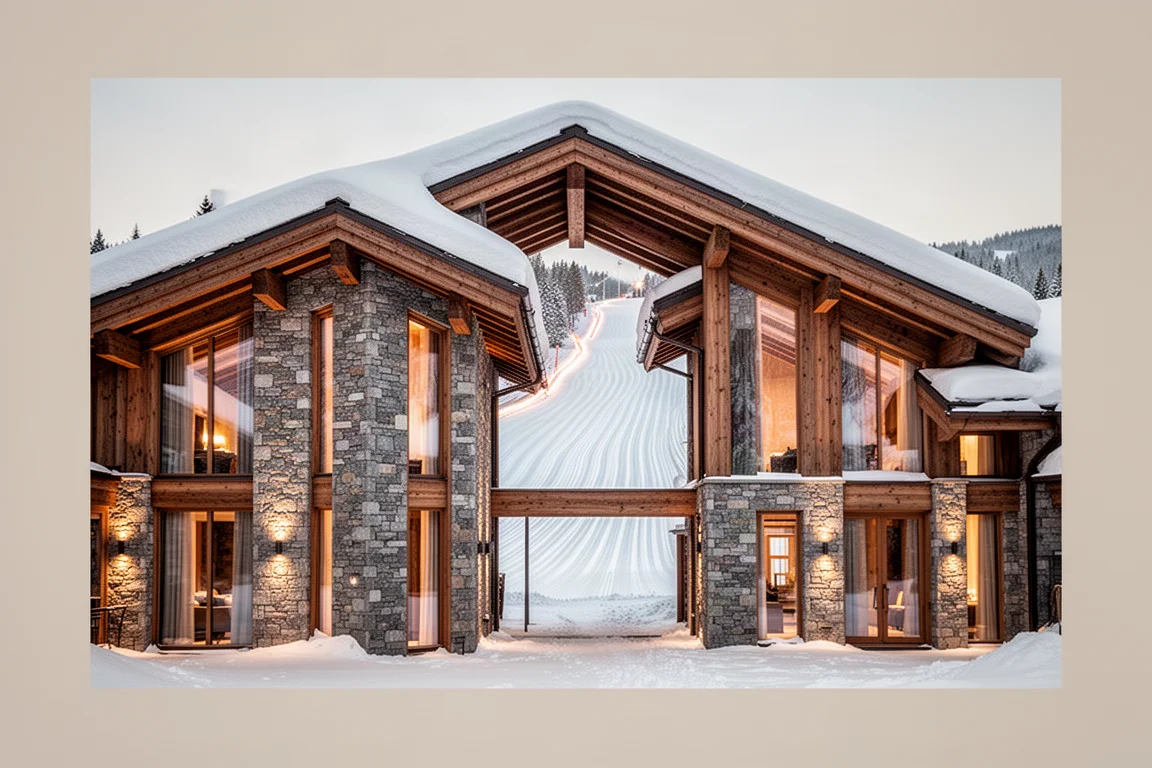
Palisades Tahoe is combining its two sites, Olympic Valley and Alpine Meadows, into one interconnected resort with a new gondola connection, and upgrading the Red Dog chair to a high-speed six-pack for better access to lower mountain terrain. The two sides were already the strongest individual resorts in the Lake Tahoe region, and linking them creates the largest skiable footprint in Tahoe and one of the largest in North America.
Prices have moved with the upgrades. One-day walk-up rates reach $269 on weekends and holidays, weekday walk-up rates are not far behind, and booking within two weeks of a trip often means paying close to $200 per day. Off-peak Tuesdays and Wednesdays can drop as low as $149.
Tahoe conditions add risk to advance booking, since terrain closures, snow droughts and icy slopes are all possible. Palisades is on the Ikon season and session passes, and it also offers four-pack products that represent the best value if booked early. Both go off sale after December 8.
Steamboat: Remote Terrain, Steep Ticket Prices
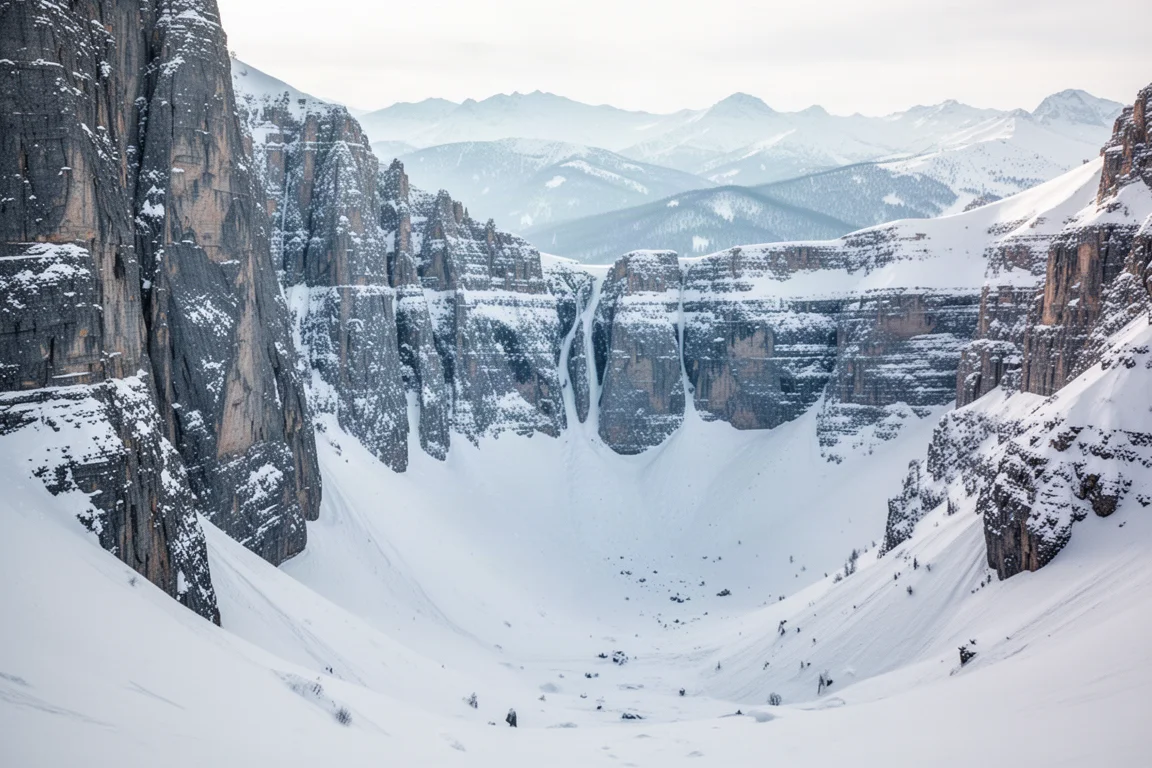
Steamboat sits further from the crowds than most Colorado destinations, north of the I-70 corridor and several hours from Denver. The resort is anchored by a historic, lively town with a deep skiing heritage, and its tree terrain is a genuine standout. Weaker above-tree-line and expert terrain, along with some difficult choke points, hold it back against in-state competition.
The ticket prices do not reflect those drawbacks. One-day adult lift tickets reach $269, matching Palisades Tahoe and out-pricing nearly every other Colorado mountain. Off-peak weekday prices start as low as $177, but those dates book up quickly. Pricing is demand-based, and one-day rates climb above $200 months in advance of all but the most off-peak days.
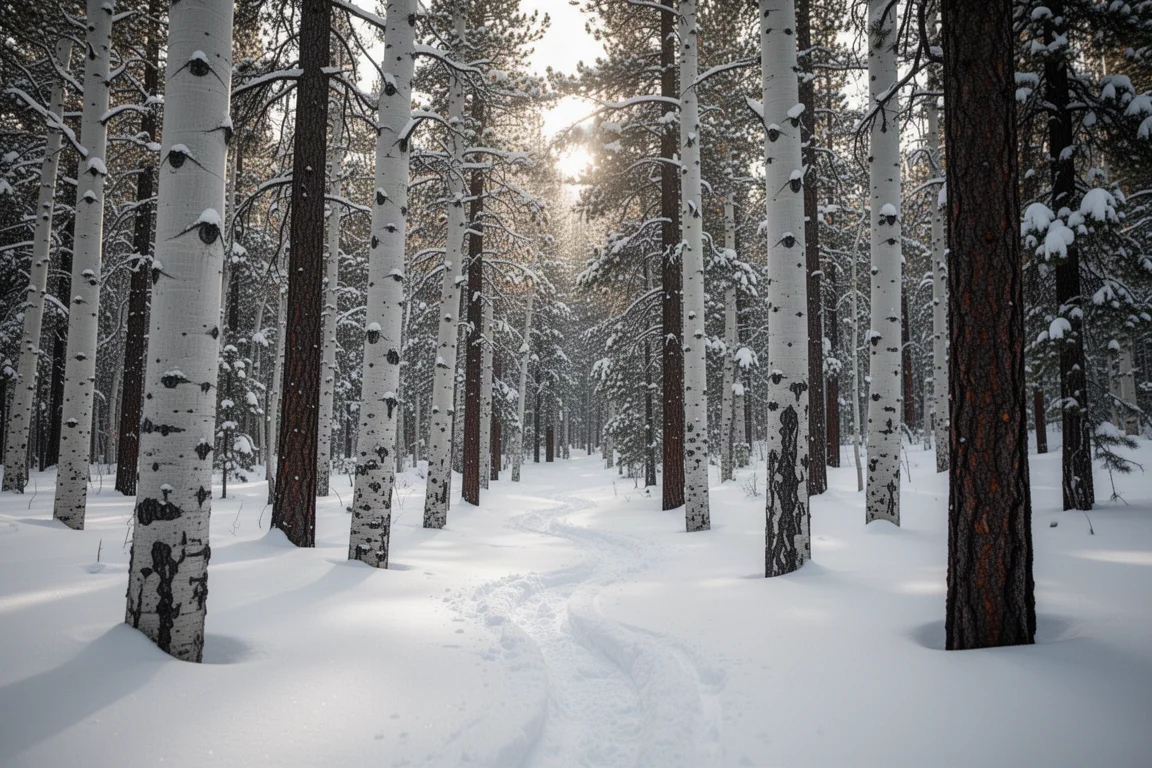
Steamboat is also on the Ikon season and session passes, which is the more sensible route for a winter visit.
Vail: A Footprint With No Parallel
Vail and Beaver Creek operate as co-flagship resorts, and they share identical lift ticket prices for every day of the season, no matter how far in advance a ticket is purchased. The highest walk-up rate at both is $275 for one day, and that rate applies through the entire month of March as well as the December, January and February holiday periods.
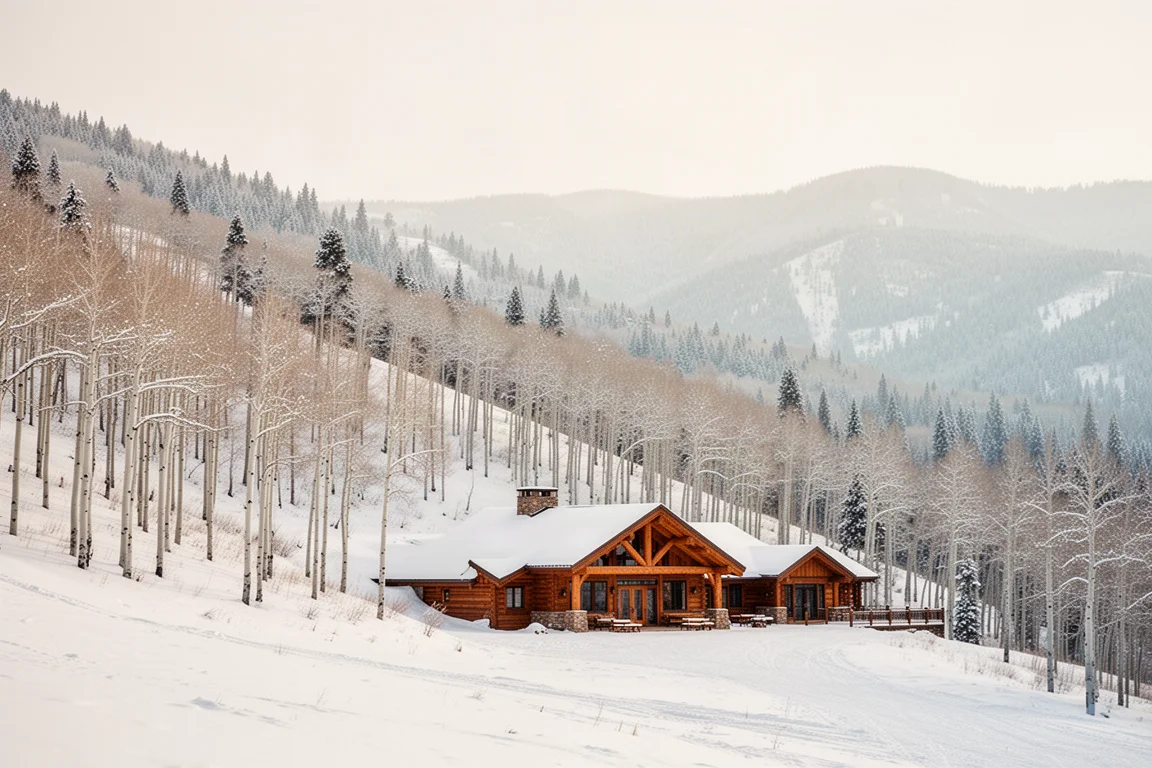
Vail’s case rests on scale and variety. Its skiable footprint combines size with a range of terrain that has essentially no parallel in North America.
Vail Resorts has moved deliberately toward pass-oriented access, steering guests toward Epic Pass products before the season begins. Passes are more predictable revenue than single-day tickets, which guests can abandon when weather or other plans change. The high window rates function as another nudge in that direction.
Cheaper tickets do exist ahead of time and during the quieter January and February stretch, but advance adult tickets start above $200 and reach $247 in March and during holidays.
Beaver Creek: Hospitality at a Premium
Beaver Creek shares Vail’s pricing structure exactly, with the same $275 peak walk-up rate and the same $200-plus floor on advance adult tickets.
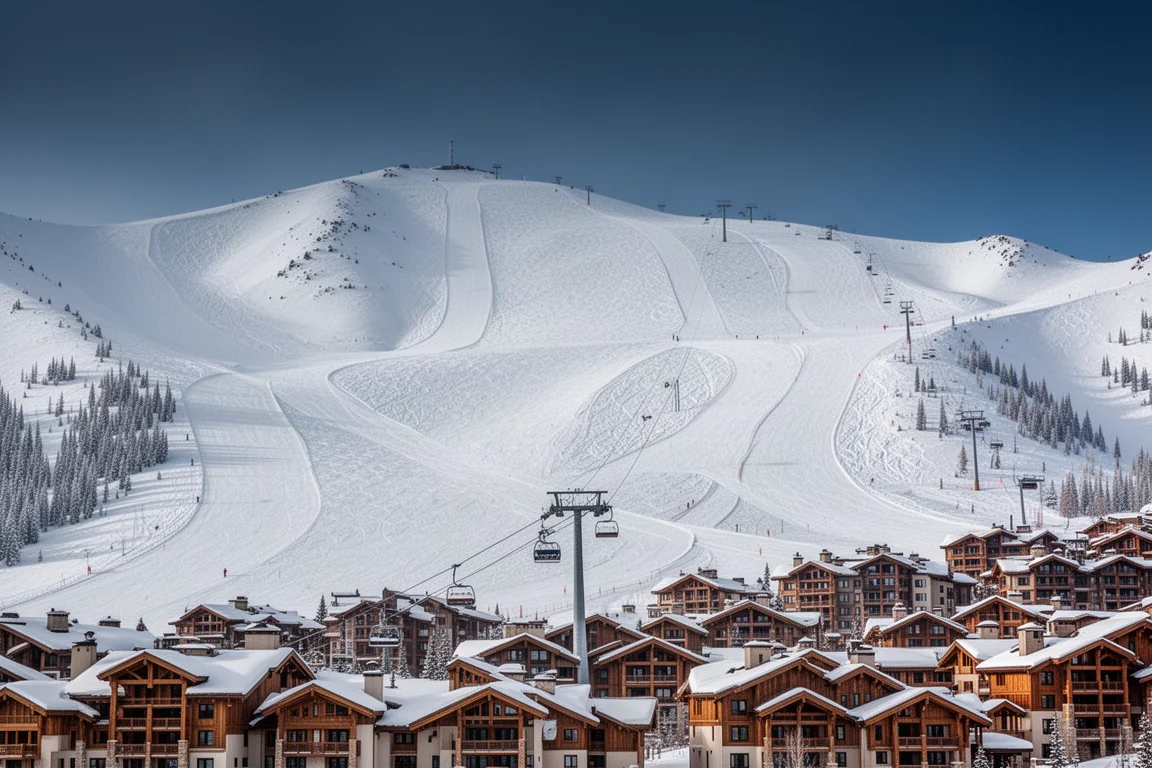
Where it differs is character. Beaver Creek handles hospitality exceptionally well, and it is one of the few luxury-oriented resorts with a genuinely modern lift setup and surprisingly demanding expert terrain. For travelers who weight service and lift infrastructure heavily, that combination is the appeal, and it is also the reason the mountain can sustain rates that sit at the very top of the market.
Homewood: The Highest One-Day Rate in North America
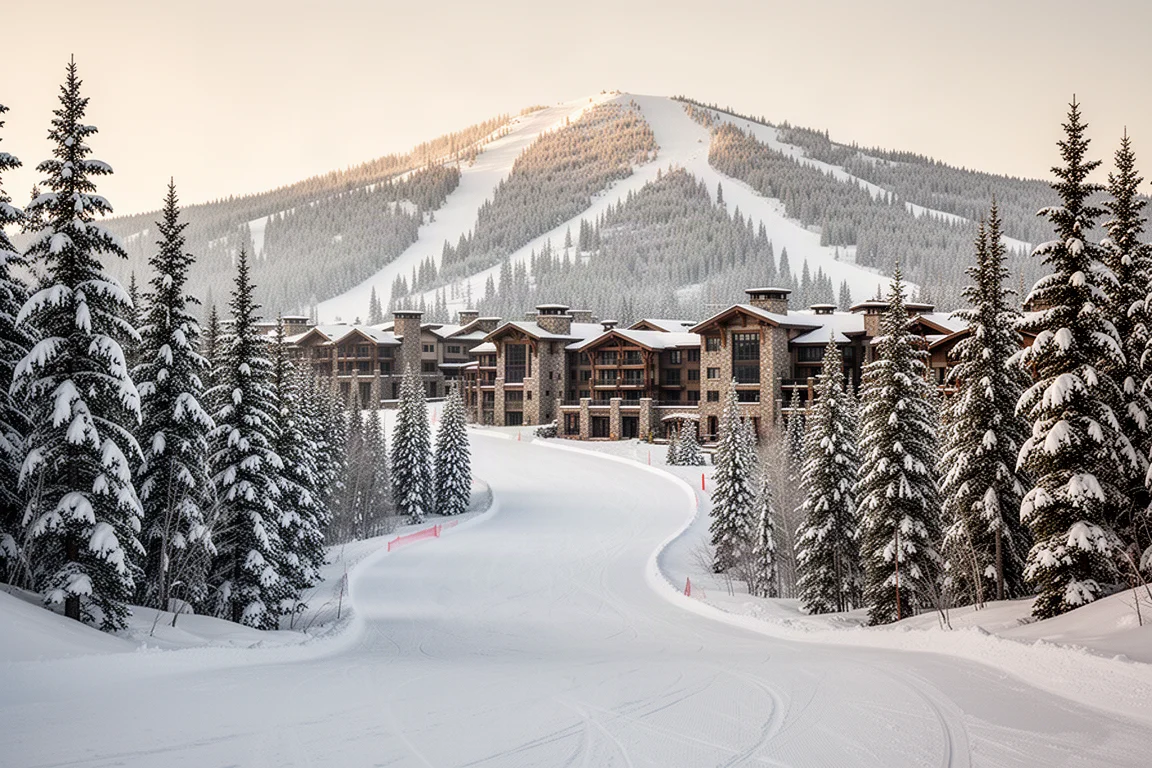
The most expensive one-day lift ticket in North America this winter belongs to Homewood, a small resort on the California side of Lake Tahoe. Peak walk-up rates reach $279 for a single day, with weekend walk-up prices at $229 and off-peak weekdays at $159. Homewood once offered some of the cheapest access in Tahoe.
The context matters. Visitation has fallen sharply, with barely 1,000 visitors even on the busiest days last season, and rumors have circulated that the resort may go private. Raising window prices looks like an attempt to address a revenue problem in the short term. The resort’s lakeside setting gives it some of the best atmosphere anywhere in the region, but a 400-acre footprint makes a $200-plus cost of entry difficult to justify when larger Tahoe resorts charge similar rates.
Advance discounts can bring a day down to $99, but Homewood is one of the more fickle ski areas in the region. Low elevation and limited snowmaking leave conditions variable, and complete shutdowns have happened in past seasons when conditions deteriorated. Tickets are non-exchangeable and non-refundable, so booking ahead carries real risk.
Buying Advice: Book Early to Avoid Window Rates
Almost every price in this guide can be reduced with advance planning, and for most of these resorts there is little or at least tolerable downside to locking in plans months ahead. The clearest savings come from three routes: early-bird single-day tickets bought well before the trip, multi-day packs where they are offered, and season or session pass products that cover several resorts.
Deadlines matter as much as prices. Several of the strongest-value products described above go off sale in the first week of December, and the flex packs at Winter Park and Palisades Tahoe disappear on the same schedule. Waiting until arrival means paying window rates, which is where the $239 to $279 figures come from in the first place.
It is also worth noting how crowded this top tier has become. Another ten North American resorts sell lift tickets above $200 per day, bringing the total to twenty, and five more missed that mark by less than $10. The list is likely to grow again next season.
Conclusion
The ten resorts here are among the most competitive mountains on the continent, and none of them justify their highest ticket prices. Big Sky, Vail, Beaver Creek and Palisades Tahoe offer genuinely distinctive terrain and infrastructure; Winter Park, Breckenridge, Park City and Steamboat trade on scale, terrain variety and town life; Deer Valley sells service; Homewood sells atmosphere and short lift lines at a footprint size that does not match its price.
For anyone planning a trip, the decision is less about which mountain is worth $279 and more about which purchase route avoids that number. Buy early, choose off-peak dates where flexibility allows, and treat pass products as the default rather than the exception.
Further reading
Related Reviews
Ski Travel
Best Ski Resorts in Western Canada: 8 Standout Mountains Ranked
A ranked guide to eight standout ski resorts in Western Canada, covering terrain, snowfall, lift flow, and which kind of skier each mountain suits best.
Ski Travel
Best Value Ski Resorts in North America: 13 Destinations Worth Booking
Thirteen North American ski resorts that deliver strong snow and terrain for less than their best-known competitors, plus the trade-offs to weigh before you book.
Ski Travel
Canada's Best Ski Trip Options: Seven Ways to Plan Your Next Mountain Getaway
From Whistler's big-resort buzz to the quiet Powder Highway, seven Canadian ski trip styles worth planning around, with honest trade-offs for each.